
Is Kyoto Safe for Americans? Kyoto vs Osaka
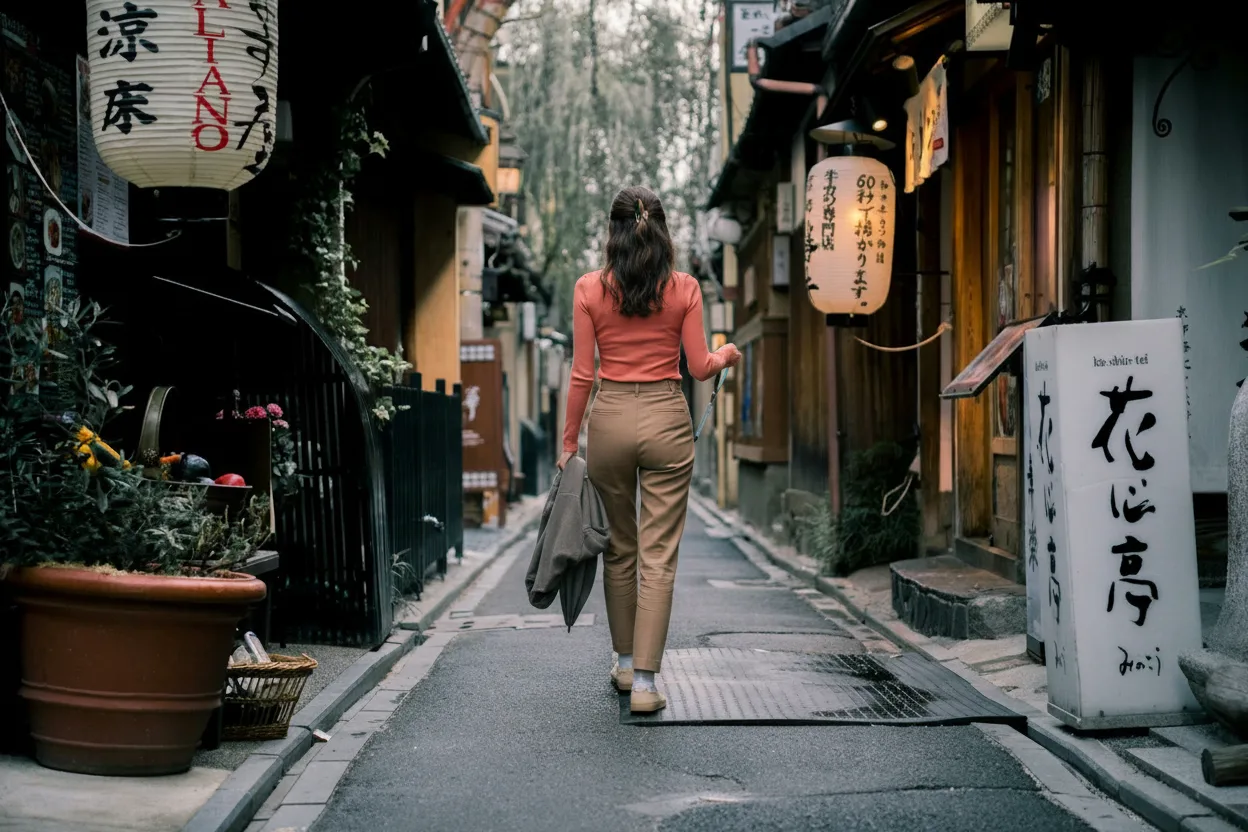
Yes—Kyoto is safe for Americans, and I’d pick it over Osaka for calmer streets, easy transit, and solo nights; subway rides cost about 230 JPY.
Yes—Kyoto is safe for Americans, and I’d pick it over Osaka for calmer streets, easy transit, and solo nights; subway rides cost about 230 JPY.
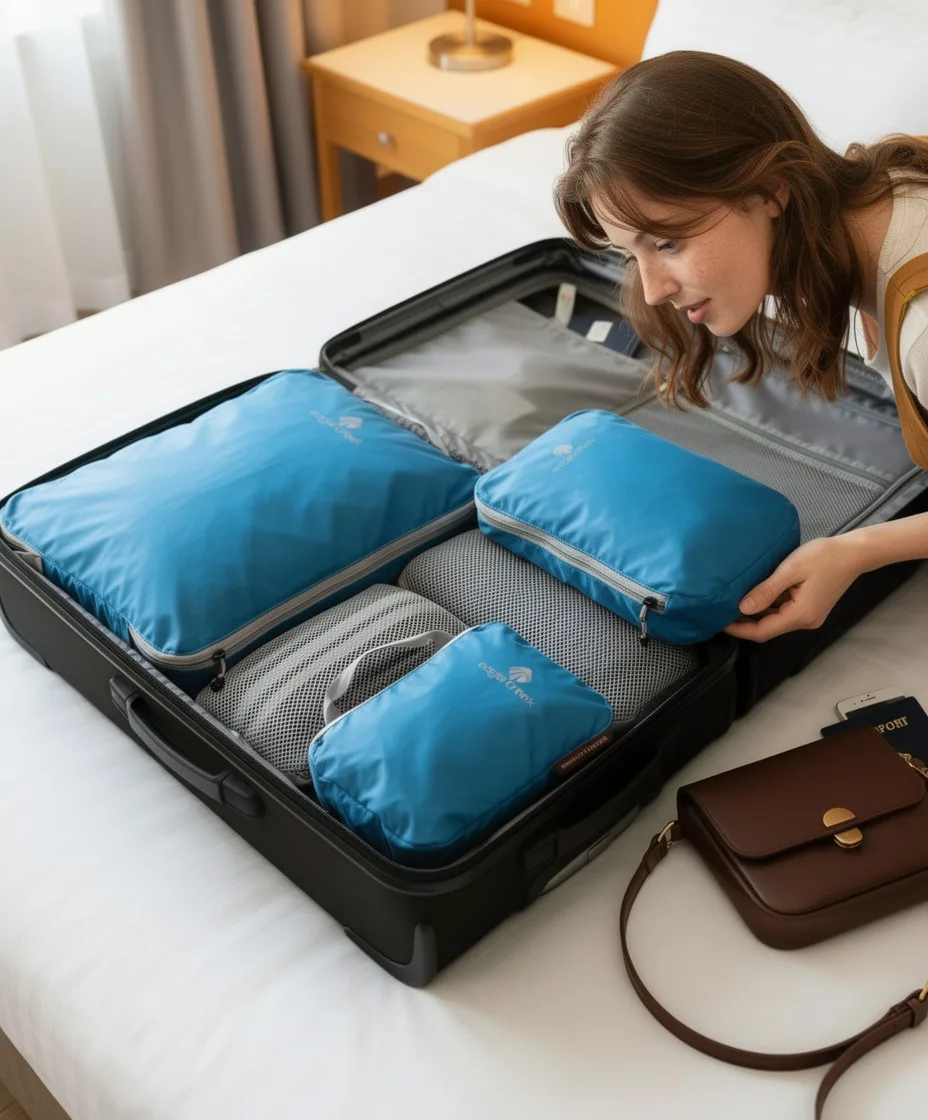
Best packing cubes for carry-on minimalist travel? I swear by the Eagle Creek Specter set—it cut packing to 15 minutes and fits 7 days in 40L for $25-45.
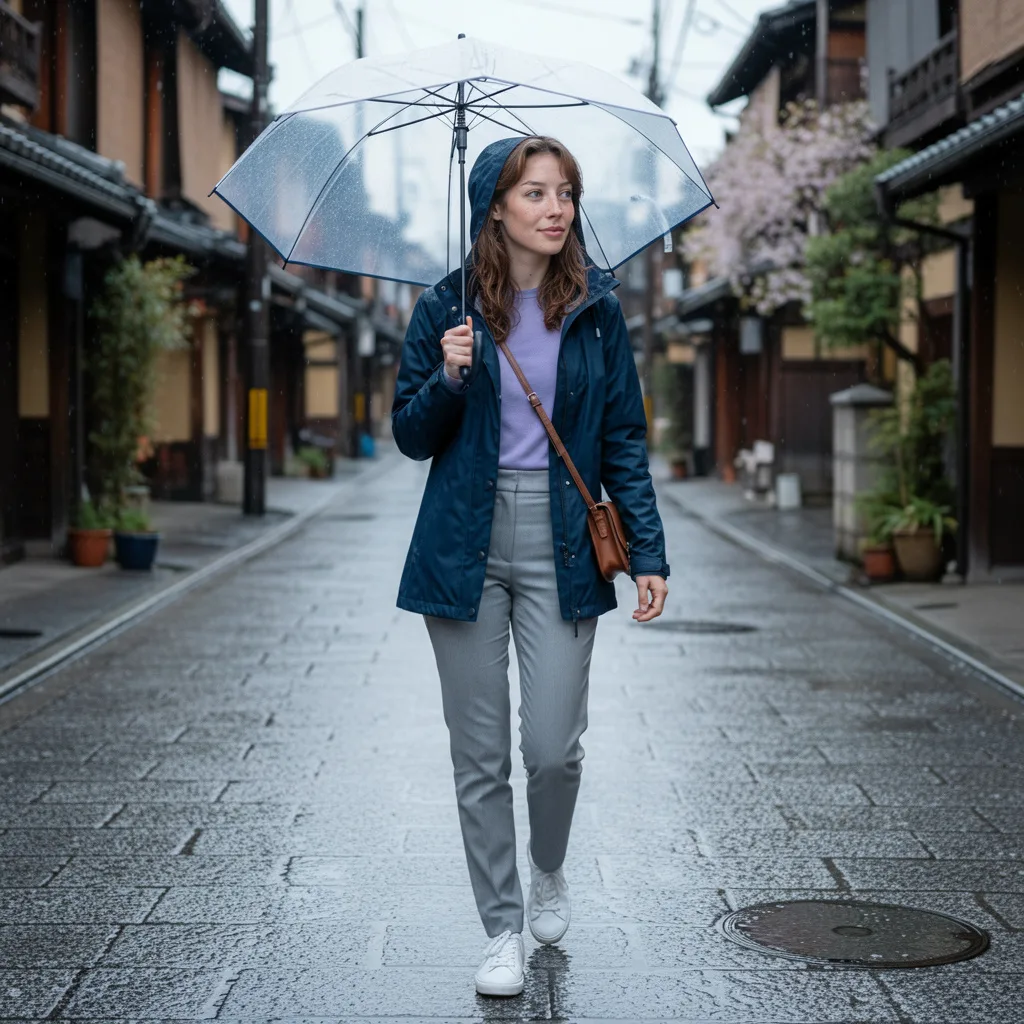
Yes—Kyoto is safe for women, especially solo travelers, if you keep nights simple. Central stays ran about $70–$110 and short rides $12–$18.
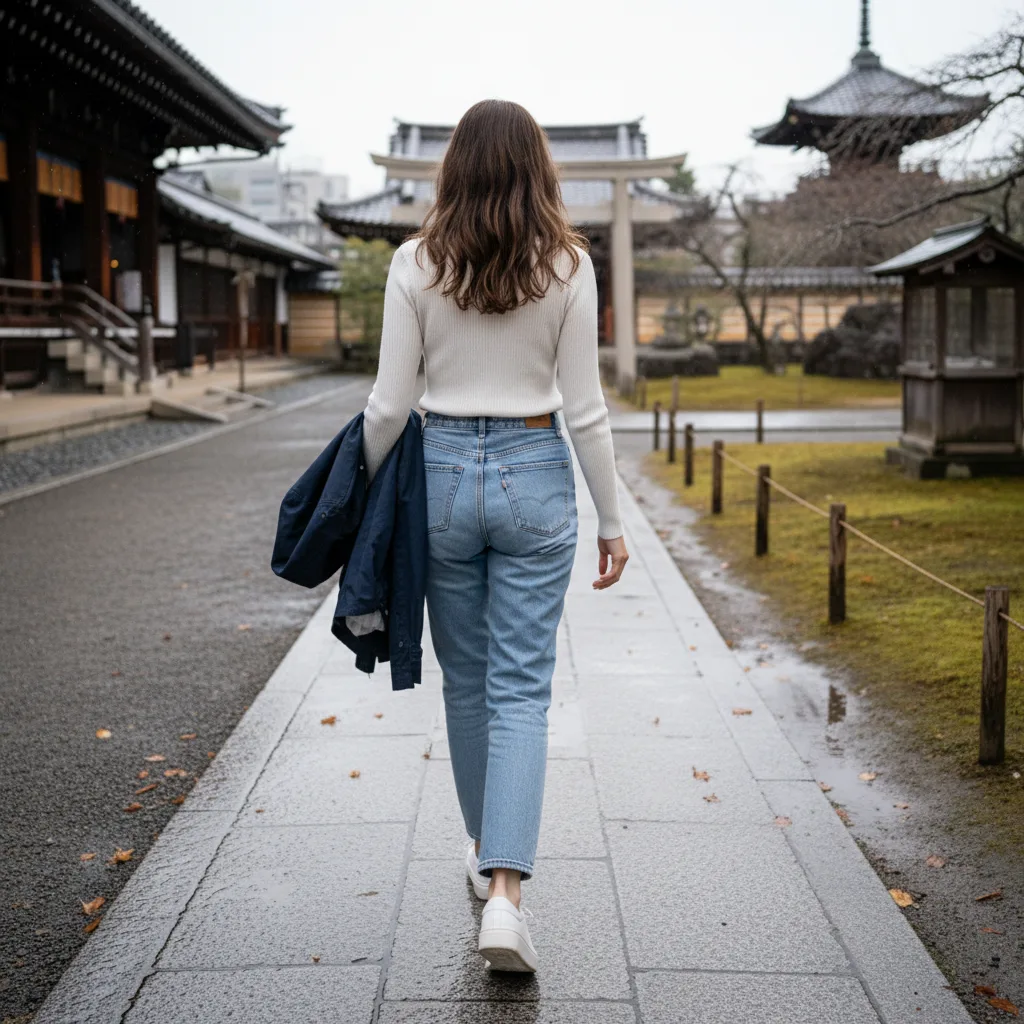
Yes—stay near Kyoto Station if your trip is short or train-heavy; I paid $136/night and loved the easy arrivals, departures, and day trips.

Kyoto or Osaka for first timer? My pick is Kyoto: calmer, more Japan-feeling, and better for 3-5 days; Osaka wins for 700-900 JPY takoyaki.
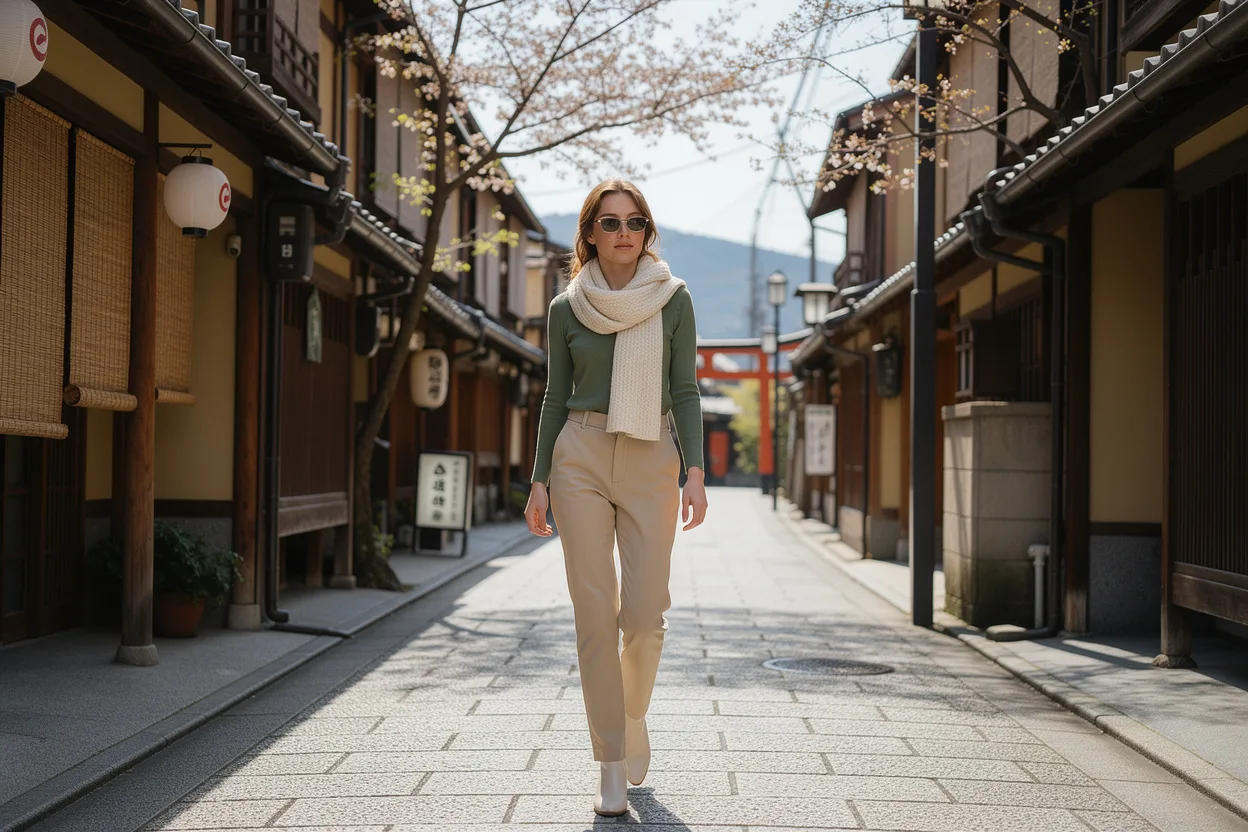
Go early if you want things to do in Kyoto to avoid crowds: sunrise Fushimi Inari, 1 neighborhood, and fewer queues. 8am is already too late.
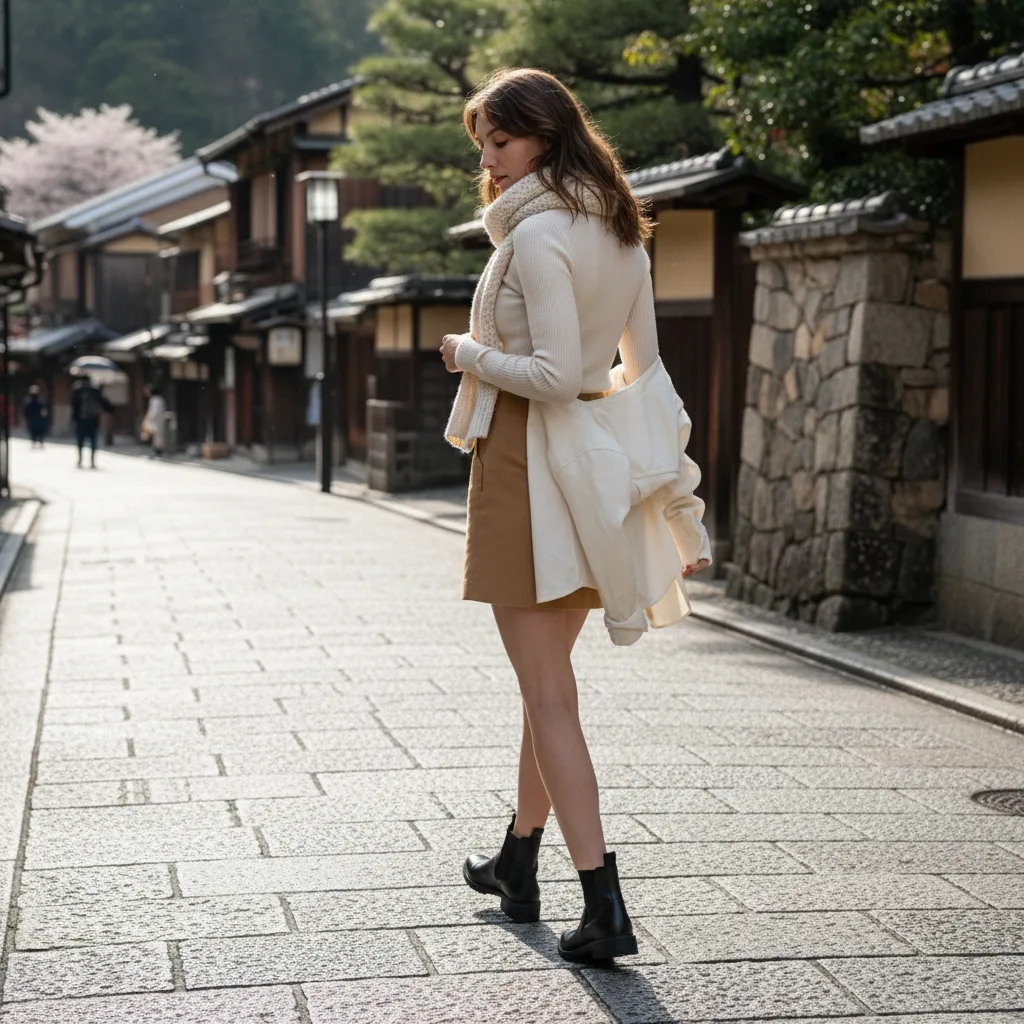
My Kyoto park picks are Maruyama, Kyoto Gyoen, Kamo River, and Shosei-en—best for a slower day, with 1 easy free reset: Kamo River.
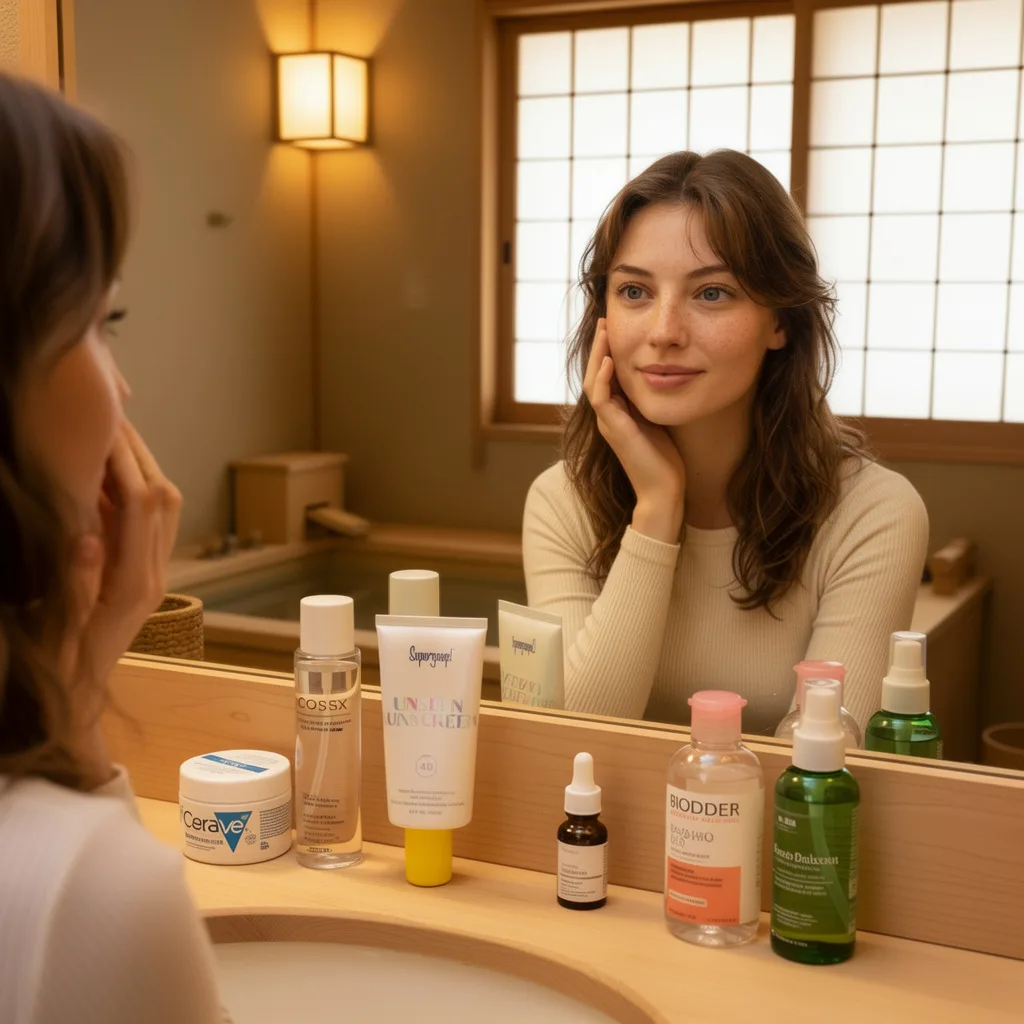
Emma’s honest gear diary: what actually works after testing across multiple countries and climates. Real usage, real cons, no fluff.
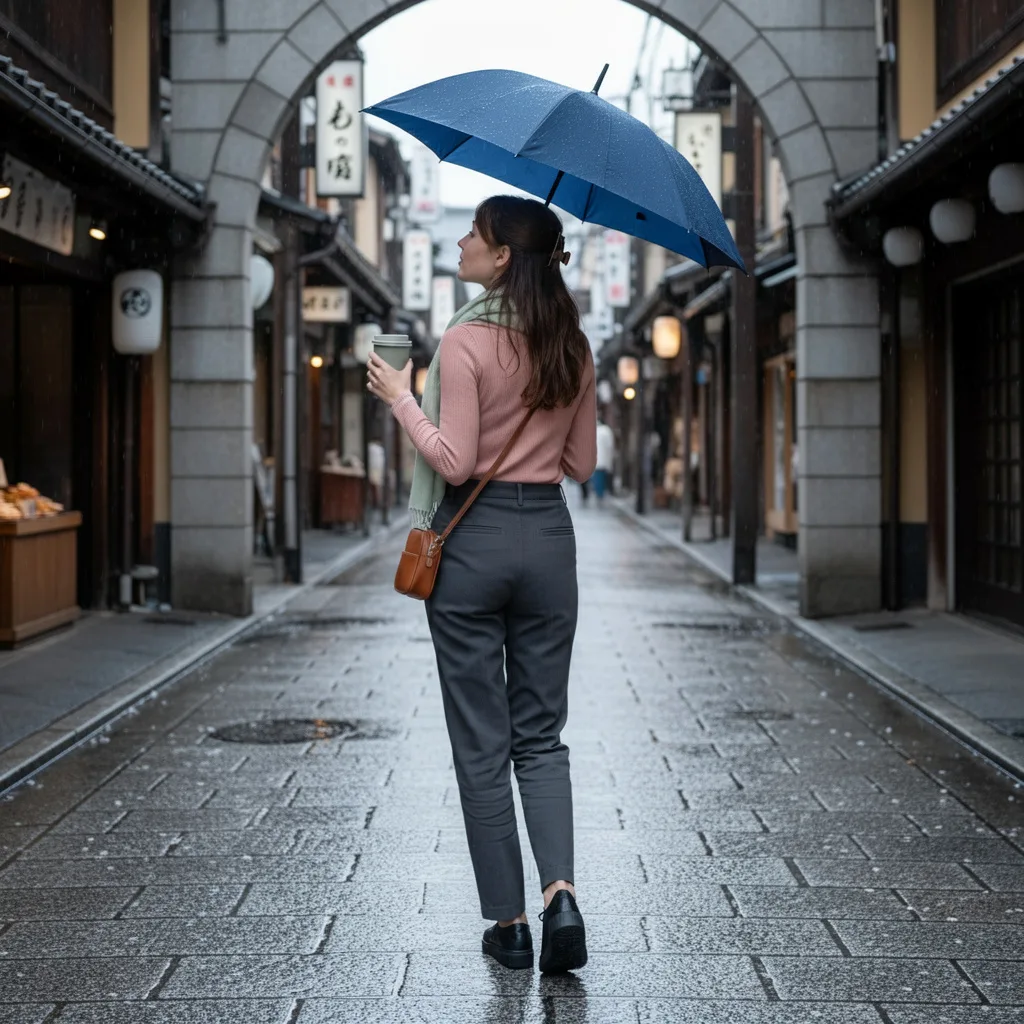
I’d base in Kyoto for things to do in Kyoto Osaka Kyoto base—slower mornings, temples, and day trips, with my budget around $132 a day.
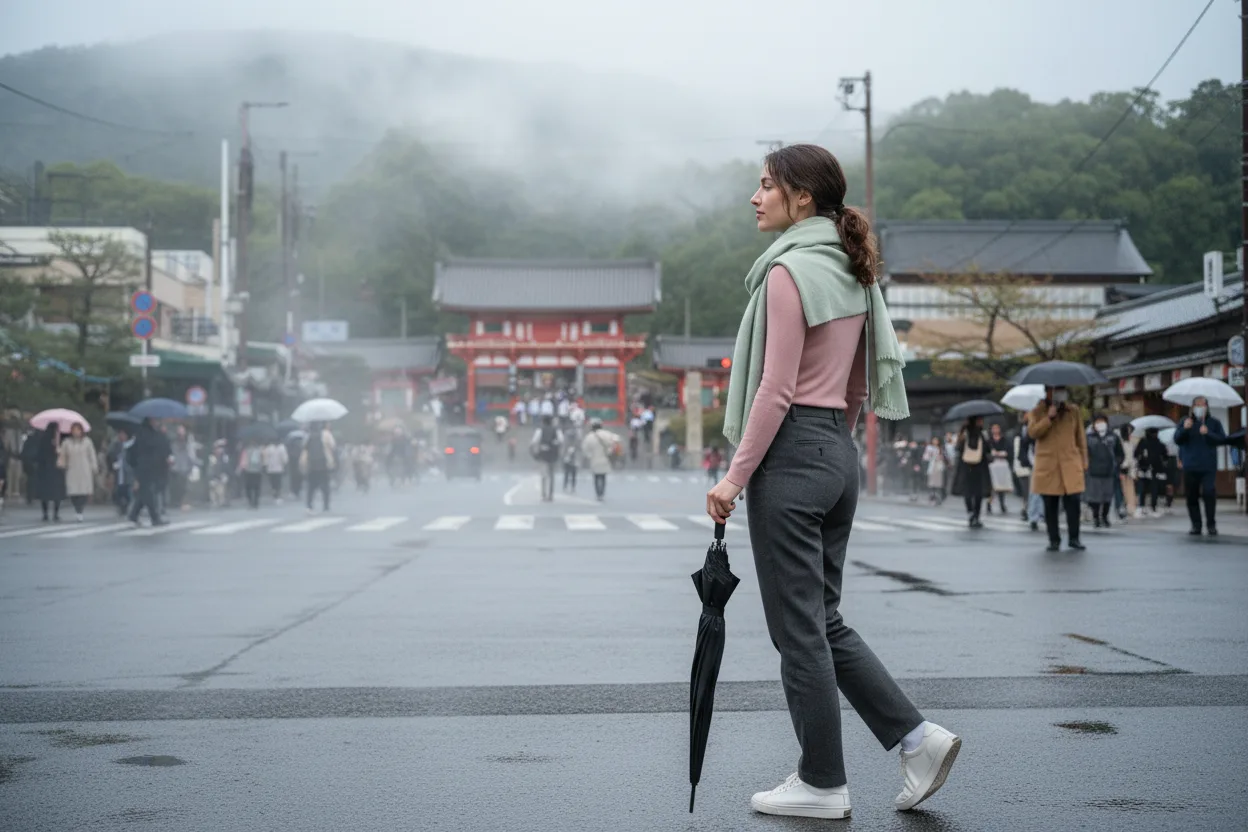
Kyoto in March works best as a slower itinerary: early blossoms, quieter mornings, and smart weather backups. My favorite stops start at ¥150.
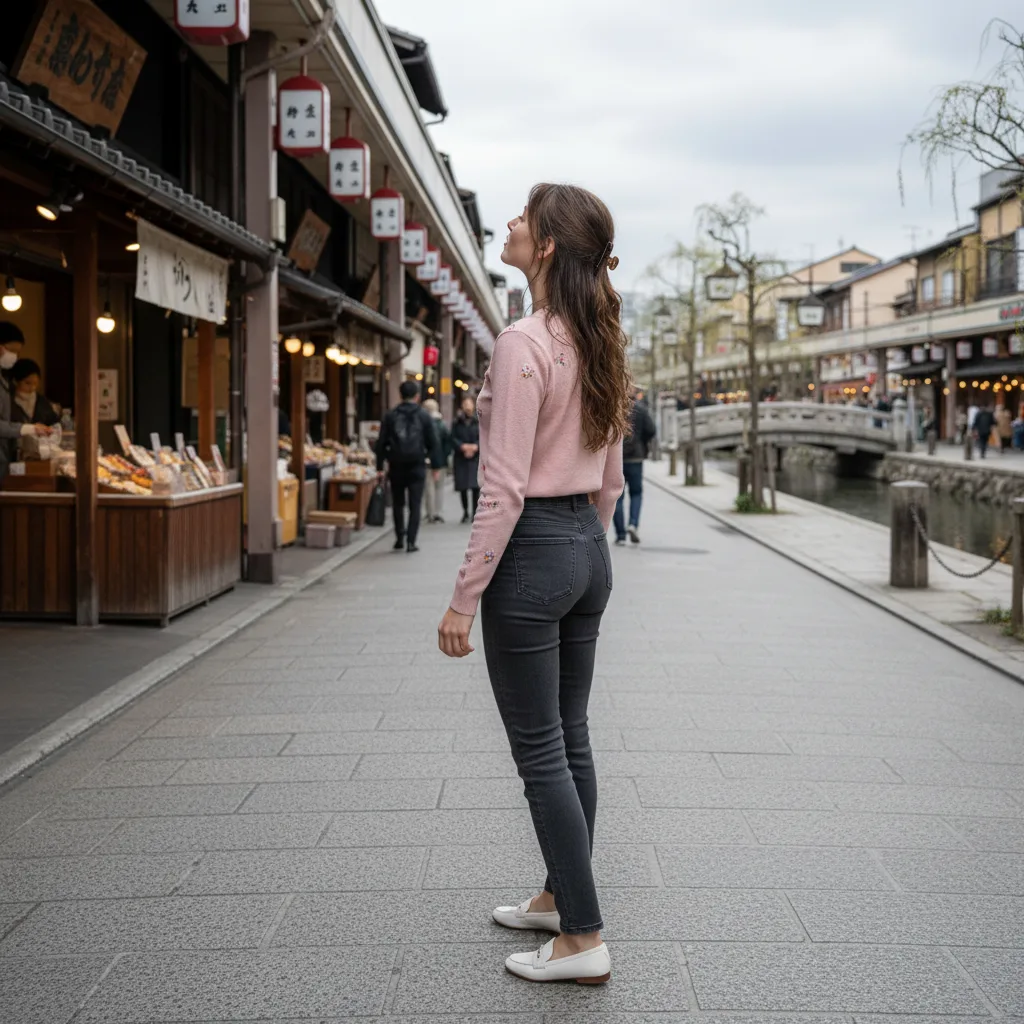
Things to do in kyoto open now: Explore Kyoto’s temples, markets, and tea houses with 7 must-see spots for your trip today.
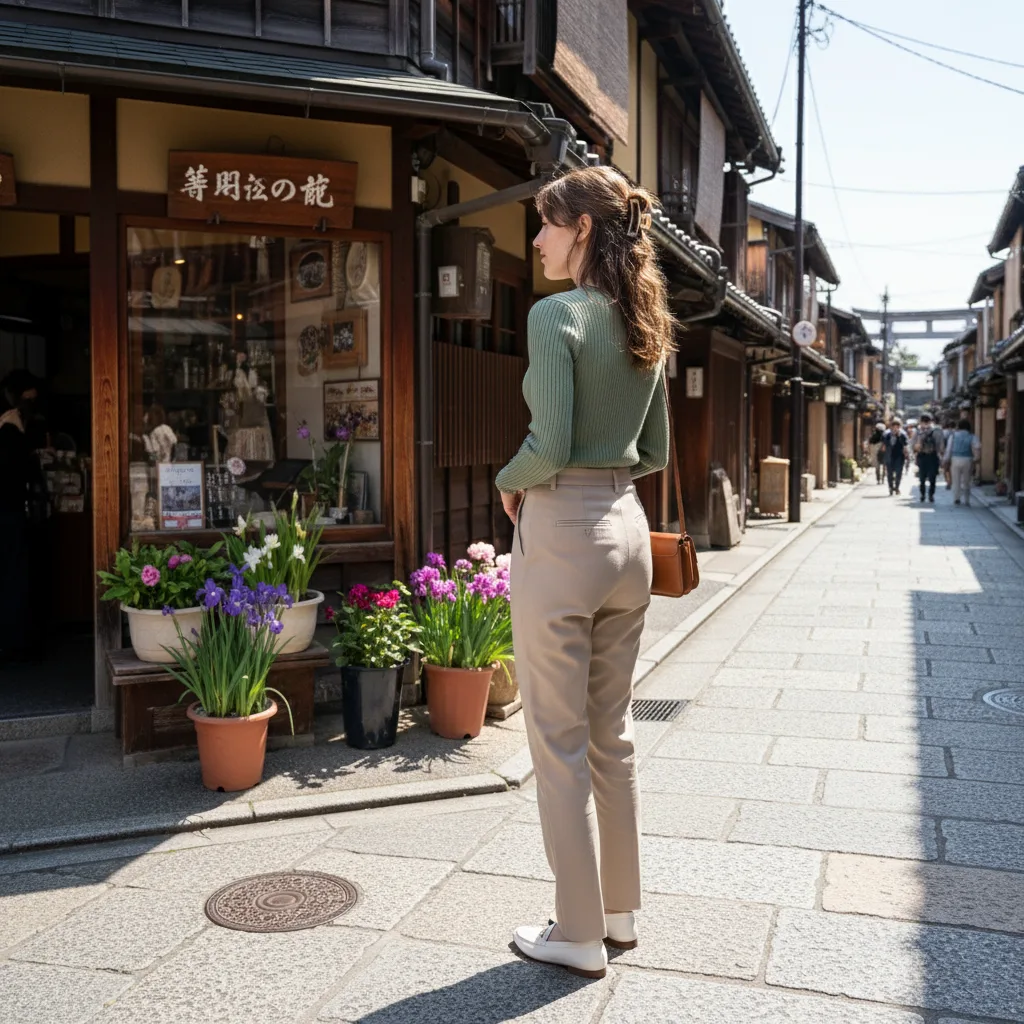
Kyoto things to do: start at Fushimi Inari at sunrise, wander Gion and Higashiyama, then eat well—my verdict: 1 iconic shrine, 1 walk, 1 meal.