
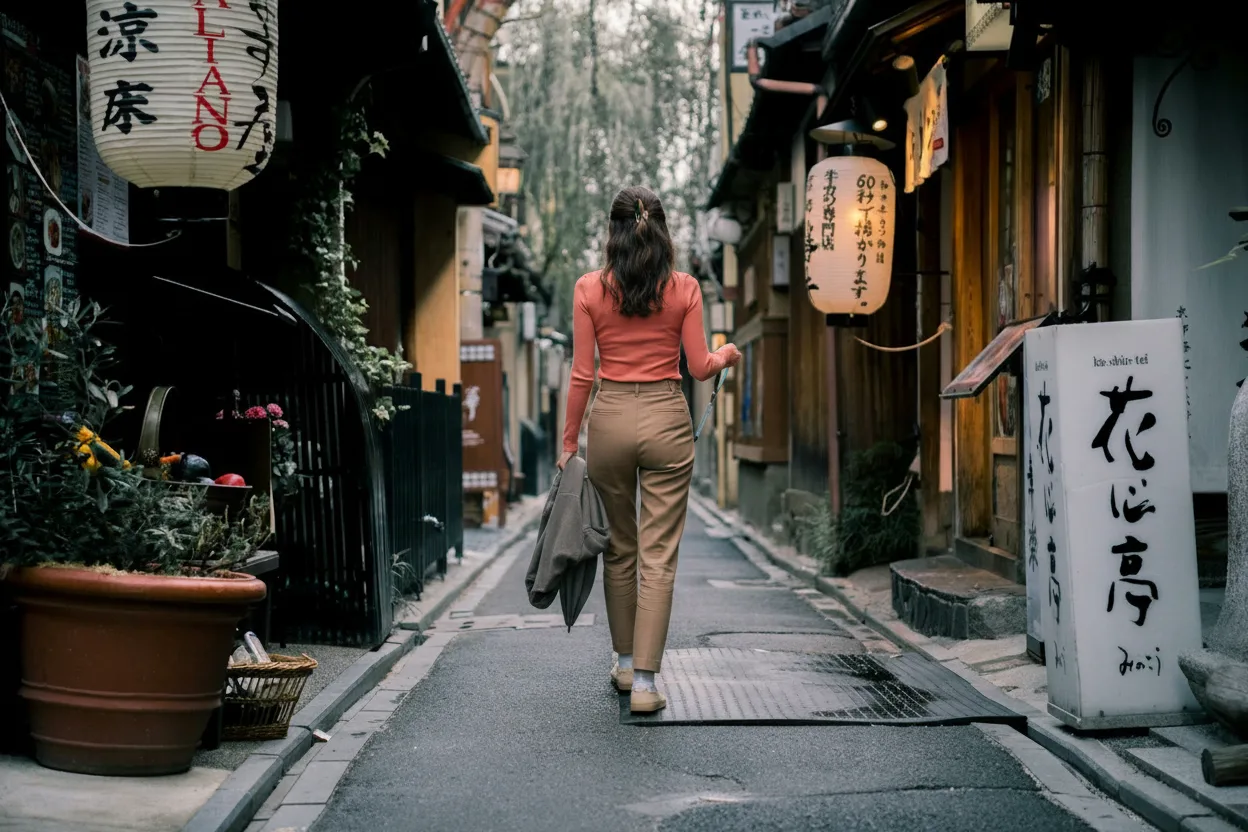
Kyoto was supposed to feel a little intimidating. It was chilly, lightly rainy, and I spent my first morning with an umbrella in one hand and a scarf I kept forgetting to zip up. It was calmer than I expected. I’d say Kyoto is safe for Americans, and I’d choose it over most big cities in Japan if your main worry is street safety, getting around alone, or dealing with late nights without stress.
Choose Osaka only if you want more late-night energy and don’t mind a busier, louder trip. Kyoto is the better pick for most Americans because the city feels orderly, walkable, and easy to read fast. The real tradeoff is not danger. It’s convenience versus atmosphere: Kyoto is easier to navigate and generally more relaxed, while Osaka gives you more food-and-nightlife chaos.
Best for: first-time American travelers who want a low-stress city with easy transit and fewer annoying surprises.
Choose Osaka only if: you want bigger nightlife, later trains, and a more chaotic city rhythm.
My pick: Kyoto, because I felt comfortable walking around alone even after dark, and that matters more to me than flashy energy.
Quick answer: Yes, Kyoto felt safe for Americans in the practical sense. I walked alone, took trains alone, and felt comfortable after dark. If you’re choosing between Kyoto and Osaka, I’d pick Kyoto for calmer streets, easier logistics, and less friction after a long flight.
Why Kyoto felt safer than I expected

I paid about 230 JPY for a subway ride in Kyoto when I didn’t want to walk in the rain. That kind of small, boring convenience adds up. It’s one reason I felt comfortable here so quickly.
I’d choose Kyoto because it feels manageable without being dull. That’s the sweet spot. The city gives you enough structure that you don’t waste half the day figuring out where you are, and for a solo traveler, that counts for a lot.
I stayed around the downtown side of the city and spent a lot of time walking between stations, coffee shops, and dinner spots. The streets were well lit, and even when I got turned around near a smaller side street, it never felt sketchy. I did not once have that “maybe I should head back now” feeling that happens in some cities after dark. That’s the point I trust most.
Kyoto also rewards a slower pace. I liked that I could leave my hostel, grab a 150-yen onigiri from a convenience store, and be at a temple area or a train platform without a complicated plan. It’s safe in the everyday sense, but also safer-feeling because the city doesn’t constantly throw friction at you. That’s worth something.
Best for: solo travelers, first-timers, and anyone who wants a city that feels calm without feeling empty.
Skip if: you want a loud, late, high-energy base and you get bored when a city winds down early.
Worth it: if your idea of a good trip is moving around easily, eating well, and not thinking about safety every five minutes.
One thing I noticed fast: Kyoto is not trying to impress you with speed. It’s useful, not flashy. I think that’s why it works so well for Americans who want fewer surprises.
What Osaka does better, and who should pick it instead
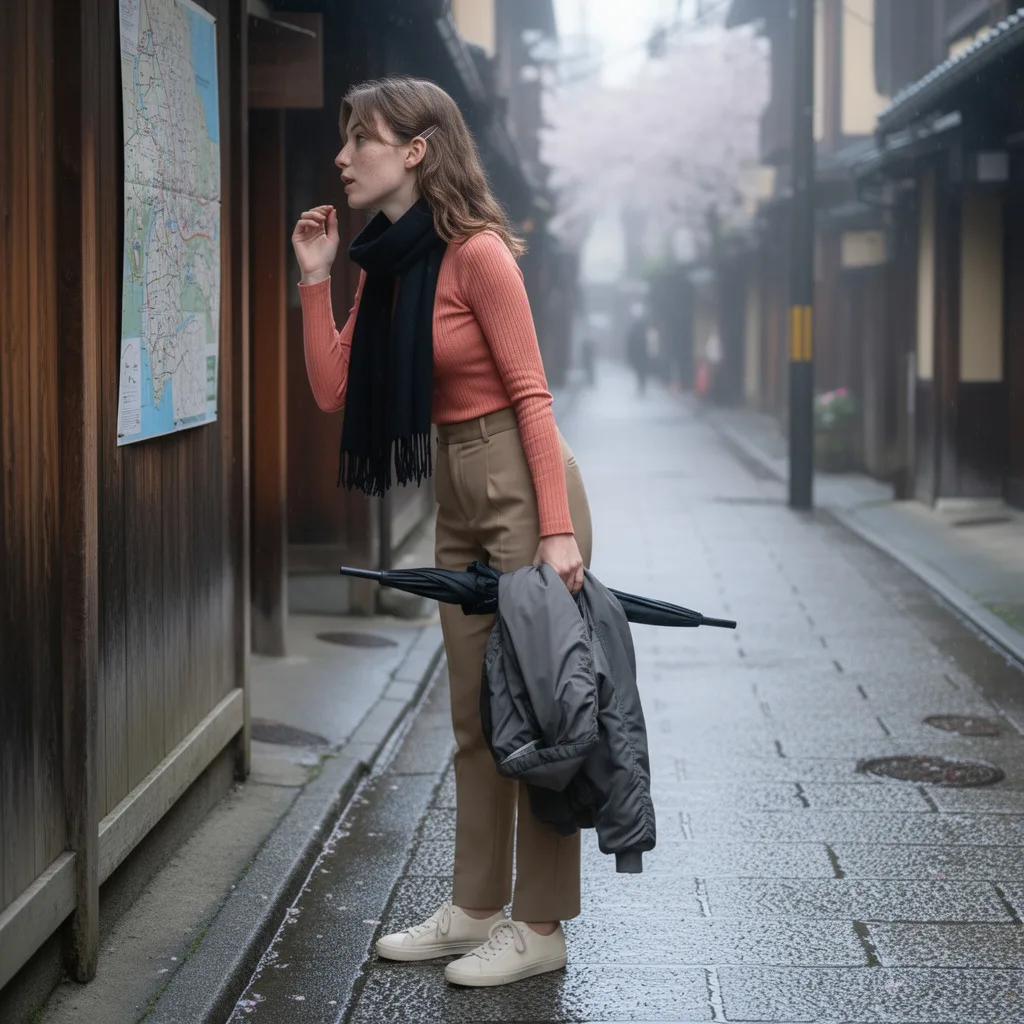
Osaka is better if you want more action around your hotel door. I’m not pretending it’s some wild contrast where Kyoto is sleepy and Osaka is a nonstop party, because that’s too neat and not true. But Osaka does give you more late-night movement, more obvious food streets, and a city feel that keeps going after Kyoto has gone quiet.
I spent one evening in Osaka before heading back, and the pace was different immediately. More noise. More people spilling out of stations. More places still open when I was thinking about dinner at 9:30 p.m. That can be great if you like deciding things late. It can also be annoying if you’re tired and just want to get upstairs.
Choose Osaka only if you really care about nightlife, convenience around food, or being in a city that feels active at all hours. If you’re the type who wants ramen at 11 p.m. and doesn’t mind crowds, Osaka makes sense. If you mostly want temples, easy walks, and less chaos, Kyoto is still the cleaner choice.
Best for: night owls, food-first travelers, and people who want a busier base.
Skip if: you’re already exhausted by big-city noise and don’t want to spend your trip managing it.
My pick: Kyoto, unless your whole trip is built around eating and going out late.
I wrote a more detailed breakdown in How Safe Is Kyoto At Night — worth reading if you’re still deciding.
For a deeper look at how safe is kyoto, I covered this in my How Safe Is Kyoto At Night.
Cost, time, and convenience: the numbers that actually matter
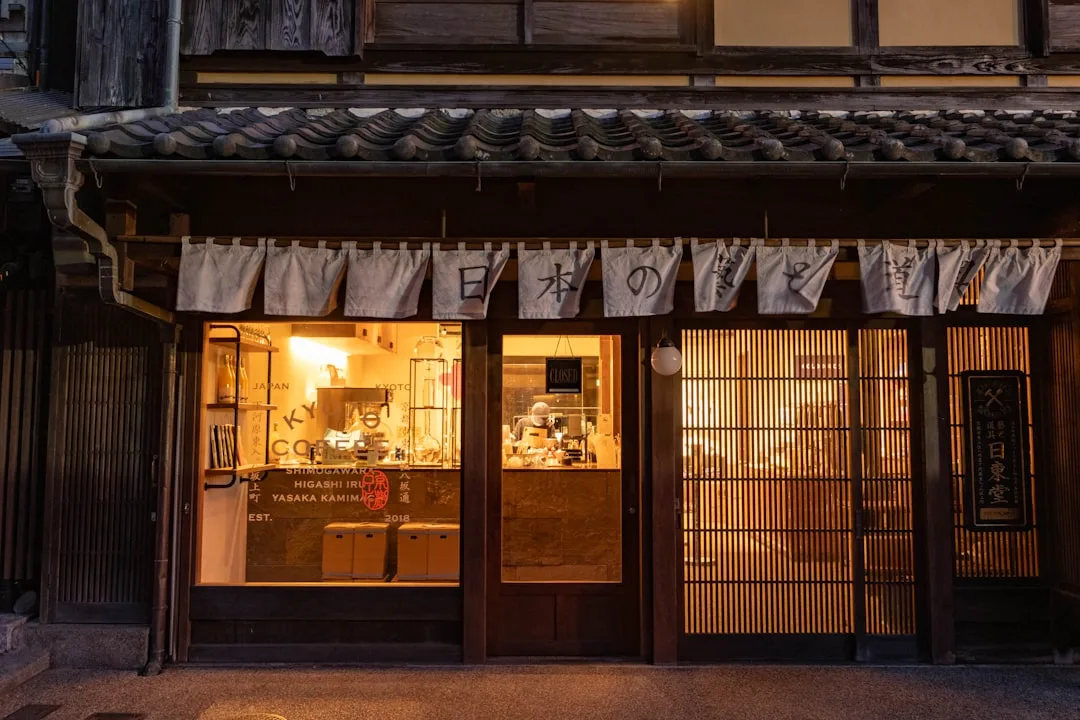
Kyoto is not cheap-cheap, but it’s efficient. A decent hostel bed usually runs around $25 to $45 per night, and a simple private room often starts closer to $70 to $140 depending on season and location. I checked rates in the downtown area and saw how fast they moved on rainy-season weekends. That’s one reason I’d book early instead of hoping for a bargain on arrival.
Food is easy to keep in the $10 to $20 range per day if you mix in convenience-store breakfasts, a ramen lunch, and one nicer dinner. I paid about $7 for a solid bowl of udon near a station and around $12 for a dinner that was filling but nothing fancy. That’s the kind of spending I like because it doesn’t feel like I’m “saving money” by eating badly.
Transport is straightforward. Local buses and trains are cheap, usually just a few hundred yen per ride, and I didn’t feel like I was bleeding money on cabs. From Kyoto Station to central areas like Gion or Kawaramachi, you’re looking at roughly 10 to 20 minutes depending on the route. From Osaka to Kyoto by JR train, it’s about 30 minutes door-to-door if you’re already near a station, which is fine once or twice and slightly annoying when you do it with luggage.
Here’s the tradeoff in plain language:
- Money cost: Kyoto and Osaka are similar for mid-budget travelers, but Kyoto can cost less if you stay near the center and walk more.
- Time cost: Kyoto wins for day-to-day simplicity. Osaka is easy too, but you’re more likely to make decisions based on train lines and late-night return timing.
- Energy cost: Kyoto is lighter. I felt less worn out by the end of the day because I wasn’t constantly dodging crowds.
- Opportunity cost: if you base in Osaka, you give up some of Kyoto’s slower rhythm and quieter evenings. If you base in Kyoto, you give up some spontaneous late-night food options.
Budget-wise: I spent about $55 to $110 per day in Kyoto as a careful but not miserable traveler, depending on lodging and whether I took extra trains.
See current Kyoto stays on Agoda.
The part that doesn’t show up in hotel filters
Kyoto feels safe partly because the city has a low-friction rhythm. People move calmly. Stations are readable. Even when it rained, nobody was acting frantic. I was walking around with my umbrella at about 5 to 12°C, and I still felt fine as long as I had a waterproof jacket and decent shoes. That sounds basic, but basic is the point here.
See current Kyoto hotel prices on Agoda →
The city also has a different kind of quiet than Osaka. Kyoto quiet is not empty. It’s just less noisy. I liked that around Gion and the central streets near Kawaramachi, where I could grab dinner, walk back, and not feel like I was in some exposed, weird in-between zone. I’m not saying it’s dead. It isn’t. But it doesn’t demand your attention all the time.
Osaka’s energy is more useful if you want stimulation. Kyoto’s rhythm is better if you want to relax without feeling isolated. That’s the real comparison. Not “safe versus unsafe.” More like “calm versus busy.”
Best for: travelers who care about walking alone, predictable evenings, and a city that doesn’t wear them out.
Skip if: you need constant nightlife or you hate quiet after dinner.
My pick: Kyoto, because I liked being able to slow down without getting bored.
The night I stopped worrying about it
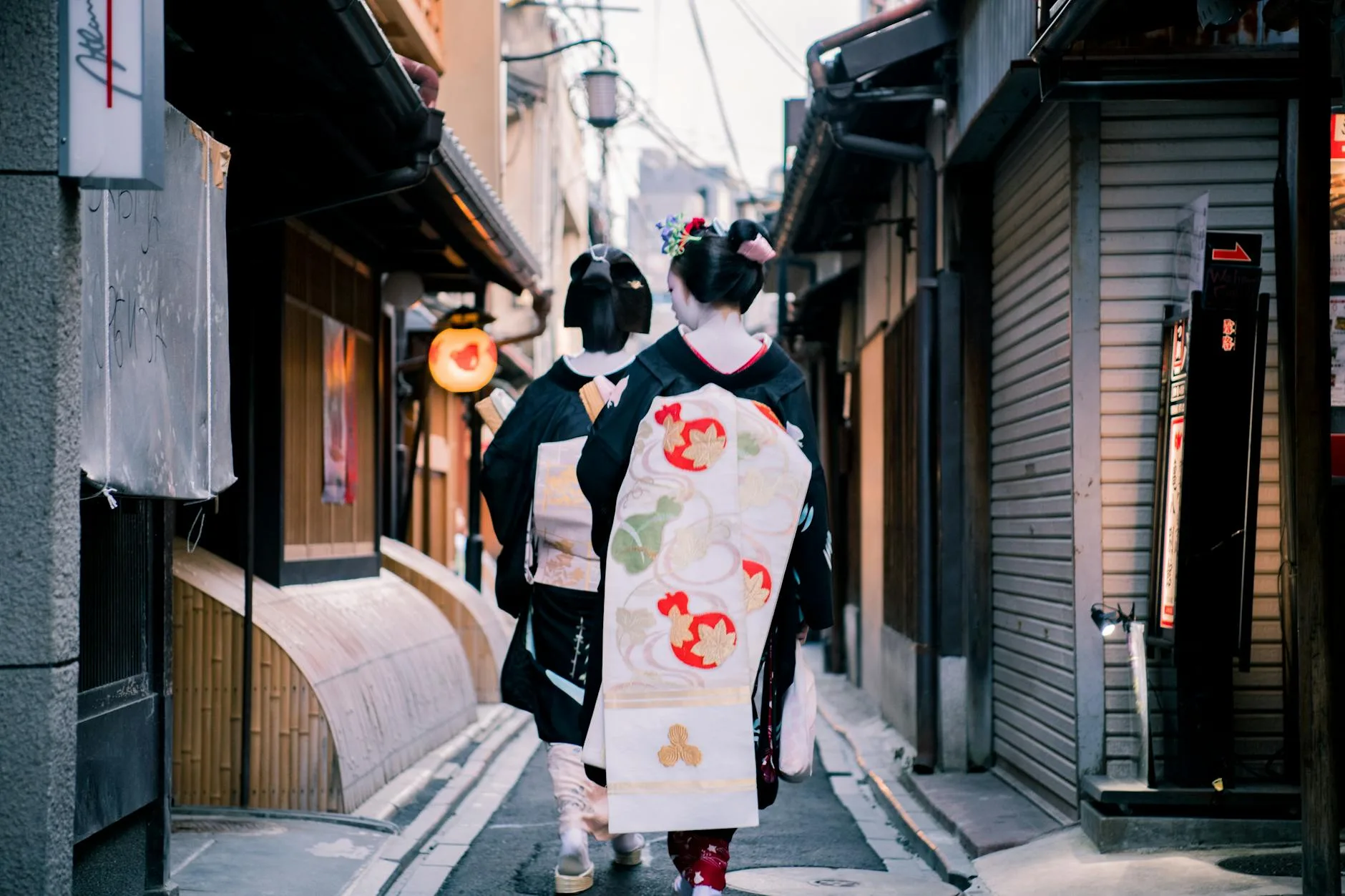
I had one rainy evening when I got off the train later than I wanted, around the time I was deciding whether to grab dinner or just go back to my room. I was near a station, the sidewalks were wet, and I was carrying an umbrella that kept flipping in the wind. Nothing dramatic happened. That’s the whole story. I found a small curry place, ate for about $8, and walked back without any of the alertness I usually feel in unfamiliar cities after dark.
That moment changed how I judged Kyoto. Not because it was exciting. Because it was boring in the best possible way. I didn’t have to watch my back, and I didn’t have to plan around a complicated transit puzzle. I just went back to my room. I think that’s what people mean when they say a city feels safe, even if they don’t say it that clearly.
Worth it: if your idea of a good trip includes a low-stress return to your hotel after dinner.
Not worth overthinking: if your only concern is street safety. Kyoto clears that bar easily enough.
Skip if: you actually want your evenings to feel unpredictable and loud.
Rough daily estimates per full day from my own Kyoto trip. Prices shift by season.
What I’d do differently next time
I’d book my first two nights closer to the station or a central rail line. I stayed in a place that was fine, but I lost a little time walking when I was tired. Not a disaster. Just annoying enough that I noticed it.
I’d also stop trying to be clever with dinner plans and just eat near where I already was. Kyoto is not the city where you need to cross town for every meal. That math never works out when it’s raining and you’ve already walked 12,000 steps.
Best for: travelers who want a safe, easy Japanese city without a lot of late-night hassle.
Skip if: you need a city that stays noisy and active well past midnight.
Next time: I’d still choose Kyoto, but I’d stay a little closer to the center and waste less energy on small transit choices.
I usually book Kyoto tours on Klook — the best time slots go fast, especially in peak season.
FAQ
Is Kyoto safe to walk around at night?
Yes, I felt comfortable walking around Kyoto at night as a solo traveler. The streets I used were well lit and calm, and I didn’t feel like I needed to rush back. I’d still keep normal travel sense, especially on quieter side streets, but I didn’t find nighttime here stressful.
Do Americans need to worry about crime in Kyoto?
Not in the way people worry about crime in some big cities. I saw more order than chaos, and the main hassles were ordinary travel ones: getting lost, missing a train, or picking a hotel that was farther out than it looked online. For me, Kyoto felt safer than most places I’ve stayed in Europe or the U.S.
Is Kyoto safer than Osaka for first-time visitors?
I think Kyoto feels safer mainly because it’s calmer and easier to read. Osaka is also safe, but it has more late-night energy and denser crowds, which can feel more intense if you’re new to Japan. If you want the least stressful first base, I’d still pick Kyoto.
What area of Kyoto felt easiest for a solo traveler?
Central Kyoto around major stations and the Gion/Kawaramachi side felt easiest to me. I liked being able to walk to food, transit, and my room without much thought. If you stay too far out, the city loses some of that easy feeling fast.
Would you recommend Kyoto for solo female travelers from the U.S.?
Yes, I would. I traveled around alone and felt fine doing normal things like dinner, train rides, and evening walks back to my room. I’d still choose a central hotel and avoid adding unnecessary late-night transfers, because that’s where the annoyance starts.
 Emma Hayes