
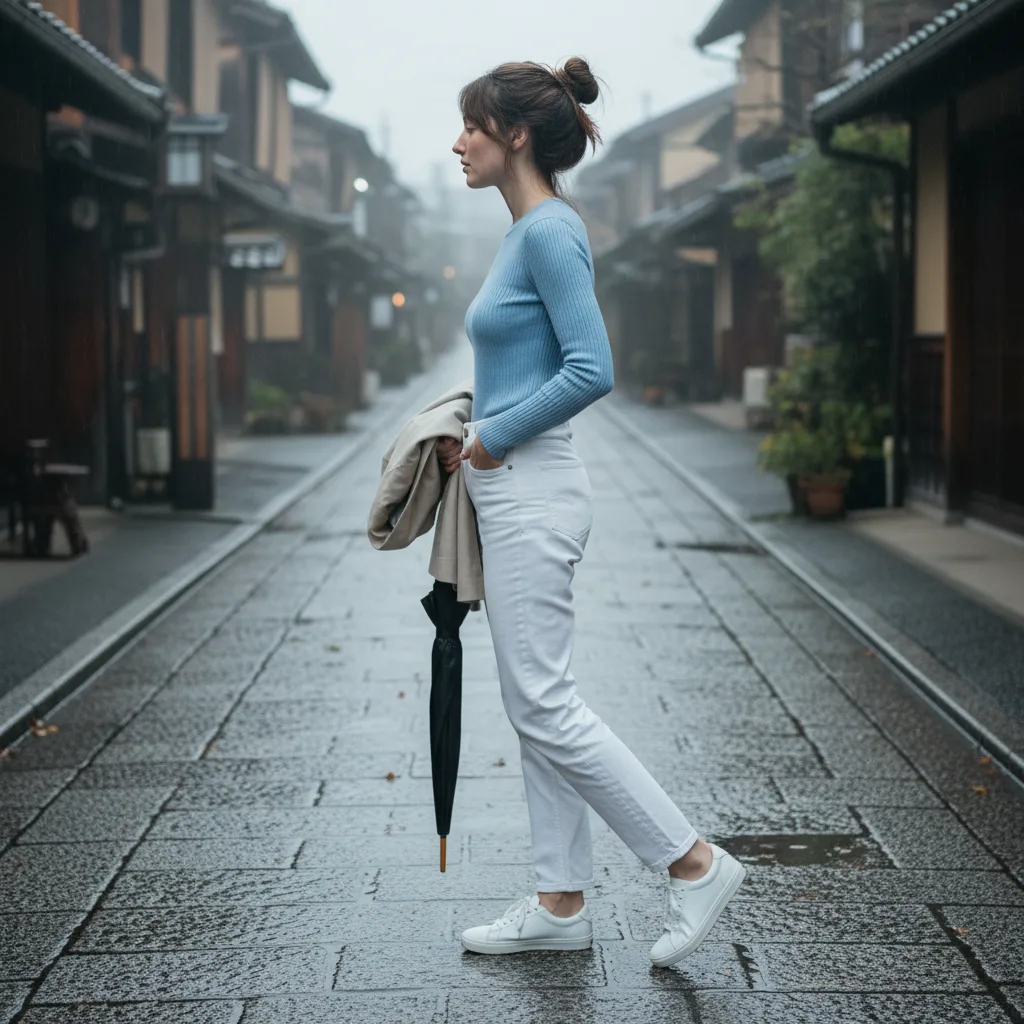
Is Kyoto safe at night? I spent a chilly post-rain evening in the city and came away thinking yes, mostly. I paid about $9 for dinner, walked back to my place with an umbrella in one hand and my scarf half-wrapped around my face, and never felt like I was in a sketchy situation. Kyoto felt calm, orderly, and a lot less chaotic than most big cities I’ve stayed in.
That said, I’d call Kyoto safe at night for solo travelers who use normal city sense and don’t treat every quiet street like a photo shoot. If you want all-night noise, late bars, and crowds until 2 a.m., this is not that city. What matters most here is not crime so much as timing, transit gaps, and how dead some streets get after dinner. If you’re wondering how safe is kyoto at night, the short answer is: pretty safe, but quiet.
Quick answer: Kyoto is one of the easier cities to move around after dark, especially in central areas like Kyoto Station, Kawaramachi, and the busier edges of Gion. I’d feel fine there as a solo traveler, but I’d stay near transit and keep late plans simple because the city gets quiet fast.
My overall verdict: safe, but not a city I’d drift around aimlessly at midnight

I’d feel fine walking in Kyoto at night in the central districts, especially around Kyoto Station, Gion’s busier edges, Kawaramachi, and the main hotel corridors near major transit. I wouldn’t call it a place where I’m constantly looking over my shoulder. The bigger issue is that the city gets quiet fast, and quiet can feel weird if you’re alone and not used to it.
I walked back after dinner once around 9:30 p.m. and passed more closed shutters than open businesses. A convenience store saved the night, which sounds dramatic only because I was hungry and slightly underprepared. That’s the real Kyoto after dark: orderly, dimmer than you expect, and practical if you plan ahead.
Worth it: if you want a calm city break and you’re staying near transit.
Skip it: if you need a nightlife-heavy place where the streets stay busy late.
My pick: stay central and keep late plans simple. That solves most of the risk.
Where Kyoto feels safest at night
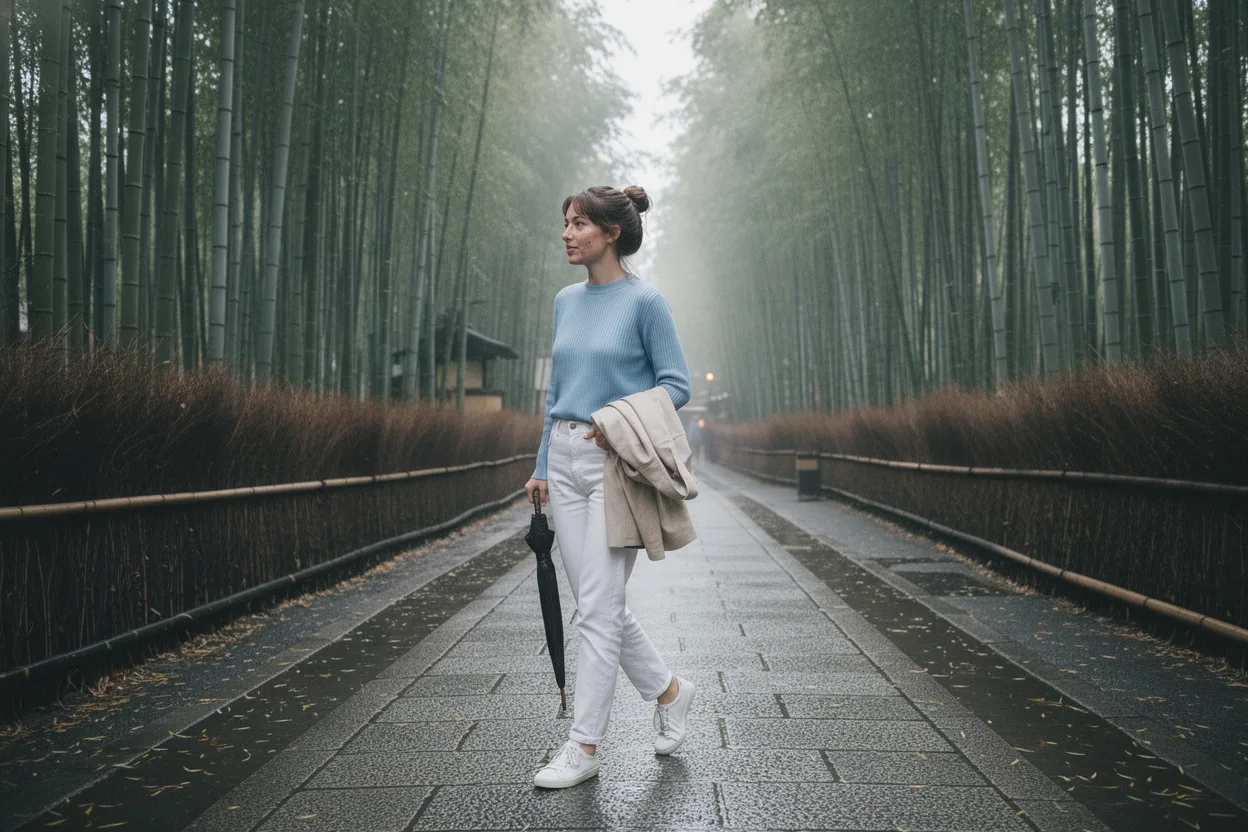
I felt most comfortable in the areas with consistent foot traffic and easy station access. Kyoto Station is the obvious one. It’s bright, full of signage, and there’s always some movement from people catching trains, grabbing food, or heading to hotels. Kawaramachi and the streets around Pontocho also felt fine early in the evening, though I wouldn’t linger there too late if I was alone and tired.
Gion is a little tricky. It’s famous, busy in the early evening, and then it thins out. I walked there after dark and the atmosphere changed fast once the dinner crowd disappeared. Not dangerous. Just quieter than I wanted. The streets were clean, the lighting was decent, and the biggest annoyance was other tourists stopping dead in the middle of narrow sidewalks for photos.
If I were choosing a base for one or two nights in Kyoto, I’d pick near Kyoto Station or along a main transit line before I’d pick a prettier but more isolated street. The prettier place may look better in photos, but that math never works out when you’re coming home at night with a sore foot and no appetite for a long walk.
Best for: travelers who want the easiest nighttime logistics.
Better if: you’ll be returning after dinner rather than after drinks.
Skip if: you want a loud, late, always-busy neighborhood.
See all Kyoto hotels on Agoda when the room location matters more than the decor. In Kyoto, being five minutes closer to a major station is worth more than a cute lobby.
What felt safe and what just felt awkward
I never had a moment that felt like a real safety problem. What I did have were small friction points. A few side streets were dimmer than I expected. Some blocks near temples and residential pockets went almost silent. And after rain, the sidewalks got slick enough that I was paying more attention to my footing than to my surroundings, which is probably the point where I realized I should stop pretending my boots were made for everything.
That 6-13°C weather made the evening feel even quieter. I had on a light spring jacket over a long-sleeve top, and I was glad I brought a scarf because the chill settled in once the sun dropped. I ducked into a coffee shop near a station for a hot drink, mostly because I didn’t want to keep wandering while cold and half-distracted. That kind of small decision matters more than people admit.
Worth it: if you’re comfortable in low-key cities and you don’t need constant noise.
Not ideal: if empty streets make you anxious, even when they’re objectively fine.
My pick: bring layers and plan your return route before dinner, not after.
Getting around after dark without making it harder on yourself
I’d treat Kyoto at night as a transit city, not a wandering city. That means I’d use trains and buses while they’re running, then switch to walking only for short, direct stretches. Kyoto Station is the easiest anchor. From there, I could get almost anywhere central without a long, confusing transfer. Once I started adding extra walking after dark, the city got less convenient fast.
Taxi fares are not wild by big-city standards, but I still wouldn’t use them casually. I’d rather spend that money on dinner or a better room. For short hops, I’d check whether the walk is under 15 minutes and whether the route stays on main roads. If not, I’d just ride back. A $6-$12 taxi after a long day can be worth it, but only if it saves you from wandering through a sleepy block wondering if you turned the wrong way.
Best for: travelers who don’t want to overcomplicate a simple evening.
Skip if: you’re staying far from transit and planning late returns every night.
Worth it: paying a little more to stay close to a station. I think that’s the smart spend in Kyoto.
The parts of Kyoto I’d be more careful with
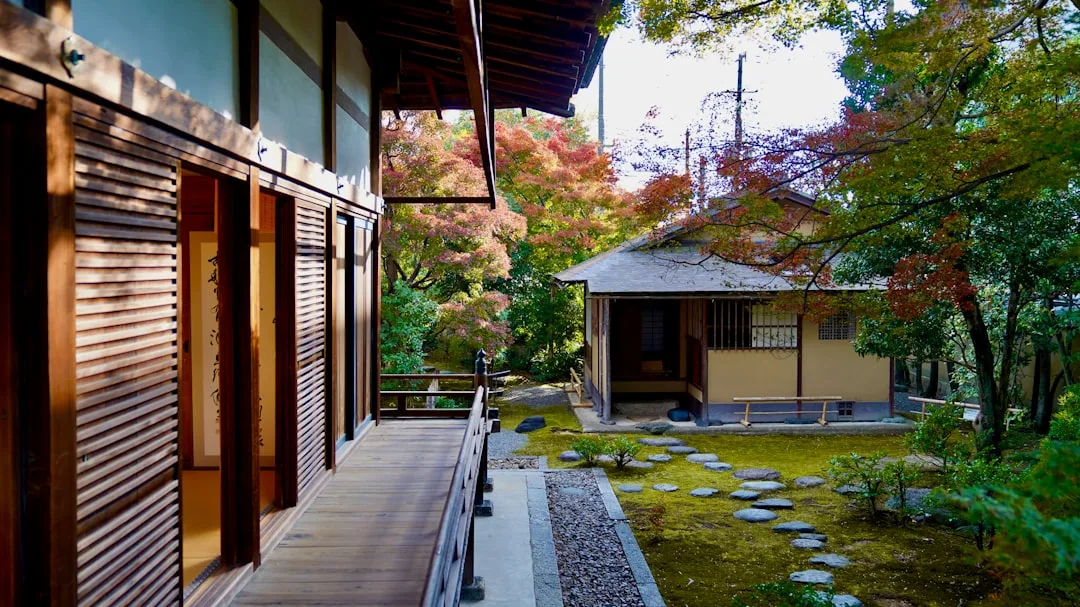
I’d be more cautious in places that are beautiful in daylight and a little too empty after dark. Some temple areas and scenic lanes are lovely at 4 p.m. and kind of dead by 8 p.m. If I were out there alone, I’d be thinking less about crime and more about being stuck in a place with poor lighting and no easy exit. That’s a different kind of safety problem, and it’s the one I’d actually plan around.
I’d also be careful with late-night wandering in residential-looking areas if I didn’t know exactly where I was going. Kyoto has a lot of streets that feel calm in a very local way, not a tourist-friendly way. That’s fine if you’re headed home. It’s less fine if you’re trying to “explore” after dinner because the internet told you the streets are charming. They are. In daylight.
Skip if: you’re hoping for spontaneous late-night exploring in the outer neighborhoods.
Better if: you already know your route and just need to get from point A to point B.
My pick: do your wandering before sunset, then simplify everything after dark.
The one night I got a little too casual
I made one dumb little mistake in Kyoto: I underestimated how fast the city shuts down. I finished dinner, checked my phone too late, and realized I had a longer walk back than I wanted. Nothing bad happened. But I did get that slightly annoying solo-traveler feeling of being alone with my own bad timing. I ended up stopping at a convenience store for water and taking the main road back instead of the prettier side street.
It wasn’t scary. It was just unnecessary. And that’s the thing about Kyoto at night. The city rarely punishes you, but it does reward planning. If I’d left dinner 20 minutes earlier, I’d have skipped the whole detour and the mild irritation that came with it.
Worth it: if you’re the kind of traveler who checks the route before leaving the restaurant.
Skip it: if you like to improvise everything after dark.
My pick: keep one eye on the clock and don’t assume everything stays open late.
Is Kyoto safe at night for solo women?
From my experience, yes, with normal caution. I didn’t get catcalled, followed, or hassled, and that matters. I felt more watched by tourists with cameras than by anyone else, which is not the same thing and not nearly as useful as people pretend. The city’s low-key pace helps here. It doesn’t feel chaotic enough for much nonsense.
But I wouldn’t turn that into carelessness. I still kept my bag zipped, stayed on lit streets, and avoided drifting around alone just to see what was there. That’s not fear. It’s just basic solo-travel habits in a place that gets quiet. If I were arriving late, I’d book a room near the station and get there by taxi if needed.
Best for: solo women who prefer calm cities and sensible routines.
Skip if: you’re uncomfortable being alone in quiet areas after dark.
My pick: Kyoto is fine for solo women, but I’d still keep the night simple.
What I’d do differently next time
I’d choose my hotel even more carefully. I stayed in a spot that was fine, but next time I’d pay a bit more to be closer to the exact station exit I’d use most. I’d also do dinner earlier. Waiting until I was already tired made the walk feel longer than it was, and that’s a silly way to make a city feel less safe than it is.
I’d also stop trying to squeeze in one last scenic walk after dark. Kyoto is better when I let daylight handle the pretty parts and night handle the logistics. That split works.
Cost Breakdown
Kyoto was cheaper than I expected in some places and more annoying in others. I skipped one taxi I did not need, then made up for it with a coffee stop and a late snack that somehow cost more than lunch.
Rough daily estimates from my own trip. Prices shift by season, and a few small extras can change the total fast.
My final judgment
Kyoto is safe at night for most travelers, and I’d especially recommend it if you like calm cities, decent transit, and low-drama evenings. I wouldn’t choose it for late-night wandering or big nightlife plans. The city is more about getting back smoothly than staying out forever.
If I wanted a louder, busier night scene, I’d pick a different city. If I wanted an easy solo base where I could walk home without stress, Kyoto works.
Best for: solo travelers, first-timers, and anyone staying near Kyoto Station or another main transit stop.
Skip if: you want nightlife that runs late or you get uncomfortable in quiet streets after dark.
Next time: I’d pay more for a central hotel and stop pretending a scenic detour is worth it after dinner.
See current Kyoto hotel prices on Agoda →
I usually book Kyoto tours on Klook — the best time slots go fast, especially in peak season.
FAQ
Can I walk around Kyoto alone at night?
Yes, in the central areas I’d feel fine walking alone. I’d stick to lit streets, keep my route simple, and avoid turning a short errand into a long wander. The city feels calm, not edgy.
Is Kyoto Station area safe after dark?
Yes. I felt very comfortable around Kyoto Station because it stays busy, bright, and easy to navigate. If I were arriving late, I’d rather stay near here than in a prettier area with fewer people around.
Are taxis in Kyoto worth it at night?
Sometimes. I’d use one if the walk back was awkward, long, or through a quiet area after dinner. For a short ride, the extra few dollars can save a lot of hassle.
Which areas feel quieter at night?
Temple-heavy streets, some residential blocks, and scenic lanes can empty out fast after dinner. I’d be more careful there because the issue is less crime and more isolation. It’s fine if you’re heading home, not ideal if you’re still trying to explore.
Would I stay in Kyoto as a solo female traveler?
Yes, I would. I felt comfortable enough to walk back alone, and I never had a moment that made me want to cut the trip short. I’d still choose a central hotel and avoid late-night wandering just because the city gets quiet quickly.
 Emma Hayes