
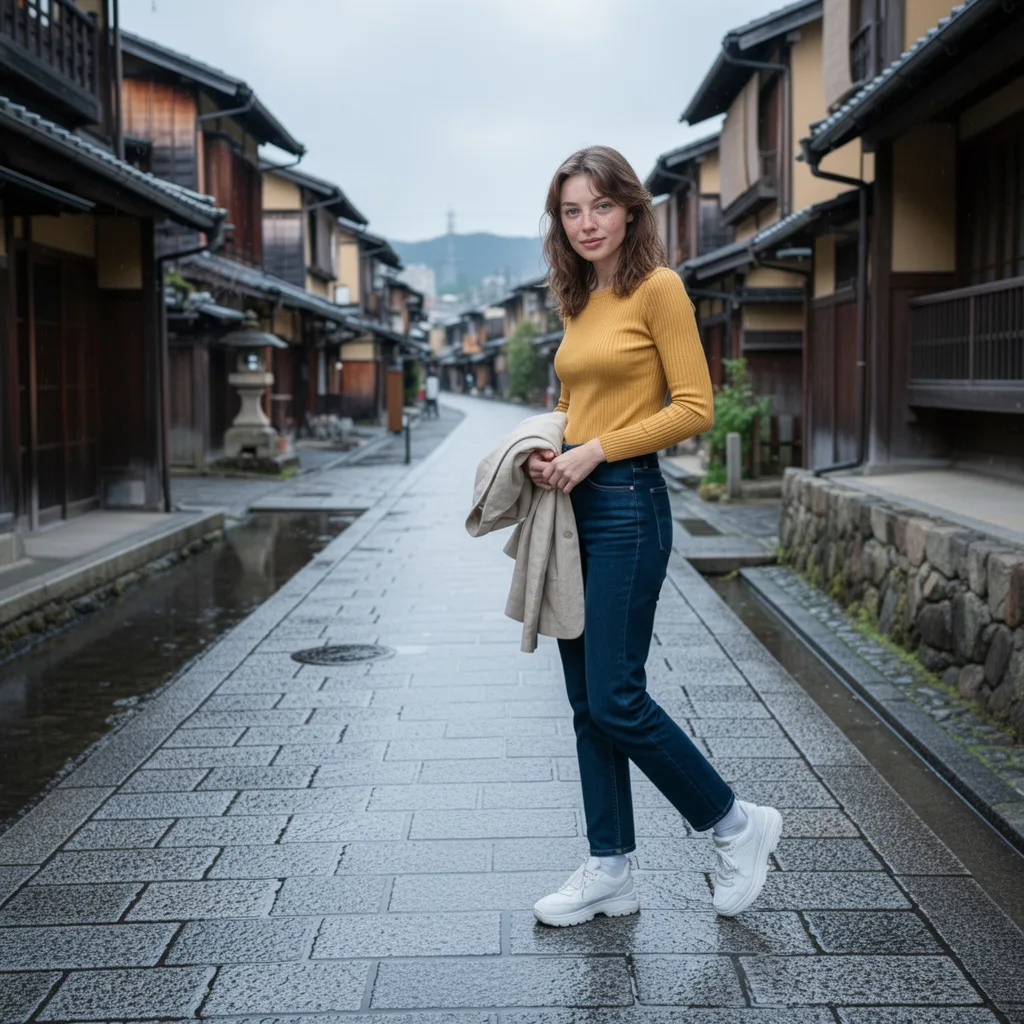
3 nights: that’s how long I spent bouncing between Kyoto and Osaka on one chilly, post-rain trip, with an umbrella in one hand and my jacket stuffed under the other arm. I paid $1.80 for a convenience-store coffee before I figured out my route, and that tiny moment says a lot: both cities felt easy to move through, but Kyoto felt calmer to me after dark. If you’re wondering is kyoto safe than osaka, my honest answer is yes, Kyoto felt safer overall.
My answer is yes, Kyoto feels safer than Osaka overall. I’d say Kyoto fits solo travelers, older travelers, and anyone who wants a low-drama base with quieter streets. Osaka is better if you want more late-night energy, more food chaos, and you don’t mind a little more noise and street life. The real question isn’t “which city is safe?” It’s “which kind of night do you want to have?”
Quick answer: Kyoto felt safer to me for solo walking, especially in the evening. Osaka didn’t feel dangerous, but it was busier, louder, and more random around nightlife areas. If you want a gentler base, I’d pick Kyoto.
Why Kyoto felt calmer to me
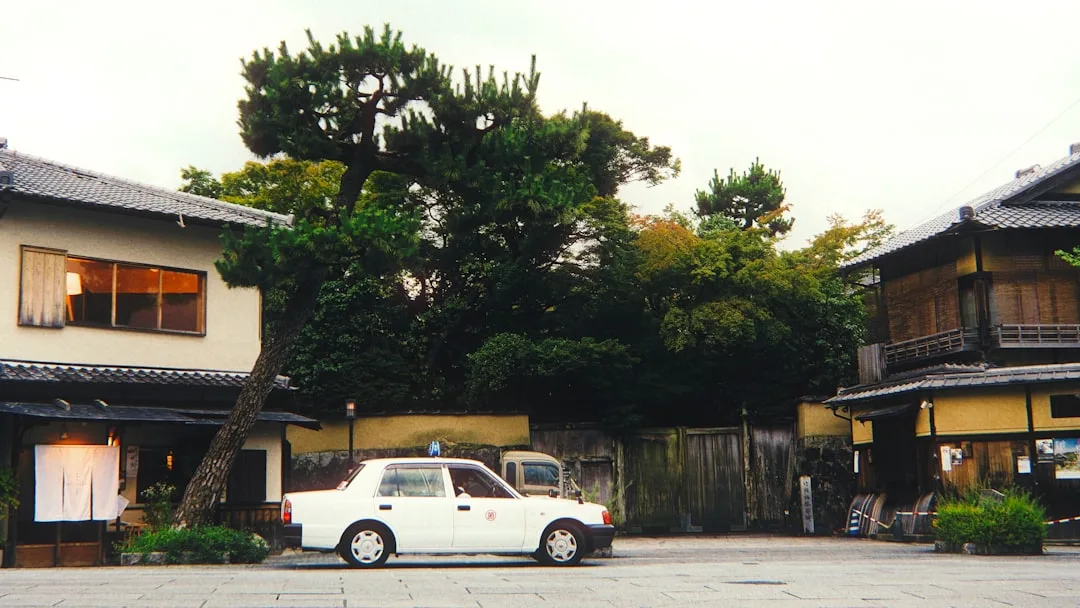
I walked back to my hotel near Gion around 9:30 p.m. after dinner, and the difference was immediate. The streets were still active, but not frantic. I passed a few couples, one taxi, and a couple of people heading home from work. That was it. No street shouting, no clusters of people spilling out of bars, no sense that I needed to keep my head on a swivel.
That’s the core of it. Kyoto’s safety advantage is less about crime statistics and more about atmosphere. The city is walkable in a way that makes sense, and the neighborhoods I spent time in — Gion, Kawaramachi, around Kyoto Station, and near Higashiyama — felt orderly and easy to read. I didn’t feel like I was navigating a nightlife machine.
Best for: solo travelers who prefer quiet streets and predictable evenings.
Skip if: you want a city that stays lively well past midnight.
Worth it if: you care more about feeling relaxed than being entertained every hour.
The tradeoff is obvious: Kyoto can feel a little too quiet if you like a big-city buzz. It’s safe, yes, but not always exciting. I think some people confuse those two things.
What Osaka felt like instead
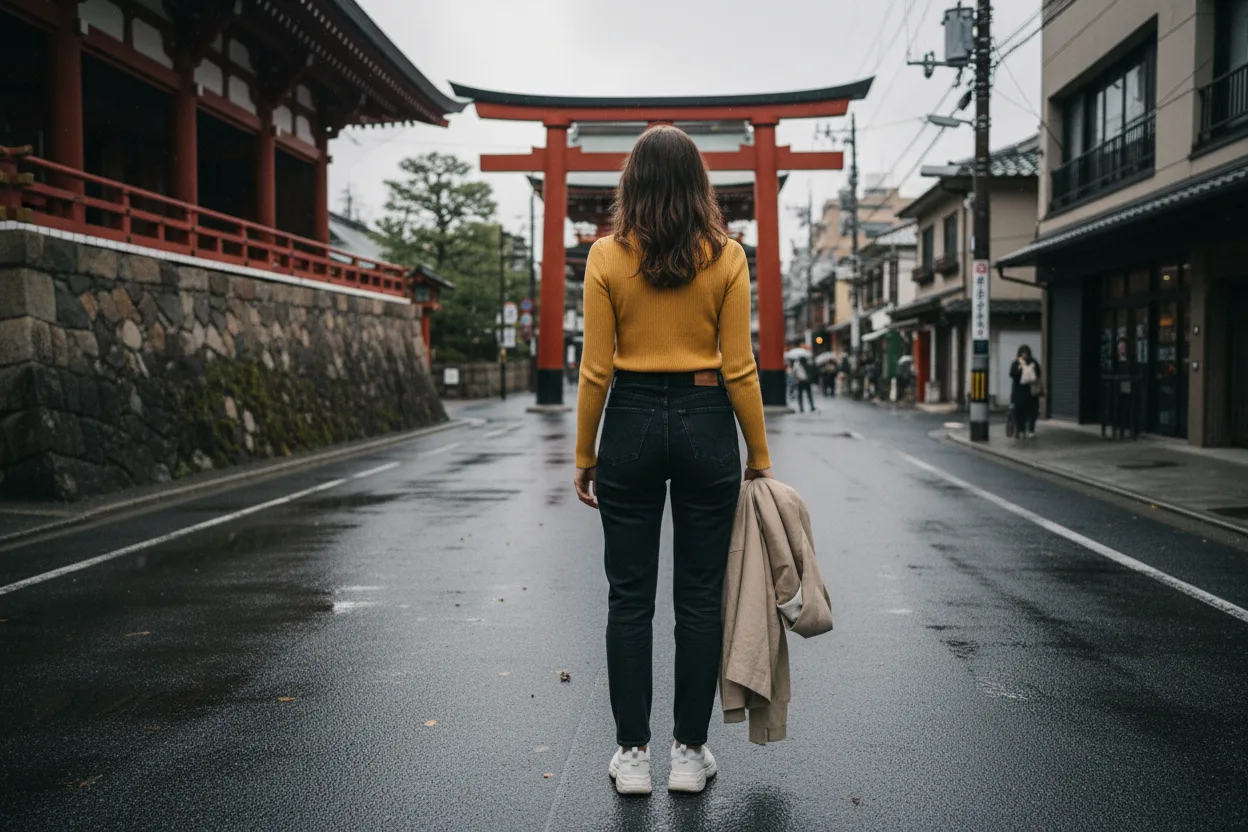
Osaka never felt unsafe to me, but it did feel more chaotic. I spent an evening around Dotonbori, and the crowds were dense enough that I had to slow down and keep checking where I was walking. I bought takoyaki for about $6, stood there eating it, and watched a group of tourists stop in the middle of the sidewalk for photos. That’s Osaka in a nutshell: fun, but less relaxed.
The city has more of the stuff that changes how “safe” feels in practice. More nightlife. More drunk people. More narrow sidewalks packed with people trying to move in different directions. I didn’t have a bad experience, but I also didn’t feel the same ease I had in Kyoto. If I were arriving alone after a long train ride and wanted a quiet first night, Osaka would not be my first choice.
Best for: travelers who like city energy and don’t mind crowds at night.
Skip if: packed sidewalks make you tense, even when nothing is actually wrong.
My pick: Osaka is fine, but it asks for a little more attention from you.
The tradeoff is less about danger and more about friction. In Osaka, I had to watch my bag, my pace, and my route more carefully. Not because I was scared. Because the city was busy enough that laziness would’ve annoyed me.
Where I felt comfortable walking alone
Kyoto was the easier city for me to walk alone, especially in neighborhoods that weren’t packed with bars. I remember crossing near Kamo River after dinner and feeling fine in a way that was almost boring. That sounds like faint praise, but I mean it as a compliment. Boring is great when you’re tired and carrying a scarf, a jacket, and a phone with 12% battery.
In Osaka, I was more selective. Around Namba and Dotonbori, I was fine during the day and early evening, but I didn’t want to linger if I didn’t have a reason. Around hotel areas and train stations, no issue. In nightlife zones, I was more alert. That’s not the same as unsafe. It just means I had to make more decisions.
Worth it if: you want to walk back to your hotel without thinking too hard.
Better if: your idea of a good trip is wandering until you get hungry, then wandering some more.
My pick: Kyoto wins for solo-night walking, hands down.
One small but real thing: after the rain, the sidewalks in Kyoto were slick in a few spots, especially around temple approaches and older streets. I wore comfortable walking shoes and was glad I did. Safety isn’t only about people. Sometimes it’s just wet stone and bad traction.
Transit, stations, and the kind of safety that saves time
Kyoto’s transit felt straightforward, but not flashy. I took the subway and buses, and I used a taxi once when I was done with walking for the day. The taxi from central Kyoto back to my stay ran me about $11, which I didn’t love paying, but it was worth it after a long, cold day. I’d rather spend that than drag myself through a transfer when I’m tired.
Osaka’s transit is more extensive and usually more convenient if you’re moving around a lot. I’ll give it that. But convenience and ease of navigation aren’t the same thing. Kyoto’s smaller network made it easier for me to feel oriented. Osaka had more options, which is useful, but also means more chances to end up in the wrong station exit when you’re half paying attention.
Best for: travelers who want simple, readable movement between neighborhoods.
Skip if: you need a giant rail web and constant late-night service.
My pick: Kyoto is easier to handle when you’re tired, which matters more than people admit.
Budget-wise, Kyoto wasn’t cheap-cheap, but I didn’t feel nickel-and-dimed by getting around. A bus ride was reasonable, and walking covered a lot. Osaka can be similarly priced, but the bigger city means you sometimes spend more simply because you’re moving more often.
Who Kyoto is actually safer for
Kyoto is the better choice for a few specific types of travelers. If you’re solo. If you’re traveling with a parent who hates chaos. If you’re arriving with jet lag and want your first night to be quiet. If you’re the kind of person who notices every weird glance and every loud group on the street, Kyoto will probably feel easier.
It’s also better if you don’t want your trip to revolve around nightlife. I’m not a person who needs a bar scene to enjoy a city, so Kyoto’s calmer rhythm works for me. I spent one evening grabbing dinner near Nishiki Market, then walking back without once feeling like I had to “manage” the city around me. That’s a good sign.
Best for: first-time Japan travelers, solo women, and slower-paced trips.
Skip if: you want big-city chaos and late-night food hunting as the main event.
Worth it if: your priority is low-stress movement, not maximum stimulation.
Osaka is still safe enough for most travelers. I don’t want to overstate the gap. I just think Kyoto gives you more breathing room, and that’s worth money to me when I’m deciding where to sleep.
The one night that changed my mind a little
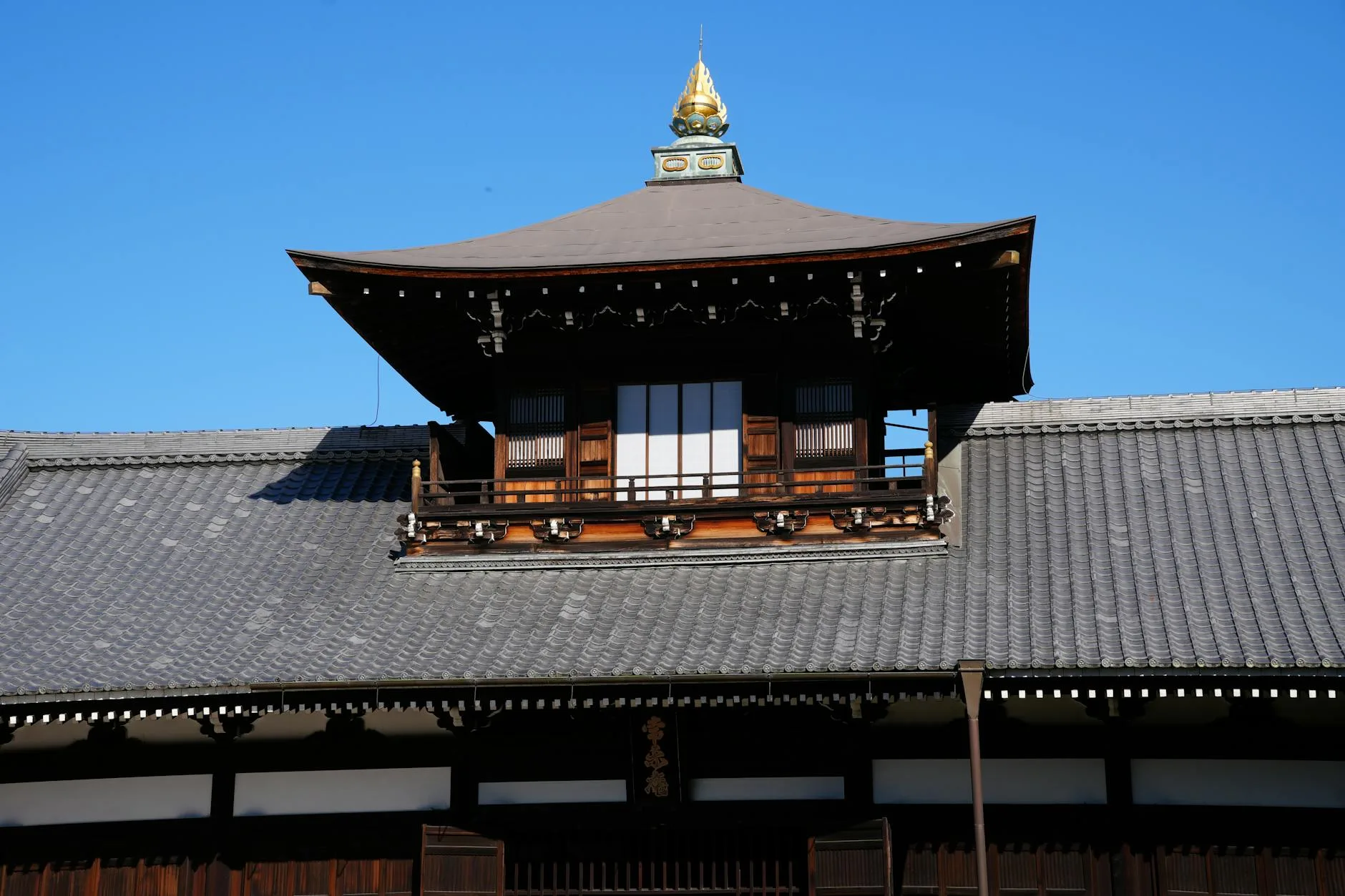
I had one moment in Kyoto that reminded me not to get lazy just because a city feels calm. I was leaving dinner after the rain had stopped, scarf in hand, and I took a wrong turn near a smaller side street because I was following a lighted sign instead of my map. It wasn’t scary. It was just dimmer than I expected, and I corrected myself fast. That’s the thing about “safe” places: they still reward basic attention.
In Osaka, I had the opposite problem. Nothing was wrong, but I got a little tired of constantly reading the crowd. Around Dotonbori, I kept adjusting my path around people stopping for photos and food stalls. Fine for an hour. Annoying after that. I’d call Kyoto safer because it asks less of you. That matters more than a lot of glossy travel advice admits.
My pick: Kyoto is the city I’d choose when I’m tired and traveling alone.
Only if: you’re comfortable being a little more alert in exchange for more action, Osaka can still be a smart base.
Skip if: you dislike quiet evenings and want the city itself to entertain you after dark.
Cost Breakdown
Kyoto was one of those places where I spent less on getting around than I expected and more on the small things I kept saying yes to. A quiet temple visit is easy to budget for. A second coffee, a nicer lunch, and one extra train ride because I was too lazy to walk back? That is where the numbers move.
Rough daily estimates from my own trip in Kyoto. I underspent on transport, but not by enough to pretend it changed the overall trip. Prices shift by season.
What I’d do differently next time
I’d stay one night longer in Kyoto and skip one unnecessary Osaka stop. I tried to split my time too evenly, and that made the comparison feel more academic than it needed to be. If I were being smarter with my money, I’d base myself in Kyoto first, then do Osaka as a day or one-night add-on only if I wanted the food scene.
I’d also book a place closer to the train station or a straight transit line. I walked more than I needed to with my bag, and that was just me being stubborn. Not heroic. Just mildly annoying.
Worth it if: you want to test both cities, but not at the cost of your energy.
My pick: Kyoto first, Osaka second.
The real mistake wasn’t choosing the wrong city. It was trying to give both the same role.
See current Kyoto hotel prices on Agoda →
I usually book Kyoto tours on Klook — the best time slots go fast, especially in peak season.
FAQ
Is Kyoto safer for solo female travelers?
Yes, that’s how it felt to me. Kyoto was quieter, easier to read, and less intense at night than Osaka. I walked alone several times without feeling on edge, which is the main test I care about.
Can I walk around Kyoto at night?
I did, and I felt fine in the main neighborhoods. I’d still keep to well-lit streets and avoid zoning out with headphones in dimmer side streets. It’s calm, not magical armor.
Is Osaka unsafe at night?
No, not in the way people sometimes imply online. It’s just busier, louder, and more nightlife-heavy, which can feel less comfortable if you prefer quiet streets. I was alert there, but not worried.
Which city is better for families?
I’d choose Kyoto for families that want a calmer base and easier evenings. Osaka is still fine, especially if the family likes food and energy, but the crowds can feel like extra work after a long day. Kyoto gives you more room to breathe.
How much extra should I budget for safety-related choices?
I’d keep an extra $10-$20 a day for taxis or last-mile transport if I were staying in Kyoto or Osaka and wanted to avoid long walks at night. That small buffer changes the trip more than people think. I used it once in Kyoto and didn’t regret it.
 Emma Hayes