
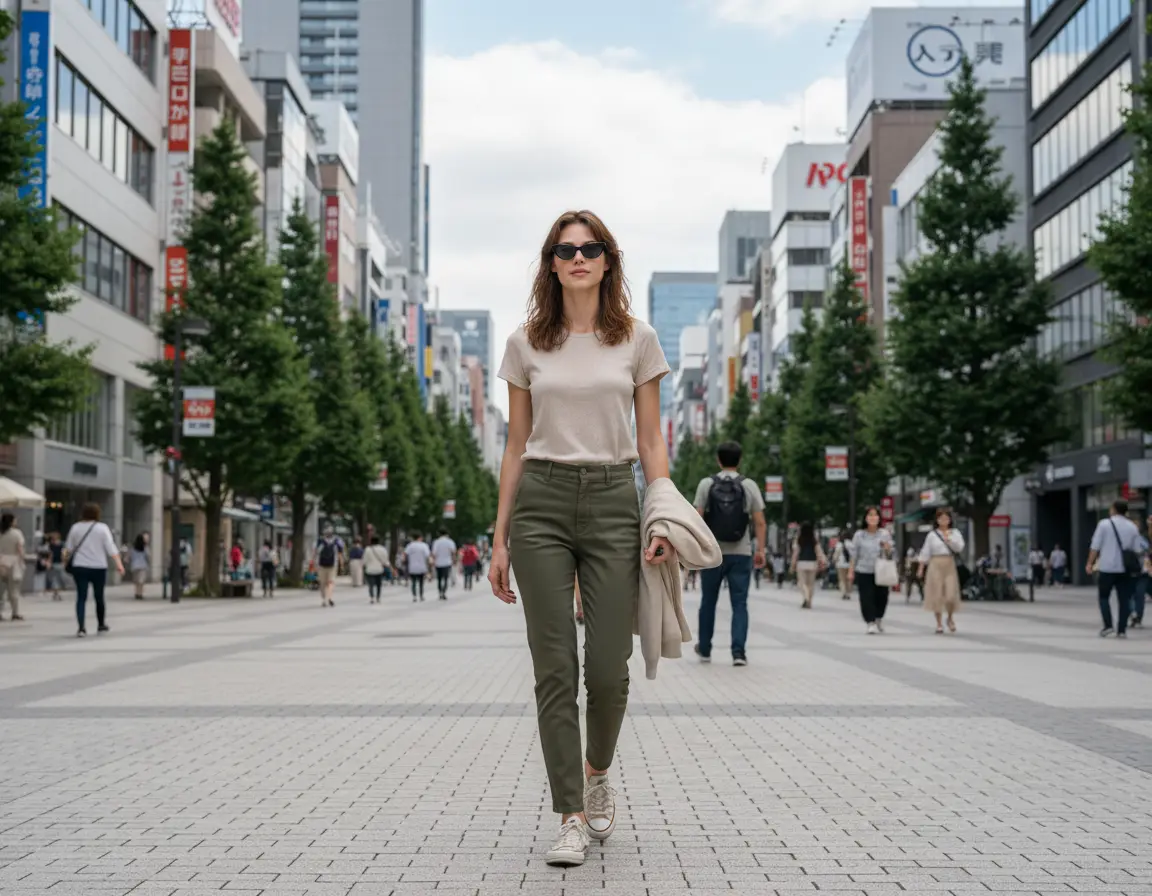
Nagoya was supposed to be a practical stop. It was more interesting than that, but only if I stopped trying to make it something it isn’t. I spent three days there with a cardigan in my bag, sunglasses on, and a few wrong assumptions about how much I’d want to linger in the big-name spots. If you’re planning a nagoya itinerary 3 days, this is the version I’d actually do again.
My answer is simple: Nagoya is worth three days if you like cities that run efficiently, eat well, and don’t waste your time. It’s a good fit for solo travelers, food-first trips, and anyone who wants a base with easy trains and lower friction than Tokyo or Kyoto. It’s not the right choice if you want nonstop temple-hopping or a trip built around dramatic scenery. The real question here is how much you value convenience per yen. I do, a lot.
Quick Answer: I’d give Nagoya three days if I wanted a balanced city break with easy transit, strong food, and one or two bigger sights. Stay near Nagoya Station or Sakae, spend day one on Nagoya Castle and Sakae, day two on Osu and hitsumabushi, and day three on the Toyota Commemorative Museum of Industry and Technology.
Day by Day
Day 1: Nagoya Station, Lunch, and the Castle Area
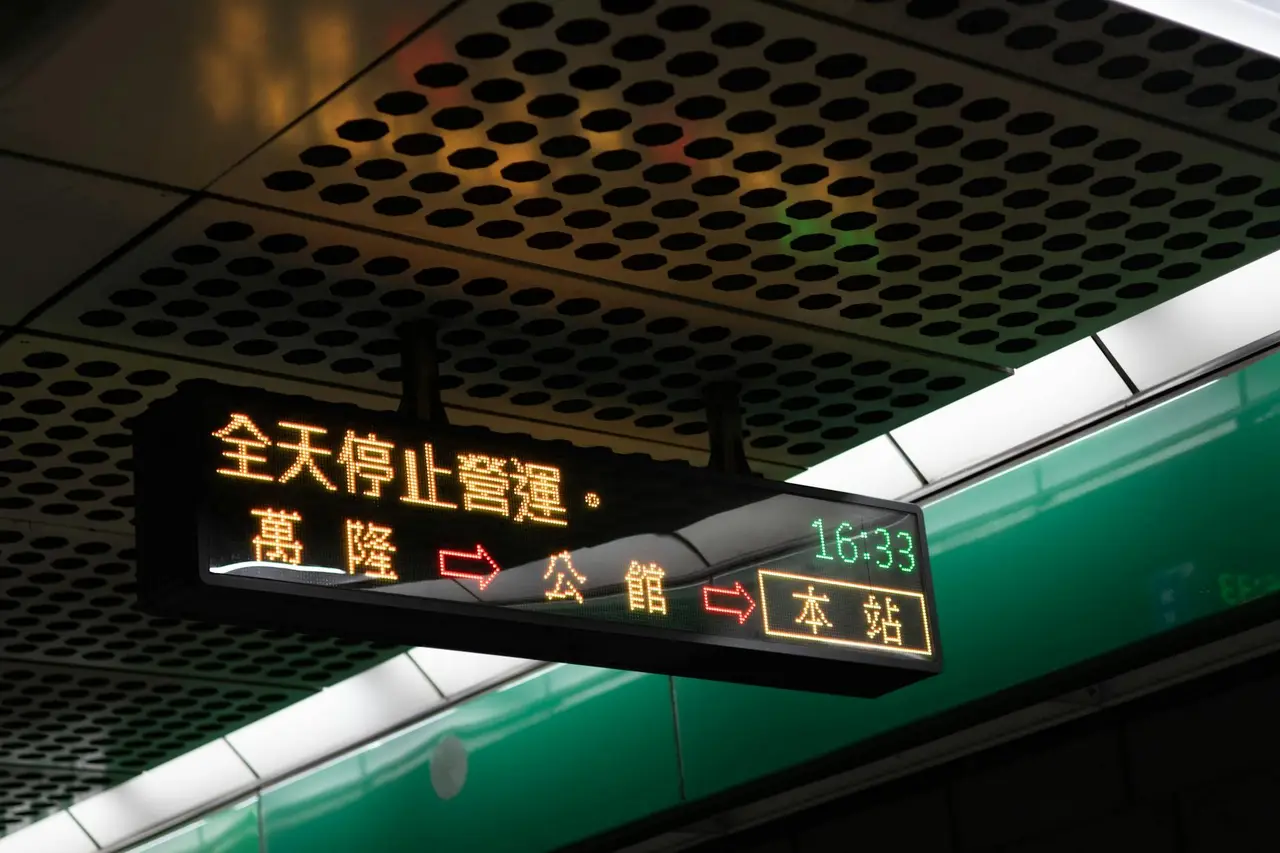
I’d start here because arrival day is never the day I want to overcomplicate. If I’m coming in by train, Nagoya Station is the easiest place to land, drop bags, and get moving without burning half the day. Best for: first-day momentum and travelers who hate wasted transit.
I stayed near the station on my first afternoon, and that saved me from dragging a bag through a neighborhood I didn’t know. From Nagoya Station to my hotel, it was about a 7-minute walk, and that tiny choice mattered more than I expected. I paid roughly ¥8,500 for a clean mid-range room, which felt fair because I could come and go without thinking about it. Skip if: you’re chasing a prettier neighborhood and don’t mind a longer daily commute.
After checking in, I took the subway from Nagoya Station to Shiyakusho Station, which is about 5 minutes and around ¥210. From there, Nagoya Castle is an easy walk. I spent about 90 minutes there, which was enough. Everyone talks about the castle like it’s a major must-see, but I thought the grounds were the better part. The interior was closed for renovation work during my visit, and honestly, that changed the value of the stop. I still liked walking the outer area, but I wouldn’t build my day around it.
Worth it if: you want a classic first stop and don’t mind that the main appeal is the grounds, not a long museum-style visit.
I expected Nagoya Castle to be one of those places I’d stay longer than planned. It wasn’t. I went in thinking I’d give it two hours, and I left after just over one. That wasn’t a failure; it just told me where the city’s energy is actually better spent. If you only have two days, this is the first thing I’d shorten.
For lunch, I went to a miso katsu place near Sakae after the castle, because I wanted something local and filling instead of another generic station meal. I paid around ¥1,400 for a set, and it was exactly the kind of lunch that makes a city trip feel grounded. Nagoya’s red miso is not subtle. I like that. It’s salty, dark, and a little heavier than I’d want every day, but on day one it hit the spot.
I took the subway from Shiyakusho to Sakae afterward, which was about 10 minutes including the walk and cost around ¥210. I used the rest of the afternoon to wander the shopping streets around Sakae, not because they’re life-changing, but because they’re useful. Skip if short on time: long shopping detours. The area is fine, but I’d rather save energy for food and one good evening stop.
Day 1 running total: about ¥1,800 to ¥2,500 excluding accommodation, depending on whether you add snacks or coffee.
Day 2: Food First, Then Osu and Sakae
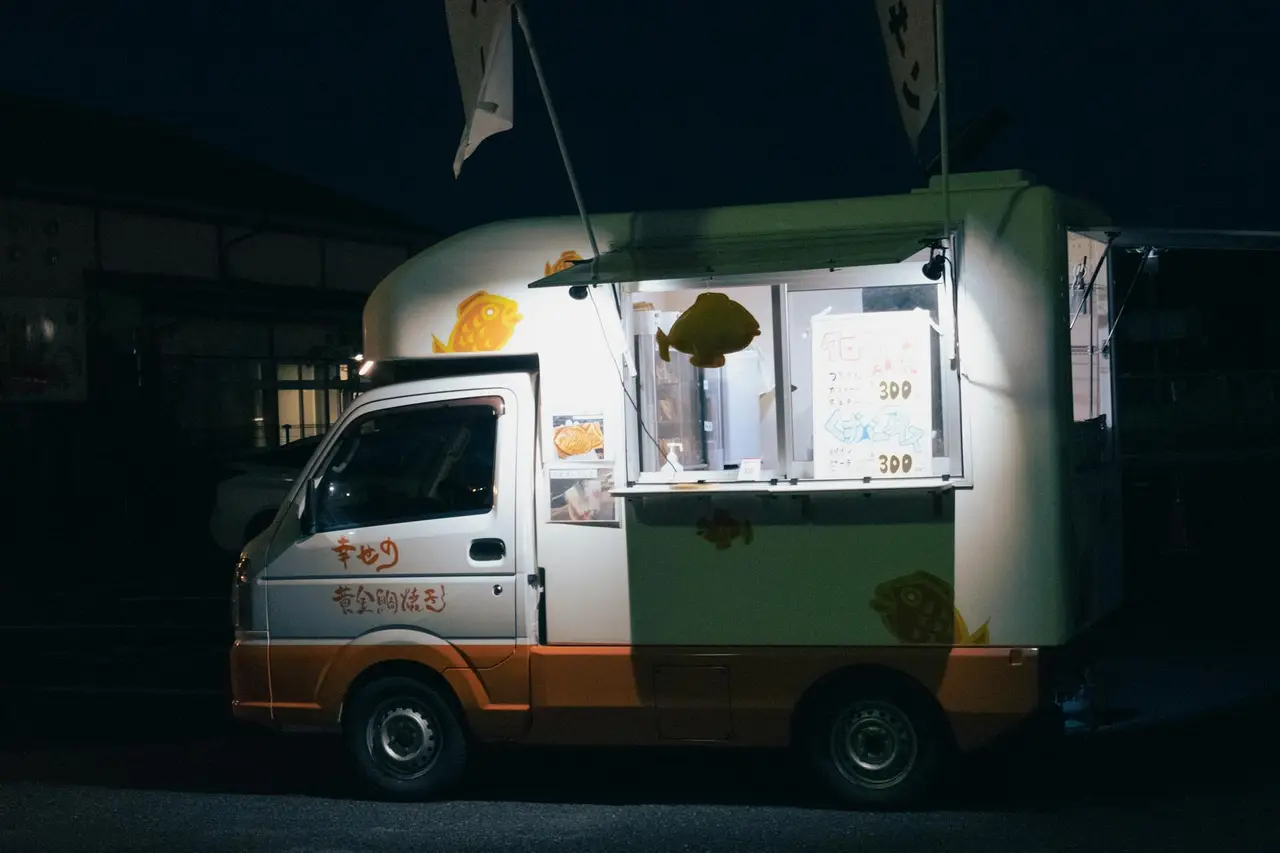
This is the day I’d build around eating, not sightseeing. Nagoya makes more sense when I stop treating it like a checklist city and let the meals do some of the work. Best for: food travelers and anyone who wants a lower-effort day with a real payoff.
I started late, around 9:30 a.m., because there’s no reason to rush into Nagoya’s morning like I’m catching a flight. I grabbed coffee and a pastry near my hotel for about ¥700, then headed to Osu by subway. From Nagoya Station to Osu-Kannon Station, it took me about 10 minutes and around ¥210. The district is walkable once you’re there, and that’s the point. I like that I didn’t need another train every ten minutes.
Osu is where I’d go for a few hours, not an entire day. The arcades are busy, but not in a way that felt exhausting on a weekday. I wandered through Osu Kannon Temple first, then the surrounding shopping streets. The temple itself took maybe 20 minutes. The shopping lanes took another hour because I kept stopping for snacks and looking at random stores I didn’t need. Fine, not great, but useful if you like a neighborhood that gives you something to do while you eat your way through it.
Worth it: Osu if you want a casual half-day with food, shopping, and a little temple time mixed together.
Lunch was the real reason I came. I got hitsumabushi — Nagoya-style grilled eel over rice — near the Osu/Sakae side and paid about ¥3,200. That sounds pricey, and it is, but I thought this was one of the few Nagoya dishes that justified the stop. The ritual matters a little too much for my taste, but the meal itself was good enough that I didn’t care. I ate slowly and still didn’t finish every spoonful on the first pass, which is probably a sign I ordered the right size and not the “tourist trying too hard” version.
I’d choose hitsumabushi over a random chain lunch every time. The alternative would’ve been a cheaper curry set for about ¥900, and that would’ve been fine, but it wouldn’t have felt like Nagoya. That’s the tipping point for me: if a food city can’t beat a convenience lunch, something’s off.
After lunch, I moved to Sakae for the afternoon. From Osu to Sakae, the subway ride is short — about 5 minutes and around ¥210 — but I mostly walked because the weather was warm enough, around 17–26°C, and I didn’t want to keep going underground. I had my cardigan in hand by late afternoon, which is exactly the kind of day this city gives you: comfortable enough to walk, but not so warm that you forget the evening can cool off.
I also went up to the Chubu Electric MIRAI TOWER area, which used to be the old Nagoya TV Tower. I didn’t pay for the observation deck that day because I’d already spent enough on food, and I was trying to keep this trip in the “spend carefully, not miserably” lane. Skip if short on time: the tower deck. The area around it is pleasant enough from street level, and the extra ticket wasn’t essential for me.
Day 2 running total: about ¥5,000 to ¥7,000, mostly because hitsumabushi isn’t cheap.
Day 3: Toyota, Aichi, and the One Big Choice
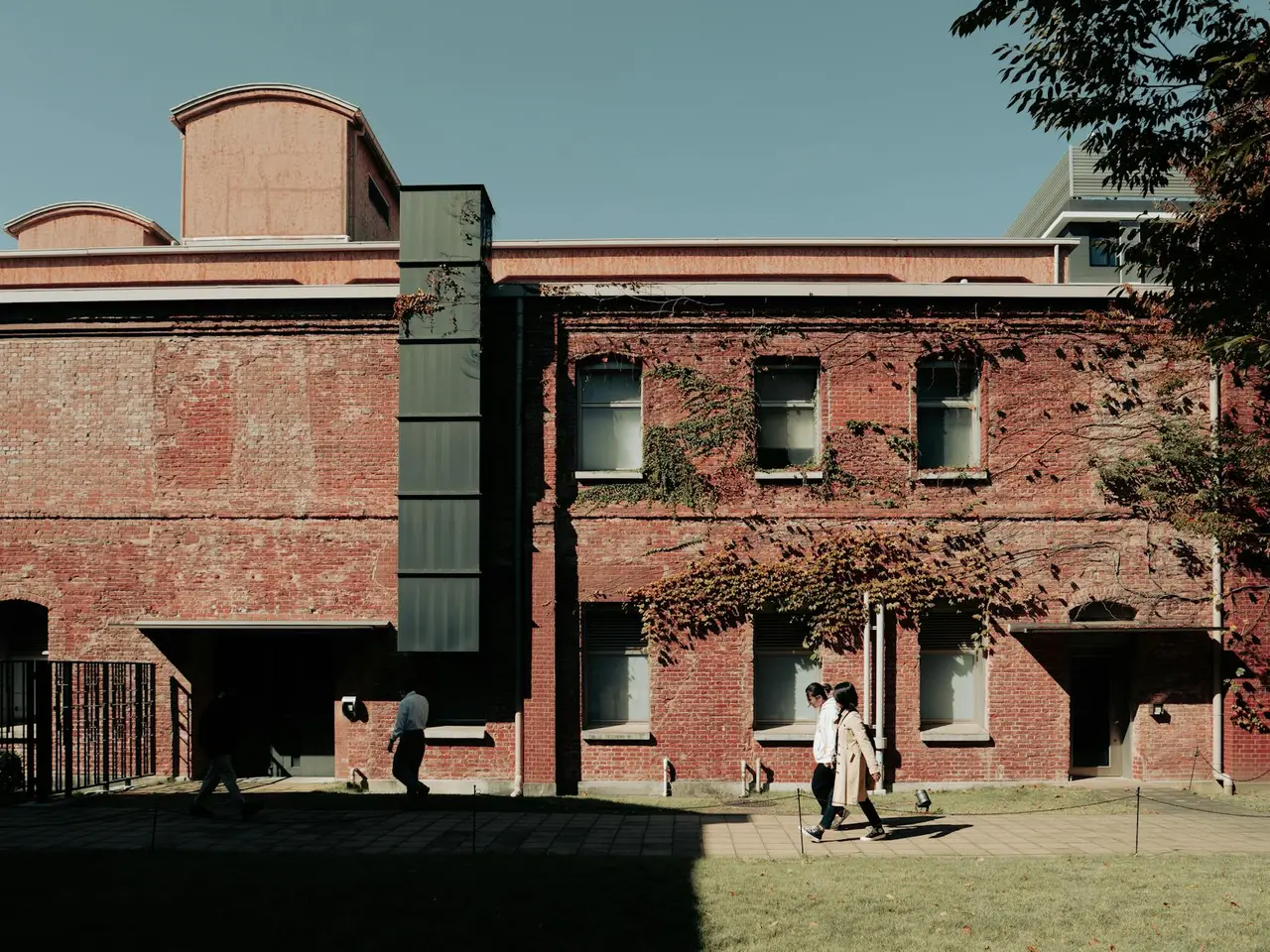
For the third day, I’d decide between a museum-heavy day and a slower city day. I picked the Toyota Commemorative Museum of Industry and Technology, and I’d do that again because it gave me a different side of Nagoya without turning the day into a lecture. Best for: travelers who like design, industry, and places that explain how a city actually works.
Getting there was easy from Nagoya Station. I took the Meitetsu or JR side depending on the route search that morning — this is one of those places where the exact line matters less than the fact that the ride is short and simple. Budget about 10 minutes by train plus another 10 minutes of walking, and around ¥200 to ¥250 each way depending on the route. I went on a partly cloudy morning and left my jacket in my bag after 10 a.m., which was nice because I hate carrying extra layers for no reason.
The museum cost me around ¥500, and I stayed close to two hours. That’s one of the better value stops in the city. I expected it to be dry and overly technical, and it was more engaging than I thought. The machinery demonstrations and old textile equipment made the place feel alive instead of dusty. I’m not pretending I became an industrial history person that morning, but I did care longer than I expected to.
Worth it: yes, especially if you want one cultural stop that isn’t another shrine or castle.
The alternative was the SCMAGLEV and Railway Park, which I considered because I’ve had decent luck with train museums in Japan. I skipped it because it would’ve added more transit and a bigger time commitment, and I only had one day left. The Museum of Industry and Technology was the better choice for me because it was closer, cheaper, and didn’t ask for half my afternoon. If you’re traveling with kids or you love trains more than I do, the railway park could win. For me, it would’ve been a second-choice stop.
After the museum, I went back toward Sakae for a slow lunch and one last walk. I ate a simple set meal for about ¥1,100 and sat there longer than I planned because I was trying to decide whether I wanted one more Nagoya specialty dinner or just an early train the next morning. That’s the kind of city Nagoya is. It doesn’t force you into a dramatic ending. It gives you enough structure to make your own.
For dinner, I’d go back to the station area and keep it easy. I had a miso ramen bowl near Nagoya Station for about ¥950, and it was fine, but not the meal I’d use to remember the trip. If I had one more evening, I’d spend it on tebasaki — Nagoya-style chicken wings — at a casual izakaya rather than another polished restaurant. That’s the more honest use of your last night.
Skip if short on time: the museum day if you only care about food and don’t like indoor attractions. In that case, I’d spend the whole day around Osu, Sakae, and dinner instead.
Day 3 running total: about ¥2,500 to ¥4,000, depending on whether you add a bigger dinner.
Cost Breakdown
Rough daily estimates from my own trip. Prices shift by season.
I wrote a more detailed breakdown in Is Nagoya Worth Visiting — worth reading if you’re still deciding.
For a deeper look at how many days, I covered this in my How Many Days In Nagoya.
For a deeper look at nagoya mistakes first time visitors, I covered this in my Nagoya Mistakes First Time Visitors.
If time to visit nagoya matters to your trip, my Best Time To Visit Nagoya has the specifics.
I wrote a more detailed breakdown in Best Neighborhoods In Nagoya — worth reading if you’re still deciding.
I compared the options in Nagoya Or Tokyo For First Timers — useful if you haven’t booked yet.
I wrote a more detailed breakdown in Common Tourist Mistakes Nagoya Avoid — worth reading if you’re still deciding.
For a deeper look at avoiding tourist traps nagoya, I covered this in my Avoiding Tourist Traps Nagoya.
Transport Tips
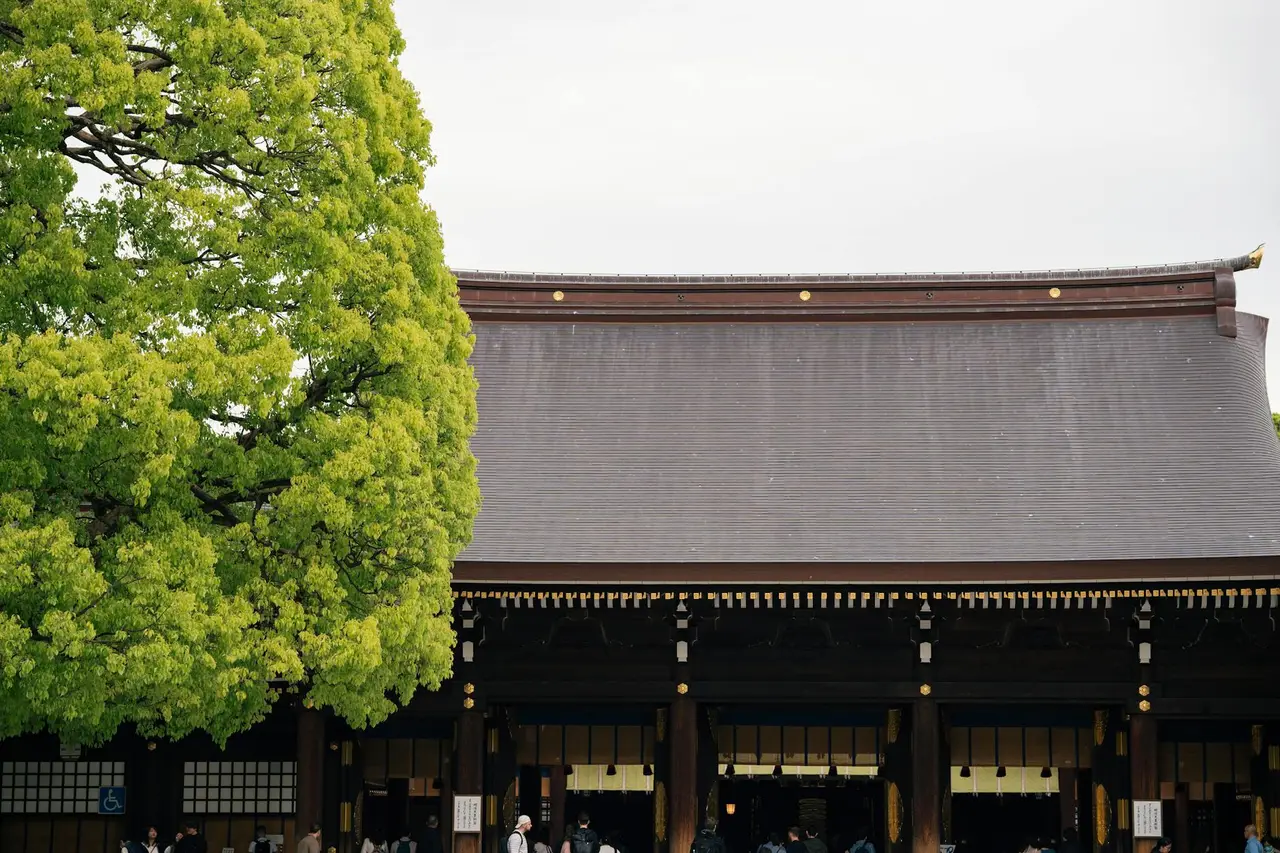
Nagoya is one of those cities where the transit works so well that the trip gets easier once I stop trying to optimize it too hard. I mostly used the subway and walked between compact areas. A single ride usually ran me around ¥210, and that’s cheap enough that I didn’t feel punished for moving around, but not so cheap that I’d hop trains randomly.
Best for: travelers who want a city that doesn’t require taxis every time they change neighborhoods.
Skip if: you prefer a place where the main sights are all close enough to walk all day without planning.
My biggest mistake was assuming I’d want to squeeze in more than I did. I thought I’d do castle, tower, museum, and another evening district all in the same day. That sounded efficient on paper. In reality, it turned into one long loop of subway transfers and half-interest. I lost about an hour to wandering between stops I didn’t actually care about, and that’s an hour I’d rather have spent sitting down with food. Next time, I’d cap myself at two major stops per day and stop pretending a fuller schedule is a better one.
That tradeoff is the whole city in miniature. Nagoya rewards clean decisions. It doesn’t reward overplanning.
Where I’d Stay and What I’d Pay
If I were booking this trip again, I’d stay near Nagoya Station for the first two nights and only move to Sakae if I wanted a slightly busier evening scene. I stayed close to the station and paid around ¥8,500 a night for a room that was small but easy. It wasn’t stylish. It was useful. That mattered more than nice wallpaper.
For Nagoya I used Agoda — they had the best rate for my dates.
Where I’d Actually Stay in Nagoya
Hotel JAL City Nagoya Nishiki
Nagoya
★★★★☆
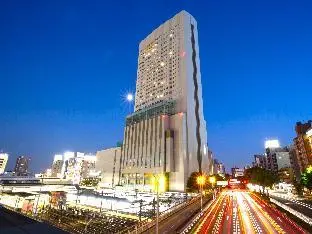
ANA Crowne Plaza Hotel Grand Court Nagoya By IHG
Nagoya
★★★★☆
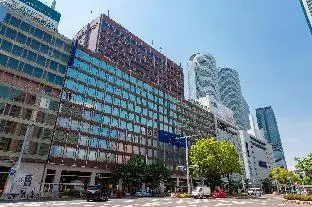
Meitetsu Grand Hotel
Nagoya
★★★★☆
See all Nagoya hotels on Agoda if you want to compare station hotels against Sakae options before prices creep up on weekends.
Best for: first-time visitors who want to keep the trip low-friction.
Skip if: you’re determined to stay in a more atmospheric neighborhood and don’t mind the extra commuting.
The alternative I looked at was a slightly cheaper place about 20 minutes farther from the station. It was roughly ¥2,000 less per night, which sounded good until I thought about doing that walk with a bag after dinner or getting back in the morning. I paid more for the location and I’d do it again. That small gap adds up fast over three nights, but the time saved is real.
I pre-booked on Klook the night before — skipped the entire ticket line.
FAQ
Is Nagoya worth three full days?
Yes, Nagoya is worth three days if you like a trip that runs smoothly and doesn’t eat your energy. I got the most value from mixing one major sight, one food-heavy day, and one indoor museum stop. If you want nonstop famous landmarks, though, I’d cut it to two days and spend the extra night somewhere more dramatic.
Should I stay near Nagoya Station or in Sakae?
I’d stay near Nagoya Station for a first trip because it makes arrival and departure easier and saves time on day one. Sakae is better if you care more about nightlife, shopping, and being in the middle of the evening action. I paid about ¥8,500 near the station and didn’t regret that choice once.
What food should I actually try in Nagoya?
I’d prioritize hitsumabushi, miso katsu, and tebasaki, in that order. Hitsumabushi was the one meal that felt worth paying extra for, and I spent about ¥3,200 on it without feeling ripped off. Miso katsu is easier to find and cheaper, so it’s the safer lunch if you don’t want to splurge.
Can I do Nagoya as a day trip instead?
No, I wouldn’t do Nagoya as just a day trip if you’re coming from somewhere like Kyoto or Tokyo. One day is enough for a quick castle-and-lunch visit, but you’ll miss the food rhythm and the easier second-day stops that make the city work. I’d only compress it if I was passing through and had no choice.
What would you cut if I only had two days?
I’d cut the Nagoya Castle interior first, especially if the main exhibit is closed or under renovation. After that, I’d skip the tower observation deck and spend the time on Osu and a proper local dinner instead. That gives you more of what Nagoya does well without paying for filler.
 Emma Hayes