

¥1,100
I’d choose Nagoya because it’s efficient, cheaper than the places most first-timers default to, and easier to enjoy without a packed itinerary. Choose Kyoto or Osaka only if you want the trip to revolve around temples, nightlife, or a stronger “this is Japan” postcard feeling. The one thing that changes the decision is this: Nagoya gives you less drama and more breathing room.
Quick answer: Nagoya is worth visiting if you want a clean, easy base with good food and low friction. I’d give it 1-3 days, or use it as a base for side trips. Kyoto still wins for a first Japan trip, and Osaka wins for energy.
Best for: travelers who want a clean, easy base with good food and low friction.
Skip if: you only have a couple of days and want the most obvious big-name sights.
My pick: Nagoya, if I’m using it as a smart city stop instead of a headline destination.
The case for Nagoya: the city that doesn’t waste your time

I spent my first morning in Nagoya around Nagoya Station, and I liked how quickly the city made sense. The station area is huge, but it’s not confusing in the way some Japanese hubs can be when you’re tired and dragging a bag. I walked out, got on the subway, and was at Sakae in about 10 minutes. That kind of movement matters more than people admit.
My main reason for recommending Nagoya is simple: it’s useful without being exhausting. I had an easy lunch at a local set-meal spot, paid around ¥1,100, and didn’t have to fight a line or sit through some overdesigned “local experience” that felt like a trap. I also found that the city rewards people who like normal travel days. Walk, eat, move on. That rhythm suits me.
The best comparison here is Kyoto. Kyoto has more obvious beauty, sure, but it also asks for more patience. I waited 25 minutes once just to get into a popular café near a temple area there, and I still remember thinking the coffee was fine, not magical. Nagoya doesn’t make you work that hard. If you want a city where the transit, food, and neighborhoods all cooperate, Nagoya is worth it.
Best for: travelers who care about cost per value and hate wasting half a day on logistics.
Worth it if: you want a Japan city that feels lived-in instead of packaged for visitors.
My pick: Nagoya over Kyoto if your trip is about comfort, not checking off famous sights.
I also need to say this plainly: I expected Nagoya to feel bland. I figured it would be all station buildings and office blocks. It wasn’t. The city still has plenty of plain stretches, but around Osu and Sakae I found enough food, shopping, and street life to keep it from feeling dead. That surprise changed my mind a bit. Not enough to call it a top-tier Japan city, but enough to stop me from dismissing it.
Why Kyoto still beats it for a first Japan trip
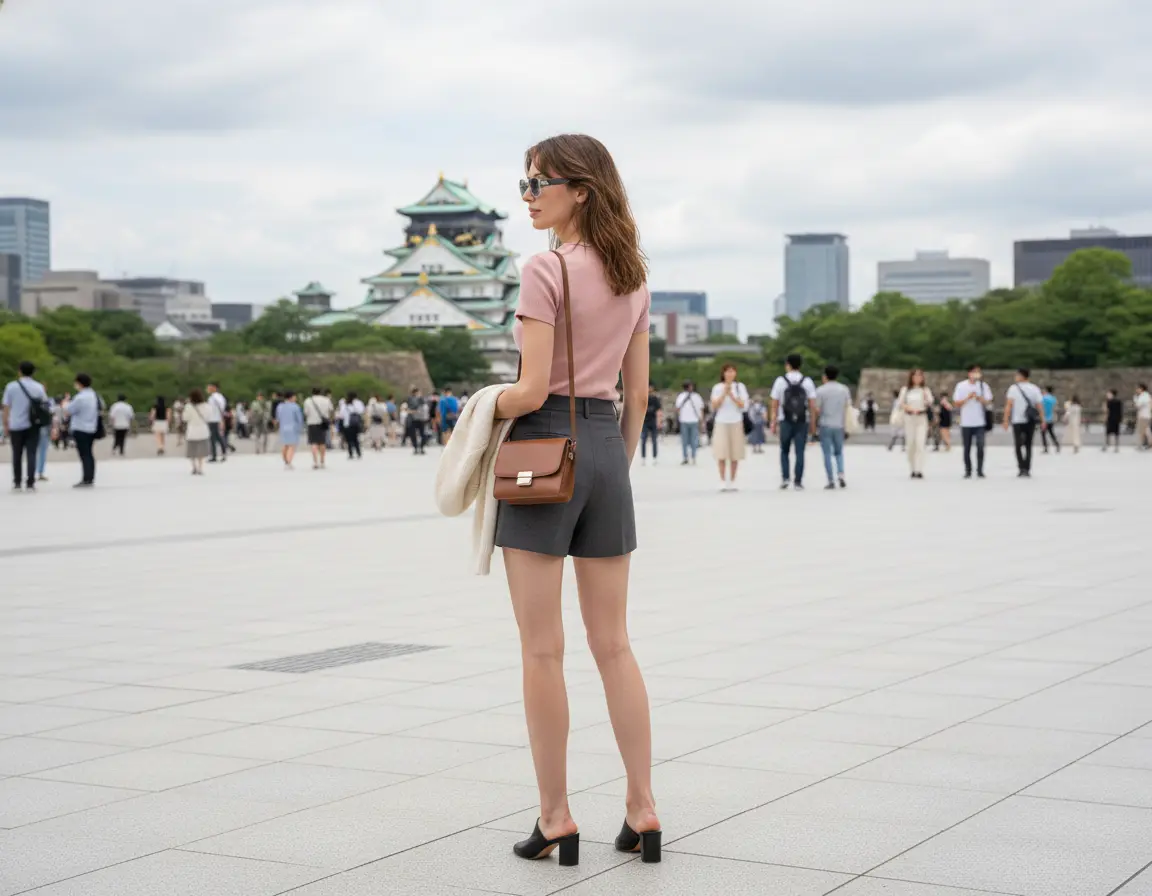
Kyoto is the stronger choice if this is your first time in Japan and you want the trip to feel unmistakably Japanese in the way people picture it. I’m not being precious about that. I mean the obvious stuff: temple walks, traditional neighborhoods, and easier emotional payoff when you only have a few days. Nagoya is more functional. Kyoto is more memorable.
I had both cities on my mind when I planned my route, and Kyoto won on one thing that mattered to me: density of payoff. In Kyoto, I could leave my place, walk 15 minutes, and land in a district that looked and felt different from the last one. In Nagoya, I needed to be more intentional. That’s not bad. It just means the city asks a little more of you if you want to feel rewarded.
Choose Kyoto only if you want your days to feel visually rich without much planning. Choose Nagoya only if you’re fine making your own structure. I paid ¥1,500 for a train and a short transfer once to get between areas in Kyoto, and I still thought the hassle was worth it because the day gave me more back. That math doesn’t always work in Nagoya, and that’s the whole point.
Best for: first-time visitors who want the classic Japan experience without much effort.
Skip if: you’re trying to avoid crowds and overbooked neighborhoods.
My pick: Kyoto for a first trip, Nagoya for a smarter second stop.
Why Osaka is better if you want energy, not efficiency
Osaka is the better comparison if your trip is food-first, nightlife-friendly, and you don’t care if the city feels a little chaotic. I love Osaka for that. It’s louder, easier to snack your way through, and less self-conscious than Kyoto. Nagoya doesn’t compete on that exact lane. It’s calmer and more orderly, which helps some days and flattens others.
I ate in both cities on the same trip, and Osaka gave me more variety without me having to think about it. In Nagoya, I had hits like miso katsu and tebasaki, but I had to seek them out more deliberately. One night I walked into a busy place near Sakae, paid about ¥1,800 for dinner and a drink, and liked it fine. But I wouldn’t say the city constantly throws great meals at you the way Osaka does. Osaka is still the better pick if food is your main reason for going.
That said, Nagoya has one advantage Osaka doesn’t: I didn’t feel drained after a full day there. The streets were easier to navigate, and I didn’t get that slightly sticky, overstimulated feeling I sometimes get in Dotonbori after dark. If you want a city where you can eat well and still have enough energy to wake up early the next day, Nagoya is the cleaner choice. If you want the city itself to be part of the entertainment, Osaka wins.
Best for: travelers who want food, noise, and a busier evening scene.
Only if: you’re fine trading ease for more personality and more late-night options.
My pick: Osaka for a short, high-energy trip; Nagoya if I want a calmer base.
What I actually spent in Nagoya, and what that buys you

Budget is where Nagoya starts making sense fast. My daily spending landed in a comfortable middle zone, not bargain-basement, not silly. I paid about ¥6,500 for a simple business hotel one night near the station, and that was after checking a few options and realizing the location premium was still reasonable. In Kyoto, I’ve paid that much for worse access. That part annoyed me, honestly.
Food stayed friendly too. Breakfast from a convenience store was usually around ¥350 to ¥500
If I’m comparing pure value, Nagoya beats Kyoto for accommodation and usually beats Osaka for calm. The tradeoff is that you don’t get the same visual payoff per yen. That’s the real line here. If your trip is about stretching money without feeling deprived, Nagoya is worth it. If you want the city to be the main event, you’ll probably spend more elsewhere and feel better about it.
Rough daily estimates from my own trip. Prices shift by season.
See all Nagoya hotels on Agoda if you want to compare station-area prices before they creep up on weekends.
How Nagoya feels on the ground
Nagoya’s rhythm is the real reason I’d recommend it to some travelers and not others. It feels orderly in a way that makes solo travel easy. I could move through the city without constantly checking my map, and that’s not a small thing when you’re carrying a day bag, sunglasses, and a cardigan you keep taking on and off because the weather can’t quite decide what it wants to do. It was about 14-24°C while I was there, so mornings needed a layer and afternoons didn’t.
Osu was the area that kept me interested longest. It has enough shops, food, and street movement to break up the station-zone sameness. I bought a cheap snack there, wandered a bit, and didn’t feel like I was being funneled past souvenir racks every ten steps. That’s a low bar, but a lot of tourist districts fail it. Nagoya mostly doesn’t.
Still, the city doesn’t give you that instant “wow” some travelers want. I think that’s why people underrate it. If you arrive expecting a dramatic reveal, you’ll miss the point. If you arrive wanting a city that works, you’ll probably get it. Fine, not great as a headline destination. Very good as a travel base.
Best for: solo travelers who like low-friction days and decent neighborhood wandering.
Skip if: you need every block to feel photogenic.
My pick: Nagoya for a practical trip, not a romantic one.
The mistake I made with Nagoya was expecting it to behave like Kyoto

I made my one real Nagoya mistake before I even got there. I assumed I could treat it like a smaller, quieter Kyoto and just drift around until the city revealed itself. It didn’t work that way. The trigger was a late afternoon when I left my hotel without a plan, figured I’d “just see what was nearby,” and ended up spending too much time circling the station area looking for something interesting enough to stop for.
The consequence wasn’t huge, but it was real. I burned about 90 minutes, bought a coffee I didn’t need for around ¥550, and missed the time window I’d wanted for a slower dinner in Osu. That’s the kind of mistake that doesn’t ruin a trip, but it does make the day feel sloppy. My hindsight is simple: Nagoya works better with one anchor per half-day. Pick lunch in Osu, a museum or castle stop, then a station-area dinner. Don’t expect random wandering to carry the whole day.
Worth it if: you like making a loose plan and sticking to it.
Skip if: you want a city that rewards aimless strolling more than structure.
My pick: Nagoya still, but only when I treat it like a city with a purpose.
What I’d do differently next time
I’d stay one night longer than I did, but I’d split my time more intentionally. One night near Nagoya Station and one near Sakae would have made the city easier to read. I also should have chosen one food lane and stuck with it instead of sampling a little of everything. That spread me too thin.
I’d also skip trying to make Nagoya the centerpiece of a too-short Japan route. It works better as a smart stop between bigger names or as a base when I want fewer crowds and lower hotel stress. If I had only two Japan days, I wouldn’t choose it. If I had five or more, I’d happily slot it in.
I wrote a more detailed breakdown in Chubu Centrair Airport To Nagoya — worth reading if you’re still deciding.
I compared the options in How Much Does Nagoya Cost Per Day — useful if you haven’t booked yet.
I compared the options in Nagoya Cheap Eats Walking Tour 2026 — useful if you haven’t booked yet.
For a deeper look at budget hotels nagoya solo female 2026, I covered this in my Budget Hotels Nagoya Solo Female 2026.
I compared the options in Nagoya Meshi Cheap Eats Guide — useful if you haven’t booked yet.
If nagoya cheap hotels solo female matters to your trip, my Nagoya Cheap Hotels Solo Female has the specifics.
For a deeper look at ghibli park nagoya tips 2026, I covered this in my Ghibli Park Nagoya Tips 2026.
If nagoya food guide budget solo matters to your trip, my Nagoya Food Guide Budget Solo has the specifics.
I compared the options in Budget Hotels Nagoya Station 2026 — useful if you haven’t booked yet.
I compared the options in Best Day Trips From Nagoya By Train 2026 — useful if you haven’t booked yet.
For a deeper look at cheap eats nagoya solo traveler, I covered this in my Best Cheap Eats Nagoya Solo Traveler.
For a deeper look at nagoya solo dining guide 2026, I covered this in my Nagoya Solo Dining Guide 2026.
If nagoya travel tips first-time visitors matters to your trip, my Nagoya Travel Tips First-Time Visitors has the specifics.
For a deeper look at nagoya morning service guide, I covered this in my Nagoya Morning Service Guide.
I wrote a more detailed breakdown in Nagoya Street Food Tour Budget 2026 — worth reading if you’re still deciding.
For a deeper look at nagoya cheap eats solo female 2026, I covered this in my Nagoya Cheap Eats Solo Female 2026.
For a deeper look at nagoya tourist pass price changes 2026, I covered this in my Nagoya Tourist Pass Price Changes 2026.
I compared the options in Best Hostels Nagoya Women Only 2026 — useful if you haven’t booked yet.
I compared the options in Nagoya 3 Day Itinerary Solo 2026 — useful if you haven’t booked yet.
For a deeper look at budget nagoya itinerary solo 2026, I covered this in my Budget Nagoya Itinerary Solo 2026.
If nagoya autumn leaves best spots 2026 matters to your trip, my Nagoya Autumn Leaves Best Spots 2026 has the specifics.
I wrote a more detailed breakdown in Nagoya Travel Tips First-Timers 2026 — worth reading if you’re still deciding.
I wrote a more detailed breakdown in Must-Try Cheap Food Nagoya 2026 — worth reading if you’re still deciding.
I compared the options in Nagoya Food Guide Budget Travelers 2026 — useful if you haven’t booked yet.
See current Nagoya hotel prices on Agoda →
I usually book Nagoya tours on Klook — the best time slots go fast, especially in peak season.
FAQ
Is Nagoya good for a first trip to Japan?
No, I wouldn’t pick Nagoya as the only city for a first Japan trip. Kyoto or Osaka gives you a faster emotional payoff if you’re trying to feel “in Japan” right away. I’d use Nagoya as a secondary stop once you know your way around the country a bit.
How many days do you actually need in Nagoya?
Two days is enough for most travelers, and three if you want to slow down. I found that one full day felt rushed, especially if I wanted to eat well and see more than the station area. Any longer than three days and I’d want a side trip built in.
Is Nagoya cheaper than Kyoto or Osaka?
Yes, I found Nagoya cheaper for hotels and easier on daily spending. I paid about ¥6,500 for a decent private room and had no trouble finding meals around ¥1,000 to ¥2,000 — based on my trip, always good to confirm. Kyoto can jump faster, especially in popular districts, and Osaka often pushes you toward more impulse spending at night.
What area would you stay in if you only have one night?
I’d stay near Nagoya Station for one night because it saves time and keeps arrivals simple. If you want a little more neighborhood life, Sakae is the better second choice. I wouldn’t stay far out just to save a few dollars; the transit drag isn’t worth it.
Can I use Nagoya as a base for day trips?
Yes, and I think that’s one of the city’s strongest uses. It works well if you want to visit places like Inuyama, Gifu, or other nearby spots without changing hotels every night. I’d rather base myself in Nagoya for a few days than keep repacking for short side trips.
 Emma Hayes