

31°C, one umbrella, and one very sticky walk from Nagoya Station taught me more about this city than any glossy hotel listing did. I stayed with budget in mind, moved around solo, and paid close attention to what actually mattered at night: distance from the station, noise, and whether I’d feel fine walking back alone after dinner.
I’d book Nagoya for a cheap solo female trip without much hesitation. The city makes sense if you want clean, efficient, low-drama lodging near transit, and I’d pick it over flashier places when I care more about sleeping well than having a cute lobby. It’s not the place for atmosphere-first travel. It’s the place for value-first travel.
Quick answer: I’d stay near Nagoya Station first, with Sakae as the backup if the hotel is close to the subway and clearly cheaper. I paid around $58 near Nagoya Station and roughly $45 in Sakae, but the station-side stay was easier for solo nights and late returns.
| Hotel | Price/night | Location | Best for |
|---|---|---|---|
| Basic room near Nagoya Station | $58/night | Nagoya Station | solo |
| Sakae hotel | $45/night | Sakae | budget |
Hotel Review
I’d stay near Nagoya Station first. It’s the easiest area to get right on a budget because the station does so much of the work for you: JR lines, Meitetsu, subway access, taxis, convenience stores, and plenty of plain, functional hotels that don’t waste your money on nonsense. I paid around $58 one night for a basic room here, and the best part was not the room itself. It was getting from the platform to my bed in under 10 minutes.
I booked through Agoda and saved about 15% compared to the hotel’s own site.
Where I’d Actually Stay in Nagoya
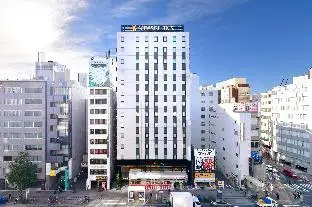
Vessel Inn Sakae Station
Nagoya
★★★★☆
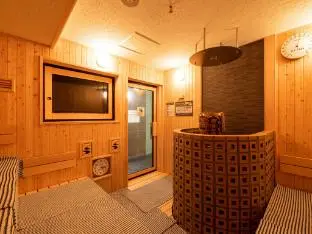
2025 Renewal Open – Anshin Oyado Nagoya Man / Woman Sakae Station
Nagoya
★★★★☆
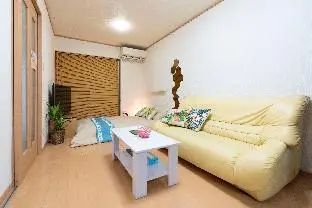
New OPEN Max 10 people Nagoya Station 2LDK
Nagoya
★★★★☆
Best for: solo travelers, late arrivals, short stays, and anyone arriving with luggage.
Skip if: you want neighborhood charm right outside your door. This area is practical, not cute.
My pick: station-side every time for one-night or two-night stays.
The sleep situation here is usually pretty good, but not magical. I’ve had rooms where the hallway was dead quiet and others where I could hear the elevator ding and the occasional suitcase rolling at 11:30pm. Still, that’s better than being stuck in a cheaper hotel that saves you $10 and costs you 20 minutes each way every day.
I almost booked a place farther out because it was about $12 cheaper per night. Then I checked the walk from the station and realized it meant a 14-minute drag with my bag, plus one awkward street crossing I didn’t want to deal with after dark. I paid more for the station hotel, and I’d do that again. For me, that was the whole point of Nagoya: efficiency without paying Tokyo prices.
Location consequence: if you stay here, you’ll spend less time commuting and more time actually using the city. If you stay too far away, Nagoya starts feeling bigger and more annoying than it is.
Sakae is the place I’d look at when I want to shave a little off the nightly rate and still stay somewhere useful. It’s busier than the station area, with more restaurants, more shopping, and more foot traffic at night. I stayed in this zone once and paid roughly $45 a night, which was solid value, but only because the hotel sat about 4 minutes from the subway and I could get back easily after dinner.
Best for: budget travelers who don’t mind a busier area and want more food choices nearby.
Skip if: you’re arriving late, leaving early, or hate walking through crowded streets with luggage.
My pick: Sakae only when the price gap is real, like $15 to $25 less than station-side hotels.
The noise reality here is mixed. I slept fine, but I wouldn’t call it whisper-quiet. There were people outside later than I expected, and I could hear some street noise when I cracked the window for air. It wasn’t bad enough to ruin the stay, just enough to remind me that cheap and central usually comes with a little life outside.
I expected Sakae to feel more interesting than it did. It wasn’t a disaster, and I’m not saying that as a complaint, but it felt more like a useful base than a place I’d plan my trip around. If you’re solo and trying to keep costs down, that’s fine. If you’re hoping for a charming neighborhood feel, I’d skip it and spend the extra few dollars near Nagoya Station instead.
Price-to-convenience ratio: good only when the savings are obvious. If you’re saving $20 a night but adding two subway rides and a longer nighttime walk, the deal gets worse fast.
The rooms I saw in this price range were mostly small, clean, and straightforward. No drama. That’s the good news. The bad news is that “cheap” in Nagoya can still mean tight space, not much storage, and a bathroom that feels like it was designed for one person who owns exactly one outfit. I’m okay with that, but I want readers to know the tradeoff before they book.
One room had blackout curtains, a desk that actually fit my laptop, and a kettle that worked the first time. I remember because I checked email while drying off my umbrella by the door. Another room had a bed that took up most of the floor space, which was annoying for packing, but the place was so close to the station that I forgave it. That’s the kind of calculation I make now: what problem does the hotel solve?
Best for: travelers who mainly need a clean bed, a shower, and good transit access.
Skip if: you want to spread out or work in-room for hours.
Worth it: yes, if the hotel is clean and within a short walk of the train.
Sleep quality mostly came down to the building, not the neighborhood. I had one night where the air-conditioning was a little loud, but that was still better than sweating through a humid room with no proper airflow. On a hot, sticky night, I’d rather have a slightly noisy AC than pretend I’m sleeping in a stylish sauna.
I once booked what looked like the smartest bargain on paper. The room was about $18 cheaper than a station hotel, and I thought I’d won. The trigger was simple: I saw the lower price, ignored the map a little too quickly, and assumed the walk would be fine.
It wasn’t fine. The hotel sat far enough from the station that I spent nearly 25 minutes getting there with luggage, and part of that walk was uncomfortable after rain because the sidewalks were slick and narrow. By the time I arrived, I’d already spent an extra $6 on a taxi for one leg of the trip and wasted enough time that the savings looked silly. I left thinking I’d been clever, and I hadn’t.
Hindsight: I now compare the real total, not just the nightly rate. If a hotel is cheaper but adds a 15-minute walk, a transfer, or a late-night taxi, I treat that as part of the room cost.
Verdict: skip the far-off bargain unless you’re staying several nights and don’t mind the commute.
I care less about branding and more about whether I felt normal getting back at night. In Nagoya, the biggest safety win was simple: staying near well-lit, busy routes and not relying on long dark walks from the station. I’d rather pay a little extra for that than book a cheaper room in a dead zone and pretend I’m being adventurous.
One evening I came back after dinner with my fan in one hand and a damp umbrella in the other, and I was glad I’d booked a place on a main route. I didn’t have to cut through empty side streets or guess which alley was the right one. That kind of convenience matters more than a lot of hotel marketing does.
Best for: solo women who want low-friction arrivals and easy night returns.
Skip if: the hotel description sounds vague about the walk from the station.
My pick: a plain hotel on a bright main street beats a nicer-looking one hidden deeper in the neighborhood.
I’m not saying Nagoya is unsafe. I’m saying cheap lodging choices change the feel of a trip fast. The wrong location can turn a calm city into one long logistics problem, and I don’t enjoy paying for that.
If I were booking again, I’d look first at Nagoya Station, then at Sakae only if the map made sense and the savings were real. I wouldn’t spend extra for style in this city unless the room also gave me something practical, like a better desk, better blackout curtains, or a much shorter walk from transit. Cute details are nice. Easy logistics are better.
Worth it: hotels with an honest 5 to 8 minute walk from the station and prices around $50 to $80 a night.
Only if: Sakae is at least $15 cheaper and the route back feels straightforward at night.
Skip: anything that looks cheap but hides a long, awkward walk or a late check-in headache.
I checked prices on Agoda more than once because Nagoya rates can shift enough to change the decision. A room that looked mediocre one day was suddenly the only sensible option the next, and I’m not sentimental about booking platforms. I care about the final number and the map, not the brand story.
See all Nagoya hotels on Agoda and sort by distance before price. In Nagoya, that order matters more than the photos.
Cost Breakdown
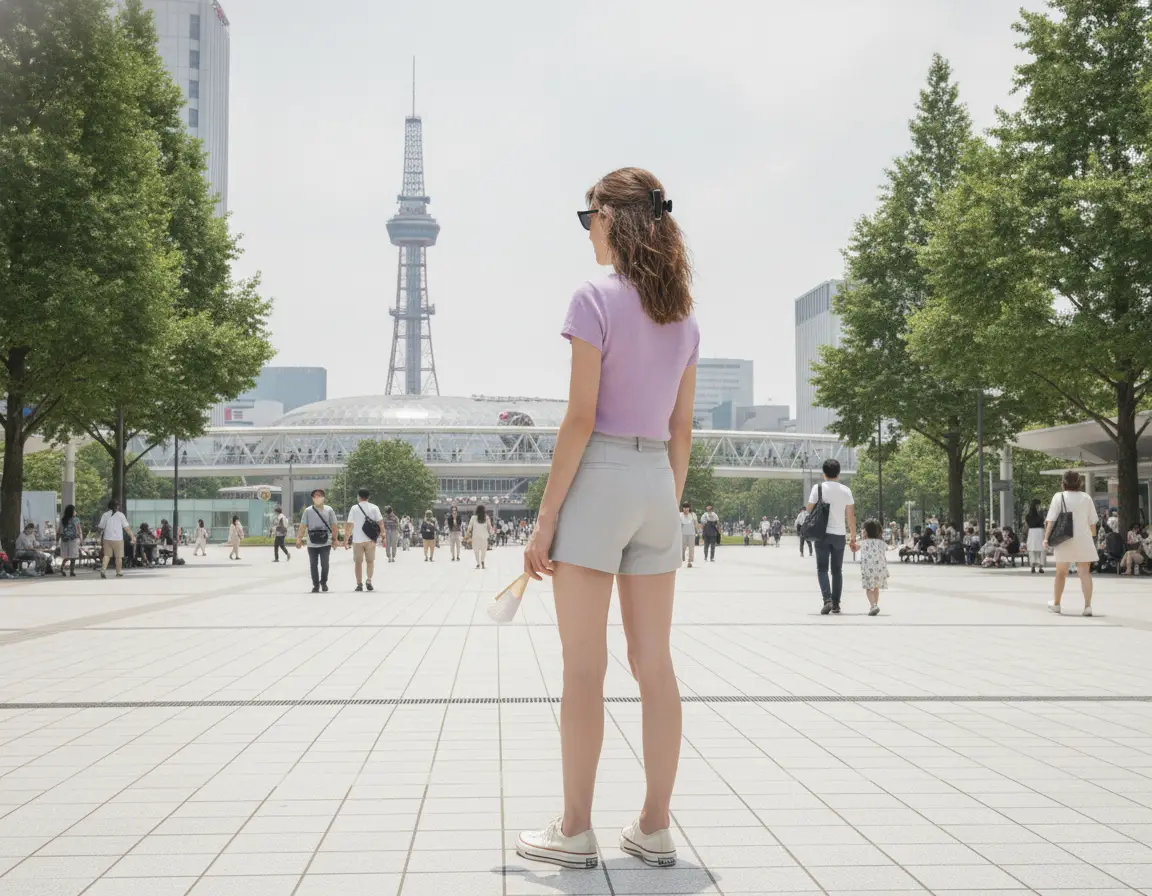
I found Nagoya cheap hotels solo female-friendly in the one place that really moved the total: location. A room near Nagoya Station cost me more than a basic place a few stops out, but it saved me from dragging a bag through an empty street at night. That was money well spent. I cut back on daytime transport by walking more, then spent a little extra on a proper konbini dinner and a coffee when I needed a break.
These were my rough daily costs in Nagoya. The biggest swing was hotel location, not meals.
What I’d do differently next time
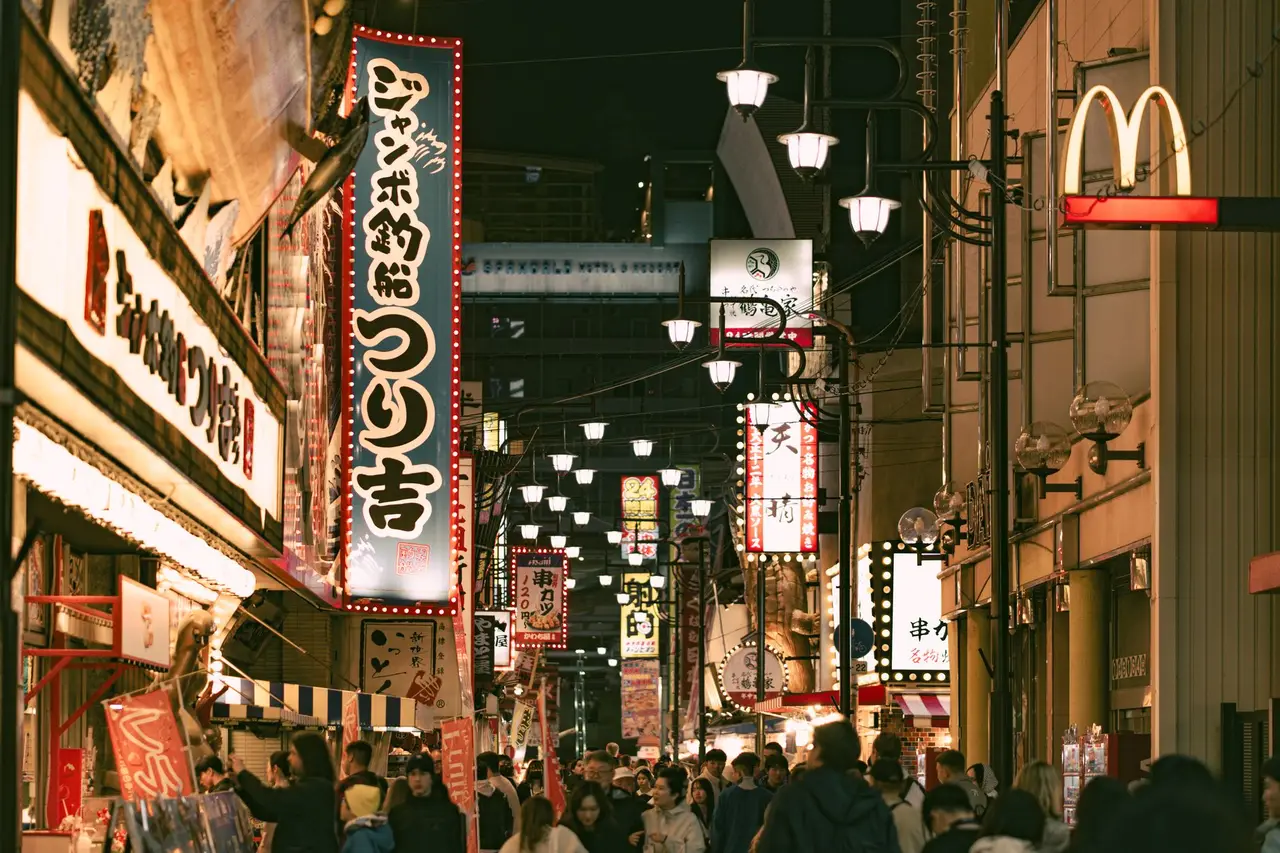
I’d book closer to the station earlier instead of trying to “save” $10 or $15 and then paying for it in time and annoyance. I’d also check whether the hotel has an elevator before I commit, because dragging a bag up stairs after a humid day is not a cute memory. And I’d probably avoid any room that depends on a long, vague walk from the station, even if the reviews are decent.
Best for: solo female travelers who want a clean, cheap base with easy transit and low stress.
Skip if: you need atmosphere outside the hotel door or you hate compact rooms.
Next time: I’d pay a little more for Nagoya Station and stop trying to outsmart the map.
Hotel Cards
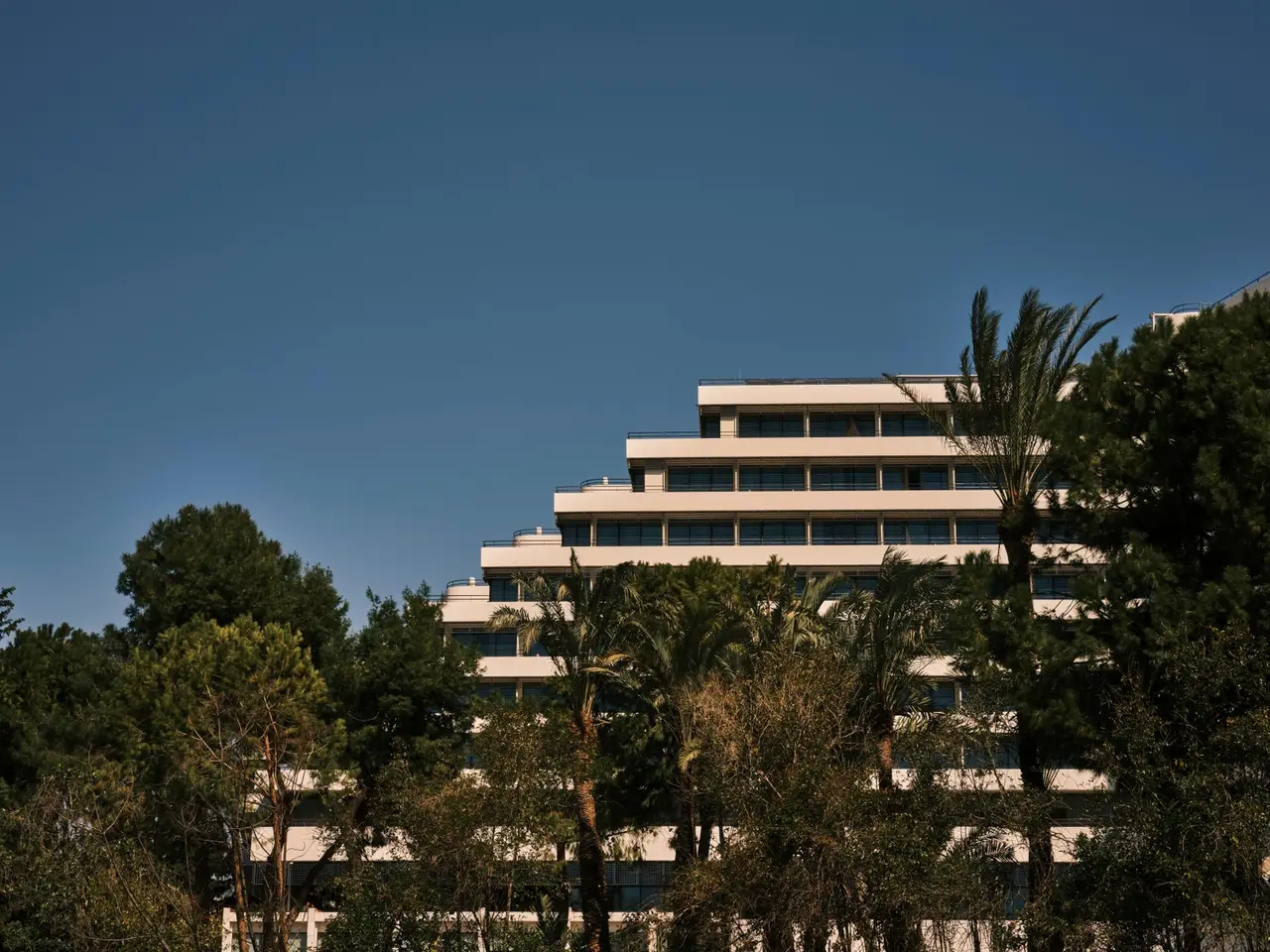
Basic room near Nagoya Station — around $58/night. I remember the faint smell of fresh laundry in the corridor and the way the room went almost fully dark once the curtains were shut. For a solo night in Nagoya, that mattered more than anything else.
Sakae hotel — roughly $45/night. The check-in desk was tucked behind a louder lobby than I expected, and I could hear the elevator dinging all evening. It was the kind of place that works if you want to come back late, eat nearby, and not spend much on the room itself.
FAQ
Is Nagoya Station worth the extra money for a solo trip?
Yes, I think it’s worth paying a little more for Nagoya Station on a solo trip. The short walk from the platform, the bright streets, and the easy late-night return matter more than saving $10 or $15 a night. I’d choose it again for one or two nights without thinking too hard about it.
Is Sakae too busy to sleep well?
No, Sakae is not too busy to sleep well if you pick the right hotel. I slept fine there, but I did hear some street noise, so I’d only choose it if the property is a few minutes from the subway and not right on a loud corner. For light sleepers, I’d still lean station-side.
How far from the station is too far for cheap Nagoya hotels?
Anything over a 10-minute walk starts to feel too far to me if I’m carrying luggage. I once saved about $18 a night and lost more than that in taxi fare and time, which was a bad trade. If the map looks annoying, I skip it.
Do I need to pay more for a solo female-friendly hotel in Nagoya?
No, I wouldn’t pay extra for a label if the location and reviews already look solid. I care more about a well-lit route, a short walk, and a hotel that doesn’t make late check-in awkward. That combination matters more than marketing language.
What kind of room is actually fine for a cheap stay there?
A small room is fine if it has blackout curtains, decent air-conditioning, and enough space to open a suitcase. I stayed in one that was tight but workable, and the desk plus good location made it worth the price. I’d rather have that than a bigger room that’s inconvenient to reach.
 Emma Hayes