
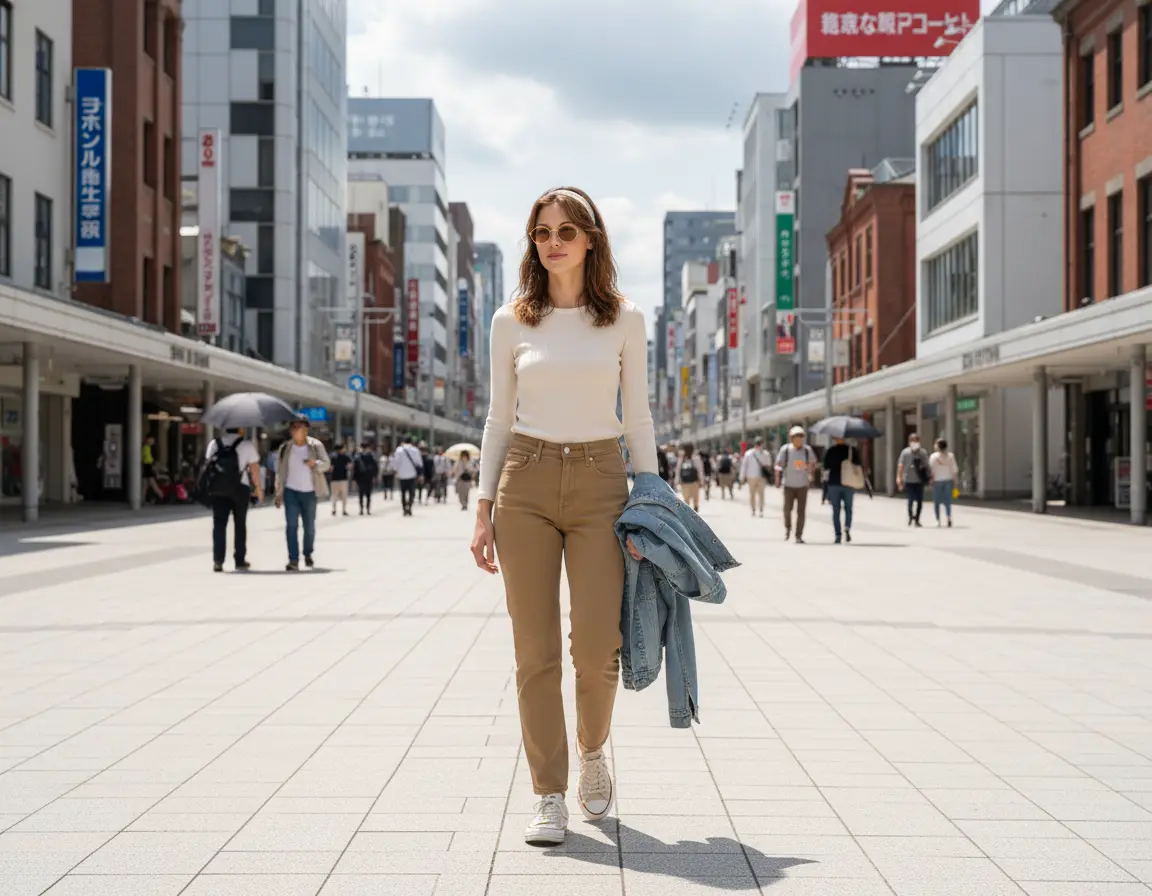
I thought Sapporo would be a quick stop. It wasn’t. I stayed longer than planned because the city made sense in a way a lot of big Japanese cities don’t: easy trains, good food without a stupid wait, and enough space to breathe after Tokyo and Kyoto. I’d choose Sapporo because it gives me real city convenience without the crush.
Quick answer: Yes, Sapporo is worth visiting if you want a Japanese city that’s easy to move through, strong on food, and better than its reputation for a calm, winter-friendly trip. I’d base myself near Odori, Susukino, or Sapporo Station, where a dorm bed ran about ¥4,500 a night and food stayed around ¥2,000-¥3,500 a day.
Best for: travelers who want good food, winter weather, and a city that doesn’t waste your time.
Skip if: you want nonstop temple-hopping or a trip that revolves around one famous landmark.
My pick: Sapporo is worth visiting, and I’d rather base myself here than in a more crowded Japanese city if I’m chasing comfort and value.
Choose Sapporo only if you’re okay with a place that feels more lived-in than flashy. If you want a trip built around a single iconic checklist, this won’t be your city. The thing that changes the decision most is pace: Sapporo gives you a lot of day-to-day ease, and that matters more than it sounds like it should.
Why Sapporo won me over
I went in expecting a city I’d probably like for one night and forget by the end of the month. I was wrong. The first thing that changed my mind was how easy it was to move around without burning time. I walked from Susukino to Odori Park, stopped for coffee, and didn’t once feel like I was fighting the city. That sounds boring on paper. It isn’t, especially when you’re carrying a backpack and just want the day to work.
The food helped too. I paid about ¥1,100 for a bowl of miso ramen at a counter near Susukino, and it was the kind of lunch that fixes a cold afternoon without turning into a production. I also grabbed a 7-Eleven onigiri for around ¥160 when I didn’t want a sit-down meal. That’s the part people miss when they ask if Sapporo is worth visiting: it’s not just the ramen or the seafood market or the snow festival hype. It’s that you can eat well without planning your whole day around one reservation.
Best for: travelers who like cities that are easy to use.
Skip if: you need constant “I can’t believe I’m here” moments from every block.
Worth it? Yes. I’d go back for the simple reason that daily life there felt smooth instead of performative.
I also liked that the city didn’t pretend to be something it’s not. It’s not Kyoto. It’s not trying to be. That honesty matters to me. I’d rather have a place that knows what it is than one that spends all its energy packaging itself for photos.
The alternative: when another Japanese city makes more sense
Choose somewhere like Kyoto or Osaka only if your trip is short and you care more about classic sights than daily comfort. I’m not saying Sapporo loses on quality. I’m saying the tradeoff changes. Kyoto gives you temples, old streets, and a tighter “Japan postcard” feel. Osaka gives you faster nightlife and more obvious food chaos. Sapporo gives you room, cleaner pacing, and winter that feels like a reason to be there instead of a background detail.
I had Kyoto and Sapporo in my head for the same trip once, and I picked Sapporo because I didn’t want to spend half my day in lines or shuffling between crowded districts. Kyoto would’ve worked better if I had only 2-3 days and wanted famous sights packed close together. But I wanted to walk, eat, reset, and not feel rushed. Sapporo fit that better.
I expected Sapporo to feel a little empty after the first evening. It didn’t. It felt calmer, which is different. By 6 p.m., I was sitting in a ramen shop near the station with a hot bowl in front of me while the sidewalks outside stayed busy but not jammed. That’s a better use of time than standing in a queue for a trendy café just because it photographed well.
Best for: travelers who would otherwise choose Kyoto or Osaka but want a less crowded trip.
Skip if: your Japan plan is only about temples, shrines, and old-town scenery.
My pick: I’d take Sapporo over a second straight stop in a packed city when I need a reset.
Cost Breakdown
Here’s the blunt version. Sapporo isn’t cheap in the “everything is a bargain” sense, but it’s good value because the city doesn’t force you to spend money just to function. My dorm bed ran about ¥4,500 a night in a decent hostel, and private rooms I checked were closer to ¥9,000-¥14,000 depending on location. Food was easy to keep around ¥2,000-¥3,500 a day if I mixed ramen, convenience-store breakfast, and one proper meal. Transportation inside the city was usually around ¥220-¥260 a ride on the subway, and I didn’t need it constantly because walking worked so well.
That’s where Sapporo beats a lot of bigger Japanese cities for me. If I’m staying near Odori, Susukino, or Sapporo Station, I can get a lot done without stacking transit costs. I spent one rainy-looking but actually just cool morning at 8°C walking between Odori Park and the Clock Tower area, then ducked into a café instead of hopping on a train for a five-minute ride I didn’t really need. The city rewards short, practical decisions like that.
The main money trap is overbooking accommodation too far from the center because the rate looks nicer by ¥1,000 or ¥2,000. I’ve done that before, and it gets old fast. In Sapporo, the extra walk or transit adds up because the city is spread enough that “cheap but inconvenient” stops being cheap after a couple of days. I’d pay more for a central base here without thinking too hard.
Budget-wise, my rough daily spend looked like this:
Rough daily estimates from my own trip. Prices shift by season.
Worth it on budget? Yes, if you keep your base central and don’t turn every meal into a sit-down event.
See all Sapporo hotels on Agoda if you want to compare central stays against cheaper places that look good until you map them.
For a deeper look at new chitose airport to sapporo, I covered this in my New Chitose Airport To Sapporo.
For a deeper look at how much does sapporo cost per day, I covered this in my How Much Does Sapporo Cost Per Day.
If sapporo itinerary 3 days matters to your trip, my Sapporo Itinerary 3 Days has the specifics.
If day trips from sapporo matters to your trip, my Best Day Trips From Sapporo has the specifics.
What Sapporo feels like day to day

The vibe is the reason I’d recommend it to the right traveler. Sapporo feels practical without being sterile. There’s enough structure that I never had to think too hard about the next move, but it still had personality in the food streets, the parks, and the winter routines. I liked that balance. A city doesn’t need to shout to be good.
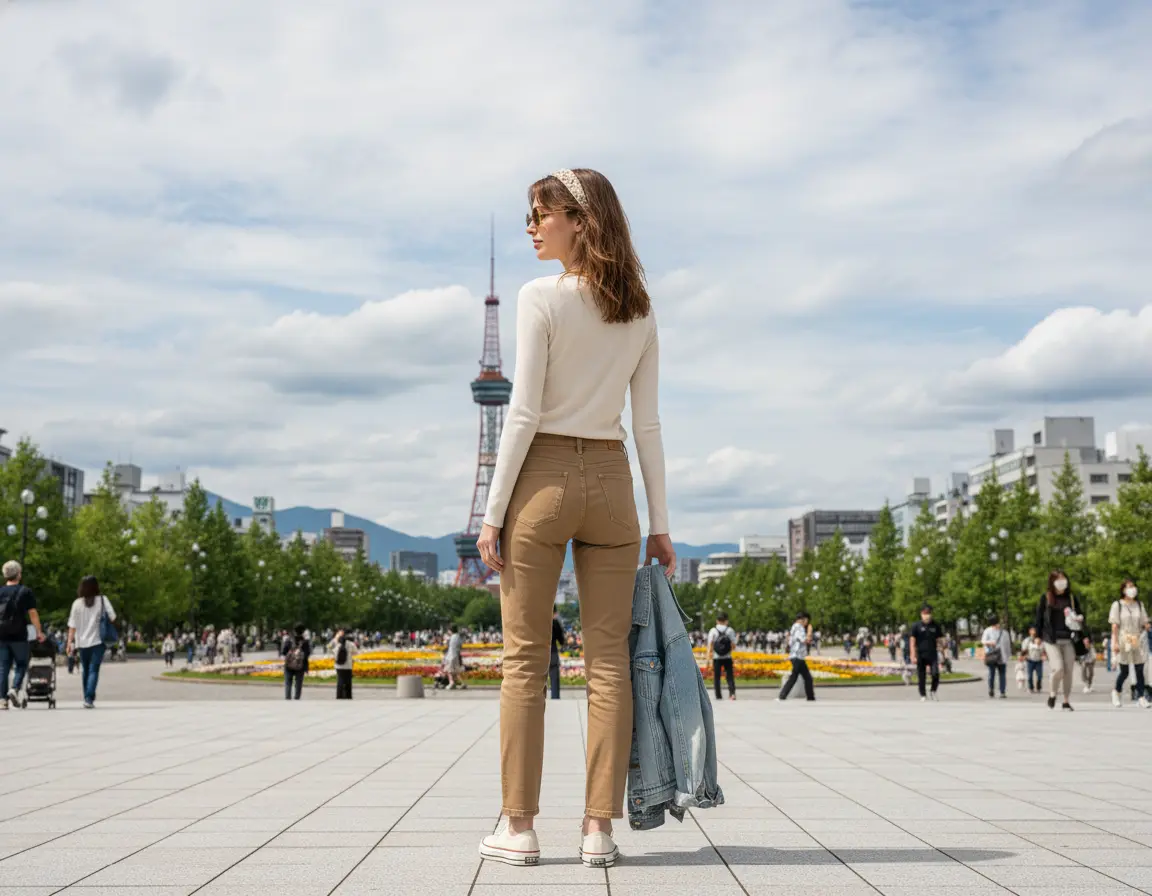
I spent one afternoon around Odori Park with sunglasses on, scarf in my bag, and my jacket in my hand because the sun kept slipping in and out behind clouds. It was around 5-13°C during my visit, so I dressed in layers and didn’t regret it once. That’s a small detail, but it matters. Sapporo is a place where weather actually shapes the day, and I liked that the city didn’t fight it. People just moved around it.
The place isn’t as immediately cinematic as some Japanese cities. I’m being honest there. If you need every corner to feel historic or dramatic, you may get bored faster than I did. But if you like wandering, eating, and not feeling rushed, the rhythm works. I think that’s why I ended up enjoying it more than I expected.
Best for: slow walkers, food-first travelers, and anyone who likes cities that stay usable in winter.
Skip if: you get restless when a destination doesn’t hand you a famous view every hour.
Worth it? Yes, though not in a loud way. Sapporo earns its keep by being easy to live in for a few days.
The mistake I made and what I’d do differently
I made one dumb choice here: I assumed I could keep my accommodation flexible because Sapporo felt less pressured than Kyoto or Tokyo. That was the obvious move in my head. I checked a couple of places late, figured I’d save a little, and ended up paying more for a room that was fine but not my first choice. The difference was only about ¥2,000 a night, but over three nights that’s real money, and I lost an hour I didn’t need to spend comparing last-minute options after I arrived.
The trigger was simple. I got in later than planned, wanted to drop my bag, and started booking from my phone while standing outside instead of deciding earlier in the week. That’s how you end up paying for convenience in a city where you didn’t need to. Next time I’d book the central place first and stop pretending I’m going to optimize on arrival. I’m usually better than that. Usually.
Worth it? Yes, but don’t be casual about your base. Sapporo is easy to enjoy when the logistics are handled before you land.
What I’d do differently next time
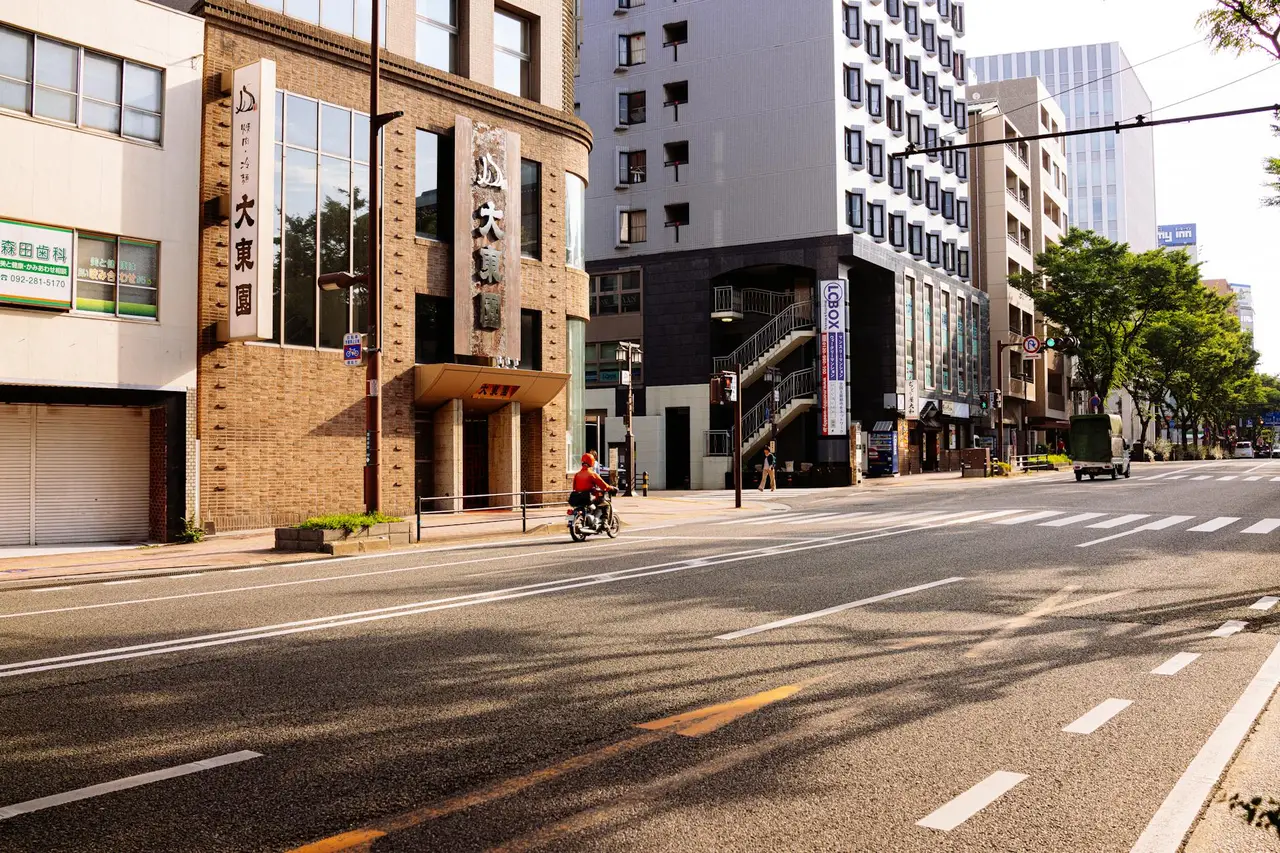
I’d spend one extra night in Sapporo in winter and one less in a city that feels more crowded but less useful. I’d also stay closer to Odori or Susukino instead of trying to save a small amount on a quieter edge-of-center hotel. And I’d plan one proper food day around ramen, soup curry, and seafood instead of scattering those meals across random gaps.
I’d also skip the idea that I need to “do” Sapporo in a rushed way. That mindset never works out. The city is better when I leave space in the day for walking, a warm meal, and one unplanned stop.
Final call: is Sapporo worth visiting?
Yes. I think Sapporo is worth visiting if you want a Japanese city that’s easy to move through, strong on food, and better than its reputation for a calm, winter-friendly trip. I’d choose it over another crowded stop when I want comfort and value more than a packed sightseeing list.
Choose somewhere else if your whole trip is built around temples, old streets, or a tight cluster of famous sights. That’s where Kyoto or Osaka wins. But for a slower city break, Sapporo is the one I’d actually book again.
Best for: food-focused travelers, winter visitors, and people who want a city that feels manageable from day one.
Skip if: you only have a couple of days and you want classic Japan sights at maximum density.
Next time: I’d stay central, book earlier, and give myself one more night so I could move even slower.
See current Sapporo hotel prices on Agoda →
I usually book Sapporo tours on Klook — the best time slots go fast, especially in peak season.
FAQ
How many days do I need in Sapporo?
I’d say 3 full days is the sweet spot. That gives you enough time for food, Odori Park, Susukino, and one slower neighborhood walk without turning the trip into a blur. Two days works only if Sapporo is a stop inside a bigger Hokkaido plan.
Is Sapporo good for a first trip to Japan?
Yes, if you want an easier city than Tokyo or Osaka to figure out first. The subway is simple, the food is straightforward, and I didn’t have to spend much energy decoding the city. I’d still pick Tokyo first for sheer variety, but Sapporo is less overwhelming.
Is Sapporo expensive compared with other Japanese cities?
No, not in a way that made me flinch. I was eating well for around ¥2,000-¥3,500 a day and finding decent beds in the ¥4,500-¥14,000 range depending on room type. The catch is that cheap places outside the center can get annoying fast.
Is winter the best time to go?
Yes, if you actually want snow and don’t mind layering up. I liked Sapporo more in cool weather because the city felt built for it instead of pretending otherwise. If you hate cold sidewalks and short daylight, I’d go in a milder season instead.
Would you choose Sapporo or Osaka for food?
I’d pick Sapporo for a calmer food trip and Osaka for more variety and late-night energy. Sapporo’s food felt more grounded to me, especially ramen and seafood, while Osaka has more chaos and more options packed together. If I wanted to eat well without the noise, I’d choose Sapporo.
 Emma Hayes