

I thought this would be worth it. It wasn’t, at least not the way I first planned it. On my first Osaka day, I bought a subway day pass because I assumed I’d bounce around all over the city. I didn’t. I paid ¥820, used it for two rides, and then walked the rest because the places I actually wanted were closer together than they looked on a map. If you’re weighing osaka ic card vs day pass which is better, my answer is the IC card for most trips.
Quick Answer: I’d buy the IC card first in Osaka. The day pass only made sense when I was doing 3+ subway rides on a packed route; otherwise, my ¥820 pass for two rides was a bad deal.
I’d choose an IC card because Osaka usually rewards loose, flexible movement more than ticket math. Choose a day pass only if you’re stacking subway rides on purpose, especially on a day packed with longer cross-city hops. The one thing that changes the decision is how many times you’ll actually tap in. If it’s two or three rides, the pass usually loses.
Best for: travelers who want to wander, eat, and stop whenever a street looks interesting.
Skip the day pass if: you’re mostly doing Dotonbori, Namba, Shinsaibashi, and nearby neighborhoods on foot.
My pick: IC card first, day pass only when the route is crowded with long subway jumps.
Why I’d Start With an IC Card
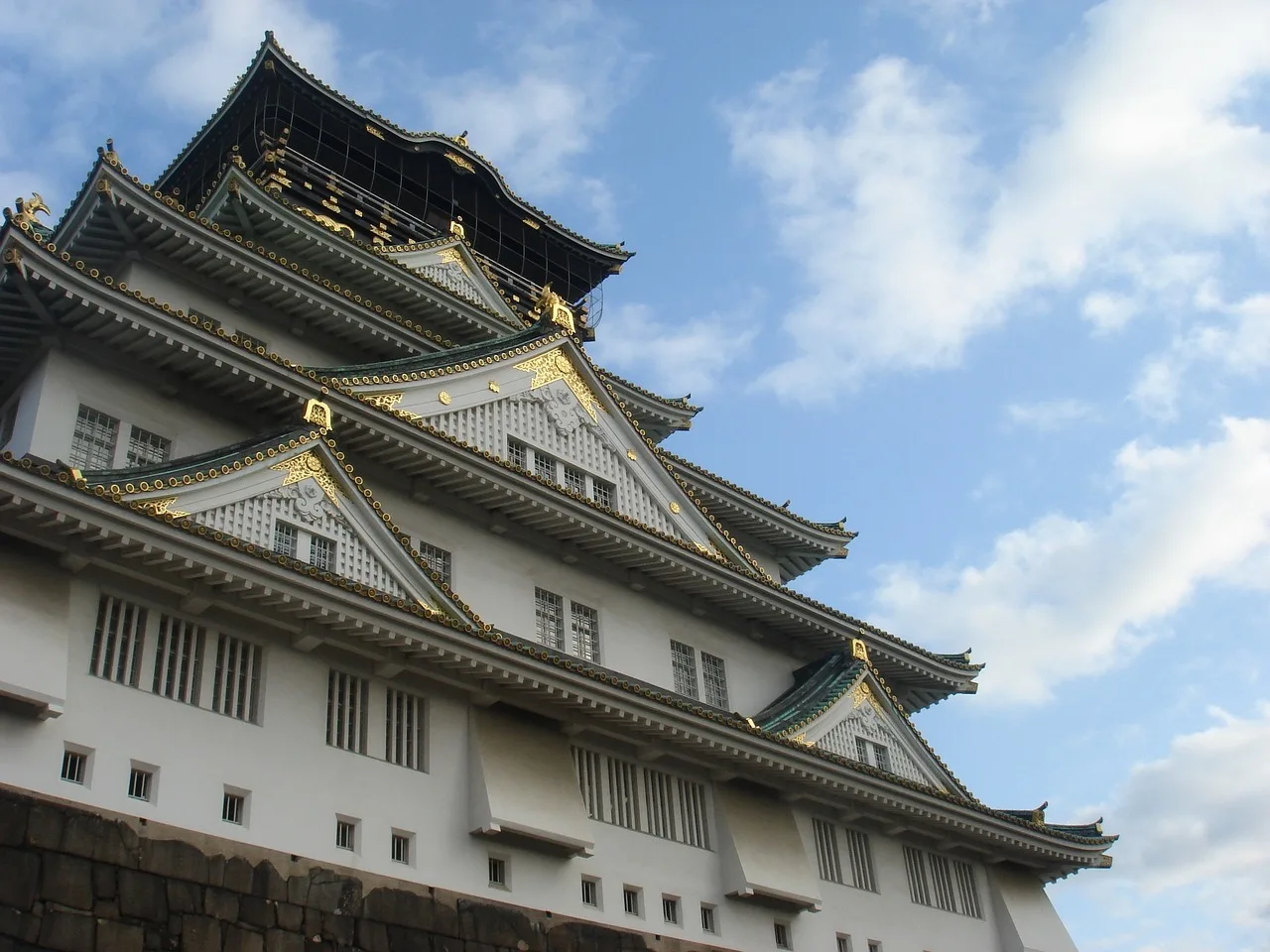
The IC card is the boring answer, and boring usually wins. I used mine for subway rides, convenience store snacks, and a few random hops when my feet got tired. That flexibility matters in Osaka because plans change fast. I might leave a cafe in Umeda, decide to eat takoyaki in Dotonbori, then wander into a side street for coffee. The card handles that without me doing fare math at the gate.
Price-wise, Osaka subway rides usually land around ¥190 to ¥290 depending on distance. I paid ¥230-ish for a few common hops, which means two rides are still cheaper than many day-pass options. If I’m only taking the subway in the morning and once at night, the card is the smarter buy. Simple.
I also like that the IC card works beyond Osaka. I used it on local trains in Kyoto later, and that saved me from buying a new ticket every time I changed cities. It’s the less exciting choice, but it’s the one I’d buy again first. Worth it.
Best for: people who don’t want to lock their day into a transit plan.
Skip if: you’re the type who likes one fixed route and wants to squeeze every yen out of a pass.
My pick: IC card, because it fits Osaka’s “go where the food is” rhythm better.
I expected the day pass to feel like a small win. It didn’t. The first time I checked the route for my day, I realized I was mostly moving between Namba, Shinsaibashi, and the area around my hotel, which turned into a lot of walking and one short subway ride. That was my bad, honestly. I should’ve bought the pass only after plotting the day, not before breakfast.
When the Day Pass Actually Makes Sense
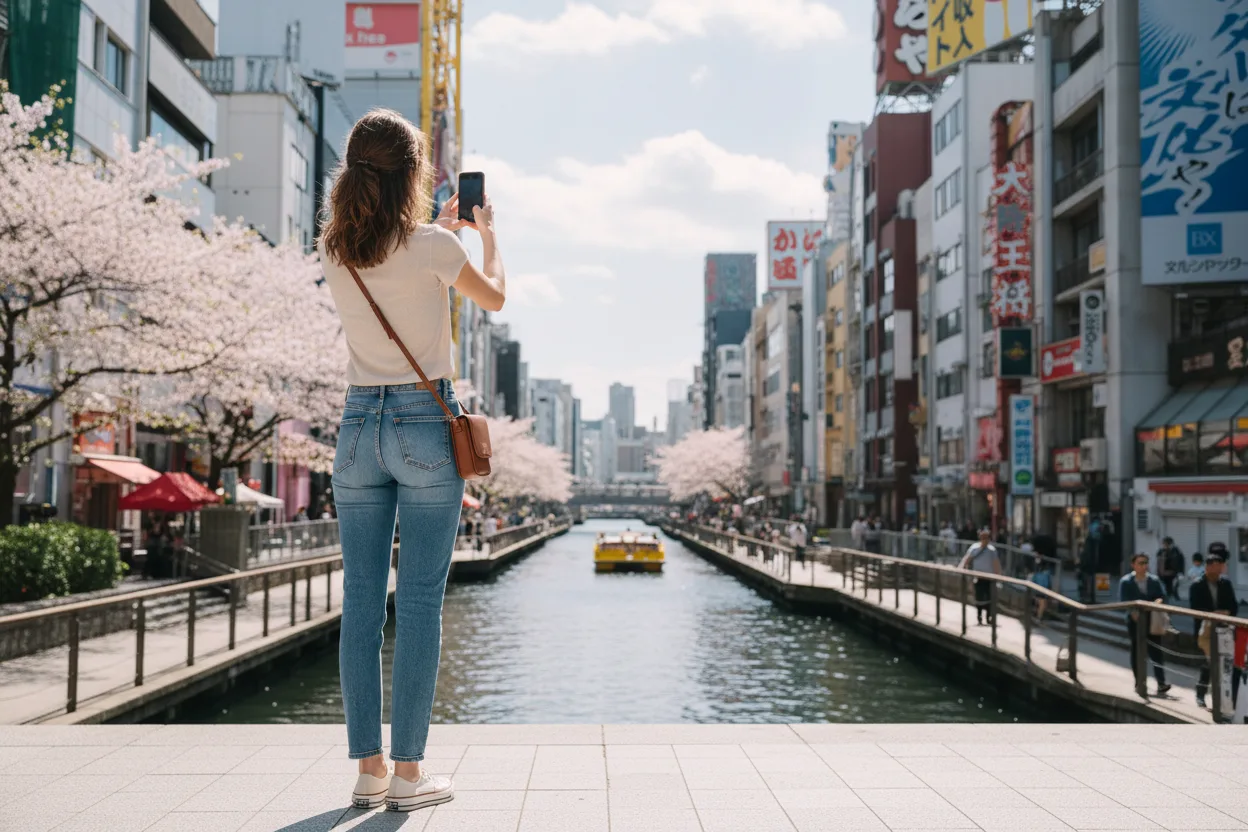
The day pass is fine when I’m being intentional about transit-heavy sightseeing. If I’m going from Osaka Castle to Umeda to Tennoji in one day, then yes, the numbers can work. The pass is also useful if I’m tired, the weather turns annoying, or I’m trying to save energy for a late dinner instead of saving ¥100. I don’t love it, but I don’t hate it either. It just needs a real plan.
Here’s the part people skip: the pass only helps if the rides are all on the covered lines and your day is spread out enough to justify the upfront cost. If the pass is around ¥820 to ¥1,000 depending on the version and route, then two or three short rides won’t get you there. I made that mistake once in Osaka and again in another city, so I’m pretty suspicious of transit passes now. They’re often sold as a bargain when they’re really a bet on your own discipline.
Choose the day pass only if you’re doing a packed sightseeing day with 4+ subway rides, or if you know walking will eat your energy. If you’re staying mostly in the center, skip it. It’s useful, but not magical. Only if.
Best for: travelers with a long list of far-apart stops and a short amount of time.
Skip if: your plan is food, shopping, and one or two neighborhoods.
My pick: day pass only on busy, route-heavy days. Otherwise it’s just a receipt.
I figured I’d be zipping across the city all day. Instead, I spent a lot of time eating, drifting, and sitting down. That’s the real Osaka trap: the city makes it easy to linger. I had a bowl of ramen in Umeda for about ¥1,100, then ended up walking through covered shopping arcades longer than I expected. The pass didn’t help me there at all. The IC card would’ve been enough.
Cost, Time, and the Part People Pretend Doesn’t Matter

Money is only one piece. Time and friction matter just as much. With an IC card, I tap in and go. With a day pass, I still have to think about whether I’m “getting my money’s worth,” which is annoying in a city built for snacking and wandering. That mental tax is small, but it adds up.
Here’s the practical breakdown I used:
- IC card: around ¥190-¥290 per subway ride in central Osaka.
- Day pass: usually around ¥820-¥1,000 for the versions I looked at.
- Break-even: roughly 4 medium rides, sometimes 3 if your routes are longer.
- Time cost: maybe 0 minutes at the gate with either option, but the pass costs more planning before you leave.
There’s also the convenience of topping up. I reloaded my IC card at a station machine in under two minutes. No line, no drama. That mattered on a mild 10-20°C spring day when I had sunglasses in hand, a light jacket in my bag, and zero interest in standing around figuring out ticket rules. I wanted to move. The card let me do that.
If you’re comparing Osaka IC card vs day pass, this is the real split: the card saves hassle, the pass only saves money when your day is structured enough to cash in on it. I’d rather spend an extra ¥200 than spend my afternoon trying to justify a pass I barely used. Worth it for the card.
Budget block, my rough Osaka transit spend: I usually spent about ¥250-¥600 a day on transport with an IC card, depending on how much I walked. On a pass day, I’d spend the full pass cost even if I didn’t ride enough to deserve it. That’s the part that annoys me.
Rough daily estimates from my own trip. Prices shift by season.
If I were checking hotels again, I’d stay near Namba or Umeda and pay a little more for fewer transit decisions. The station access saved me more than a cheap room did. I’d rather book a decent base than chase a transit deal all day. See current Osaka hotel rates on Agoda if you want to compare station areas fast.
I compared the options in Osaka Vs Kyoto Which Is Better — useful if you haven’t booked yet.
The Vibe Difference the Ticket Machine Won’t Tell You
The IC card fits the way I actually travel in Osaka: loose, food-first, and a little impulsive. The city is strongest when I’m moving between neighborhoods without forcing a schedule. I can pop into a bakery, walk ten minutes longer than planned, then decide to take one subway ride later when my legs complain. That rhythm works.
I usually book Osaka tours on Klook — the best time slots go fast, especially in peak season.
The day pass changes the mood. It nudges me to optimize. I start thinking in ride counts instead of meals and streets. That’s fine if I’m doing a checklist day, but Osaka gets worse when I treat it like a transit puzzle. I don’t come here for that. I come here for grilled skewers, arcade streets, and cheap lunch sets that somehow turn into dinner because I stayed too long.
I also noticed something else: Osaka’s center is more compact than people expect. Dotonbori, Shinsaibashi, and Namba are close enough that I walked between them more than once. The subway helped when I was tired, but it wasn’t the spine of the trip. If I had bought only a day pass, I would’ve spent money to do something my own feet handled fine. Skip the pass for central wandering.
Best for: slow travelers who care more about food stops than transit efficiency.
Skip if: you’re trying to cover a lot of ground in one day and don’t want to walk much.
My pick: IC card, because Osaka feels better when I’m not counting rides.
The One Mistake I’d Avoid Next Time
I bought the day pass too early. That was the mistake. I looked at the map, imagined an ambitious day, and assumed I’d use the subway constantly. The trigger was simple: I bought it before I left the hotel, before I knew where lunch would happen, before I realized I’d probably spend an hour in Shinsaibashi just following side streets and snack shops.
The consequence wasn’t huge, but it was real. I wasted about ¥520 compared with just using my IC card for the two rides I actually took. I also lost the little freedom that comes from not caring whether a ride “counts.” That sounds minor. It isn’t. Once I had the pass, I kept trying to justify using it, which made the day feel more mechanical than it needed to be.
Next time, I’d load the IC card first and only buy the pass if I already had a transit-heavy route mapped out. That’s the cleaner move. Worth it to wait.
Best for: anyone who hasn’t planned their stops yet.
Skip if: you’re tempted to buy the pass just because it feels organized.
My pick: IC card first, pass later only if the day proves it.
What I’d Do Differently
I’d stop treating transit passes like a savings hack and start treating them like a route-specific tool. That’s the main shift.
I’d also stay closer to the station and spend the saved energy on food instead of extra transfers. And I’d check whether my day is really subway-heavy before buying anything. I know that sounds obvious. I still got it wrong once.
If I had one more Osaka day, I’d keep the IC card and maybe buy the day pass only for a full sightseeing route with Osaka Castle, Tennoji, and a late dinner somewhere else. Otherwise, no.
I thought the day pass would save me money if I moved around enough, but I ended up paying ¥820 for just two subway rides because the neighborhoods I wanted were clustered close together and walking was faster than waiting for trains. The reality was that Osaka rewards wandering on foot more than it rewards transit planning, and I wasted most of that pass sitting in my pocket. If you’re mostly exploring one area or taking fewer than 3 rides in a day, skip the day pass and grab an IC card instead.
See current Osaka hotel prices on Agoda →
FAQ
Is an IC card enough for getting around Osaka?
Yes, an IC card is enough for most Osaka trips. I used mine for subway rides and short hops all over the center, and it handled everything without fuss. If you’re not doing a heavy sightseeing day, I’d stop there.
How many subway rides make a day pass worth it?
Usually around four rides, sometimes three if the routes are long enough. I checked my own days and the pass only started making sense when I was really bouncing around the city. If you’re mostly in Namba, Shinsaibashi, and nearby streets, I wouldn’t bother.
Can I use an IC card on trains outside Osaka?
Yes, and that’s one reason I like it so much. I used mine beyond Osaka later, which saved me from buying separate tickets every time I moved around. If you’re doing Kyoto or another nearby city too, the card gets even better.
Is the Osaka day pass good for a rainy day?
Yes, sometimes it’s worth it on a rainy day. I’d be more open to paying for the pass if I knew I’d avoid walking and keep hopping between indoor spots. If the rain is light and the neighborhoods are close, I’d still use the IC card.
What would you buy if you only had one full day in Osaka?
I’d buy the IC card. One day usually turns into a mix of walking, eating, and a couple of subway rides, and the card covers that better than a pass. I’d only choose the pass if I had a packed route with several far-apart stops already locked in.
 Emma Hayes