

Nobody told me this before I went: getting from Kansai Airport to Osaka is easy, but the “best” option changes fast depending on what time you land and how much luggage you’re dragging. I landed with a cardigan on, sunglasses in hand, and a very normal desire to not overpay for a 45-minute ride that only felt glamorous on Instagram. My answer is simple: I’d take the train for most daytime arrivals, the airport limousine bus only if my hotel is near a major stop, and a taxi only if I was arriving late with a heavy bag or two people splitting the cost. If you’re figuring out how to get from Kansai Airport to Osaka City, this is the version I’d actually use.
Who this fits: first-time visitors, solo travelers, and anyone staying in central Osaka who wants a clean, predictable transfer.
Who should skip the cheapest option: people landing late, staying in Namba with awkward luggage, or anyone who hates transfers more than they hate paying a little extra.
What matters most: your arrival terminal, your hotel’s nearest station, and whether you want speed or zero hassle.
Quick Answer: For Namba, I’d take Nankai Rapi:t and paid about ¥1,450. For Osaka Station, Tennoji, or Umeda, Haruka is the cleaner rail choice at around ¥1,300-¥1,800. The airport limousine bus was around ¥1,600 when my hotel was near a stop, and taxis can run about ¥15,000-¥20,000 or more.

The route I’d choose again
- Best overall: Nankai Rapi:t to Namba if you’re staying in southern Osaka. I paid about ¥1,450 for the reserved-seat fare plus base fare, and it was smooth enough that I didn’t have to think.
- Best for Umeda/Kita: JR Kansai Airport Express Haruka if you’re going toward Osaka Station, Tennoji, or Kyoto later. It’s usually the least annoying rail choice, and I’d pay a bit more for the seat.
- Best for hotel doorstep convenience: airport limousine bus if your hotel is near a stop. I’ve paid around ¥1,600 before, and it was worth it only because I didn’t want stairs, transfers, or platform hunting.
- Skip: a taxi unless you’re splitting it or arriving very late. The price jumps fast, and the math stops making sense for one person.
The train is the one I’d book first
If I’m being blunt, the train is the best value from Kansai Airport to Osaka City. I like that I can land, buy a ticket, and be moving without negotiating with a driver or waiting for a bus to fill up. For most travelers, this is the smartest default. It’s efficient, not fancy.
I’ve used both Nankai and JR depending on where I stayed. When I was heading to Namba, I took the Nankai line and paid about ¥970 for the standard ride, or around ¥1,450 when I wanted the nicer reserved-seat Rapi:t. The reserved seat mattered more than I expected after a long flight, especially because I had my bag with me and didn’t want to stand near the doors. I thought I’d save the money and just take the cheapest train. I did that once. The cheap option was fine, but I spent the whole ride watching my suitcase and thinking about the station transfer I still had to make. Not a disaster. Just annoying.
Best for: solo travelers, couples, and anyone staying near Namba, Shin-Imamiya, or Umeda who wants the best cost-to-value ratio.
Skip if: your hotel is a 15-minute walk from the station and you’re arriving with a huge suitcase plus a bad mood.
My pick: Nankai Rapi:t to Namba if I’m staying south; Haruka if I’m heading north or transferring later.
Nankai line: the easiest if you’re sleeping in Namba
This is the one I’d pick for Namba, Dotonbori, and the southern side of the city. The regular Nankai Airport Express is cheap, and the Rapi:t is the one with the retro-looking train and reserved seats. I paid about ¥1,450 for Rapi:t once, and honestly, the extra comfort was worth it because I got off in a better mood. That counts after a flight.
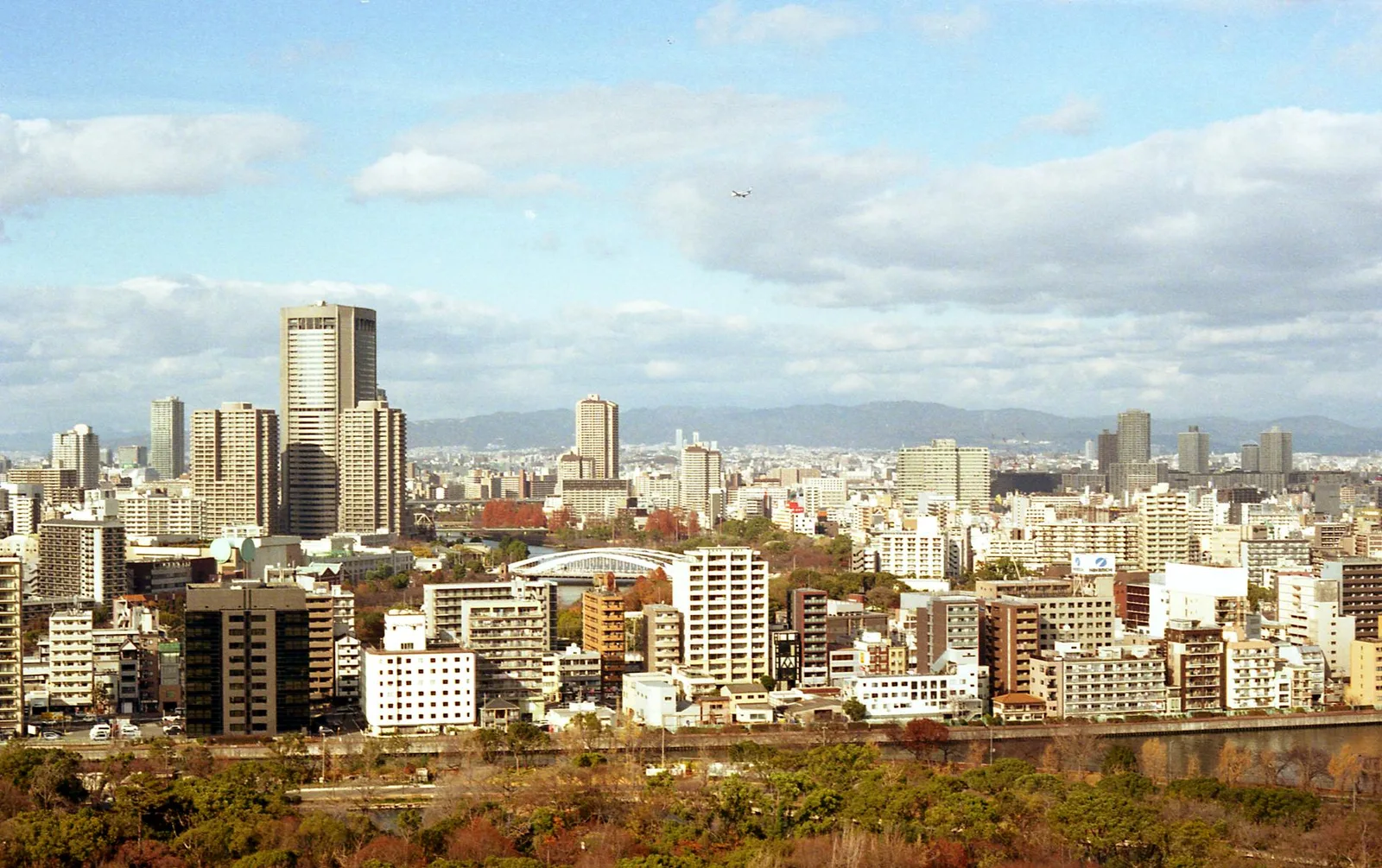
The main tradeoff is simple: Nankai gets you to Namba cleanly, but not everywhere else. If your hotel is in Umeda, you’ll probably add another train ride or a taxi. That extra step is why I don’t recommend it blindly. It’s great for one part of Osaka and merely okay for the rest.
JR Haruka: the better choice if you’re not staying in Namba
Haruka is what I’d take if I were going to Osaka Station, Tennoji, or even connecting onward. I’ve seen the fare run around ¥1,300-¥1,800 depending on ticket type and promotions, and the seat is the real selling point. I’d rather pay a little more than stand with luggage in a crowded carriage after a long-haul flight.
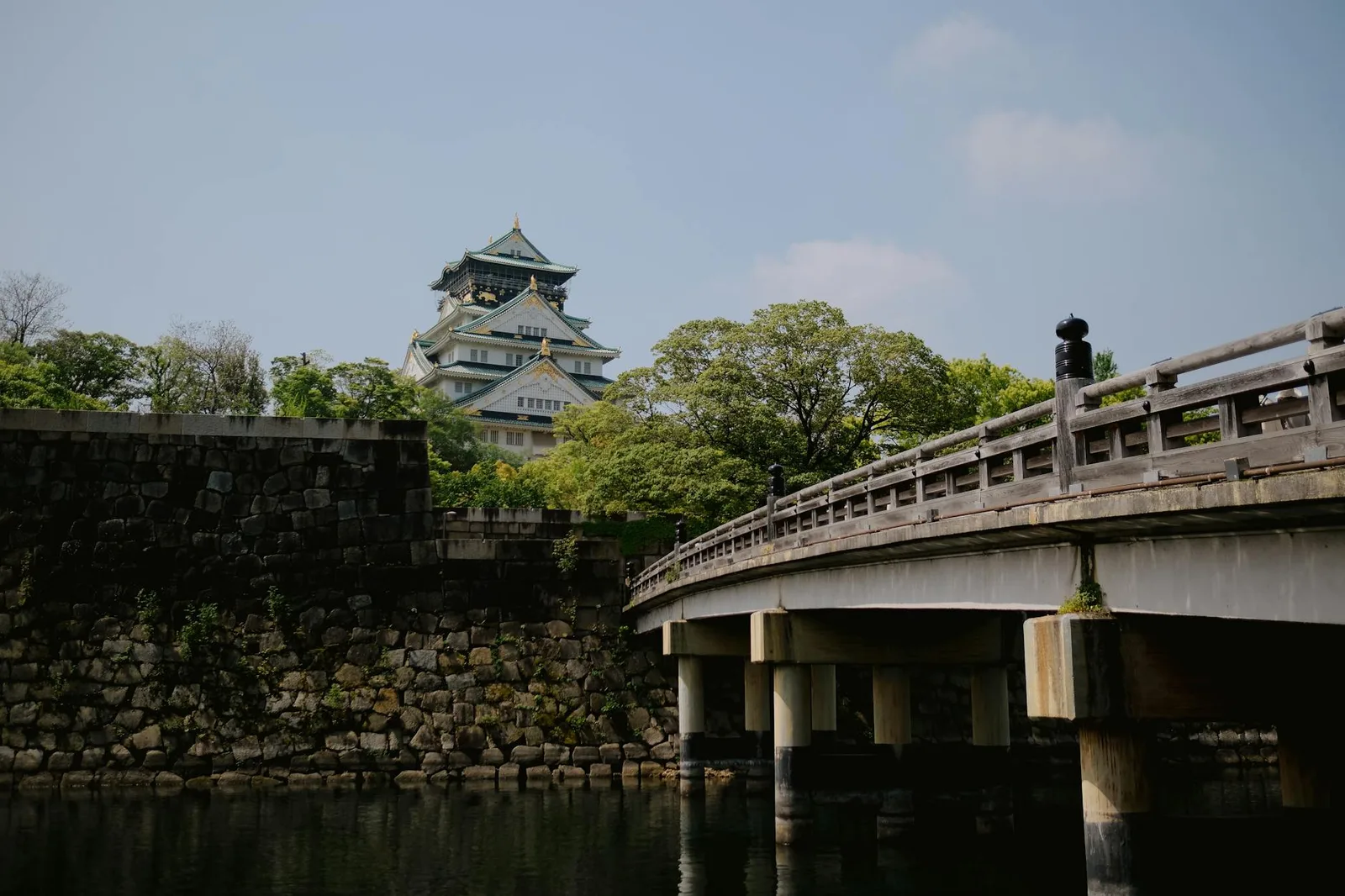
I expected Haruka to feel like an overhyped airport train. It didn’t. It was boring in the good way: on time, clean, and easy to figure out. If you’re staying in the Kita area, this is the one I’d call worth it.
Best for: travelers headed to Osaka Station, Umeda, Tennoji, or anywhere with a straightforward JR connection.
Skip if: you’re staying in Namba and don’t want to transfer for no reason.
My pick: Haruka when I care more about smoothness than shaving off a few hundred yen.
The airport bus is good when your hotel line is direct
I don’t usually love airport buses. They’re slower than trains, and if the traffic is ugly, you just sit there and accept your fate. But the airport limousine bus from Kansai Airport to Osaka can be genuinely useful if your hotel is near a stop or if you’re landing with a lot of luggage and don’t want stairs. I’ve paid around ¥1,600, and that price made sense only because the bus dropped me close enough that I didn’t need another transfer.
See current Osaka hotel prices on Agoda →
This is the option I’d choose if I were staying near Osaka Station, the Herbis area, or a hotel that lists the bus stop right on its booking page. If you’re going to spend 20 minutes hauling bags through a station anyway, the bus can win on simplicity. If your hotel is not on the route, skip it. I don’t think the time savings are worth the risk of arriving somewhere vaguely convenient and still needing a taxi.
Best for: travelers with large luggage, families, or anyone whose hotel is directly served by the airport bus.
Skip if: you’re staying in a neighborhood that still needs a train or taxi after the bus.
My pick: bus only when it cuts out one annoying transfer.
I once used the bus after landing with a carry-on plus a tote that kept sliding off my shoulder. The ride itself was fine, but the traffic near the city made me glad I hadn’t promised myself a fast arrival. That’s the thing with buses here: they’re useful, not exciting. Fine, not great.
Taxi: the easiest, and the one I’d pay for last
A taxi from Kansai Airport to Osaka City is the comfort option, but I only think it’s worth it in a few cases. If you’re arriving past midnight, traveling with two or more people, or carrying enough luggage to make train stairs miserable, then yes, it can make sense. For one person, the fare gets ugly fast. Depending on where you’re going, you can easily end up around ¥15,000-¥20,000 or more, and that’s before any tolls or late-night quirks.
I’m not anti-taxi. I just don’t like paying a premium to solve a problem I could solve with a train ticket and five minutes of patience. I’d take a taxi if I landed late after a delay and didn’t want to drag myself through a nearly empty station. I would not take one just because I was tired. Tired is not a budget category.
Best for: late arrivals, groups splitting the fare, or travelers with mobility issues.
Skip if: you’re traveling solo and your hotel is anywhere near a station.
My pick: taxi only when convenience matters more than price, which for me is rare.
What I’d book ahead, and what I’d buy on arrival
This part matters more than people admit. I’d book airport transport ahead only if I knew I was landing late, arriving during a holiday rush, or using a reserved-seat train like Rapi:t and wanted to remove one more airport decision. If I’m arriving midday on a normal weekday, I usually buy the ticket on arrival. Kansai Airport is set up for it, and I don’t see the point in locking myself in too early.
What I would not prebook is a random transfer just because a booking site makes it look polished. I’ve seen too many overpriced “private transfer” listings that cost several times the train fare and don’t actually save much time once you include airport exit and city traffic. Unless I’m landing with three bags and zero energy, I’d skip that. The train or bus is cleaner value.
Book ahead: reserved-seat train tickets if your arrival is late, you’re traveling in peak season, or you want a no-stress first hour.
Buy on arrival: standard train tickets and bus tickets for normal daytime arrivals.
Skip entirely: expensive private transfers unless you’re splitting the cost or have mobility needs.
The mistake I made when I tried to save too much
I assumed the cheapest train would be the smartest choice, so I didn’t check my hotel’s exact station exit before landing. That was the setup. The trigger was simple: I got to Namba with my bag, then realized my guesthouse was closer to a different exit than the one I came out of. The consequence was a 20-minute walk that felt longer because I was already carrying a backpack, tote, and the kind of mild airport fatigue that makes every curb annoying. I didn’t lose a lot of money — maybe only a few hundred yen compared with the nicer ticket — but I lost time and energy I could’ve used for dinner.
The lesson was stupidly basic: the cheapest route is not always the cleanest arrival. Now I check the station exit, not just the destination station name. If I’m landing at night or staying more than a 10-minute walk from the platform, I’ll pay extra for the smoother option without pretending I’m being heroic.
Worth it if: you care about arriving calm, not just arriving cheap.
Skip if: you’re the kind of person who doesn’t mind wandering around with luggage for 20 minutes. I am not that person anymore.
My pick: pay a little more for the route that matches your exact hotel location.
How I’d choose by neighborhood
If you’re staying in Namba, I’d take Nankai without overthinking it. It’s the cleanest fit, and the extra convenience beats saving a few hundred yen on a different line. If you’re in Umeda or near Osaka Station, Haruka or the airport bus can make more sense, depending on whether your hotel is closer to rail or a bus stop. If you’re in Tennoji, both JR and Nankai can work, but I’d still choose based on which station exit leaves me with the shortest walk.
Best for Namba: Nankai Rapi:t or standard Nankai Airport Express.
Best for Umeda/Osaka Station: Haruka or the limousine bus if your hotel stop lines up.
Best for Tennoji: whichever gets you closest with the fewest stairs.
I stayed in Osaka on a stretch when the morning was about 10-19°C and partly cloudy, so I had a light jacket in hand and sunglasses on my face by the time I reached the city. That little detail matters because arrival isn’t just the ride. It’s the first walk, the first station exit, the first time you drag your bag into real city life. I’d rather make that part easy.
Rough daily estimates from my own trip. Prices shift by season.
What I’d do differently next time
I’d stop treating Kansai Airport like a generic airport transfer problem and plan around the hotel instead. That sounds obvious now, but I didn’t do it the first time. I’d also buy the reserved-seat train ticket if I landed after a long-haul flight, even if the standard fare is cheaper by a bit. And I’d only take the bus if the route maps directly to my hotel area, not just because the ticket counter looked easier.
Worth changing: check the station exit before you land.
Worth paying for: reserved seats on the train if you’re tired or arriving late.
Worth skipping: any transfer that saves money but adds a miserable walk.
I usually book Osaka tours on Klook — the best time slots go fast, especially in peak season.
FAQ
Is the train or bus better from Kansai Airport if I’m staying in Namba?
The train is better, and I’d take Nankai every time for Namba. It gets you into the right side of the city faster, and I’ve found the bus usually adds more time than it saves unless your hotel happens to sit on a direct route. If you’re tired, pay the extra for the reserved-seat Rapi:t and stop thinking about it.
How much should I expect to pay for a ride into Osaka?
I’d budget about ¥970 for the cheapest train option, around ¥1,450 for the nicer reserved-seat Nankai Rapi:t, ¥1,300-¥1,800 for Haruka depending on ticket type, and roughly ¥1,600 for the airport bus. A taxi can jump to ¥15,000-¥20,000 or more, which is why I only use it in late-night or group situations. The cheapest option is usually still decent, just not the most comfortable.
Do I need to buy tickets before I land?
No, I wouldn’t prebook unless I was arriving late or traveling in a busy season. Kansai Airport is set up well for same-day ticket buying, and I usually decide once I know my exact hotel area and energy level. If I’m landing after dark, I do like having the reserved-seat train sorted ahead of time.
What if my hotel is in Umeda instead of Namba?
Then I’d lean toward Haruka or the airport limousine bus, depending on how close the hotel is to the station or bus stop. Umeda is annoying if you choose the wrong arrival point and then have to haul luggage through a maze of exits. If your hotel is more than a 10-minute walk from the station, I’d pay for the smoother option.
Is a taxi ever worth it for a solo traveler?
Yes, but only if I land very late, feel wiped out, or have luggage that makes train stairs miserable. The fare is high enough that I usually regret it unless it solves a real problem, not just a small inconvenience. For daytime arrivals, I’d take the train and keep the money for food in Osaka instead.
 Emma Hayes