
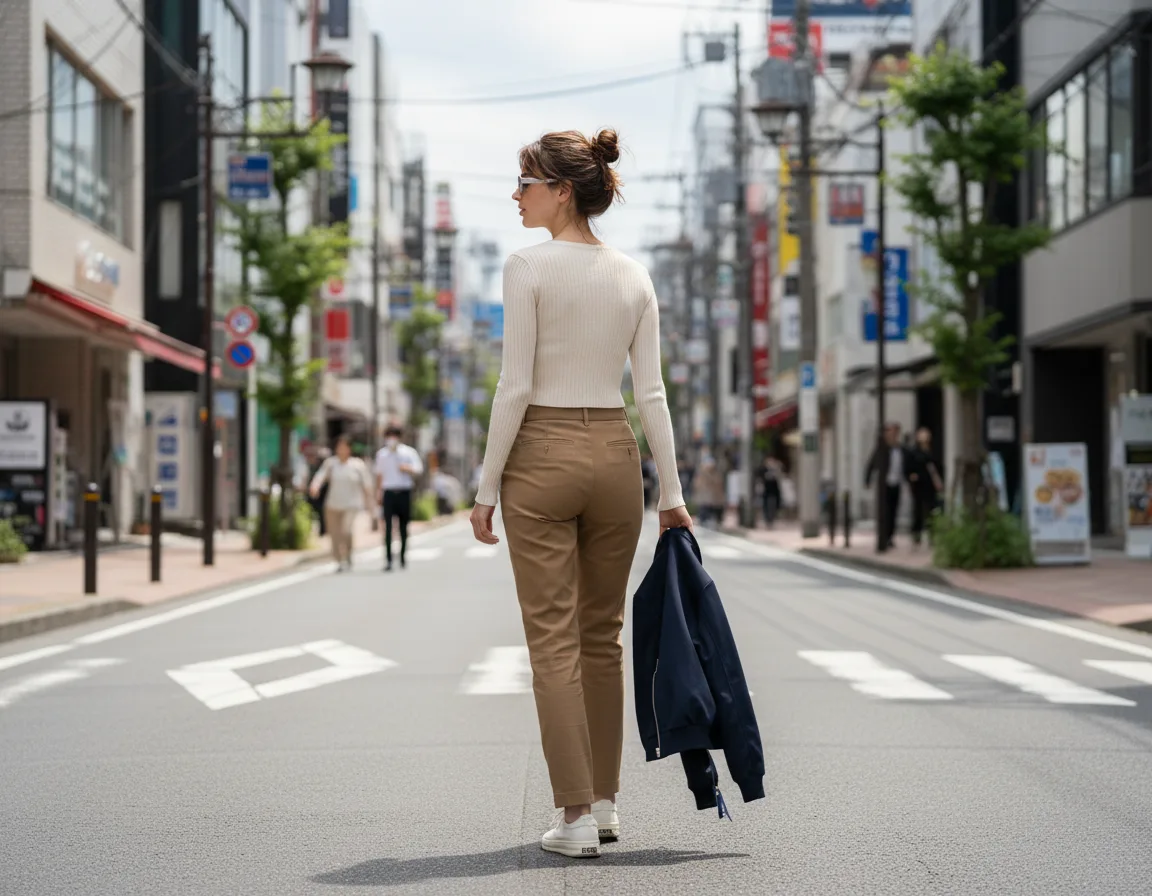
Osaka was supposed to be easy. It was, mostly. But the neighborhood I picked changed how much I enjoyed the trip, because with kids the wrong base turns every meal, train ride, and bedtime into a small project.
My answer is simple: I’d stay in Namba for most families, especially if your kids are old enough to walk a lot and you want food, trains, and late-night convenience in one place. I’d choose Umeda only if I cared more about transit connections than neighborhood energy. Shin-Osaka works if your trip is built around shinkansen logistics, but I wouldn’t pick it for a family holiday unless that train convenience really matters.
Quick answer: For where to stay in Osaka with kids, I’d pick Namba first. It’s the easiest base for food, short walks, and simple station access. Umeda is better for rail-heavy trips, while Shin-Osaka only makes sense if the shinkansen is the whole point.
Best for: Families who want easy food, walkability, and a simple first Osaka base.
Skip if: Your kids need a very quiet sleep setup and you hate busy streets after dark.
My pick: Namba, because it cuts down on transit fuss and gives you the most useful stuff within a 10-15 minute walk.
- Expect about $90–$180/night for a solid family room in Namba, $110–$220/night in Umeda, and $70–$140/night near Shin-Osaka.
- Food is easier in Namba. I paid about $9 for a simple lunch and $18–$25 for dinner without hunting around.
- If you’re staying with kids, the real win is fewer transfers, not a prettier street.
I had Namba and Umeda in front of me when I planned my own stay. I went with Namba because I knew I’d be dragging a bag, snacks, and a jacket around, and the idea of adding a subway transfer every time we went out sounded annoying fast. Umeda would’ve worked if I was doing more day trips, but for a family base, Namba felt like the better trade.
Namba: the easiest family base I’d book again

Best for: First-time family trips, picky eaters, and anyone who wants to step outside and find food fast.
Skip if: You need quiet sidewalks and early bedtime silence.
Main tradeoff: It’s busy and a little messy, but the convenience is real.
Namba is the area I’d choose again. I’m not saying it’s pretty in some polished, postcard way. It’s more useful than charming, and that’s the point. I stayed near the station and could get to dinner, convenience stores, and the subway without turning every outing into a mission.
The best part for kids is how little planning it takes. I could grab rice balls from Lawson for about 150–200 yen each, then walk to a proper meal later without worrying that we were stranded in a dead zone. That matters when one child is hungry now and the other is already tired. It’s also one of the few parts of Osaka where I didn’t feel punished for not having a perfect schedule.
Worth it if: You want the easiest “leave the hotel, eat, come back” setup.
Not worth it if: You’re hoping for a quiet residential feel. You won’t get that here, and I wouldn’t pay Namba prices for fake calm.
I expected Dotonbori to be the whole story here, and that was my wrong assumption. Yes, the canal area gets loud and a little ridiculous, but the useful part of Namba is bigger than the neon strip. I found the station side far more practical than the famous photo zone, and that’s the part families should care about.
For hotels, I’d look for something within a 5-8 minute walk of Namba Station or Nankai Namba. If you’re checking rates, start here: Agoda is the easiest place to compare family rooms near the station before prices creep up.
Umeda: better transit, less fun
Best for: Families doing day trips, train-heavy itineraries, or anything involving multiple Osaka/Kyoto runs.
Skip if: You want a neighborhood that feels easy for kids to wander in after breakfast.
Main tradeoff: Umeda is efficient but not relaxing.
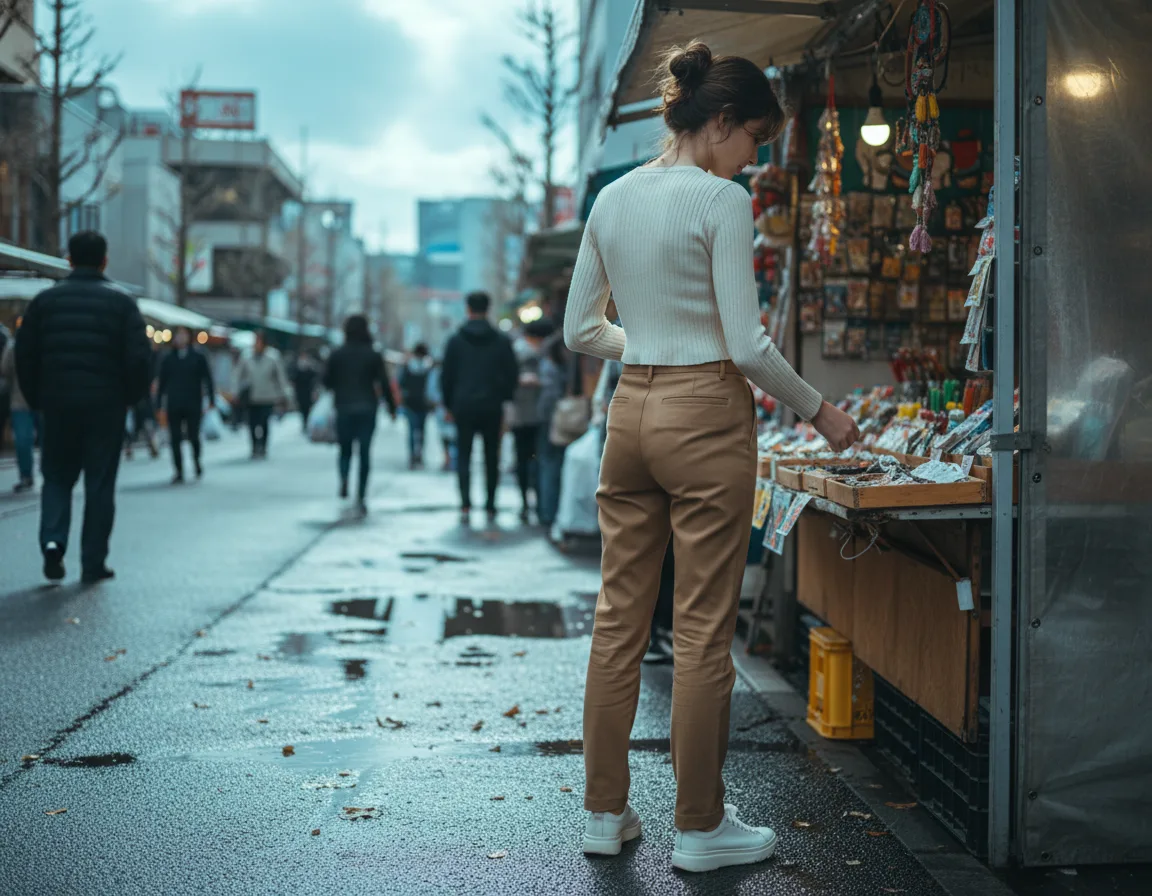
I’d put Umeda second. It’s the better logistics choice, especially if you’re arriving on a tight schedule or planning to use JR lines a lot. I walked through the station area with a light jacket in hand on a 10–19°C, partly cloudy day, and the whole place felt built for movement, not lingering. That’s fine. It just isn’t the easiest family atmosphere.
The upside is obvious: transfers are simpler, and there are more hotel options in the business core. The downside is that Umeda can feel like a giant indoor maze. I spent 25 minutes once just trying to orient myself underground, and with kids that kind of wandering gets old fast. If you’re the sort of family that likes clean train access more than street life, Umeda makes sense.
Best for: Parents who care most about rail connections and don’t mind a more corporate neighborhood.
Skip if: You want to walk out into a lively food area without checking maps every time.
My pick: Umeda only if you’re doing more than one day trip and the station proximity will save you real time.
Budget-wise, I’d expect around $110–$220/night for a decent family room here. That’s not cheap, and the extra money doesn’t buy atmosphere. It buys smoother transit. If your kid naps in the stroller and your trip is packed with train rides, maybe that’s worth it. If not, I think you’re paying for convenience you won’t use enough.
Shin-Osaka: the practical choice I wouldn’t make for a vacation base
Best for: Families with early shinkansen departures or a one-night stopover.
Skip if: You want evening walks, good dinner options, or any kind of neighborhood feel.
Main tradeoff: It’s efficient for trains and dull for everything else.
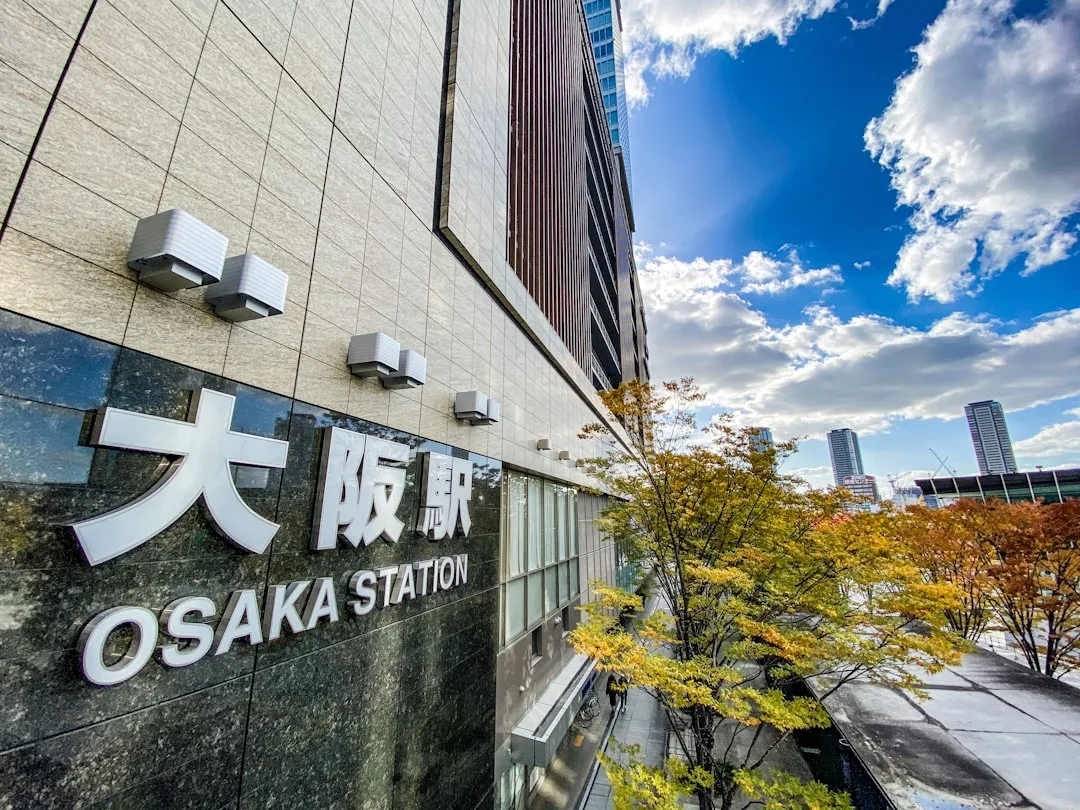
Shin-Osaka is the area people choose when the train schedule is the whole trip. I get it. If you’re arriving late and leaving early, staying near the shinkansen can save a lot of friction. But for a family vacation base, I think it’s too sterile. I walked around after dinner and found myself thinking, “Okay, now what?” which is not a great sign when you’re traveling with kids who still need one last snack and a short stroll.
I’d only pick Shin-Osaka if I had a very specific reason. For example, if your family is doing Osaka as a stop between Kyoto and Hiroshima and you don’t want to drag suitcases across the city, the station area solves that neatly. But if you’re staying three or four nights, you’ll spend extra time getting to the places you actually want to eat and visit. That time adds up. A 20-30 minute ride each way sounds minor until you do it twice a day with tired kids.
Worth it if: You care more about train timing than neighborhood life.
Skip it if: You want Osaka to feel like a trip, not a transit break.
I had Shin-Osaka on my shortlist because it looked cheaper by about $20–$40/night than Namba. I didn’t take it, and I’m glad I didn’t. The savings would’ve disappeared the first time I paid for extra rides and grabbed a rushed dinner near the station. That math never works out for me.
Tennoji: a decent backup if you want value
Best for: Budget-conscious families who still want a major station nearby.
Skip if: You want the easiest first-trip base and don’t want to guess about the area.
Main tradeoff: It can save money, but it asks for a little more planning.
Tennoji is the area I’d call a smart backup, not my first pick. It’s less hyped than Namba and Umeda, which often means better prices. I saw family rooms around $70–$140/night, and that can matter if you’re traveling with two kids and a bigger room is the priority. The station access is strong too.
But I wouldn’t choose it just because it’s cheaper. The area is useful, not especially fun, and with kids I like staying somewhere that reduces the number of decisions after breakfast. Tennoji gives you that to a point, but I still think Namba is easier for food and casual wandering. If you’re the kind of traveler who likes to stretch the budget without staying in a bad location, this is the one to compare against Namba on Agoda and see if the price gap is real or just a teaser.
Best for: Families who want a lower nightly rate without going all the way out to the suburbs.
Skip if: You’d rather pay a bit more for the most straightforward base.
My pick: Tennoji only when the room is noticeably bigger or at least $25/night cheaper than Namba.
The family trip mistake I’d avoid next time
I made one dumb assumption on a past Osaka-style trip: I thought being “near a station” was enough. It wasn’t. I booked a place that looked efficient on a map, but the walk from the platform to the hotel with a tired child and rolling luggage took longer than I expected, and the street crossing situation made it feel even worse.
The trigger was simple. I saw a lower nightly rate, about $18 less than the more central option, and told myself the savings were smart. Then I landed after a long travel day, realized the hotel entrance was tucked behind a busy road, and spent another 20 minutes just getting everyone inside and settled. That cost me time, energy, and one very unnecessary snack stop because everyone was cranky.
Lesson: For kids, the last 5 minutes to the hotel matter more than the first 20 minutes on the train.
Worth it if: The cheaper hotel is genuinely easier to reach with bags and a stroller.
Skip if: The map looks good but the route includes stairs, crossings, or a long underground maze.
What I’d choose again for a family stay
If I were booking Osaka again with kids, I’d still choose Namba. I liked being able to solve dinner, snacks, and transport in one area without thinking too hard. I paid about $140/night for a room that felt worth it because it saved me from extra rides and extra walking when I was already tired.
See current Osaka hotel prices on Agoda →
Where I’d Actually Stay in Osaka
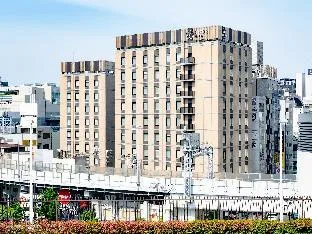
Hiyori Hotel Osaka Namba Station
Osaka
★★★★☆
Osaka Kyocera Dome Walking Distance/Good Access to Umeda Namba USJ/Free Parking/Up to 6 People
Osaka
★★★★☆
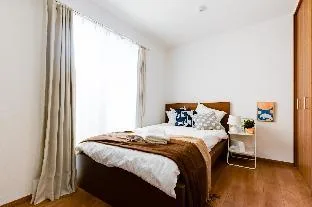
ling- 6 mins walk to the station, 4 mins to Namba
Osaka
★★★★☆
Umeda is the one I’d switch to if I had a rail-heavy itinerary and older kids who can handle a more businesslike area. Shin-Osaka only makes sense if you’re using the shinkansen like a main character in your trip. Otherwise, it’s too much compromise for not enough payoff.
Best for: Families who want the easiest Osaka base and are fine with a busy street scene.
Skip if: You need quiet nights above all else.
Next time: I’d only pay extra for Umeda if I had two or more long train days planned.
Rough daily estimates from my own trip. Prices shift by season.
I wrote a more detailed breakdown in How To Get From Kansai Airport To Osaka City — worth reading if you’re still deciding.
For a deeper look at osaka ic card vs day pass which is better, I covered this in my Osaka Ic Card Vs Day Pass Which Is Better.
For a deeper look at osaka food districts to explore, I covered this in my Best Osaka Food Districts To Explore.
For a deeper look at osaka street food in dotonbori and beyond, I covered this in my Best Osaka Street Food In Dotonbori And Beyond.
For a deeper look at osaka packing list what to bring spring, I covered this in my Osaka Packing List What To Bring Spring.
I compared the options in Osaka Street Food Guide Cheap 2026 — useful if you haven’t booked yet.
If budget hotels in namba osaka matters to your trip, my Best Budget Hotels In Namba Osaka has the specifics.
What I’d do differently next time
I’d book closer to the exact station exit, not just the station area. That tiny difference saved me nothing and cost me energy.
I’d also check whether the room actually fits a family without turning into a suitcase obstacle course. Some “family” rooms are just standard rooms with a bigger bed, and that’s annoying when you’ve got bags, snacks, and maybe a stroller.
And I’d skip any hotel that looks cheap but sits behind a maze of underground passages. I’ve done that once. It was not worth the savings.
I usually book Osaka tours on Klook — the best time slots go fast, especially in peak season.
FAQ
Is Namba too crowded for a family stay?
No, I’d still choose Namba for most families. It’s busy, especially around Dotonbori, but the upside is easy food and short walks to the station. If your kids sleep badly with street noise, book a hotel a few blocks off the main strip and you’ll be fine.
Should I stay near Osaka Station or Namba with kids?
I’d pick Namba unless you’re doing a lot of JR day trips. Osaka Station is stronger for transit, but Namba is easier for food and casual evenings with kids. For a family holiday, that convenience usually matters more than being near the biggest station.
Is Shin-Osaka a bad place to stay with children?
No, but I’d only use it for a short stop or a train-heavy itinerary. It’s clean and practical, and I’d book it if a morning shinkansen was the main reason for the trip. For a longer stay, it feels too stripped down.
What area is best if I’m traveling with a stroller?
I’d choose Namba or Umeda, with Namba as my first pick. Both have strong station access, but Namba gives you more useful stuff within walking distance, which cuts down on extra transfers. I’d avoid any hotel that requires stairs or a long underground detour.
How much should I spend on a family hotel in Osaka?
I’d budget around $90–$180 per night for a decent family room in a good area. Below that, I’d check the room size and walk from the station very carefully. Above that, I’d want either a much better location or a room size that actually makes family life easier.
 Emma Hayes