
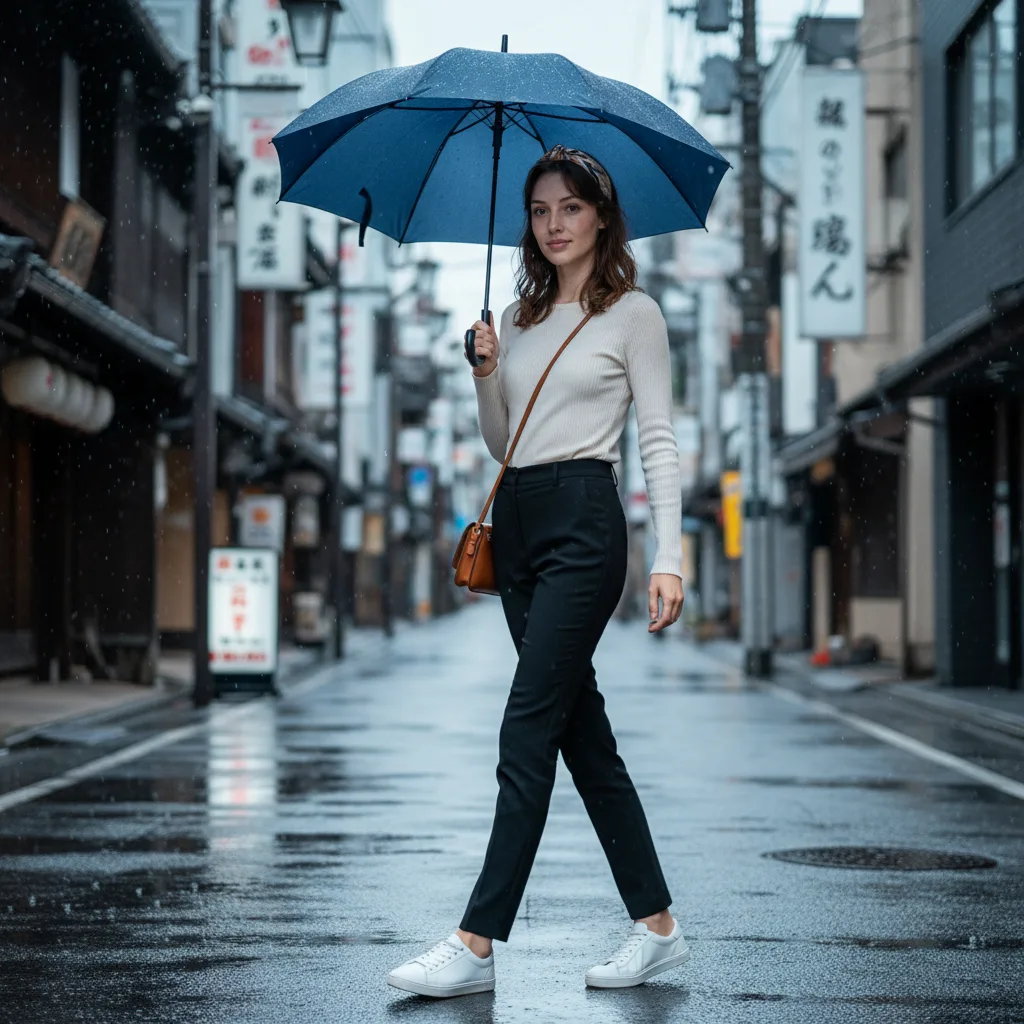
3 neighborhoods: that’s how many times I changed my mind before I finally picked where to stay in Osaka for my own first visit. I landed in Umeda, and I’d pick it again for a first-timer because it kept the city easy without feeling too boxed in by tourist noise. If you want the best Osaka base for first-timers, I’d choose Umeda first, Namba second, and only then something more specific like Shin-Osaka or Tennoji.
Umeda is the one I’d book when I want fast trains, decent food, and less friction. Namba is better if you want nightlife and don’t mind a busier, louder feel. Shin-Osaka is the logistics pick, not the fun pick, and Tennoji only makes sense if you’re watching your budget closely or planning to use that area as a practical stopover.
The real decision is simple: do you want the easiest base for moving around, or do you want to sleep in the middle of Osaka’s most active streets? For a first trip, I care more about getting places quickly and sleeping well than being in the middle of the chaos. That’s why I came down on Umeda.
Quick answer: Umeda is my pick for where to stay in Osaka for first-time visitors because it balances trains, food, and quieter sleep. Namba is the better backup if you want nightlife, while Shin-Osaka and Tennoji are more practical than fun.
Umeda: the best all-around base for a first Osaka trip
Best for: first-time visitors who want the simplest base for getting around without giving up good food or sleep.
Skip if: you want Osaka to feel loud, messy, and nightlife-heavy the second you step outside.
Main tradeoff: Umeda is useful, not glamorous. I think that’s a win.
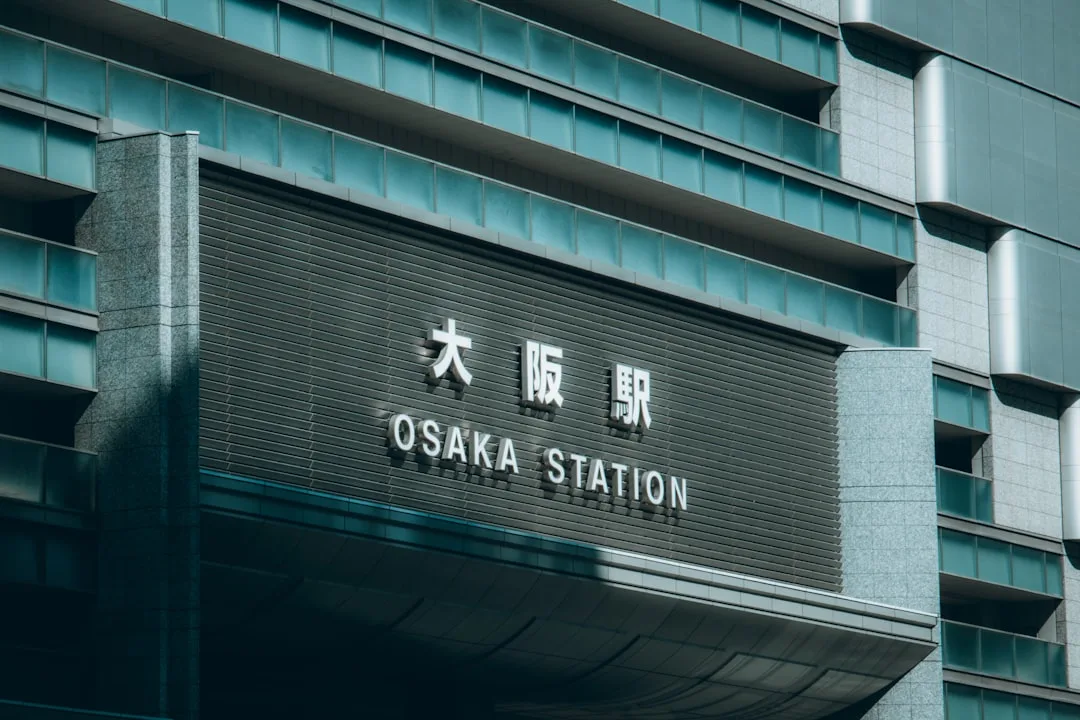
I stayed near Osaka Station and walked through Umeda Underground Mall more than I expected. It’s a maze, honestly, but it made rainy moments easier because I could stay under cover, grab coffee, and move between exits without getting soaked again after that post-rain morning. The temperature was around 8–16°C while I was there, so I kept a light spring jacket over a long-sleeved top and was glad I had closed-toe shoes. My sunglasses stayed on my bag strap most of the day. Not exactly romantic, but it worked.
What Umeda gives you is range. I could reach Kyoto, Kobe, and Nara without making my hotel choice feel like a mistake. If I wanted a late ramen bowl, I had options. If I wanted to crash early, I wasn’t fighting a wall of bar noise. That matters more than people admit when they’re choosing a base for Osaka.
Cost-wise, I’d expect about $70–$140/night for a solid business hotel or midrange chain here, and that usually buys you a cleaner room, better train access, and less hassle. Namba can run a little cheaper, but Umeda often wins on time saved. That math never works out the same way for everyone, but for me it did.
Location consequence: staying in Umeda means about 30 minutes to Dotonbori by train or walk-plus-train combinations, but it saves you from dragging your bag through the busiest part of the city every time you move around.
Worth it if: you’re in Osaka 2–4 nights and plan to do at least one day trip. I’d book Umeda again without thinking too hard.
I compared the options in 3 Days In Osaka Itinerary For First-Timers — useful if you haven’t booked yet.
If things to do in osaka for first-timers matters to your trip, my Best Things To Do In Osaka For First-Timers has the specifics.
If area to stay in osaka namba vs umeda matters to your trip, my Best Area To Stay In Osaka Namba Vs Umeda has the specifics.
If universal studios japan guide for first-time visitors matters to your trip, my Universal Studios Japan Guide For First-Time Visitors has the specifics.
If osaka food districts to explore matters to your trip, my Best Osaka Food Districts To Explore has the specifics.
I wrote a more detailed breakdown in Osaka Packing List What To Bring Spring — worth reading if you’re still deciding.
Namba: better if you want food, neon, and late nights
Best for: travelers who want to be closer to Dotonbori, Kuromon Market, and the louder side of Osaka.
Skip if: you sleep lightly or hate walking through packed streets at night.
Main tradeoff: Namba has more atmosphere, but it’s noisier and more crowded. Fine, not great, if you care about sleep.
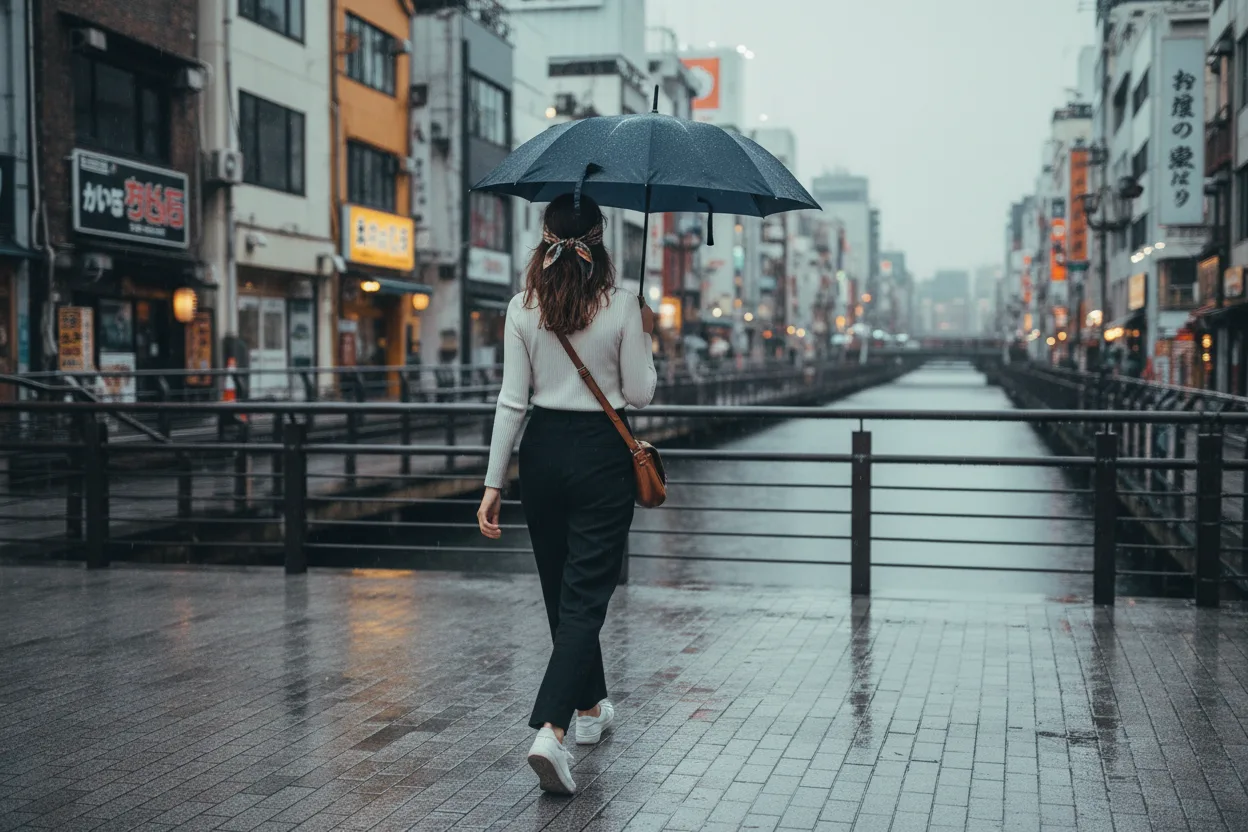
I walked through Namba around dinner and it felt like the city turned the volume up. That’s useful if you want to eat, wander, and repeat without checking transit maps every hour. I grabbed takoyaki from a stall near Dotonbori, paid around $6, and kept moving because sitting down there felt like a bad use of time. The area is built for walking, snacking, and people-watching. It’s also the place I’d choose only if I wanted that energy on purpose.
Namba is a strong answer to where to stay in Osaka first time if your main goal is food and evening plans. But I wouldn’t call it the easiest base. Streets get busy, hotel rooms can feel smaller for the price, and the whole area can be a little much after a full day out. I don’t love it for a first Osaka trip unless the nightlife side is the point.
Budget-wise, I’d expect about $60–$130/night for a decent stay here. Sometimes you get a slightly better rate than Umeda, especially if you book early or avoid weekend dates. But I’d only take the savings if the hotel is actually near the subway entrance, not “walkable” in the way listings like to pretend.
Location consequence: staying in Namba puts you closer to Osaka’s busiest food streets, but it also means more foot traffic and less quiet once the day is over.
Only if: you’re the kind of traveler who wants to step outside and immediately have dinner, dessert, and neon all within ten minutes.
Shin-Osaka: efficient, but I wouldn’t start here

Best for: people with very early Shinkansen departures, heavy luggage, or a trip built around day trips.
Skip if: you want a neighborhood that feels like a real place to spend time in.
Main tradeoff: Shin-Osaka is practical but dull. I’d use it for one night, not a whole Osaka stay.
I passed through Shin-Osaka with a backpack and immediately understood the appeal and the limit. The station is a machine. Trains move fast, connections are easy, and if you’re heading to Tokyo or Hiroshima, it makes life simpler. But when I checked the streets around my hotel search, I kept thinking: this is where I sleep, not where I want to hang out.
That’s the honest part. It’s not bad. It’s just not the Osaka I’d book for a first visit unless my schedule was built around trains. If you’re arriving late, leaving early, or doing a lot of Kansai day trips, it can save real time. For everything else, it feels like a compromise you make for convenience.
Expect about $50–$110/night here, sometimes less than the more central neighborhoods. That lower rate is the whole point. But you pay for it in personality and in the extra effort it takes to get to the places most first-timers actually want to see.
Location consequence: staying in Shin-Osaka can save you 20–30 minutes on a departure day, but it adds that same time back every time you go out for dinner or sightseeing.
Skip if: you only have a short Osaka stay and don’t want to waste it near a station that feels more functional than fun.
Tennoji: the budget choice I’d only take with a plan
Best for: budget travelers who still want solid train access and don’t mind a less polished area.
Skip if: you want the easiest first impression of Osaka.
Main tradeoff: Tennoji can save money, but it asks you to accept a less obvious base. I’m okay with that sometimes, not always.
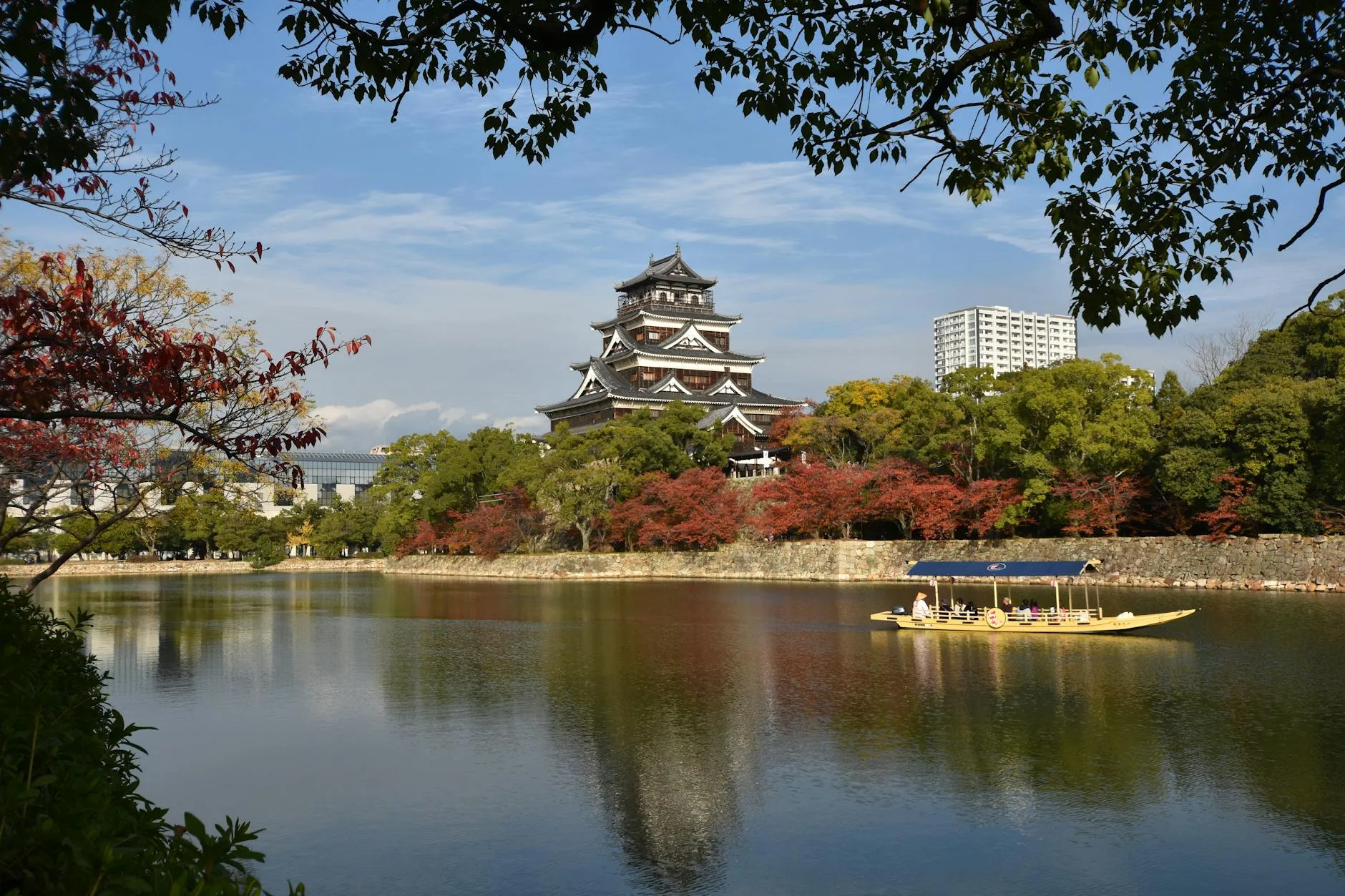
I walked around Tennoji on a day when I was trying to keep spending down, and it felt more local than the tourist-heavy parts of Osaka. That can be a plus. I had a cheap convenience-store lunch, probably around $4, and kept moving without feeling like I was paying extra for location fluff. A lot of first-timers forget that the cheapest area isn’t always the cheapest trip if you spend more on transit and time.
Tennoji works if you already know how you want to move through the city. It’s near Abeno Harukas and has decent transit, so you’re not stranded. But I wouldn’t send someone there for their first Osaka stay unless the hotel rate is clearly better than Umeda and Namba. If the difference is only $10–$15 a night, I’d pay up and stay somewhere simpler.
Budget-wise, I’d expect about $50–$100/night for a solid stay. That can be a good deal, especially for longer trips. Still, the savings only matter if the hotel is actually clean, quiet, and near a station exit you’ll use more than once.
Location consequence: staying in Tennoji can lower your hotel bill, but it usually means less convenience for your first few meals and evening plans.
Better if: you’ve already been to Osaka or you’re traveling on a tighter budget and don’t mind a more practical base.
My actual choice, and what I’d book again
I’d stay in Umeda again. No drama, no second guess. It gave me the best mix of easy transit, decent hotel options, and quieter sleep after long days out, and that mattered more than being in the middle of Dotonbori every night.
If I were traveling with someone who cared more about food walks and nightlife than train efficiency, I’d switch to Namba. If I were using Osaka mostly as a jump-off point for Shinkansen rides, I’d take Shin-Osaka for one night and move on. But for a first trip where I want the city to feel easy, Umeda is the one I’d choose again.
Rough daily estimates from my own trip. Prices shift by season.
What I’d do differently next time
I’d book a hotel a little closer to the exact station exit, not just “near Umeda.” That extra five-minute walk felt small on paper and mildly annoying after a long day. I’d also avoid choosing a room right above a busy intersection, because Osaka traffic and late-night foot noise can sneak up on you.
I’d probably spend one fewer night trying to optimize for price and one more night paying for location. That’s the kind of trade I used to hate making, but it usually pays off. I also wouldn’t overthink breakfast around the hotel. I skipped it and spent the money on coffee and a proper lunch instead.
Where I’d Actually Stay in Osaka

Namba Oriental Hotel
Osaka
★★★★☆
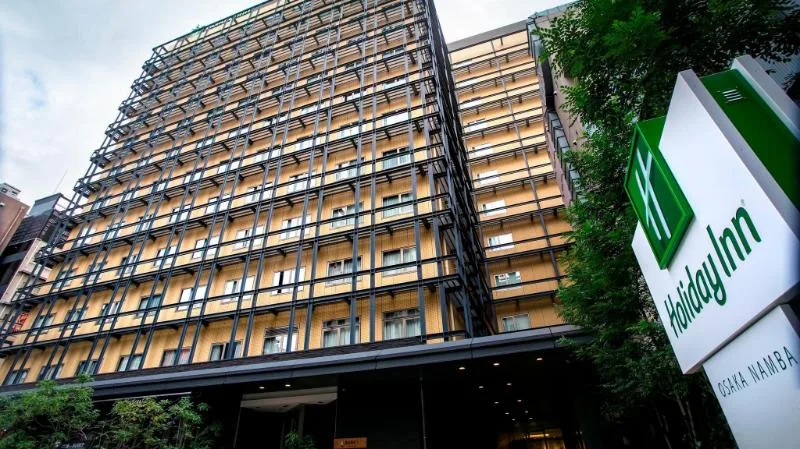
Holiday Inn Osaka Namba by IHG
Osaka
★★★★☆
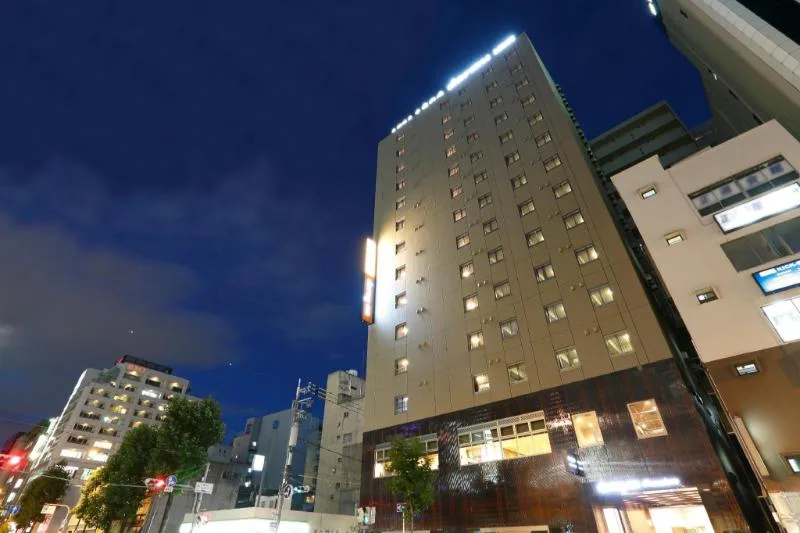
Dormy Inn Premium Namba Natural Hot Spring
Osaka
★★★★☆
FAQ
Is Umeda better than Namba for a first Osaka trip?
Yes, if you want the easiest all-around base. Umeda is better for trains, quieter sleep, and day-trip flexibility. I’d still pick Namba if nightlife and food streets matter more than convenience.
How much more expensive is a good location in Osaka?
Usually not as much as people think. I’d budget about $10–$30 more per night for a stronger location, and that often saves me time and taxi temptation later. For me, that trade is worth it if I’m only there a few nights.
Is Shin-Osaka a bad place to stay?
No, it’s just narrow in purpose. It works well for early departures and heavy rail travel, but it’s not the base I’d choose if I wanted to enjoy the city after dark. I’d use it for one night, maybe two at most.
Can I stay in Osaka without being right by the main tourist areas?
Yes, and I often prefer that. Umeda and Tennoji both let me move around without sleeping in the middle of the busiest blocks. The city is easy enough to navigate that you don’t need to live next to every attraction.
What’s the quietest area if I’m a light sleeper?
Umeda, as long as you choose a hotel a few minutes off the loudest streets. I’d avoid the densest parts of Namba if sleep matters a lot, because the foot traffic doesn’t really stop early. A higher floor helps too, and I’d pay for it if I needed to.
 Emma Hayes