
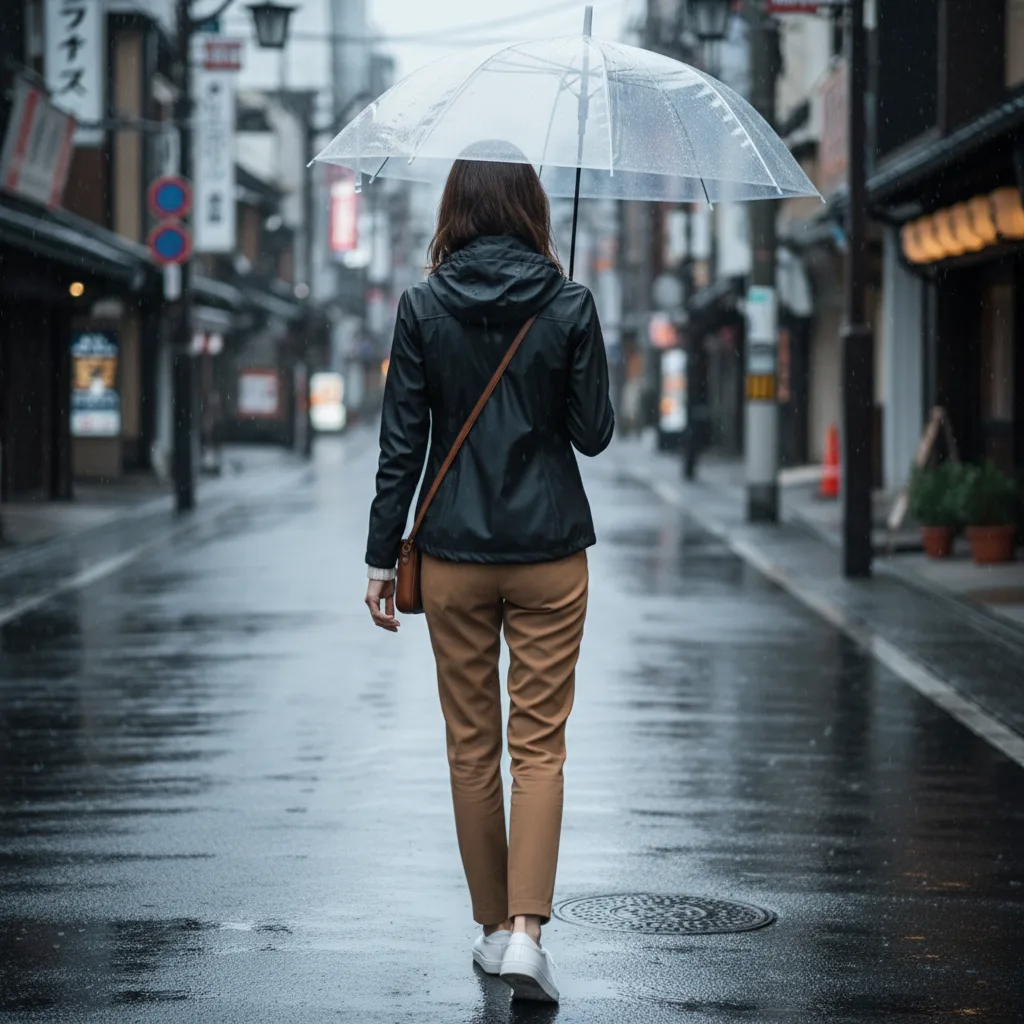
I did this wrong the first time. I tried to pack Osaka like it was Tokyo, and I spent too much time on trains and too little time eating anything decent. Three days is enough for a first-timer if you keep it tight: one day for central Osaka, one for food and old-school neighborhoods, and one for a day trip or a deeper city day. This 3 days in osaka itinerary for first-timers keeps the days clustered and the transit simple.
This is for a first trip, a moderate budget, and anyone who wants real meals and easy transit. It’s not for people who want to “see everything,” because Osaka punishes that mindset fast. The big decision is simple: stay central, keep the days clustered, and skip anything that adds an hour of commuting for a photo you’ll forget by dinner.
Quick Answer: Three days in Osaka is enough for a first trip if you stay near Namba, Shinsaibashi, or Umeda and keep the plan compact. Day 1 covers Dotonbori and Shinsaibashi, Day 2 covers Osaka Castle and Nipponbashi, and Day 3 is either Nara or a slower Osaka day. My rough daily budget was about $83-$185/day.
Day by Day
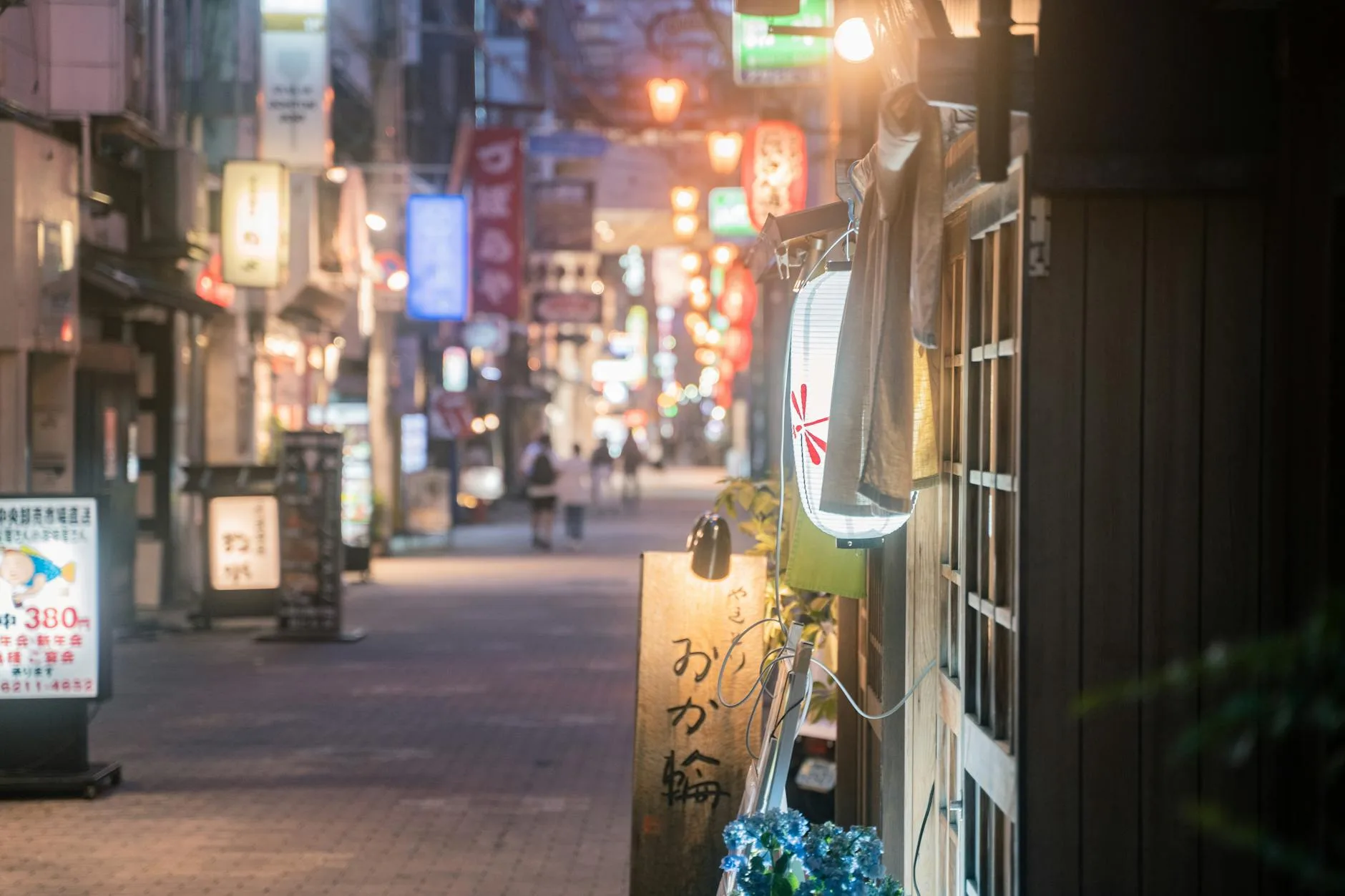
My judgment: three days in Osaka is enough to get a real feel for the city, but only if you stop treating it like a checklist.
- Best for: first-timers who want food, easy trains, and a city that doesn’t waste time.
- Skip if: you want slow museum days, long temple walks, or a trip built around polished sightseeing.
- My pick: base near Namba, Shinsaibashi, or Umeda and keep the itinerary compact.
- What matters most: transit time. In Osaka, that’s the difference between a good day and a grumpy one.
Day 1: Dotonbori, Shinsaibashi, and a First Look at Osaka
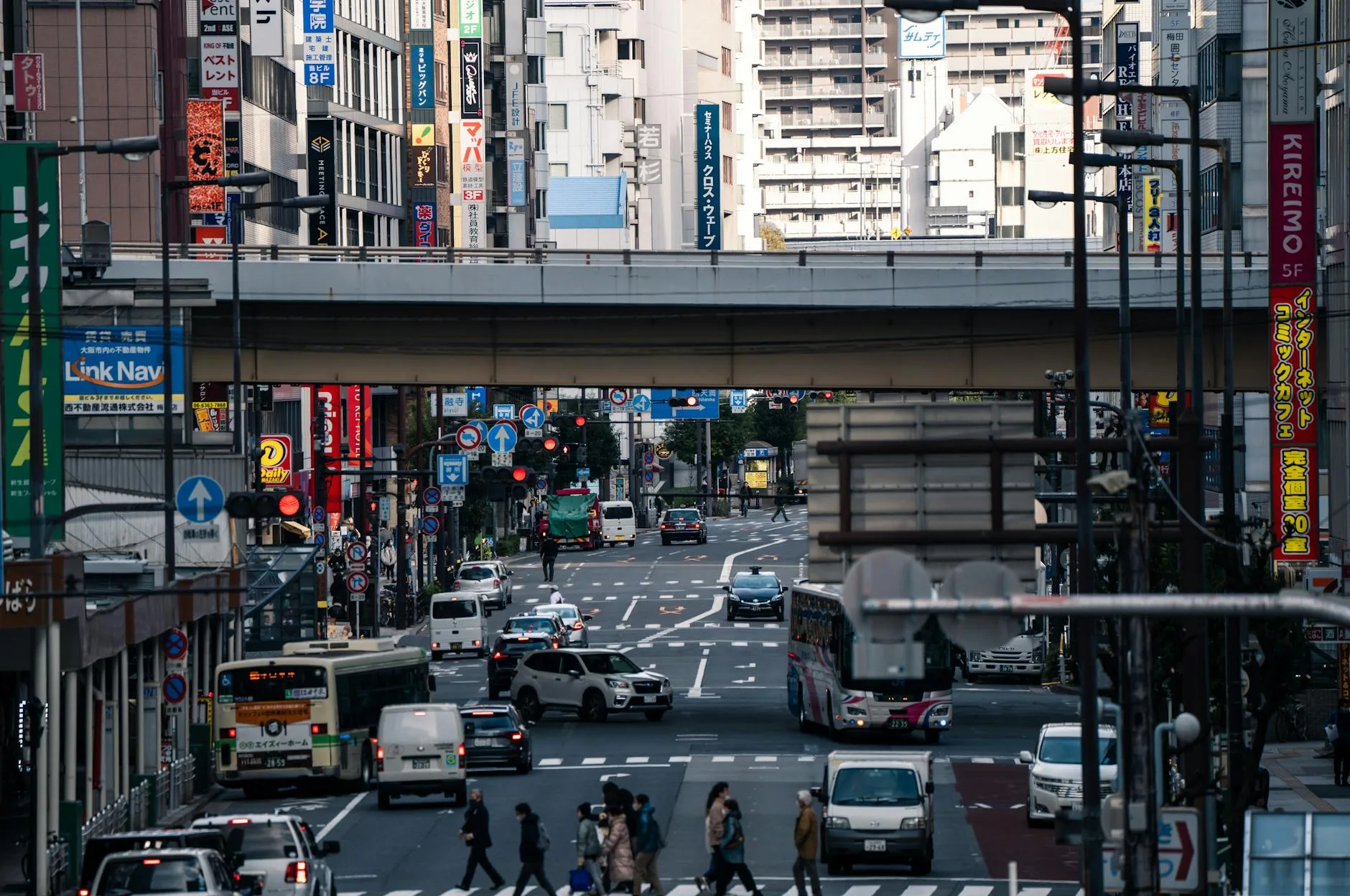
I’d start with the obvious stuff on purpose. Dotonbori is busy and a little ridiculous, but for a first day it works because it gives you Osaka’s energy without requiring much planning. I’d keep it to a half-day, because lingering there too long turns into souvenir-shopping and fried snacks you didn’t really want.
My verdict: worth it for a first afternoon, but not worth building your whole trip around.
Morning: Arrive, check in, and get out fast
If you’re flying in or arriving by train, drop your bags and head out within an hour. I’d stay near Namba or Shinsaibashi if you can, because the walkability saves real time later. From Shin-Osaka Station to Namba, the Midosuji Line takes about 15 minutes and costs around $2; from Osaka Station to Namba, it’s closer to 20 minutes depending on connections.
I once wasted the first half of a day in Osaka trying to save $15 on a hotel, and the commute chewed up that “savings” by lunch. That math never works out.
Best for: travelers who want to drop bags and start walking immediately.
Skip if: you’re staying in Kyoto and only doing a rushed Osaka day trip; then you need a tighter version of this plan.
Lunch: Eat near Namba, not inside the loudest part of Dotonbori
I’d eat before the main canal area gets too packed. I paid about $8 for a solid bowl of ramen near Namba, and it beat the overpriced spots with giant signs and waiters waving menus at the street. If you want something fast, grab takoyaki from a smaller stand a few blocks off the brightest stretch; I paid about $5 for six pieces and didn’t regret it, even though one bite was basically lava.
Worth it if: you want cheap food without standing in a line for 30 minutes.
Skip if: you’re already full from the train and don’t need the snack stop yet.
Afternoon: Shinsaibashi-suji, then Dotonbori canal
Walk Shinsaibashi-suji for an hour, maybe a bit more if you like browsing. It’s covered, which helped when light rain started and I had my umbrella out around 9°C in the morning. I ducked into a coffee shop for 450 yen and let the rain pass before heading back out.
Then head to Dotonbori. The canal itself is the point, but I’d treat it like a 45-minute stop, not a four-hour event. Take the quick photos, look at the giant crab sign, and move on before the crowd gets annoying.
My verdict: useful but not memorable. Go once, not repeatedly.
Best for: first-time visitors who want the classic Osaka visual.
Skip if: you hate crowds, flashing signs, and constant street noise. You’ll hate this stretch by minute ten.
Dinner: Eat okonomiyaki or kushikatsu nearby
For dinner, I’d stay in the same area and eat something that feels local without being theatrical. I paid about $11 for okonomiyaki in a casual spot near Namba, and that felt right for the quality. Kushikatsu is good too, but I’d avoid the places that look like they were built for Instagram first and diners second.
If I only had one night in Osaka, I’d skip dessert and spend that money on one better meal instead. The city does cheap food well, and that’s the point.
Best for: people who want a low-effort first night with good food.
Skip if: you’re tired and want a quiet dinner. Dotonbori stays loud.
Day 1 estimated spend: around $25-$45 if you keep it simple.
Day 2: Osaka Castle, Local Streets, and the Food That Actually Matters
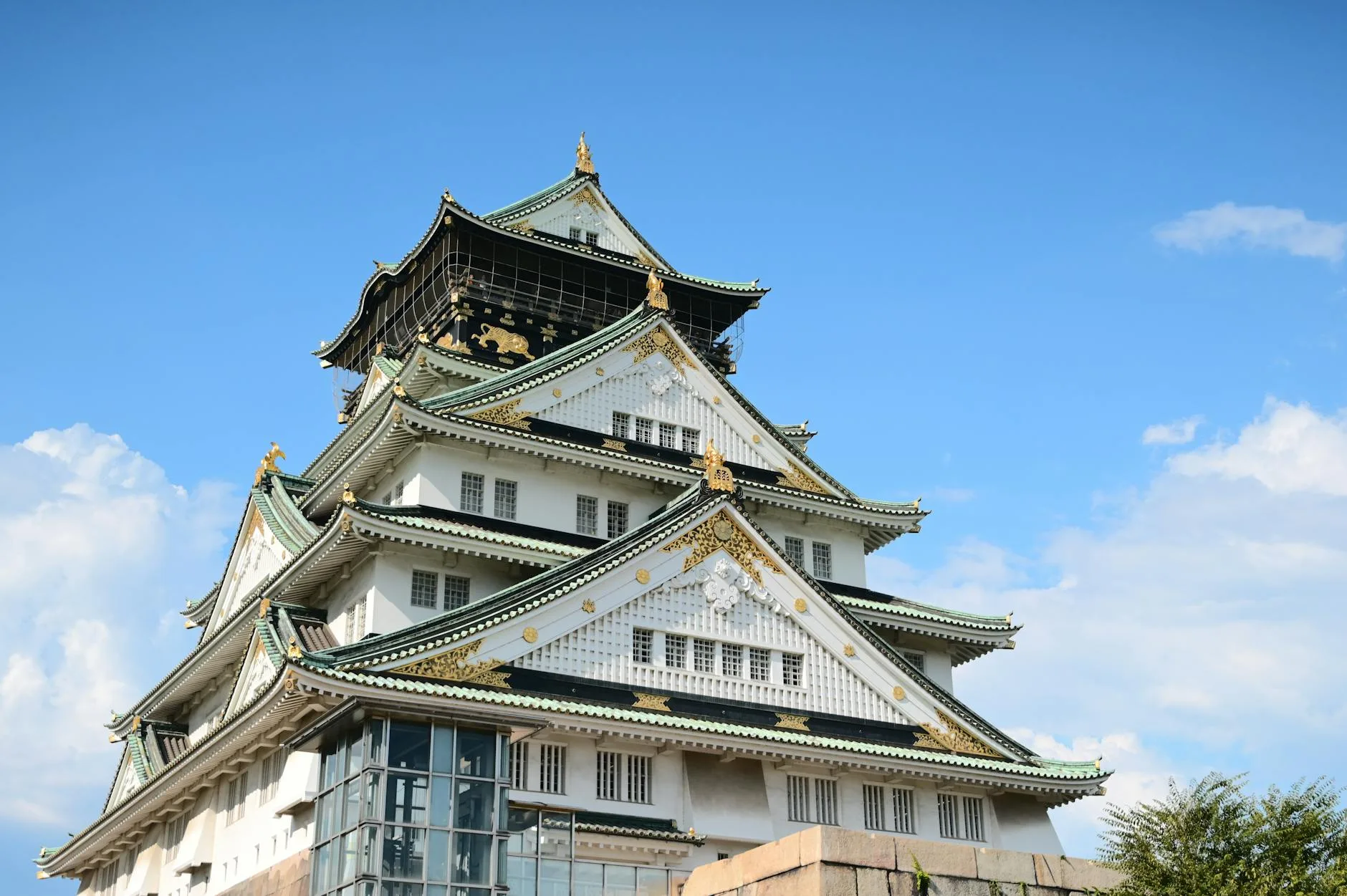
On day two, I’d leave the neon alone for a few hours and do one of Osaka’s standard sights, but I wouldn’t overdo it. Osaka Castle is fine. I don’t love it. The grounds are better than the museum-style interior, and the whole thing is only worth it if you combine it with nearby neighborhoods instead of making it the whole day.
My verdict: worth it for the park and exterior views, only if you’re already in the city center.
Morning: Osaka Castle Park before the crowds build
Get there early, around 8:30 or 9:00 a.m. I took the JR Loop Line from Namba area to Osakajokoen Station, which took about 20 minutes and cost roughly $2. From the station, it’s another 10 to 15 minutes walking into the park. The morning air was chilly enough that I kept my light waterproof jacket on, and the path was damp from earlier rain.
I’d give the park itself about 90 minutes. If you want to go inside the castle museum, add another hour. The interior was busy when I went, and I didn’t think the ticket price matched the payoff, so I’d only do it if you really like history exhibits.
Best for: people who want one major landmark without a complicated transit day.
Skip if: you’re short on time and already saw a lot of castles on the same trip. I’d cut this before I’d cut better food.
Lunch: Kuromon Market or a nearby no-fuss lunch spot
After the castle, head back toward central Osaka and eat near Kuromon Market or in the streets around Nipponbashi. I know Kuromon gets sold as a food stop, but some stalls are overpriced for what you get. I paid $9 for grilled scallops there once and thought, fine, but not great. If you go, use it for a small snack, not a full meal.
My better move was a simple set lunch at a tiny noodle shop nearby for around $7
Best for: quick bites and snacking between sights.
Skip if: you want a calm sit-down lunch. Market areas are messy and loud.
Afternoon: Nipponbashi and Den Den Town
Walk south into Nipponbashi and Den Den Town for an hour or two. It’s Osaka’s version of an electronics-and-anime corridor, and I’d only go if that sounds even mildly interesting. I bought a cheap phone cable for about $6 there because mine was dying, which made the stop feel useful instead of random.
This area is not pretty, and that’s fine. It’s practical, busy, and a little weird. If you’re into shopping for niche things or just want a neighborhood that feels lived-in rather than polished, it’s worth it.
My verdict: worth it if you like browsing; skip it if you’re expecting charm.
Best for: travelers who want a non-touristy stretch of city walking.
Skip if: you only have energy for one sight a day. This is optional.
Evening: Ura-Namba or a quieter side street for dinner
For dinner, I’d move just a little away from the most obvious Dotonbori strip and eat in Ura-Namba. It’s still central, but the vibe is less obnoxious. I had grilled skewers and a beer for about $14, and the place filled with locals after work, which is usually the sign I trust most.
If you want a stronger Osaka food night, this is the one. I’d rather spend my money here than on a flashy canal-side restaurant with a menu in six languages and a host outside trying too hard.
Best for: people who want dinner with some atmosphere but not the tourist crush.
Skip if: you’re trying to keep the day ultra-cheap. This is the one meal I’d stretch a little.
Day 2 estimated spend: around $30-$60 depending on castle entry and dinner.
Day 3: Choose Between a Day Trip and a Slower Osaka Day
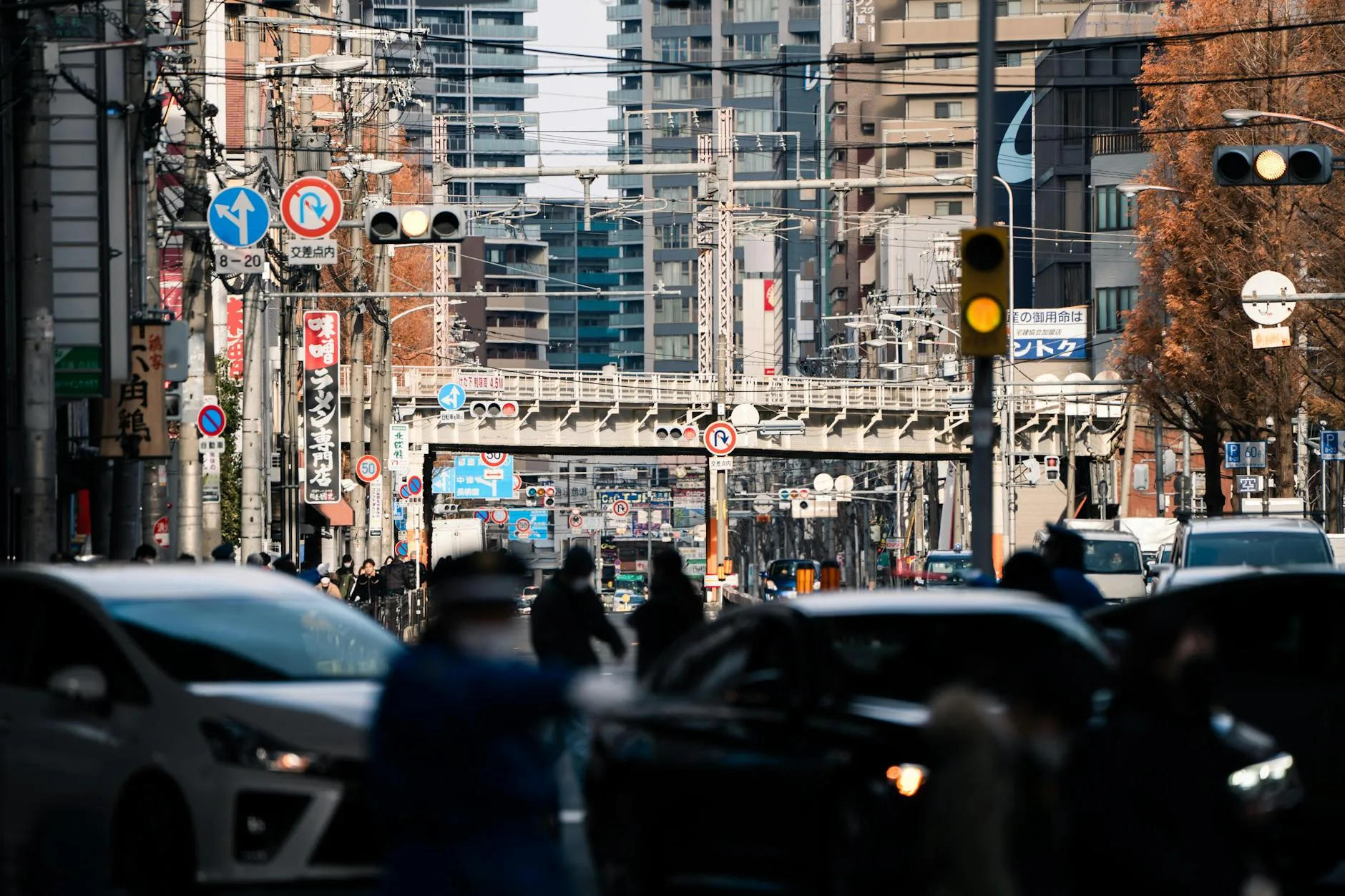
This is the decision day. If you only have three days in Osaka, I’d either do a short day trip or keep it in the city and slow down. I wouldn’t try to do both. The wrong version of this day turns into a transit marathon, and I’ve already done enough of those to know better.
My verdict: a day trip is worth it only if you’re okay with one long, structured day. If not, stay in Osaka and enjoy the city at a sane pace.
Option A: Nara day trip if you want something different
If you haven’t been to Nara yet, it’s the easiest outside-the-city add-on. From Osaka-Namba to Kintetsu Nara, the Kintetsu line takes about 40 minutes and costs around $4. I’d leave by 8:00 a.m. to avoid the worst crowds and get back before dinner.
In Nara, I’d keep it simple: Nara Park, Todai-ji, and lunch near the station. I bought deer crackers for 200 yen and one deer immediately started nosing through my bag like it was paying rent. Funny once. Less so when I had to keep my umbrella out of its mouth.
Best for: first-timers who want one easy side trip and don’t mind a full day out.
Skip if: you’re already tired of trains or you only have three total nights and want more Osaka time.
Option B: Osaka slow day if you’d rather stay put
If I stayed in Osaka, I’d do a slower morning in Nakanoshima or along the river, then one neighborhood lunch and a café stop. Nakanoshima Park is free, and it’s a decent reset after two busy days. I walked there in a scarf and a light jacket, then sat with a coffee for 500 yen while the rain came and went.
After that, I’d go to Umeda for a higher-up city view if the weather clears, or just browse the underground malls if it doesn’t. Umeda can feel a bit maze-like, but it’s efficient. Not beautiful, just useful.
My verdict: the slower city day is better if you hate rushing and want a lower-cost finish.
Best for: travelers who want a break from packed sightseeing.
Skip if: you’re only in Kansai for a short time and want one outside-the-city stop.
Day 3 estimated spend: around $20-$55, depending on whether you day trip.
Cost Breakdown
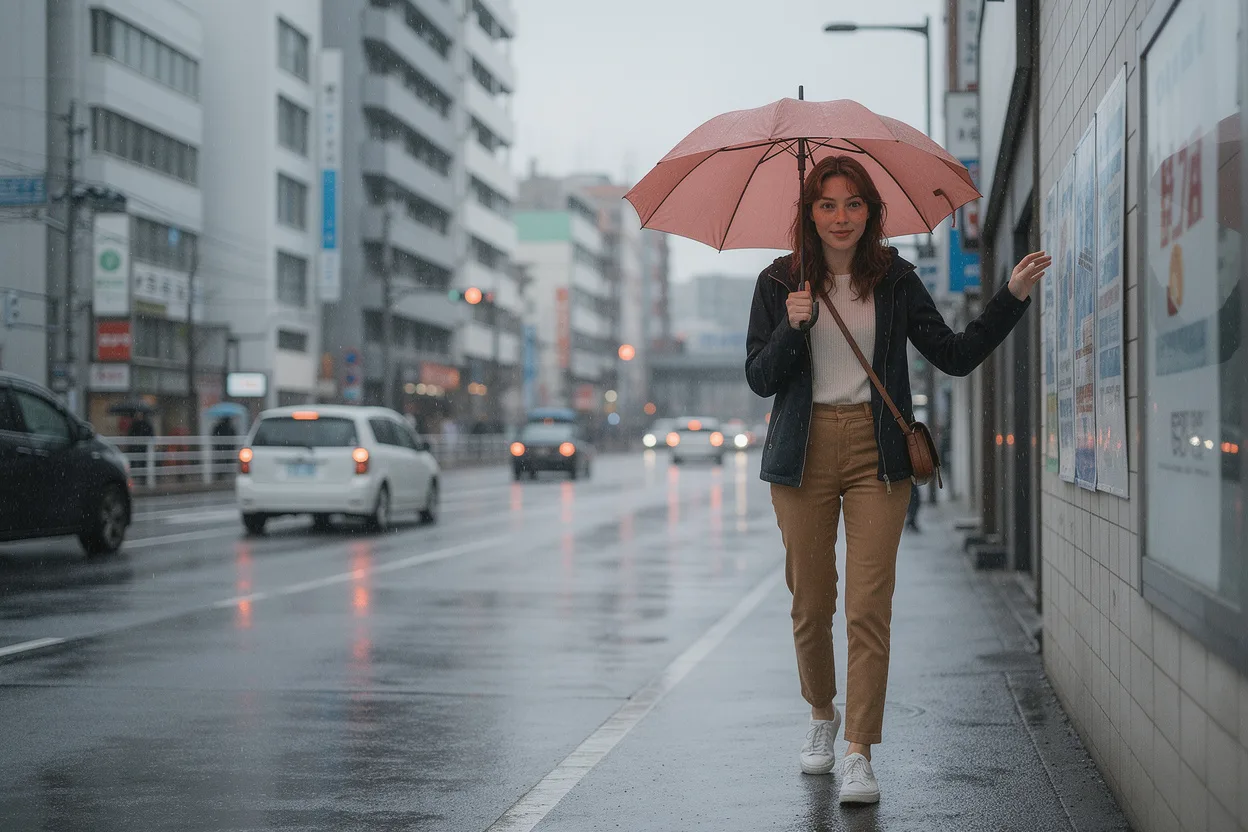
Osaka is easy if you stop trying to be clever. I’d use the subway and JR lines, then walk the last stretch whenever possible. A day of mixed transport usually ran me around $6-$10, and that’s much cheaper than bouncing between taxis because you’re tired.
I’d get an ICOCA card if you’re staying more than a day or two. It saves time and keeps the whole thing simple. I tapped in and out so many times that not having to buy single tickets was worth it alone.
My verdict: public transit is the right choice here. Taxis are only worth it if you’re dragging luggage late at night.
- From Shin-Osaka to central Osaka: about 15-20 minutes by subway, roughly $2.
- From Namba to Osaka Castle: about 20 minutes by JR, roughly $2.
- From Osaka to Nara: about 40 minutes by Kintetsu, roughly $4.
- Walking: best for Namba, Shinsaibashi, and Ura-Namba. That’s where the city makes sense on foot.
Rough daily estimates from my own trip. Prices shift by season.
I wrote a more detailed breakdown in Best Things To Do In Osaka For First-Timers — worth reading if you’re still deciding.
For a deeper look at osaka day trips best easy trips from the city, I covered this in my Osaka Day Trips Best Easy Trips From The City.
If area to stay in osaka namba vs umeda matters to your trip, my Best Area To Stay In Osaka Namba Vs Umeda has the specifics.
For a deeper look at osaka one day itinerary, I covered this in my Osaka One Day Itinerary.
I compared the options in Best Osaka Street Food In Dotonbori And Beyond — useful if you haven’t booked yet.
I wrote a more detailed breakdown in Best Budget Hotels In Namba Osaka — worth reading if you’re still deciding.
Transport Tips
I used the Osaka Metro more than anything else, especially the Midosuji Line, which is the one that seems to connect half the city when you’re trying to get from one meal to the next. The ICOCA card saved me from the usual small annoyances: buying single tickets, checking fares every time, and pretending I had exact change when I absolutely did not. I tapped in, tapped out, and kept moving, which is basically how I want a city trip to work.
The day transit really mattered was the day I tried to squeeze too much into one afternoon. I thought I could wander slowly and still make it to Dotonbori before dark, but Osaka has a way of making “just one more stop” turn into a lost hour. Taking the train instead of a taxi meant I actually got there with enough time to eat, walk, and sit down before the crowds thickened. If you’re doing a 3 days in osaka itinerary for first-timers, staying near a station is worth more than it sounds. Being a little central saves you from backtracking, and in Osaka backtracking is how a relaxed day turns into a long one.
Best for: anyone on a budget or anyone who hates wasting time in traffic.
Skip if: you’re staying far outside the center. Then the itinerary gets annoying fast, which is why I’d pay a little more for location.
Where I’d Stay
I’d book a smaller, more central hotel and stop pretending a cheaper room on the edge of the city is a win. I saved maybe $20 a night once and spent that in transit, snacks, and annoyance. I’d also keep one meal completely unplanned, because Osaka is better when you leave room for a random good lunch instead of forcing every stop.
For Osaka I used Agoda — they had the best rate for my dates.
I’d skip the castle interior if I was already tired. I’d also stop myself from chasing every “famous” street food stall in Dotonbori. One takoyaki round is enough. More than that and it starts feeling like homework.
Worth changing: hotel location, one overplanned meal, and any sight that takes too long for too little payoff.
I pre-booked on Klook the night before — skipped the entire ticket line.
Where I’d Actually Stay in Osaka

Namba Oriental Hotel
Osaka
★★★★☆
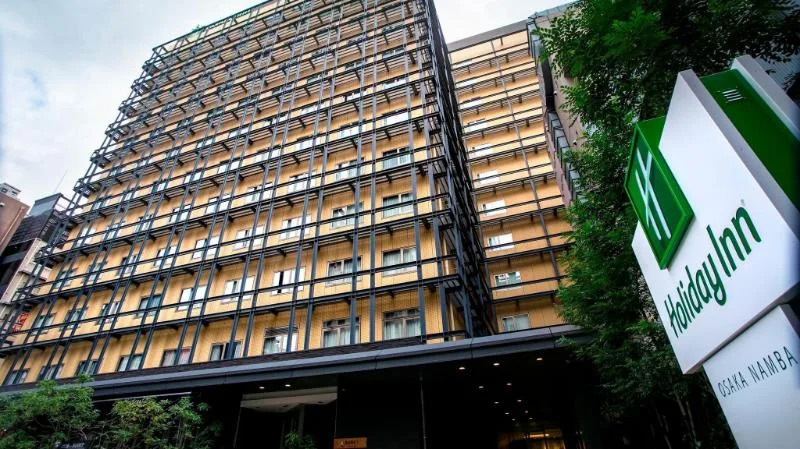
Holiday Inn Osaka Namba by IHG
Osaka
★★★★☆
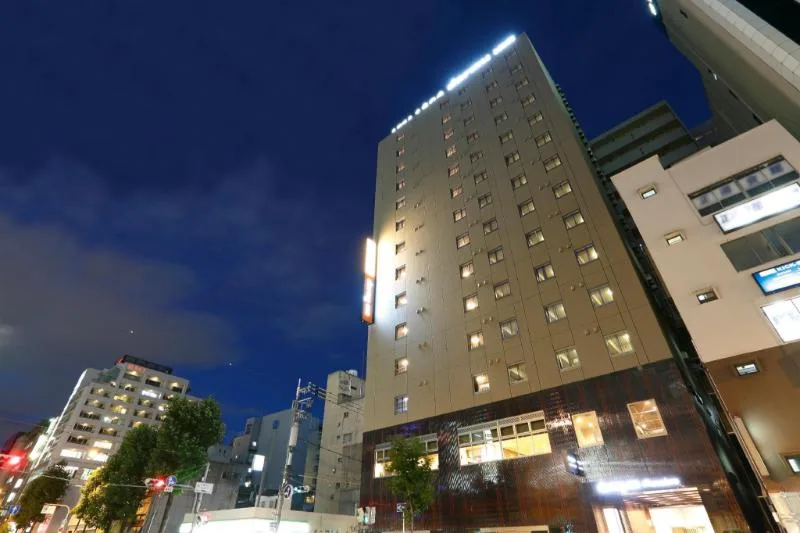
Dormy Inn Premium Namba Natural Hot Spring
Osaka
★★★★☆
FAQ
Is three days enough for Osaka on a first trip?
Yes, three days is enough for a first look at Osaka if you keep the plan tight. I’d use it for central neighborhoods, one major sight, and one optional day trip. If you try to squeeze in too many districts, the city starts feeling like transit instead of a trip.
Where should I stay if I only have three nights?
I’d stay near Namba, Shinsaibashi, or Umeda because that cuts down on wasted time. Namba is my favorite for food and walking, while Umeda works well if you’re arriving by train and want easier connections. If your hotel is far from the subway, you’ll feel it every single day.
Is Osaka Castle worth fitting into a short trip?
Yes, but mostly for the park and the exterior. I’d only go inside if you really care about the museum side, because the ticket and time don’t feel essential. If your trip is already packed, this is one of the first things I’d trim.
Should I do Nara or stay in Osaka for the last day?
I’d choose Nara if you want one easy side trip and you’re happy to spend most of the day outside Osaka. I’d stay in the city if you’re tired, traveling in bad weather, or you’d rather use your last day for food and a slower pace. The right choice depends on whether you want one big outing or a more relaxed finish.
What’s the one thing I shouldn’t waste money on in Osaka?
I’d skip overpriced food stalls in the busiest tourist strips unless you’re just grabbing one snack. A lot of the famous spots are fine, but they’re not better enough to justify the line or the markup. I’d put that money toward one better meal in a quieter side street instead.
 Emma Hayes