
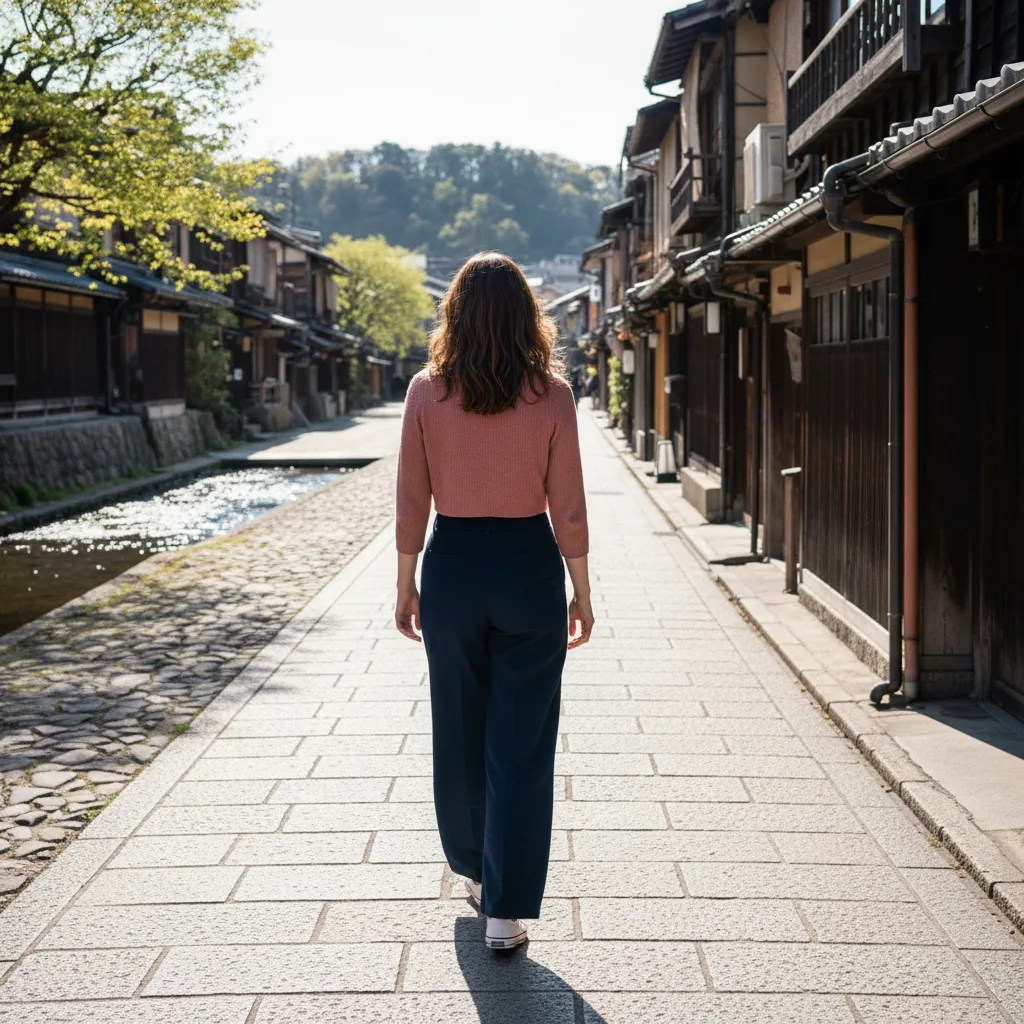
Kyoto can be weirdly overrated if you try to “see everything” in three days. If you’re looking for things to do in kyoto for 3 days, I’d choose Kyoto itself over splitting your base with Osaka because the city rewards slow, clustered days far more than day-trip logic. I made that mistake once: too many temples, too much backtracking, and not enough actual time to enjoy the city.
Best for: Travelers who want temples, food, and a calmer pace without spending half the trip on trains.
Skip if: You want nightlife first and sightseeing second.
My pick: Stay in Kyoto for the full three days and build the trip around one east-side day, one north/west day, and one slow food-and-neighborhood day.
Choose Osaka only if your top priority is late-night eating, shopping, and a louder base. Choose Kyoto if you care more about using your time well. That’s the real tradeoff.
Quick Answer: things to do in kyoto for 3 days
- Day 1: Fushimi Inari at sunrise, then Tofuku-ji or Kiyomizu-dera, then Gion and Higashiyama. I always front-load Kyoto’s biggest hits because the light is better and I still have patience for the crowds.
- Day 2: Arashiyama early, then Tenryu-ji, the bamboo grove, a river walk, and maybe Kinkaku-ji if you still have energy. This order works because Arashiyama feels best before it gets packed, and I’d rather save the busier Golden Pavilion for when I’m already out that way.
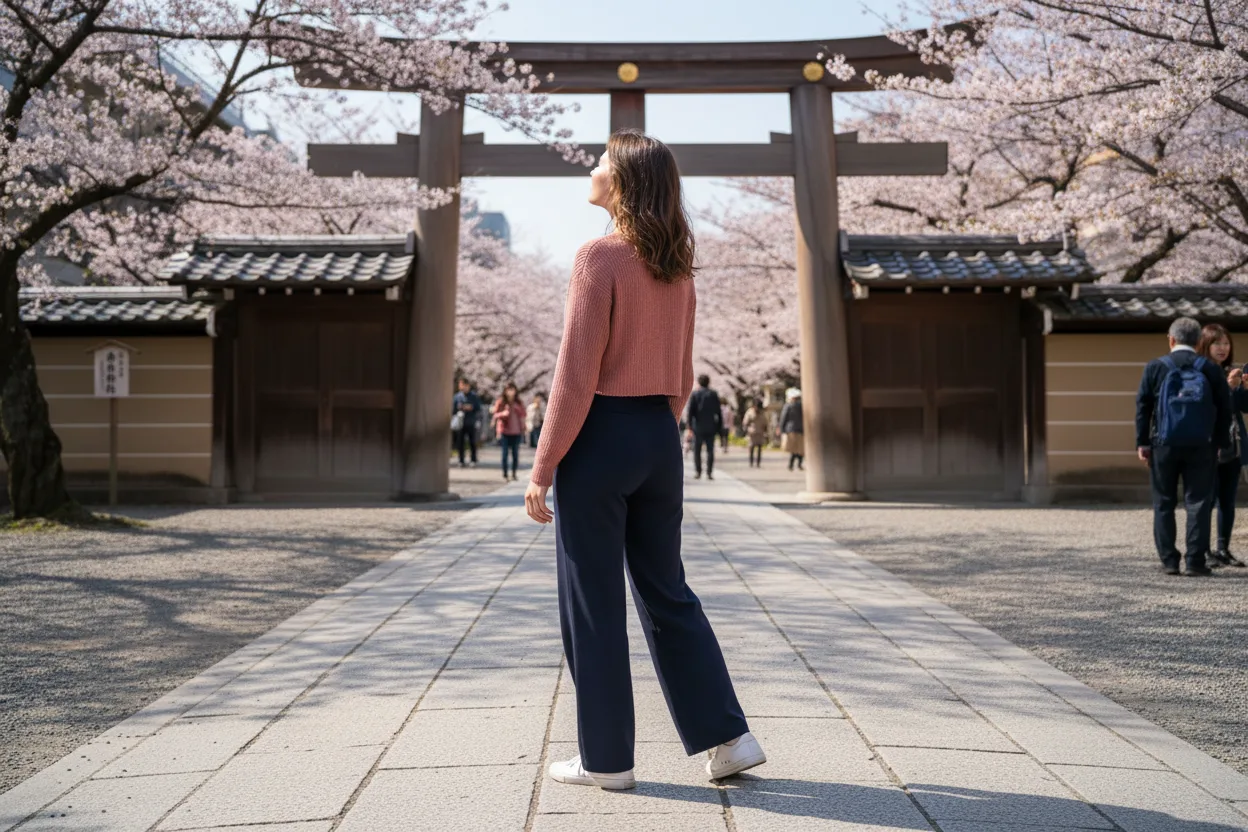
- Day 3: Nishiki Market, the Kyoto Imperial Palace area, a café break, and one slower temple or shrine like Nanzen-ji or Heian Shrine. I like ending with something calmer because Kyoto gets better when I stop trying to squeeze one more landmark into the day.
- My recommendation: Don’t split your base unless you’re already bored by day 2. Kyoto works better when you stop treating it like a checklist, and I’ve always enjoyed it more once I slowed down.
Why I’d stay in Kyoto for the full 3 days
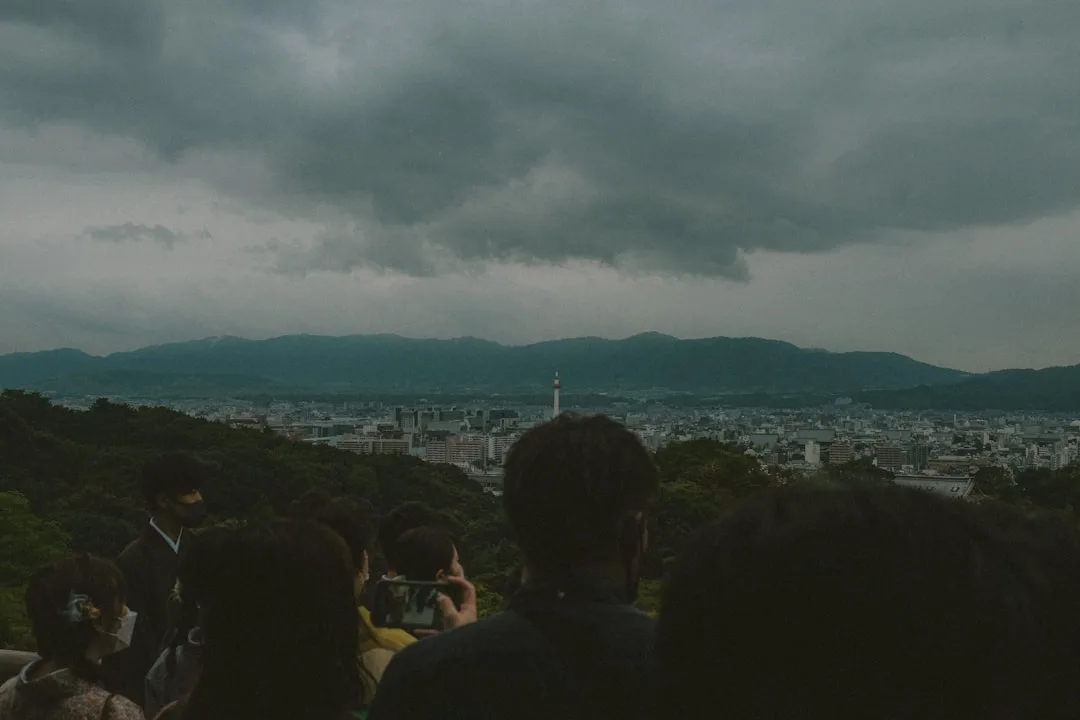
I’d choose Kyoto because the city is built for clustered sightseeing, and three days is just enough time to make that work without rushing. The big win is geography. Fushimi Inari, Tofuku-ji, Kiyomizu-dera, Gion, and Higashiyama can all sit inside one sensible day. Arashiyama is another clean bucket. That structure matters more than people admit.
I usually book Kyoto tours on Klook — the best time slots go fast, especially in peak season.
See current Kyoto hotel prices on Agoda →
I’ve done the “sleep in Osaka, day-trip to Kyoto” thing, and it eats more energy than it saves. The train from Osaka Station or Umeda to Kyoto Station is around 30 minutes on the JR Special Rapid; from Namba it can be 45 to 50 minutes depending on the line change. That sounds fine on paper. In real life, it means your first and last hour disappear into station navigation, and that math never works out for a short trip.
Best for: First-time visitors who want the classic Kyoto stuff without turning the trip into a commute.
Skip if: You’re using Kyoto mostly as a sleep base for Osaka nightlife or Universal Studios.
My pick: Kyoto wins because three days is short enough that transit friction matters more than hotel savings.
And Kyoto gives you more usable mornings. I like being on the street by 7:30 a.m. with a coffee and a convenience store onigiri, and Kyoto rewards that. Fushimi Inari before the tour buses show up is a different experience from Fushimi Inari at 11:00. Same place, completely different trip.
I wrote a more detailed breakdown in What Are Things To Do In Kyoto Japan — worth reading if you’re still deciding.
For a deeper look at things to do in kyoto february, I covered this in my Things To Do In Kyoto February.
If things to do in kyoto matters to your trip, my Things To Do In Kyoto In March has the specifics.
If things to do in kyoto osaka matters to your trip, my Things To Do In Kyoto Osaka has the specifics.
If things to.do.in kyoto day trip matters to your trip, my Best Things To.Do.In Kyoto Day Trip has the specifics.
I wrote a more detailed breakdown in Kyoto Sightseeing Itinerary 3 Days — worth reading if you’re still deciding.
I wrote a more detailed breakdown in Kyoto Itinerary Your Best 3 Days Travel Guide — worth reading if you’re still deciding.
The better 3-day Kyoto plan: one city, three different rhythms
If I were building a three-day Kyoto trip from scratch, I’d use the city’s pace instead of fighting it. Day 1 should be early and temple-heavy. Day 2 should be the west side, because Arashiyama and nearby spots work best when I’m already in that part of town. Day 3 should be lighter, with food, a market, and a slower neighborhood walk.
Here’s the practical version I’d actually book around:
- Day 1 morning: Fushimi Inari Taisha, free, open 24 hours, best before 8:00 a.m.
- Day 1 late morning: Kiyomizu-dera, entry around ¥400, then walk downhill through Sannenzaka and Ninenzaka.
- Day 1 afternoon: Gion, Yasaka Shrine, and a late lunch. I’ve paid about ¥1,200 to ¥1,800 for a simple soba or set meal in this area.
- Day 2: Arashiyama, Tenryu-ji around ¥500 for the garden, bamboo grove, Togetsukyo Bridge, and a river walk.
- Day 3: Nishiki Market breakfast or lunch, then a slower stop like Nanzen-ji or the Kyoto National Museum area if I still want one more sight.
This works because it cuts the annoying zigzagging. Kyoto buses can get slow, especially around tourist areas, and I don’t love standing on a packed bus in the middle of a sightseeing day. The subway and JR lines are better, but Kyoto still isn’t a city I’d cross back and forth across five times in one day.
Worth it if: You want a trip that feels full without feeling packed.
Not worth it if: You need late starts, shopping malls, and nightlife every night.
My pick: Three days in Kyoto should feel like three distinct chapters, not one long transit loop.
I book tours through Klook — popular slots sell out faster than you’d think.
Where Osaka still beats Kyoto, and why I still wouldn’t switch
Osaka is better if your trip is built around food after dark, shopping, and a looser schedule. I’m not pretending otherwise. Dotonbori is easy to enjoy, the trains are simple, and I’ve had some very good late ramen there that saved me after a long day. But for a three-day Kyoto trip, Osaka only wins if you care more about the base than the destination.
The real difference is not “atmosphere,” because people throw that word around until it means nothing. It’s friction. Kyoto gives you a tighter sightseeing day because the places you actually want to see are closer together. Osaka gives you a better night scene and more general convenience for a city trip. Different game.
Choose Osaka only if you’re doing at least one of these: eating out late every night, adding Universal Studios, or prioritizing a cheaper hotel near a big station. A decent Osaka business hotel near Namba or Umeda often runs around $70 to $120 a night. In central Kyoto, I usually see $90 to $160 for similar basic comfort, and prices can jump higher around cherry blossom season and autumn leaves. Not a tiny gap, but not enough to justify losing time if Kyoto is the main point.
Best for: Travelers who want nightlife and a busier base more than a sightseeing flow.
Skip if: You’re coming for temples, old streets, and early starts.
My pick: Osaka is the better city to sleep in for a food-and-fun trip; Kyoto is the better city to sleep in for a Kyoto trip. Obvious, but people still get it wrong.
Cost Breakdown
If I strip away the romance and just look at the numbers, Kyoto still wins for three days because of time cost. A Kyoto-to-Osaka base swap sounds cheap until you count the lost hours. If you stay in Osaka and day-trip to Kyoto, you can easily burn 2 to 3 hours a day door-to-door once you add station walking, platform changes, and the return ride. Over three days, that’s a half-day gone.
Money is less dramatic than people think. A JR or private train ride between Osaka and Kyoto is often around ¥420 to ¥600 one way depending on route. If you do that twice a day for three days, you’re around ¥2,500 to ¥3,600 before local transit. Add a few extra subway or bus rides and you’re not saving much, especially if you end up grabbing extra meals near stations because your schedule got weird.
Inside Kyoto, I spent about ¥230 to ¥280 per bus ride, and I used a taxi once when I was tired and raining on me. That taxi from central Kyoto to a hotel area near Gion cost me about ¥1,500, which was annoying but worth it that one time. I wouldn’t do that every day. But it beats dragging yourself across town after dark just because your hotel was “cheaper.”
Budget-wise: Kyoto is slightly pricier for hotels, but cheaper in wasted time.
Best for: Travelers who value efficient mornings and not resetting their day twice.
Skip if: You’re trying to minimize hotel cost above everything else.
See all kyoto hotels on Agoda →
Rough daily estimates from my own trip, per full day in Kyoto. Prices shift by season.
The vibe difference: Kyoto is slower, Osaka is louder, and that matters
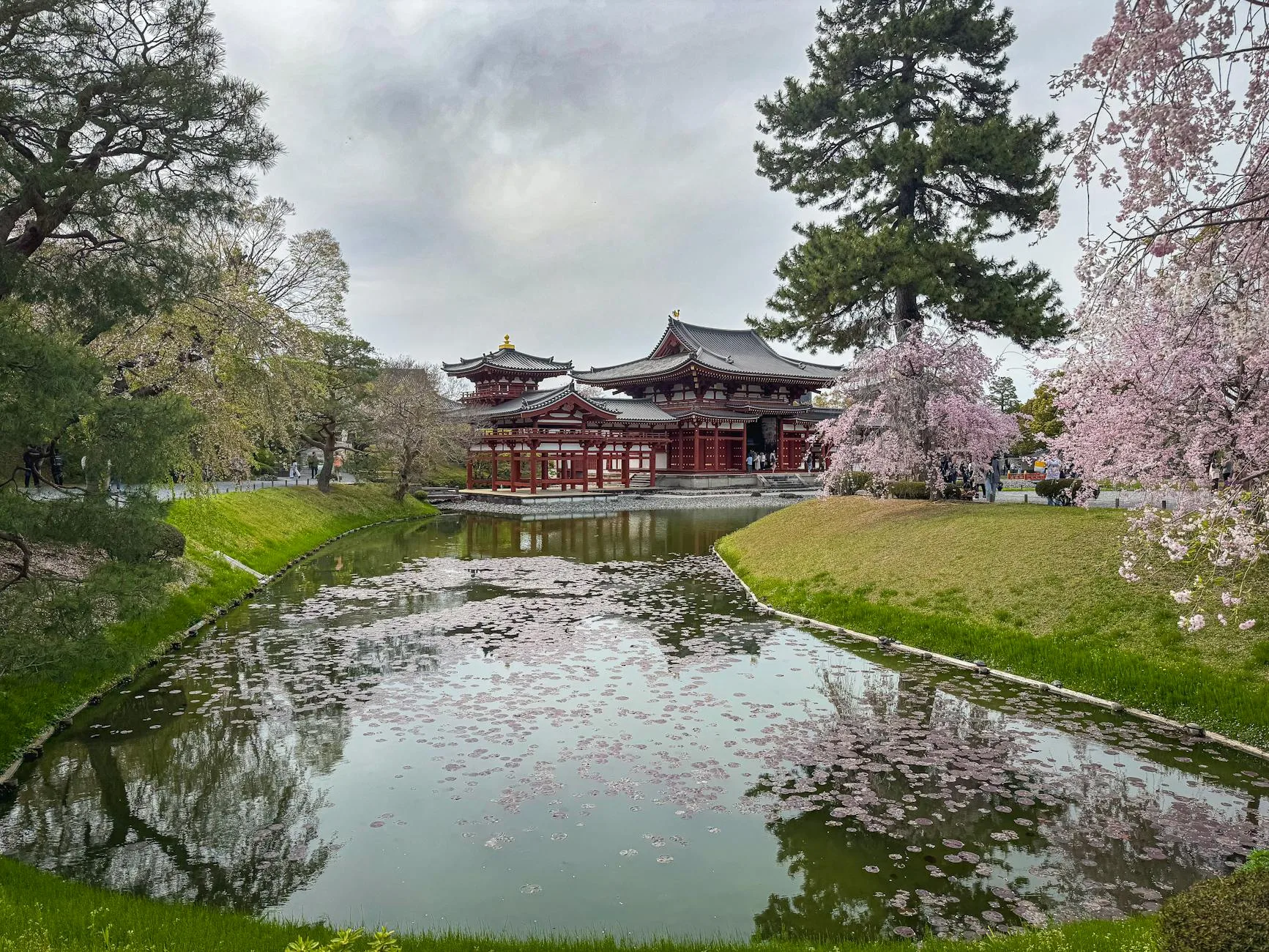
This is where the decision gets emotional, but not in a fluffy way. Kyoto feels better when I’m trying to notice things. A temple gate in the morning, a tiny lunch spot with three tables, a quiet street in Higashiyama after the day crowds thin out. Osaka feels better when I want motion. Neon, traffic, late food, more noise, less self-conscious wandering.
For three days, I think Kyoto’s rhythm is the better fit because it gives you enough variety without changing your whole mood every few hours. Day 1 can be intense. Day 2 can be scenic. Day 3 can be lazy. That range is enough. I don’t need a city to scream at me for three straight days.
I also like that Kyoto punishes bad planning less than people claim. Yes, some spots get busy. Yes, Arashiyama can be a mess by late morning. But if I start early and cluster my stops, I’m fine. The city works best when I stop trying to “cover” it and just move through it in blocks. That’s the simple fix, and honestly it’s why the three-day version works at all.
Best for: People who want a trip that feels calmer without being boring.
Skip if: You need your base to be lively at 10:30 p.m. every night.
My pick: Kyoto gives you a better travel rhythm for a short stay. Osaka gives you more stimulation, but not better use of three days.
What I’d do differently next time
I’d book a hotel closer to Kyoto Station or Gion instead of trying to save a little money farther out. I did the “slightly cheaper, slightly farther” thing and regretted it by day two. Nothing dramatic. Just annoying enough to matter.
I’d also skip one temple and leave more room for food. Kyoto is one of those places where I bought better snacks than souvenirs, and I liked that more than I expected. My best random stop was a convenience-store lunch and a proper matcha parfait in Gion. Not fancy, just useful and good.
I’d also stop pretending I can comfortably do Kyoto and Osaka properly in three days. I can do both badly, sure. I’d rather do one well.
Where I’d Actually Stay in Kyoto
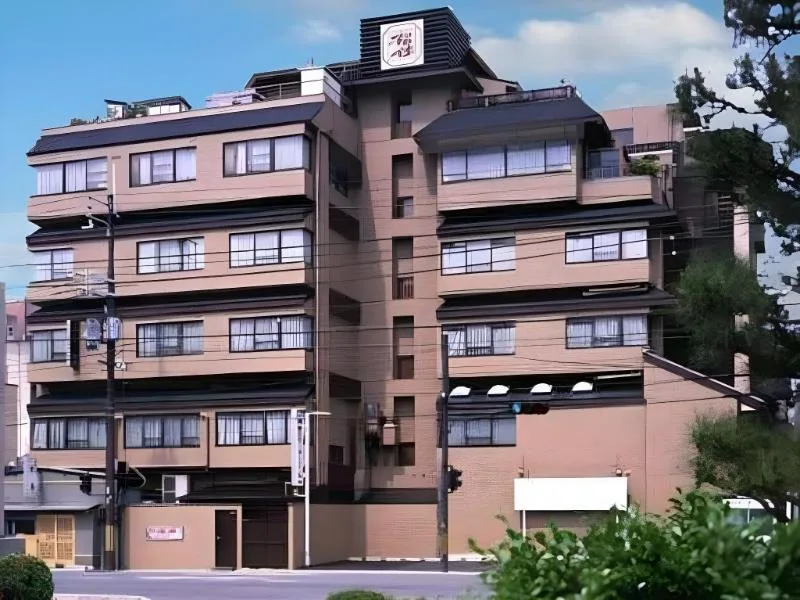
Ryokan Gion Fukuzumi Hotel
Kyoto
★★★★☆
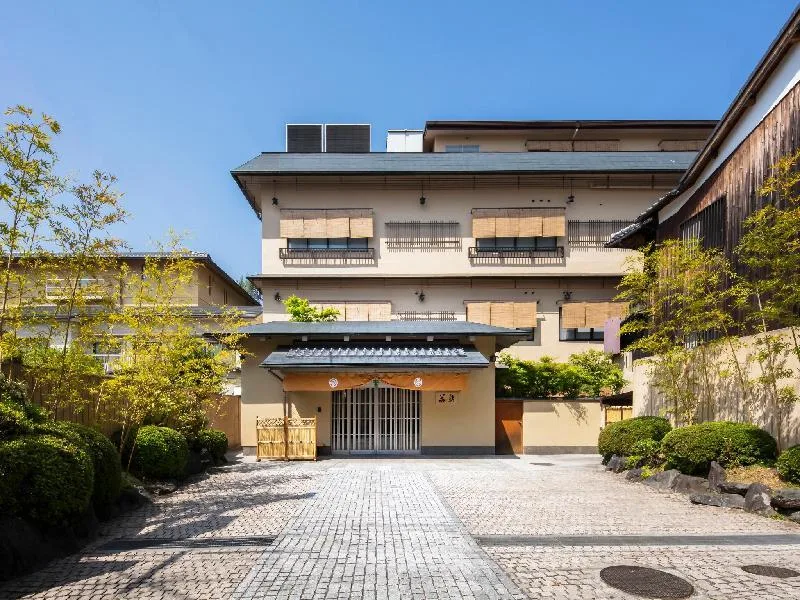
Gion Ryokan Karaku
Kyoto
★★★★☆
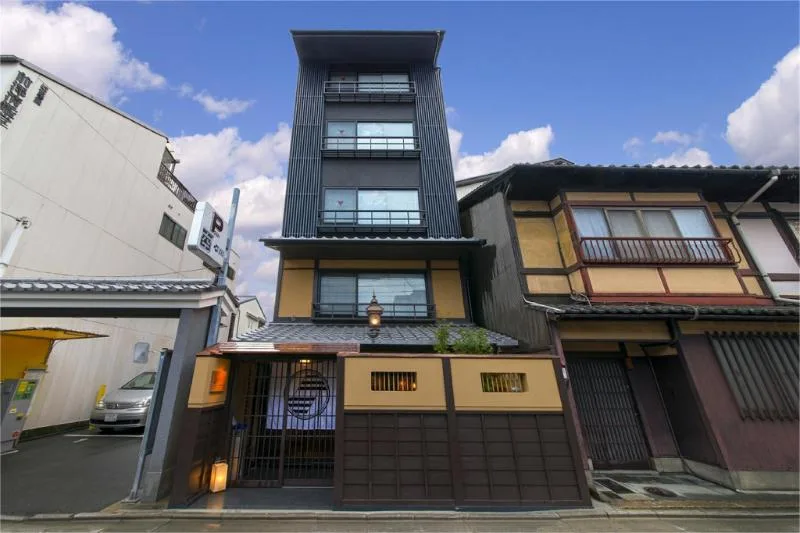
Gion Misen
Kyoto
★★★★☆
I wrote more about common Kyoto tourist mistakes if that helps with your planning.
I wrote more about best area to stay in Kyoto if that helps with your planning.
I wrote more about choosing between Kyoto and Osaka if that helps with your planning.
FAQ
Kyoto or Osaka for 3 days: which is better?
I’d pick Kyoto for three days because the sightseeing is tighter and the days stay cleaner. Osaka only wins if your priority is nightlife, shopping, or saving a bit on the hotel. For a short first trip, Kyoto gives you more of the trip you actually came for. That sounds obvious, but people still get it wrong.
Kyoto 3-day itinerary: how many things can I realistically do?
I’d aim for 2 to 4 major stops a day, not 8. Kyoto sounds compact, but temple time, walking, and lunch break the day up faster than people expect. If you try to do too much, the city starts feeling like a checklist, and that is the quickest way to make a good trip feel annoying.
Kyoto hotel location for 3 days: is Kyoto Station worth it?
Yes, especially if you’re arriving by shinkansen or planning early starts. I’d choose Kyoto Station for convenience, but Gion or central Higashiyama feels better if you want to walk to dinner and see more of the old streets at night. The tradeoff is simple: station access versus nicer evening walks. I usually care more about the walk back than the pretty lobby.
Kyoto day trip to Osaka: can I fit it into 3 days?
Yes, but I wouldn’t make it a priority unless Osaka is a major reason you’re there. The round trip eats time, and that time comes straight out of your Kyoto sightseeing. If you do it, keep it to one short evening or one half-day. A full day sounds efficient until you realize you spent half of it in transit.
Kyoto planning mistake for 3 days: what should I avoid?
I used to spread myself too thin and spend too much time on buses or trains. I’d rather do fewer areas well than rush across the city and remember the platforms more than the places. Early starts fix a lot of this, and so does picking one base neighborhood. Kyoto rewards people who stop trying to conquer it.
If you’re planning things to do in kyoto for 3 days, start with Kyoto as your base and build the trip around clustered days.
 Emma Hayes
Honest hotel reviews and real budget travel advice from someone who’s actually there.