
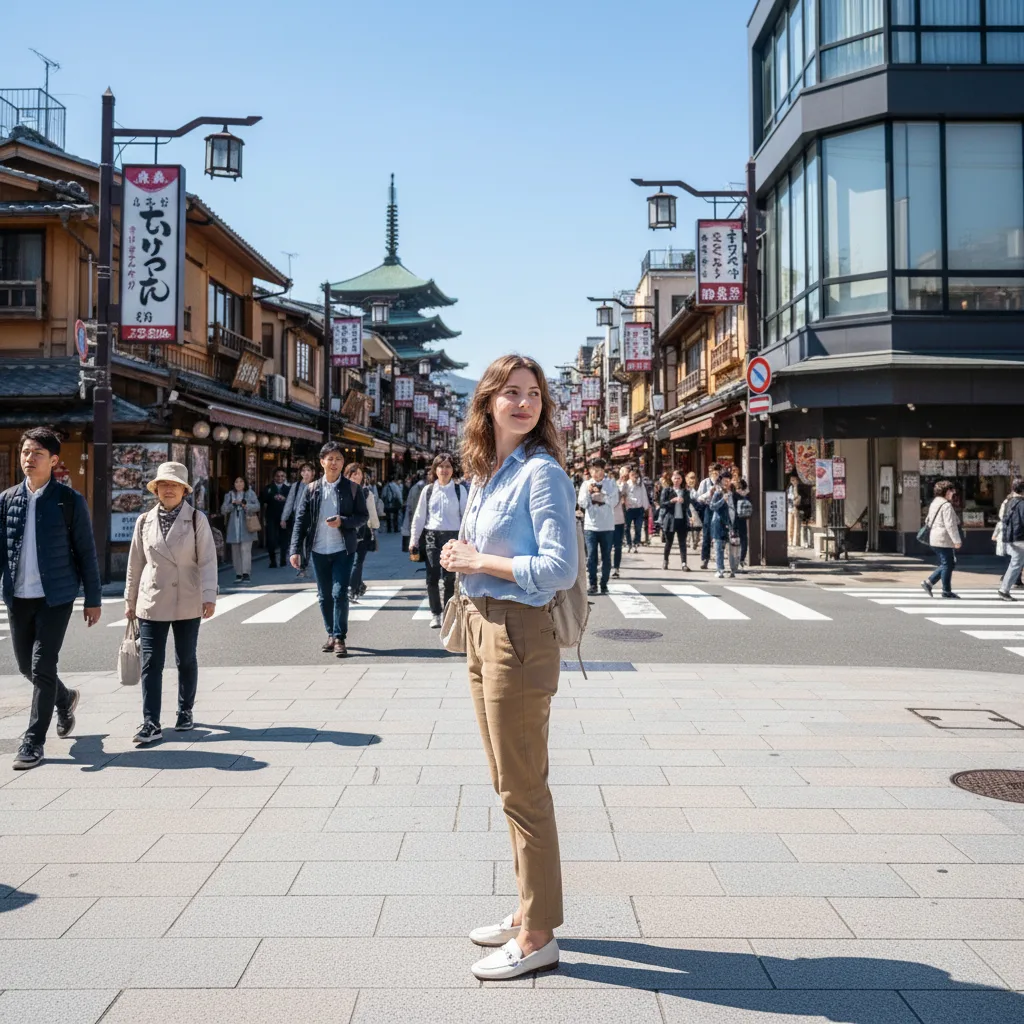
I almost wasted a full day in Kyoto trying to “see everything” on my first visit, which is a dumb way to travel in a city that rewards pacing. The good news: yes, a Kyoto 3 day itinerary first time trip works really well if I keep the days grouped by area instead of zigzagging across the city. This plan is for first-timers who want temples, food, and a little breathing room — not for people who need to tick off every famous spot in 72 hours. What matters most is not how many sights I fit in, but how often I had to backtrack by train or bus. That was the real time-killer.
Quick Answer
- Three days is enough for a proper first pass at Kyoto, as long as I resist the urge to cram in every famous address.
- Best strategy: keep each day tied to one part of the city, then use the subway, JR lines, and the occasional short taxi when walking would just eat the day.
- Skip the “do everything” instinct. Kyoto is calmer, and better, when I leave one or two major sights out. I learned that after trying to fit too much into one trip and spending more time on platforms than in the places I actually wanted to see.
- My pick: this Kyoto 3 day itinerary first time works because it gives you the headline temples and districts without making the whole trip feel like a checklist.
Rough daily estimates per person from my own trip, covering one hotel night, meals, local transport, and paid entry where relevant. Prices shift by season.
Day by Day
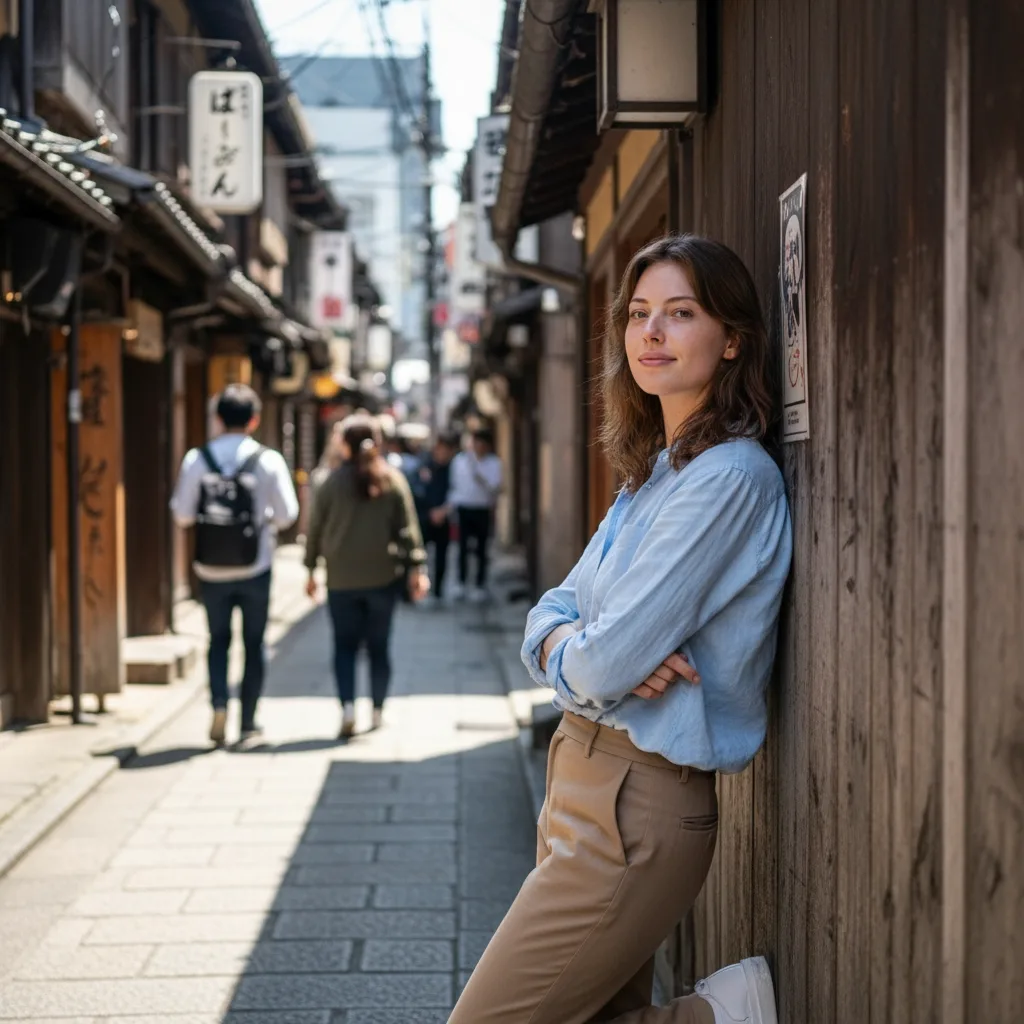
Here’s how I’d split the three days for a Kyoto 3 day itinerary first time: one day for the east side, one for the center, and one for the places that need a little more breathing room. That usually keeps the pacing sane, which matters in Kyoto because the quiet parts are often the point.
Day 1: Central Kyoto, Nishiki Market, and Gion at Night
I always start a first Kyoto trip with the center of the city because it saves me from overthinking transit on day one. The day is light on purpose. I landed, dropped my bag, and used the rest of the afternoon to get my bearings instead of pretending I had temple stamina.
8:30 a.m. — Arrive and check in near Kyoto Station or downtown. If I’m coming in by Shinkansen, Kyoto Station is the easiest base. A taxi from the station to central downtown usually ran me about ¥1,000–¥1,800 depending on traffic, and that was worth it after a long train ride. If I’m already staying elsewhere, I’d keep the morning slow and not force an early cross-city trip.
10:00 a.m. — Walk to Nishiki Market. From central Kyoto, I usually took the Karasuma subway line to Shijo Station, which is around 2–5 minutes and cost me about ¥220, then walked 5–10 minutes. Nishiki is not some quiet old-market fantasy. It’s busy, narrow, and full of snack stalls, which is exactly why I like it for a first day. I bought tamagoyaki on a skewer for about ¥500 and a small pack of tsukemono to take back to my hotel fridge.
Lunch around 11:30 a.m. — Eat in or near Nishiki. I grabbed yuba croquettes and a simple bowl of soba at a tiny counter seat off the market, and that meal kept me going until dinner. If I’m being honest, I don’t think Nishiki is the best place in Kyoto for a “proper” lunch, but it’s very good for eating while wandering. Budget about ¥1,200–¥2,000.
1:00 p.m. — Pontocho or a slow coffee break by the river. This is the part I’d keep loose. From Nishiki, it’s about a 10-minute walk to Pontocho Alley or the Kamo River. I usually sat with iced coffee from % Arabica or a random kissaten depending on mood, which cost me around ¥500–¥800. It’s not a major sightseeing stop. It’s just the pause that keeps the day from feeling too dense.
3:00 p.m. — Kiyomizu-dera or skip it if you’re already tired. From central Kyoto, I took a bus or taxi depending on how crowded things were. A bus is cheap at around ¥230, but traffic can turn it into a slog; a taxi from downtown cost me roughly ¥1,200–¥1,800 and saved a lot of friction. Entry to Kiyomizu-dera is about ¥400. The temple itself is famous for a reason, but the approach roads can get packed, so I’d only do this if I still had energy. Skip if short on time: Kiyomizu-dera, and save your legs for Gion at dusk.
5:30 p.m. — Gion and Hanamikoji at dusk. I walked from Kiyomizu-dera downhill into Gion, which took me about 20–25 minutes. This was the nicest part of the day because it didn’t ask much from me. The streets around Hanamikoji are more atmospheric in the early evening than they are in the middle of the day, when everyone is hunting for photos. I didn’t book anything here. I just walked, looked, and then stopped trying so hard.
7:00 p.m. — Dinner near Gion or back in downtown Kyoto. I ate tofu set meals and simple izakaya dishes in the Gion area, and dinner ran me about ¥1,800–¥3,500 depending on whether I wanted something casual or slightly nicer. If I stayed near Gion, I didn’t need another train. If I went back to downtown, a taxi was usually around ¥1,200. Best for: travelers who want a gentle first day with food, a famous market, and one classic temple stop. Skip if: you’re the kind of person who gets bored without a packed schedule. My pick: keep day one loose so Kyoto doesn’t feel like homework.
I book tours through Klook — popular slots sell out faster than you’d think.
Day 2: Arashiyama, Bamboo, and the West Side of Kyoto
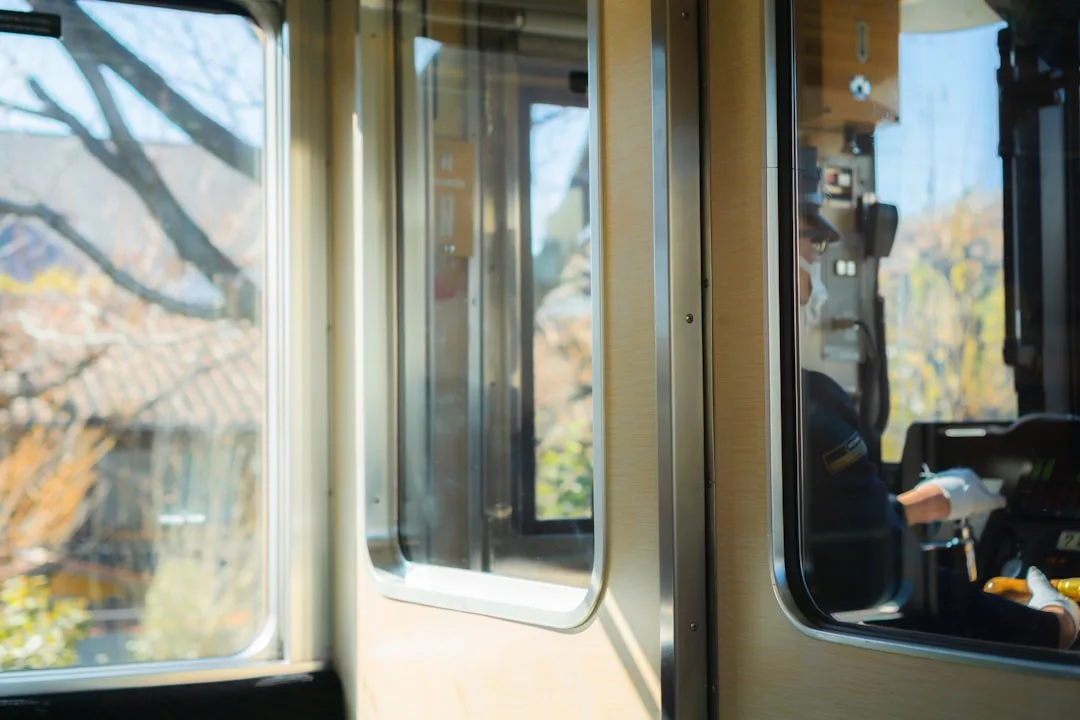
This is the day I’d plan most carefully, because Arashiyama gets crowded fast and the transit only works if I leave early. I learned that the hard way. If I showed up late, I spent more time behind tour groups than actually enjoying the place, and that math never works out.
7:30 a.m. — Leave early for Arashiyama. From Kyoto Station, I took the JR Sagano Line to Saga-Arashiyama Station. It takes about 15 minutes and costs around ¥240 — based on my trip, always good to confirm. From there, it’s a 10–15 minute walk to the main bamboo grove area. If I was staying in central Kyoto, I budgeted about 35–45 minutes door to door. That early start is the difference between a calm walk and a slow shuffle.
8:00 a.m. — Bamboo Grove and Tenryu-ji. The bamboo path itself is short, maybe too short if I’m being picky, but it’s still worth seeing before the crowds pile in. I didn’t linger long. I walked through, then headed to Tenryu-ji, which opens at 8:30 a.m. and costs about ¥500 for the garden, more if I add the temple buildings. I’m not pretending the bamboo grove changed my life. It didn’t. But early in the morning, it’s easy and pleasant, which is enough.
9:30 a.m. — Cross to the Katsura River and Togetsukyo Bridge. This part is free and takes maybe 20 minutes if I’m moving slowly. I usually stopped for a coffee or a cold drink nearby because I knew the rest of the day would involve more walking. If I wanted a proper breakfast, I’d eat near the station before coming out here. Arashiyama food gets pricier near the main drag, and I’d rather not pay extra for a mediocre pastry.
10:30 a.m. — Optional Monkey Park Iwatayama. This is the one activity I’d label as optional, because it’s a steep 20–30 minute hike up the hill and the entry fee is about ¥600. The view is good, and the monkeys are memorable, but I don’t think it belongs in every first-timer itinerary. Skip if short on time: Monkey Park, especially if your legs are already complaining or the weather is sticky.
12:30 p.m. — Lunch in Arashiyama. I ate soba near the station on one visit and yudofu on another. Lunch here usually cost me about ¥1,200–¥2,500. If I’m here in peak season, I’d keep expectations modest. Some of the restaurants are fine, but not every place deserves the line out front. I’d rather eat something simple and keep moving.
2:00 p.m. — Randen tram or taxi to Kinkaku-ji. This is where people waste time if they try to force a bus transfer. I took a taxi once from Arashiyama to Kinkaku-ji for about ¥2,500–¥3,500, and it saved me close to an hour. If I used public transit, I’d expect around 35–50 minutes depending on connections and a fare of roughly ¥230–¥500. Kinkaku-ji entry is about ¥500. It’s polished and famous, but it’s also a quick stop. I wouldn’t build a whole emotional day around it.
4:00 p.m. — Back to downtown or Nishijin for a café stop. After Kinkaku-ji, I’d return toward central Kyoto instead of trying to stack another major temple. If I still had energy, I’d stop in Nishijin for a coffee or a late sweet, then head back to the hotel. This is the part of the day where overplanning gets expensive in both time and patience.
7:00 p.m. — Dinner near Kyoto Station or around Shijo. I usually went for ramen, curry, or a simple set meal after a west-side day. Budget around ¥900–¥1,800. Nothing fancy. I was too tired for a long meal, and honestly, that was fine. Best for: first-time visitors who want Kyoto’s most famous western sights without turning the day into a transport puzzle. Skip if: you hate early starts or you only want one temple day. My pick: Arashiyama works best when I treat it like a morning, not a full-day identity crisis.
Hotel Cards
Where to Stay
If I were doing this again, I’d stay either near Kyoto Station or in the Kawaramachi/Shijo area. Kyoto Station is the cleanest choice for arrivals, day trips, and early starts to Fushimi Inari or Arashiyama. Kawaramachi is better if I want nightlife, restaurants, and easier walking at the end of the day. I don’t think one is universally better. It depends on whether I care more about transit or after-dinner energy.
For Kyoto I used Agoda — they had the best rate for my dates.
Where I’d Actually Stay in Kyoto

HOTEL FORZA KYOTO SHIJO KAWARAMACHI
Kyoto
★★★★☆
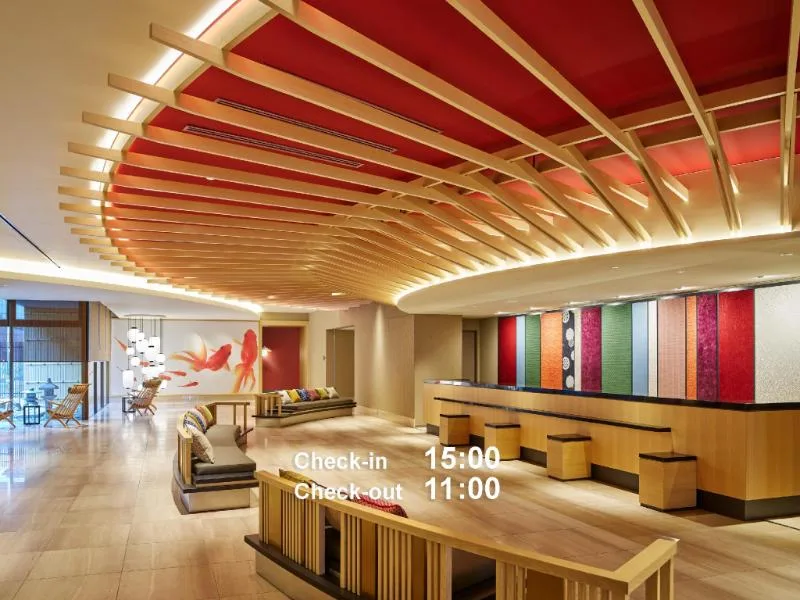
Mitsui Garden Hotel Kyoto Shijo
Kyoto
★★★★☆
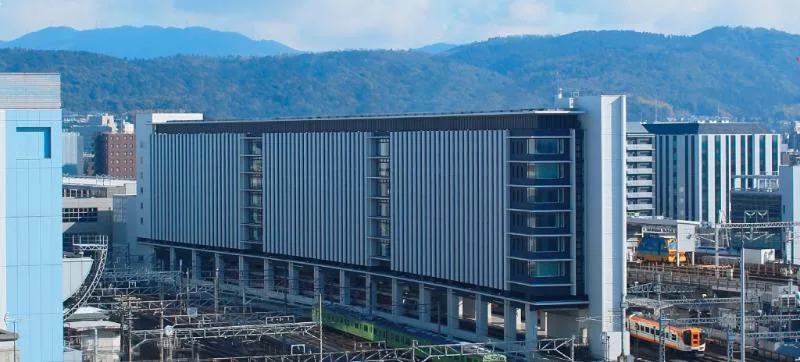
Miyako City Kintetsu Kyoto Station
Kyoto
★★★★☆
A station hotel saved me time on day three, especially when I was dragging luggage and didn’t want to think. Downtown felt better on nights when I wanted to wander to dinner without taking a train. Budget-wise: expect around $70–$130 for a decent midrange room, more if you want a boutique stay or are booking late.
Best for: first-time visitors who want easy transit and no drama. Skip if: you hate staying near train hubs and prefer a quieter neighborhood. My pick: Kyoto Station if this is your first time, downtown if you care more about food and walking out the door after dark.
Day 3: Fushimi Inari, South Kyoto, and a Slow Finish
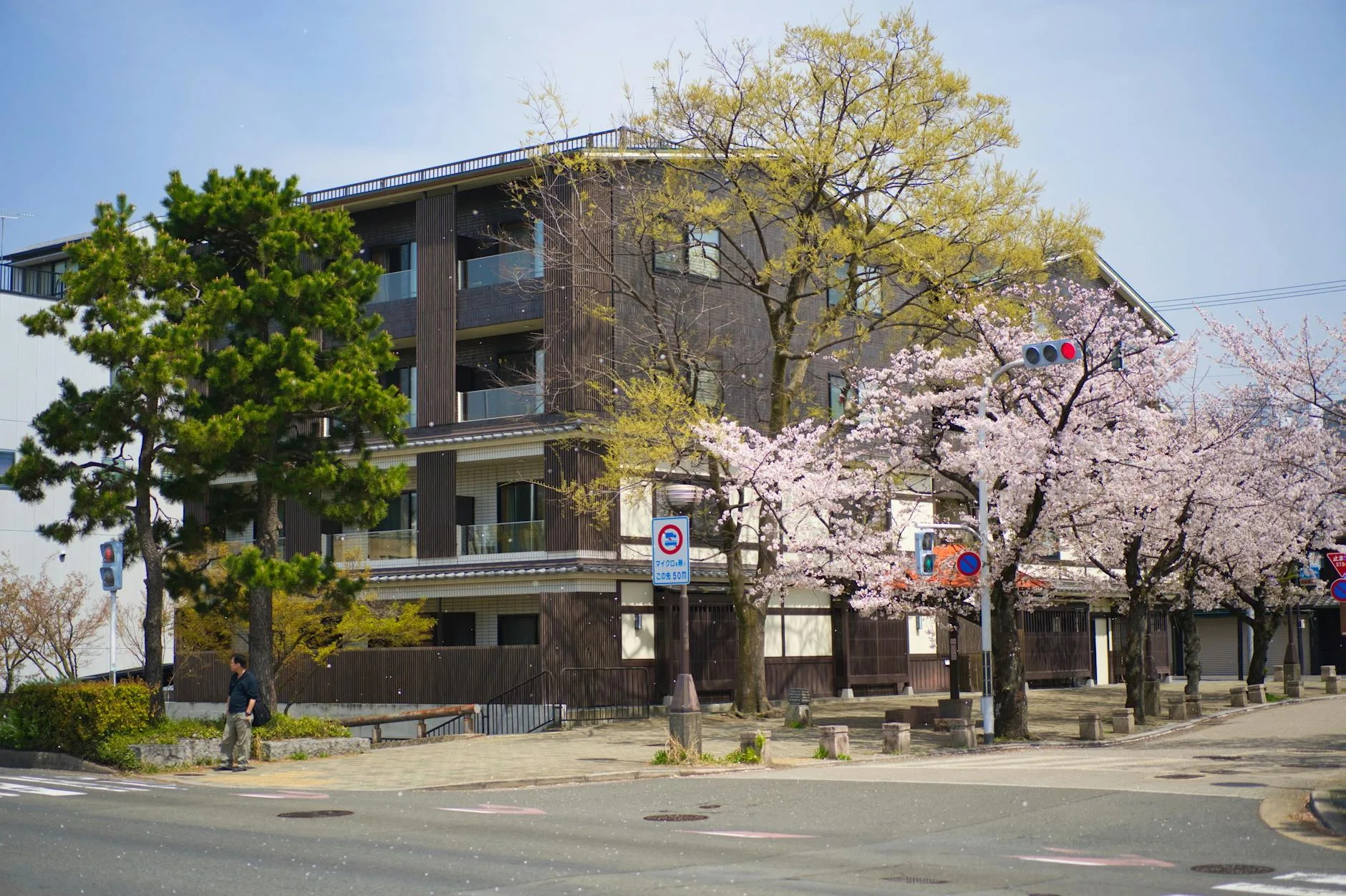
By day three, I wanted something memorable but not exhausting. Fushimi Inari gave me that, though I had to time it right. The shrine is free, which makes it one of the easiest places in Kyoto to fit into a first trip, and the real trick is deciding how far up the mountain I actually want to go.
7:00 a.m. — Head to Fushimi Inari before the crowds. From Kyoto Station, the JR Nara Line gets me to Inari Station in about 5 minutes and costs around ¥150. The shrine is basically across the street. If I got there early, the lower torii gates felt manageable. If I arrived later, I’d be walking in a human chain. I prefer early. Less talking, less stopping, better photos, less of that weird shoulder-to-shoulder drift.
7:15 a.m. to 9:30 a.m. — Walk partway up the mountain. I never think I need to reach the top unless I’m in a hiking mood. The full loop can take 2–3 hours, but for a first trip I think the lower and middle sections are enough. I usually went until the crowds thinned and the path got quieter, then turned back. That gave me the visual payoff without eating the whole morning. Skip if short on time: the full summit. The lower torii sections are the part most people actually want.
10:00 a.m. — Breakfast or late snack near Inari Station. I picked up inari sushi and a small rice ball from a convenience store more than once, which came to around ¥300–¥600. Not glamorous. Also not a problem. Sometimes the best move is eating something fast before the next train, especially if I know I’ll want a real lunch later.
11:00 a.m. — Move to Tofuku-ji or Higashiyama depending on energy. If I want one more temple, I’d take the JR line or a short taxi to Tofuku-ji, which is only a few minutes away from Kyoto Station and costs around ¥150 by train or about ¥1,000 by taxi from the Fushimi Inari area. It’s a quieter stop than the headline sights. I like it for that reason. If I’m tired, I’d skip it and go straight to lunch. Skip if short on time: Tofuku-ji, unless you really want one last temple visit.
12:30 p.m. — Lunch in central Kyoto or back near Gion. This is when I’d spend money on a nicer meal if I wanted one. Kyoto kaiseki can get expensive fast, but a moderate lunch set often lands around ¥2,500–¥4,500, and that felt more reasonable than doing the same thing at dinner. I had a tofu set near Higashiyama once that was calm, clean, and not too much food. Good middle ground.
2:30 p.m. — Free afternoon for shopping, cafés, or a final temple if you insist. I’d keep this part open. If I wanted souvenirs, I’d head back to Nishiki or the streets around Kawaramachi for matcha snacks, ceramics, or small gifts. If I wanted one last sight, I’d choose Kennin-ji or Kodai-ji rather than cramming in something across town. Transit here is easy by subway or taxi, but I wouldn’t spend the afternoon racing around. Not worth it.
6:00 p.m. — Final dinner with a view or just near your hotel. I’ve done both. A river-view dinner sounded romantic until I realized I was mostly hungry and slightly sunburned, so some nights I just ate near Kyoto Station and called it a win. Budget about ¥1,000–¥3,000 depending on how much I wanted to mark the last night. Best for: travelers who want Kyoto’s iconic shrine, one quieter temple option, and a soft landing for the final afternoon. Skip if: you’re already templed-out. My pick: save the afternoon for whatever you actually feel like doing, because the best part of day three is not overcommitting.
Cost Breakdown
For a Kyoto 3 day itinerary first time, I’d budget about $450–$550 total if I’m staying midrange and moving around without trying to do everything the expensive way. Mine broke down roughly like this: around $140–$170 a night for a decent hotel or simple ryokan, $25–$35 a day for food if I kept it casual, and another $15–$25 a day for transport once you add buses, trains, and the odd taxi. That puts day one in the $160 range, with day two usually the priciest if I’m doing more sightseeing and eating out, and day three a little lighter if I’ve already covered the big-ticket spots.
The best value I found was a small lunch near Gion for about $12 that was better than it had any right to be. I’d pay that again without thinking. The taxi I took back after dinner was the opposite kind of spend: about $18 for a short ride that saved me from dragging myself across town after a long day, and that was worth every yen. What didn’t feel worth it was a pricier kaiseki dinner that pushed past $70 before drinks. Good, yes. Memorable enough to justify the bill? Not really, not for a first trip when there’s already so much else to spend on.
If I were tightening the budget, I’d cut one fancy meal before I cut the taxi or the nicer room. Kyoto is easy to overspend on in small, polite ways. A few hundred yen here, a few thousand there, and suddenly the total looks less relaxed than the trip felt.
Transport Tips
Kyoto works best for me when I keep the city in chunks instead of bouncing all over the map. Kyoto Station is the easiest base for early starts and day trips, while downtown near Shijo or Kawaramachi makes evenings easier. I only used taxis when they saved real time, like between Arashiyama and Kinkaku-ji or from downtown to Kiyomizu-dera. For this Kyoto 3 day itinerary first time plan, that balance kept the days calm instead of turning them into transit homework.
Yes, I think this is a strong first-trip Kyoto plan because it keeps the city in manageable pieces. The tradeoff is that I leave out a lot of smaller temples and museums, but that’s the point — three days is tight. If I tried to cover everything, I’d spend more time on transit than in the places I came for.
I’d skip one of the “famous but fast” stops, probably Kinkaku-ji, if I only had three days and wanted more breathing room. It’s photogenic, but the day gets better when I don’t force another taxi or bus ride just to say I saw it.
I’d also book one nicer lunch instead of trying to make every meal cheap. Kyoto food is part of the trip, and I underplayed that on my first visit. Finally, I’d start Fushimi Inari even earlier. Twenty minutes matters more than I expected.
Best for: travelers who like honest itineraries with a little slack built in.
Skip if: you want a hyper-efficient temple marathon.
My pick: cut one sight, not your lunch.
I pre-booked on Klook the night before — skipped the entire ticket line.
I wrote more about common Kyoto tourist mistakes if that helps with your planning.
I wrote more about best area to stay in Kyoto if that helps with your planning.
I wrote more about Nara day trip from Kyoto if that helps with your planning.
FAQ
Kyoto itinerary for first trip: is this good for a first visit?
Yes. For a first trip, this is the kind of Kyoto plan that actually lets you see the city instead of just collecting temples like receipts. Three days is still tight, so I’d rather build a route that feels realistic than pretend you can do everything and still enjoy lunch.
Kyoto budget for 3 days: how much money do I need?
I’d plan on roughly $450–$550 for three days in Kyoto if I’m staying somewhere midrange, eating well without getting precious about it, and using trains, buses, and the odd taxi when my feet have had enough. That number goes up quickly if I book a nicer ryokan or decide I suddenly need kaiseki every night, which is a very Kyoto problem to have.
Kyoto without a car: can I do this itinerary without driving?
Yes, and I would. The one time I tried to think, maybe a car would make this easier, I ended up staring at a parking sign near Gion that seemed designed to discourage optimism. Kyoto traffic can be slow in exactly the places you want to move fastest, and once you add parking fees and one-way streets, the whole thing stops feeling elegant. Trains, buses, and taxis are much less annoying here.
Kyoto 2 day itinerary: what should I skip if I only have 2 days?
If I only had two days, I’d skip Kinkaku-ji first. Then I’d cut either the Monkey Park or Tofuku-ji, depending on whether I wanted a more active day or a quieter one. Two days is enough for one western Kyoto day and one eastern or southern Kyoto day. It is not enough for both, plus detours, plus a leisurely coffee stop just because the weather is nice.
Kyoto where to stay: what area is best for a short first visit?
For a first visit, I’d stay near Kyoto Station if I want the easiest logistics and the least amount of dragging luggage through the city. If I care more about evening walks, dinner options, and a little atmosphere after dark, I’d pick Kawaramachi or Gion. I’ve done both, and the difference is simple: one is practical, the other is prettier when you’re tired.
Best for: first-time visitors who want a realistic Kyoto plan with famous sights, good food, and enough time to enjoy the city without sprinting. Skip if: you need to see every headline temple in one trip or you hate early mornings. Next time: I’d cut one fast-famous stop and spend that time on a slower meal or an extra hour in Gion. If you’re planning kyoto 3 day itinerary first time, start with the neighborhoods that save you the most backtracking.
 Emma Hayes
Honest hotel reviews and real budget travel advice from someone who’s actually there.