Short answer: yes, but only as a day trip. I assumed it would obviously be worth it before I went. It almost wasn’t — not because Nara is bad, but because I kept measuring it against the train time and the half-day it costs you in Kyoto, and that math gets uncomfortable when you’re already short on days in Kansai. My call: stay in Kyoto, and only go to Nara if you can genuinely spare a full day and you actually want deer, big temple grounds, and a pace that’s noticeably slower.
Go if you want a clean, easy day trip with almost no planning. Skip it if your Kyoto itinerary is already packed, you’d rather spend that day in Arashiyama or Higashiyama, or the idea of being aggressively headbutted by a deer sounds less charming than advertised.
What changes this decision is time, not money. Getting to Nara is cheap. But it still eats half a day once you add the train ride, the walk from the station, and a real loop through the park and Todai-ji. I didn’t account for that properly on my first pass, and I felt it.
Quick answer: Kyoto is the better base if you only have 1–2 days in the region.
Train time: about 35–45 minutes from Kyoto to Nara.
Typical day trip cost: around 720–760 yen one way, plus 200 yen for deer crackers — which I bought immediately and slightly regretted.
- My pick: stay in Kyoto and treat Nara as a side trip only if you have 3+ full days in the region.
- Best for Nara: first-timers who want deer, Todai-ji, and a manageable day with minimal transit stress.
- Best for Kyoto: travelers who care more about food, neighborhoods, temples, and evening atmosphere than adding one famous day trip to the list.
- Tradeoff: Nara is simpler and slower. Kyoto gives you more to do per hour if you use it well.
Why I’d keep Kyoto as my base
Kyoto gives you more payoff for the same travel time. That sounds blunt, but it’s accurate. The city has enough to fill several days without pushing you onto another train, and once I started moving between Kiyomizu-dera, Gion, Nishiki Market, and the river area, I stopped feeling like I needed an escape hatch.
Nara is easy from Kyoto, but Kyoto is the stronger base for a first trip because the city itself is the destination. You can leave your hotel after breakfast, walk to a temple, grab a coffee and something cheap to eat, then keep going without the day turning into a logistics puzzle. Nara doesn’t beat that unless your main goal is a quieter, more compact outing.
Best for: Kyoto base if you want flexibility, real food options, and late-day wandering.
Skip if: you’re the kind of traveler who needs a clear “big sight” by lunch or you’ll get restless.
Kyoto also handles bad weather better. If it starts raining, I can duck into a covered arcade, sit down for noodles, or change neighborhoods. In Nara, once you’ve committed to the park-and-temple loop, the day is more fixed. Not dramatic, just less room to adjust.
The strongest case for going to Nara from Kyoto
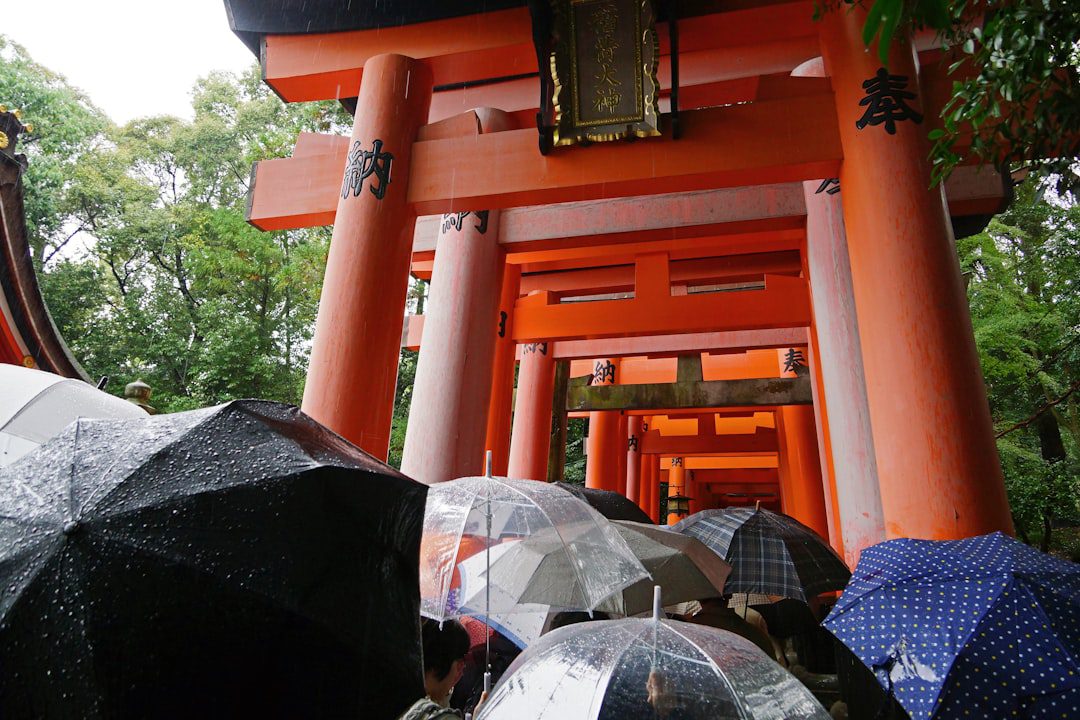
Nara works when you want one concentrated day and don’t want to overthink it. From Kyoto Station, the JR Nara Line Rapid gets you to JR Nara in about 45 minutes and usually runs around 720 yen one way. Kintetsu from Kyoto Station to Kintetsu Nara is a little more convenient for the park side, roughly 35 minutes and often around 760 yen depending on the route. I used both on different trips, and the gap is small enough that your departure station matters more than the fare.
Once you’re there, the city is easy to read. Nara Park, Todai-ji, Kasuga Taisha, and Kofuku-ji sit close enough together that you can walk the core loop without needing buses. I liked that. No need to plan six transit steps just to see one temple.
The deer are the obvious draw, and yes, they’re genuinely entertaining for about 20 minutes. After that, they’re just hungry animals with zero shame. I bought deer crackers for 200 yen, and one deer immediately started nosing through my bag like it was paying rent. Funny once. Less so the second time.
Best for: travelers who want a low-effort day trip with one clear theme.
Worth it if: you’re fine leaving Kyoto early and getting back before dinner.
Todai-ji also does something Kyoto’s temple circuit doesn’t always manage: it lands differently. The Great Buddha Hall is large in a way photos don’t quite catch. After a few days of temple-hopping, that shift in scale is actually useful. I’m not saying it’s more affecting. I’m saying it registers differently, and that matters if you’re starting to blur temples together.
When I’d skip Nara and stay in Kyoto instead
If you’re short on days — and most first trips are — I would not give one of them to Nara. Two days in Kyoto is already a tight window. I’d use that time for Fushimi Inari at dawn, Kiyomizu-dera, a proper lunch, and one slow evening somewhere along the Kamo River or in Pontocho. That’s a better day.
For Kyoto I used Agoda — they had the best rate for my dates.
See current Kyoto hotel prices on Agoda →
Nara also gets less interesting if you’re not into the deer angle. I know that sounds obvious, but a lot of people treat it like a required stop just because it’s close. It isn’t required. If animals wandering around a park don’t excite you, you’re mostly going for temples you could already be seeing in Kyoto.
The transit itself isn’t hard, but there’s a drag to it. The real cost is the transition: getting out early, carrying your bag for the day, coming back tired, then resetting to go out again. That’s what makes Nara feel like a detour instead of a highlight when your Kyoto days are already full.
Best for: Kyoto travelers who want to keep the trip tight and local.
Skip if: you only have one full day in Kyoto or you don’t love “one big outing” days.
If I had to put it plainly: Nara is the first thing I’d cut before I’d cut a good Kyoto neighborhood meal or a second temple area. Kyoto has more layers. Nara has one very clean pitch.
Cost Breakdown: time, transport, and daily spend
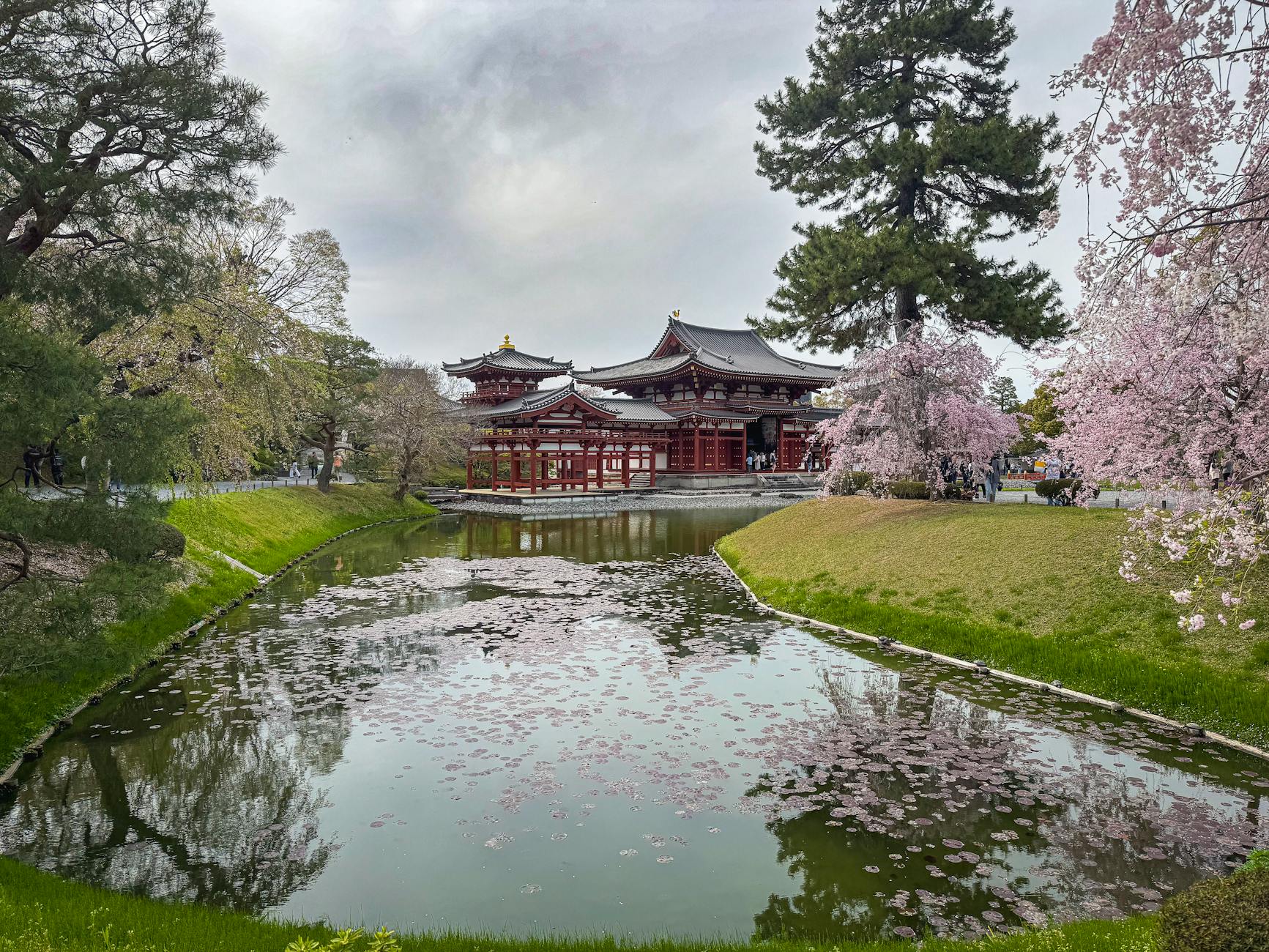
Here’s the part that usually gets skipped. Nara is not expensive, but it costs time, and time is what you’re actually spending.
Train cost from Kyoto: roughly 720-760 yen one way, so around 1,440-1,520 yen round trip depending on whether you take JR or Kintetsu and where you board. Travel time: about 35-45 minutes each way. Actual day length: budget 6-8 hours door to door if you want to see more than just the deer park.
Typical Nara day spend for me: 200 yen deer crackers, 1,000-1,500 yen for lunch, 400-700 yen for coffee or a snack, and maybe 600-1,200 yen in temple entry fees if you stack a few stops. That’s not bad. The bigger cost is losing a Kyoto day.
Kyoto often costs less in transit because you can stack neighborhoods on foot or with short bus or train rides. A Kyoto day can stay under 2,000 yen in local transport if you’re paying attention, and you’re not burning an extra hour on round-trip travel. That’s the difference I actually care about.
Budget-wise: Nara is cheap as a day trip, but Kyoto is better value for a short stay because you don’t spend time getting out of the city first.
If you’re trying to book a Kyoto base, check rates early. The station area and Gion move fast on weekends and during peak seasons. I’ve watched simple rooms near Kyoto Station jump from around $85 to $140 a night when demand spikes — annoying but very real. See all Kyoto hotels on Agoda →
The vibe difference: Kyoto feels layered, Nara feels single-purpose
Kyoto changes by neighborhood. Morning in Higashiyama feels different from late afternoon near the river, and dinner in the station area doesn’t feel anything like dinner in Gion. That variety is why I keep coming back to Kyoto as the base. You can have a temple morning, a real lunch break, and a low-key evening without leaving the city.
Nara is more focused. You arrive, walk the park, see the deer, hit the big temple, maybe push a little farther, then head back. That’s clean. But it also means the day has a ceiling. Once you’ve covered the core sights, there isn’t much left to find.
Best for: Nara if you want a simple, self-contained outing.
Best for: Kyoto if you like switching gears mid-day.
I noticed this most after lunch. In Kyoto, I could pivot. In Nara, I was basically running the same script as everyone else in the park. Not bad — just less room to improvise. And I like improvising, even when I’m pretending I had a plan.
Food also pushes the decision. Kyoto gives you much better odds of stumbling into a good random meal, especially around Nishiki Market, the station, or the noodle spots tucked into side streets. Nara has food, but I didn’t find myself wanting to stay there for dinner. I’d rather go back to Kyoto and spend that meal budget on something I actually want.
The day I almost got annoyed by the deer

I went to Nara on a warm afternoon after telling myself I’d keep it casual. Bad idea. I bought the deer crackers, walked into the park, and within thirty seconds I had three deer behind me like I was carrying contraband. One gently butted my tote bag, which was funny right up until I realized it was going for the cracker packet and not, you know, my dignity.
That was my turning point. Nara is fun when you keep moving and don’t treat the deer like a full-day activity. It gets old when you linger too long in one spot. I took that as my cue to head toward Todai-ji, where the whole thing felt more balanced again.
Decision note: Nara is best as a half-day to full-day trip, not as a loose wander-with-no-plan day.
I also went a bit too late. By the time I was heading back toward the station, I was pushing into the part of the afternoon where everyone else had the same idea. Nothing broke, nothing got dramatic, but I spent more time standing around than I wanted. That’s the kind of thing that makes a cheap day feel longer than it should.
What I’d do differently next time
I’d only go to Nara on a day when I can leave Kyoto early — probably before 8:30am. That gives me enough time for the park, Todai-ji, and one or two extra stops without rushing the return train.
I’d also skip bringing anything I’d hate to have nosed around by a deer. Paper bags, loose snacks, dangling straps — all of that is just asking for it. I learned that the easy way, thankfully.
And I’d stop treating Nara as a “maybe” add-on. It works better when it’s intentional. If I’m not giving it a real chunk of the day, I’d rather stay in Kyoto and use that time for another neighborhood, another meal, or just less transit.
Rough per full day estimates from my own Kyoto-based trip, including a Nara day trip. Prices shift by season.
I book tours through Klook — popular slots sell out faster than you’d think.
Final call: I’d stay in Kyoto and day-trip to Nara only if you have room

Kyoto wins this comparison for most travelers because it gives you more to do without burning a second day on transit. Nara is worth the trip from Kyoto, but it works best as a controlled side trip — not something you force into a packed itinerary.
If you have three or more full days in Kansai, I’d do both. If you have two, I’d keep Kyoto and drop Nara. That’s the cleanest answer I can give, and it’s the one I’d follow myself.
Best for: Kyoto base travelers who want flexible days, better food options, and more variety without switching hotels.
Skip if: you only have a short Kyoto stay or you don’t care about deer and one big temple day.
Next time: I’d get to Nara earlier, run a tighter loop, and head back before the late-afternoon crowd builds.
I usually book Kyoto tours on Klook — the best time slots go fast, especially in peak season.
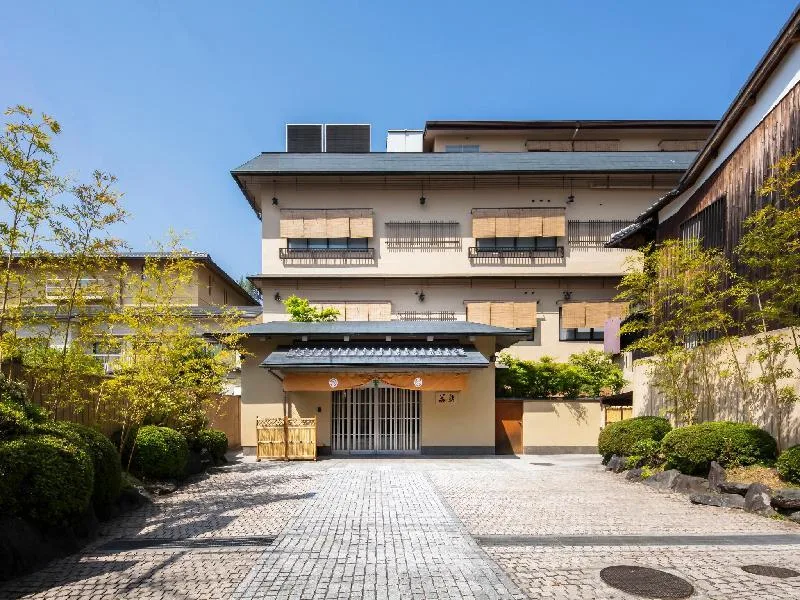
Gion Ryokan Karaku
Kyoto
★★★★☆
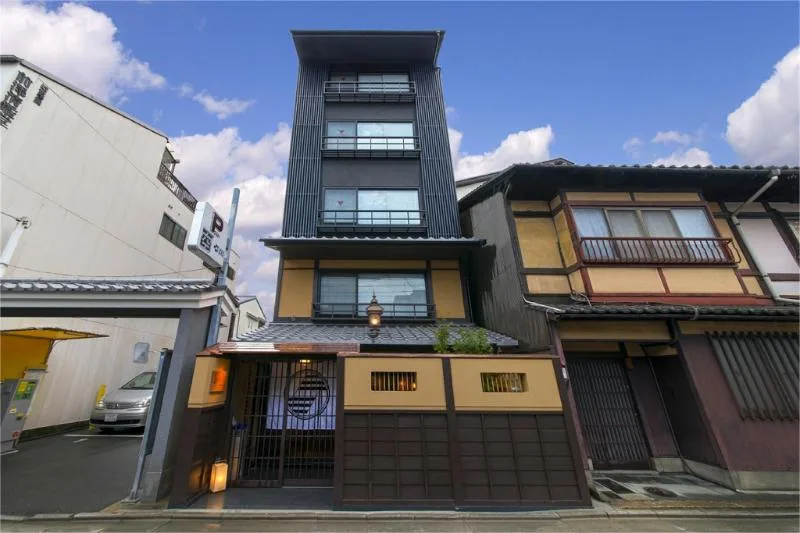
Gion Misen
Kyoto
★★★★☆
 Emma Hayes