
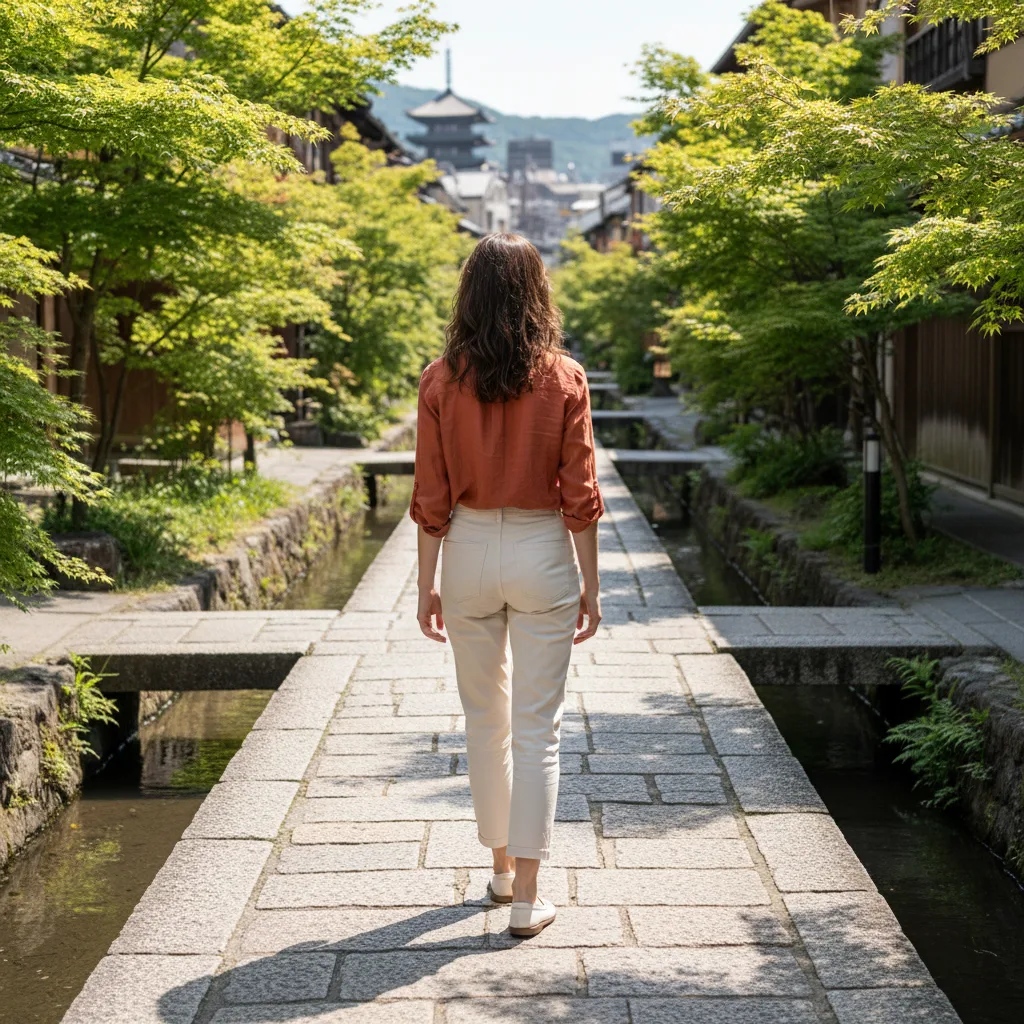
Kyoto was supposed to be my calm base in Japan. It was also the city where I kept changing my mind every morning. If you’re deciding between kyoto or osaka more time, I’d choose Kyoto because it gives you more to do with your days, not just more things to check off. Choose Osaka only if you care more about food, nightlife, and easy movement than temples, neighborhoods, and slower mornings.
The real tradeoff is simple: Kyoto rewards time spent walking, while Osaka rewards time spent eating and hopping around fast. I’ve stayed in both, and Kyoto is the one I’d protect on a short trip. Osaka is the better sidekick. Kyoto is the place I’d give the extra day to.
Quick Answer
- My pick: Kyoto. I’d give Kyoto more time because the city feels different at 8 a.m., after lunch, and again after dark. Osaka is easier, but Kyoto stays with you longer.
- Choose Osaka only if: you want dinner solved fast, nightlife close by, and a base that doesn’t make you think about the walk back so much. I’ve liked Osaka most when I wanted the evening to be simple.
- Main tradeoff: Kyoto asks for more planning and more steps, and I don’t mind that there. The temples, old streets, and quiet neighborhoods are better when you let the city take its time.
- Best trip type: Kyoto for a 3–5 day first trip. Osaka works better for a short stop, or when I want a food-heavy break and less moving around.
Why I’d give Kyoto more time
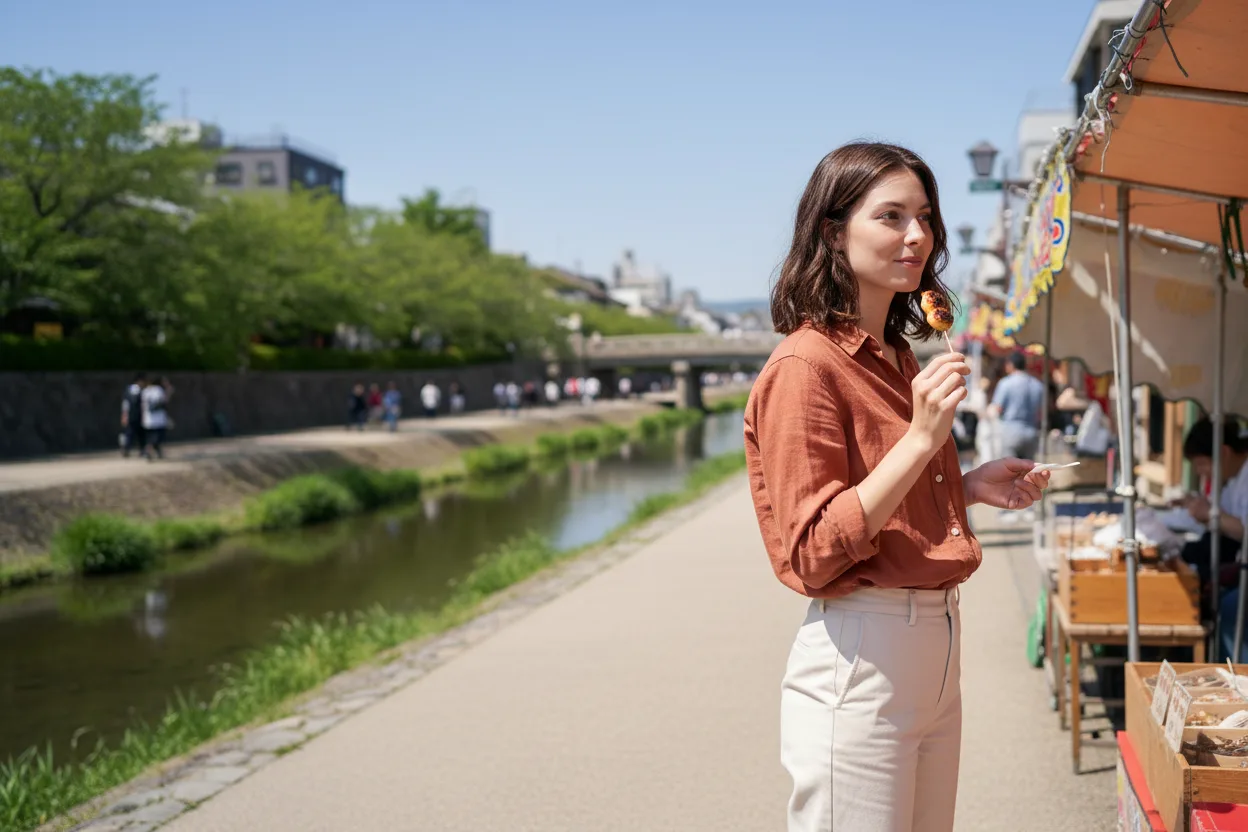
I’d choose Kyoto because the city keeps giving back the more you slow down. My best days there weren’t the ones where I stacked six sights. They were the ones where I started early at Kiyomizu-dera, wandered downhill through Sannenzaka, grabbed a 200-yen coffee, then ended up in Gion after dark when the streets finally cooled off.
That rhythm matters. Kyoto isn’t just a list of temples. It’s a city where the walk between places is part of the point, and the neighborhoods still feel distinct enough that your day changes shape depending on where you start. Arashiyama in the morning feels nothing like Pontocho at night, and Higashiyama has a different pace again. Osaka didn’t give me that same sense of unfolding.
Best for: travelers who like mornings, walking, and old streets that reward patience.
Skip if: you hate moving slowly and want constant stimulation. Kyoto asks for more time, but it uses that time well.
I also liked Kyoto because it’s easier to build a day around one anchor and let the rest happen naturally. I’d do Fushimi Inari at sunrise, then breakfast near Kyoto Station, then maybe Nishiki Market if I hadn’t already burned through my appetite on the train. That kind of loose structure works better here than in Osaka, where I usually felt tempted to keep changing neighborhoods just to keep things moving.
And yes, Kyoto can be crowded. I don’t love it in the middle of the day around the big-name spots. But if you give it more time, you can dodge that pressure. Osaka never really needed that kind of timing strategy from me. Kyoto did, and that’s part of why I’d spend longer there.
Where Osaka wins, and why I still wouldn’t give it the extra day
Osaka is easier. That’s the honest version. The train network is straightforward, the food is cheaper in a casual way, and I never had the same “did I just waste an hour getting across town?” feeling that I got in Kyoto. Dotonbori, Shinsaibashi, and Umeda connect in a way that makes spontaneous wandering feel low-risk.
But easy doesn’t always mean better for time. Osaka is great when you want to keep moving without thinking too hard. I had takoyaki for around 600–800 JPY, okonomiyaki for roughly 1,000–1,600 JPY, and a lot of nights where dinner turned into a second snack because everything was open and obvious. Fine, not great for depth, but very good for momentum.
Best for: first-timers who want food, nightlife, and a city that doesn’t punish improvisation.
Skip if: you’re hoping the city itself will keep surprising you over several days. Osaka is a cleaner fit for shorter stays, or for people who want one lively base and a lot of train access.
What Osaka didn’t give me was the same reason to stay put. I enjoyed it, but I didn’t feel the same pull to protect extra time there. I was more likely to think, “Cool, I’ve seen enough,” which is not the best sign if you’re deciding where to spend your limited days.
Cost Breakdown
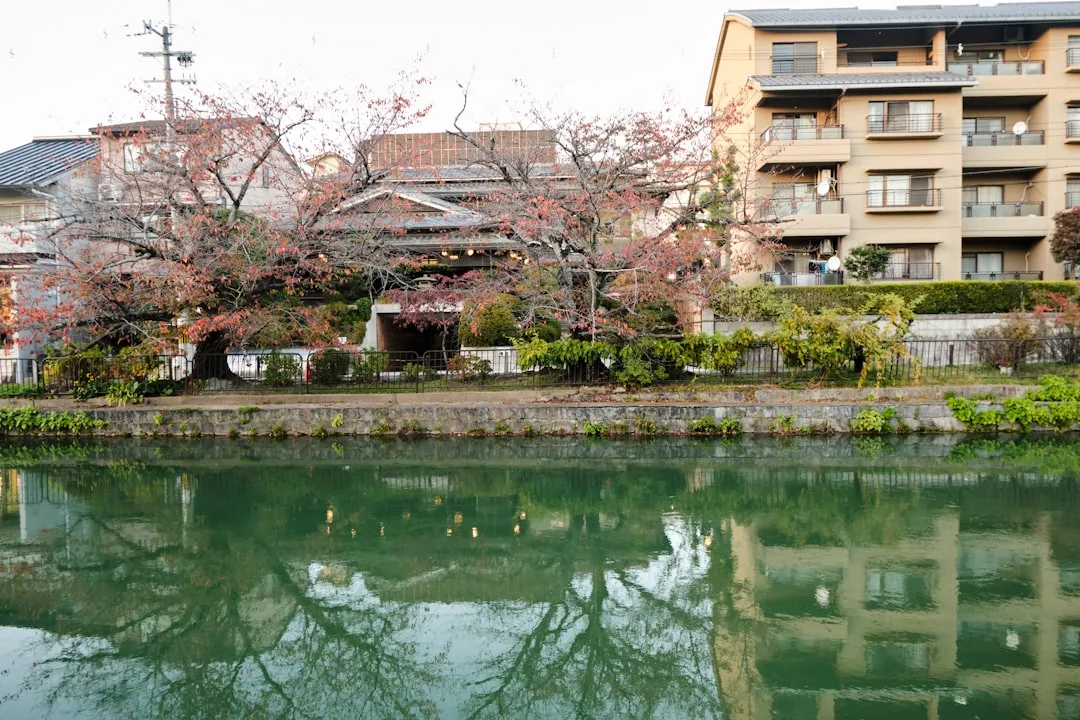
If you’re choosing where to spend more time, the money gap is real but not huge. In Kyoto, I usually paid about $45–$90 per night for a decent private room in a mid-range guesthouse or business hotel, while Osaka often came in around $40–$80 for similar quality. Kyoto can run a little higher near Gion, Kawaramachi, or Kyoto Station if you book late. Osaka felt a bit friendlier on price, especially if I stayed one or two subway stops outside the most obvious areas.
Food is where Osaka can save you a few dollars. I spent about $8–$15 per meal in Osaka pretty easily, especially around casual spots in Namba and Umeda. Kyoto was usually closer to $10–$20 for the same style of day, especially once I started eating near the more tourist-heavy temple zones. Neither city is expensive in a dramatic way, but Osaka is easier on the wallet if you’re eating out three times a day.
Time is the bigger issue. Kyoto’s main sights are spread out enough that a temple day can swallow 45 minutes here, 30 minutes there, and suddenly you’ve lost half your afternoon to buses, hills, and slow walking. Osaka is more compact for the kind of trip most people actually take there. If I wanted to see four neighborhoods in one day, Osaka was simpler.
The convenience tradeoff is this: Kyoto asks for more planning, Osaka asks for less. Kyoto rewards the planning. I don’t think Osaka does, at least not in the same way. If your trip is only 2 or 3 days, that matters a lot. If you’re staying a week, the friction in Kyoto gets easier because you stop trying to do everything at once.
Budget-wise: I’d plan roughly $75–$140 per day in Kyoto and $65–$125 per day in Osaka, depending on hotel choice and how often you eat out. Those numbers assume a mid-range trip, not a shoestring hostel run.
Prices near Kyoto Station can jump fast when weekends or holidays hit, so I always check current rates before locking anything in. See all kyoto hotels on Agoda →
I wrote a more detailed breakdown in Things To Do In Kyoto In March — worth reading if you’re still deciding.
The rhythm is the real difference
Kyoto feels like a city that wants you to slow your shoulders down. I noticed it most in the mornings, when the streets near Higashiyama were still quiet and the first shops were opening one by one. Even the bus rides felt different there, because I was usually heading somewhere with a plan instead of drifting. That pace can be annoying if you’re impatient. It was also exactly why I liked it.
Osaka has a more immediate pulse. You can land, drop your bag, and be in a food district in under an hour without overthinking the route. Dotonbori at night is loud, bright, and a little silly in a way that works if you want energy on tap. Kyoto doesn’t do that. It gives you more pauses, more dead-quiet corners, and more chances to notice the city instead of just moving through it.
Scanner version: Kyoto is better if you want your days to feel layered. Osaka is better if you want your days to feel easy. That’s the difference I’d actually book around.
The part people miss is how each city handles a bad-weather day. In Osaka, rain barely changes my plan. I can duck into malls, arcades, department stores, or food halls and keep going. Kyoto gets more annoying in rain because the whole point is often the walking between places. I think that matters more than people admit when they compare the two cities from a hotel search page.
The day-trip problem I ran into in Kyoto
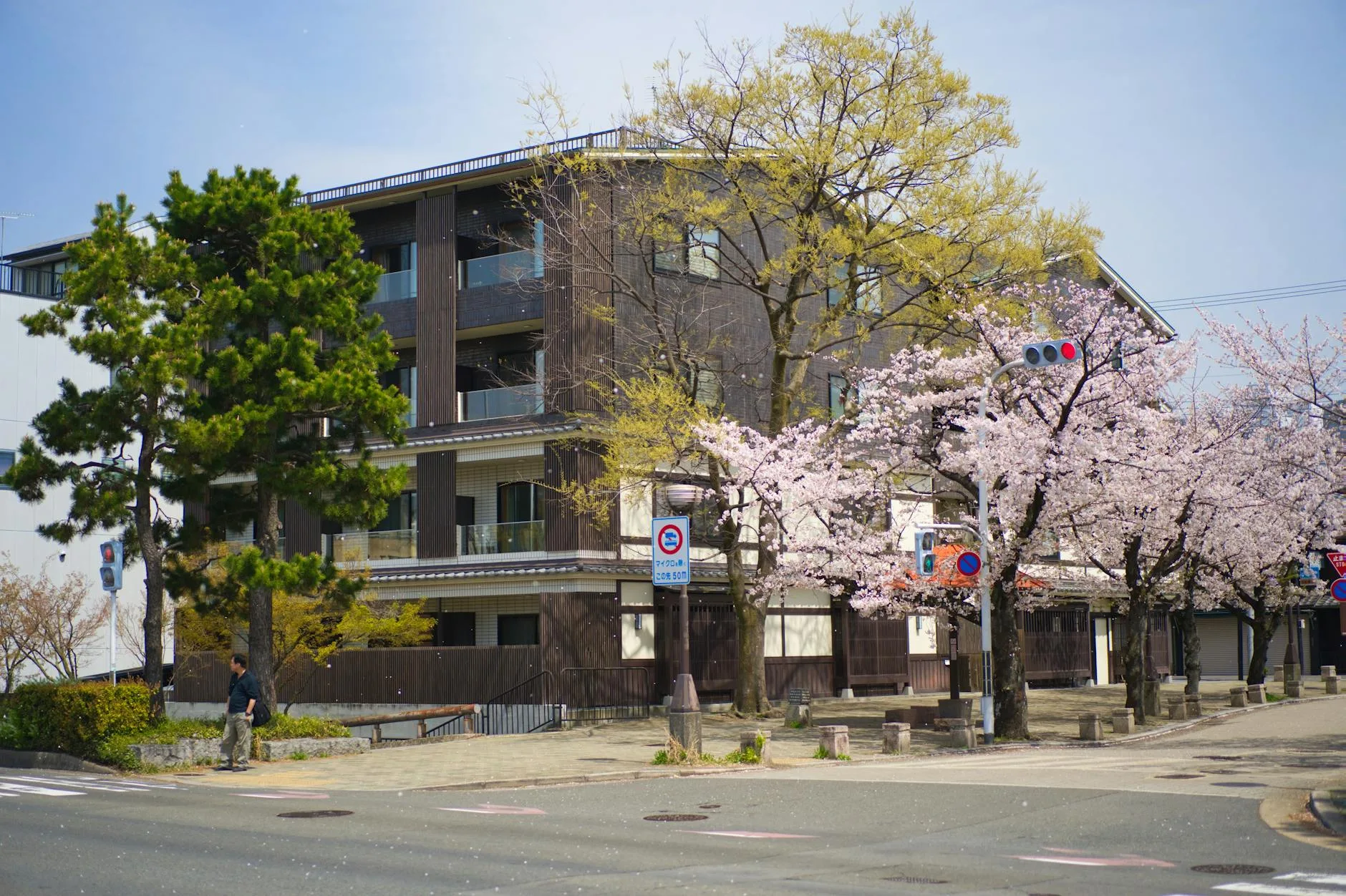
I made one classic mistake in Kyoto: I tried to do too much in one day and paid for it in tiny ways. I started at Fushimi Inari, took the train back, pushed on to Nishiki Market, then tried to squeeze in Kinkaku-ji after lunch. By the time I got there, I was not enjoying the gold pavilion as much as I should have. I was just tired, hot, and mildly annoyed at myself.
That day taught me the real cost of choosing Kyoto for more time. It’s not just money. It’s the energy cost of moving between sights, the time cost of transit resets, and the opportunity cost of cutting one good neighborhood meal short because you wanted one more temple photo. Kyoto punishes overpacking your day more than Osaka does.
What I’d do differently: I’d keep Kyoto to one major area per day and stop pretending I can “just add one more stop.” That math never works out. I’d also book earlier starts, because the city is far better before the crowds arrive.
I book tours through Klook — popular slots sell out faster than you’d think.
What I’d do differently next time
I’d stay in Kyoto longer and Osaka shorter. That’s the blunt version. On my next trip, I’d do three nights in Kyoto and maybe one or two in Osaka, not the other way around. I’d also avoid staying too far from a good rail line in Kyoto, because dragging luggage through narrow streets is a pain I don’t need twice.
I’d eat breakfast more strategically, too. In Kyoto, a quick convenience-store breakfast or a coffee near the station makes more sense than sitting down for a long meal before a temple day. In Osaka, I’d save room for dinner because that city does casual eating better than I expected. I’m still slightly irritated that I didn’t plan my stomach around that.
Best for: a traveler who wants one main city to feel rich over several days, not just efficient.
Skip if: you want your base to do all the work for you without much transit planning.
Rough daily estimates from my own trip per full day in Kyoto. Prices shift by season.
See current Kyoto hotel prices on Agoda →
I usually book Kyoto tours on Klook — the best time slots go fast, especially in peak season.
FAQ
Is Kyoto or Osaka better if I only have three days?
I’d choose Kyoto for three days. Osaka is easier to move through, but Kyoto gives you more distinct days without everything blurring together. On a short trip, I’d rather have one slow temple morning and one neighborhood dinner in Kyoto than spend the same time hopping around Osaka.
Is Kyoto more expensive than Osaka for hotels?
Usually, yes, but not by much. I’ve seen decent Kyoto rooms run about $5–$15 more per night than similar Osaka stays, especially near Kyoto Station or Gion. I once paid a little extra in Kyoto just to avoid a long walk after dinner, and that felt worth it. If you book late or travel during busy seasons, Kyoto’s gap can widen fast.
Can I stay in Osaka and visit Kyoto instead?
Yes, and I’ve done that kind of trip before. It works best if Kyoto is just a day trip and you care more about Osaka’s food and nightlife. I wouldn’t do it if Kyoto is the point of the trip, because the early train and the back-and-forth can drain the day.
Which city is easier for solo travelers, Kyoto or Osaka?
Osaka is easier in a practical sense because it’s simpler to navigate and less spread out. Kyoto feels calmer, but the buses, walking, and site spacing take more mental energy. When I was tired and dragging a bag, Osaka felt easier because I could get from station to dinner without thinking too hard. As a solo traveler, I felt safe in both, but I found Osaka less tiring late in the day.
How many nights should I spend in Kyoto before going to Osaka?
I’d spend at least two full nights in Kyoto, and three if you like temples, neighborhoods, or slower mornings. After that, Osaka becomes the better add-on because the contrast is useful. If you only have two or three total nights, I’d keep Kyoto as the main base and skip trying to split too much.
If you’re planning kyoto or osaka more time, start with Kyoto and give it at least two full nights before you decide whether Osaka needs the extra day.
 Emma Hayes
Honest hotel reviews and real budget travel advice from someone who’s actually there.