
Kyoto was supposed to be easy. It was not. The city looks compact on a map, but where I slept changed my whole trip: one base made temple mornings painless, another made dinner and trains feel effortless, and one would have annoyed me with dead evenings and long, unnecessary transfers. So if you’re asking about the best place to stay in Kyoto for your first time — stay near Kyoto Station if you want the least stressful trip. Stay in Gion or Higashiyama if you want the postcard version and don’t mind paying for it.
If I had to answer the question of the best place to stay in Kyoto for a first time in one line, I’d say Kyoto Station is the safest default. Not the prettiest area. Not the one I’d pick for a slow romantic weekend. But it solves the biggest first-timer problem: getting around without wasting half the day figuring it out. What matters most here isn’t charm — it’s transit access, noise at night, and how much you care about walking to dinner versus riding a train to every major sight.
Quick Answer: Best Place to Stay in Kyoto First Time
- Quick answer: Stay near Kyoto Station if this is your first Kyoto trip and you want easy trains, luggage handling, and simple day trips.
- Best for: first-timers, short stays, early departures, and anyone doing Nara or Osaka as day trips.
- Skip if: you want quiet lanes, old-town atmosphere, or you hate ending every evening in a station district.
- My honest take: Gion and Higashiyama are prettier, but Kyoto Station is the smarter decision if you only have a few nights and don’t want to overthink transport.
Kyoto Station: The Safest First-Time Base
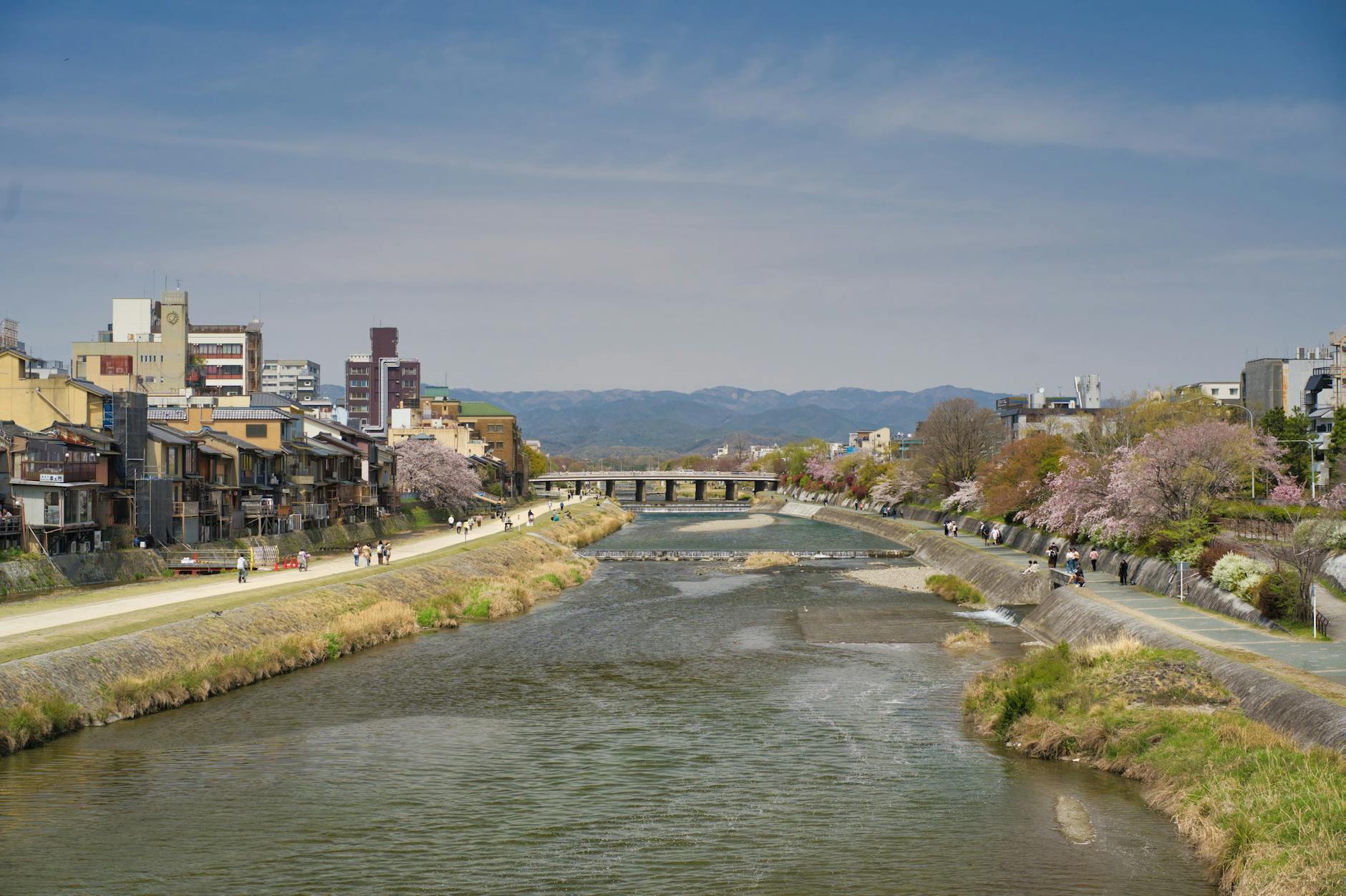
Verdict: stay here if you want the easiest Kyoto trip, not the prettiest one.
Kyoto Station is where I’d book first if I were landing with one suitcase, a rail pass, and zero patience for figuring things out after a long flight. The station has JR lines, the Karasuma subway line, buses, taxis, lockers, convenience stores, and enough food options that I never had to panic when I arrived hungry at 9 p.m. I grabbed an onigiri and coffee at the Ekie area one morning, then caught the JR Nara Line without thinking too hard. That kind of low-friction travel matters more than people admit, especially on day one when your brain is still recalibrating to a new country.
See current Kyoto hotel prices on Agoda →
Best for: first-time visitors, solo travelers, people with luggage, and anyone planning day trips to Nara, Osaka, or even Hiroshima by shinkansen.
Skip if: you want to step outside into narrow lanes, wooden machiya houses, and a slower neighborhood feel.
Main tradeoff: it’s the most practical base in Kyoto, but it can feel like you’re sleeping next to a transit hub instead of inside the city’s old core.
Sleep-wise, this area is mixed. Some streets are quiet enough — especially a few blocks off the main exits — but hotels right by the station can pick up train noise, bus idling, and late-night foot traffic. Walkability is good for station services and okay for casual dinner, but not great if you want to wander into Kyoto’s more atmospheric areas on foot. Transit is the real win: from Kyoto Station I could get to Gion-Shijo in about 10 minutes by train or bus, Arashiyama in around 20–30 minutes depending on the route, and Nara in under an hour.
Budget-wise, I’d expect roughly $70–140/night for a decent business hotel or mid-range chain here, while comparable rooms in Gion and Higashiyama often run $110–220/night. That gap gets noticeably bigger during cherry blossom and autumn leaves season. If you’re booking late, the station area is where I’d look first because rates tend to stay more forgiving than the scenic neighborhoods.
Location consequence: staying here means you’re usually 20–30 minutes from the old temple-heavy neighborhoods, but you gain the easiest possible train connections and the least stressful arrival and departure days.
If I were booking again for a short first trip, I’d look near Kyoto Station before anything else — the good rooms close to the station get snapped up fast on weekends and during any holiday period. See all Kyoto hotels on Agoda →
Gion: Prettier Streets, Higher Price, More Tradeoffs
Verdict: choose Gion if you care more about atmosphere than convenience.
Gion is the area people picture when they imagine Kyoto: narrow lanes, traditional buildings, and the occasional crowd pressing around Hanamikoji Street hoping to spot a geiko. I stayed near here once, and the upside was obvious the second I left before sunrise — I could walk to Yasaka Shrine and the Shijo area without fighting buses or checking train times. The downside showed up at night, when the streets went quiet but the room rate stayed stubbornly high. I kept doing the math in my head and not loving the answer.
Best for: couples, photographers, and first-timers who want to walk out into a prettier part of town and don’t mind paying for the privilege.
Skip if: you’re budget-focused, hate crowds, or want the easiest train access from your hotel door.
Main tradeoff: Gion gives you the Kyoto mood people chase, but you pay more and usually get less room for your money.
Sleep here can be quieter than Kyoto Station once the day-trippers clear out, but it’s not automatically peaceful. Some streets stay active with late walkers, restaurant noise, and tour groups well into the evening — especially closer to the main drags. Walkability is excellent for Yasaka Shrine, Maruyama Park, Kiyomizu-dera, and the Kamo River, but transit is less direct than staying right by Kyoto Station. You’ll rely more on buses, taxis, or short walks to reach other parts of the city, which adds up across a multi-day trip.
Expect roughly $110–220/night here for a good room, sometimes more during peak seasons, versus $70–140/night around Kyoto Station. That price jump buys location, not necessarily space. I’ve booked rooms here that looked charming online and then felt surprisingly small in person — which is honestly a very Kyoto kind of compromise.
Location consequence: staying in Gion means you can walk to dinner and temples, but you’ll spend more time getting to Arashiyama, Kyoto Station, and day-trip departure points than you would from a station base.
Higashiyama: Quiet Mornings and Temple Access
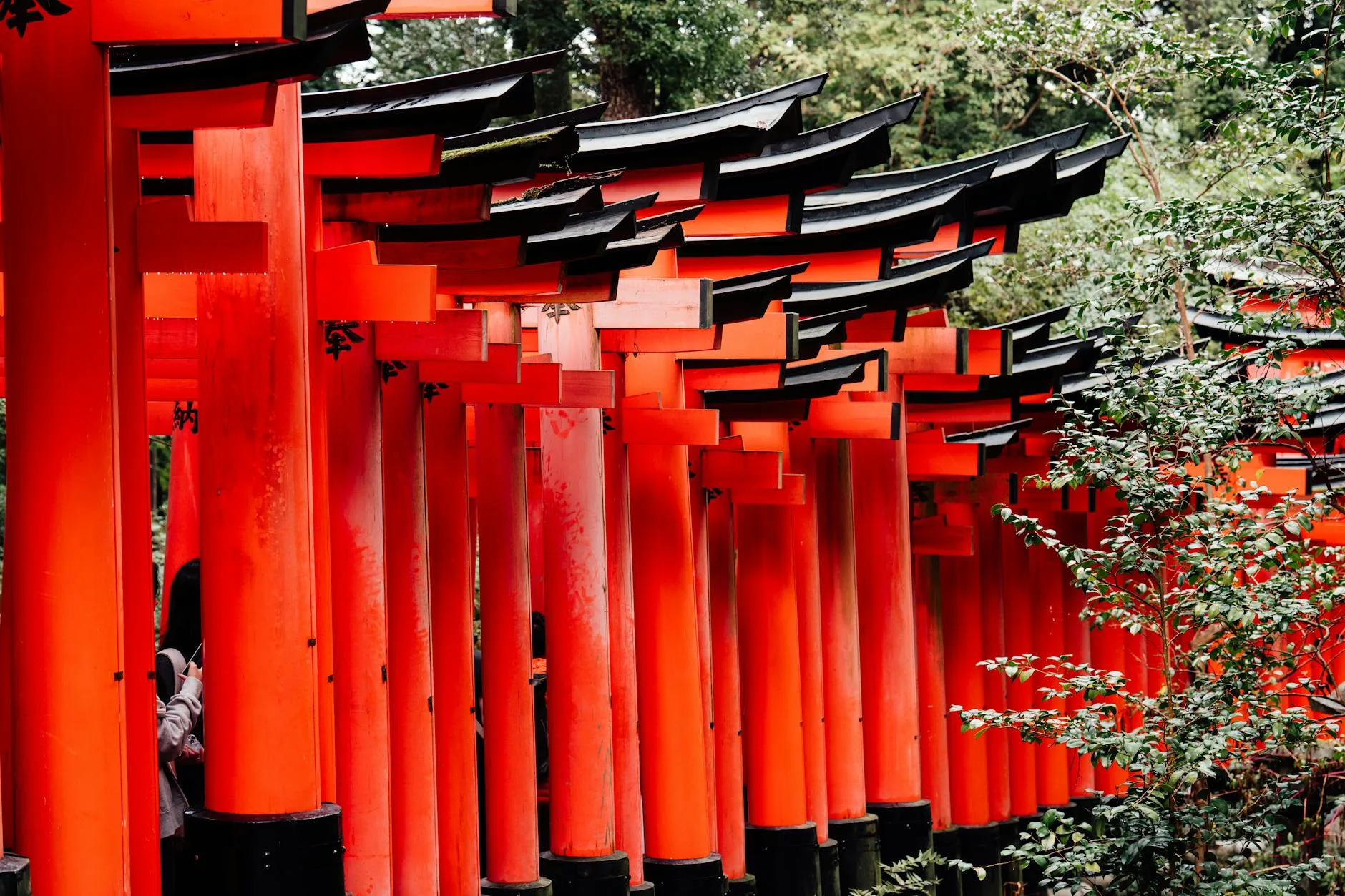
Verdict: stay here if you want early temple starts and a slower night.
Higashiyama is the area I’d choose if my main goal were to wake up early, beat the crowds, and spend my time around Kiyomizu-dera, Kodai-ji, and the lanes connecting them. I walked this area before breakfast once and the whole logic clicked — get out early, see more, leave before the buses arrive. That is a real advantage in Kyoto, because the city’s most famous sights go from calm to crowded faster than you’d expect. I kept wondering why more people don’t just stay here specifically for that reason.
Best for: travelers who care about temples, walking, and quiet mornings more than nightlife or rail convenience.
Skip if: you want a central base for trains, plenty of restaurant options, or easy luggage logistics.
Main tradeoff: Higashiyama is calmer and more scenic on foot, but it’s less practical for getting around the wider city.
Sleep quality is usually good here because the area is less commercially intense after dark. The problem isn’t noise — it’s access. Walkability is excellent for the eastern Kyoto sights, but transit can feel awkward once your plans stretch across the city. Buses are useful, but Kyoto buses are slow and get packed, especially during tourist-heavy hours. I’ve stood on one with a bag pressed against my knee thinking very clearly that this setup was not designed for a first-timer who wants simple logistics.
Budget here sits similar to Gion, sometimes a little higher for boutique stays: expect about $120–230/night for a decent room, versus $70–140/night near Kyoto Station. What you pay for is walking access to the eastern temples and a less frantic evening. What you don’t get is convenience for trains and cross-city movement.
Location consequence: staying here means you’re close to Kiyomizu-dera and the historic east side, but you may spend 30 minutes or more getting to Arashiyama or Kyoto Station depending on the route and time of day.
Karasuma and Downtown: The Balanced Middle
Verdict: pick this if you want food, shopping, and decent transit without station-area blandness.
Karasuma and the downtown stretch around Shijo are the middle ground I actually respect. It’s not as frictionless as Kyoto Station for arrivals, and it’s not as atmospheric as Gion, but it handles everyday travel well. I stayed in this area when I wanted to eat out without planning every meal around a train schedule. I could walk to Nishiki Market, duck into a ramen shop, and still get back to my room without a long taxi ride. That’s a combination that’s harder to find than it sounds in Kyoto.
Best for: travelers who want a central base with restaurants, shopping, and solid subway access.
Skip if: you want the old Kyoto look right outside your door or you’re trying to spend as little as possible.
Main tradeoff: it balances convenience and city life, but it doesn’t give you the strongest Kyoto identity.
Sleep here depends on the exact block. Some streets go quiet after 10 p.m., while others stay active because of restaurants, bars, and foot traffic. Walkability is strong for food, shopping, and the river area, and transit is better than it looks on a map — the Karasuma subway line and bus connections make a lot of Kyoto reachable without a taxi. If I had a longer stay and wanted variety, this is the area I’d consider after Kyoto Station.
Budget-wise, I’d expect about $90–170/night here, which sits between the station and the more scenic eastern neighborhoods. That makes it a reasonable value if you care about eating out and moving around the city without feeling stuck in one tourist pocket.
Location consequence: staying in Karasuma means you can reach the station and Gion reasonably fast, but you still won’t be as close to the major temple areas as you would in Higashiyama.
Arashiyama: Good for a Side of Kyoto, Not the Whole Trip
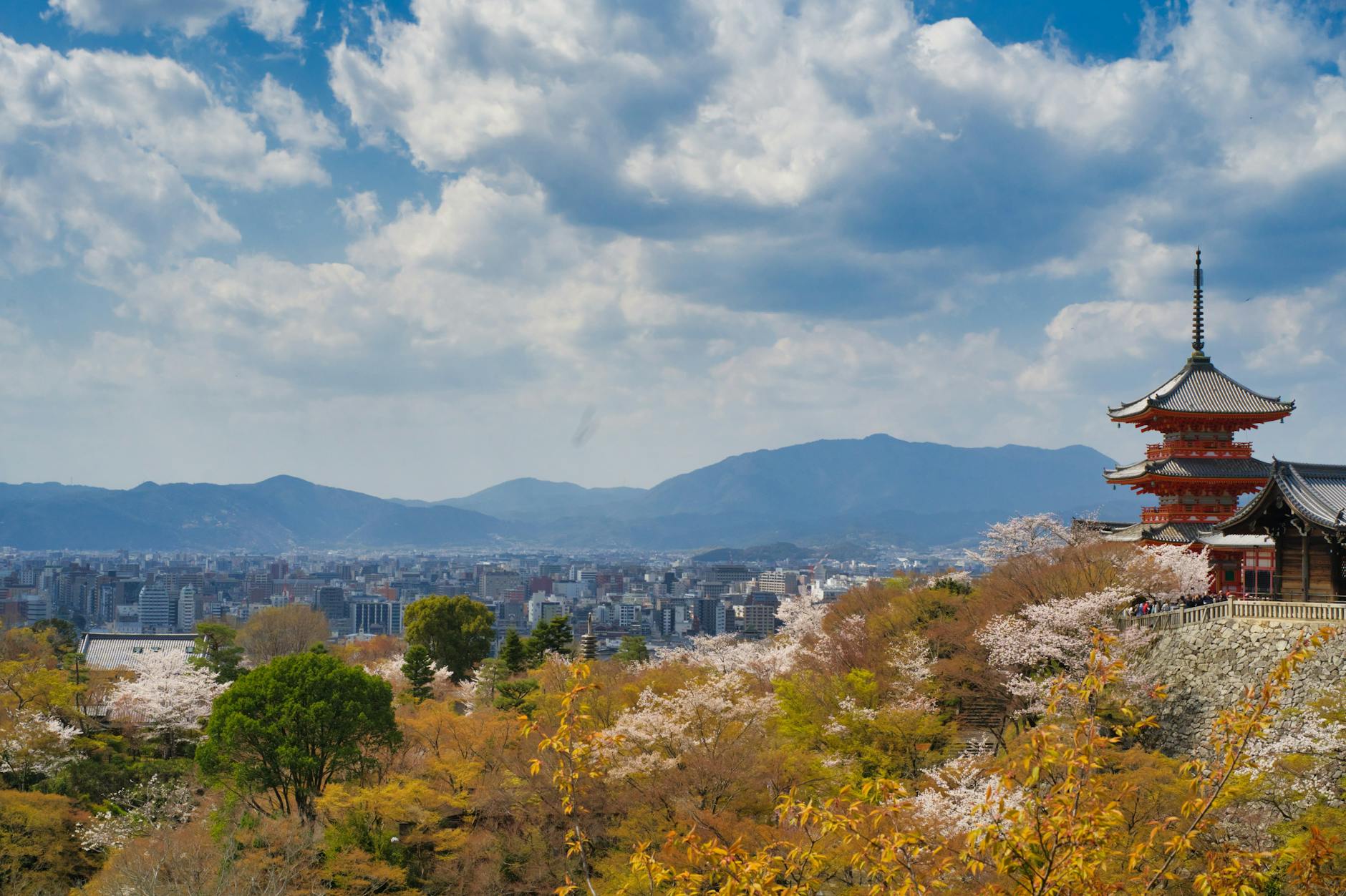
Verdict: stay here only if your trip is built around the bamboo grove and western Kyoto.
Arashiyama is where I’d stay for a very specific kind of Kyoto trip — not for a first-timer doing the standard circuit. The area is genuinely pleasant in the early morning and lovely near the river, but it’s far enough from the central neighborhoods that I wouldn’t make it my only base unless I had several days and a deliberately slow pace. I went there early once, bought coffee, walked before the crowds built — that part was great. Getting back to the center later reminded me that this is a satellite, not a hub.
Best for: repeat visitors, slow travelers, and people who want calm mornings near the bamboo grove and Tenryu-ji.
Skip if: you want easy access to Kyoto Station, Gion, and the city’s main restaurant zones every night.
Main tradeoff: Arashiyama gives you a quieter west-side stay, but it adds real transit time to almost everything else on your list.
Sleep is usually good here, and walkability around the river and temple area is strong. The problem is transit: you’ll need more planning to get downtown, and evenings can feel too quiet if you like wandering for dinner. Budget can range from $90–200/night depending on the style of stay, but the real cost is less about money and more about time. If your whole trip is three nights, I think this is too far out for a first base.
Location consequence: staying here means you’re close to Arashiyama’s sights but can spend 25–40 minutes getting to central Kyoto, which adds up fast when you want to see multiple districts in a single day.
The Night I Realized Kyoto Station Was the Right Call
I had one evening where I arrived back in Kyoto with tired feet, a wet umbrella, and a paper bag of convenience-store snacks because I had completely underestimated how long the day would run. I was staying near Kyoto Station that night, and I remember being grateful in a very boring, very practical way: no thinking required, no taxi needed, no hunting for dinner in the rain. I walked out of the station, crossed to my hotel, and that was it.
That’s the real reason I keep coming back to Kyoto Station for first-time visitors. Kyoto isn’t hard, but it’s spread out enough that a bad base turns every day into small, annoying friction. If you’re arriving with checked luggage, planning day trips, or landing after a long international flight, you want the simplest possible first night. Kyoto Station gives you that.
What I’d Choose Again If I Went Back
I’d stay near Kyoto Station again for my first or shortest Kyoto trip. The reason hasn’t changed: it gave me the cleanest arrival, the easiest day-trip options, and the least stressful departure. I could get from the station area to the east side, west side, and even outside the city without turning every move into a logistics project.
If I were going back for a slower, temple-heavy trip, I’d switch to Higashiyama for the early mornings and accept the transit tradeoff. But for a first visit, the station base still wins — it protects your energy. That matters more than a prettier street view when you only have a few days and want to actually see the city rather than manage it.
I wrote more about best area to stay in Kyoto if that helps with your planning.
I wrote more about where to stay in Kyoto or Osaka if that helps with your planning.
Where I’d Actually Stay in Kyoto
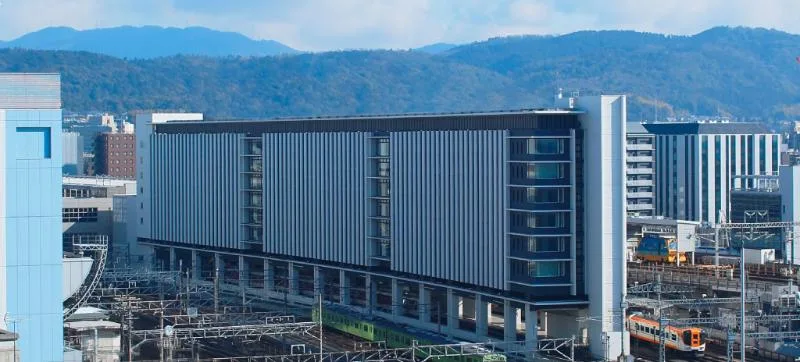
Miyako City Kintetsu Kyoto Station
Kyoto
★★★★☆
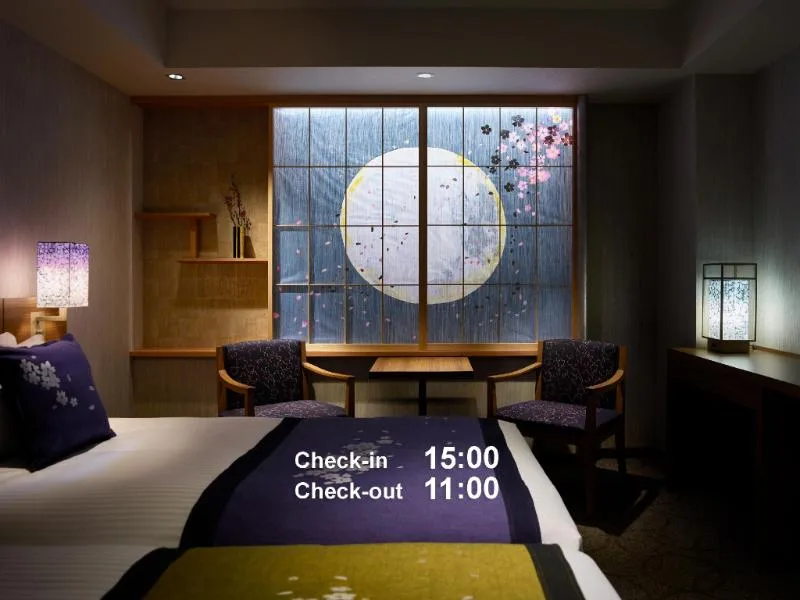
Mitsui Garden Hotel Kyoto Station
Kyoto
★★★★☆
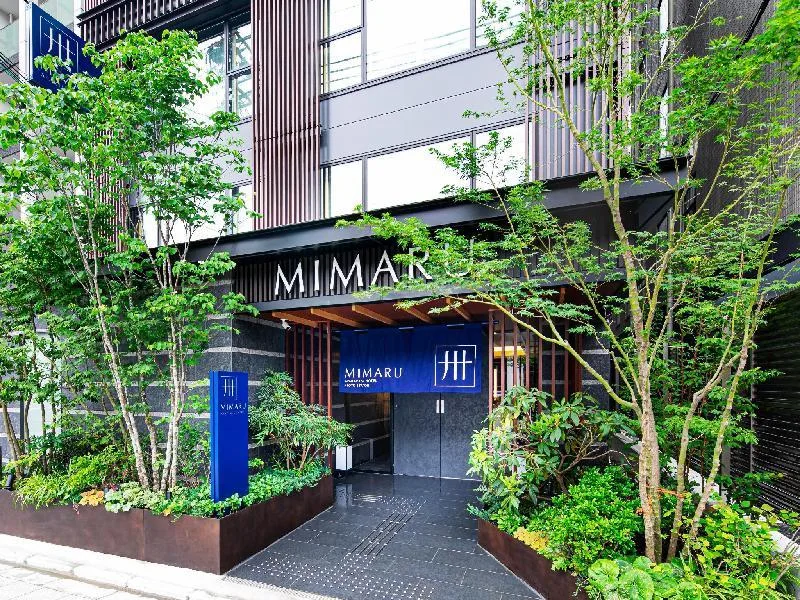
MIMARU Kyoto Station
Kyoto
★★★★☆
Where I’d Actually Stay in Kyoto
Miyako City Kintetsu Kyoto Station
Kyoto
★★★★☆
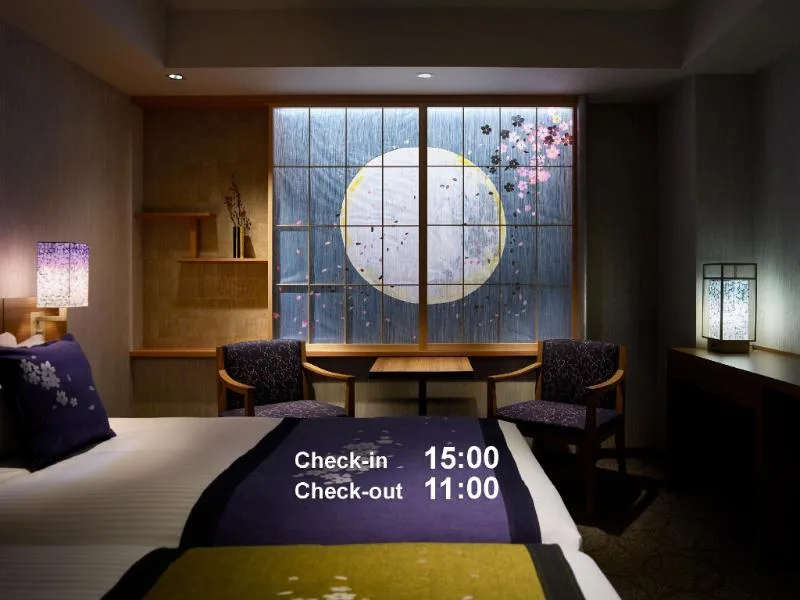
Mitsui Garden Hotel Kyoto Station
Kyoto
★★★★☆
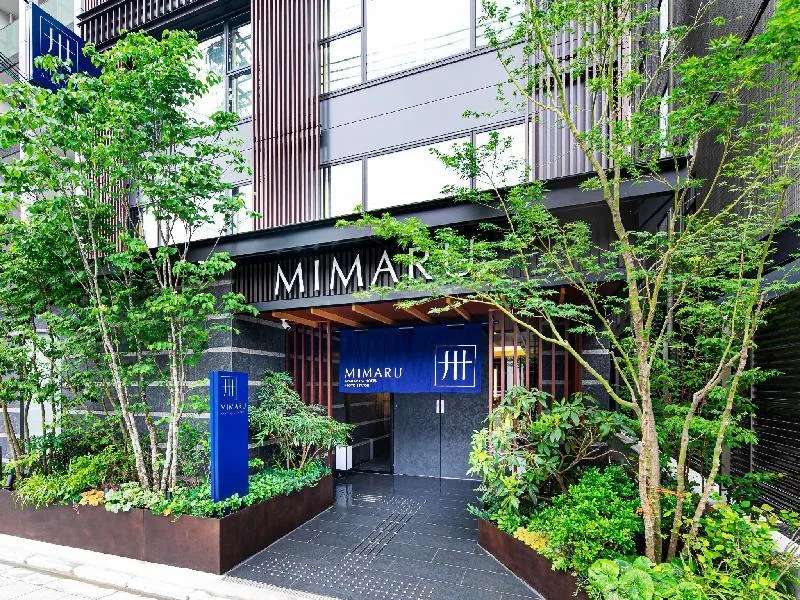
MIMARU Kyoto Station
Kyoto
★★★★☆
FAQ
Should I stay near Kyoto Station or in Gion for my first trip?
Stay near Kyoto Station if you want the easiest first trip and the least stress. Pick Gion if you care more about atmosphere and are happy paying more for it.
Is Kyoto Station area boring at night?
Yes, a little, but that is part of why it works so well. If you want quiet, easy logistics, and a simple base, boring is not a dealbreaker.
How far is Gion from Kyoto Station?
It is not far, but it is not a casual walk with luggage either. By train or taxi it is easy, but if you are arriving late or tired, Kyoto Station is simpler.
Is it worth paying more to stay in Higashiyama?
Yes, if you want pretty streets and do not mind spending extra for location. If your priority is saving money or moving around easily, Kyoto Station usually makes more sense.
Can I stay somewhere else and still get around Kyoto easily?
Yes, but you will probably spend more time on trains and transfers. That is fine if you like a slower pace, but for a first visit I would keep it simple and stay near the main station.
 Emma Hayes
Honest hotel reviews and real budget travel advice from someone who’s actually there.