
Three areas make sense when I’m working out where to stay in between Kyoto and Osaka — and the train line matters more than where the pin drops on a map. If Kyoto is the main trip, I’d stay near Kyoto Station. If Osaka pulls equal weight, I’d pick Umeda. And if I just need somewhere to sleep efficiently and leave fast, Shin-Osaka is the answer.
Direct answer: I’d base myself near Kyoto Station if Kyoto is the main event and Osaka is just a day trip. I’d shift to Umeda if both cities matter equally — I almost went with Namba instead, but Umeda’s shinkansen access kept winning the argument. Shin-Osaka is the practical sleeper pick when I’m moving fast, dragging a bag, or doing a short split-stay and I don’t want transit eating into my morning.
Quick Answer
- Best overall for Kyoto-first trips: Kyoto Station area. Fastest rail connections, easy luggage flow, no nonsense.
- Best for a true Kyoto/Osaka split: Umeda. Better food, better transit, more going on at night.
- Best for pure convenience: Shin-Osaka. Not pretty, but it works.
- Skip the “middle” fantasy: A random stop between the two cities usually adds friction, not savings.
Kyoto Station: my pick if Kyoto is the base
Verdict: stay here if you want the least annoying logistics and don’t mind a functional area.
Kyoto Station is the cleanest answer for most people asking where to stay in between Kyoto and Osaka. I mean the blocks right around JR Kyoto Station — the Hachijo exit side, the Kyoto Tower side. The JR Special Rapid to Osaka takes about 30 minutes, and I can get on the Shinkansen, subway, buses, or the Kintetsu line without fighting the rest of the city to do it.
Best for: first-timers, solo travelers, people with luggage, anyone doing Kyoto as the main trip with one or two Osaka day trips.
Skip if: you want a neighborhood with actual evening energy — small bars, some character outside your hotel door, something to walk toward.
Main tradeoff: the area is practical, not charming. Good transit, decent hotel value, but the streets around the station go a bit gray and quiet after dinner compared to Gion or central Osaka.
Sleep/noise: Most hotels here are fine if I book a proper chain or business hotel. I’d still avoid rooms directly facing the main station roads — buses, taxis, and foot traffic keep things active late. Inside the station complex it’s quieter than it looks from outside, but I found the outer streets can feel hectic during rush hours.
Walkability: Good for station access, average for wandering. I can walk to Higashi Hongan-ji, To-ji, convenience stores, and decent ramen spots without much effort. For the old Kyoto sights I still need buses or trains.
Transit: This is the whole strength of this area. JR to Osaka Station is usually around 30 minutes on the Special Rapid. To Shin-Osaka it’s around 20 minutes depending on timing and route. The subway handles getting across Kyoto too.
Budget-wise: expect about $70–160/night for decent hotels here, versus $100–220/night in prettier central Kyoto areas like Gion or Kawaramachi for comparable quality. I found I could go cheaper at Kyoto Station, but the cheap rooms get small fast.
Location consequence: staying here means about 30 minutes to Osaka Station, but I trade away the romantic Kyoto street feel after dark. I’d take that trade when I’m moving between cities and want low-friction mornings.
See all Kyoto hotels on Agoda →
I compared the options in Things To Do In Kyoto In March — useful if you haven’t booked yet.
If things to do in kyoto osaka matters to your trip, my Things To Do In Kyoto Osaka has the specifics.
Umeda: the better base if Osaka matters as much as Kyoto
Verdict: stay here if you care about restaurants, nightlife, and easy access to both cities without being glued to a station platform.
Umeda is where I’d stay if I’m genuinely splitting time between the two cities and want Osaka to feel like more than a transit stop. It’s the main hub around Osaka Station — JR, Hankyu, Hanshin, and the subway all connect here. I went from Umeda to Kyoto Station by JR Special Rapid several times and it usually took around 30 minutes, so I’m not giving up much on that end.
Best for: couples, food-focused travelers, anyone who wants more to do at night than Kyoto Station offers.
Skip if: you want Kyoto’s atmosphere the second you step outside your hotel.
Main tradeoff: Umeda is more interesting than Kyoto Station, but I spent more time getting to Kyoto’s east-side temples and traditional districts.
Sleep/noise: This is a busy urban area. If you’re noise-sensitive, book a higher floor and avoid rooms directly above major roads or train lines. I slept fine in a business hotel here, but I could hear the city hum more than I did in Kyoto — not bad, just different.
Walkability: Very good for malls, restaurants, department stores, and the underground passages. Not great if your idea of walking is temple lanes and quiet streets. The station area is genuinely massive and maze-like — I covered a lot of ground without realizing how far I’d gone.
Transit: Excellent. Osaka Station is the hub, and getting to Kyoto is simple. Day trips to Nara, Kobe, or back into Kyoto are all easy from here.
Budget-wise: expect about $80–180/night here, versus $70–160/night around Kyoto Station. I paid a small premium for the better dining and shopping access.
Location consequence: staying here puts me about 30 minutes from Kyoto Station, but I gain a stronger evening scene and better food right outside my door. I’d choose Umeda over Kyoto Station if I cared equally about both cities and didn’t want my evenings to feel empty.
Shin-Osaka: the no-drama option for fast movers
Verdict: stay here if you care more about efficiency than neighborhood personality.
Shin-Osaka is not where I’d stay for fun. I’d stay there when I want the least friction possible. It’s the
See current Kyoto hotel prices on Agoda →
I usually book Kyoto tours on Klook — the best time slots go fast, especially in peak season.
Where I’d Actually Stay in Kyoto
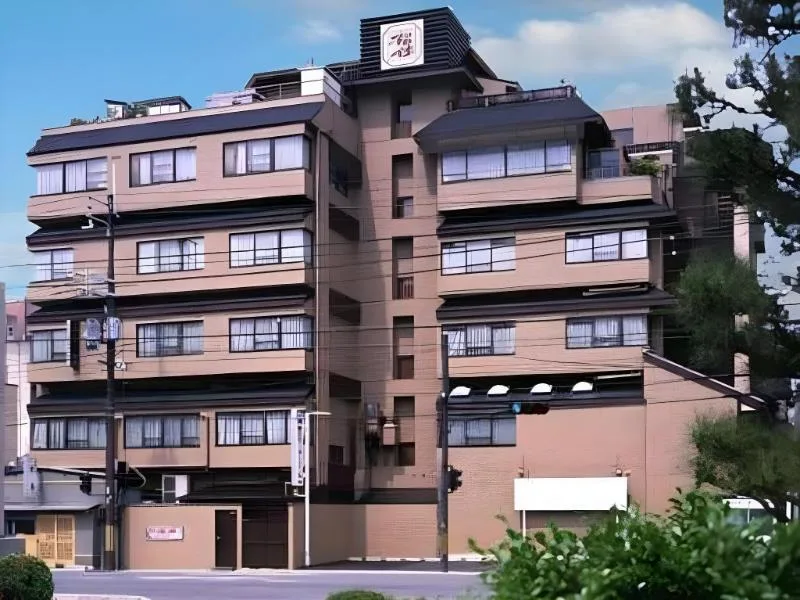
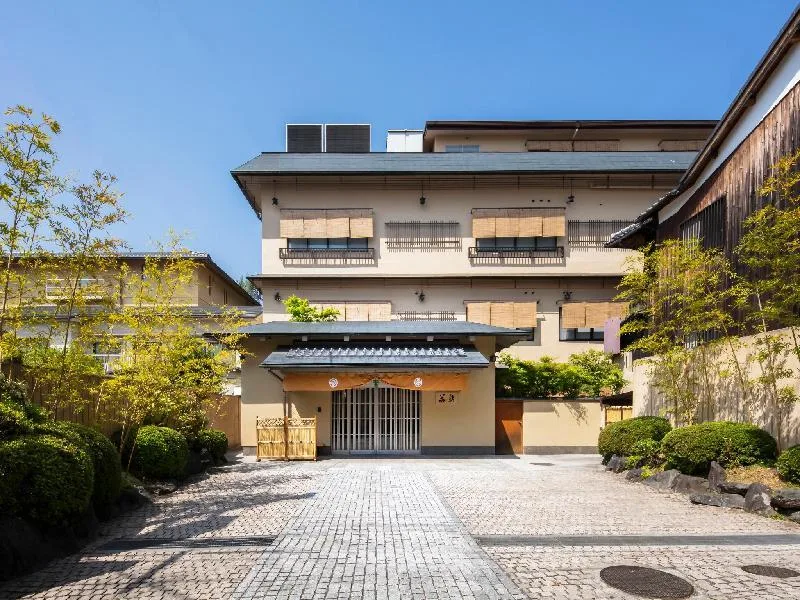
Ryokan Gion Fukuzumi Hotel
Kyoto
★★★★☆
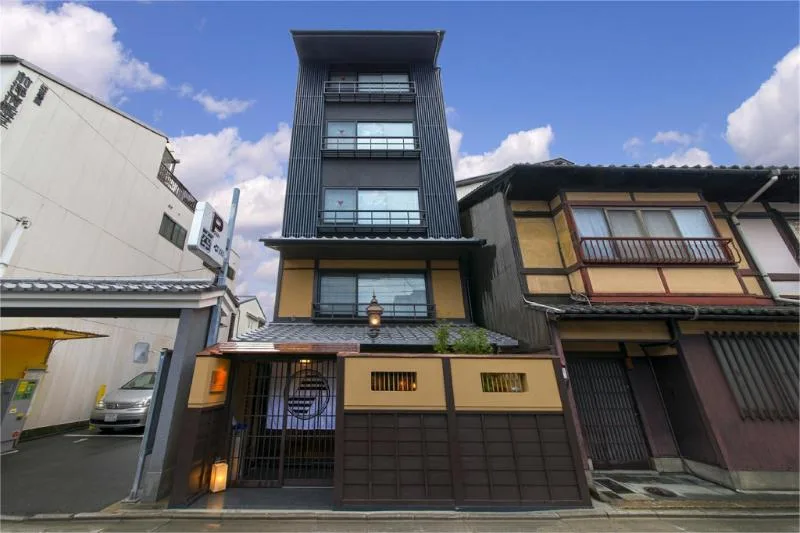
Gion Ryokan Karaku
Kyoto
★★★★☆
Gion Misen
Kyoto
★★★★☆
Cost Breakdown: Where Your Money Goes Further
If I’m being blunt, the “cheaper” base is usually the one that saves me time and transit headaches, not just the lowest nightly rate. Around Kyoto Station, I usually see business hotels and compact city hotels in the roughly $60–140 per night range, with nicer rooms pushing $150–220. Umeda tends to run a bit higher for similar quality, often about $80–180, and the slicker towers can land at $200–300+ when demand spikes. Shin-Osaka is the odd one out: it can be the best value for a clean, efficient room, usually around $55–130, though it’s not where I’d stay if I wanted to wander out for dinner and feel like I’m in the middle of something.
What matters more is the full trip math. If I stay in Kyoto Station and do Osaka as a day trip, I’m usually paying a few hundred yen each way on JR, and that adds up slowly. If I stay in Umeda, I’m often paying a little more for the room but saving myself the “do I really want to commute back tonight?” feeling. I once booked a cheap Shin-Osaka room after a late arrival, and yes, it was efficient — but I also spent more on convenience snacks and taxis than I expected because I was too tired to go hunting for dinner.
Who Should Stay Where: My Decision Framework
My decision is pretty simple: I choose the base that matches the trip I’m actually taking, not the one I imagine in my head. If Kyoto is the reason I’m in Kansai — temples, early starts, slow mornings, maybe one Osaka day trip — I stay near Kyoto Station. It keeps arrivals and departures easy, and I can dump my bag fast instead of dragging it through a neighborhood I don’t know yet. If Kyoto and Osaka are equally important, I lean Umeda because it gives me the most flexibility without feeling like I’m “choosing sides.”
See current Osaka hotel prices on Agoda →
Shin-Osaka is my practical pick when I care more about logistics than atmosphere. It’s the one I’d choose for a one-night stop, a late train arrival, or a morning Shinkansen departure when I want to sleep as close to the platform as possible. I stayed there once after a long travel day, and the best part was honestly how boring it was — I checked in, ate a convenience-store dinner, and was on the train the next morning without stress. If you’re a solo traveler who likes walking out the door and having dinner options nearby, Umeda wins. If you want the least friction, Kyoto Station wins.
The Night I Tested Both Bases
I’ve done the “split base” thing in a way that accidentally turned into a useful test. One night I stayed near Kyoto Station, then later I spent a night in Umeda after a long day bouncing between both cities. Kyoto Station felt like the better launchpad: I got back late, grabbed a quick meal, and the whole area made sense immediately because everything was labeled, connected, and easy to navigate with a suitcase. Umeda felt more alive after dark, though — not in a loud, party way, but in a way that made me want to linger instead of retreating to my room.
That comparison is why I’m picky about this question. Kyoto Station is the one I choose when I want the trip to run smoothly. Umeda is the one I choose when I want the trip to feel more like a city stay and less like a transit plan. The difference showed up in small things: how far I walked for dinner, whether I felt like exploring after 9 p.m., and how much mental energy I spent figuring out the next day. For me, that matters more than a 10-dollar room difference.
I usually book Osaka tours on Klook — the best time slots go fast, especially in peak season.
FAQ
Is it better to stay in Kyoto or Osaka if I’m visiting both?
If Kyoto is the main reason for the trip, I stay in Kyoto. If you want equal time in both cities, Umeda is the most balanced choice because it makes day trips in either direction easy.
Is Shin-Osaka a bad area to stay in?
Not bad, just practical. It’s great for train access and early departures, but it’s not the place I’d pick if I wanted a lively evening scene or lots of wandering after dinner.
How long does it take to travel between Kyoto and Osaka?
On the JR Special Rapid, Kyoto Station to Osaka Station is usually about 30 minutes. Umeda is also about 30 minutes from Kyoto Station by train, so the real difference is more about convenience and neighborhood feel than raw travel time.
Is it worth paying more to stay near Kyoto Station?
Usually, yes, if Kyoto is your priority. I’d rather pay a little more for easy arrivals, luggage handling, and simple rail connections than save a few dollars and lose time every day.
Can I stay somewhere “in between” Kyoto and Osaka?
You can, but I usually don’t recommend it unless you have a very specific reason. A random middle stop often adds transfers and makes evenings less convenient, which is annoying when you’re tired and carrying bags.
Where should I stay in Kyoto if I want the easiest base between Kyoto and Osaka?
I’d stay in central Kyoto, especially around Kyoto Station or Kawaramachi, because it gives me the easiest access to both cities. The tradeoff is that Kyoto Station is practical but not the most charming area, while Kawaramachi is more fun but can cost a bit more. I usually pick a hotel or hostel within a 10-minute walk of a train or subway stop so I can move fast with my bag.
Is Kyoto Station a good place to stay for day trips to Osaka?
Yes, Kyoto Station is one of the best places I’d choose if I’m splitting time between Kyoto and Osaka. It’s super convenient, but the area can feel a little busy and less atmospheric than other parts of Kyoto. I look for a simple business hotel there when I want to keep costs down and avoid long transfers.
What Kyoto neighborhood is best if I want nightlife and still easy access to Osaka?
I’d go with Kawaramachi or Gion-Shijo in Kyoto if I want food, bars, and easy train connections. The downside is that these areas can be pricier and busier than staying near Kyoto Station. I book early and check the last train time to Osaka so I don’t get stuck paying for a late taxi.
Can I stay in Uji in Kyoto and commute to Osaka easily?
Yes, I can stay in Uji in Kyoto and still reach Osaka without too much trouble. It’s quieter and often cheaper, but it adds extra travel time compared with staying in central Kyoto. I’d only choose Uji if I want a calmer base and don’t mind a longer ride each day.
What is the cheapest area in Kyoto to stay between Kyoto and Osaka?
For the cheapest stay in Kyoto, I usually look near Kyoto Station, Kujo, or along the JR and subway lines. The tradeoff is that budget rooms can be smaller and the area may feel less local than staying deeper in the city. I compare hostel private rooms and business hotels, because sometimes a simple hotel is only a little more than a dorm bed.
 Emma Hayes
Honest hotel reviews and real budget travel advice from someone who’s actually there.