
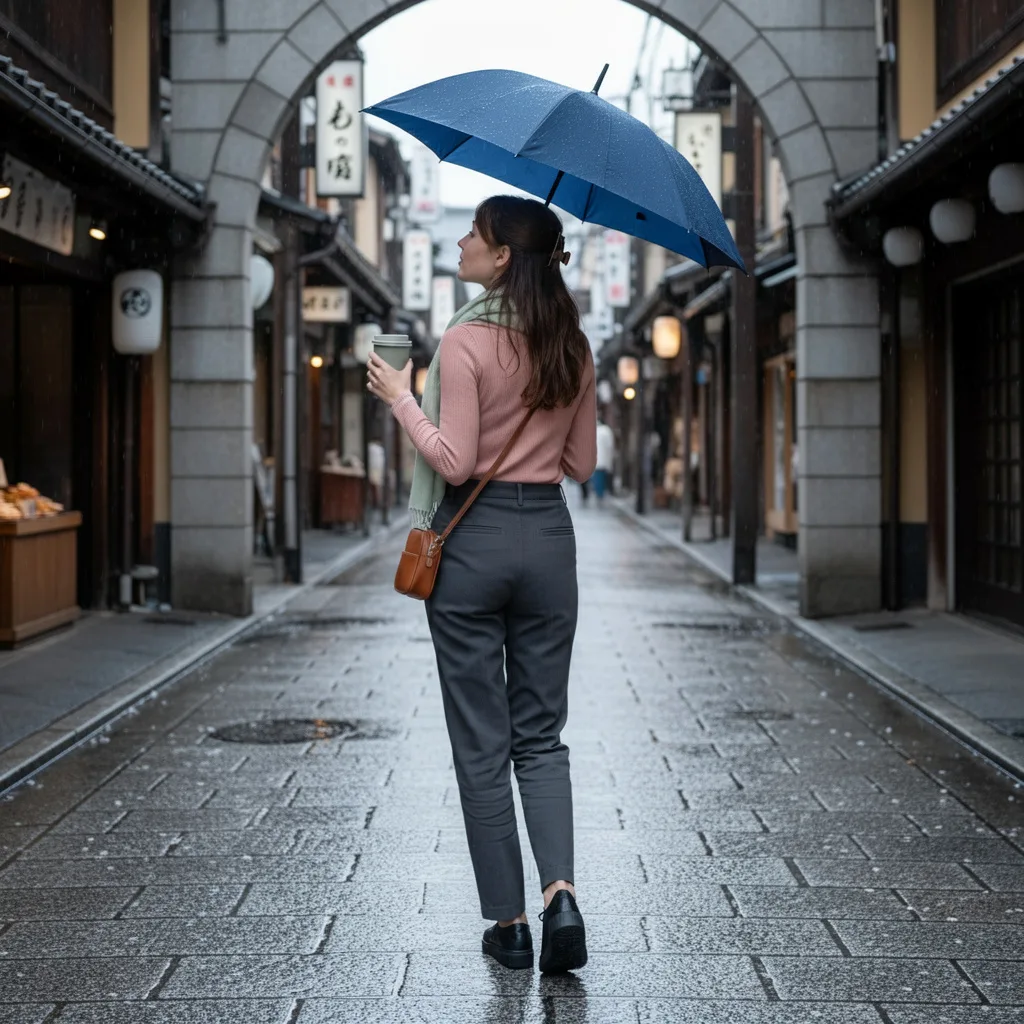
Nobody told me this before I went: Kyoto can feel calm in the morning and weirdly crowded by lunchtime, especially after rain when everyone has the same idea to go temple-hopping. I’d still base myself in Kyoto first. It fits travelers who want old streets, shrines, gardens, and slower mornings; it’s not the right choice if you want neon, late-night food runs, and easy chaos every hour. What matters most is how much you value atmosphere versus convenience, because Kyoto asks you to plan a little and Osaka mostly doesn’t. If you’re weighing things to do in kyoto osaka, the base you choose changes the whole trip.
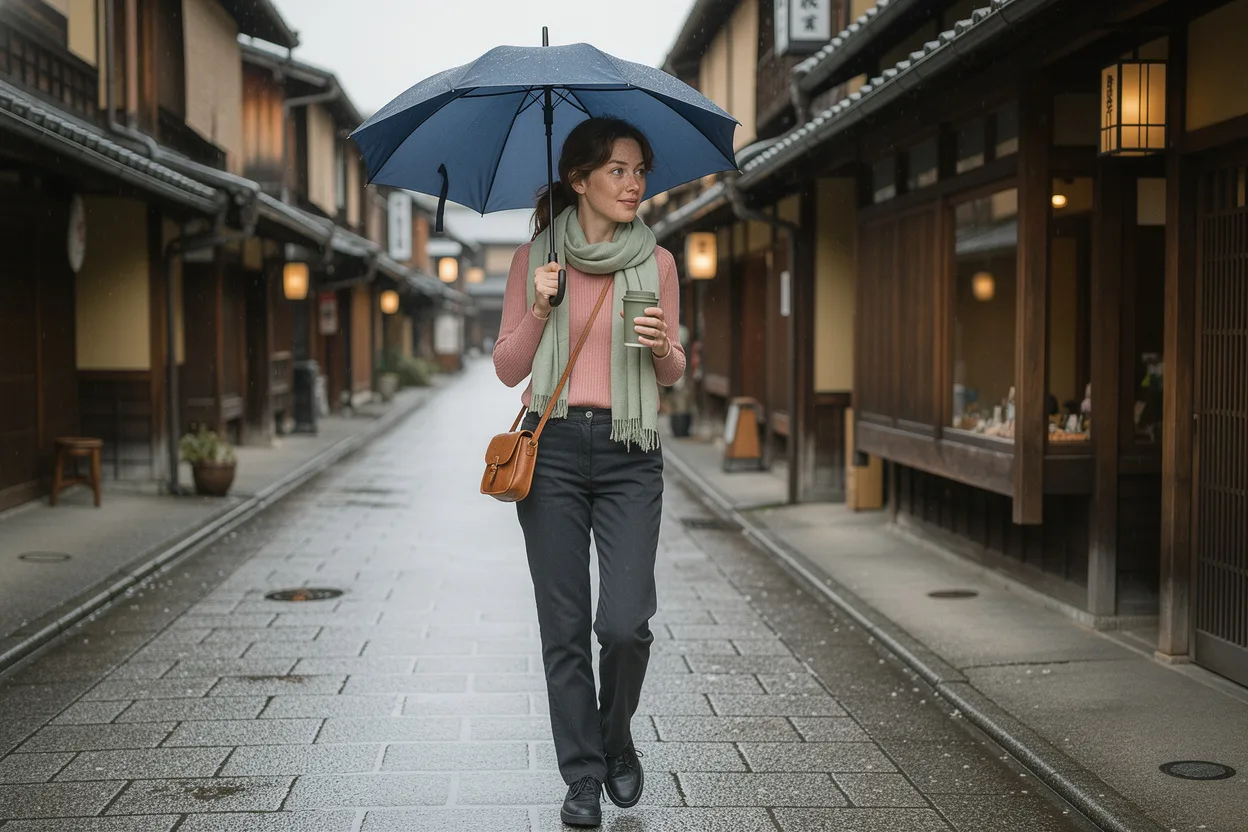
Quick Answer: For a short Kansai trip, I’d base in Kyoto and day-trip to Osaka if you have the days. Kyoto works best for temples, gardens, and slower mornings; Osaka is better for food, nightlife, and easy moving around. My Kyoto budget came out to about $132 per day.
- I’d stay in Kyoto if this is your first time in Kansai and you want the trip to feel distinct, not just efficient.
- I’d choose Osaka instead if you care more about food, nightlife, and a base that feels less delicate and more immediate.
- For a 3- to 5-day trip, I think Kyoto works better as the anchor and Osaka works better as the add-on.
- The tradeoff is simple: Kyoto gives you more beauty per hour, but Osaka gives you less friction per hour.
Why I’d Start in Kyoto, Not Osaka
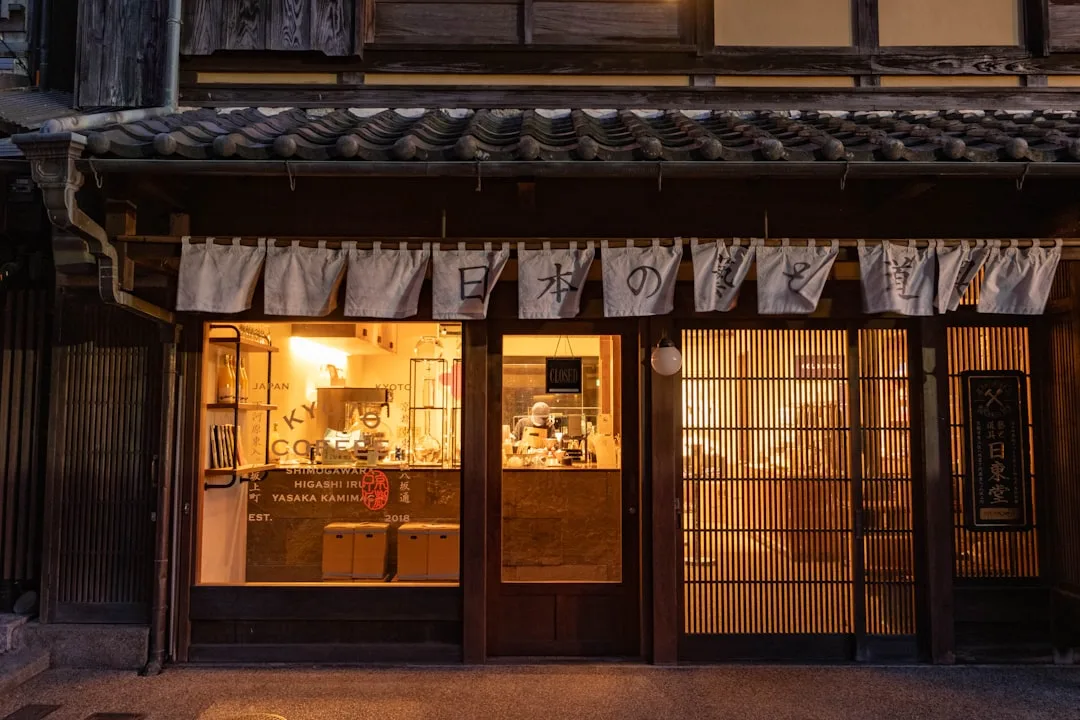
If I had to pick one base for a short Kansai trip, I’d pick Kyoto. It’s not because Osaka is bad. It’s because Kyoto changes the rhythm of the whole trip, and I like that. You wake up near temple paths, grab coffee under a 7-Eleven awning because it’s still cool outside, and you can spend the first hour of the day somewhere that doesn’t feel rushed.
This fits people who want a trip with a little texture: shrines, alleyways, tea houses, and day trips that don’t require a full logistics spreadsheet. It’s less ideal if your idea of a good evening is wandering for food until midnight and then deciding where to go next based on vibes. Osaka does that better. Kyoto is more deliberate.
Best for: First-timers who want a calmer base and don’t mind moving a bit slower.
Skip if: You hate planning around opening hours or you want constant nightlife nearby.
My pick: Kyoto first, Osaka later if you have the days.
The Kyoto Days I’d Actually Build Around
I wouldn’t try to “do Kyoto” in one sweep. That’s how people end up exhausted and annoyed before lunch. I’d split it into simple chunks: one eastern Kyoto morning, one western Kyoto morning, one slow food-and-walk day in the center, and one day trip if you’ve got the time.
The real win is that Kyoto gives you enough variety without forcing long cross-city slogs every hour. One day I started near Kiyomizu-dera, then walked downhill through Sannenzaka and Ninenzaka, and by the time I hit lunch I was ready for a bowl of soba and a seat. I paid about 1,200 yen for lunch, which felt reasonable for the area, and I needed it because those slopes are no joke in regular shoes.
Worth it if: You like building a day around one area instead of bouncing all over town.
Not ideal if: You want a city that rewards random wandering more than planned neighborhoods.
My take: Kyoto works best when I treat it like a set of pockets, not one giant sightseeing list.
Temples, Steps, and the First Real Crowd
If I only had one Kyoto morning, I’d spend it in eastern Kyoto. Kiyomizu-dera is famous for a reason, even if that reason includes a lot of other people. The wooden terrace gives you the classic Kyoto view, but the real appeal for me is the walk between stops. Sannenzaka and Ninenzaka are packed with souvenir shops and snack stalls, and yes, it’s touristy. I still like it. I just don’t pretend it’s some untouched version of the city.
I went on a cool post-rain morning, around 6 to 14°C, with a waterproof light jacket over a long-sleeve top and a thin scarf in my bag. That mattered more than I expected, because the stone paths stayed damp longer than the air did. I bought a 300-yen hot tea near the temple gate and stood under my umbrella for a minute while the crowd thinned. Small thing, but that’s the day I remember.
Best for: First-time Kyoto visitors who want the classic temple-and-lane experience.
Skip if: You get irritated by crowds early in the day.
Tradeoff: Beautiful and easy to photograph, but not remotely quiet once everyone arrives.
Good Early, Fine Later
I’d only do Arashiyama early. By late morning, the bamboo grove gets packed and the whole area starts to feel like a queue with scenery attached. Early, though, it makes sense. I walked through Tenryu-ji, crossed the Togetsukyo Bridge, and got out before the day got sticky and loud. That timing made the difference.
Arashiyama is one of those places that looks better in your memory if you beat the crowd. I don’t love it mid-day. It’s efficient, yes, but a little too efficient in the worst way — everyone is funneling through the same paths. If I were staying in Kyoto for only two days, I’d still go, but I’d leave after lunch and not try to turn it into a full-day mission.
Best for: Early risers and people who don’t mind a one-and-done visit.
Skip if: You’re arriving after 10 a.m. and hate packed photo spots.
My pick: Go, but go early or don’t bother pretending it’ll feel relaxed.
What Osaka Does Better, and Why I Still Wouldn’t Swap It In
Osaka wins on energy. It’s easier, louder, and better for food when I want to eat without thinking too hard. I had a late ramen bowl in Osaka once after a messy transit day, and that kind of fix is exactly what Osaka does well. Kyoto doesn’t try to be that city, and I respect it for that.
But if I’m choosing where to spend my limited time, I don’t swap Kyoto out just because Osaka is more convenient. Kyoto gives me more of the trip I actually came to Japan for: shrines, gardens, old streets, and slower mornings. Osaka is better when I want a city that works harder for me. Kyoto is better when I want the trip to feel different from home.
Best for: Travelers who care more about food, nightlife, and easy moving around.
Skip if: You only have a few days and want the most visually distinct base.
My judgment: Osaka is the better city to live in for a while. Kyoto is the better city to visit first.
Getting Around Kyoto Without Burning Half the Day
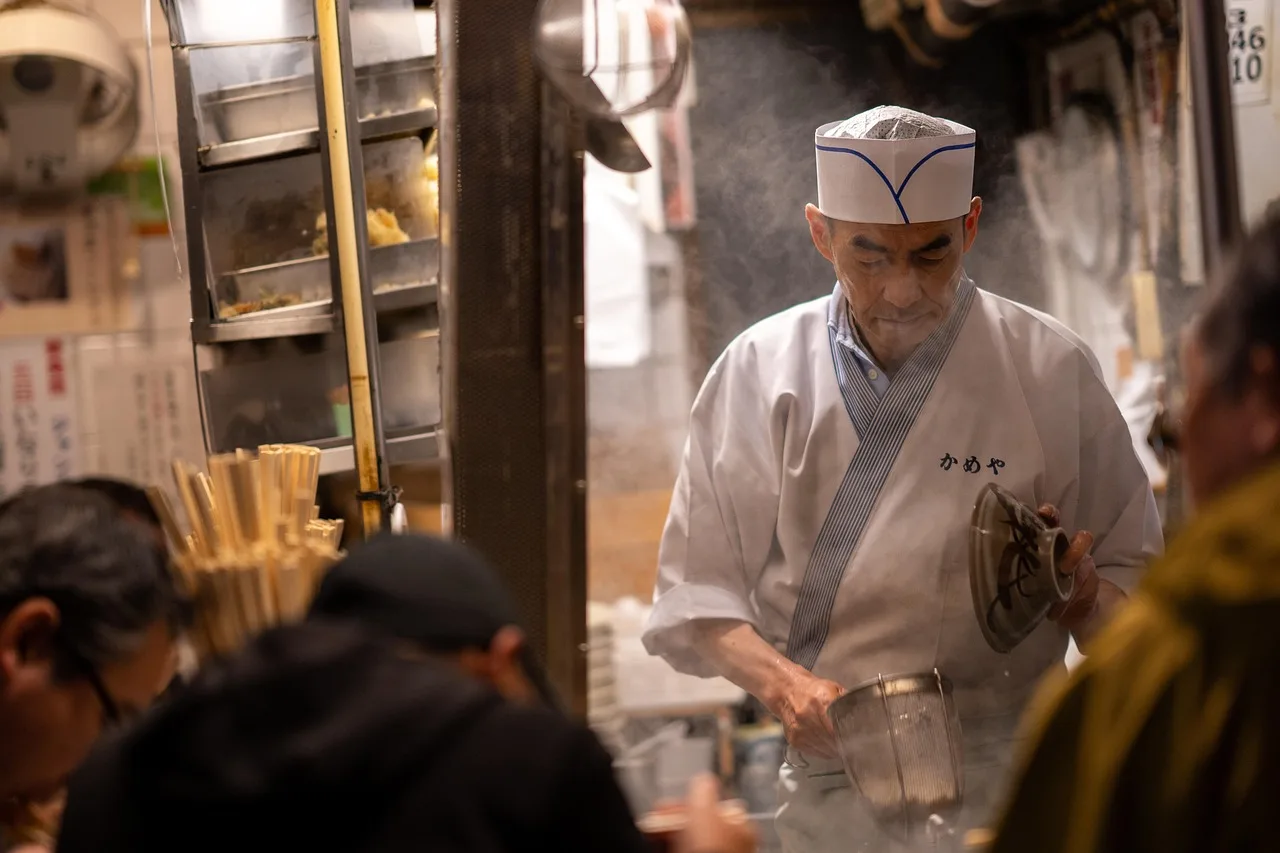
Kyoto is not hard to get around, but it can waste your time if you ignore distance. I used a mix of train, bus, and walking, and the walking part was often the best part. The bus is useful, but it can crawl when the roads back up, and I don’t love relying on it for anything time-sensitive.
The subway is limited compared with bigger Japanese cities, so I planned more around neighborhoods than around lines. A taxi from one side of central Kyoto to another can be reasonable if you’re splitting the fare or you’re tired, but I wouldn’t use one all day. I paid around 1,800 yen for a short taxi ride once when rain started up again and I was already done pretending to enjoy the weather. Worth it. No drama.
Best for: Travelers who are fine mixing walking with transit.
Skip if: You expect subway-style coverage everywhere.
Budget-wise: Transit stays manageable, but inefficient routing will cost you time more than money.
My practical rule for Kyoto days
I’d cluster sights by area and stop trying to “fit in one more thing” across town. That math never works out. For example, I’d pair Kiyomizu-dera with the eastern lanes, or Arashiyama with a low-key lunch and a return to central Kyoto. It sounds obvious, but I still see people trying to bounce from one side of the city to the other like it’s a game.
Worth it if: You want more time at the actual places and less time on platforms.
Not worth it if: You’re the type who likes a packed checklist more than a good day.
The Food Stops I’d Keep in the Plan
Kyoto food is quieter than Osaka food, but I don’t think that makes it worse. It just means I’m eating with a little more intention. I’d make room for yudofu near temple areas, a proper tofu set meal, and one good sweets stop instead of snacking constantly. In Nishiki Market, I had a skewer and a small seafood bite that together cost me under 1,000 yen. Fine, not life-changing, but useful when I was between neighborhoods and didn’t want a huge meal.
If you want something that feels very Kyoto, I’d look for a tea shop, a tofu lunch, or a place doing obanzai rather than chasing the loudest stall. Kyoto food can be subtle. That’s the point. If you want every meal to punch you in the face, Osaka is happier to do that job.
Best for: Travelers who like slower meals and local-style lunch spots.
Skip if: You want a city where dinner itself is the entertainment.
My take: Kyoto food is less flashy, but that’s exactly why I remember it.
The One Kyoto Day I’d Repeat Exactly
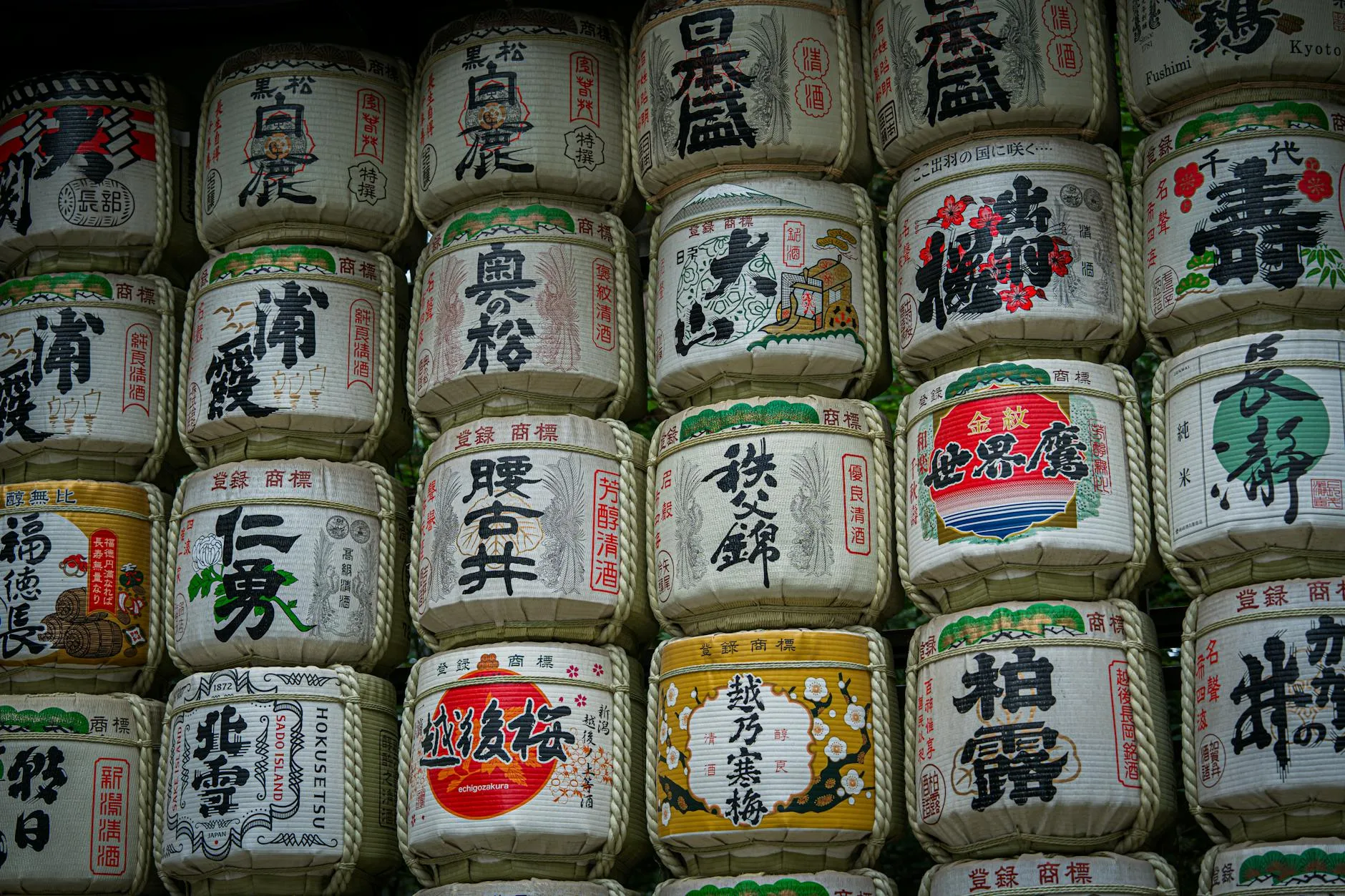
I’d repeat my eastern Kyoto day almost exactly, with one change: I’d leave earlier. I started a little too late, and by the time I reached the main temple area, the flow had already shifted from peaceful to busy. The part I’d keep is simple: walk up with a coffee, spend real time in one area, and don’t try to string together five major sights before lunch.
What happened that day was small and useful. My umbrella got damp, my shoes stayed dry because I’d worn closed-toe ones, and I ducked into a cafe for a quick break when the post-rain air turned heavy. I spent maybe 600 yen on coffee and sat long enough to stop rushing. That pause changed the whole day. Kyoto rewards that kind of pacing.
Best for: People who like one strong neighborhood day more than a marathon route.
Skip if: You need every day to feel high-energy from start to finish.
My pick: Slow down earlier than feels necessary. Kyoto is better that way.
Rough daily estimates per person from my own trip. Prices shift by season.
For a deeper look at kyoto or osaka for first timer, I covered this in my Kyoto Or Osaka For First Timer.
What I’d Do Differently Next Time
I’d book one extra night in Kyoto and one less “we’ll figure it out later” transit day. That would have saved me from a couple of rushed mornings, and Kyoto is not the city I’d want to rush. I’d also bring better shoes sooner. I wore comfortable ones, but after damp paths and a lot of stairs, I wished they had a bit more grip.
I’d also skip one mid-day temple stop and use that time for a cafe or lunch instead. I know that sounds minor, but Kyoto gets better when I build in breaks. If I’m honest, I also wouldn’t try to see too many famous spots in one day. That’s how the city starts feeling like a list, and it shouldn’t.
Best for: Travelers who want to avoid overpacking the schedule.
Skip if: You’re fine sprinting from landmark to landmark.
Next time: I’d protect one slow afternoon and let the city breathe a bit more.
See current Kyoto hotel prices on Agoda →
I usually book Kyoto tours on Klook — the best time slots go fast, especially in peak season.
FAQ
How many days do I need in Kyoto?
I’d give Kyoto at least three full days if you want it to feel like more than a checklist. Two days works for the classics, but it gets tight fast once you add transit and meals. Four or five days is where I think the city starts to open up.
Is Kyoto better than Osaka for first-time visitors?
I think Kyoto is better if you want the more distinct first impression. Osaka is easier and livelier, but Kyoto gives you the temples, lanes, and slower pace people usually picture when they think about this part of Japan. If you only have a short trip, I’d still choose Kyoto first.
Can I do Kyoto and Osaka in one trip?
Yes, and I’d actually recommend it if you have at least four days. I’d base in Kyoto and spend one day or evening in Osaka rather than trying to split the trip evenly. That keeps Kyoto from feeling rushed and still gives you a taste of Osaka’s food scene.
What’s the best area to stay in Kyoto?
I’d stay near Kyoto Station, Gion, or central areas with easy train access, depending on your priorities. Kyoto Station is practical, Gion is prettier and more walkable at night, and central Kyoto makes day planning easier. I’d avoid staying too far out unless you’re on a tight budget and don’t mind longer transit.
What should I not miss on a first Kyoto trip?
I’d make time for eastern Kyoto, Arashiyama early in the day, and at least one slower food stop. Kiyomizu-dera and the surrounding lanes give you the classic Kyoto feeling, but the city works best when you balance that with something quieter. If I had to cut one thing, I’d cut a second temple before I’d cut a good lunch.
 Emma Hayes
Honest hotel reviews and real budget travel advice from someone who’s actually there.