
“`html
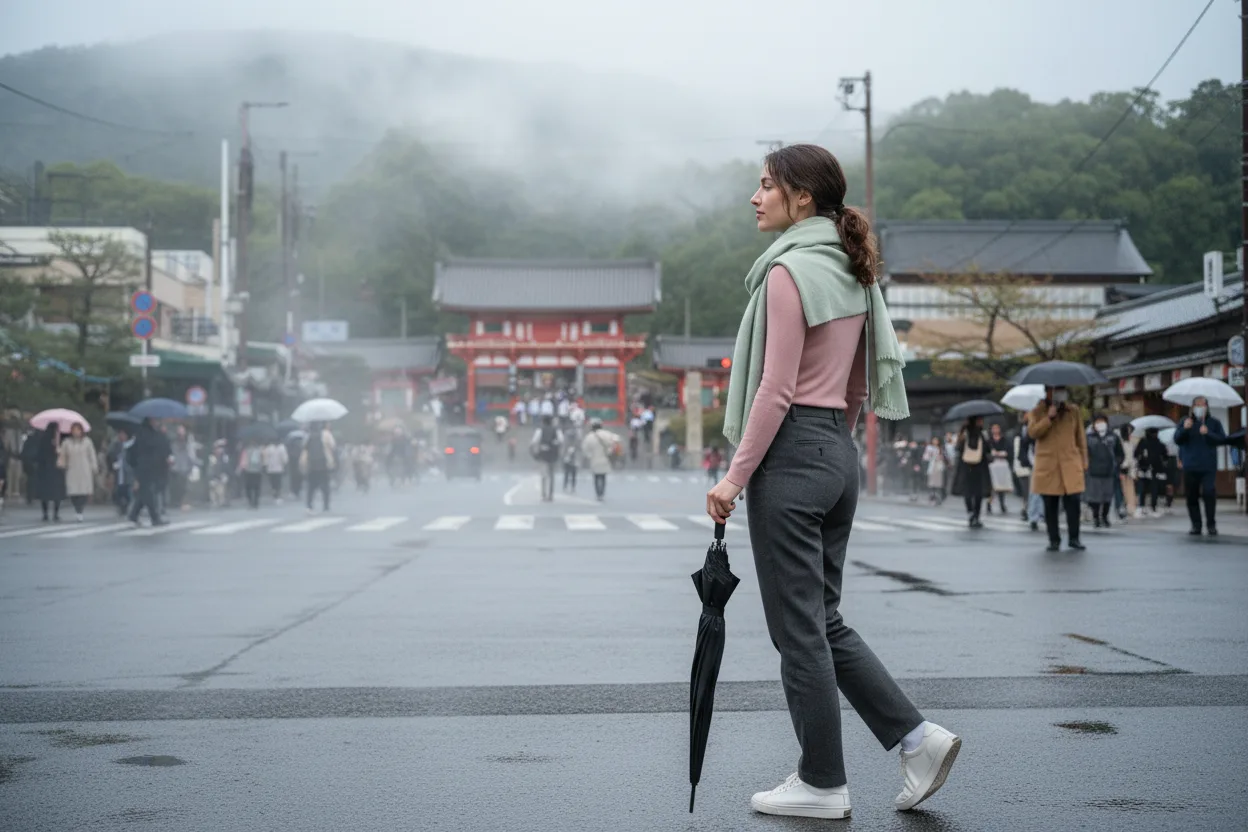
Kyoto was supposed to be a soft spring escape. It was cooler, wetter, and a little more strategic than that. I went in March with a scarf, a light waterproof jacket, and zero patience for a plan that pretended every temple stop would be magical for hours on end. If you’re looking for things to do in Kyoto in March, this is the version I’d actually follow.
I’d do Kyoto in March if I wanted early blossoms, quieter mornings, and a trip that still felt walkable. I wouldn’t choose it if I expected full cherry blossom chaos everywhere or wanted to pack ten sights into one day without getting tired. The real decision is simple: March is great for a paced Kyoto trip, but only if you’re okay building around weather, crowds at the famous spots, and a few indoor backups.
Quick Answer: Kyoto in March works best as a slower, weather-aware itinerary with early starts, one shrine-heavy day, one scenic neighborhood day, and one flexible blossom day. My favorite stops were Fushimi Inari, Arashiyama, Higashiyama, Nishiki Market, and the Kamo River.
- My take: March is one of my favorite times to be in Kyoto because the city feels awake without being fully overwhelmed.
- Best for: Travelers who like temples, neighborhoods, and a slower itinerary with a few seasonal stops.
- Skip if: You want guaranteed peak cherry blossoms or you hate cold mornings and wearing extra layers.
- Main tradeoff: You get lighter crowds than April, but you also get more weather guesswork and some chilly, damp mornings.
Day by Day
Day 1: Fushimi Inari, Tofuku-ji, and a Low-Key First Night
My first Kyoto day in March always starts early, because that’s the only way I enjoy the famous places without feeling like I’m standing in a queue dressed as a traveler. I’d begin at Fushimi Inari Taisha around 7:00 a.m., when the shrine grounds are still quiet and the climb doesn’t feel like a group project.
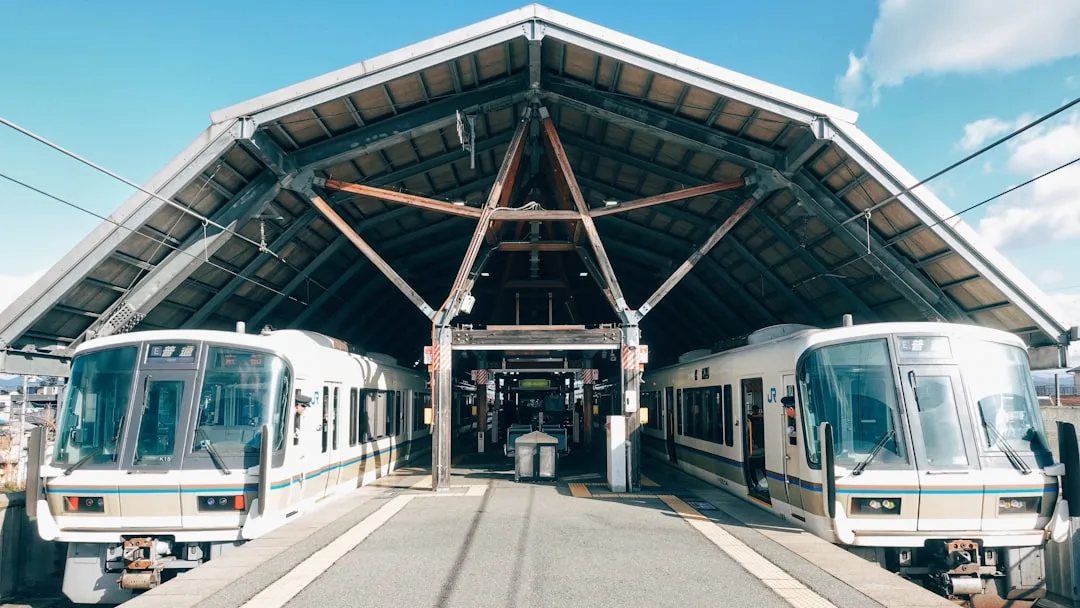
From Kyoto Station, take the JR Nara Line to Inari Station. It’s about 5 minutes, costs around ¥150, and drops you basically at the shrine gate. I’ve made the mistake of arriving later, and the difference is real. By 9:30 a.m., the lower torii path starts filling up fast.
I’d spend 1.5 to 2 hours here, but I wouldn’t force the full mountain loop unless you actually like uphill walking. The lower section gives you the classic torii tunnels, a few side shrines, and enough time to get the photos without turning the morning into a hike you didn’t sign up for.
Skip if short on time: the fullFor dinner, I’d keep it simple around Kyoto Station or Higashiyama depending on where I’m staying. A bowl of ramen near the station usually runs ¥900 to ¥1,300, and that’s about the right energy after a lot of walking. March evenings can dip into the low single digits, and by then I usually want soup more than a “cute” meal.
Day 1 rough cost: about $20–$35 excluding accommodation.
Day 2: Arashiyama, Bamboo, and the Stuff I’d Time Carefully
I’d do Arashiyama on a March morning, but I wouldn’t treat it like an all-day adventure unless I was adding the quieter backstreets and one or two extra stops. The core area is popular for a reason, and March is when it starts to feel like everyone had the same idea as me.
From central Kyoto, take the JR Sagano Line from Kyoto Station to Saga-Arashiyama Station. It takes about 15 minutes and costs around ¥240 — based on my trip, always good to confirm. If you’re staying near Shijo or Kawaramachi, the Hankyu line plus a short walk is also fine, but I usually take JR because it’s easy and fast.
I’d start at the bamboo grove before 9:00 a.m. if possible. By late morning it gets busy enough that the grove feels more like a passageway than a place. It’s photogenic, yes, but also short. I don’t love pretending it takes longer than it does.
Skip if short on time: the bamboo grove itself, if you’re already planning a full temple day elsewhere. It’s famous, not long.
From there, I’d walk about 15 minutes to Tenryu-ji, which is one of the better reasons to stay in Arashiyama a little longer. Entry is around ¥500 for the garden area, and it gives the morning more substance than the bamboo grove alone. If the weather is damp, this is where I’d appreciate the slower pace; I had one March morning where the path was still wet from the night rain, and my scarf was doing more work than I expected.
Then I’d cross Togetsukyo Bridge and wander the riverfront for 20 to 30 minutes. This part isn’t about a major sight. It’s a reset. The whole area is useful but not dramatic, which is exactly why I like it between bigger stops.
For lunch, I’d eat in Arashiyama rather than dragging myself back into central Kyoto. Yudofu, tofu hot pot, makes sense here because it suits the neighborhood and the weather. Expect around ¥1,200 to ¥2,000 for a basic meal. I’ve had lunch in a small place near the station after getting caught in a cold drizzle, and hot tofu was way more satisfying than anything fried would’ve been.
In the afternoon, I’d pick one extra stop, not three. My choice would be Okochi Sanso if I wanted a quieter garden walk, but I’d only add it if I still had energy and the weather was decent. Entry is around ¥1,000 — based on my trip, always good to confirm, and the walk up is steeper than people make it sound.
Best for: travelers who want one scenic neighborhood day with a mix of walking and easy food.
Skip if: you’re trying to keep Kyoto very compact. Arashiyama is worth it, but it does eat up transit time.
For dinner, I’d head back toward downtown Kyoto or Nishiki Market area and keep it casual. March days here can run long, and the last thing I want is a complicated reservation after a train-heavy afternoon.
Day 2 rough cost: about $25–$45 excluding accommodation.
Day 3: Higashiyama, Kiyomizu-dera, and the Old Streets That Actually Hold Up
If I only had one full day in Kyoto for older streets and temple views, I’d spend it in Higashiyama. This is the day that usually gets the “classic Kyoto” label, and honestly, that’s fair. It’s also the day that can go wrong if you start too late and spend half your time shuffling through crowds.
From Kyoto Station, I’d take bus 100 or 206 to Gojo-zaka or Kiyomizu-michi. The ride takes about 15 to 25 minutes depending on traffic and costs around ¥230 — based on my trip, always good to confirm. Then it’s a 10 to 15 minute uphill walk to Kiyomizu-dera. I’d wear proper shoes here. The streets are uneven, and March rain makes the stone a little slick.
I’d get to Kiyomizu-dera by 8:30 a.m. if I could. Entry is around ¥400, and I’d spend about 1.5 hours there including the main viewing area and some slow walking through the grounds. It’s busy, but the scale of the place still works. The temple is one of the few Kyoto stops where I don’t mind the crowd as much because the setting gives it room to breathe.
Worth it if: you want one iconic Kyoto temple that still feels like a proper outing.
Skip if: you’re already over temple architecture and just want neighborhoods. Then this day becomes a lot of uphill walking for not enough payoff.
After Kiyomizu-dera, I’d walk down through Sannenzaka and Ninenzaka for 45 minutes to an hour. This is where I’d slow down and buy something small rather than treating the lanes like a checklist. I’ve bought a warm sweet potato snack here and later regretted not eating lunch earlier because the food stalls and little shops make it easy to graze.
Then I’d continue toward Yasaka Pagoda and into Gion, which is about a 20 minute walk depending on how often I stop. This part of the day works best if you don’t try to “do Gion” in some grand, cinematic way. I’d just walk it, maybe peek into Kennin-ji if I had energy, and keep moving.
For lunch, I’d aim for a noodle shop or a small set meal somewhere between Kiyomizu and Gion. Expect about ¥1,000 to ¥1,800 — based on my trip, always good to confirm. There are plenty of places, but I’d avoid anything too polished in this area unless you already know where you’re going. The tourist markup can be annoying. Fine, not tragic. Just annoying.
At night, I’d come back to Gion or Pontocho for dinner if I wanted one nicer meal. Pontocho is narrow, busy, and slightly theatrical, which I don’t always love, but it does make sense if you want dinner after a long walking day. Budget around ¥2,000 to ¥5,000 depending on how casual or fancy you go.
Day 3 rough cost: about $30–$55 excluding accommodation.
Day 4: Gardens, Markets, and a Slower March Day
Not every Kyoto day needs to be temple-heavy, and March is when I’d deliberately make room for a slower one. If the first three days are about the obvious hits, this day is about not burning out. I learned that the hard way after one trip where I tried to “maximize” every morning and ended up tired enough to dislike the city by day four. Bad plan.
I’d start at Kyoto Imperial Palace or the Kyoto Gyoen National Garden area if I wanted open space and fewer crowds. Entry is free, and the grounds are good for a low-pressure morning walk of about an hour. It’s not the most dramatic stop in the city, but it’s useful and calm, especially after a few crowded temple days.
From central Kyoto, it’s usually a 10 to 20 minute subway or bus ride depending on where you’re staying. If I’m near Karasuma or Kawaramachi, I’d just take the subway or a short taxi if I’m feeling lazy. A taxi within central Kyoto usually runs around ¥1,000 to ¥1,800 for a short hop. I don’t use taxis much here, but in March cold rain, I’ve paid for one and didn’t regret it.
After that, I’d head to Nishiki Market for lunch. From the Imperial Palace area, it’s about a 10 to 15 minute bus or subway ride to the market area. Nishiki can be crowded, yes, but it’s still one of the most practical places to eat in the middle of the day because you can sample as much or as little as you want. I usually spend around ¥1,500 to ¥2,500 here on a lunch with a few small bites: tamagoyaki, skewers, pickles, maybe a soy milk doughnut if I’m in the mood.
Best for: travelers who want a lighter day and don’t want every Kyoto afternoon to be a shrine stop.
Skip if: you only have two or three days total. This is the first day I’d cut before I cut Higashiyama or Arashiyama.
In the afternoon, I’d choose one indoor or semi-indoor stop. The Kyoto International Manga Museum is an easy option if the weather turns ugly, and admission is around ¥900. It’s not for everyone, but it works when it’s cold and damp and I need a break from shoes that have already walked too much.
Another option is just to sit in a coffee shop near Karasuma or Shijo and let the day breathe. I know that sounds unglamorous. It also makes the trip better. Kyoto in March rewards people who don’t try to win the day.
For dinner, I’d stay in the center and eat something simple and local. A curry rice plate or a casual izakaya meal usually lands around ¥1,200 to ¥3,000 — based on my trip, always good to confirm.
Day 4 rough cost: about $20–$40 excluding accommodation.
Day 5: A Cherry Blossom Gamble and One Last Slow Morning
This is the day I’d keep flexible, because March in Kyoto can be weird. Some years the blossoms are barely thinking about it. Other years, early plum and a few stubborn cherry trees make the city look like it’s easing into spring before it fully commits.
If I were there in the second half of March, I’d check Maruyama Park, the Philosopher’s Path, or the grounds around Heian Shrine for early flower activity. None of these are guaranteed. That’s the point. I wouldn’t build my whole trip around them unless I had dates lined up with blossom forecasts and I was okay with disappointment.
From Gion or central Kyoto, Maruyama Park is usually a 15 to 20 minute walk, and the Philosopher’s Path is about a 15 minute bus ride from the same area or a longer walk if I’m in the mood. The cost is basically just transport and snacks. This is where March gets slippery in a planning sense: you might get a beautiful hour, or you might get damp branches and a lot of people taking the same photo you are.
Skip if short on time: chasing blossoms unless you’re actually there for late-March seasonal timing. It can be lovely, but it’s not reliable enough to be the backbone of the trip.
I’d use this morning for one last temple or garden stop and then keep the afternoon loose for shopping, coffee, or a final meal. If I had to choose one area for a last wandering stretch, I’d pick the Kamo River. It’s not a major attraction. It just gives the city room to exhale.
For a final lunch, I’d go somewhere near Kawaramachi or Sanjo and spend around ¥1,000 to ¥2,000. If the weather is clear for once, I’d eat near the river instead of hiding inside. If it’s cold, I’d go indoors without guilt. March in Kyoto is not the month for pretending you’re a weather hero.
Day 5 rough cost: about $15–$35 excluding accommodation.
See all kyoto hotels on Agoda when you’re comparing bases near Kyoto Station, Gion, or Kawaramachi, because location changes the whole shape of the trip.
Cost Breakdown
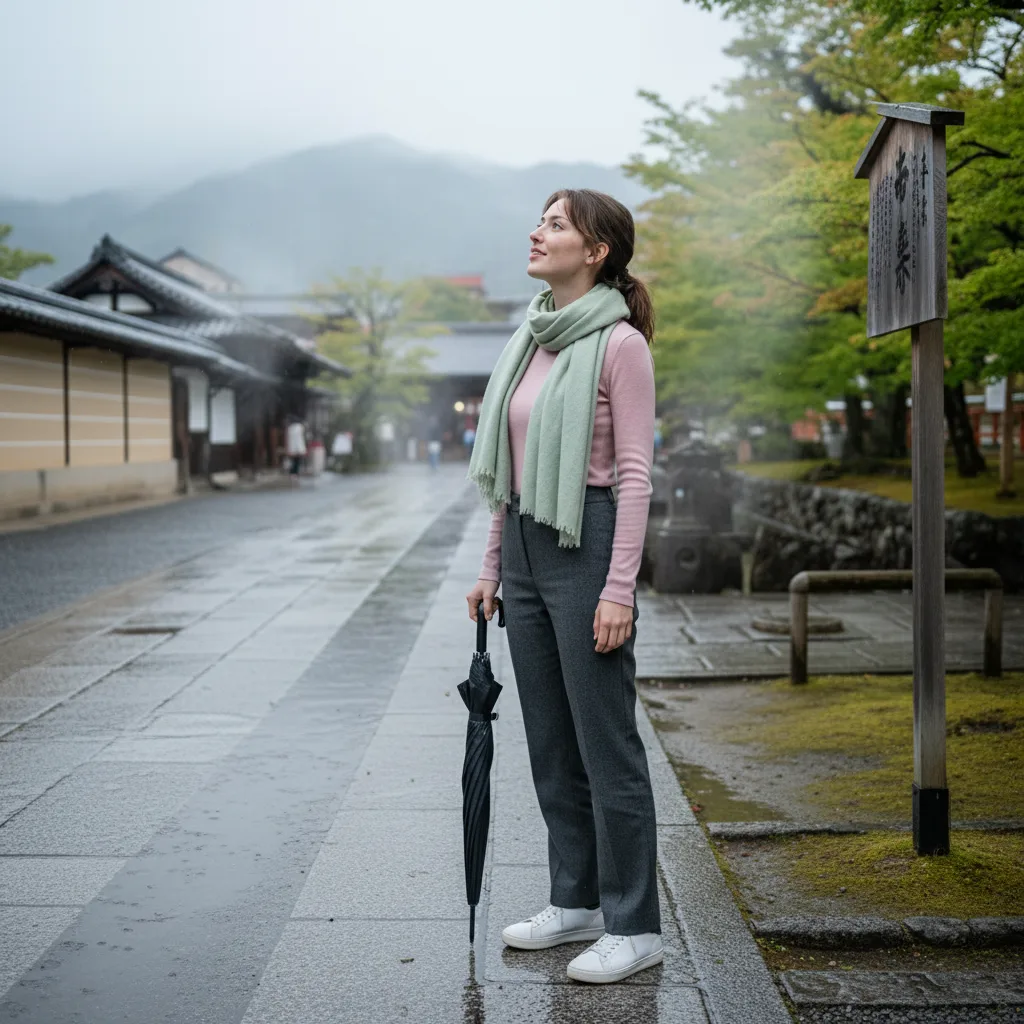
Kyoto felt reasonably priced overall, though not cheap in the way some people seem to hope it will be. Food came in lower than I expected, mostly because a good breakfast and a quick lunch can still be handled without much drama. Accommodation was the number that could jump fastest, especially if you want to stay somewhere central.
Rough daily estimates from my own trip, covering accommodation, food, transport, and paid entries. For things to do in kyoto in march, prices can shift a bit with cherry blossom season and how far ahead you book.
For a deeper look at things to do in kyoto to avoid crowds, I covered this in my Things To Do In Kyoto To Avoid Crowds.
Transport Tips
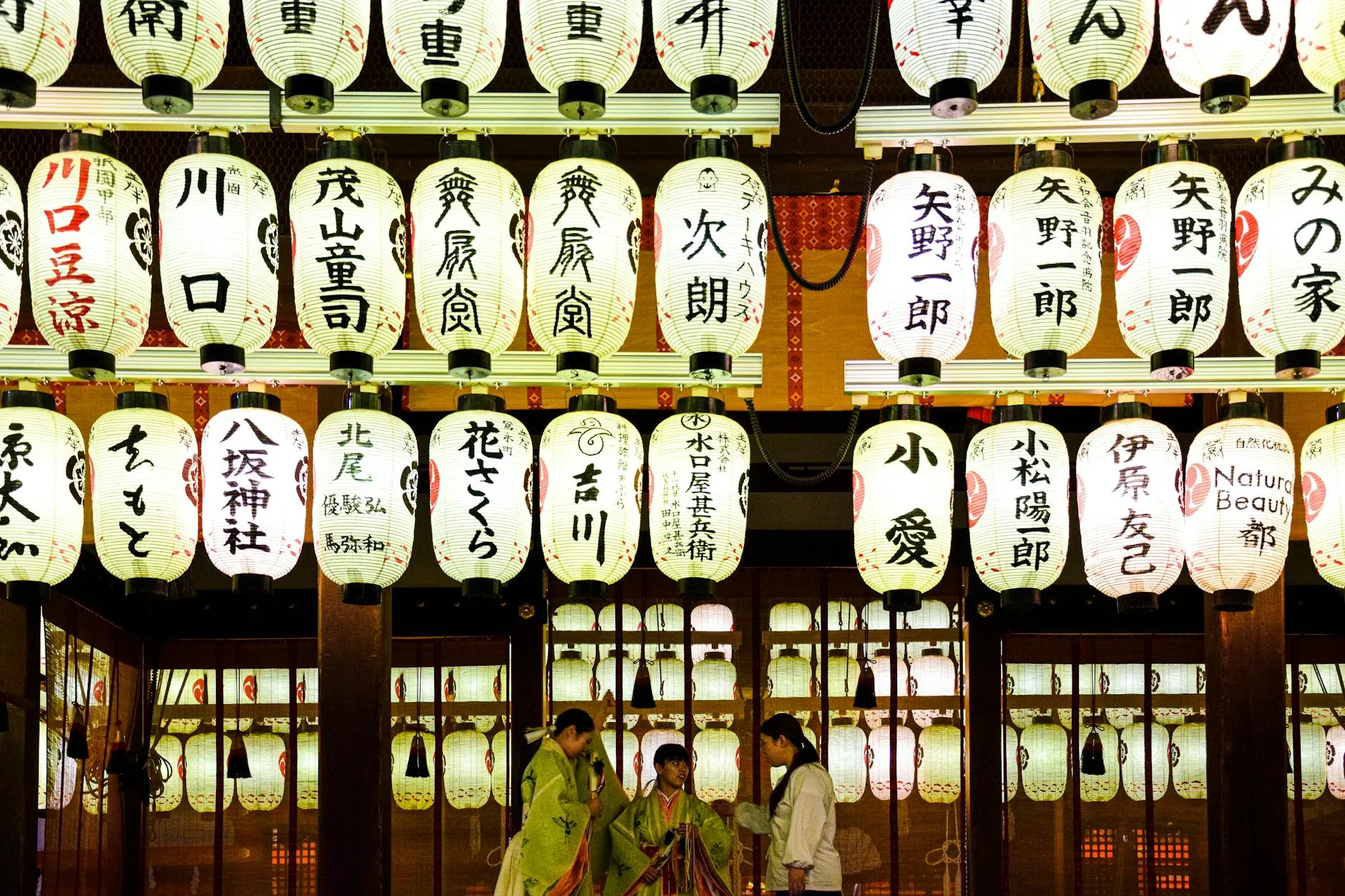
Kyoto is easiest when I mix JR trains, buses, and walking instead of trying to force one perfect transport method. The bus system looks simple until a rainy March afternoon turns one short ride into a 30-minute wait for three stops. That’s usually when I stop being noble about it and either walk or take a taxi. For Fushimi Inari and Tofuku-ji, the JR Nara Line is the cleanest option. For Arashiyama, the JR Sagano Line from Kyoto Station is fast and painless. For Higashiyama, bus 100 or 206 works, but I’d build in extra time because traffic can drag everything out.
If I were planning things to do in kyoto in march, I’d stay near Kyoto Station, Gion, or Kawaramachi so the days felt less like a commute. Kyoto Station is practical, but Gion and Kawaramachi make it easier to drift out for food and evening plans without checking a timetable every hour. A short taxi within central Kyoto usually runs around ¥1,000 to ¥1,800, and on a cold March day I’d absolutely use one instead of pretending the walk is part of the experience.
Where to Stay
I’d pick Gion or Kawaramachi over Kyoto Station every time unless I had a very early train to catch. Kyoto Station is practical, and that matters, but it can feel a bit too efficient for a city that’s at its best when you’re wandering after dark. Gion gives you the old Kyoto atmosphere, while Kawaramachi is better if you want more restaurants, shops, and an easier pace in the evening. See all kyoto hotels on Agoda when you’re comparing bases near Kyoto Station, Gion, or Kawaramachi, because location changes the whole shape of the trip.
For Kyoto I used Agoda — they had the best rate for my dates.
Where I’d Actually Stay in Kyoto
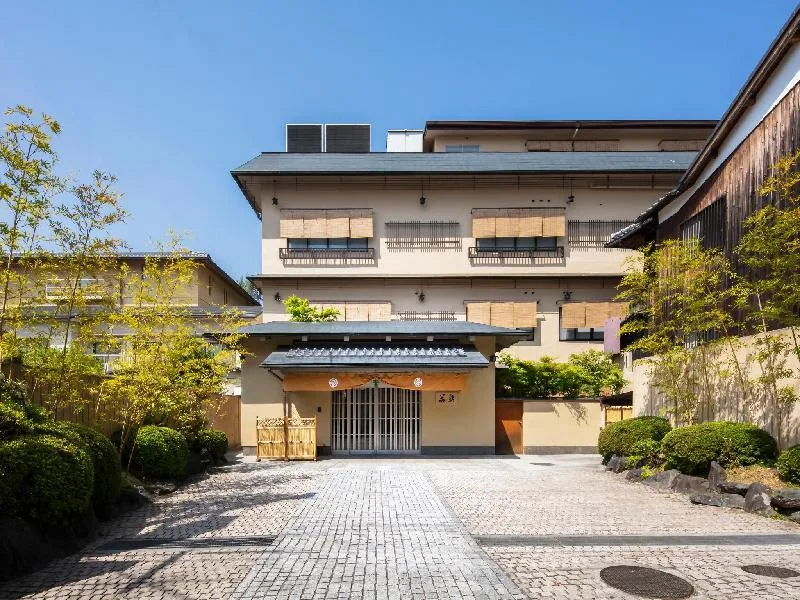
Gion Ryokan Karaku
Kyoto
★★★★☆
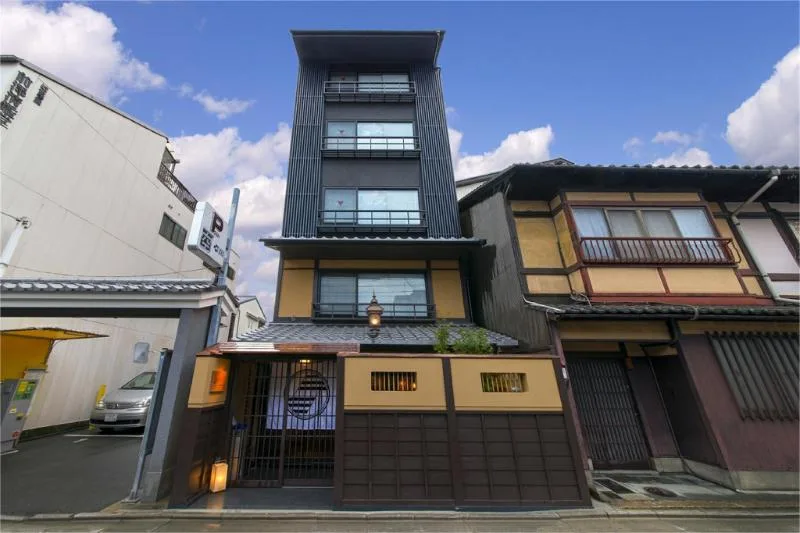
Gion Misen
Kyoto
★★★★☆
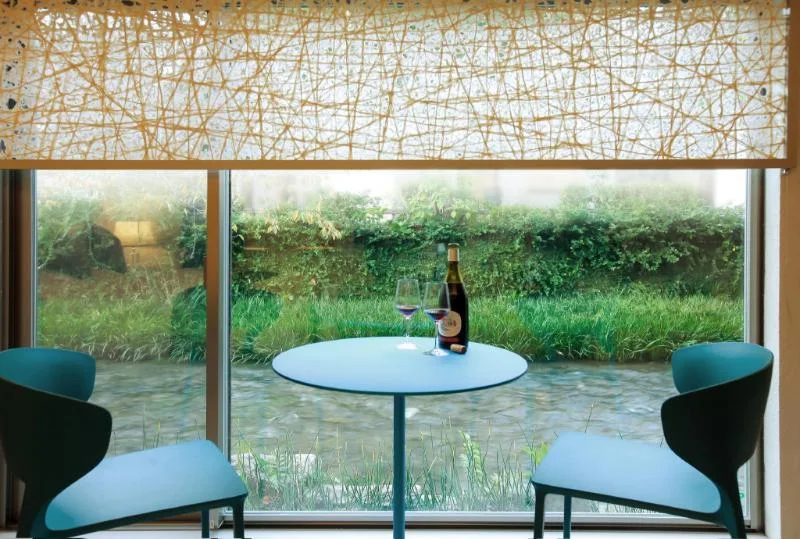
Luxury Condo Shikine An Gion Shirakawa
Kyoto
★★★★☆
I pre-booked on Klook the night before — skipped the entire ticket line.
FAQ
Is March a good time to visit Kyoto?
Yes, I think March is a strong month for Kyoto if you like cooler weather and smaller crowds than peak cherry blossom season. The tradeoff is that mornings can be chilly and a little wet, so I’d pack layers and not build the day around perfect weather.
How many days do I really need in Kyoto in March?
I’d want at least three full days, and five is better if you want both the major sights and one slower neighborhood day. With only two days, I’d cut the more optional stops like a long Arashiyama afternoon or a market-heavy buffer day.
Can I see cherry blossoms in Kyoto in March?
Sometimes, but I wouldn’t count on full bloom unless your trip lands in the last week of March and the weather cooperates. I’d treat blossoms as a bonus, not the reason for the trip, because early timing can be a total coin toss.
Is it better to stay near Kyoto Station or Gion?
I’d pick Gion or Kawaramachi if I care more about walking to food, temples, and evening atmosphere. Kyoto Station is easier for train connections, but it feels more functional than enjoyable, and I don’t love spending extra time commuting back and forth every day.
What should I pack for Kyoto in early spring?
I’d pack a light waterproof jacket, a long-sleeve top, comfortable walking shoes, and a scarf for the morning chill. March can swing from cool and damp to mild by lunch, so I’d dress in layers and keep one extra layer in my day bag.
 Emma Hayes
Honest hotel reviews and real budget travel advice from someone who’s actually there.