
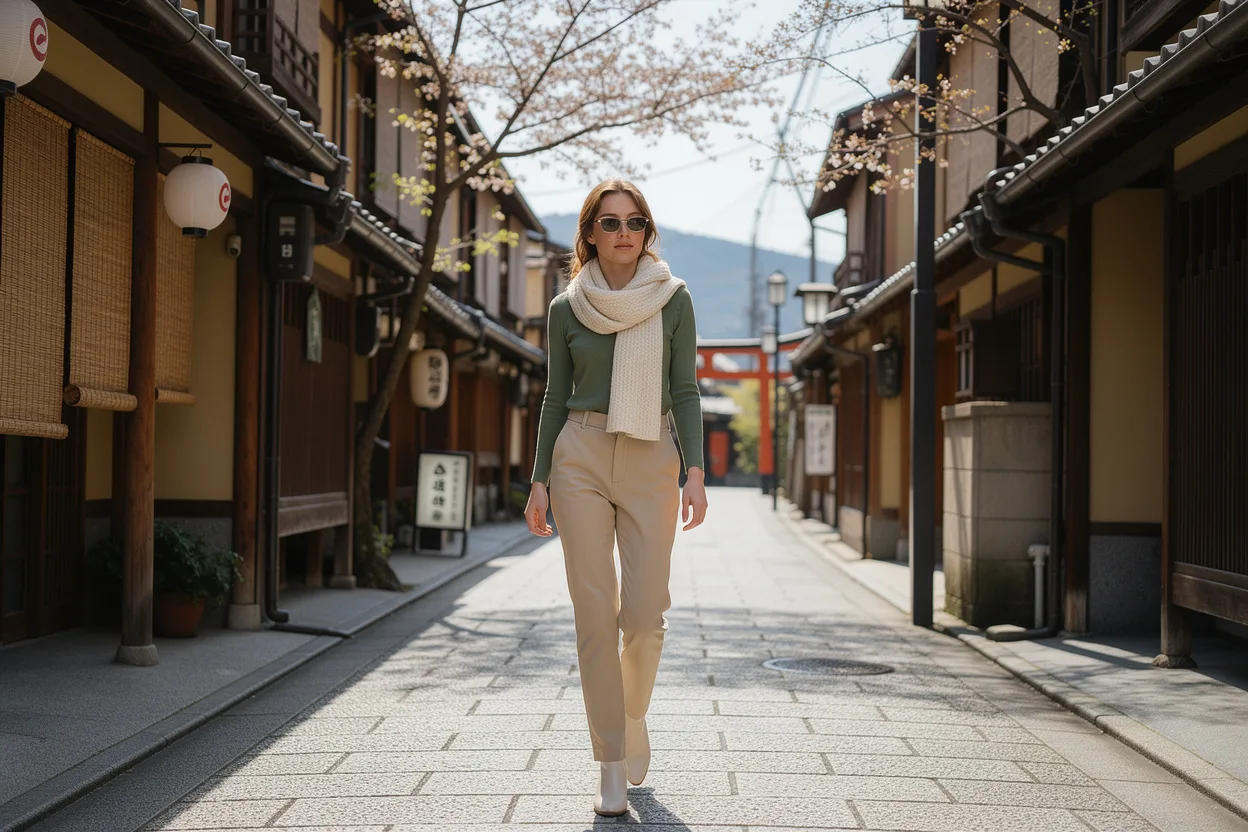
Nobody told me this before I went. I thought I was being clever in Kyoto by building my days around “quiet” temples and early starts, and I still ended up standing in lines, circling blocks, and wasting time I should’ve spent eating. My answer is simple: I’d still go looking for calmer corners, but I’d do it with a tighter plan and lower expectations. If you’re looking for things to do in Kyoto to avoid crowds, timing matters more than the place itself.
This is for travelers who hate spending half a trip in queues, especially if you only have one or two days and want a slower version of Kyoto. It’s not for people who want the famous photo spots at any cost, because those places are crowded for a reason and you’ll get annoyed trying to outsmart them. What matters most is timing, not just the place itself.
I book tours through Klook — popular slots sell out faster than you’d think.
Quick answer: The best things to do in Kyoto to avoid crowds were getting out before 8am, choosing places farther from the biggest tour groups, and picking one neighborhood instead of stacking famous stops. Fushimi Inari before sunrise, Arashiyama at opening, and smaller temples or gardens worked best for me.
Main Tips
I’d head for places that sit a little farther from the biggest tour groups, not the ones that just look quiet in a filtered photo. The difference showed up fast at Fushimi Inari, where the lower path was packed with people stopping every few steps for the same shot, while the smaller side streets nearby were almost empty and actually had room to breathe.
My best crowd-avoidance win was getting out before 8am and giving myself one temple, not five. I did that at Kiyomizu-dera, and the slope up was still cool, the shops were barely open, and I could hear my own footsteps instead of a dozen tour guides talking over each other.
The worst mistake was trying to stack famous stops in one area. I did it around Arashiyama and ended up in the same slow-moving crowd twice, first by the bridge and then again near the bamboo grove entrance, where everyone was funneled into the same narrow lane like it was the only way through.
If you only want a calmer Kyoto, I’d trade one marquee sight for a slower neighborhood walk, a garden, or a less famous temple. That was the move that worked best for me in places like Okazaki, where I could sit for a minute without someone stepping into my frame every ten seconds.
I made the biggest mistake at Fushimi Inari: I went “early,” but not early enough
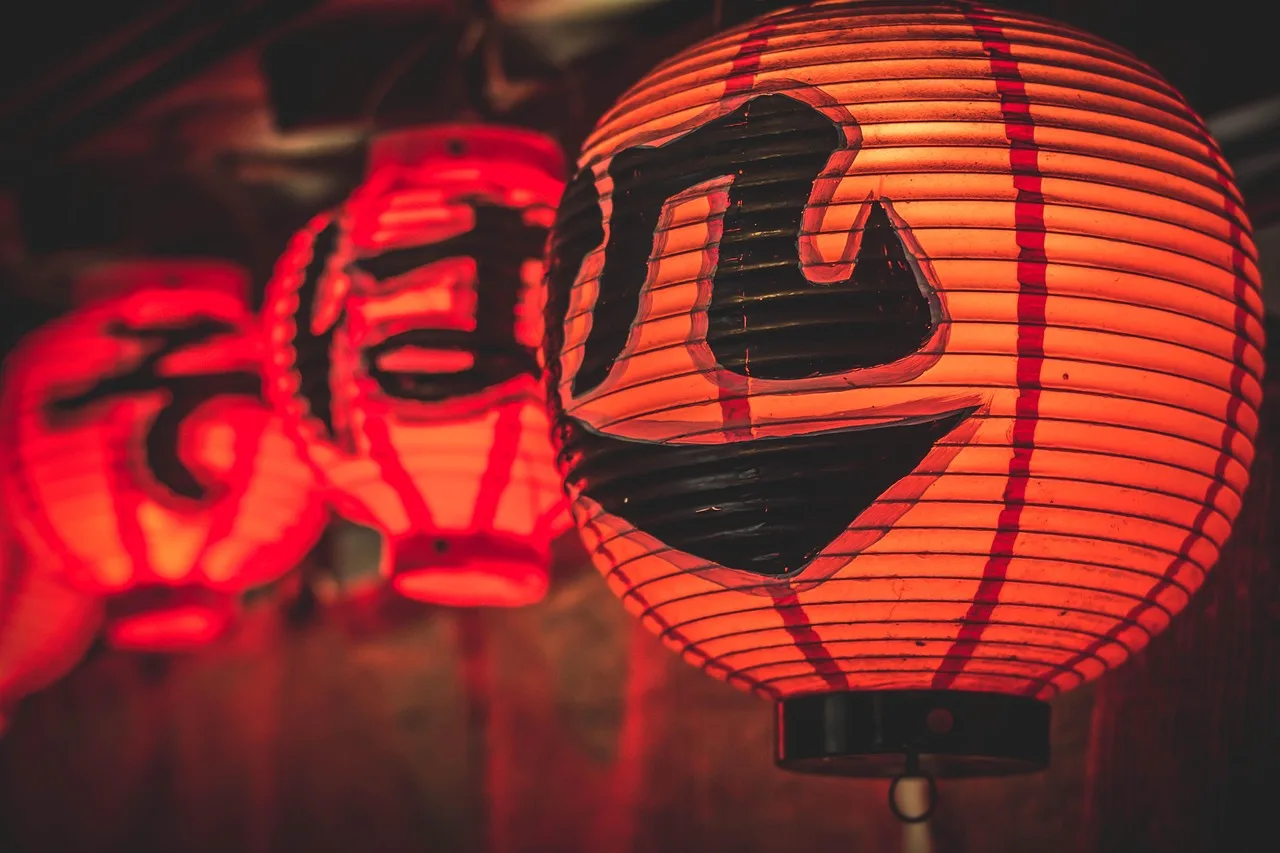
I got to Fushimi Inari around 8:30am and told myself I was being smart. I wasn’t. The lower shrine area was already packed, and the first tunnel of torii gates felt like a moving sidewalk of tourists, not a peaceful walk. I spent maybe 20 minutes there and left annoyed, which is a dumb way to start a day.
What it cost me was time and mood. I burned almost an hour between the train, the crowd, and the decision to keep moving uphill instead of hanging around, and I didn’t get the quiet version I’d pictured. The funny part is that the farther I walked up, the calmer it got, but by then I’d already lost patience.
Best for: People who can arrive before 7am and are okay walking uphill for the payoff.
Skip if: You’re trying to “fit it in” after breakfast. That’s how I did it, and it was too late.
My pick: If I went again, I’d either be there at sunrise or skip the lower shrine entirely and spend the time somewhere less obvious.
What I’d do instead is take the first train, go straight to the top section if I wanted the quieter feel, and leave before the day tours roll in. If I’m honest, I don’t think the lower gates are worth fighting for once the crowd builds.
Arashiyama looked calm online and then turned into a bottleneck by 10am
I went to Arashiyama on a morning that was still chilly enough for my scarf and light jacket, and the post-rain air made everything look clean and sharp. Then I hit the main drag near the bamboo grove and remembered that everyone else had the same idea. The grove itself was fine, but the walk there felt like a parade route.
This mistake wasted about 2 hours because I kept trying to “just see one more thing” in the same area. The monkey park line, the bridge, the bamboo path, the souvenir stalls — all of it kept pulling me into more people, not fewer. I had a coffee and a pastry from a little shop near the station just to get off my feet, which says enough.
Best for: Early risers who can be on-site before 8am.
Skip if: You’re going mid-morning and expecting a quiet stroll. That version of Arashiyama barely exists.
My pick: I’d do the grove at opening, then leave the area before breakfast crowds fully settle in.
The real alternative is better than trying to “beat” Arashiyama at its own game: go in, do one thing, and get out. I’d rather have one calm hour than a half-day of shuffling through the same crowd in different spots.
My dumbest time sink was trying to do too many temple stops in one morning
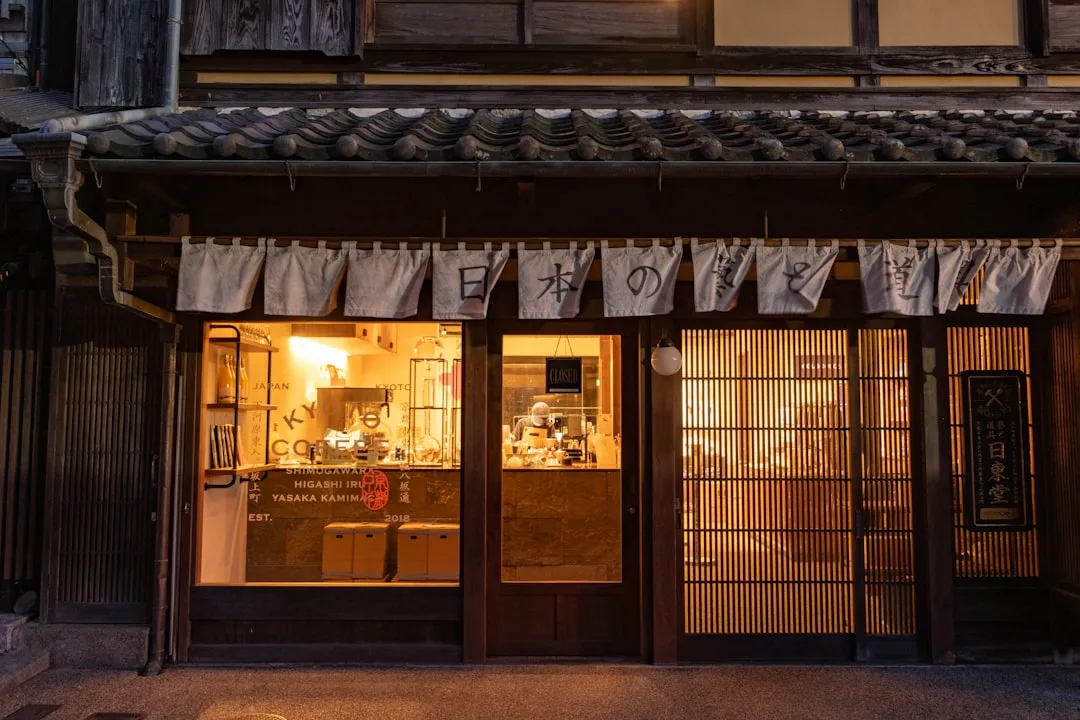
I thought a temple-hopping morning would keep me away from crowds because I was choosing less famous places. Instead, I kept zigzagging across Kyoto on buses, which meant I spent more time waiting than looking at anything. One bus was so full I stood by the door with my backpack pressed into my ribs, and that was the moment I knew the plan had gone bad.
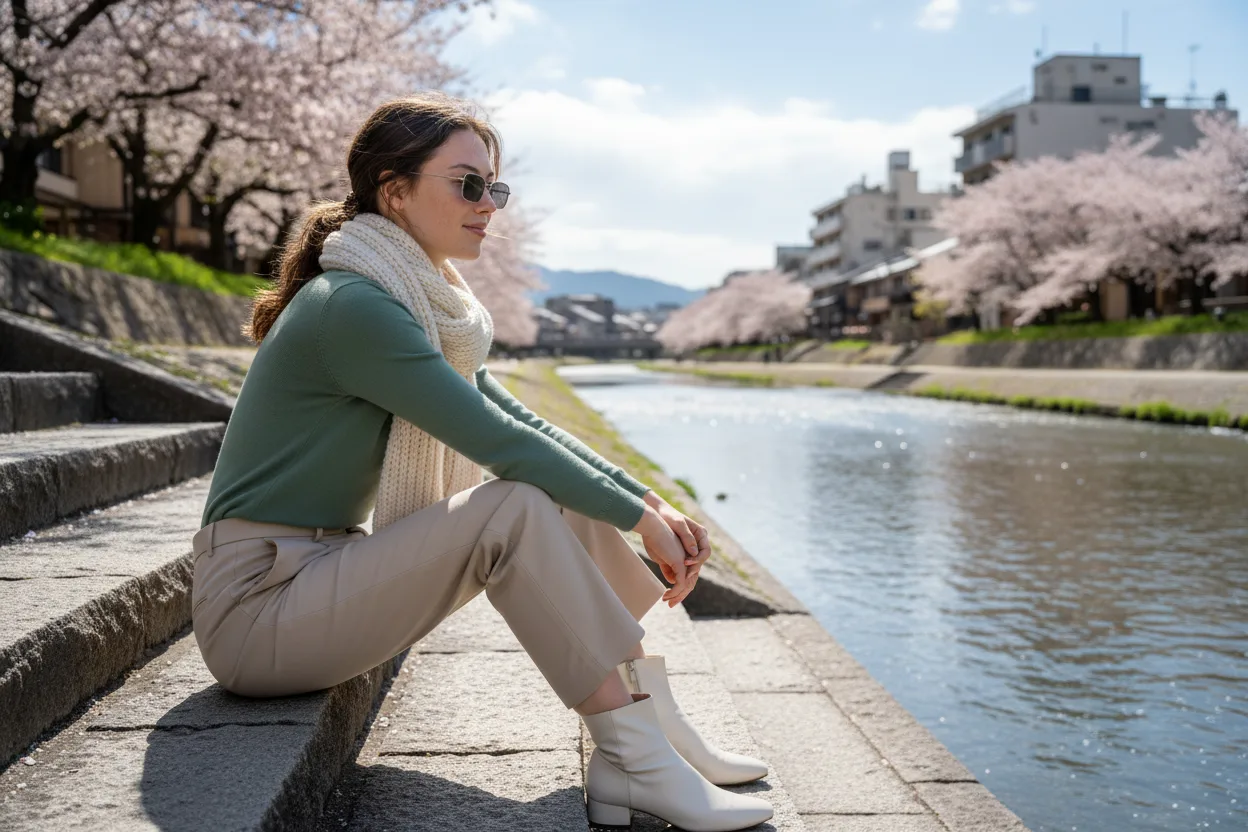
It wasted nearly half a day, and not because the temples were bad. The problem was the travel between them. Kyoto doesn’t reward random bouncing around the way I wanted it to, especially when the weather is cool and you’re layered up, carrying a scarf, sunglasses, and a jacket you keep taking on and off.
Best for: Travelers who pick one neighborhood and stay there.
Skip if: You’re building a “best of Kyoto” list by map pin. That turns a quiet day into transit math.
My pick: I’d do one east Kyoto area or one northern area per day, not both.
What actually works is slower. Choose one cluster, walk between stops, and let the city feel smaller. My mistake was treating Kyoto like a checklist when it really works better as a sequence.
The places that helped me most were the ones nobody was rushing to photograph
I had better luck at smaller temples and garden spaces like Honen-in and Shosei-en, where the crowd was thin because there wasn’t a single famous “must get this shot” moment. The difference was immediate. I could hear gravel under my shoes, a gate closing somewhere, and my own footsteps instead of ten people asking someone to move out of frame.
My best low-drama morning was at Honen-in, where I paid a few hundred yen, sat for a bit, and didn’t feel like I was competing with anyone. I’m not pretending these places were empty. They just had a normal pace, which felt luxurious after the bigger names. That’s usually what I mean when I look for things to do in kyoto to avoid crowds.
Best for: People who care more about atmosphere than bragging rights.
Skip if: You get bored when a place is quiet and understated.
My pick: I’d choose one lesser-known temple or garden over two famous sites every time.
The tradeoff is obvious: you get less “I was here” energy and more actual peace. I think that’s a fair trade, but only if you’re honest with yourself about why you went to Kyoto in the first place.
My biggest money mistake was paying for convenience I didn’t need
I spent money on taxis more than once because I was already tired from crowd-hopping and didn’t want to deal with another packed bus. One ride cost me around $12, which doesn’t sound terrible until you do it again and realize you’ve paid for stress relief instead of planning well. That math never works out.
The actual cost wasn’t just the fare. It was the fact that I kept choosing expensive shortcuts after I’d already made bad route choices, which made the whole day feel sloppy. I could’ve saved that money and used it on food or just one really good paid entry instead of five mediocre transit fixes.
Best for: Travelers with a tight schedule who’ve already planned their route carefully.
Skip if: You’re only taking taxis because you’re frustrated and behind.
My pick: Next time I’d budget for one taxi at most, and only when it actually saves a transfer, not when I’m annoyed.
If I wanted to avoid crowds and keep costs sane, I’d use the subway or walk between nearby spots, then save the taxi for the end of a long day. Paying to escape a bad plan is still a bad plan.
I lost the quietest part of the day because I ate lunch too late
This one sounds small, but it mattered. I kept moving through the morning, telling myself I’d eat “after one more stop,” and by the time I finally sat down, the places I wanted were full or had lines out the door. I ended up grabbing food from a convenience store once — an onigiri and hot tea — because I was too hungry to think straight.
That mistake didn’t ruin the day, but it definitely made it worse. When I’m hungry, I get impatient, and impatient Emma makes worse crowd decisions. I started chasing the fastest option instead of the best one.
Best for: Anyone who gets cranky when they skip lunch.
Skip if: You think eating later will somehow save time.
My pick: I’d stop for lunch before I felt desperate, even if it meant sitting down at 11:30am.
The quieter Kyoto I wanted showed up best when I wasn’t rushing my stomach. That part was painfully obvious once I messed it up.
The one thing I’d do again: book the first slot, then leave the rest of the day loose
If I were trying to avoid crowds in Kyoto now, I’d pick one early anchor and let the rest of the day stay open. That could be an early temple, a garden, or a guided entry that starts before the buses arrive. After that, I’d wander, eat, and stop trying to “win” the day.
I pre-booked on Klook — skipped the entire ticket line.
Best for: Travelers who want one calm, organized start and don’t mind improvising after that.
Skip if: You’re the type who wants every hour preloaded with stops.
My pick: I’d book the one thing that really needs timing, then keep the rest of Kyoto flexible.
What I’d do differently next time
I’d wake up earlier, pick fewer neighborhoods, and stop pretending I could outsmart Kyoto’s crowds with a clever route. I’d also eat earlier and stop paying for taxis just because I was annoyed. The city is easier when I stop trying to squeeze it into a perfect plan.
Most of all, I’d accept that “avoiding crowds” in Kyoto is about reducing friction, not eliminating people. That’s a better goal anyway.
Best for: Slow travelers who want a calmer version of Kyoto without expecting it to be empty.
Skip if: You want the most famous sights and don’t care about lines.
Next time: I’d build the whole day around one early booking, one neighborhood, and one good lunch.
I usually book Kyoto tours on Klook — the best time slots go fast, especially in peak season.
FAQ
What time should I start if I want Kyoto to feel less crowded?
I’d start before 8am if I really wanted a quieter feel. After that, the city shifts fast, and the places everyone talks about start filling up. If I’m being honest, sunrise is better than “early morning.”
Are the famous bamboo and shrine spots worth it if I hate crowds?
Yes, but only if I go very early or accept that I’m seeing them with lots of other people. If I arrive mid-morning, I’m mostly there for the shared experience and not for peace. I’d skip them on a short trip if crowd-free time matters more than checking boxes.
Is it better to walk or take buses around Kyoto?
I prefer walking within one area and using transit only to switch neighborhoods. The buses can be slow and crowded, especially when everyone is moving between the same temple zones. If I’m trying to keep a day calm, I plan fewer moves, not more.
Which kind of places felt the least hectic to you?
The smaller temples, gardens, and less famous stops felt easier on me. They weren’t empty, but they didn’t have the same crush of people or the same pressure to keep moving. I liked them most on a cold, post-rain morning when the whole city felt a little softer.
How many “quiet” sights can I realistically fit into one day?
I’d keep it to two or three at most, and only if they’re in the same part of the city. More than that usually turns into transport and waiting, which defeats the whole point. I learned that the hard way after trying to cram too much into one morning.
 Emma Hayes
Honest hotel reviews and real budget travel advice from someone who’s actually there.