
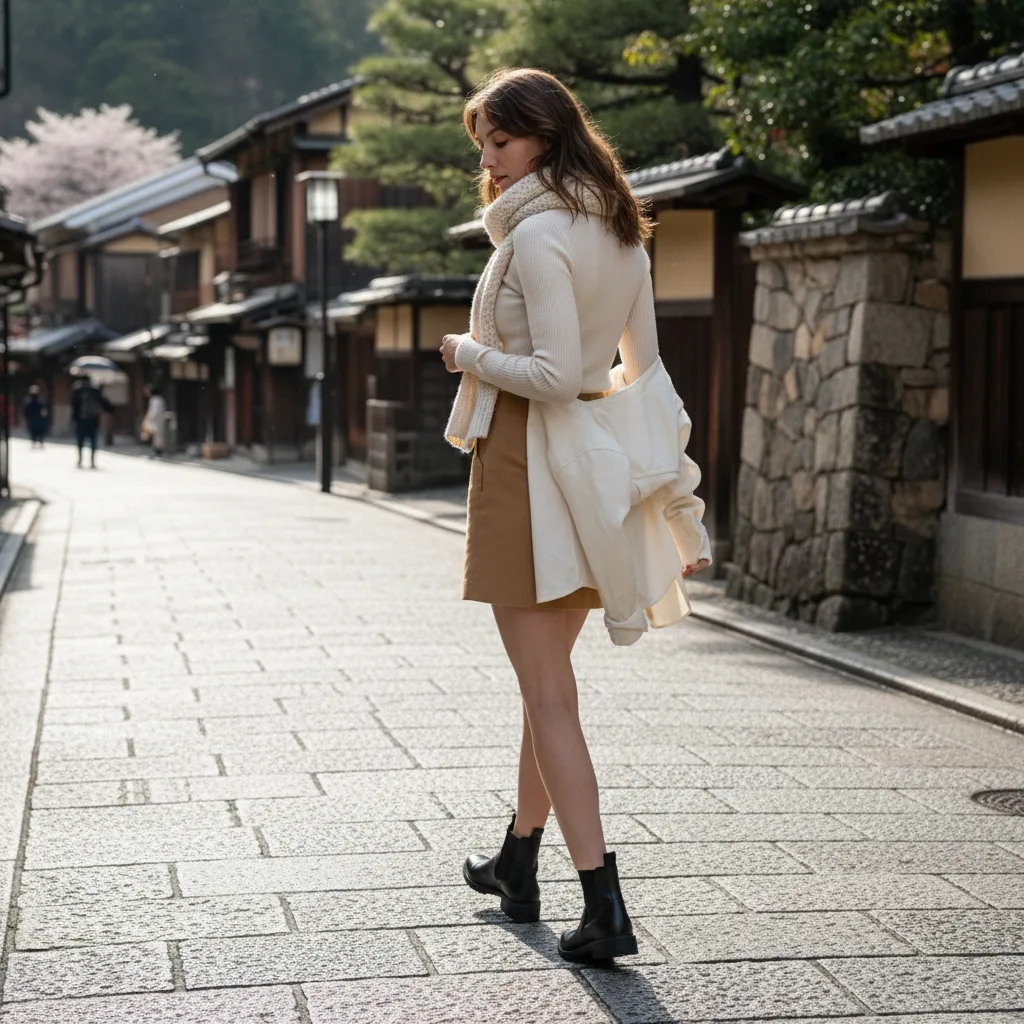
I almost wasted half a day trying to “see Kyoto parks” the way I’d attack a museum list, and that would’ve been the wrong move. Kyoto is better when I stop treating it like a checklist and start using its parks as pauses between temples, coffee, and long walks. If you’re looking for things to do in kyoto park, this is the slower version that actually worked for me.
My answer is simple: if you like calm city days, I’d spend real time in Kyoto parks. If you want big attractions every hour, Kyoto’s park scene will probably feel too understated. The tradeoff is obvious — you get space, shade, and slower air, but not a dramatic payoff every ten minutes.
Quick Answer: My best Kyoto park picks are Maruyama Park, Kyoto Gyoen National Garden, Kamo River, and Shosei-en Garden. Maruyama Park fits a Gion day best, Kyoto Gyoen is best for a long quiet walk, Kamo River is the easiest free reset, and Shosei-en is the one for people who like smaller, polished gardens.
Best for: Travelers who want a quieter Kyoto day, especially if they’re already doing shrines, neighborhoods, and food stops.
Skip if: You only care about iconic landmarks and don’t want to walk just to sit around.
My pick: I’d use Kyoto parks as the glue between bigger sights, not as the whole trip.
- Kyoto parks are most useful when you need a reset between temple visits and train rides.
- I’d prioritize parks with ponds, walking paths, and nearby food over empty lawns.
- If you only have one day, don’t chase every green space. Pick one or two and move on.
The Kyoto Parks I’d Actually Make Time For
If I had to choose, I’d start with Maruyama Park, Kyoto Gyoen National Garden, and the riverside paths near Kamo River. Those are the ones that fit real Kyoto days, not fantasy itineraries where I somehow have unlimited energy and no rain in my shoes.
Maruyama Park works because it’s right next to Yasaka Shrine and Gion, so it doesn’t feel like a detour. Kyoto Gyoen National Garden is more open and formal, which makes it good for a long walk without much pressure. Kamo River is the most casual of the three — less “destination,” more “I needed a place to breathe after too much walking.”
Best for: First-time visitors who want one easy park stop without reorganizing the whole day.
Skip if: You’re hoping for dramatic landscaping or a big botanical-garden moment.
My pick: Maruyama Park, because it fits into a Kyoto day so cleanly.
I remember standing near Maruyama Park in a trench coat and scarf after a chilly post-rain morning, with my jacket in hand by the time the sun showed up. It was around 5–14°C, so the park wasn’t some lazy picnic scene; it was more of a place to walk slowly, warm up, and not feel guilty about taking my time.
Maruyama Park: The One I’d Add to a Gion Day
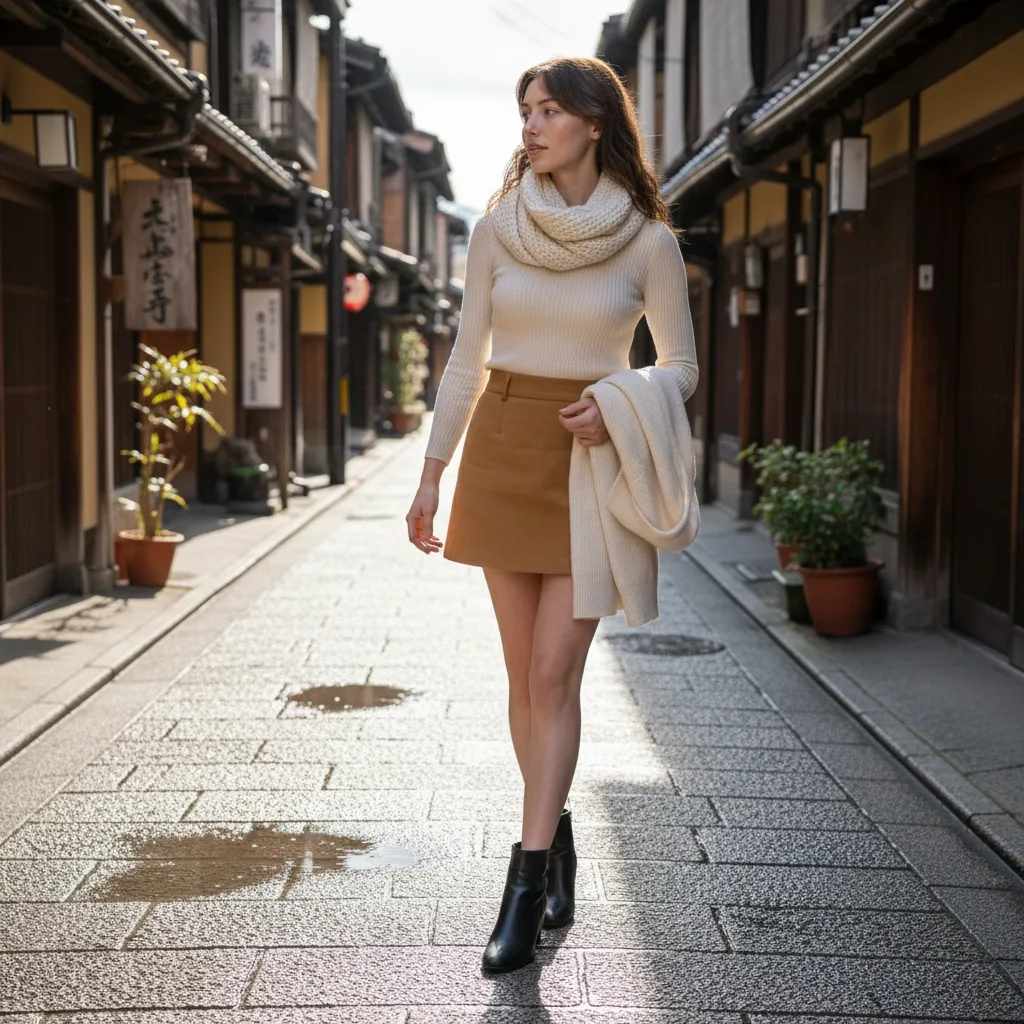
I like Maruyama Park because it doesn’t ask for much. You can walk through it in 20 minutes, sit longer if you want, and then keep going to Yasaka Shrine, Chion-in, or the streets around Gion. That’s the whole appeal. It’s useful, not flashy.
In spring, the weeping cherry tree gets all the attention, and yeah, I get why. But even outside cherry blossom season, the park gives you a break from Kyoto’s more formal sightseeing rhythm. I bought a canned coffee from a vending machine nearby and just sat for a bit — nothing profound, just a decent pause.
Worth it if: You’re already in eastern Kyoto and want a low-effort stop that doesn’t eat the whole afternoon.
Skip if: You’re staying far from Gion and would have to cross half the city just for this.
My pick: Combine it with nearby shrines, not as a standalone outing.
The real tradeoff here is crowd pressure. During sakura season, Maruyama Park gets busy fast, and the atmosphere shifts from calm to slightly chaotic. I don’t love it at peak bloom, honestly. If you’re not there for the flowers, another park may be less annoying.
Kyoto Gyoen National Garden: Big, Quiet, and Slightly Underused
Kyoto Gyoen is the park I’d choose if I wanted space more than scenery. It sits around the Kyoto Imperial Palace area, and the grounds are large enough that you can walk for a while without bumping into a constant stream of tourists. I think that’s why I liked it more than I expected.
This one is especially good on a rainy or cold morning when you want to move without committing to a full indoor plan. I walked parts of it after the rain had cleared, and the paths were still damp, the grass looked heavy, and the whole place felt calmer than the busier temple zones. Not magical. Just calm, which is rarer than people admit.
Best for: Travelers who want a long, quiet walk and don’t need a dramatic “thing to do” every five minutes.
Skip if: You get bored in open spaces without much built-in entertainment.
My pick: I’d go here on a recovery morning after a late night or a heavy temple day.
One practical thing: this park is easy to pair with the Kyoto Imperial Palace area, but it’s not right next to the most obvious lunch stops. I ended up grabbing a simple sandwich and tea from a convenience store nearby, which was fine, but not exactly a culinary highlight. That’s the sort of day this is — pleasant, not memorable in a flashy way.
Kamo River: Not a Park Exactly, but I’d Still Count It
Kamo River is where I go when I want Kyoto to feel less curated. People sit by the water, walk dogs, eat snacks, and just exist. There’s no big entrance, no ticket, no reason to “finish” it. That’s why I like it.
If you’re deciding what to do in Kyoto and your day already includes temples or shopping, this is the easiest low-cost add-on in the city. It costs nothing, takes as long as you want, and gives you a break without making the day feel overplanned. I sat near the river after a long walk and ate onigiri I’d picked up for about 150 yen each. Not glamorous. Very effective.
Best for: Budget travelers, solo travelers, and anyone who gets temple fatigue fast.
Skip if: You need a defined attraction with signs, gates, or a clear end point.
My pick: Use it as your reset button between neighborhoods.
The river is also where Kyoto starts to feel lived-in instead of staged. That matters more to me than another “top sight” sometimes. I don’t need every stop to be impressive. Some places just need to make the day work.
Shosei-en Garden: Small, Polished, and Worth the Detour If You Like Details
Shosei-en is not the park I’d send everyone to first, but I would send the right person there. It’s more controlled and ornamental than the bigger public spaces, and that makes it feel different from the rest of Kyoto’s green areas. If you like tidy paths, ponds, and a quieter pace, it’s a good call.
I usually book Kyoto tours on Klook — the best time slots go fast, especially in peak season.
The main tradeoff is simple: it’s more refined than casual, but it also asks you to care about subtlety. If you’re rushing through Kyoto, you may not feel much. If you’re already nearby and want a calmer stop than another shrine queue, it works.
Best for: Travelers who like garden design and small, structured spaces.
Skip if: You want a big park to wander in for an hour or more.
My pick: I’d pair it with a station-area day, not make it the center of the trip.
I stopped here after a morning that had already involved too much walking, and the smaller scale helped. It wasn’t the kind of place where I felt I had to “do” anything. That matters. Sometimes a park is just a place to stop performing as a tourist for a minute.
What Kyoto Parks Are Good For, and What They’re Not
Kyoto parks are good for pacing. That’s the real use case. They break up temple-heavy days, give you somewhere to sit if your feet are done, and make Kyoto feel less dense. They are not the reason I’d fly to Japan on their own.
If you’re expecting the kind of park experience you’d get in a huge city with dramatic skyline views or giant picnic lawns, Kyoto will feel quieter and more restrained. That’s not a flaw. It just means the parks here work best as part of a larger day.
Best for: People building a slower Kyoto itinerary with room for wandering.
Skip if: You want major attractions that justify a transit-heavy schedule.
My pick: Use parks to make the trip feel human, not to pad your list.
The nicest part, for me, was how little I had to spend. A park stop can cost basically nothing if I’m just walking and maybe buying a drink. That’s a good deal in a city where it’s easy to spend money on entry fees, taxis, and too many snacks because everything smells good.
If you’re building a full Kyoto base around this slower style, I’d still check hotel rates near the areas you’ll actually walk, because location changes the whole feel of the day. Staying near Gion, Kawaramachi, or the station makes park-hopping a lot easier than bouncing in from the edges of the city. See all kyoto hotels on Agoda →
How I’d Plan a Kyoto Park Day Without Wasting Time
I’d keep it brutally simple. One park in the morning, one neighborhood lunch, and one nearby temple or shrine in the afternoon. That’s it. The minute I try to make Kyoto parks the main event, the day gets weird and thin.
For a first trip, I’d do Maruyama Park with Gion, or Kyoto Gyoen with the Imperial Palace area. If I wanted an easy, cheap day, I’d add a walk along Kamo River and call it enough. You do not need to collect parks here like stamps.
Best for: Travelers with one free day or a half-day gap between bigger plans.
Skip if: You only have 24 hours and still haven’t seen the main temples or downtown streets.
My pick: One park, one meal, one neighborhood. That’s the right amount.
I’ve seen too many trips get wrecked by overplanning the “relaxing” part. The irony is annoying. Kyoto parks work best when they are the soft edges of the day, not the whole shape of it.
The Day I Got Caught in Rain and Liked Kyoto More for It
I had one afternoon where the weather turned right after I’d already committed to walking across the city. My umbrella was in my bag, my scarf was doing most of the work, and I was half tempted to bail and sit inside with tea. Instead, I kept going toward the park by the river and ended up liking Kyoto more because I didn’t force it.
That’s the thing I keep coming back to with Kyoto parks: they reward a slower mood. If I’m rushing, they feel like filler. If I’m tired, slightly cold, and open to an unplanned break, they make the whole city easier to love. Not a dramatic lesson. Just a true one.
Best for: Travelers who don’t mind changing plans when the weather or energy shifts.
Skip if: You need every hour to be tightly scheduled and “worth it” on paper.
My pick: Leave room for one park stop you didn’t overthink.
Rough daily estimates per person from my own Kyoto day with one park stop, simple meals, and local transit. Prices shift by season.
What I’d Do Differently Next Time
I’d stop trying to “fit in” too many green spaces on the same day. One good park is enough. Two is fine. Three starts to feel like I’m avoiding the actual city.
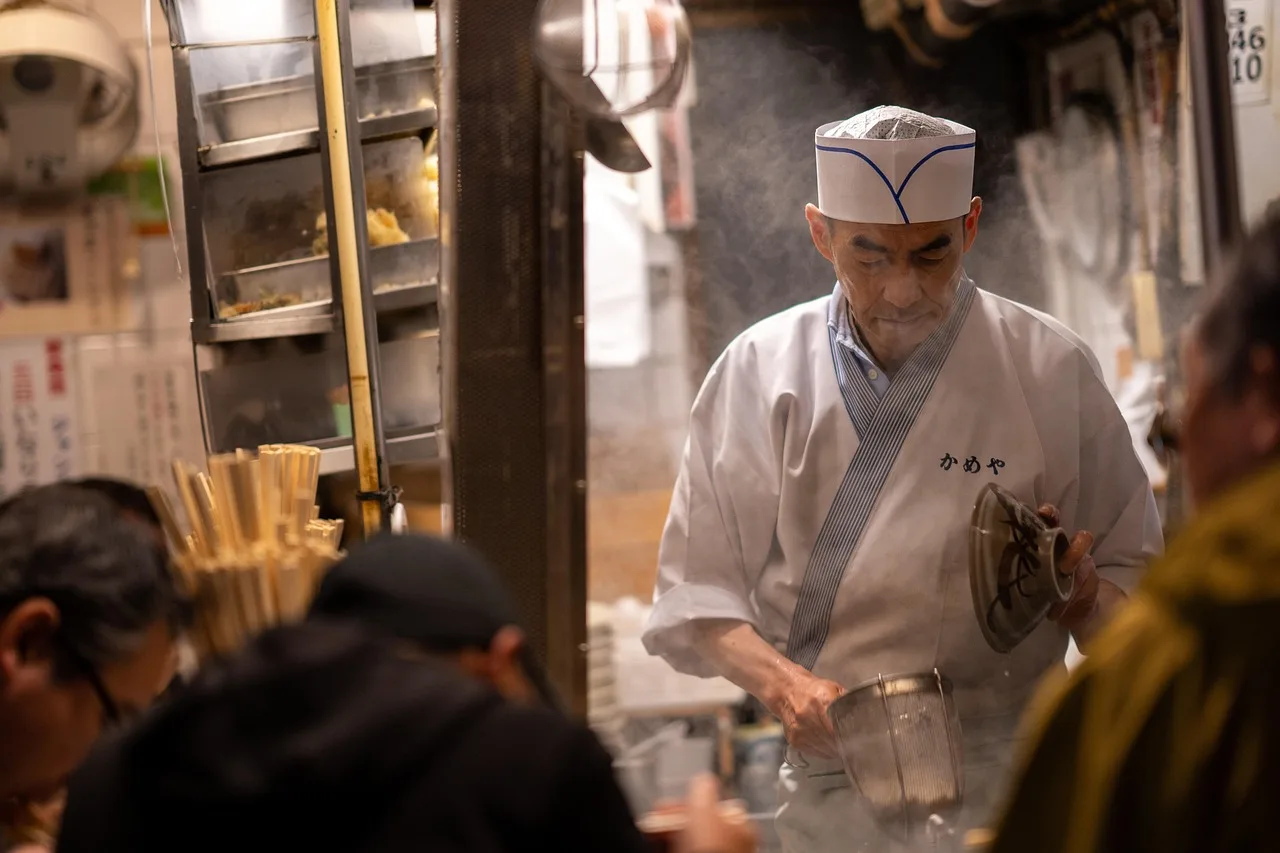
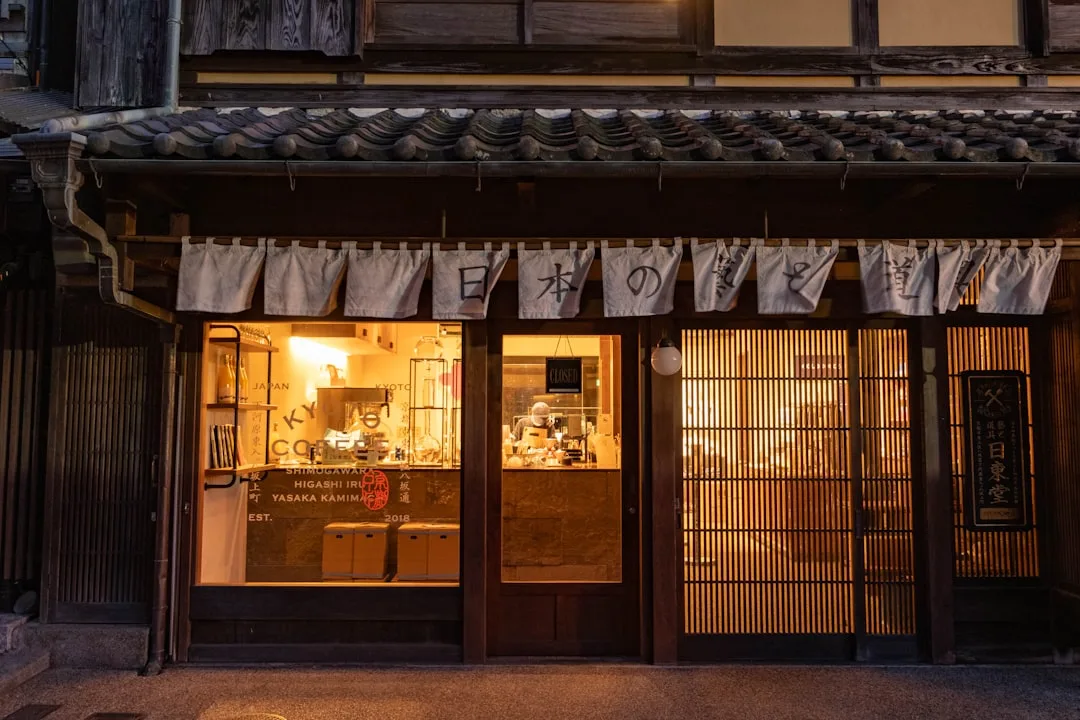
I’d also eat better around the park stops instead of defaulting to convenience-store snacks every time. Cheap is fine, but Kyoto has enough small noodle shops, bakeries, and coffee counters that I don’t need to make every break feel temporary.
And I’d time Maruyama Park earlier in the day if I wanted it quiet. That sounds obvious, maybe too obvious, but I still got that wrong once and paid for it in crowds.
See current Kyoto hotel prices on Agoda →
FAQ
Are Kyoto parks good in winter?
Yes, but I’d go in with the right expectations. They’re nicer for walking than lingering, especially on a chilly day, and I usually want a coffee or tea break nearby afterward. In winter, the parks feel quieter and more stripped back, which I actually like.
How many Kyoto parks can I visit in one day?
Two is the sweet spot for me, and three starts to feel rushed unless they’re all on the same route. If I’m also doing temples, shrines, or a long lunch, I’d keep it to one main park and one smaller stop. That keeps the day from turning into a transit puzzle.
Which Kyoto park is best for a first-time visitor?
I’d pick Maruyama Park first because it’s easy to combine with Gion and Yasaka Shrine. It gives you a nice break without needing a separate half-day. If you want more space and less foot traffic, Kyoto Gyoen is the better second choice.
Do I need to pay to visit Kyoto parks?
Most public parks are free, which is part of why I like them. Some garden areas or attached grounds can have entry fees, so I’d check if I’m planning a specific stop. The cheap or free part is a big reason they work well between paid sights.
What should I wear when walking around Kyoto parks?
I’d wear comfortable shoes and bring a layer, even if the day starts mild. Kyoto can feel colder in the morning than it looks, and I ended up glad I had a trench coat, scarf, and something I could stash once the sun came out. If rain’s in the forecast, an umbrella is non-negotiable for me.
 Emma Hayes
Honest hotel reviews and real budget travel advice from someone who’s actually there.
So, Are Kyoto Parks Worth Your Time?
Best for: Travelers who want a calmer Kyoto day with room to walk, sit, and reset between bigger sights.
Skip if: You only want high-energy attractions and don’t care about slow, in-between places.
Next time: I’d do Maruyama Park in the morning, Kamo River at sunset, and skip trying to “collect” every other green space.