
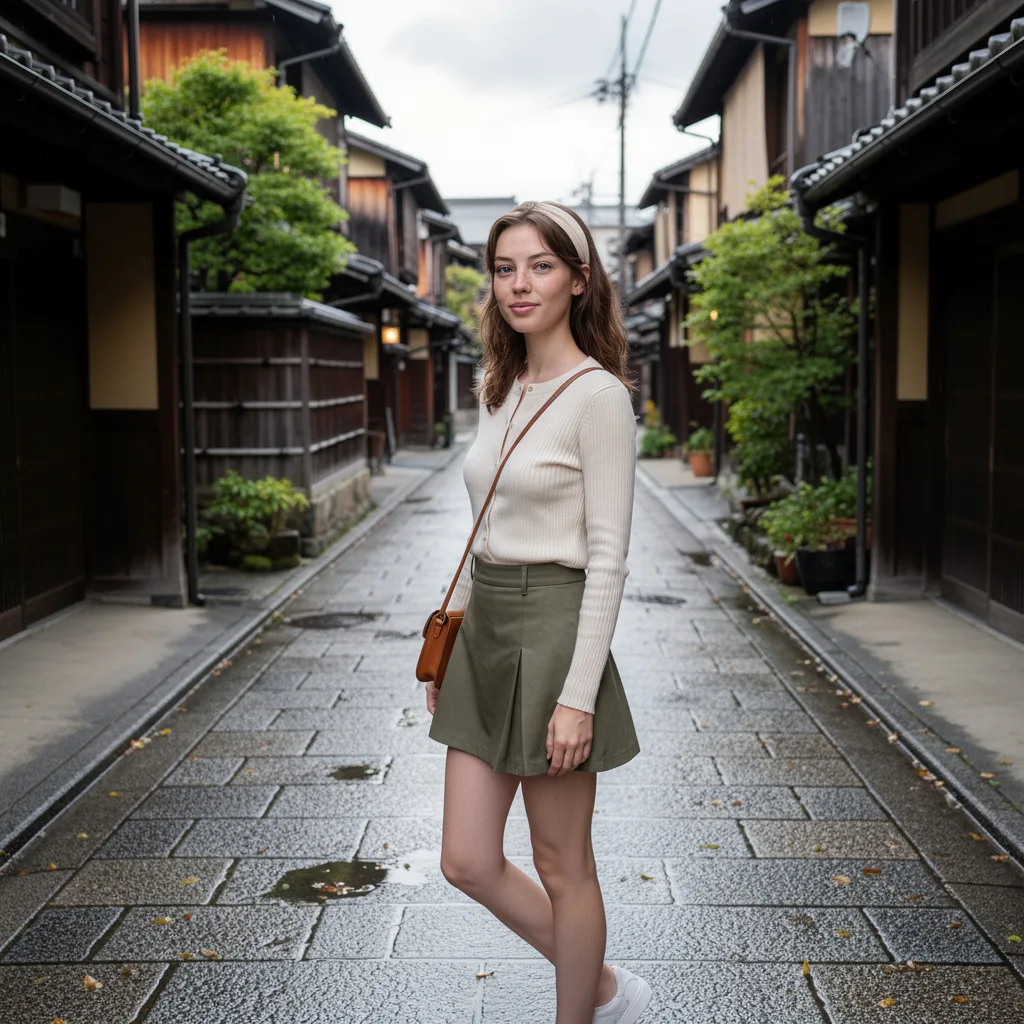
I did this wrong the first time. I booked a pretty area, then spent too much of my Kyoto trip dragging myself across town for trains, dinner, and one very ordinary convenience store run. My answer now is simple: I’d stay near Kyoto Station for a first trip, and I’d only switch to Gion if atmosphere matters more to you than easy logistics. If you’re figuring out where to stay in Kyoto first time, that’s the cleanest answer.
If you want one base that makes temple days, day trips, and arrival/departure less annoying, Kyoto Station is the move. If you’re chasing older streets and don’t mind paying more for slower mornings, Gion is the better alternative. What actually matters most here is how much transit friction you’re willing to trade for charm.
Quick answer: Kyoto Station is my first-trip pick. It’s the cleanest choice for easy trains, luggage storage, and cheap food nearby. Gion is the better alternative if you want the traditional Kyoto feel and don’t mind higher hotel prices. Kawaramachi/Shijo is the middle ground for food and nights out, while Arashiyama is only worth it for a slow, temple-heavy stay.
Quick Answer
If you’re deciding where to stay in Kyoto first time, I’d start with Kyoto Station. It’s the easiest place to land with luggage, the trains are right there, and I found it simple for early temple starts and cheap dinners after a long day out. Gion is the prettier alternative if you want more atmosphere, but you pay for it, and you’ll walk more.
For budget planning, I saw decent midrange stays around $90–180 a night near Kyoto Station, roughly $140–280 in Gion, and about $70–130 in Kawaramachi/Shijo. That’s the kind of spread that makes the practical choice feel a lot more sensible.
Kyoto Station: the smartest base for a first trip

Best for: first-time visitors, short stays, day-trippers, and anyone arriving with luggage.
Skip if: you want your hotel area to feel scenic after dark.
Main tradeoff: it’s efficient, not charming.
This is where I’d stay again. Kyoto Station gives you the least wasted time, and on a first trip that matters more than people want to admit. You can get off the Shinkansen, drop your bag, and be on the JR Nara Line, subway, or city bus system without a taxi shuffle. I’ve stayed in areas that looked nicer on Instagram, and they cost me more time every single day.
It also makes the annoying parts easier. If you’re doing Nara, Osaka, or even an early start to Arashiyama, being near the station keeps the day from turning into a relay race. I once grabbed a 7-Eleven rice ball and a canned coffee at 6:40 a.m. before a temple run, and that kind of boring efficiency saved the day. Not glamorous. Useful.
Sleep-wise, Kyoto Station is mixed but manageable. The immediate station front is busy, and some blocks are noisy late because of traffic and people coming in from dinner. If you book one or two streets back, it gets much quieter without losing the transit advantage. Walkability is good for practical stuff, not for wandering charm. You can get to restaurants, drugstores, and supermarkets easily, but you won’t be strolling through old lanes every night.
Cost-wise, this is the safest balance. I’d expect about $90–180/night for a solid double room near Kyoto Station, with business hotels on the lower end and newer midrange places closer to the top. That’s usually cheaper than Gion and easier than trying to force a “pretty” base that makes every outing longer. If you only have 3 nights, staying here means maybe 30 minutes to Higashiyama some mornings, but it saves you repeated taxi fares and wasted transfer time.
Best for: people who care about getting around fast, especially on a first Kyoto visit.
Skip if: you want your street to feel old and atmospheric the second you step outside.
My pick: this is the base I’d book first, then I’d spend my daylight hours elsewhere.
Gion: the better choice if atmosphere beats convenience
Best for: couples, slow travelers, and people who want to wake up in Kyoto’s older streets.
Skip if: you’re price-sensitive or hate paying more for less transit convenience.
Main tradeoff: prettier setting, more friction.
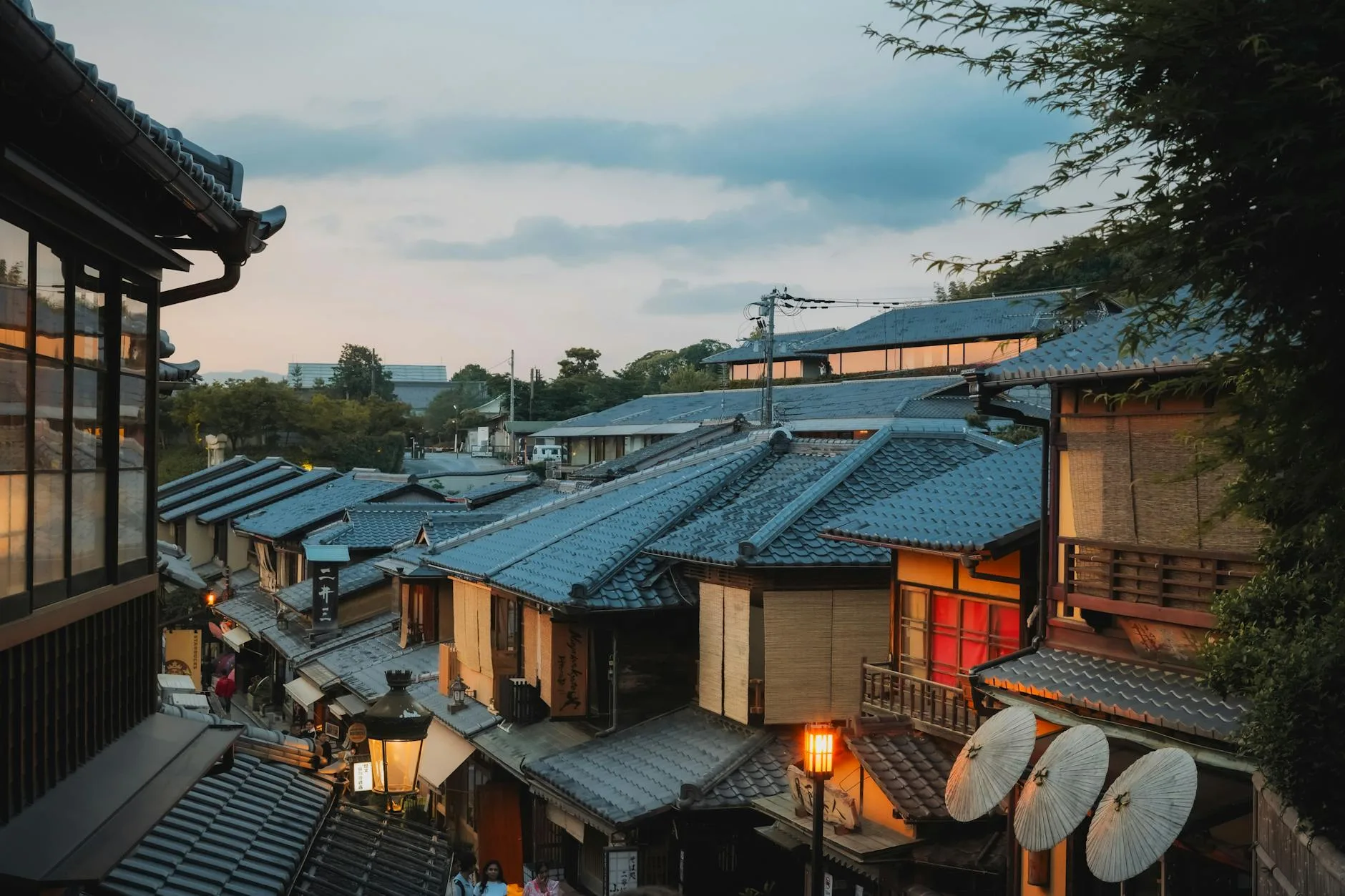
Gion is the obvious romantic answer, and I get why people choose it. You’re closer to Yasaka Shrine, Hanamikoji Street, and the Higashiyama temple zone, so mornings feel easier if you’re heading straight to Kiyomizu-dera or Kennin-ji. But the area is not cheap, and that tradeoff gets old if you’re doing more than one or two nights. Expect roughly $140–280/night for a decent stay, with prices jumping fast around weekends and cherry blossom season.
The real issue is not just money. It’s movement. Gion is walkable in the sense that you can wander a lot, but transit is less direct than Kyoto Station, and taxis add up fast. If you’re coming back late after dinner in Pontocho or Nishiki Market, the area feels lovely. If you’re dragging a suitcase from the train or trying to catch an early train to somewhere else, it’s a little annoying. Fine, not great.
Sleep here depends on the exact street. Some parts are quiet at night, especially away from the main lanes, but the popular blocks can get busy with day-trippers from morning to evening. I’d book Gion if I wanted Kyoto to feel special the second I stepped out the door. I would not book it just because it looks nicer on a map.
Best for: travelers who want the old-Kyoto feeling and don’t mind paying for it.
Skip if: you’re doing lots of day trips or you hate walking back from transit with luggage.
My pick: this is the alternative I’d choose only if the trip were slower and more about the neighborhood than the logistics.
Kawaramachi and Shijo: the middle ground I’d choose for food and nights out
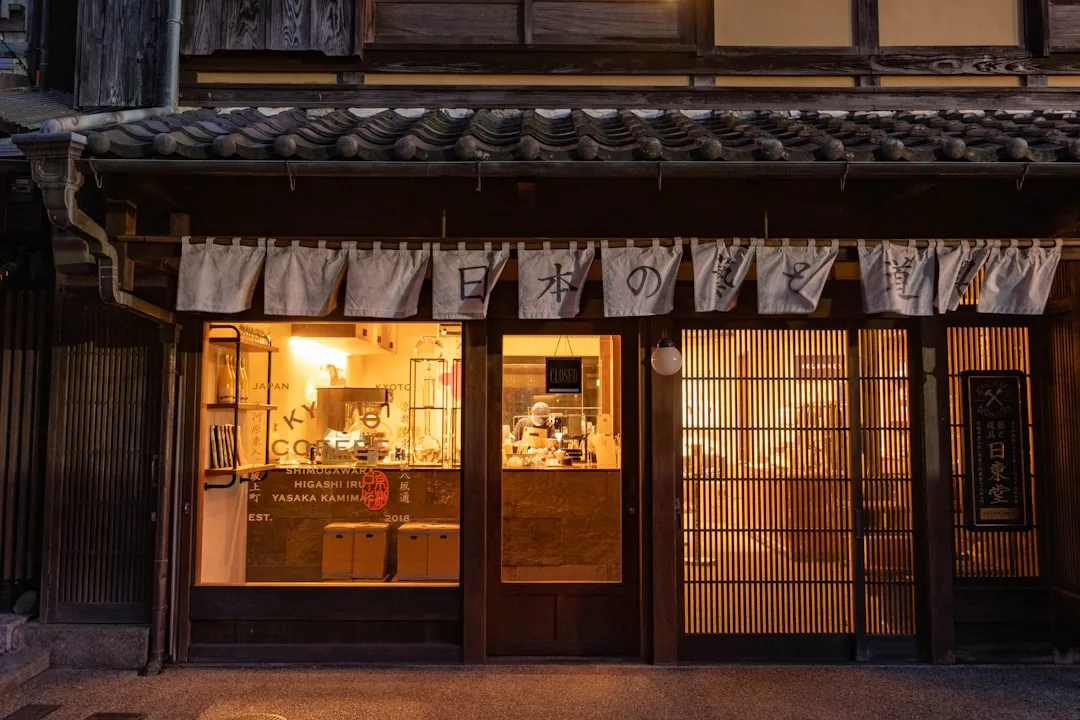
Best for: food-focused trips, solo travelers who want more going on at night, and people who don’t need station-side convenience.
Skip if: you want the most streamlined arrival and departure possible.
Main tradeoff: better evening energy, slightly more transit hassle.
This is the area I’d pick if I wanted more of a city base without giving up too much practicality. Kawaramachi and Shijo put you closer to Nishiki Market, Pontocho, and lots of dining options, so dinner is less of a mission. I liked having easy access to a random ramen shop, a bakery, and a drugstore without planning it. That stuff matters more than people think after a long temple day.
Prices usually land around $110–220/night for decent hotels, which makes it a cleaner compromise than Gion. Sleep can be better than you’d expect if you stay one street off the busiest retail strips. Walkability is good, and transit is decent, but it’s not as clean a transport base as Kyoto Station. You’ll spend a bit more time getting to the station with luggage or making early departures. That’s the tradeoff.
Location consequence: staying here means about 15–20 minutes to Kyoto Station by subway or taxi, but it saves you from going back to a dead area at night. If you like stepping out for dinner and not overthinking it, this area works. If you’re the type who wants trains to be stupid easy, it won’t be your first choice.
Best for: travelers who care about restaurants, bars, and being in a busier part of town after dark.
Skip if: you want the easiest possible base for day trips and arrivals.
My pick: good second choice, not my first-trip default.
For a deeper look at what are things to do in kyoto japan, I covered this in my What Are Things To Do In Kyoto Japan.
I wrote a more detailed breakdown in Things To Do In Kyoto February — worth reading if you’re still deciding.
If things to do in kyoto matters to your trip, my Things To Do In Kyoto In March has the specifics.
I wrote a more detailed breakdown in Should I Stay Near Kyoto Station — worth reading if you’re still deciding.
If kyoto.safe for.women matters to your trip, my Is Kyoto.Safe For.Women has the specifics.
Arashiyama: only if your trip is slow and temple-heavy
Best for: repeat visitors, nature-heavy itineraries, and people who want quiet mornings.
Skip if: this is your first Kyoto trip and you want to cover a lot of ground.
Main tradeoff: calm and pretty, but too far from the center for most first-timers.
I don’t recommend Arashiyama as the main base for a first visit unless your whole plan is built around that side of the city. Yes, you’re near the bamboo grove, Tenryu-ji, and the river, but you’re also farther from central Kyoto, Gion, and the station area. That means more back-and-forth if you want to see the classics. It sounds peaceful on paper. In practice, it can be a lot of transit.
Budget-wise, I’d expect $100–200/night for decent stays, with some places feeling more resort-like than city-hotel practical. Sleep is usually better here because it’s quieter at night, and walkability is nice for the local area. But the main consequence is time: staying here means 20–35 minutes to central Kyoto depending on where you’re going, and that adds up fast if you’re only in town for 2 or 3 nights.
I’d only choose Arashiyama if I already knew I wanted slower mornings and fewer restaurant choices. For a first Kyoto base, that’s too narrow.
Best for: people who care more about the west side of Kyoto than the city center.
Skip if: you want one base that works for everything.
My pick: not my first-trip answer, but fine for a second Kyoto stay.
What I’d choose again after doing Kyoto the hard way
Best for: travelers who want one clean answer and don’t want to overthink neighborhoods.
Skip if: you’re building a slow, romantic trip around one specific district.
Main tradeoff: you give up a little atmosphere to save a lot of daily friction.
I’d choose Kyoto Station again. Not because it’s exciting. Because it made the trip run better. I could drop bags fast, catch trains without stress, and keep food cheap with easy access to convenience stores and casual spots around the station. The math works. I don’t love doing vacation math, but in Kyoto it matters.
The one thing I’d do differently is spend less time trying to “feel Kyoto” from my hotel neighborhood. That’s backwards. Kyoto rewards day planning, not just pretty lodging. If I wanted atmosphere, I’d take an evening walk in Gion or Higashiyama and then go back to a base that actually helped me sleep and move around.
Rough daily estimates per full day from my own Kyoto trip. Prices shift by season.
When I checked hotel rates, Kyoto Station usually gave me the best value for a clean room without forcing me into a tiny, overpriced compromise. See all kyoto hotels on Agoda →
What I’d do differently next time
I’d book one base near Kyoto Station and stop trying to split stays unless I had at least four nights. I’d also choose a hotel with a real luggage storage setup, because arriving before check-in is normal and that convenience saves a lot of dead time. And I’d pay a little more for a room one or two streets off the station instead of directly on the busiest block. That small move matters.
I’d also plan one neighborhood evening in Gion instead of staying there the whole trip. That gives me the atmosphere without the daily inconvenience. Good enough, and honestly better value.
Where I’d Actually Stay in Kyoto
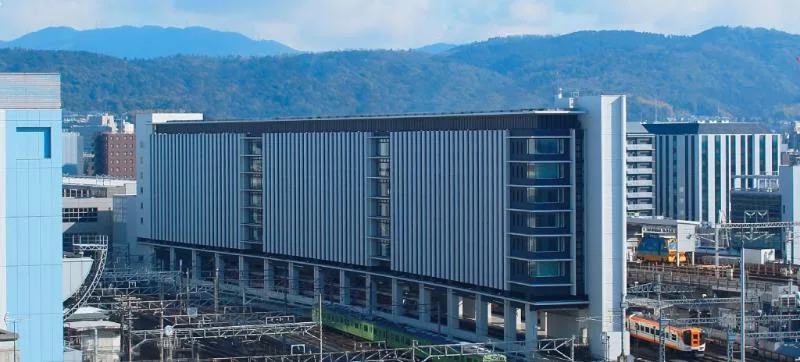
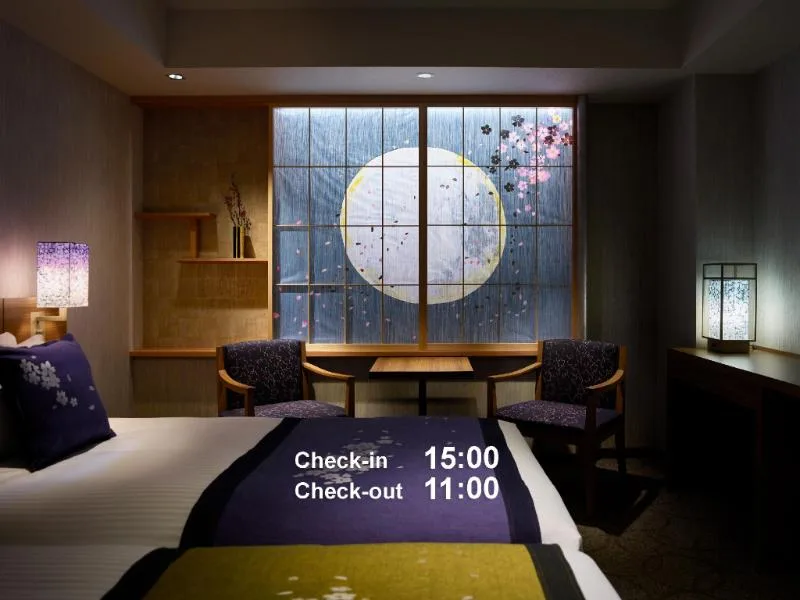
Miyako City Kintetsu Kyoto Station
Kyoto
★★★★☆
Mitsui Garden Hotel Kyoto Station
Kyoto
★★★★☆
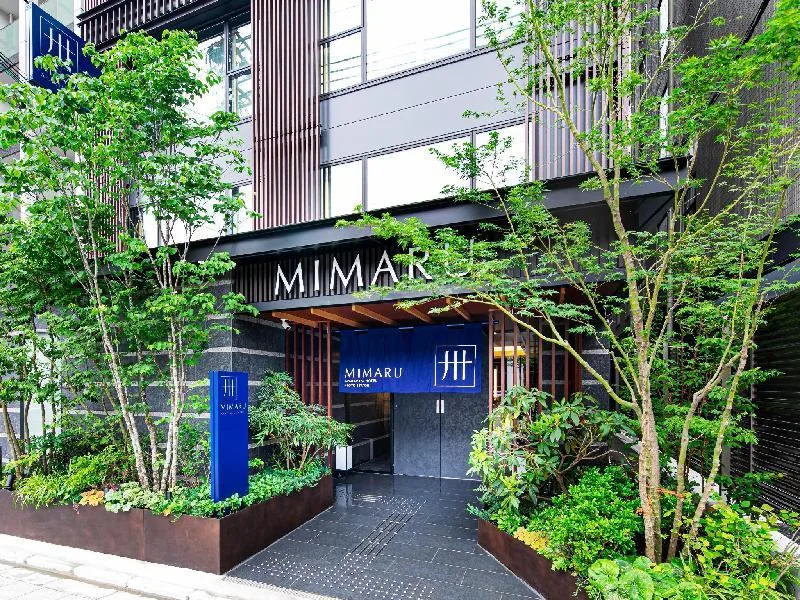
MIMARU Kyoto Station
Kyoto
★★★★☆
See current Kyoto hotel prices on Agoda →
I usually book Kyoto tours on Klook — the best time slots go fast, especially in peak season.
FAQ
Is Kyoto Station a boring place to stay?
Yes, a little, but I still think it’s the smartest first-time base. The area is practical, busy, and not especially romantic, which is exactly why it works so well. If you want pretty streets outside your door, I’d pick Gion instead.
How many nights do I need to make Gion worth it?
I’d say at least 3 nights, and even then only if you care a lot about atmosphere. For a short trip, the higher hotel prices and slower transit start to feel annoying. If you’re in Kyoto for 2 nights, I’d keep things simpler and stay near the station.
Can I stay in Kyoto and do day trips to Nara or Osaka easily?
Yes, and Kyoto Station is the easiest place to do that from. The JR lines make both trips straightforward, and you won’t waste energy getting across town first. If day trips are a big part of your plan, I wouldn’t base myself in Arashiyama.
Is it better to stay near Nishiki Market or near the station?
I’d stay near the station unless food and nightlife are your main priorities. Nishiki-adjacent areas are fun at night, but they’re not as clean for arrivals, departures, and early train days. That extra convenience near Kyoto Station adds up fast.
What area would you pick for a solo first-timer?
I’d pick Kyoto Station, hands down. It feels easier to manage alone, especially with luggage, late arrivals, or early starts. If I wanted more evening buzz and didn’t mind a bit more hassle, then I’d move to Kawaramachi/Shijo instead.
 Emma Hayes
Honest hotel reviews and real budget travel advice from someone who’s actually there.