
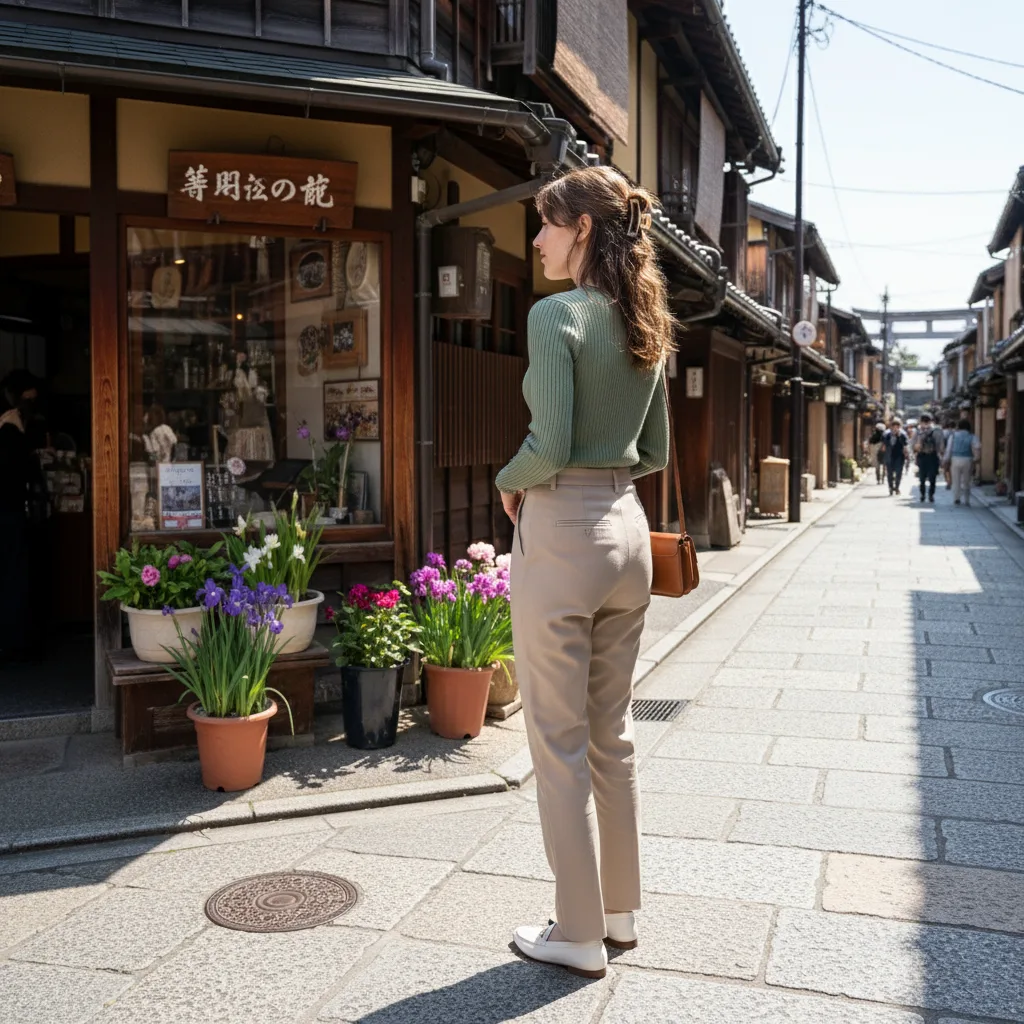
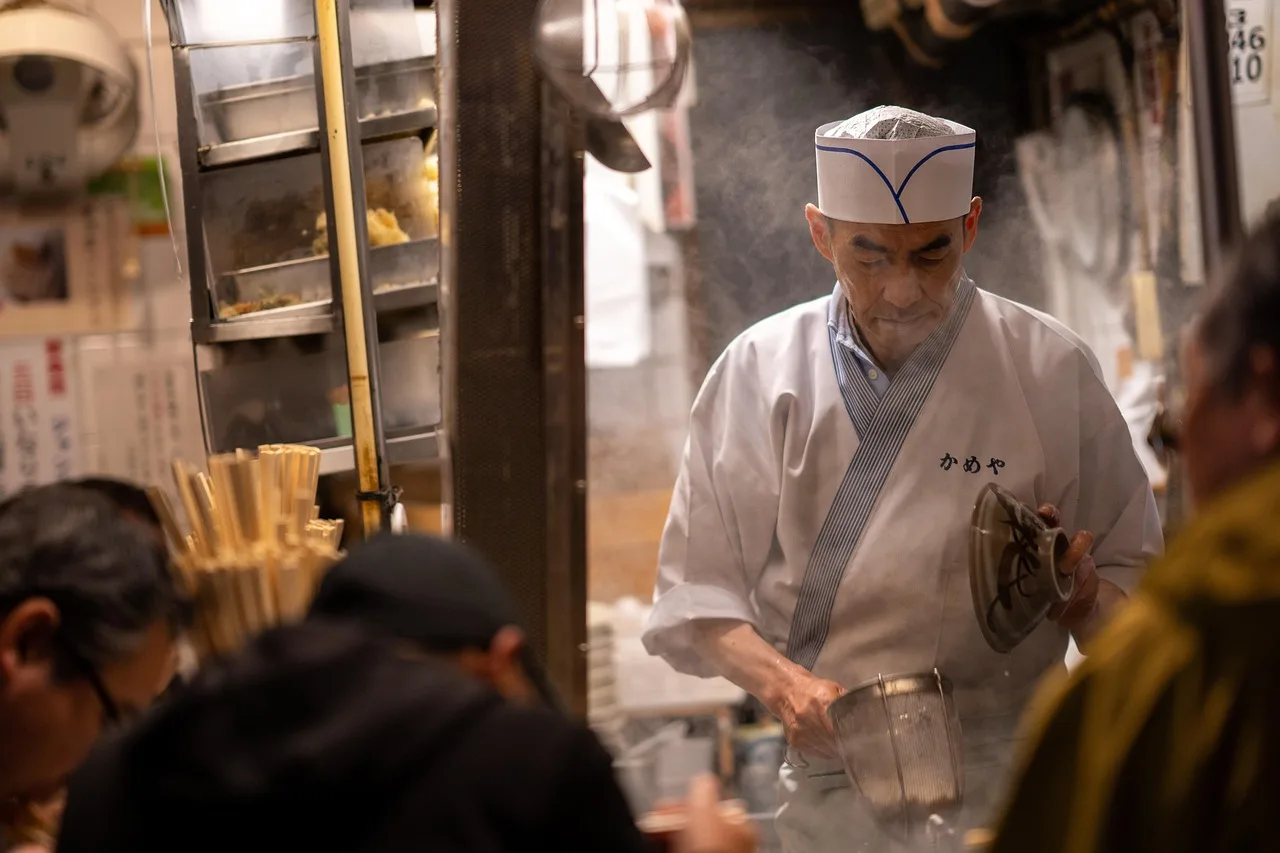
Nobody told me this before I went: Kyoto can feel overcrowded and calm in the same hour. I spent one morning in Arashiyama fighting a line of tour groups, then had lunch in a tiny noodle shop near a side street where nobody seemed in a hurry. My answer is simple: I’d still go, and I’d plan Kyoto around a few actual things to do instead of trying to “see it all.”
This fits you if you like temples, old neighborhoods, good food, and long walks with a camera in your bag. It does not fit you if you want a city that feels easy, cheap, and spontaneous in the same way Bangkok or Lisbon can. If you’re wondering what are things to do in kyoto japan, the real answer is to mix one famous sight, one neighborhood walk, and one meal you actually plan around.
Quick Answer: If I had one full day in Kyoto, I’d do Fushimi Inari at sunrise, spend late morning in Gion and Higashiyama, eat lunch somewhere simple, then save the afternoon for Kiyomizu-dera or a slower neighborhood like Pontocho or Kyoto Station’s food floors.
My take: Kyoto is best when you mix one famous sight, one neighborhood walk, and one meal you actually plan around.
Best for: first-timers who care more about atmosphere and food than nonstop nightlife.
- My take: Kyoto is best when you mix one famous sight, one neighborhood walk, and one meal you actually plan around.
- Best for: first-timers who care more about atmosphere and food than nonstop nightlife.
- Skip if: you hate early starts, walking, or paying more for a bed near the center.
- Alternative is better if: you want a faster, louder city with fewer temple stops. Osaka wins that fight.
Start Early at Fushimi Inari, or Don’t Bother Complaining About the Crowds
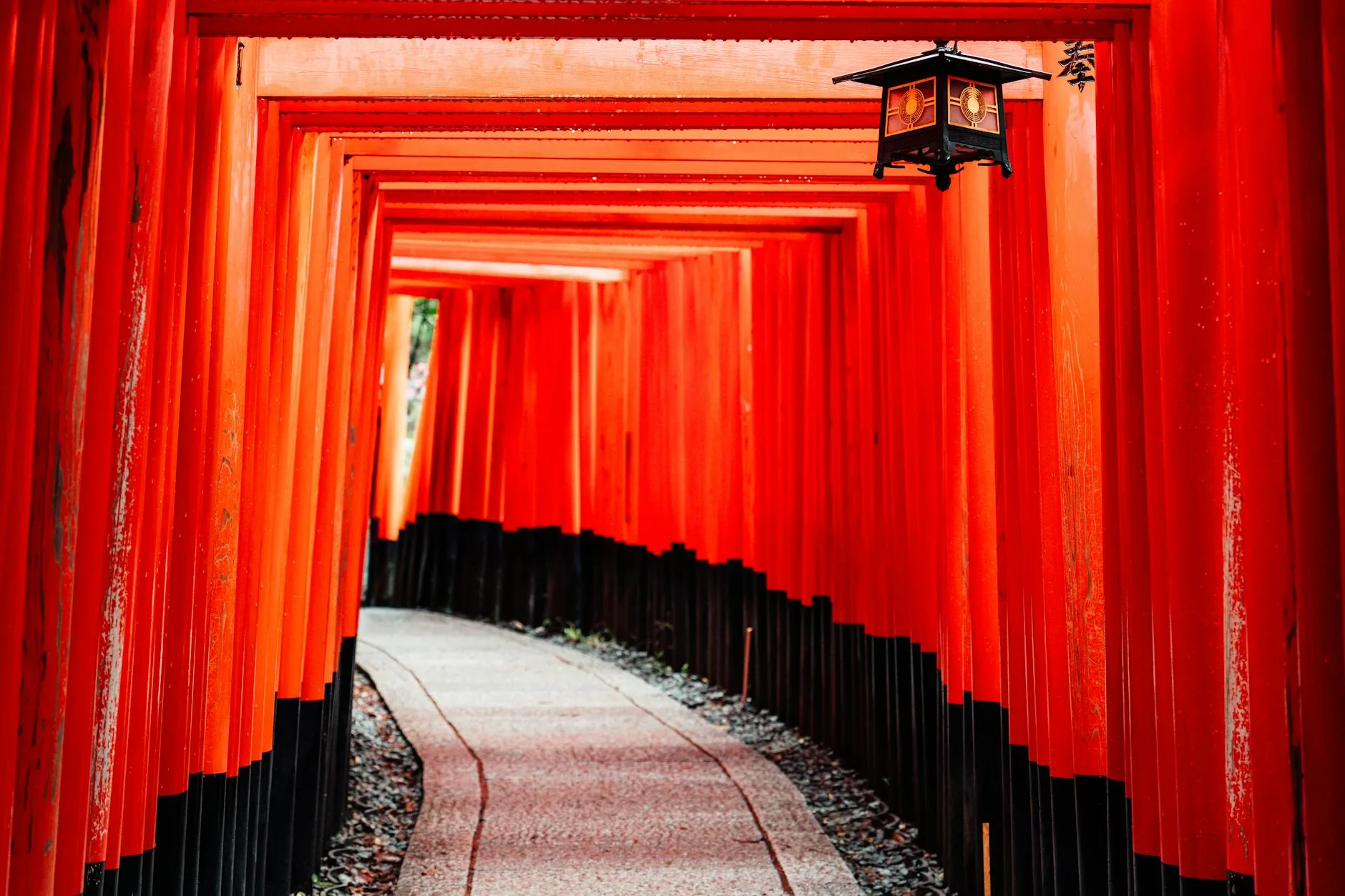
I’d start with Fushimi Inari Taisha because it’s one of the few Kyoto sights that actually changes depending on when you go. The shrine itself is free, open 24 hours, and the lower path gets busy fast. If you want the version that sticks in your head, go before 7 a.m. I’m not even being dramatic. By mid-morning, the torii tunnel turns into a slow-moving photo queue.
I walked past the main gate, bought a bottled tea from a vending machine, and kept climbing until the crowd thinned around the mid-mountain area. That’s where it got better. The higher I went, the more it felt like a real walk and less like a theme park line.
Worth it if: you can handle stairs and want one iconic Kyoto experience that doesn’t cost anything.
Skip if: you hate crowds so much that a popular shrine will ruin your mood for the day.
The real tradeoff is effort versus payoff. You do not need to hike all the way to the top unless you want the exercise. Halfway is enough for most people. The lower section gives you the famous photos, and the upper section gives you a break from the noise.
Walk Gion and Higashiyama for the Kyoto People Keep Trying to Photograph
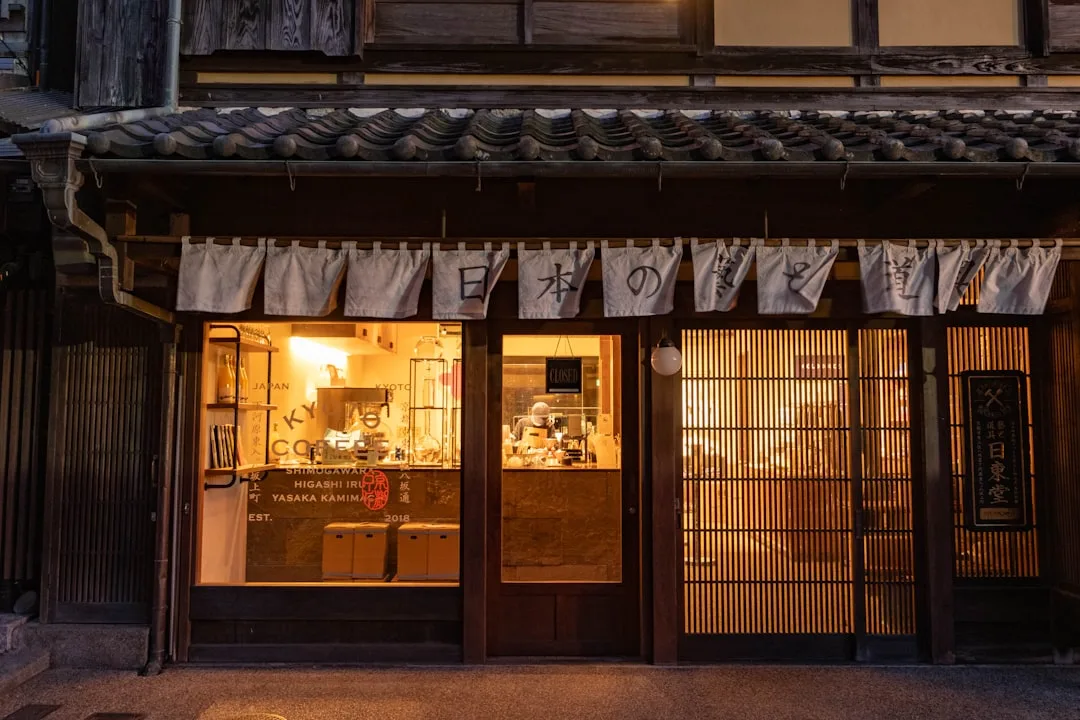
Gion and Higashiyama are the parts of Kyoto I’d recommend when someone asks what the city “feels like.” Not because they’re untouched. They’re not. But the wooden facades, narrow lanes, and old-style storefronts still work better on foot than they do in photos. I liked them most in the late afternoon, when the day-trippers had started drifting away and I could actually hear my own footsteps on the stone streets.
I stopped at a small shop for yatsuhashi, the cinnamon-y Kyoto sweet people either love or politely tolerate. I’m in the second camp, honestly. It’s fine. Not life-changing. But it made more sense there than buying it in a random souvenir arcade later.
Best for: slow walkers, photographers, and anyone who wants a softer side of Kyoto without leaving the center.
Skip if: you need big-ticket attractions every hour. This area is more about drifting than “doing.”
The practical part: wear shoes you don’t mind walking in, because the charm here is spread out. Kiyomizu-dera is nearby, and the path up can be crowded with school groups and tour buses. Still, I’d do it. The walk is part of the point, even if that sounds annoyingly obvious.
Go to Kiyomizu-dera, Then Keep Walking Instead of Leaving Right Away
Kiyomizu-dera is one of those places I expected to be overhyped, and then I ended up staying longer than planned. The main hall and wooden stage are the obvious draw, but I actually liked the approach more: the uphill streets, little snack stands, and the way the area feels busy without being chaotic. Admission was around 400 yen when I went, which felt fair for what you get.
I bought a matcha soft serve for about 500 yen on the way down and sat for a few minutes just to watch people funnel in and out. That little pause mattered more than the temple itself, weirdly. If you only rush the photo and leave, you miss the better part of the area.
Worth it if: you’re already in eastern Kyoto and want a classic temple stop with a good walking route around it.
Better if: you pair it with nearby lanes instead of treating it like a standalone attraction.
The tradeoff is volume. Kiyomizu-dera gets slammed. I’d go early or late, and I’d mentally budget for the fact that some sections will feel busy and a little commercial. That doesn’t make it bad. It just means I wouldn’t build a whole day around only this one stop.
Spend at Least Half a Day Around Arashiyama, but Pick Your Timing Carefully
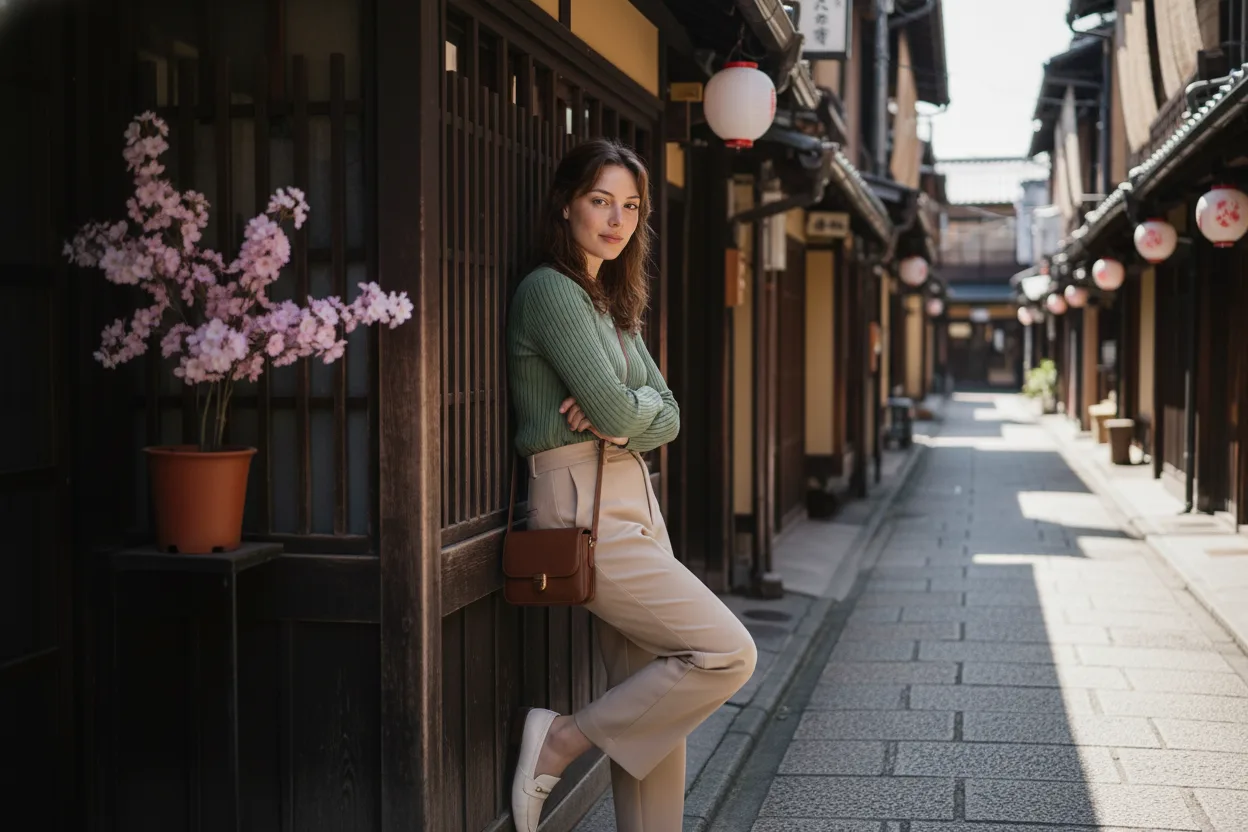
Arashiyama is tricky. I like it, but I don’t love the way it gets packaged. The bamboo grove is real, the river area is pleasant, and Tenryu-ji is one of the better temple stops in the city. But by 10 a.m., the bamboo path can feel like everyone in Kyoto had the same idea.
I went early enough to keep the worst of the crowd manageable, then grabbed a simple lunch near the station side of the district. Nothing fancy. A rice bowl and miso soup for around 1,100 yen. That was the right move because Arashiyama works better when you slow the day down instead of trying to collect every sight.
Best for: people who want one scenic district with a mix of walking, temples, and a river break.
Skip if: you only have one short day and hate spending it in a packed tourist zone.
My honest take: Arashiyama is useful but not always memorable unless you time it well. If you go late, it gets annoying. If you go early, it’s one of the better things to do in Kyoto. That’s the whole game there.
I book tours through Klook when I know a slot is going to disappear fast, and Arashiyama is one of those places where guided early access can save the day if you hate crowds.
Eat Like You’re Staying Longer Than You Are
Kyoto is one of the rare cities where I’d build a day around food on purpose. Not because every meal is cheap, but because the city’s best meals are tied to the pace of the place. I had yudofu, the simple tofu hot pot Kyoto does so well, near Nanzen-ji for about 1,500 to 2,000 yen, and it made sense in a way a rushed lunch never would.
See current Kyoto hotel prices on Agoda →
I also spent one evening in a tiny counter seat near Kyoto Station eating ramen for roughly 900 yen because I was too tired to care about the “best” anything. That was fine too. Actually, it was better than fine. The city doesn’t require every meal to be a production.
Best for: travelers who care about food but don’t want every meal to be expensive or fussy.
Skip if: you’re looking for a city that’s cheap across the board. Kyoto can get pricey fast, especially near the major sights.
The tradeoff is obvious: the nicer the setting, the more likely you are to pay for it. But I’d still budget for one proper meal in Kyoto, because otherwise the trip starts to blur into “temples plus convenience store snacks,” and that’s a waste.
Use the Kyoto Gardens and Temple Grounds as a Reset Button
Some people go to Kyoto and only chase the famous spots. I’d make time for at least one quieter garden or temple ground, because that’s where the city stops performing. Nanzen-ji was one of my favorites for that exact reason. The large grounds, the aqueduct, and the slower pace gave me a break from the more crowded parts of the itinerary.
I paid around 500 yen for one of the sub-temple areas and spent more time than I expected just sitting and doing nothing, which sounds lazy but was honestly the point. After a few packed sightseeing hours, that kind of pause changes the whole day.
Worth it if: you’re the type of traveler who gets temple fatigue but still wants a calm place to land.
Better if: you treat it like a rest stop, not a headline attraction.
This is also where Kyoto can beat busier cities. It gives you room to breathe if you’re willing to slow down. Not every traveler wants that. I get it. But I think the city works best when you stop trying to maximize it.
The Part of Kyoto I Didn’t Plan Well: Getting Around
Getting around Kyoto is not hard, but it’s slower than people expect. I took a mix of buses, trains, and walking, and the bus system was the least pleasant part. It gets crowded, especially around tourist corridors, and standing for a long ride in summer is not my idea of a good time. A single bus ride can run around 230 yen, while short train rides on JR or Keihan lines are often easier if your route lines up.
I made the mistake of assuming “central” meant “close.” It doesn’t always. Kyoto Station to Arashiyama, for example, is easy enough by train, but once you start connecting temple areas by bus, the time adds up fast. I learned to cluster sights by neighborhood instead of bouncing across the city.
My pick: use trains for longer hops, then walk more than you think between nearby sights.
Skip if: you’re counting on a super efficient city grid. Kyoto is navigable, just not fast.
The real downside isn’t complexity. It’s friction. A five-minute map decision can turn into a 25-minute wait if you pick the wrong bus at the wrong hour. That math never works out in your favor.
Rough daily estimates from my own trip per full day. Prices shift by season.
What I’d Do Differently Next Time
I’d stay two or three nights instead of trying to squeeze Kyoto into a packed Japan route. I did the classic mistake of treating it like a stopover, and that made me rush the parts I ended up liking most.
I’d also book one early start and protect it. Fushimi Inari before sunrise would have saved me a lot of irritation. And I’d probably skip one “big” temple in favor of a longer neighborhood walk, because I remember the streets more clearly than the third ornate roofline I saw that week.
Finally, I’d plan one meal around the area I was already in instead of always chasing the next stop. Kyoto is better when the day has some slack in it. Tight itineraries make it feel smaller than it is.
I usually book Kyoto tours on Klook — the best time slots go fast, especially in peak season.
FAQ
How many days do I need in Kyoto?
I’d give Kyoto at least two full days, and three is better if you want to see more than the obvious places. One day works for a fast sampler, but it feels rushed and you’ll probably miss the parts that make the city stick. If you only have a short stay, I’d focus on one eastern Kyoto day and one early start somewhere else.
Is Kyoto walkable without using buses all the time?
Yes, but only if you group sights by area. I walked a lot in Gion, Higashiyama, and around some temple districts, then used trains or buses for longer jumps. If you try to cross the city on foot, you’ll waste time and probably get annoyed.
What is the best area to stay in Kyoto for first-time visitors?
I’d stay near Kyoto Station, Gion, or somewhere with easy train access if it’s your first time. Kyoto Station is the most practical, while Gion puts you closer to the old streets and evening walks. The tradeoff is price and noise near the most convenient areas, so I’d compare rates before booking.
Can I see the famous sights in Kyoto in one day?
You can, but I wouldn’t try to see everything. I’d pick one morning shrine, one temple area, and one neighborhood for food or wandering, then stop there. If you cram too much in, Kyoto starts to feel like a transport problem instead of a trip.
What should I not miss if I only have one day in Kyoto?
I’d choose Fushimi Inari at sunrise, a walk through Gion or Higashiyama, and one temple stop like Kiyomizu-dera. That gives you the city’s main range without turning the day into a checklist. If you want one quieter add-on, I’d swap in a garden or temple ground instead of another famous stop.
 Emma Hayes
Honest hotel reviews and real budget travel advice from someone who’s actually there.