
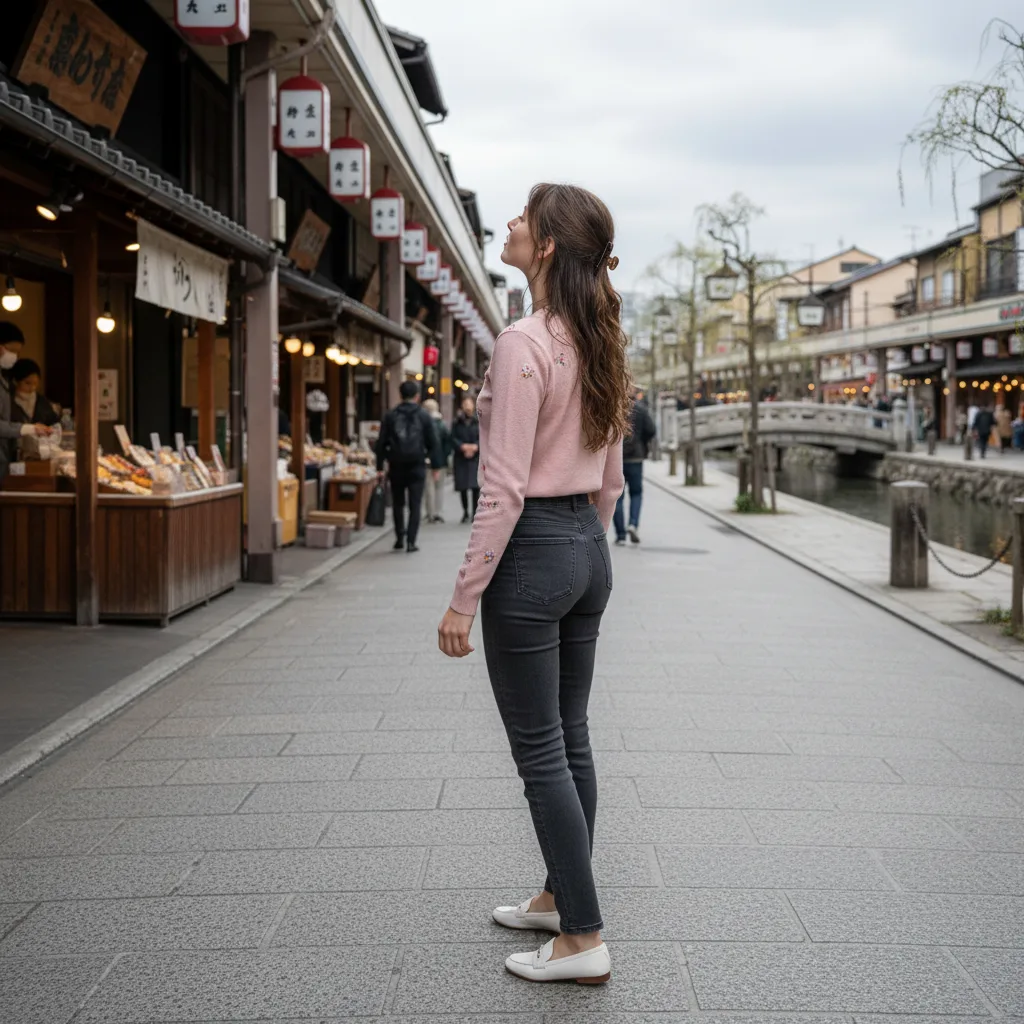
Kyoto can feel a little too curated if you try to do it all in one sweep. I made that mistake on my first visit: too many temples, not enough actual decisions. I’d do it differently now. If you want things to do in Kyoto open now and worth your time, I’d focus on a tight mix of temples, neighborhood walks, food stops, and one or two low-effort day plans that don’t depend on luck.
This is for travelers who want a real Kyoto day, not a checklist. It fits first-timers, solo travelers, and anyone with 1 to 4 days who wants places that are actually operating and easy to slot into a trip. It’s not for people who want to rush ten sights before lunch. The main thing that matters is this: Kyoto rewards pacing, not volume.
I’d start with Fushimi Inari, Nishiki Market, Kiyomizu-dera, and one calm garden or temple like Nanzen-ji or Ginkaku-ji. For a half-day, one eastern Kyoto temple area and one food stop is enough. If you only have one full day, build around transit, not a fantasy route.
My Kyoto formula: one early temple, one food stop, one slow walk
I’d do Kyoto like this: start early at one major site, eat somewhere simple, then spend the afternoon in a neighborhood where I can wander without checking my watch every ten minutes. That’s the version of Kyoto I enjoy most. It’s calmer, cheaper, and less annoying than trying to stitch together five famous places in one day.
Best for: First-time visitors who want a full day that still feels human.
Skip if: You’re the type who gets bored unless every hour is packed with a new landmark.
My pick: One temple in the morning, Nishiki Market for lunch, then Gion or Higashiyama on foot.
My first real Kyoto day started with a 7:30 a.m. train to Fushimi Inari. I bought a 200-yen bottle of tea from a vending machine outside the station and had the place almost to myself for a bit. By 10 a.m., it was noticeably busier. That timing matters here more than people admit.
Fushimi Inari is worth it early, and a pain later
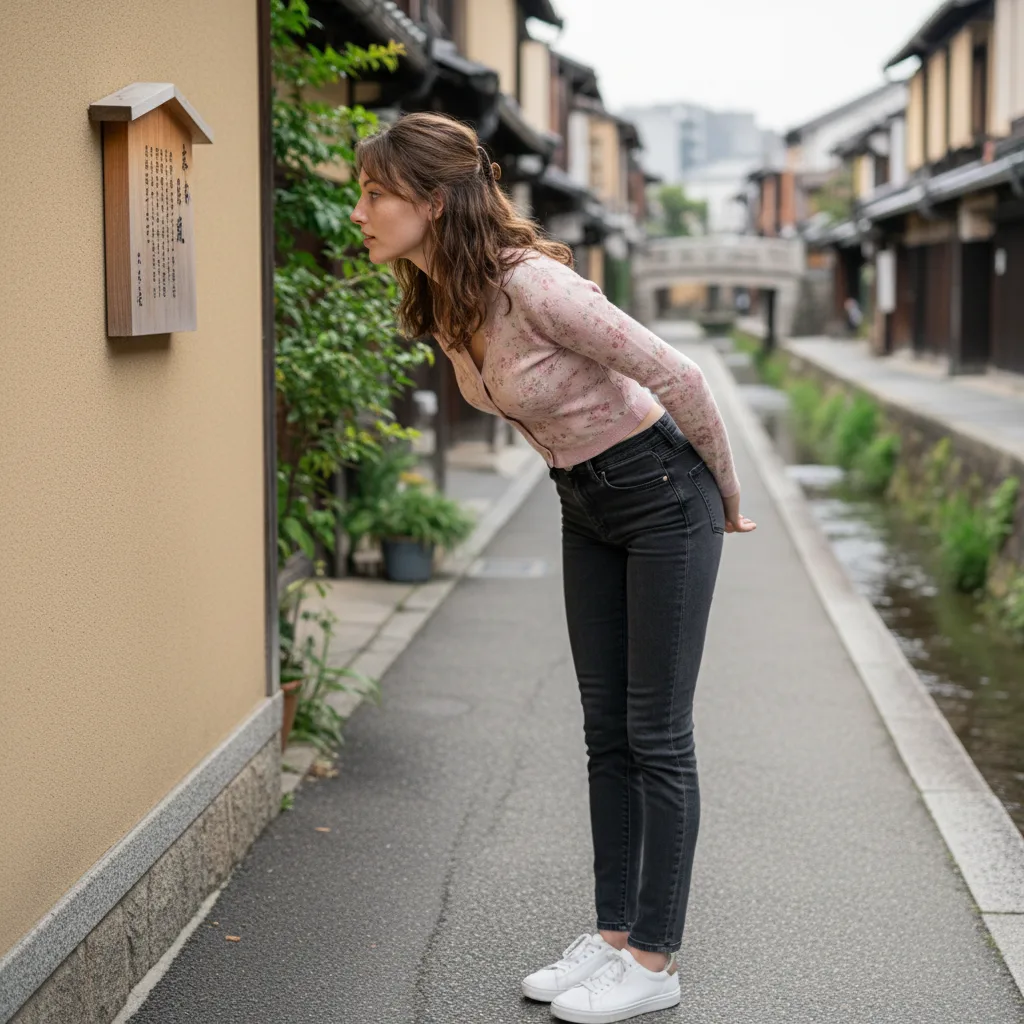
I’d go to Fushimi Inari Taisha, but I’d go early. The torii gates are open all day, and the shrine doesn’t cost anything, which makes it one of the easiest things to do in Kyoto open now if you’re arriving with jet lag or a half-day to spare. The lower paths fill up fast, though, and once the tour groups arrive it stops feeling like a walk and starts feeling like queue management.
Best for: Early risers, solo travelers, and anyone who wants a big Kyoto sight without a ticket line.
Skip if: You hate crowds so much that even a famous site at 8:30 a.m. feels like too much.
My pick: Go early, walk 30 to 45 minutes up, and turn around before you force the full mountain loop.
The real tradeoff is effort versus payoff. The full hike is long, and unless you genuinely want a sweaty half-day, the upper sections are more about quiet than about a better view. I think most people would be happier stopping halfway. I did the whole climb once, and honestly, the top was fine, not magical.
The station area is easy. Take the JR Nara Line to Inari Station or the Keihan Line to Fushimi-Inari Station, then walk a few minutes. If you’re staying in central Kyoto, it’s a low-friction first stop and a better use of morning energy than trying to reach the far edges of the city first thing.
Nishiki Market is lunch, not a landmark
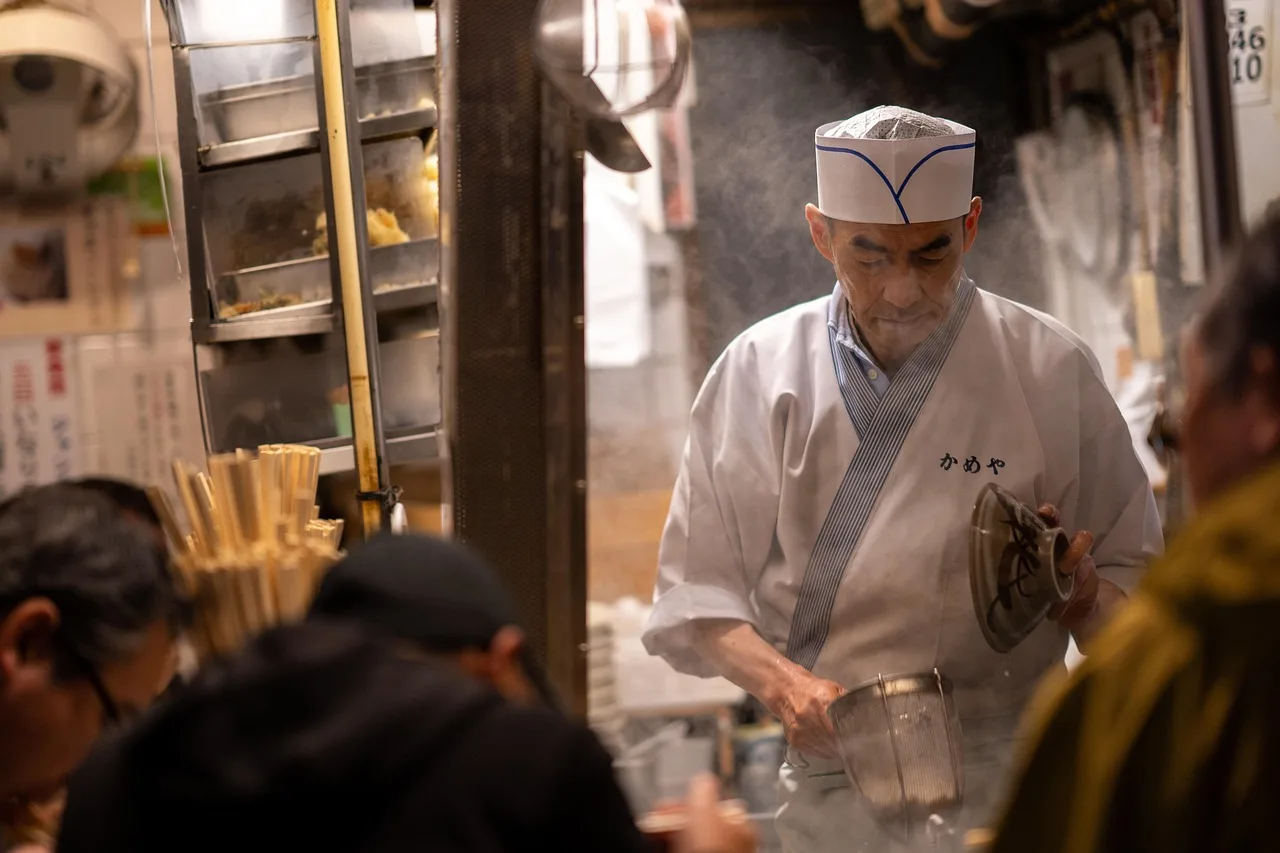
I like Nishiki Market, but I don’t think it deserves the same emotional weight people give it online. It’s useful, busy, and very open-now-friendly because you can drop in whenever your stomach gets loud. I ate tamagoyaki on a stick for around 500 yen, then grabbed pickles and a small bowl of yuba at another stall. That’s enough. You don’t need to turn it into a performance.
Best for: Travelers who want lunch, snacks, and a break from temple walking.
Skip if: You’re expecting a quiet food market with room to linger.
My pick: Use it as a midday stop, not a destination that eats your whole afternoon.
The market runs along a covered arcade, so it works in rain too. That matters in Kyoto, where a damp day can make outdoor temple hopping feel a little gray around the edges. The downside is that it’s crowded, especially around lunch, and some stalls feel more tourist-priced than local. Fine, not great. But it solves a practical problem fast.
If you want a concrete plan, I’d pair Nishiki with a simple walk to Pontocho or the Kamo River. That gives the market a job instead of letting it become a random snack spiral.
Kiyomizu-dera and Higashiyama are still the easiest classic Kyoto walk
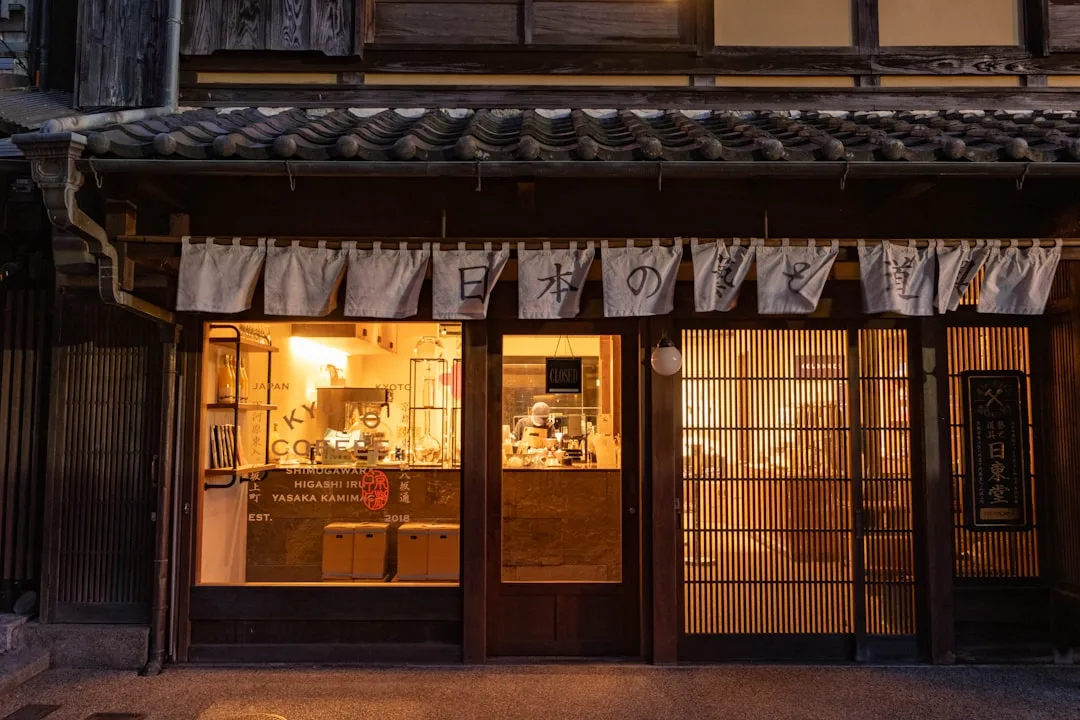
For a classic Kyoto half-day, I’d still pick Kiyomizu-dera and the surrounding Higashiyama streets. The temple admission is usually about 400 yen, and the approach streets are full of ceramics, sweets, matcha soft serve, and souvenir shops that are actually useful if you need a gift and don’t want to overthink it. I bought a small ceramic yunomi there once for about 1,200 yen, and it made the walk feel less like sightseeing-by-script.
Best for: People who want one iconic temple plus an easy neighborhood wander.
Skip if: You’re trying to avoid stairs, slopes, and souvenir streets.
My pick: Go in the late morning or just before closing, then walk downhill through Sannenzaka and Ninenzaka.
The tradeoff here is obvious: it’s one of the most famous areas in Kyoto, so it’s also one of the most visited. But the area works because it has layers. The temple is the headline, the streets are the filler, and the walk down toward Yasaka Shrine gives you a way to keep moving without needing a new plan every 20 minutes.
I’d not overbook this area. If you try to stack Kiyomizu-dera, Kodai-ji, Yasaka Shrine, and Gion into one tight block, it starts to feel like homework. Better to pick two and let the rest happen if they happen.
The quieter east side is where I’d actually slow down
If I had a second Kyoto day, I’d spend more of it on the east side around Nanzen-ji, Eikan-do, and Ginkaku-ji. This is the part of the city that makes me ask why Kyoto feels so different from other temple cities. It’s not just the buildings. It’s the way the streets give you room to breathe between them.
Ginkaku-ji costs about 500 yen, and the walk up the Philosopher’s Path is better when it’s not trying to be a big event. In cherry blossom season, it gets slammed. Outside peak bloom, it’s a decent slow walk with enough small cafes and side lanes to keep it from feeling empty. I stopped for a hot coffee from a little shop near the path and sat for maybe 15 minutes longer than I meant to. That’s the point, I think.
Best for: Repeat visitors, slower travelers, and anyone who wants a less compressed Kyoto day.
Skip if: You only have one day and need the obvious highlights first.
My pick: Choose one temple here, not all three, then walk between them instead of taking taxis everywhere.
This part of Kyoto is useful but not flashy. That’s exactly why I like it. You don’t get the same instant payoff as Fushimi Inari or Kiyomizu-dera, but you do get a day that feels more like a place and less like a route.
Gion is better for a night walk than a daytime plan
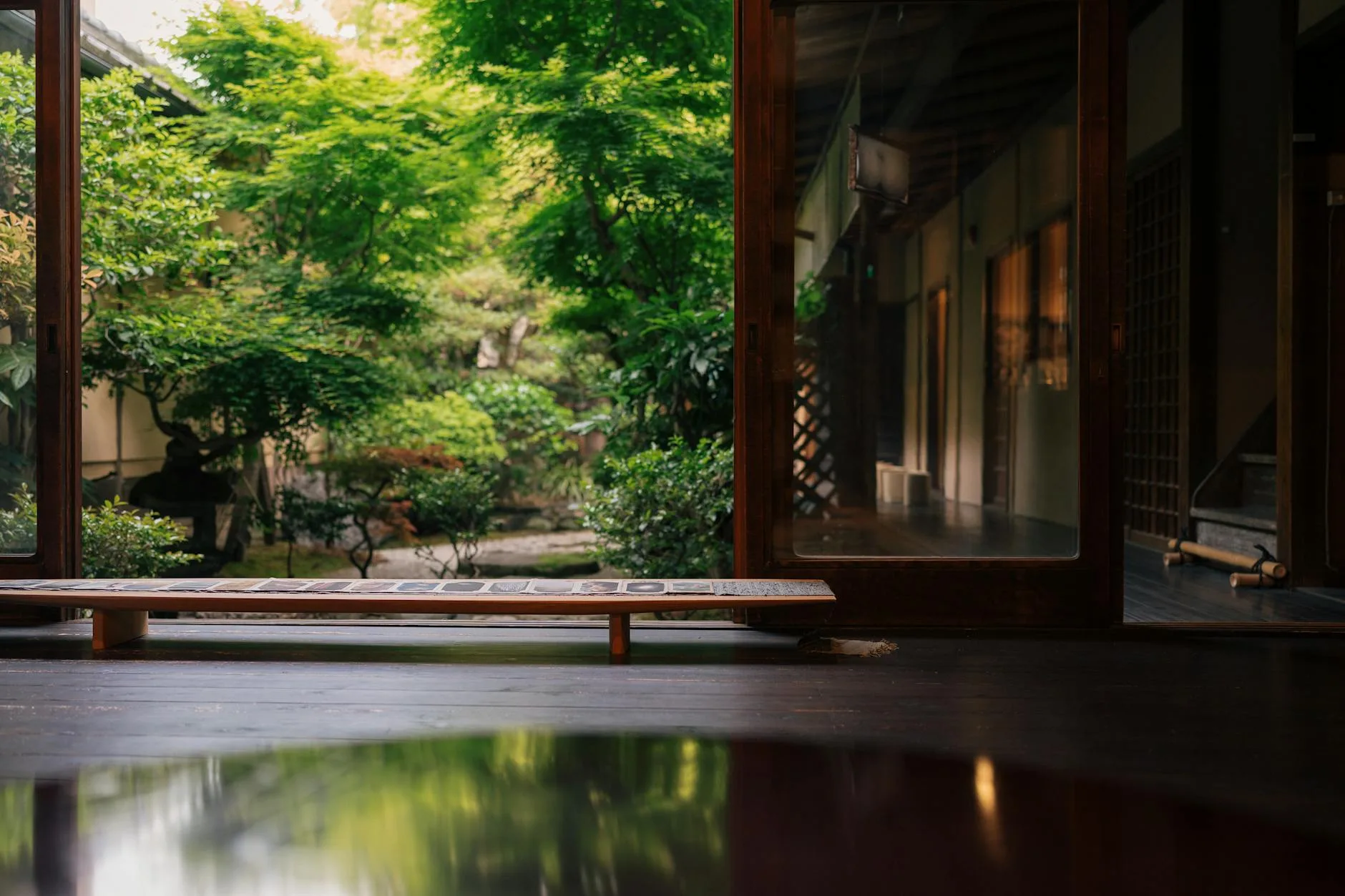
I’d keep Gion on the list, but I wouldn’t build a whole day around it. It’s open now in the sense that the streets are there whenever you want them, and that’s part of the appeal. The problem is expectation. People arrive hoping for some cinematic geisha moment and end up standing around with everyone else doing the same thing.
Best for: An evening stroll after dinner.
Skip if: You’re expecting a guaranteed sighting or a lively nightlife scene.
My pick: Walk Hanamikoji Street, then drift toward Shirakawa and call it done.
I’ve had better luck in Gion after 6 p.m., when the day-trippers thin out and the area feels less like a photo checkpoint. It’s still not wild or especially cheap. But it’s a nice place to reset between dinner and a train back to your hotel. The real value is atmosphere, and I don’t mean that in a brochure way. I mean it’s one of the few parts of Kyoto where just walking slowly makes sense.
What I’d do on a rainy day or a low-energy day
Kyoto is still workable when the weather turns. I’d use the covered parts of the city instead of fighting the rain. Nishiki Market, Teramachi and Shinkyogoku shopping arcades, and a café break near Kawaramachi can save a day that would otherwise get wasted on damp shoes and bad moods. I once spent a rainy afternoon in a small kissaten near Karasuma with a 650-yen coffee and a toast set, and that ended up being one of my better Kyoto memories. Weirdly practical, but true.
Best for: Rainy days, jet lag, or anyone who doesn’t want a temple marathon.
Skip if: You only travel for big outdoor sights and don’t care about the city between them.
My pick: Use covered shopping streets as your backup plan instead of canceling the day.
This is where Kyoto stays useful. It’s not all peak-scenery energy. Some of the best open-now decisions here are boring in the best way: coffee, lunch, a train, another short walk, done.
The night I almost wasted a Kyoto day by planning too much
My worst Kyoto day started with good intentions and a terrible route. I tried to do Arashiyama, Kinkaku-ji, downtown lunch, and Gion in one loop. It looked fine on paper. It was a mess in real life. I spent too much time on buses, ate a rushed 1,100-yen bowl of ramen near a station I can’t even name now, and got to Gion tired enough to not care.
The part that annoyed me most wasn’t the walking. It was the friction. Kyoto’s sights are spread out just enough to punish lazy planning, and the buses can be slower than you think, especially when everyone else has the same idea. I ended up taking a taxi once just to stop the day from collapsing. It cost about 1,500 yen for a short hop, which felt annoying and also worth it, which is not a great feeling.
Best for: People who need permission to simplify their Kyoto plan.
Skip if: You’re already good at picking one area and staying there.
My pick: Build around neighborhoods, not a master list of famous places.
Rough daily estimates per person from my own Kyoto trip. Prices shift by season.
What I’d do differently next time
I’d stay closer to central Kyoto Station or the Kawaramachi area if I only had a short trip. I spent too much time crossing the city from one side to the other, and that added up fast. I’d also cut one famous temple and replace it with a slower neighborhood walk. Honestly, the city gets better when I stop treating it like a scorecard.
I’d also pre-decide my lunch stop on the busiest days. Waiting until I’m hungry in Kyoto usually means standing around in a line I didn’t budget for. That’s on me, not the city.
Best for: Travelers who don’t want to lose half the day to transit and indecision.
Skip if: You like spontaneous wandering and don’t mind a few dead ends.
My pick: Pick one north, one east, and one central stop. That’s enough.
See current Kyoto hotel prices on Agoda →
I usually book Kyoto tours on Klook — the best time slots go fast, especially in peak season.
FAQ
Is Kyoto good for a one-day trip?
Yes, but I’d keep it to three things max. I’d do one major temple or shrine, one food stop, and one neighborhood walk. If you try to squeeze in too much, the train and bus transfers eat the day alive.
What are the best things to do in Kyoto if I only have one morning?
I’d go to Fushimi Inari or Kiyomizu-dera, depending on where I’m staying. Fushimi Inari is better if I want an early start and free entry, while Kiyomizu-dera works better if I want a more classic old-Kyoto walk afterward. Both are easier before the crowds build.
Are temples in Kyoto open every day?
Most of the major temples and shrines are open daily, but hours vary and some close earlier than people expect. I’d aim for the morning or early afternoon so the day stays easy.
How much money do I need for a day in Kyoto?
I’d budget around $100 to $150 per person for a comfortable day, excluding a fancy hotel. A simple lunch, a couple of admissions, local transit, and one coffee or snack add up faster than they seem to. Kyoto is not outrageous, but it’s not a super-cheap day if you keep moving.
Should I stay in Kyoto or just visit from Osaka?
I’d stay in Kyoto if I have more than one day and want early starts. A day trip from Osaka is fine for one or two highlights, but it gets old when you’re trying to catch the first train and still make the most of the evening. Kyoto works better when I can slow down and not race the clock.
 Emma Hayes
Honest hotel reviews and real budget travel advice from someone who’s actually there.