
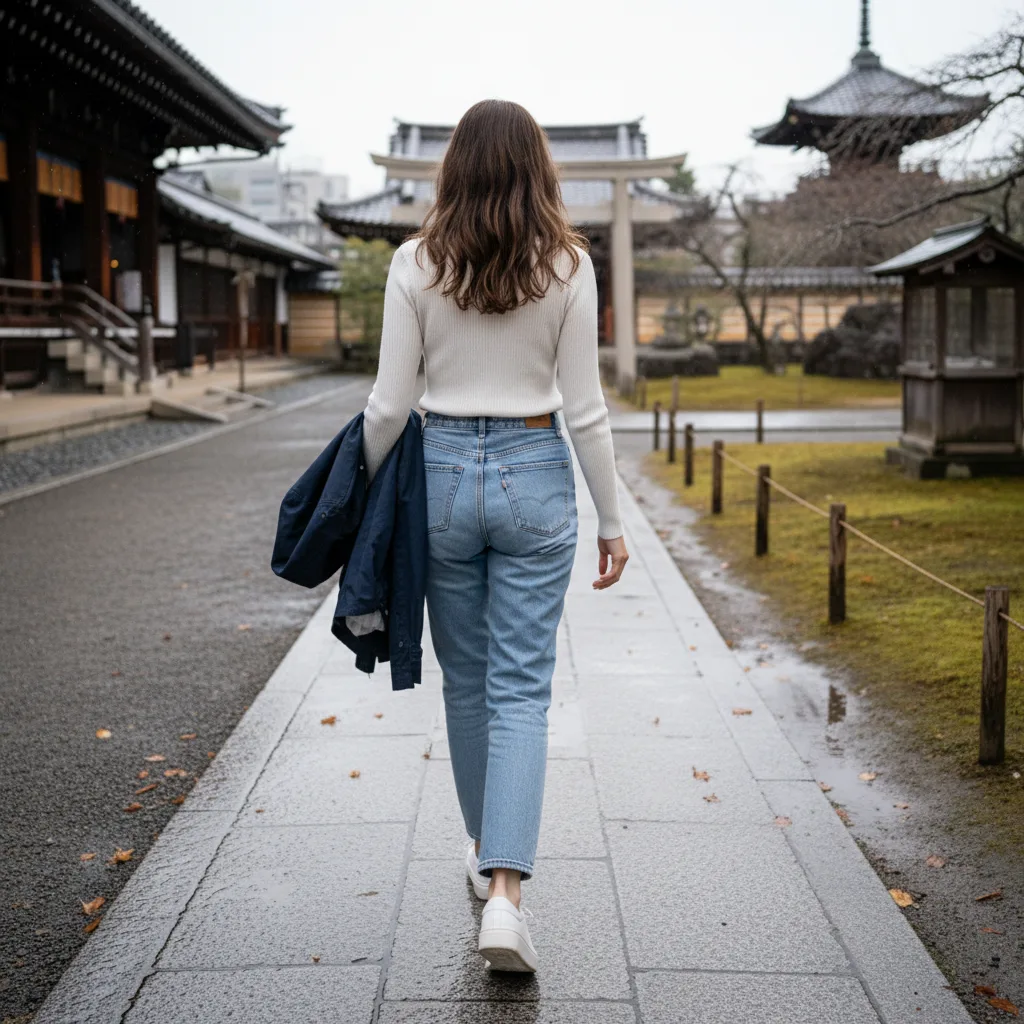
Is Kyoto worth staying near the station? I spent about $136 a night to find out, and my answer is: yes, but only if your trip is built around trains, day trips, or a late arrival. I’d stay there again for a short, practical trip, but I wouldn’t choose it if I wanted to spend my evenings wandering narrow lanes and stumbling into a nicer dinner scene. If you’re wondering should i stay near kyoto station, my answer depends on whether convenience or atmosphere matters more.
If you’re in Kyoto for two or three nights, carrying luggage, or planning side trips to places like Osaka, Nara, or even Arashiyama by rail, Kyoto Station makes life easier. If you care more about atmosphere than convenience, Gion or Kawaramachi will probably make you happier. The real question is how much time you want to save versus how much character you want outside your hotel door.
Quick Answer: Stay near Kyoto Station if your trip is short, train-heavy, or includes day trips. I paid about $136 a night, and the area made arrivals, departures, and luggage much easier. Skip it if you want a prettier neighborhood for evening walks.
| Hotel | Price/night | Location | Best for |
|---|---|---|---|
| Kyoto Station area business hotel | $125/night | Near Kyoto Station | budget |
| Gion hotel | $160/night | Gion | couples |
| Mid-range hotel near Kyoto Station | $110-$150/night | Near Kyoto Station | solo |
See all kyoto hotels on Agoda →
Hotel Review
I think Kyoto Station is one of the smartest places to stay in Kyoto if your trip has a lot of moving parts. The station area keeps the logistics boring, which is a compliment. I landed on a rainy afternoon in 7–12°C weather, dragged a carry-on, a scarf, and a water-resistant trench coat through the station, and I was very glad I didn’t have to figure out a long transfer before checking in.
I booked through Agoda and saved about 15% compared to the hotel’s own site.
Where I’d Actually Stay in Kyoto

Miyako City Kintetsu Kyoto Station
Kyoto
★★★★☆

Kyoto Station Riverside INN 11min from JR Kyoto
Kyoto
★★★★☆

Mitsui Garden Hotel Kyoto Station
Kyoto
★★★★☆
Best for: short stays, train-heavy itineraries, and travelers who hate wasting time on transfers.
Skip if: your ideal evening is a neighborhood walk with small bars, cafés, and a little more atmosphere right outside the door.
My pick: stay near Kyoto Station if you want the easiest base in the city; otherwise, pick Gion or Kawaramachi and accept the extra transit.
The tradeoff is simple. You save energy and usually some money on transport, but you give up the easy charm that Kyoto does better in other districts. Kyoto Station is useful, not romantic. I don’t love it for lingering, but I do love it when I’m tired.
What staying near Kyoto Station actually feels like

The area around Kyoto Station is efficient in a very literal way. You’ve got JR lines, the Shinkansen, subway access, airport buses, and enough food options inside and around the station that you won’t panic if you arrive late. On my trip, I grabbed an onigiri and hot tea from a convenience store in the station concourse because it was raining and I didn’t feel like hunting for dinner in the wet. That’s the kind of place this is: dependable, not dreamy.
It also means you can waste less time on arrival and departure days. If you’re coming in from Tokyo, Osaka, or Hiroshima, or you’re planning early starts to Nara or Fushimi Inari, the station area cuts down the friction. A lot. I’d call it the best “make the trip easier” choice in Kyoto, and probably not the best “make the trip feel special” choice.
Best for: travelers with bags, early trains, and people who care more about moving around the city than hanging around the block.
Skip if: you want your hotel area to be the part of Kyoto you remember most.
Price-value judgment: the convenience is real, but you’re paying for it with atmosphere, not just with cash.
Where Kyoto Station wins on convenience
I’ll be blunt: this is the easiest place to stay if you’re doing Kyoto like a logistics puzzle. The station itself connects to almost everything, and that matters more than people admit. If you’re taking the JR Sagano Line to Arashiyama, the Nara Line eastbound, or a Shinkansen departure after checkout, staying nearby removes one extra layer of stress.
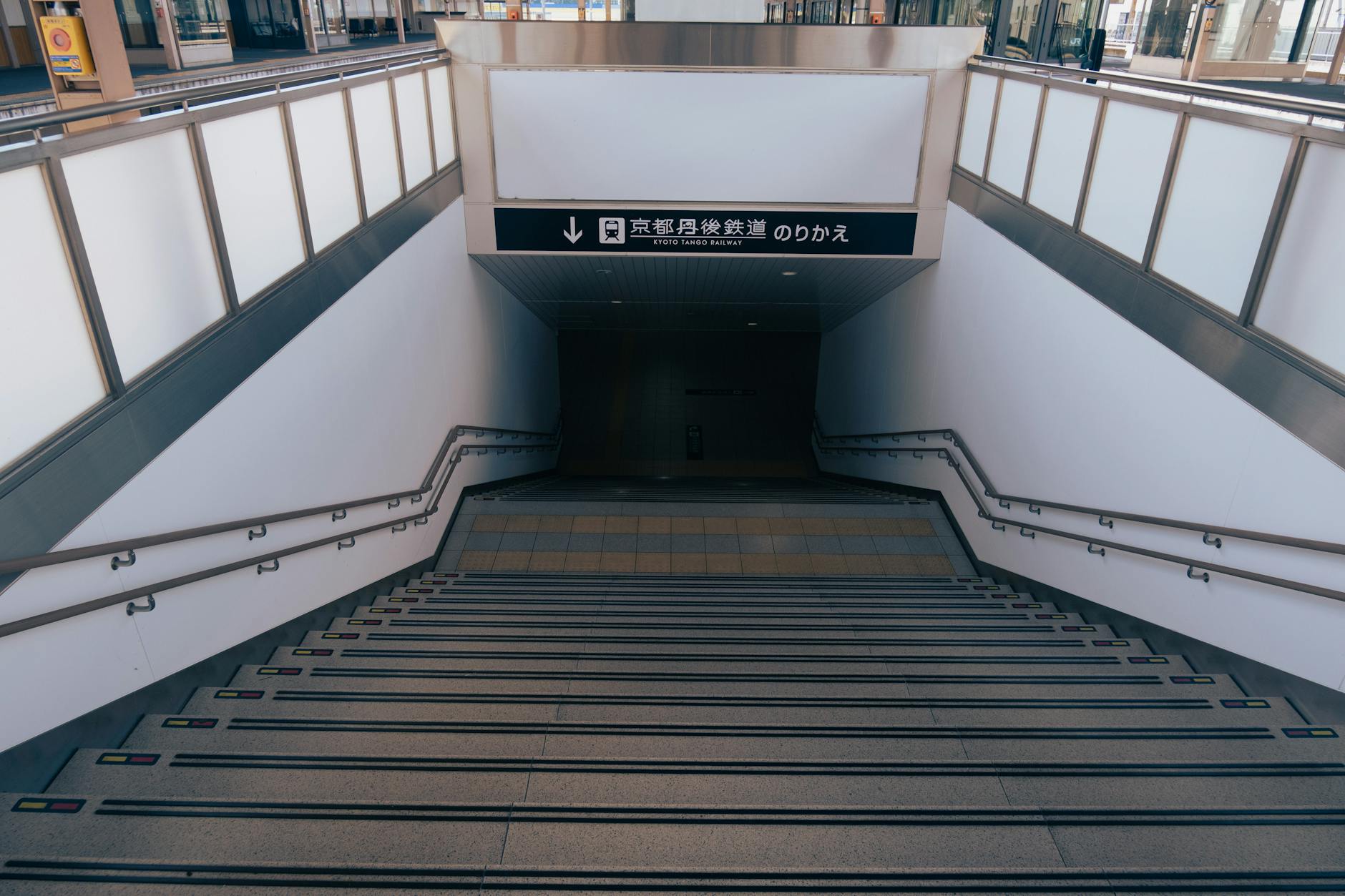
That tradeoff gets especially obvious on a short trip. If a hotel near Gion costs $160 and a solid business hotel near Kyoto Station costs $125, you’re saving about $35 a night. But if you’re taking two extra taxis or burning time on two or three longer transfers, the math starts to flatten out. That math never works out the way people think it will.
Best for: two-night stays, rail-focused itineraries, and solo travelers who like predictable transport.
Worth it if: you arrive late, leave early, or plan at least one day trip.
Skip if: you’re in Kyoto to slow down and stay out late in a prettier neighborhood.
One small reality check: the station area can feel busy without feeling lively. That’s different. Busy means foot traffic, buses, and people rolling luggage around. Lively means I’d linger after dinner. Kyoto Station rarely gave me the second feeling.
See all kyoto hotels on Agoda →
Where it falls short: nights, atmosphere, and food after 9pm
Kyoto Station is fine at night, but fine is the word. That matters if you like stepping out after dinner and having a neighborhood do something for you. Around the station, I found plenty of chain restaurants, convenience stores, and quick meals, but not the kind of evening energy that made me want to keep walking for no reason.
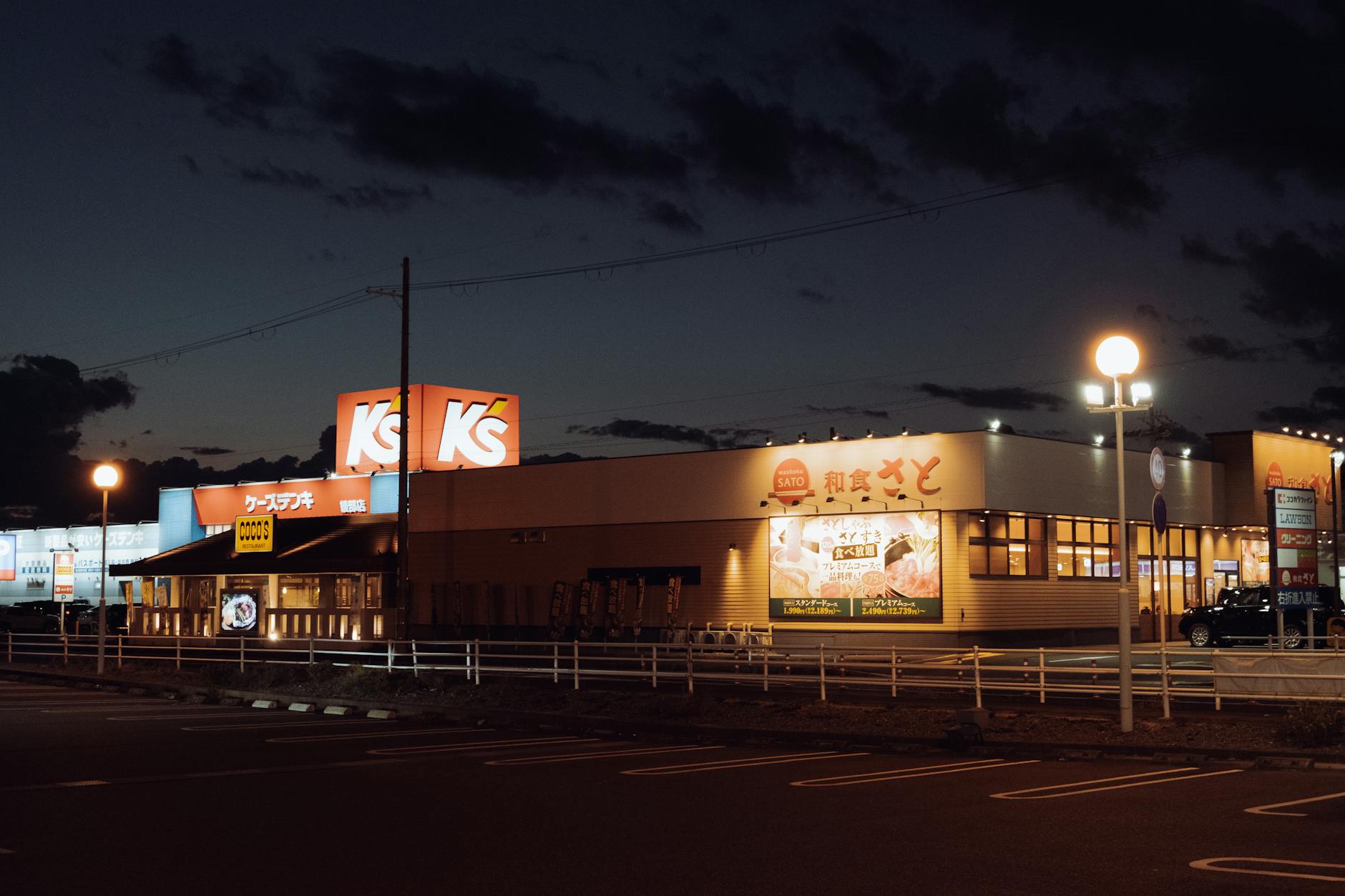
The sleep situation depends on your hotel more than the neighborhood, but the area itself can be noisy in a practical way. Expect station announcements, taxi traffic, and people dragging bags across sidewalks. A room facing an inner courtyard or a higher floor helps. I slept okay in a mid-range hotel, but I kept the window shut because I could hear the street more than I wanted to.
Best for: light sleepers who book a hotel with decent soundproofing and don’t plan to stay out in the immediate area late.
Skip if: you’re hoping for a quiet, atmospheric evening stroll after dinner.
My pick: if you’re sensitive to noise, spend a bit more for a room that faces away from the main road.
The food problem is not that you’ll go hungry. It’s that you may end up eating because it’s easy, not because it’s the meal you wanted. I had a simple dinner near the station one night and it solved the problem, but it didn’t add anything to the trip. Useful, yes. Memorable, no.
Kyoto Station versus Gion and Kawaramachi
If you’re choosing between Kyoto Station and the more central sightseeing neighborhoods, I’d frame it like this: Kyoto Station is better for transport, Gion is better for atmosphere, and Kawaramachi sits in the middle. Gion usually costs more for the same room category, often by $20–$50 a night, but you’re paying to wake up closer to the older streets and to spend your evenings somewhere with more texture.
Kawaramachi is the compromise I understand best. It’s better if you want restaurants, shops, and an easier walkable evening than the station area gives you, but it still keeps transit fairly painless. I’d pick Kawaramachi over Kyoto Station for a longer stay, especially if I didn’t have a huge suitcase or a tight train schedule.
Best for: Kyoto Station for first-night arrivals and day-trip-heavy trips; Gion for atmosphere; Kawaramachi for a balanced middle ground.
Skip Kyoto Station if: you’re paying extra for a trip that’s mostly about wandering the city on foot.
Price-to-convenience ratio: Kyoto Station usually gives the best convenience per dollar, while Gion gives the best evening experience per dollar if you’ll actually use it.
If I had to put it plainly, Kyoto Station is the practical answer and Gion is the emotional answer. I don’t think everyone needs the emotional answer every time. But if this is your first Kyoto trip and you care about the city feeling like Kyoto, I’d want you to know that the station area doesn’t really hand that to you.
The kind of hotel I’d book near Kyoto Station
I’d look for a clean mid-range business hotel within a 5–8 minute walk of the station, not one that’s technically “near” it but requires a weird detour with luggage. That distance matters more than people think when it’s raining and you’ve got a backpack, a scarf, and wet shoes. A room in the $110–$150 range usually made the most sense for me in Kyoto: enough comfort to sleep well, not so fancy that I’d resent being out exploring all day.
What I’d avoid is paying premium prices near the station just because the map looks convenient. If a hotel charges Gion money but sits in a bland block next to bus traffic, I’m out. I’d rather save $30 a night and spend it on a nicer meal somewhere else or just keep the cash. The station area only makes sense when the rate matches the convenience.
Best for: practical travelers who want a predictable base and don’t need a hotel to be the main event.
Skip if: the room rate is creeping into luxury territory without giving you a better location than elsewhere.
My pick: prioritize walkable station access, reliable soundproofing, and a room that doesn’t face the busiest street.
A tiny detail that mattered to me: I liked being able to duck back to the room between rain showers and change shoes before going out again. That sounds boring, but boring is sometimes the whole point.
Cost Breakdown
Rough daily estimates from my own trip. The $35 for food was basically one decent breakfast, a quick lunch, and a convenience store dinner when I didn’t feel like making Kyoto more complicated than it needed to be. Prices shift by season, and if you’re asking should i stay near kyoto station, the answer usually depends on whether you want to spend less on transport or more on sleep.
Hotel Cards
I looked at Hotel Granvia Kyoto first because it sits right on top of Kyoto Station and removes a lot of friction from the trip. If you’re arriving late or planning day trips to Nara and Osaka, that matters. I didn’t love the feeling of being in a station hotel, though. Convenient, yes. Memorable, not especially.
THE THOUSAND KYOTO was the nicer version of that same idea. Still close to Kyoto Station, but calmer and less like you’re sleeping inside a timetable. I’d choose it over the cheaper business options if I wanted comfort without giving up the train access. The rate is higher, which is annoying until you remember how much time Kyoto can eat if you base yourself badly.
For atmosphere, I kept coming back to Hotel The Celestine Kyoto Gion. It’s not as easy if you’re treating Kyoto like a transit problem, but that’s exactly why I liked it more. Gion feels like Kyoto in a way the station area doesn’t. I’d stay there if I wanted evenings that felt like part of the trip instead of a commute back to bed.
The night I was glad I stayed there
One evening I came back soaked enough that my umbrella had stopped pretending to help. I’d been out near central Kyoto longer than I meant to, and I was cold in that slightly annoying way where every extra minute outside feels like a bad decision. Being near the station meant I could get back fast, drop my bag, and head out again only after I’d changed socks and stopped shivering. That saved the night.
But the same night also reminded me why I wouldn’t stay there for a long, slow trip. Once I was warm again, I looked out at the area and realized I didn’t want to hang around outside. I wanted to leave. That tells you a lot. It’s a base, not a destination.
Best for: travelers who value a low-friction return at the end of a long day.
Skip if: you like your hotel neighborhood to do some of the emotional work for you.
Real takeaway: the station area is excellent when you’re tired and slightly miserable, which is more useful than it sounds.
What I’d do differently next time
I’d still stay near Kyoto Station on a short trip, but I’d book one extra night in a better neighborhood if I had the time. That way I’d get the easy arrival and departure, then move somewhere with more personality once the train logistics were out of the way.
I’d also be pickier about room orientation. I didn’t need a fancy room, but I did want one facing away from the noisiest street. And I probably would’ve spent a little more on a hotel with a better breakfast setup, because having a quick, no-fuss start matters more in Kyoto than I expected.
Best for: people who want a practical base and don’t mind using transit to reach the nicer parts of the city.
Skip if: you’re booking a longer stay and expect the neighborhood itself to carry the trip.
Next time: I’d use Kyoto Station for convenience, then switch to a more walkable area if I had more than three nights.
FAQ
Is Kyoto Station a good place to stay for a first trip?
Yes, I think it’s a good first-trip base if you want simple arrivals, easy train connections, and less stress with luggage. The tradeoff is that the area itself doesn’t give you much Kyoto atmosphere after dark. If you only have a couple of nights, I’d take the convenience and spend my energy elsewhere.
Will I hear a lot of noise near the station?
Probably more than in a quieter neighborhood, especially if your room faces the street or a taxi stand. I slept fine with the windows shut, but I’d still ask for a higher floor or an inward-facing room if I were sensitive to noise. That small request can make a big difference here.
Is it cheaper to stay near Kyoto Station than in Gion?
Usually yes, and the gap can be around $20–$50 a night depending on the season and hotel class. The catch is that Gion gives you a more atmospheric setting, so the cheaper room near the station isn’t always the better value if you’ll spend more time and money getting around. I’d compare total trip convenience, not just the nightly rate.
How far is Kyoto Station from the neighborhoods most people visit?
It’s close enough to make transit easy, but not close enough to walk everywhere people care about. Gion and Kawaramachi are a short train, bus, or taxi ride away, while Arashiyama and Nara are easier to reach from the station than from many other areas. If you plan day trips, that location starts to make a lot more sense.
Would you stay near Kyoto Station or in a more central area?
I’d stay near Kyoto Station for a short trip, late arrival, or any itinerary with lots of rail travel. I’d choose a more central area if I planned to eat out late, wander on foot, and spend more time in the neighborhood itself. The right answer depends on whether you want efficiency or atmosphere more.
 Emma Hayes