
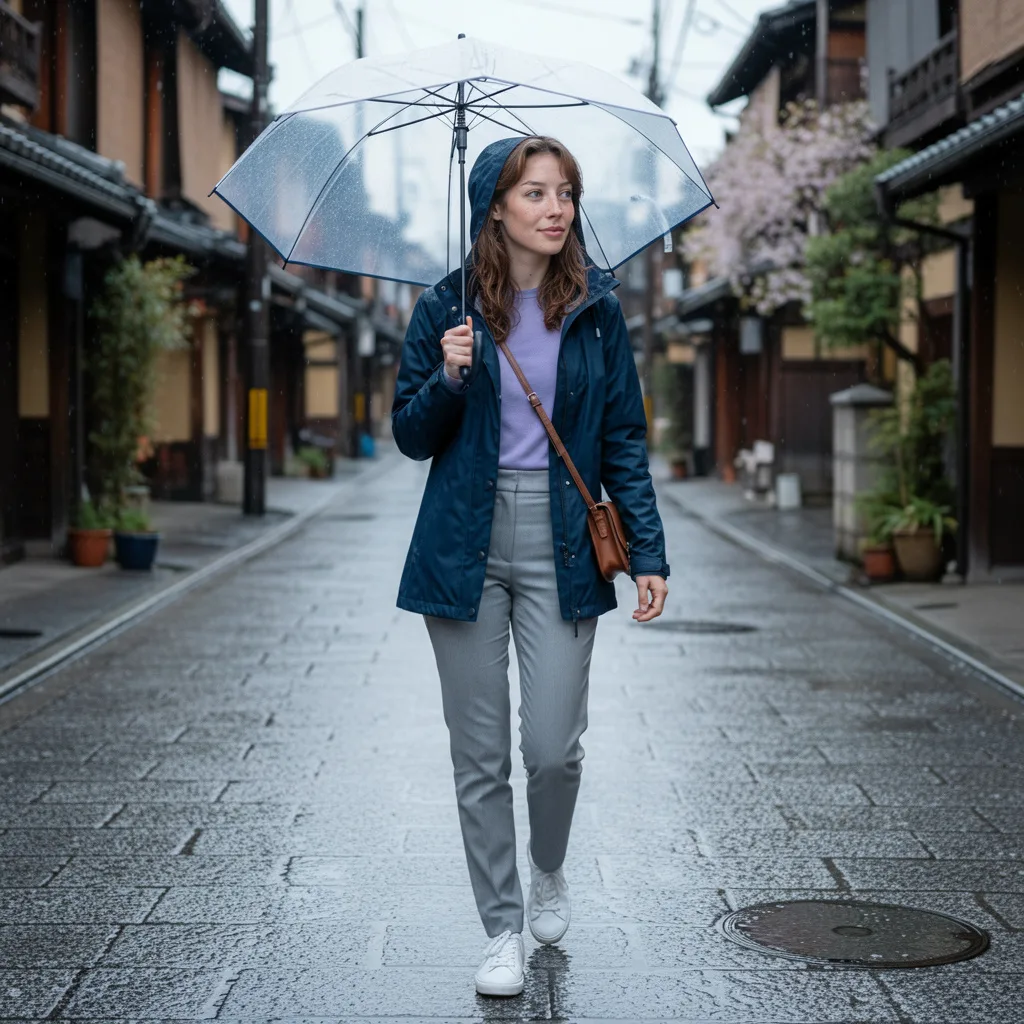
When it comes to is kyoto.safe for.women, here’s what I learned. I nearly made Kyoto harder than it needed to be by treating it like a city I had to “figure out” on day one. I was walking around in a light rain, 6–12°C, with an umbrella and a jacket I kept zipping and unzipping, and the city was already telling me the answer: yes, I’d feel safe here as a woman, but I’d plan my evenings more carefully than my afternoons.
My short answer: I think Kyoto is one of the easier places in Japan for women traveling alone, especially if you’re staying near a station or in a central neighborhood and you’re not trying to do late-night wandering in the middle of nowhere. It fits solo travelers, first-timers, and people who like calm cities with good transit. It’s not the right pick if you want nightlife that runs late, street chaos, or a place where you can be sloppy with logistics and still end up fine.
The real tradeoff is this: Kyoto feels safe, but it’s also quieter and more spread out than people expect, so a “safe” day can still turn into a long walk, a dark station platform, or an awkward taxi decision if you misjudge timing. I care more about that than abstract crime stats. The city itself wasn’t the issue for me. My timing was.
Quick answer: Yes, I’d call Kyoto safe for women, including solo women, if you stay near Kyoto Station, Shijo, or Kawaramachi and keep nights simple. I paid around $12–$18 for short city rides when I was too tired to deal with another transfer, and basic business hotels near central areas were around $70–$110 — based on my trip, always good to confirm.
My actual judgment: safe, but not carefree
I’d go to Kyoto alone again without thinking twice. That’s the simplest answer. I didn’t get catcalled, followed, or hassled, and I didn’t feel like I had to keep my guard up in the way I sometimes do in bigger, more aggressive cities.
But I also didn’t treat it like a place where I could wander until midnight just because I felt comfortable at 4 p.m. Kyoto is calm, not chaotic. That sounds nice, and it is, but calm cities can go strangely empty fast. One evening I came back from Gion earlier than I planned because the streets got quiet in that way that makes you notice every footstep.
Best for: women who want a low-stress solo trip and don’t mind planning a bit.
Skip if: you want a city that stays lively late without needing a taxi.
My pick: I’d treat Kyoto as safe during the day and manage my nights like I would in any unfamiliar city.
What felt easy about being a woman alone in Kyoto
The biggest thing I noticed was how ordinary it felt to be alone. That matters more than people admit. In many places, being a solo woman means being visible. In Kyoto, I mostly felt invisible in the best possible way. I could eat alone, sit with a coffee, and move through train stations without anyone acting like that was a weird thing to do.
Transit helped a lot. I used the subway and JR lines without stress, and the signage was clear enough that I didn’t have to keep stopping strangers. At Kyoto Station, I bought a 220-yen bottle of tea and waited under the huge roof while checking my route to Arashiyama. It sounds small, but not having to decode the city every ten minutes makes a place feel safer.
The other thing is how public spaces are used. Convenience stores are everywhere. If I wanted to stop somewhere bright and open, there was always a Lawson or 7-Eleven nearby. I grabbed an onigiri and a coffee more than once when I didn’t want to stay out too late or hunt for a proper meal. That kind of backup matters when you’re traveling alone.
Worth it if: you like cities where basic tasks stay easy.
Not the point: Kyoto is not a “let’s just wing it” city in the way some backpacker hubs are.
The parts I’d be more careful with
Here’s where I think people get Kyoto wrong: safe doesn’t mean frictionless. Some neighborhoods are quiet to the point of feeling a little too empty after dark, especially if you’re away from the main corridors. I wouldn’t pick a random side street just because the room was $20 cheaper. That math never works out for me.
I also think women traveling alone should pay attention to the last train and bus times here more than they might in a bigger city. Kyoto is a place where a “short” evening can become annoying fast if you miss the easy transit window. A taxi back from central Kyoto to a farther hotel isn’t ruinous, but it’s not cheap either. I’ve paid around $12–$18 for short city rides when I was too tired to deal with another transfer, and that adds up if you do it often.
And no, I don’t think Kyoto is dangerous at night. I just think it gets inconvenient. There’s a difference. One evening near Shijo, I stayed out for dinner longer than I meant to, and the streets were so quiet by the time I headed back that I stopped trying to “save money” on transport and just took the cleanest route home. Worth the extra few dollars.
Best for: travelers who are fine with planning the last leg of the day.
Skip if: you hate thinking about transit cutoffs.
My pick: I’d rather pay a bit more for a central base than deal with a lonely walk back from somewhere far out.
Where I’d stay if safety is the priority
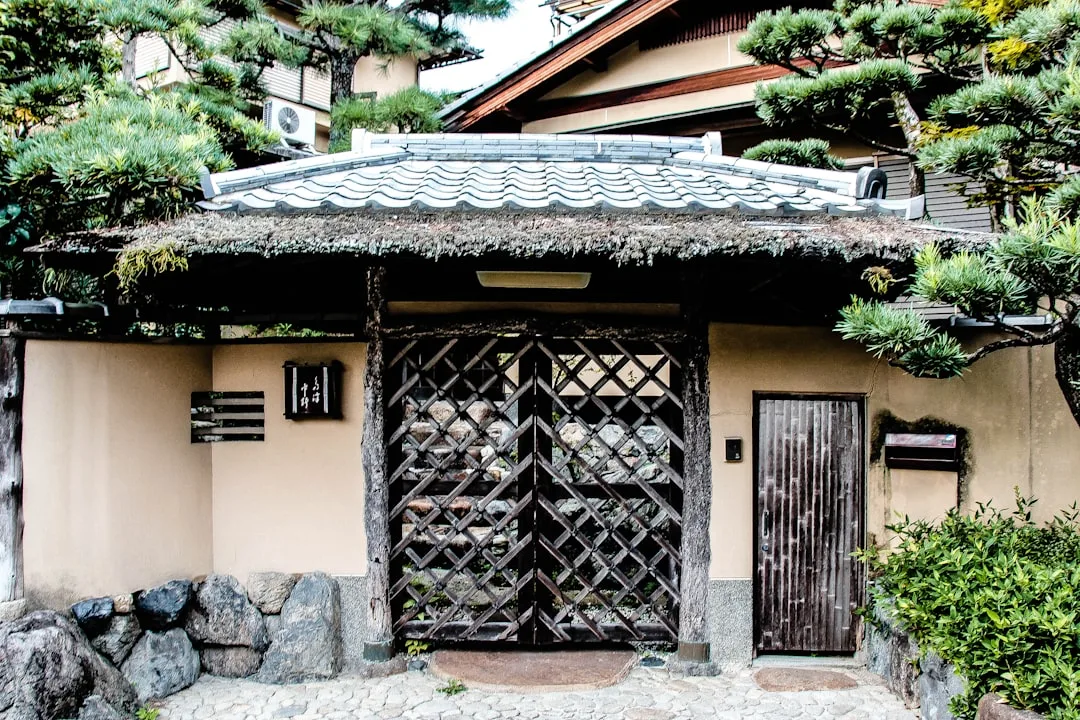
If I were choosing Kyoto for a solo trip again, I’d keep my base near Kyoto Station, Shijo, or Kawaramachi. Those areas gave me the easiest mix of transit, food, and late-ish convenience store access. I’m not saying they’re the prettiest parts of the city. They’re just the least annoying when you’re tired, carrying an umbrella, and trying not to overcomplicate dinner.
See current Kyoto hotel prices on Agoda →
Kyoto Station is practical if you’re coming in on JR lines, doing day trips, or landing with luggage after a long travel day. Shijo and Kawaramachi feel better if you want more restaurants and an easier evening walk without being stuck in a dead zone. Gion looks lovely on paper, but I’d be careful about paying extra just for the name. Some streets there are still very quiet at night, and pretty does not always equal easy.
I checked rates near central areas and saw the usual spread: basic business hotels around $70–$110, nicer midrange places more like $120–$180, especially when dates got busy. If I were booking now, I’d compare central options before I let myself get tempted by a cheaper room far from the action. See all kyoto hotels on Agoda →
Best for: women who want short transit hops and easy returns at night.
Skip if: you’re trying to save the most money possible and don’t mind a less central base.
My pick: I’d pay a bit more for location before I’d pay less for a room that makes every night harder.
How I got around without feeling stressed
Kyoto is one of those cities where the transit itself does a lot of the safety work. I used trains and buses during the day, but I was pickier about buses than trains because buses can get crowded and slow in a way that eats time. Trains were better for my nerves and my schedule.
Walking was fine too, but I didn’t love long walks after dark in areas I didn’t know well. The streets are orderly, which sounds boring until you realize boring is nice when you’re alone. I wore sturdy walking shoes, and I’m glad I did. The sidewalks around temple areas and older streets aren’t always the kind you want to do in cute-but-useless shoes.
If I had one practical rule for Kyoto, it would be this: if the route home involves multiple transfers and it’s already late, I’d just take the simple option. A $6–$10 ride is not a failure. It’s a decision. I’d rather spend that than stand on a dim platform wondering if I should have left ten minutes earlier.
Best for: travelers who are comfortable using trains and checking return times.
Skip if: you want to wander without looking at the clock.
My pick: I’d use transit all day and stop pretending every night walk is worth it.
The places and situations that made me feel fine
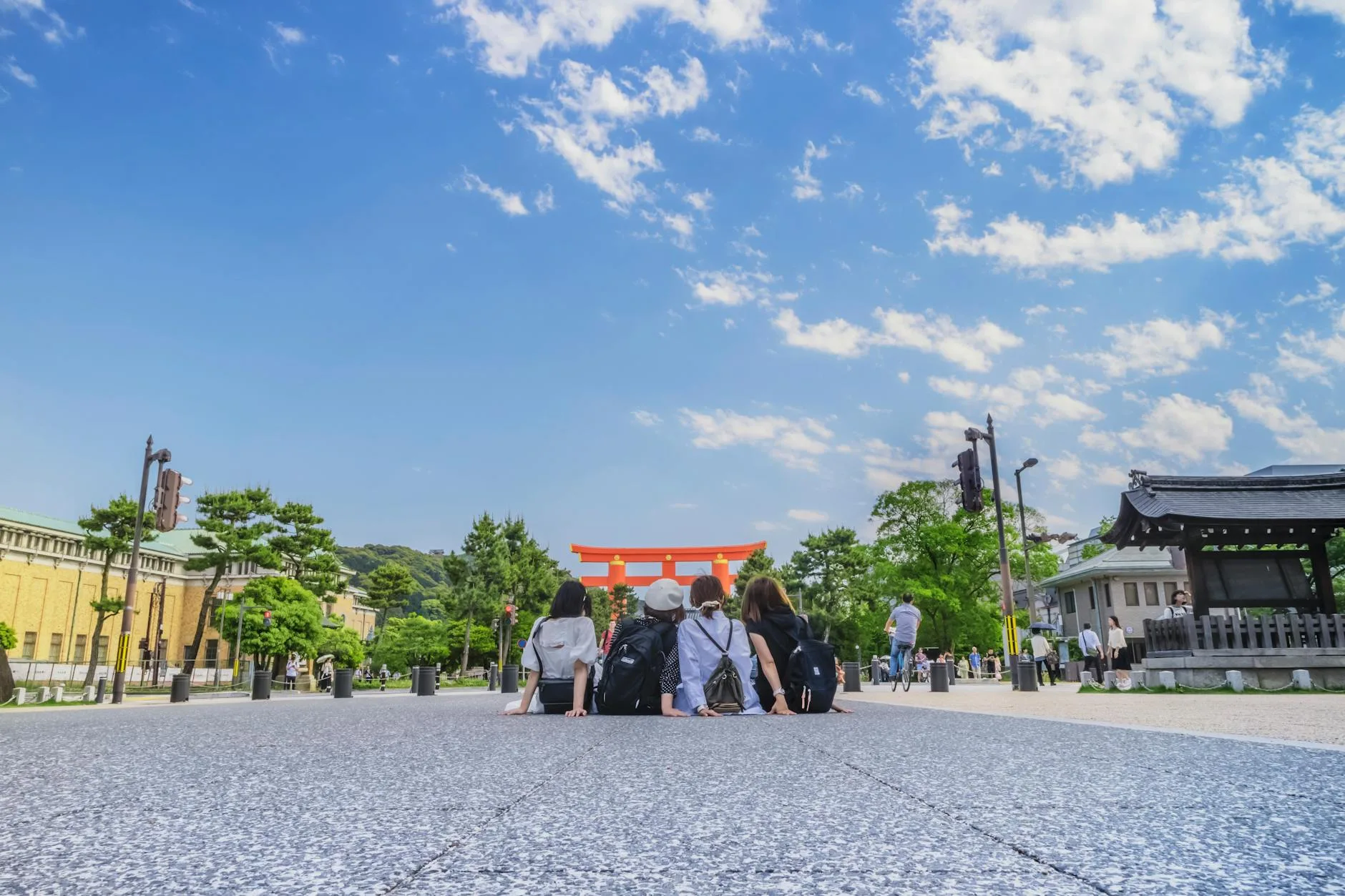
I felt especially comfortable in the obvious high-traffic areas: Kyoto Station, central shopping streets, and busy temple approaches during the day. That’s where the city felt easiest to read. People were moving with purpose, and I never got the sense I was sticking out just because I was traveling alone.
At Fushimi Inari, I went early enough that the lower shrine area was already active but not overwhelming. That helped a lot. The same goes for Arashiyama: go early, leave before the day gets too messy, and the whole experience feels smoother. I bought a warm drink from a vending machine on a chilly morning and that was basically the mood. Simple, practical, and a little gray around the edges.
The quieter, more residential pockets were where I slowed down. Not because they felt unsafe, exactly, but because they felt too empty to be relaxing after dark. I think that’s a useful distinction. Safe and comfortable are not the same thing.
Worth it if: you stick to busy routes, daytime temple visits, and central neighborhoods.
Not ideal for: people who like drifting around side streets late at night.
The night I changed my plans
I had one evening that pretty much summed up Kyoto for me. I’d planned to linger in Gion after dinner, maybe wander a bit more, maybe find another tea shop. Instead, I got caught in a light rain, my scarf was damp, and I realized I was tired enough to start making dumb choices just for the sake of “seeing more.” So I stopped.
I ducked into a small café, paid around 480 yen for coffee, and waited out the worst of it while checking my route back. That was the turning point. Kyoto didn’t make me feel unsafe. It made me realize that solo travel safety often comes down to admitting when you’re done for the day. I’m not sure that’s a glamorous lesson, but it’s the one I kept.
When I finally headed back, I took the straightforward route instead of trying to save a few minutes. The city was quiet, but not creepy. More like it had switched off the public part of itself. I liked that less than I expected, which is funny, because I usually like quiet cities. In Kyoto, quiet is useful during the day and a little too honest at night.
Best for: women who know when to stop pushing a day.
Skip if: you think solo travel means never changing plans.
My pick: I’d build my evenings around an easy exit, not around squeezing in one more thing.
Rough daily estimates per full day from my own trip. Prices shift by season.
What I’d do differently next time
I’d book a more central hotel and stop trying to save a small amount by staying farther out. Kyoto is one of those places where location quietly decides how safe and relaxed your trip feels. I learned that the easy way, but I still paid for it in time.
I’d also plan fewer evening activities. Daytime Kyoto has enough to fill you up. At night, I’d rather have one good dinner and an easy ride back than a long list of things I’m “supposed” to see after dark.
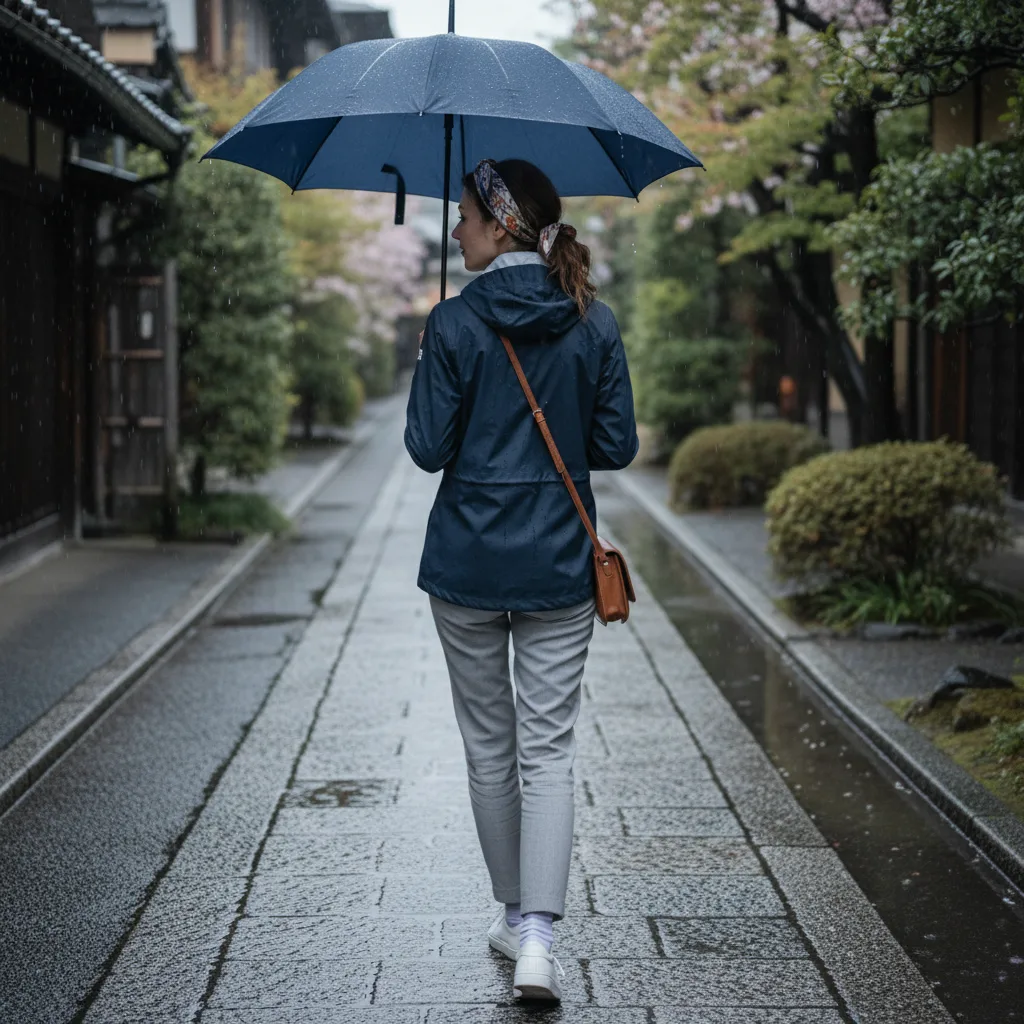
And I’d probably keep a better eye on weather than I did. The light rain wasn’t a problem, but it did change how I moved through the city. A water-resistant spring jacket, sturdy shoes, and an umbrella made the whole trip easier. The wrong shoes would’ve turned a simple day into a mildly miserable one.
I usually book Kyoto tours on Klook — the best time slots go fast, especially in peak season.
FAQ
Is Kyoto safe for solo female travelers at night?
Yes, but I’d still keep my evenings simple and use the easiest route back. Kyoto doesn’t feel dangerous to me at night, but some areas get very quiet, which is more awkward than exciting. I’d avoid unnecessarily long walks after dark if I was alone.
Which area of Kyoto feels safest for a woman traveling alone?
I’d choose Kyoto Station, Shijo, or Kawaramachi first because they’re easier for transport, food, and late returns. Those areas feel more straightforward when you’re tired or carrying luggage. I’d be more careful about quieter side streets and places that look charming but are inconvenient after dark.
Is it easy to get around Kyoto without a car?
Yes, and that’s one reason I felt comfortable there. Trains worked well for me, and buses were fine when I wasn’t in a rush. I’d still check last train times if I planned to stay out in the evening because that’s where the hassle starts.
Are there any scams or common safety issues I should watch for?
I didn’t run into scams in Kyoto, and that was refreshing. The bigger issue for me was logistics, not danger: missing the last train, ending up in a quiet area, or paying more than I wanted for a last-minute taxi. I’d keep an eye on transport timing more than on petty crime.
How many days should I spend in Kyoto if I’m traveling alone?
I think three full days is the sweet spot if you want to see the major sights without rushing. Two days works if you’re pairing Kyoto with Osaka or Nara, but it gets tight fast. I’d rather do fewer things well than spend the whole trip moving between temples in a tired blur.
 Emma Hayes
Honest hotel reviews and real budget travel advice from someone who’s actually there.