
Kyoto’s station area is overrated as a “base,” but it solves the one thing first-timers keep underestimating: moving fast when you’re tired, jet-lagged, and hauling a bag up stairs. Stay near Kyoto Station if you want easy arrivals and painless day trips. Stay in Gion or Higashiyama if walking to temples before the crowds arrive matters more than train convenience. For the best area of Kyoto to stay first time, I’d pick Kawaramachi/Sanjo — best mix of food, transit, and late-night options without the feeling that I’m sleeping inside a transport hub.
The real question isn’t “which neighborhood is nicest.” It’s how much time you’re losing every single day moving between your hotel, the station, and the places you actually came to see.
Quick Answer
- My pick: Kawaramachi/Sanjo. Best balance of transit, food, and walkability.
- Best for first-timers on a short trip: Kyoto Station, if logistics matter more than atmosphere.
- Best for early temple mornings: Gion or Higashiyama — walk out to quiet streets before 8am.
- Skip as a main base: Arashiyama, unless your whole trip revolves around that side of the city.
Kawaramachi/Sanjo: my first pick for most first-timers
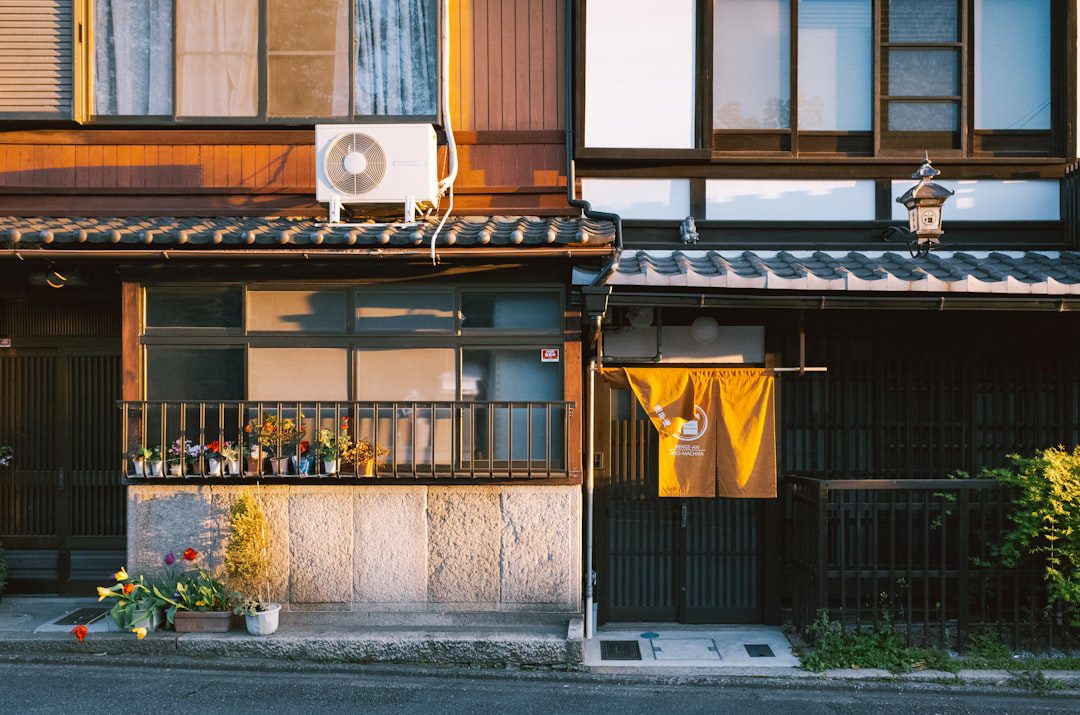
Verdict: stay here if you want the easiest all-around base without giving up food or transit.
This is the area I’d book again without thinking too hard about it. I could walk to dinner, grab a coffee, jump on the subway or Hankyu line fast, and get back to my room at night without feeling stranded. It’s the closest thing Kyoto has to a genuinely central base that doesn’t go dead after 9pm.
Best for: first-time visitors, solo travelers, couples, anyone who wants restaurants, shops, and transit in the same five-block radius.
Skip if: you want postcard-style streets outside your hotel or you need to stay as close as possible to temples.
Main tradeoff: busier and less old-school than Gion, but way more useful day to day.
Sleep and noise depends heavily on the exact street. Some blocks get traffic and foot traffic late. I stayed close enough to Nishiki Market that I could walk there in about 5 minutes and never once felt cut off from anything. Hankyu Kawaramachi, Kyoto-Kawaramachi, and Sanjo stations make this area genuinely easy to move from without defaulting to taxis every time.
Budget-wise, I’d expect roughly $70–140/night for a clean midrange hotel here, compared to $55–110/night near Kyoto Station and $90–180/night in the prettier parts of Gion and Higashiyama. If you want a decent room with a real food scene right outside, this is where that extra spend actually makes sense.
Lived detail: my first night in this part of Kyoto, I grabbed a 7-Eleven onigiri and a canned coffee because I was too wrecked for a full sit-down meal. Next morning I walked to Nishiki Market for a quick breakfast run. That kind of low-friction day mattered more than I expected it to.
Location consequence: plan for about 30 minutes to Arashiyama on a good transfer day. But you save time on basically every other day because you’re not constantly commuting back to the station or hunting for somewhere to eat dinner.
Kyoto Station: the easiest base, not the most fun one
Verdict: stay here if you want zero-stress arrivals, cheap breakfast options, and simple day trips.
Kyoto Station is efficient. That’s it. That’s the main reason to stay here. If I land exhausted, have a heavy bag, or I’m planning to visit Nara, Osaka, or catch an early shinkansen, staying near the station removes a lot of annoying steps. The station itself is massive and stocked — Isetan, the Porta underground mall, enough food options that dinner is never a problem.
Best for: short stays, travelers with a lot of luggage, train-heavy itineraries, anyone who cares more about getting around than evening atmosphere.
Skip if: you want to step outside into a neighborhood with cafes, character, and decent evening walking.
Main tradeoff: useful, not memorable. It’s the practical choice, not the one I’d book for a trip I actually want to enjoy.
Sleep quality varies. Some hotels here are surprisingly quiet; the area around the station itself feels more functional than pleasant after dark. Walkability is solid for transit and shopping, not for wandering. Transit is genuinely the strongest point: JR lines, the subway, and bus connections are all straightforward, and taxis are easy to grab too.
Budget-wise, I’d expect around $55–110/night, usually a bit cheaper than Kawaramachi/Sanjo for similar quality. If you’re keeping costs tight and don’t need a good street scene outside your door, this is a smart call.
Lived detail: I used the station area when I had an early train and didn’t want the stress of a long taxi ride after dinner. I bought a cheap breakfast set from the station basement and ate it in my room before heading out. That convenience is real and I don’t want to pretend it isn’t.
Location consequence: about 20–25 minutes to Gion, and often longer to Arashiyama depending on transfers. You’re much better set up for train-based day trips from here than if you base yourself anywhere in the old-town areas.
See all Kyoto hotels on Agoda →
Gion and Higashiyama: best if you want Kyoto to feel old before breakfast
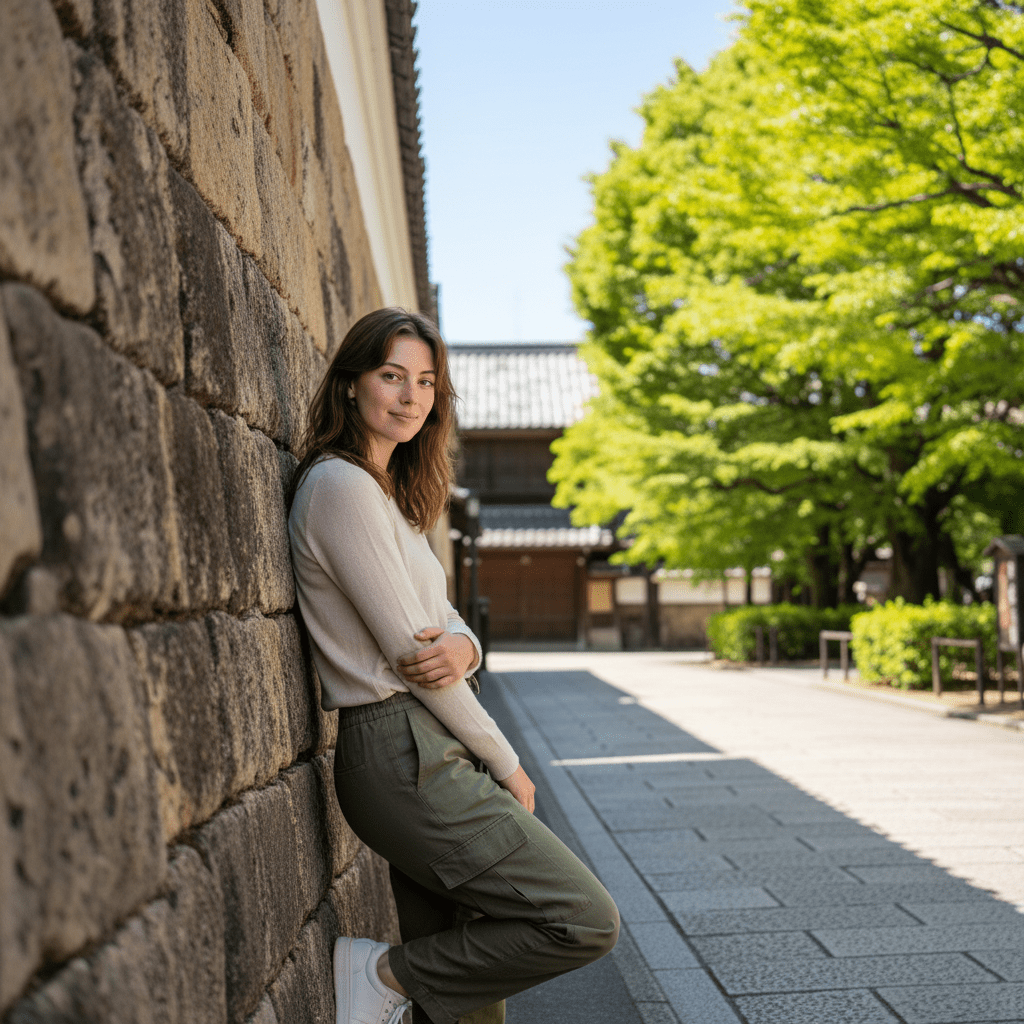
Verdict: stay here if early mornings and walking to temple streets matter more than transit convenience.
This is the area people picture when they think of Kyoto. I get it. The streets around Yasaka Shrine, Hanamikoji, and the lanes toward Kiyomizu-dera are dramatically better early in the morning than at midday, when tour groups and day-trippers flood in.— seasonal hours apply, so double-check the day you go — that’s actually worth something.
Best for: travelers who want atmosphere, photographers, repeat Kyoto visitors, anyone planning slow mornings around temples and shrines.
Skip if: you want cheap rooms, easy late-night food, or the fastest transit setup in the city.
Main tradeoff: prettier and more memorable, but you pay for it in price and daily convenience.
Some streets here are quiet at night; others get noisy with visitors, especially around the dining streets and main routes. Walkability for sightseeing is excellent. Transit is decent but not amazing — you’ll use buses, taxis, or a solid walk to reach certain stations, and that friction adds up quickly if you’re moving around a lot.
Budget-wise, I’d expect around $90–180/night, sometimes more for boutique stays. You’re paying for the area as much as the room itself.
Lived detail: I walked through Gion early enough that I could hear almost nothing except delivery trucks and a few bicycles. Later that same day, I had lunch at a small soba place and spent more time waiting for a bus than I wanted. That’s the entire tradeoff, condensed into one afternoon.
Location consequence: plan for about 30 minutes to Kyoto Station on a slower day, and extra time for buses or taxis if you’re heading anywhere on the western side of the city.
Arashiyama: good for a side trip, weak as a first base
Verdict: stay here only if your trip is built around bamboo, river walks, and western Kyoto.
I like Arashiyama. I just don’t like it as the default answer for first-time Kyoto stays. It’s too far from the central food and transit loop if you’re trying to see the classic east-side sights, and it gets crowded early around the bamboo grove and Togetsukyo Bridge anyway, so you’re not even escaping the masses.
Best for: slower trips, repeat visitors, people who want a quieter river-side base, travelers focusing on Tenryu-ji, Iwatayama, and the monkey park.
Skip if: you want easy access to Gion, Nishiki Market, or Kyoto Station without burning extra transit time every day.
Main tradeoff: calmer mornings, less flexibility for the rest of Kyoto.
Nights here are quieter than central Kyoto — the area genuinely relaxes once day-trippers leave. Walkability inside the neighborhood is fine. Transit is the weak point. Getting to the eastern side of the city takes time, and that gets old fast if you only have a few days in Kyoto.
Budget-wise, I’d expect about $80–160/night, with some properties priced higher because of the setting. It’s not automatically cheaper just because it’s farther out.
Lived detail: I did Arashiyama as a day trip and was glad I didn’t sleep there. The bamboo grove was already filling up by late morning, and I wanted the freedom to leave when I wanted instead of being stuck out west for the whole day.
Location consequence: roughly 30–40 minutes to central Kyoto on a normal transit day. Fine for one visit. Annoying if you’re bouncing between neighborhoods across a short trip.
What I’d choose again if I went back
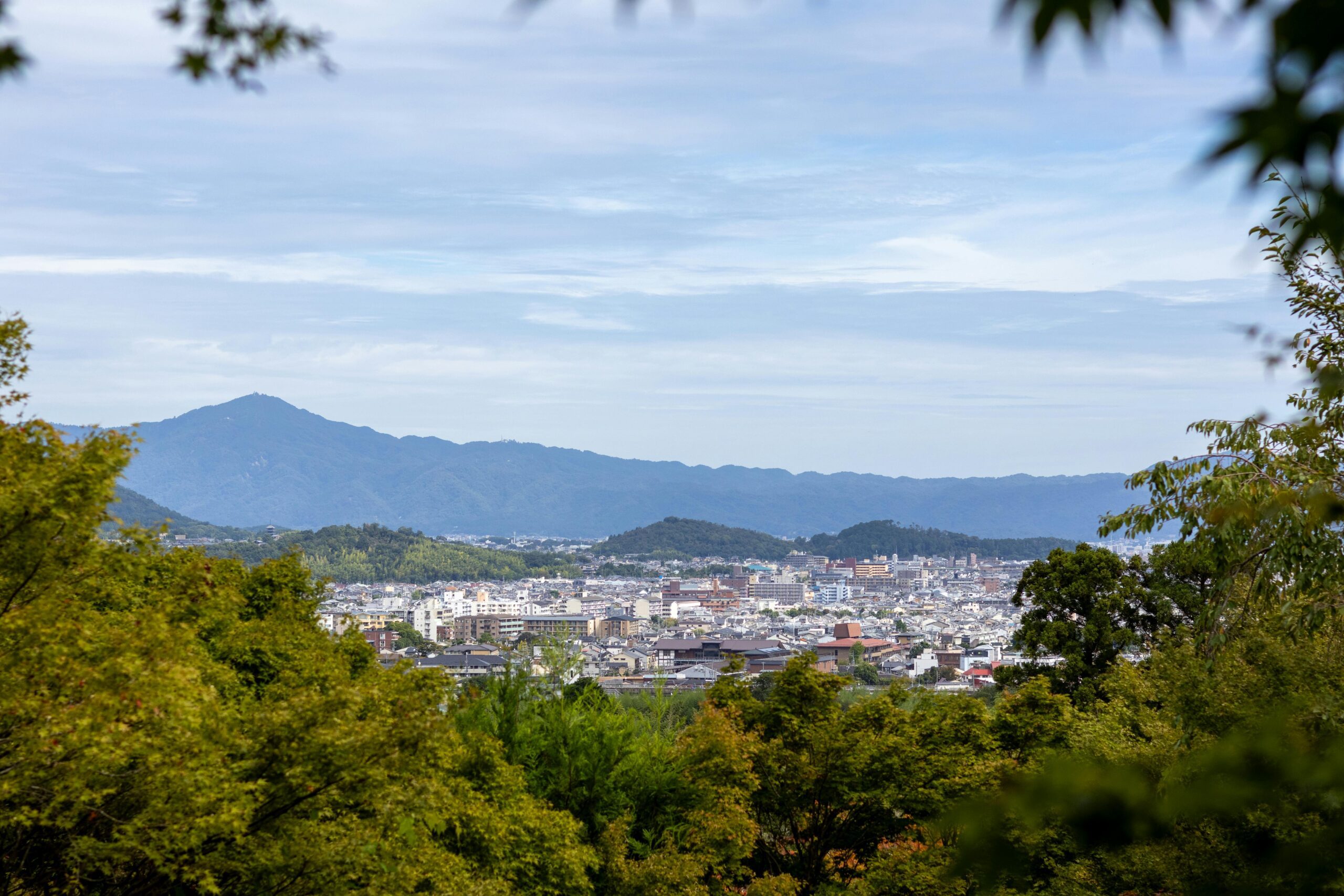
Verdict: I’d book Kawaramachi/Sanjo again. Not Kyoto Station.
Simple reason: I used Kyoto more like a food-and-walking city than a pure transit stop. Kawaramachi/Sanjo gave me better evenings, better access to breakfast and dinner options, and still kept me close enough to the subway and buses that I never felt stuck. Kyoto Station would save a little money. I’d lose the part of the trip that made the city feel easy to actually enjoy.
One-night layover with an early train? I’d switch to Kyoto Station without hesitation. A real first trip? I want the middle ground.
What I’d do differently next time
I’d book earlier and spend a little more for a room within walking distance of Kawaramachi or Sanjo station. I’d also stop choosing hotels just because they look good on a map — in Kyoto, “close” can still mean a 15-minute walk plus a bus ride if you’re not careful about which side of a neighborhood you’re on.
If I had more time, I’d split my stay: two nights in Kawaramachi/Sanjo, then one night in Gion for the early temple walks. That’s the only multi-base setup I’d actually consider over staying in one spot the whole time.
Rough daily estimates from my own trip. Accommodation is per night, everything else is per day. Prices shift by season, so treat these as a ballpark, not a guarantee.
See current Kyoto hotel prices on Agoda →
I usually book Kyoto tours on Klook — the best time slots go fast, especially in peak season.
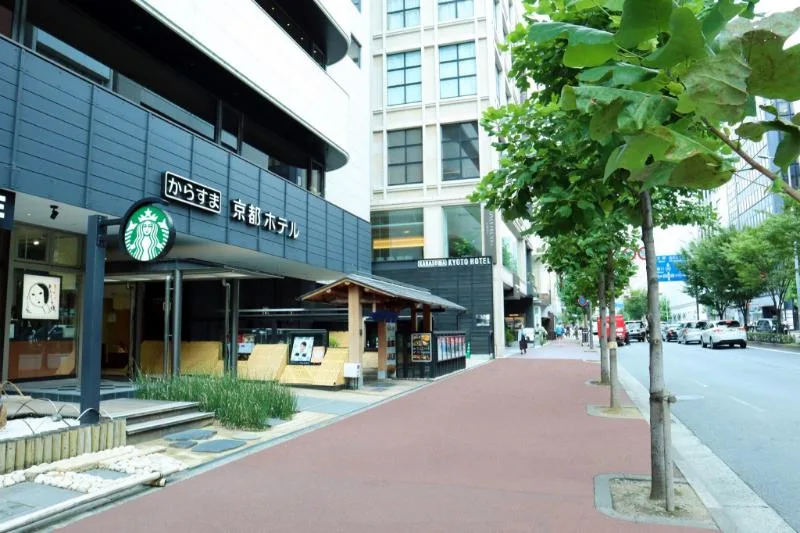
Karasuma Kyoto Hotel
Kyoto
★★★★☆
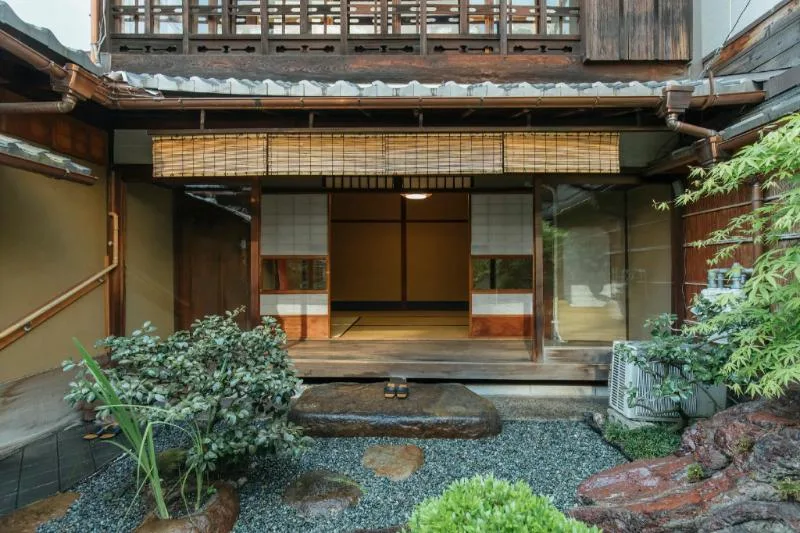
National important Cultural Ryokan TOSHIHARU
Kyoto
★★★★☆
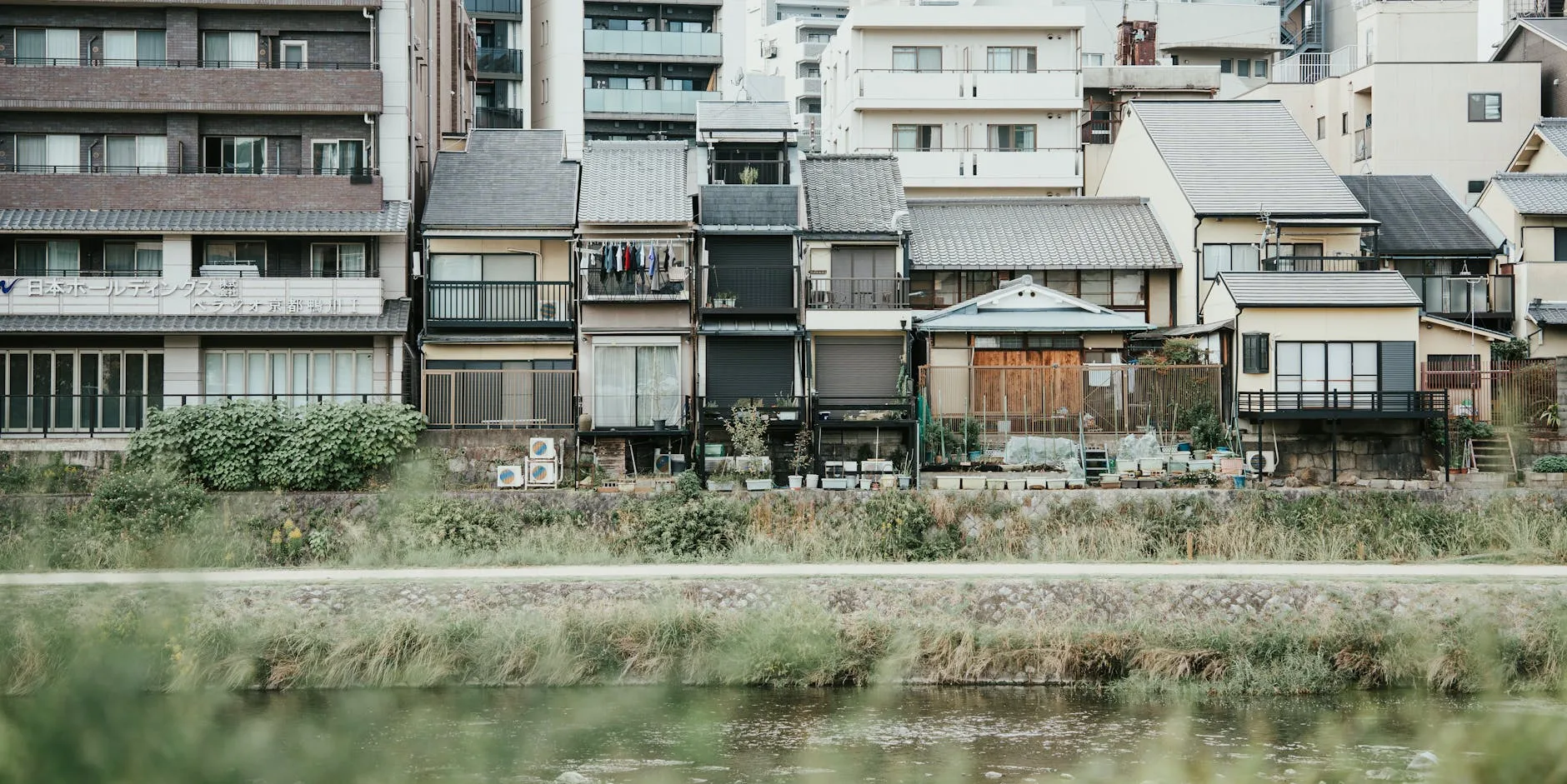
 Emma Hayes