
Osaka or Kyoto for First Time Visitors: My Quick Take
I lost two hours my first morning in Kansai trying to decide between the two cities, and I made the wrong call first. My answer now: Kyoto wins for a first trip if you’re there for temples, slower mornings, and a clean base for the classic sights. Pick Osaka only if you care more about food, nightlife, or cheaper hotels — and you’re genuinely fine trading away the old-Japan feel.
Best for Kyoto: first-timers who want temples, easy day trips, and a calmer stay.
Best for Osaka: first-timers who want cheaper rooms, late-night food, and more going on after dark.
Main tradeoff: Kyoto gives you the Japan people picture in their head. Osaka gives you easier logistics and less friction at night.
My pick: Kyoto, because the first trip usually has limited time and Kyoto does the “Japan trip” job better.
Quick Answer
- My recommendation: Kyoto — it’s the stronger base for a first trip if temples, shrines, tea houses, and low-stress day planning are the goal.
- Choose Osaka only if: you want a busier city, cheaper hotels, better late-night food, and you don’t mind taking trains into Kyoto for sightseeing.
- What actually changes the decision: how much you care about atmosphere versus convenience. That’s the real split.
- Simple rule: if this is your one shot at Kansai, stay in Kyoto. If you’re using Kansai as a base for eating and moving around, Osaka wins.
Kyoto is the stronger first-trip base
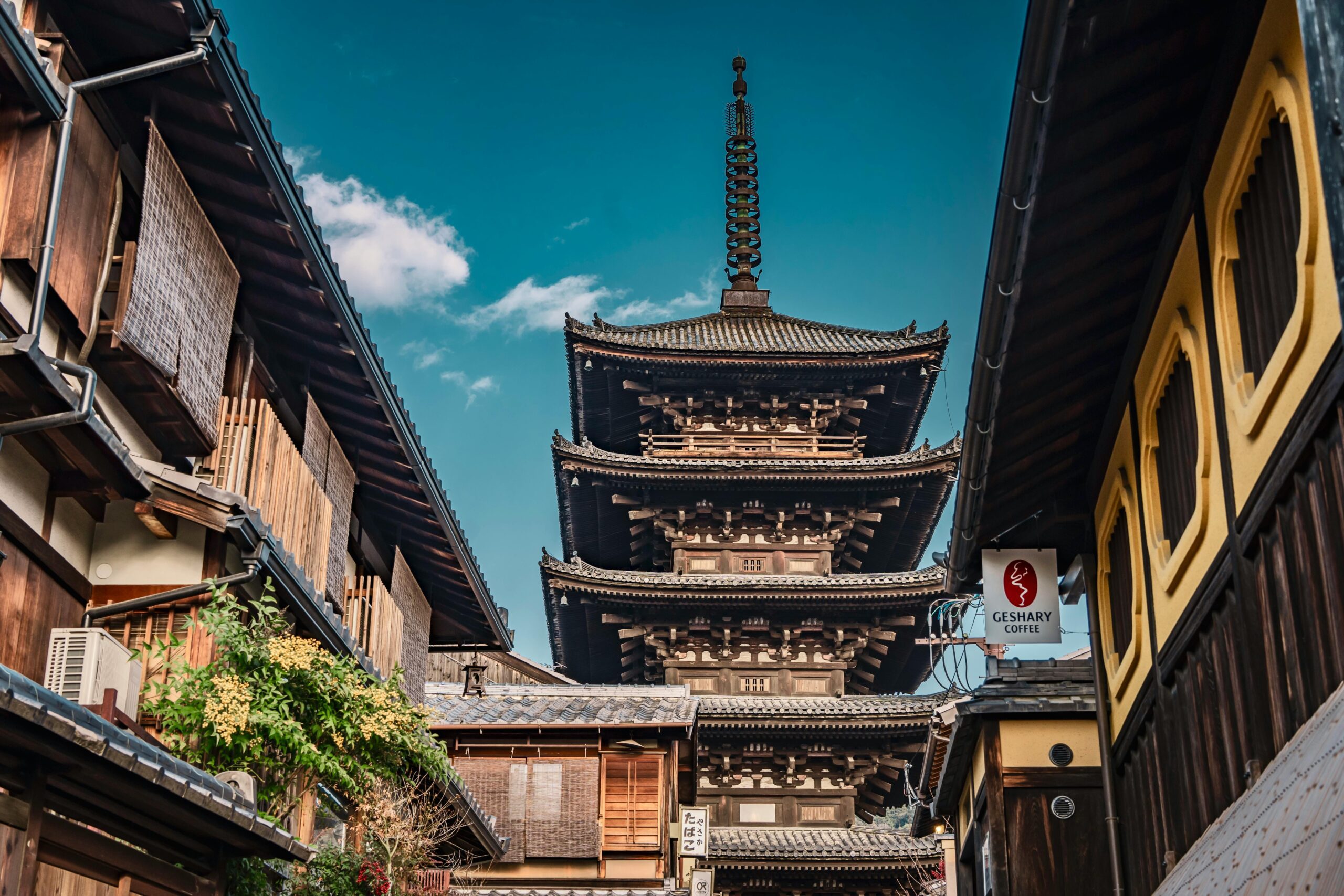
I’m not saying Kyoto is easier in every way. I’m saying it gives first-timers the better trip. The city is built around the stuff most people fly to Japan to see: Fushimi Inari, Kiyomizu-dera, Gion, Arashiyama, Nishiki Market, and the smaller lanes around Higashiyama where you can walk between stops without turning every outing into a transit project.
That matters because first-time visitors usually underestimate how much time gets burned just moving around. In Kyoto, I could leave my hotel near Kawaramachi, grab a 500-yen breakfast at a bakery, and be at Kiyomizu-dera before the tour buses hit hard. In Osaka, I spent more time treating sightseeing like a commute. Useful? Yes. Nice? Not really.
Best for: travelers who want their base to feel connected to the classic sights instead of just being a place to sleep.
Skip Kyoto first only if: your top priorities are nightlife, cheap chain hotels, or eating out late every single night.
Kyoto also works better when your trip is short. If you only have 3 to 5 days in the region, I’d rather have my hotel near Kyoto Station, Gion, or Kawaramachi than spend a chunk of every day riding trains from Osaka. A 15-minute train ride sounds harmless until you’re doing it after a full day of walking and one too many shrine stops.
One concrete example: from Osaka Umeda to central Kyoto, the JR Special Rapid takes about 30 minutes and costs around $4 to $5 one way. That’s fine once. It gets old when you do it twice a day for four days. Staying in Kyoto cuts that friction down because you’re already where the sights are.
I book tours through Klook — popular slots sell out faster than you’d think.
Osaka is the better choice for a different kind of first trip

Osaka is the right answer if you want your first trip to feel easy, social, and food-focused. I like Osaka, but I like it for a different job. Dotonbori at night, standing around with takoyaki, cheap beer, neon, and a little chaos — that’s fun. It just isn’t the same trip as Kyoto.
If you choose Osaka, you’re choosing convenience with a tradeoff. Hotels near Namba or Umeda often run cheaper than central Kyoto by about $20 to $60 per night depending on season and how early you book. I’ve seen solid business hotels in Osaka around $70 to $110 a night, while similar Kyoto rooms near Kyoto Station or Gion often land closer to $90 to $150 in spring and fall.
Best for: first-time visitors who want a busier city, better food access after dark, and lower hotel costs.
Choose Osaka only if: you’re okay with Kyoto being a day trip instead of your home base.
Osaka also fits travelers who don’t care much about the old-Japan mood. If you’re mostly there for shopping, restaurants, and easy train access to Nara, Kobe, or Universal Studios Japan, Osaka makes sense. I’d never argue with that. I just wouldn’t pick it as the first base if the main goal is seeing Kyoto properly.
There’s also a real energy difference. In Osaka, I found myself eating well and moving fast. In Kyoto, I slowed down because the places I wanted to see rewarded slower mornings. That difference changes how the whole trip feels.
Cost Breakdown
This is the part that decides it for most people. Kyoto is usually the more expensive place to sleep, while Osaka is cheaper and better connected. But Kyoto saves time on sightseeing days, and that matters more than people expect.
Accommodation: In Kyoto, I’d budget about $90 to $160 per night for a clean midrange hotel in a decent area. In Osaka, I’d budget about $70 to $130 for something similar. Capsule hotels and basic business hotels can go lower in both cities, but Kyoto tends to get pricier fastest during cherry blossom and fall foliage season.
Transit: Osaka to Kyoto is easy, but not free in time or energy. JR from Osaka Station to Kyoto Station is around 30 minutes; from Namba you may need a subway plus a train, which can push the trip closer to 45 to 60 minutes door to door. Kyoto itself still needs buses or trains, but if you stay in the right neighborhood, you cut a lot of the back-and-forth.
Food: Osaka is cheaper and easier for casual eating. I spent around $6 to $9 on takoyaki, $8 to $12 on casual ramen, and $3 to $5 on convenience-store breakfast items in Osaka. Kyoto food can be just as affordable if you keep it simple, but the “nice lunch in a scenic area” tax is real. A matcha dessert set in Gion or Higashiyama can easily run $10 to $18 — based on my trip, always good to confirm.
Activities: Kyoto has more paid sights that stack up if you’re temple-hopping. A lot of shrines are free, but Kinkaku-ji, Kiyomizu-dera, and some gardens or special openings add costs fast if you’re doing several in one day. Osaka is lighter on entrance fees if you’re mostly eating, walking, and doing a few paid attractions.
My verdict on the practical side: Osaka is cheaper and easier on the wallet. Kyoto is better if you want to spend money on the trip’s actual purpose instead of saving a few dollars on the hotel.
For a deeper look at things to do in kyoto, I covered this in my Things To Do In Kyoto In March.
The vibe difference is the whole decision
Here’s the part hotel filters never show. Kyoto feels structured around ritual, timing, and getting places early. Osaka feels looser, louder, and more forgiving if you arrive hungry at 9:30 p.m. That one difference changes the kind of trip you have.
In Kyoto, my best days started early. I’d leave before 8 a.m., get to Fushimi Inari while it was still manageable, then grab coffee and a pastry near the station before moving on. The city rewards that rhythm. If you sleep in and start sightseeing at 11 a.m., you spend more time in crowds and less time actually enjoying the places.
Osaka works better if your trip rhythm is messy. If you like wandering, eating, shopping, and deciding dinner at the last second, Osaka is easier. Kyoto is more rewarding, but it asks for a bit more planning. That’s the tradeoff I care about most.
Scanner-friendly verdict: Kyoto is better for a trip with structure; Osaka is better for a trip built around food and flexibility.
Another real difference: Kyoto is easier to keep quiet. I stayed near Karasuma once and could actually sleep early without street noise dragging the night out. In Osaka, especially around Namba, the city stays “on” longer. That’s great if you want energy. It’s annoying if you want to wake up at 6:30 a.m. for temple crowds.
The night I picked the wrong base
I once booked Osaka for a short Kyoto-heavy trip because the hotel deal looked smarter. The room was fine, the train was easy, and the price was lower. But by day two I was doing the same little calculation over and over: “Is this worth the extra 35 minutes?” That was the problem. I wasn’t staying in the city I came to see most.
The turning point was leaving Kyoto around dusk after a long day in Higashiyama. I wanted to wander a little more, but I was already thinking about the train back, dinner timing, and whether I’d miss the last comfortable window to get home. That kind of mental friction is small on paper and annoying in real life.
What I learned: if Kyoto is the main reason for the trip, stay there. Saving $30 a night in Osaka does not feel like a win when you’re tired and watching train schedules.
That said, I’ve also stayed in Kyoto when I was mostly there for a quieter, more scenic trip. On those days, I loved it. I could eat breakfast near my hotel, walk to a temple, stop for coffee, and not feel like I was racing the city. That’s the version of the trip I’d repeat first.
See all Kyoto hotels on Agoda →
Rough daily estimates per person from my own Kyoto trip, covering one hotel night, three meals, local transport, and a few paid sights. Prices shift by season.
What I’d do differently next time
I’d stop trying to “save” Kyoto by staying in Osaka for a Kyoto-heavy itinerary. That choice looks smart on booking day and gets annoying fast after the first temple-heavy morning.
I’d also book my Kyoto stay earlier, especially for spring and fall. Good rooms near Kyoto Station and central neighborhoods disappear fast, and the cheaper options I kept seeing were usually too far from the places I actually wanted to walk to.
Finally, I’d plan fewer city switches. One base works better than bouncing between Osaka and Kyoto unless the trip is long enough to justify the packing hassle.
See current Kyoto hotel prices on Agoda →
I usually book Kyoto tours on Klook — the best time slots go fast, especially in peak season.
I wrote more about where to stay in Kyoto or Osaka if that helps with your planning.
I wrote more about Kyoto or Osaka for Shopping? if that helps with your planning.
I wrote more about best area to stay in Kyoto if that helps with your planning.
I wrote more about common Kyoto tourist mistakes if that helps with your planning.
I wrote more about Nara day trip from Kyoto if that helps with your planning.
I’d choose Kyoto for a first trip to Kansai because it gives you the stronger overall experience, not just the cheaper one. It’s the better home base for temples, early starts, and the version of Japan most first-timers picture before they land.
Choose Osaka only if your trip is mainly about food, nightlife, lower hotel prices, or using one city as a transport hub. That’s the one exception where I’d switch my answer.
Best for: first-time visitors who want Kyoto’s temples, walkable sightseeing, and a calmer trip rhythm.
Skip if: you care more about late-night food, cheaper rooms, and staying in a city that keeps going after dark.
Next time: I’d stay in Kyoto the whole trip and only day-trip to Osaka instead of splitting my base.
FAQ
Kyoto for first-time visitors: is it better than Osaka?
For me, yes. Kyoto gives a first trip more of the sights people usually picture before they land in Japan, and it makes temple-heavy days easier to manage. Osaka is better if you want a city break built around food and nightlife, but I wouldn’t pick it as the first base for a classic Kansai trip.
Kyoto hotel costs: is Osaka cheaper?
Usually, yes. Comparable midrange rooms in Osaka tend to run about $20 to $60 less per night than Kyoto, especially outside peak travel dates. Kyoto gets expensive fastest around cherry blossom season, fall foliage, and major holidays.
Kyoto itinerary planning: how many days versus Osaka?
I’d plan 3 to 5 days in Kyoto if it’s my main focus, since the classic sights like Kiyomizu-dera and Arashiyama are walkable from central areas and don’t eat up travel time. With Osaka, I’d spend extra time just commuting between my hotel and the temples I actually want to see—which defeats the purpose of a short trip. If I only have a week in Kansai, I’m staying based in Kyoto rather than splitting my nights, because those train rides back and forth add up fast.
Kyoto or Osaka for first-time visitors: which feels easier for a solo traveler in Kyoto?
I’d pick Kyoto if you want a calmer, easier first trip. Osaka is usually better for food and nightlife, but Kyoto feels more manageable if you like slower days and sightseeing on a budget. I’d base myself near Kyoto Station or a subway line so I can get around without wasting money on taxis.
Kyoto for first-time visitors: should I stay in Kyoto or day trip from Osaka?
I’d stay in Kyoto if you want to see the city properly without rushing. Day-tripping from Osaka can work if you’re short on time, but it adds extra train costs and cuts into your sightseeing. I’d only do the Osaka base if I’m saving hard and planning just one or two Kyoto days.
 Emma Hayes
Honest hotel reviews and real budget travel advice from someone who’s actually there.
If Kyoto is the main reason for the trip, I’d give it at least 3 full days. Osaka works well in 1 to 2 days, especially if you’re using it as a food base or adding Universal Studios