
Kyoto’s temples are the obvious headline, but which city actually wins for shopping is where people get tripped up. I’ve done both on the same trip, and I’d choose Osaka — the shopping is easier, denser, and less fussy. Kyoto still wins if you care more about slower browsing, craft pieces, and shopping that feels tied to place rather than malls.
My answer is blunt: Osaka is better for pure shopping. Choose Kyoto only if you want a calmer trip where shopping is one small part of a slower, more cultural day.
Quick answer: Osaka is better for pure shopping, especially around Shinsaibashi-suji, Namba, and Dotonbori. Kyoto is better for ceramics, tea, stationery, and slower browsing near Teramachi, Shinkyogoku, and Nishiki Market. Kyoto Station stays were in the ¥9,000 to ¥18,000 range per night.
Best for Osaka: people who want department stores, streetwear, drugstores, snack hunting, and one-stop convenience.
Best for Kyoto: people who want ceramics, tea, textiles, stationery, and shopping that feels connected to the city instead of just retail.
Quick Answer: Kyoto or Osaka for Shopping?
- My pick: Osaka, because I could cover more ground in one day without wasting time between stores.
- Choose Kyoto only if: you want more local-made goods and don’t mind paying a little more for them.
- Main tradeoff: Osaka is better for volume and price; Kyoto is better for character and slower browsing.
- Trip type: a shopping-heavy day trip or weekend base favors Osaka, while a culture-first Kyoto trip only needs a small shopping stop.
Why I’d Pick Osaka for Shopping
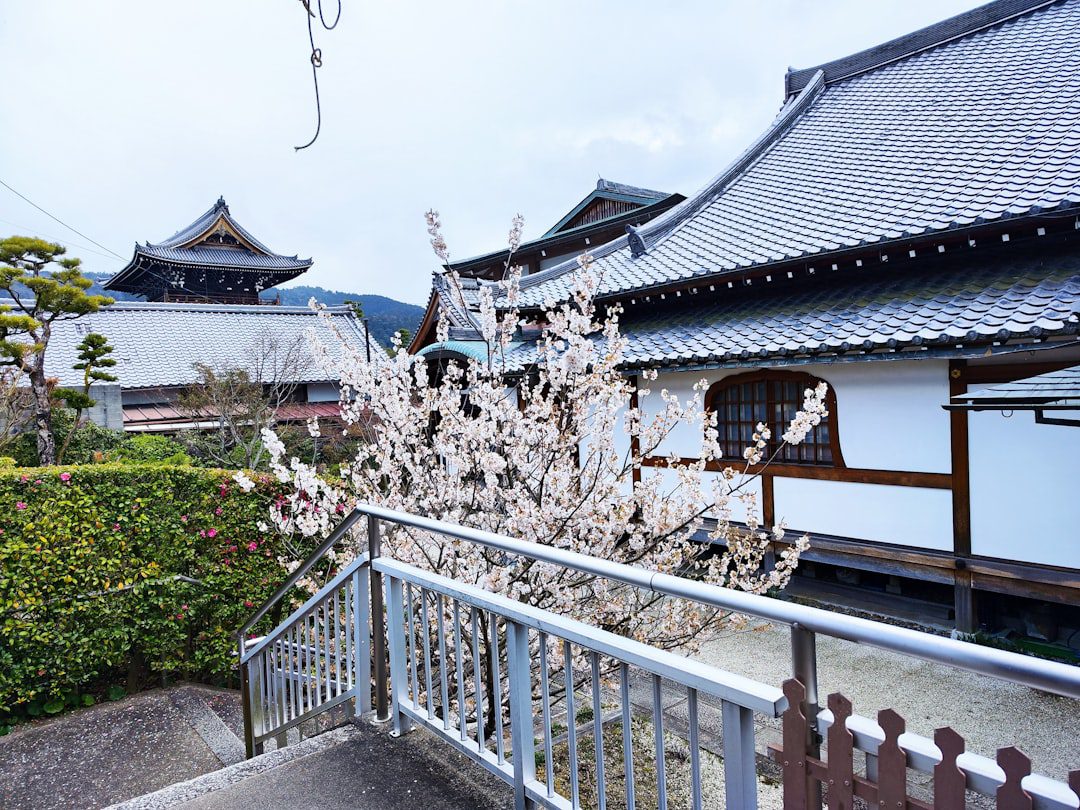
Osaka just makes shopping easier. Not in a glossy way — I mean the basic mechanics are better. You can move from Shinsaibashi to Dotonbori to Namba without feeling like you’re burning half the day in transit, and the store mix is broad enough that I didn’t have to choose between “cute” and “useful.” I could get both.
Shinsaibashi-suji is a long covered arcade, so rain doesn’t wreck your day, and you can bounce between fashion chains, cosmetics, snacks, and random little specialty shops without checking a map every five minutes. Near Namba, I found the kind of stores that solve actual travel problems: drugstores for sunscreen and painkillers, BIC Camera for chargers, and big souvenir floors where I could buy a bunch of gifts at once instead of dragging myself all over town.
I also think Osaka is better on price. Fast fashion basics were usually cheaper than what I saw in Kyoto’s more design-forward areas, and the discount drugstores were the real deal. A bag of Japanese face masks or skincare samples might run ¥300 to ¥1,200 in Osaka depending on the brand, while the same kind of browsing in Kyoto often felt a little more boutique and a little less bargain-hunter friendly.
And the food friction is low, which matters more than people admit. If I spent three hours shopping in Osaka, I could grab takoyaki for around ¥600 to ¥900, a convenience store drink for ¥150 to ¥250, and keep moving. In Kyoto, shopping days more often turned into “find lunch somewhere calmer,” which sounds nice until you’re hungry and trying to decide between a cafe with a line and a temple-adjacent set meal that costs twice as much.
If things to do in kyoto matters to your trip, my Things To Do In Kyoto In March has the specifics.
If how safe is kyoto matters to your trip, my How Safe Is Kyoto At Night has the specifics.
I compared the options in How Safe Is Kyoto At Night — useful if you haven’t booked yet.
If hotels kyoto station matters to your trip, my Best Hotels Kyoto Station has the specifics.
If things to.do.in kyoto day trip matters to your trip, my Best Things To.Do.In Kyoto Day Trip has the specifics.
For a deeper look at kyoto sightseeing itinerary 3 days, I covered this in my Kyoto Sightseeing Itinerary 3 Days.
I wrote a more detailed breakdown in Kyoto Itinerary Your Best 3 Days Travel Guide — worth reading if you’re still deciding.
Where Kyoto Actually Beats Osaka
Kyoto isn’t trying to compete on raw retail volume, and that’s exactly why it still matters. If I’m shopping for things I’ll actually keep — a bowl, a tea tin, a linen pouch, a hand-bound notebook — Kyoto usually feels better. The city has more of that old-workshop, small-batch energy, especially around areas like Teramachi, Shinkyogoku, and the streets near Nishiki Market.
I bought a few ceramics in Kyoto that I still use. One small yunomi cup was around ¥1,800, and a hand-painted plate was closer to ¥3,500. I also spent way too long in a stationery shop near Sanjo because Kyoto has that dangerous effect on me — everything looks like a thoughtful gift, including things I don’t need. That’s the point, though. Kyoto shopping is slower and more intentional. Not flashy. Not cheap. But more memorable than picking up another generic mall purchase.
Best for Kyoto: travelers who want artisan goods, tea, textiles, and gifts with a stronger local feel.
Kyoto also wins if your shopping budget is modest but you want to come home with a few good pieces instead of a pile of stuff. I saw lots of prices in the ¥800 to ¥5,000 range for small craft items, incense, tea, and paper goods. That’s not “budget” in the bargain sense, but it’s manageable if you’re selective. And unlike Osaka, I didn’t feel pushed into buying because the storefronts were so aggressive. Kyoto shops tend to let you browse. I appreciated that more than I expected.
Still, I wouldn’t pick Kyoto if the whole trip is about buying clothes, filling a suitcase, or hunting for the best deals. It’s better for taste than volume.
Cost, Time, and the Kyoto-to-Osaka Train Math
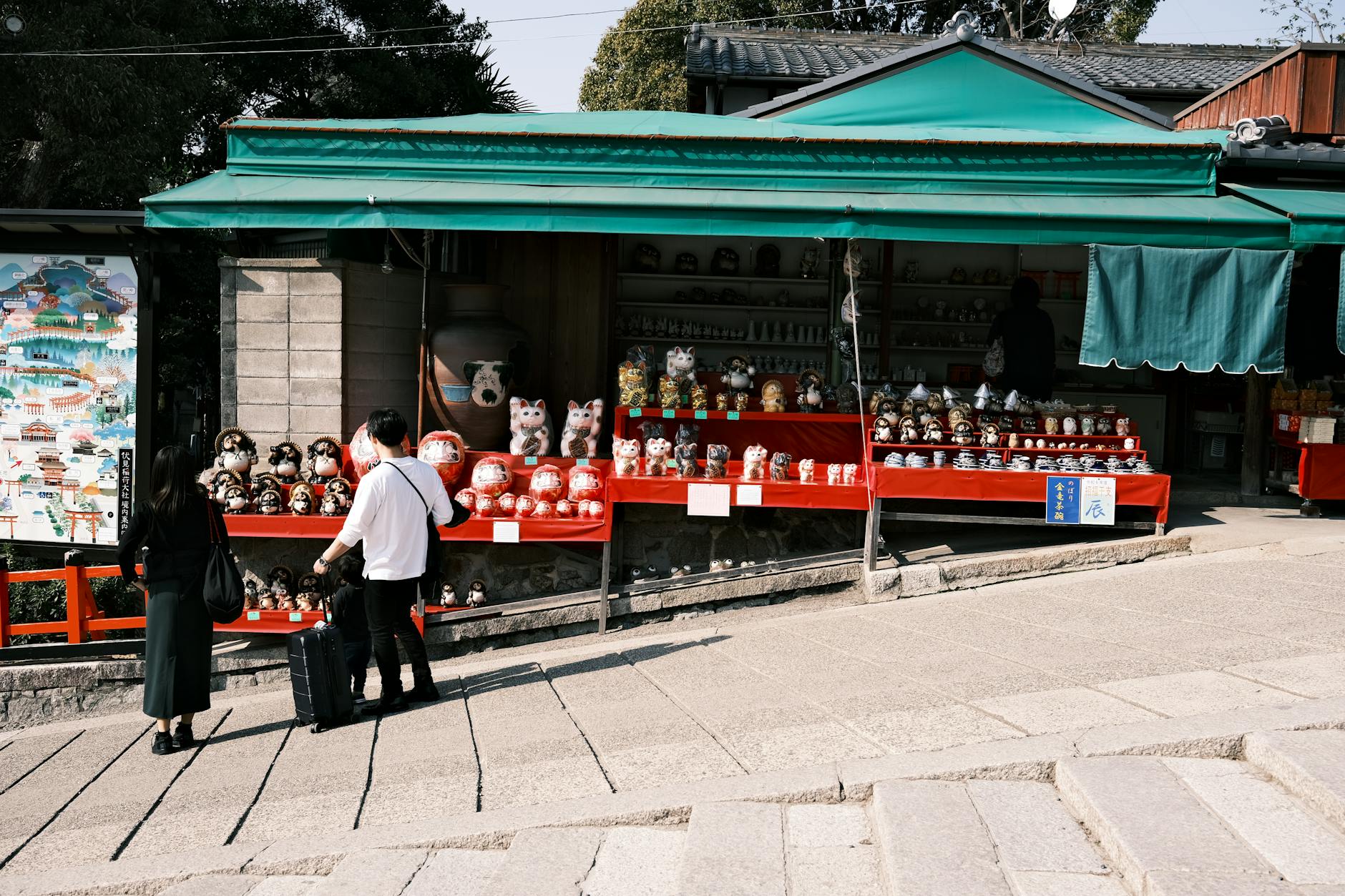
If you’re staying in Kyoto and doing a shopping day in Osaka, the JR Special Rapid from Kyoto Station to Osaka Station takes about 29 minutes and costs roughly ¥580 one way. From Kyoto Station to Namba, you’re usually looking at around 45 to 55 minutes depending on the route and transfer, and that extra stretch matters when you’re carrying bags. I did one trip with two shopping bags and a backpack, and by the time I got back, I was ready to sit down and stop making decisions.
Kyoto itself is easy enough for short shopping runs, but it doesn’t concentrate retail as tightly as Osaka. You spend more time zigzagging between pockets of stores, and that creates a weird kind of fatigue that has nothing to do with how far you walked. In Osaka, the shopping streets are built for continuous browsing — that structure difference is what makes a full retail day actually work there.
Budget-wise, here’s how I’d think about it. In Osaka, I could do a shopping day with lunch and transit for about ¥2,500 to ¥5,000 before buying anything major: ¥580 each way for the train from Kyoto, ¥800 to ¥1,500 for lunch, and maybe ¥500 to ¥1,000 in snacks and drinks. In Kyoto, the day itself can be a little cheaper if you stay local, but the shopping basket often costs more because the goods skew artisan and specialty. A Kyoto ceramic bowl at ¥2,500 or a tea set at ¥3,000 adds up fast if you’re buying gifts for a lot of people.
If you’re basing yourself in Kyoto and want easy access to both cities, I’d stay near Kyoto Station or on the Karasuma subway line. I checked rates near Kyoto Station in spring and saw solid mid-range options in the ¥9,000 to ¥18,000 range per night, with the better-located places going higher on weekends. See all Kyoto hotels on Agoda →
The Vibe Split: Retail Day Versus Wander-and-Buy Day
Osaka feels like a shopping machine. Kyoto feels like a place where shopping happens in between other things. That sounds small, but it changes how I spend money and how tired I get. In Osaka, I was in “find it, buy it, move on” mode. In Kyoto, I was more likely to stop for tea, wander into a side street, and forget I was supposed to be shopping at all.
That’s the tradeoff I care about most. Osaka has more neon, more people, more chain stores, more of that fast-moving city energy. I don’t love it for a full week, honestly, but for shopping it works. Kyoto is quieter, more measured, and a little more aesthetically annoying in the best way — I say that because it keeps distracting me with small beautiful things instead of letting me power through a list. I bought less in Kyoto, but I liked more of what I bought.
There’s also the question of what kind of shopping trip you’re actually having. If I’m doing a half-day between temple visits, Kyoto is enough. I can pop into a tea shop, pick up a few gifts, and call it. If I want a full retail day with department stores, cosmetics, snacks, and clothes, I’d rather be in Osaka. Kyoto supports shopping. Osaka centers it.
The Shopping Day I’d Actually Plan
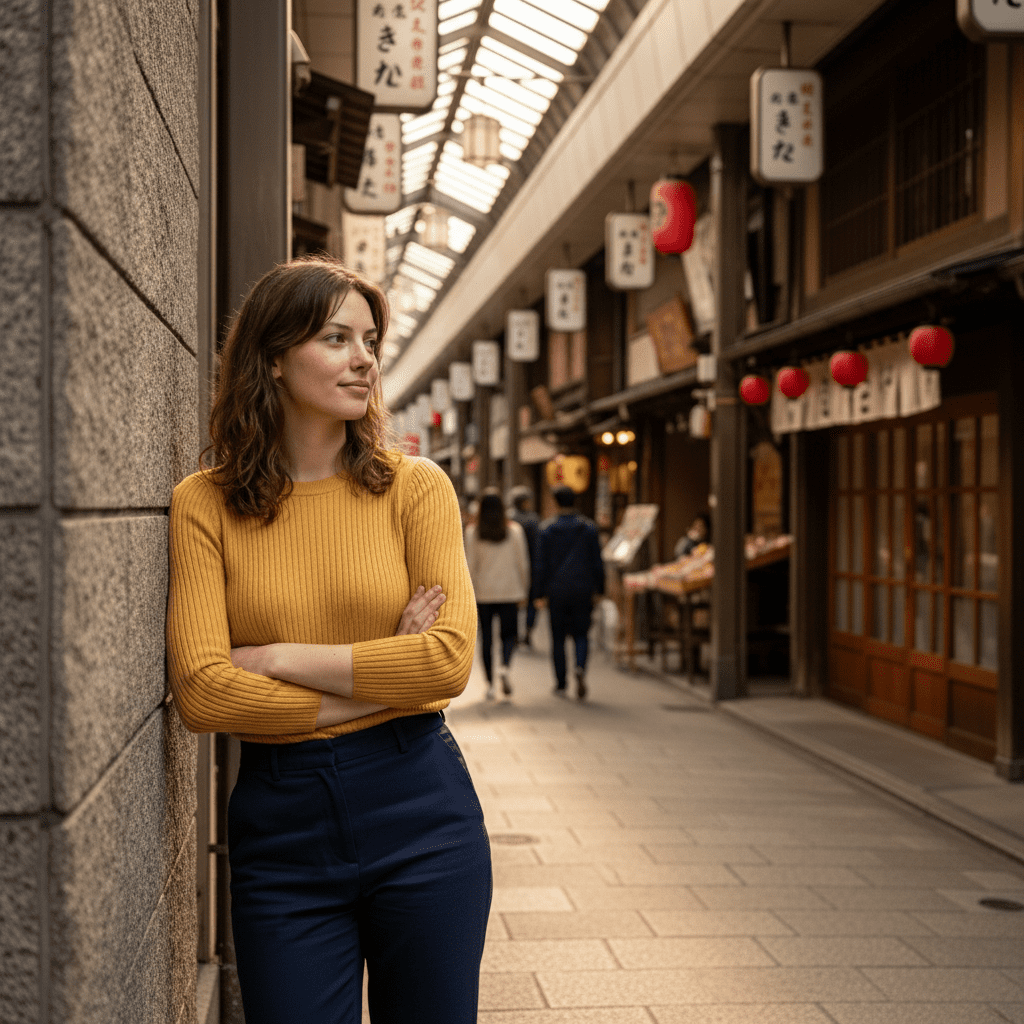
If I had one full day and one suitcase, I’d start in Osaka and end in Kyoto. That’s my honest answer. I’d shop hard in Osaka first, because it’s the place to buy the bulky, practical stuff: clothes, skincare, snacks, gifts in multiples. Then I’d save Kyoto for one slower afternoon where I could pick up one or two better-made things instead of ten random purchases I’ll forget about in a month.
Best trip shape: Osaka first for the haul, Kyoto second for the thoughtful pieces.
What I wouldn’t do again is try to split a single shopping day evenly between both cities. That sounds balanced and smart. It isn’t. You lose time to trains, you lose energy to carrying bags, and you end up rushing the part you cared about most. I did that once and spent more time thinking about where my charger was than what I was buying. Not my finest hour.
If your trip is mostly Kyoto and you just need a shopping fix, stay central and do one compact shopping loop around Teramachi, Shinkyogoku, and Nishiki. If your trip is mostly shopping and you only have one base, Osaka is the better base. Simple as that.
What I’d Do Differently Next Time
Next time I’d stop pretending I need to “shop equally” in both cities. I don’t. Osaka is where I’d do the serious buying, and Kyoto is where I’d buy one or two things I actually care about. I also wouldn’t leave the Kyoto shopping part for my last afternoon, because by then I’m usually tired and less picky — which is how you end up buying a souvenir you don’t really like.
I’d also pack a foldable tote in my day bag. Sounds basic, but carrying a paper bag around Kyoto in the rain was annoying, and the same went for Osaka once I started stacking purchases. Small detail, big difference. And I’d check store hours more carefully in Kyoto, because some shops close earlier than I expected, especially the smaller ones outside the busiest blocks.
Rough per-day estimates from my own Kyoto-based shopping trip, including a train hop to Osaka and a light shopping budget. Prices shift by season.
My Final Call
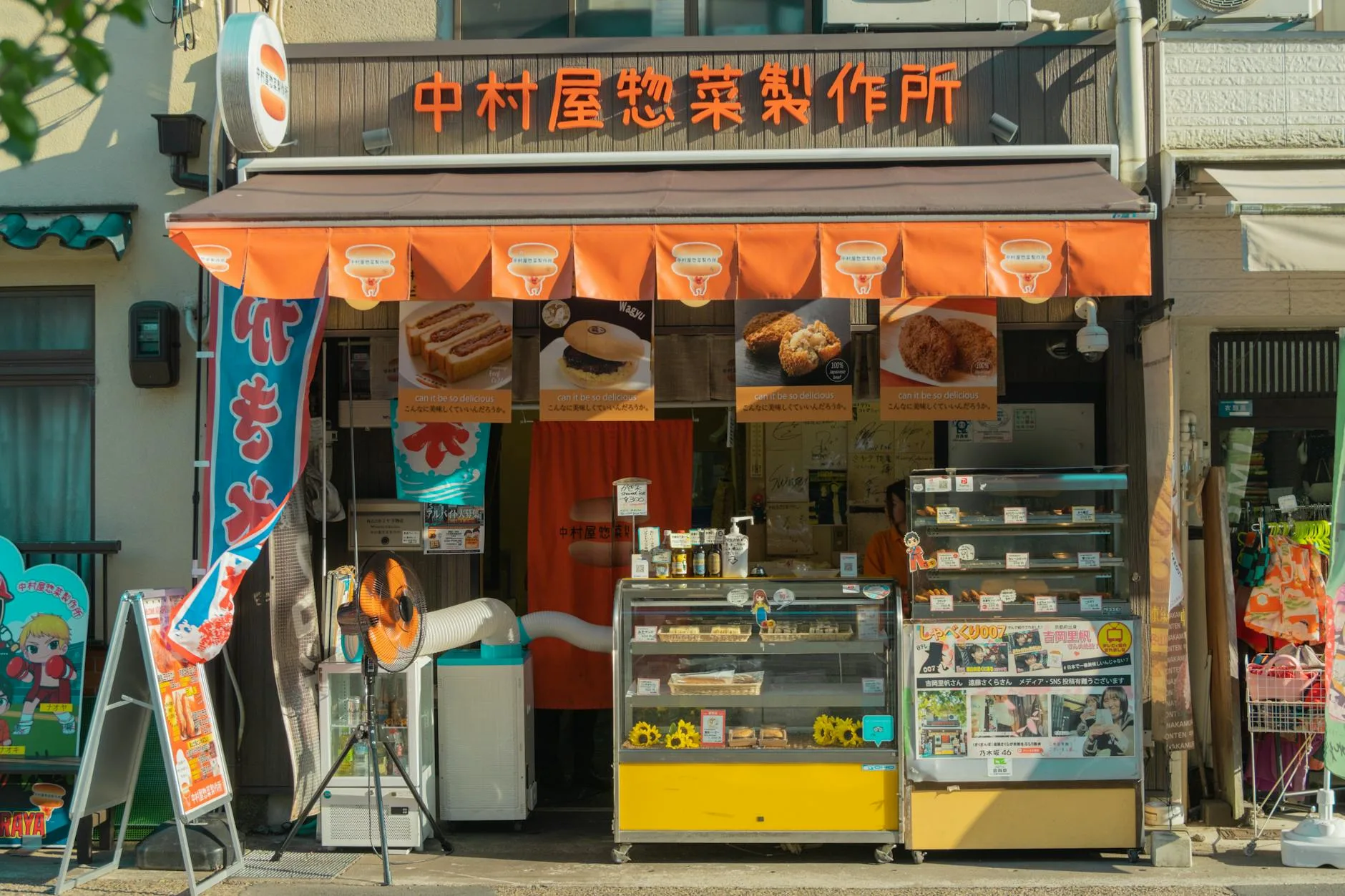
I’d pick Osaka for shopping without hesitation. It’s faster, cheaper, and better for the kind of day where you want to buy a lot without thinking too hard. Kyoto is the better add-on — and sometimes the better emotional one — but it’s not the winner for shopping unless your idea of shopping is ceramics, tea, stationery, and one careful purchase at a time.
Choose Osaka if you want the strongest shopping trip with the least friction. Choose Kyoto only if you care more about the object than the haul. That’s the one exception I’d make, and it’s a real one.
Best for: travelers who want the most stores, the best prices, and the easiest full shopping day from a Kyoto base.
Skip if: you’re after artisan goods, slower browsing, and shopping that feels tied to local craft instead of retail volume.
Next time: I’d give Osaka the morning, Kyoto the late afternoon, and bring a bigger bag.
I wrote more about choosing between Kyoto and Osaka if that helps with your planning.
I wrote more about Aeon Mall Kyoto if that helps with your planning.
I wrote more about where to stay in Kyoto or Osaka if that helps with your planning.
FAQ
Is Osaka better than Kyoto for shopping?
Yes, Osaka is better for most types of shopping, especially clothes, cosmetics, snacks, and gifts in bulk. The exception is artisan and craft goods like ceramics, tea, and stationery, where Kyoto has a stronger selection. If your goal is a full retail day with variety and good prices, Osaka wins.
What can I buy in Kyoto that I can’t find in Osaka?
Kyoto is stronger for hand-made ceramics, Kyo-yuzen textiles, washi paper goods, local tea blends, and incense from shops that have been open for generations. You can find some of these in Osaka too, but the concentration and authenticity is higher in Kyoto’s Teramachi and Nishiki areas. Expect to pay a bit more, but the pieces tend to feel more specific to the city.
Is Shinsaibashi-suji worth visiting for shopping?
Shinsaibashi-suji is one of the best covered shopping arcades in Osaka and worth a visit if you want fashion, cosmetics, drugstores, and souvenir shops all in one long walkable stretch. It gets crowded on weekends and holidays, so weekday mornings are easier for serious shopping. The arcade connects naturally to Dotonbori and Namba, so you can cover a lot without backtracking.
Can I do a shopping day trip from Kyoto to Osaka?
Yes, it’s one of the easiest day trips in Japan — the JR Special Rapid from Kyoto Station to Osaka Station takes about 29 minutes and costs around ¥580 one way. The main tradeoff is energy: carrying bags back on the train gets tiring, so front-load the bulky purchases in Osaka and save lighter Kyoto shopping for the return. Leave by mid-morning to get the most out of both cities.
How much should I budget for a shopping day in Osaka from Kyoto?
Before actual purchases, expect to spend about ¥2,500 to ¥5,000 on transit, food, and snacks. Your shopping budget depends on what you’re buying, but drugstore hauls and souvenir snacks can run ¥3,000 to ¥8,000 easily. Kyoto craft purchases tend to cost more per item, so budget ¥1,500 to ¥5,000 if you plan to pick up ceramics or tea.
Are Kyoto shops cheaper than Osaka?
No, Kyoto shops are generally more expensive per item because they lean toward artisan and specialty goods rather than mass retail. Osaka’s discount drugstores, chain fashion stores, and large souvenir floors tend to offer better prices for everyday shopping. Kyoto’s value is in quality and uniqueness rather than bargains.
 Emma Hayes
Honest hotel reviews and real budget travel advice from someone who’s actually there.