
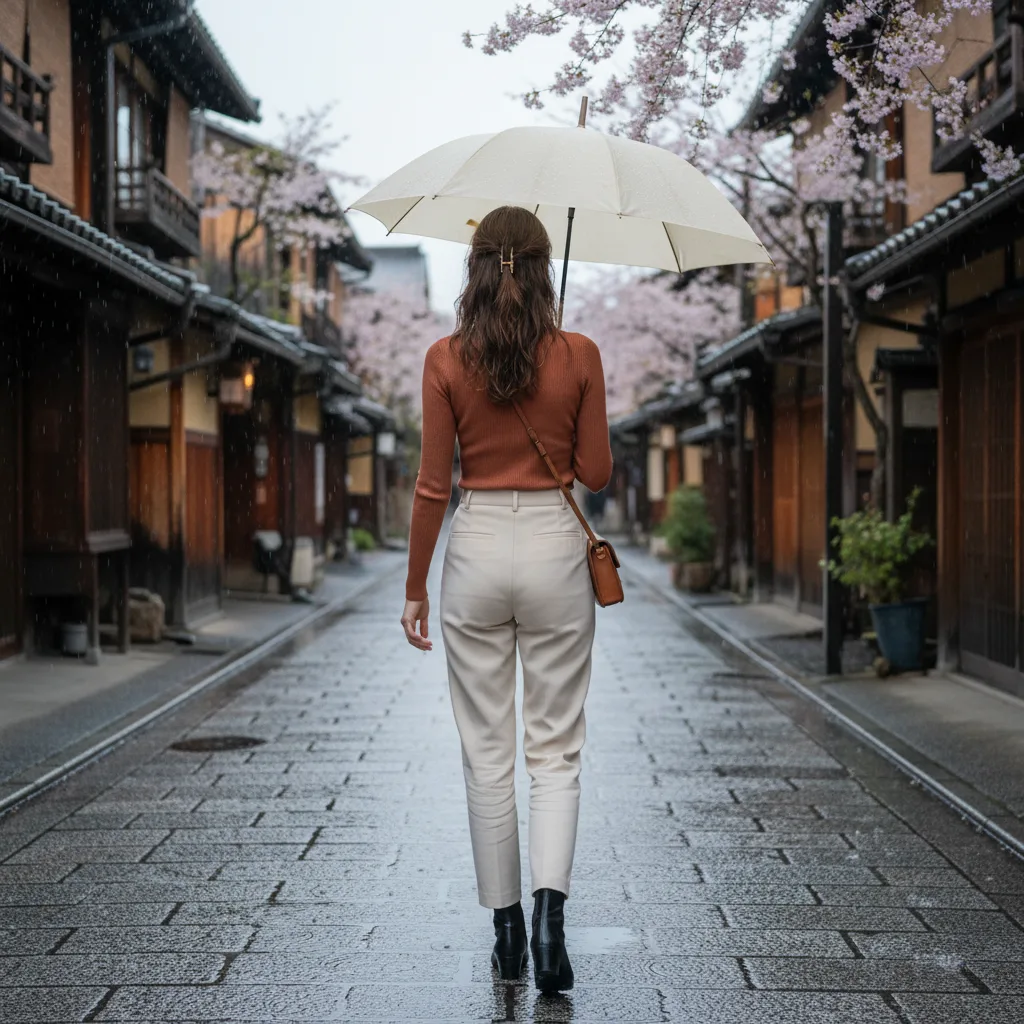
I almost tried to cram Kyoto into one frantic loop and missed lunch because I kept underestimating train times. I got caught by light rain near Kiyomizu-dera, paid for an extra umbrella I didn’t need, and still had a good day once I slowed down. My answer is yes: Kyoto is worth a day trip if you pick one area and stay disciplined. It fits travelers who want the best things to do in Kyoto on a day trip without turning the day into a checklist; it’s not for people who want to see everything or hate walking.
The real question isn’t “what are the best things to do in Kyoto in a day trip?” It’s what you can do without spending half the day on trains and queues. I’d focus on eastern Kyoto, keep one temple ticketed stop, add a food break in a market or station area, and leave room for one neighborhood walk that doesn’t cost anything.
I’d do Kiyomizu-dera, Sannenzaka and Ninenzaka, lunch near Gion or Nishiki Market, then Fushimi Inari at sunset if my legs still had opinions. Pick 3-4 stops, not 8.
Day by Day
Day 1: Eastern Kyoto Without the Chaos
I’d start early at Kiyomizu-Gojo Station or Kyoto Station, then head east before the tour buses stack up. From Kyoto Station, a city bus to the Kiyomizu-michi area takes about 15-20 minutes and costs about ¥230
Best for: First-time visitors who want the classic Kyoto day without wasting time on far-flung spots.
Skip if: you hate uphill walks, because the approach to Kiyomizu-dera is not flat and my calves were filing complaints by 10 a.m.
My pick: Start at Kiyomizu-dera, then walk downhill through Sannenzaka and Ninenzaka while the streets are still relatively calm.
8:00 a.m. — Kiyomizu-dera
I’d get there when it opens, or close to it. Admission is usually around ¥400, and that felt fair for the scale of the temple and the view over the city. I stood under my umbrella for a minute because the morning was chilly, maybe 5-12°C that week, and the stone steps were slick enough that I was glad I wore proper shoes instead of cute ones.
This is worth it if you’ve never been to Kyoto before. It’s not quiet, and it’s not some secret corner of the city, but the place earns its fame more than a lot of famous sights do. The tradeoff is crowd density; by late morning, the main viewing areas get busy and the whole thing starts to feel like a funnel.
What I’d do: spend 45-60 minutes here, no more. I skipped the urge to photograph every angle because half the value is just being there before the day gets noisy.
9:15 a.m. — Sannenzaka and Ninenzaka
From Kiyomizu-dera, I’d walk downhill through Sannenzaka and Ninenzaka. That takes 20-30 minutes if you stop for photos and don’t pretend you’re in a hurry. I bought a warm canned coffee from a vending machine for about ¥160 because the rain had that annoying misty quality that makes you think you’re fine until you stop moving.
This stretch is useful, but not magical. The preserved streets are pretty, sure, but they’re also packed with souvenir shops selling the same snacks and little ceramic trinkets. I’d still do it because it connects the temple to the rest of the day in a way that feels natural instead of stitched together.
Best for: Travelers who like walking streets more than sitting on buses.
Skip if: you’ve already seen a lot of preserved old-town lanes elsewhere in Japan and don’t care about repeating the look.
My pick: Treat this as a transition, not a destination. The walk is the point.
10:30 a.m. — Gion, but keep your expectations in check
I’d continue to Gion on foot, which usually takes 15-20 minutes depending on how many times you stop. If you want the famous wooden streets and a chance of seeing a maiko hurrying somewhere, this is the area. If you want a calm “local” moment, I’d lower the bar. A lot of it is just a polished district with expensive coffee and tourists being weird about photos.
Worth it? Yes, but only as part of the route. I wouldn’t cross the city just for Gion alone. I sat down for a 550-yen matcha latte near Hanamikoji Street, and it was fine, not life-changing. The better move was using Gion as a place to rest my feet before lunch.
Best for: People who want one Kyoto neighborhood that looks like Kyoto in their head.
Skip if: you’re short on time and would rather spend those 45 minutes eating somewhere good.
My pick: Walk through, don’t overbook it, and don’t pay extra for anything that screams “Instagram set.”
Day 1 Lunch: Nishiki Market or a Small Station-Side Meal
I’d head to Nishiki Market for lunch if I wanted variety and didn’t mind paying a little more for convenience. From Gion, it’s about a 15-minute walk, or around 10 minutes by bus if your feet are already annoyed. The market itself is easy to browse, but I wouldn’t call it cheap. A grilled skewer here, a tamagoyaki there, and suddenly you’ve spent more than a proper sit-down meal.
I paid about ¥900 for a quick lunch of a tofu skewer, pickled vegetables, and a small seafood bite, which kept me going but didn’t feel like some grand culinary moment. That’s the honest version. Nishiki is worth it if you want to eat while moving and you don’t mind paying for location; skip it if you’re after the best value, because the math gets funny fast.
Best for: A day trip when you want lunch to double as a rest stop.
Skip if: you hate crowds or you’re watching every yen, because some stalls charge tourist prices without much apology.
My pick: One snack stop and one proper meal is enough. Don’t graze all day unless you like spending money in small annoying increments.
If you want a sit-down alternative, I’d duck into a small noodle shop near Kyoto-Kawaramachi Station. I paid ¥1,000 for a basic bowl of udon and got shade, a seat, and no line over 30 minutes. That’s the kind of trade I’ll take every time.
Day 1 Afternoon: Fushimi Inari Only If You Still Have Legs
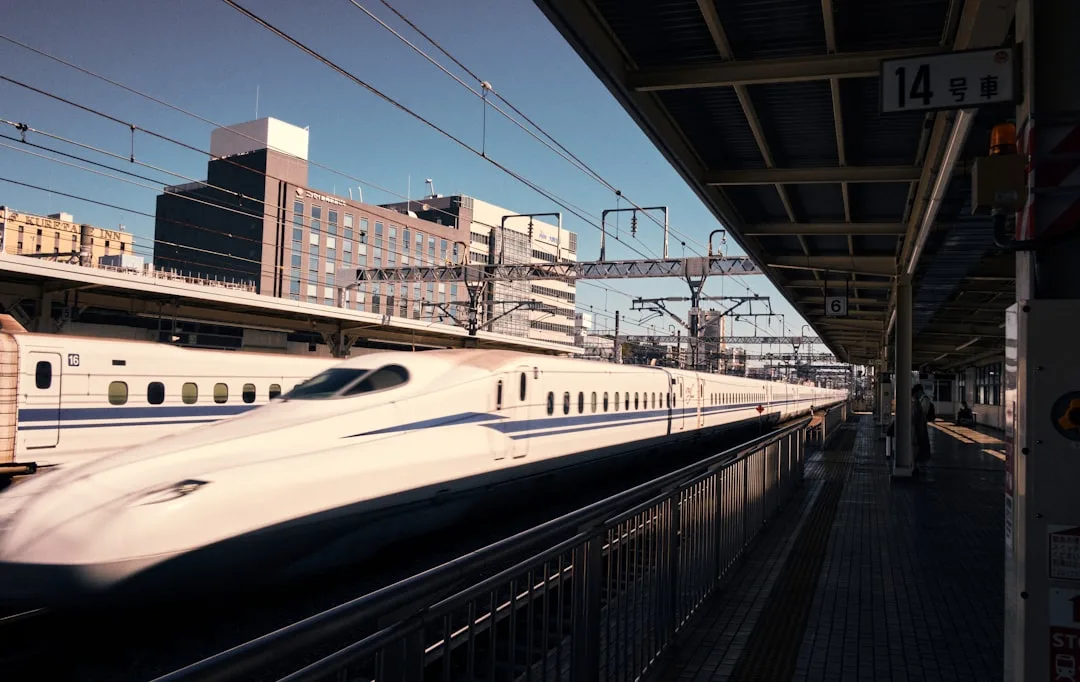
Fushimi Inari is the one stop I’d add only if the day is still going smoothly. From Kyoto Station, the JR Nara Line gets you to Inari Station in about 5 minutes and costs roughly ¥150
I’d reach the base around 2:30 or 3:00 p.m. if I wanted the torii gates without the worst of the crowd. The first section is busy no matter what, but it’s still worth it because you don’t need to hike the full mountain to get the experience. I walked maybe 30-40 minutes past the entrance, then turned around because my day wasn’t a fitness contest.
Best for: Travelers who want one iconic stop and don’t mind a bit of uphill effort.
Skip if: your legs are already tired from Kiyomizu and Gion. I’m serious. Don’t turn a good day into a resentful one.
My pick: Do the lower section, take your photos, and leave. The full hike is optional, not mandatory, and I think people overrate the “I did the whole thing” brag.
If your day trip is only one day long, this is the first thing I’d cut before I’d cut lunch or the east Kyoto walk. It’s famous, but fame doesn’t pay for tired knees.
The Route I’d Use If I Had Only Six Hours
If I had a shorter Kyoto day trip, I’d compress hard. Start at Kiyomizu-dera, walk through Sannenzaka and Ninenzaka, eat near Gion or Nishiki, then pick either Fushimi Inari or a second neighborhood walk. Not both. The city rewards a slower pace, but six hours doesn’t.
Here’s the simple version I’d actually follow:
- 8:00 a.m.: Kiyomizu-dera, 45-60 minutes
- 9:15 a.m.: Sannenzaka and Ninenzaka, 30 minutes
- 10:00 a.m.: Gion walk, 30-45 minutes
- 11:00 a.m.: Lunch near Nishiki Market or Kyoto-Kawaramachi, 45 minutes
- 12:30 p.m.: Fushimi Inari, 60-90 minutes if you still have energy
Best for: Day-trippers coming from Osaka or staying near Kyoto Station.
Skip if: you’re trying to fit in Arashiyama too. That’s how people end up spending more time on transit than in the city itself.
My pick: One temple cluster, one food stop, one extra sight. That’s enough.
Cost Breakdown

I did this as a day trip, so accommodation was the easiest thing to save money on. What I actually spent in Kyoto was mostly food, a train fare, and a couple of small entrance fees, which is how a “cheap” day somehow still ends up feeling expensive by lunch.
The biggest surprise was transport, because the fares were small enough to ignore until I added them up. My one regret was a ¥1,200 ceramic bowl I absolutely did not need; the win was a cheap bowl of noodles that was better than anything I’d planned for.
Rough daily estimates from my own trip. Prices shift by season.
Transport Tips
The biggest mistake is overpacking the day with “top 10” stops that are nowhere near each other. I’ve done that in other cities, and Kyoto punishes it more than most. The buses are cheap, usually around ¥230 a ride, but cheap doesn’t mean efficient when traffic slows everything down. I waited longer than I wanted for one bus near Higashiyama, and that delay was enough to change my lunch plans.
The second mistake is paying for expensive experiences that don’t add much. I’m talking about overpriced cafes near famous streets, souvenir-heavy snack stops, and guided bus tours that move at the speed of a family group with one person missing a shoe. I skip that stuff. The city is better when you build the day around walking and transit that actually works.
The third mistake is assuming all the famous spots are worth the same amount of time. They’re not. Kiyomizu-dera earns an hour. Gion earns a pass-through. Fushimi Inari earns the lower shrine area unless you’ve got energy to burn.
Best for: Travelers who want a realistic day, not a bragging-rights itinerary.
Skip if: you need a packed schedule to feel like the day counted.
My pick: Spend time where the city gives you something back — views, a walk, or a meal — and cut the rest without guilt.
What I’d Do Differently Next Time
I’d leave earlier and eat breakfast before I got on the train. That sounds boring, but it would’ve saved me from buying random snacks because I got hungry too soon. I’d also skip the second souvenir browse. I paid ¥1,200 for a small ceramic bowl once, and while I like it, I didn’t need to carry it around all afternoon.
I’d also choose one lunch plan in advance instead of wandering until I was cranky. Kyoto has enough good food that indecision starts to feel expensive.
Best for: People who like a flexible day but still want a rough structure.
Skip if: you’re the kind of traveler who gets stressed by any plan at all.
My pick: Keep the route, cut the shopping, and eat earlier.
Where I’d Actually Stay in Kyoto

Kiyomizu Gojo Sumitsugu
Kyoto
★★★★☆
Miyako City Kintetsu Kyoto Station
Kyoto
★★★★☆
For Kyoto I used Agoda — they had the best rate for my dates.
I pre-booked on Klook the night before — skipped the entire ticket line.
FAQ
How many hours do I need in Kyoto for a day trip to feel worth it?
I’d want at least 6-7 hours on the ground, and 8 feels much better. Less than that, and you’re mostly just moving between stations and one rushed sight. If you only have half a day, I’d pick Kiyomizu-dera and one food stop, then stop pretending you can do the whole city.
Is it better to stay near Kyoto Station or in Gion for one night?
I’d stay near Kyoto Station if I care about easy transit and early departures. Gion is nicer for atmosphere, but the station area saves time and usually money. For a short trip, I’d take the practical base every time.
Can I do Fushimi Inari and Kiyomizu-dera in one day without rushing?
Yes, but only if you keep the rest of the day light. I’d pair those two with one meal and one short neighborhood walk, not a full market crawl. If you’re already tired by lunch, cut Fushimi Inari down to the lower shrine area and call it good.
What should I skip first if it starts raining harder?
I’d skip Gion browsing and any extra souvenir wandering first. Those are the easiest parts of the day to lose without ruining the trip. Temples and a real meal matter more, especially if the weather is cold and your shoes are getting damp.
Is Kyoto still good as a solo day trip if I’m not into temples?
Yes, but I’d change the route and make it more food-and-walk focused. Use Kyoto for neighborhoods, market snacks, and one or two major sites instead of trying to force a temple marathon. If temples bore you completely, I’d honestly spend more time eating and less time collecting entry tickets.
 Emma Hayes