
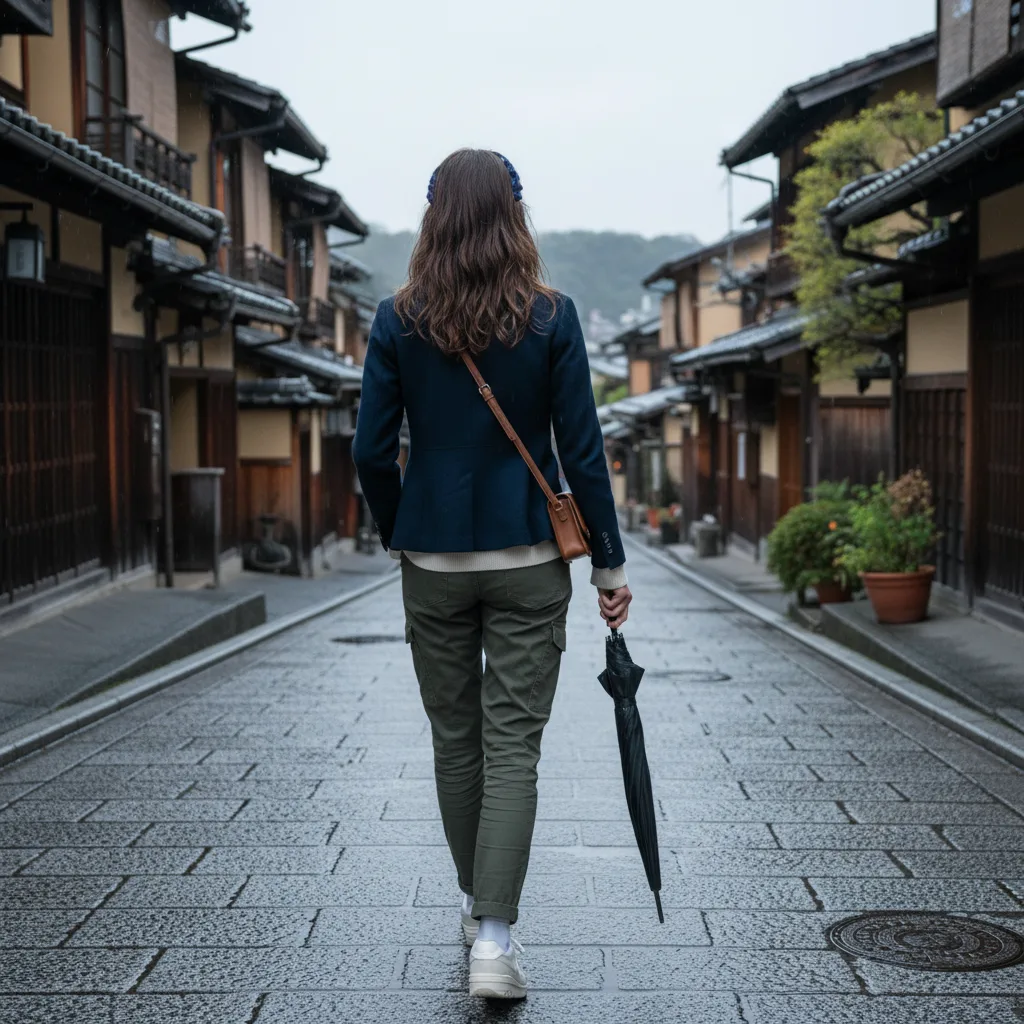
I did this wrong the first time. I tried to treat Kyoto like a checklist, and I spent too much time chasing temple names instead of moving smartly between neighborhoods. My better answer now: three days is enough for Kyoto if I keep it focused, walkable, and a little selective. It fits first-timers who want temples, food, and a real feel for the city; it does not fit people who want to “see everything,” because Kyoto punishes that idea fast. This Kyoto sightseeing itinerary 3 days version is the one I’d actually use again.
The thing that matters most is placement. If I stay near Kyoto Station, Gion, or Kawaramachi, I waste less time and less money. If I add one or two early starts, I can avoid the worst crowds and still leave room for coffee, lunch, and a slow evening. That’s the whole game here.
Quick Answer: For a Kyoto sightseeing itinerary 3 days, I’d stay near Kyoto Station, Gion, or Kawaramachi, start early for Kiyomizu-dera, Arashiyama, and Fushimi Inari, and budget about $100-$205/day.
- My pick: 3 days is the sweet spot for a first Kyoto trip if you don’t try to cram in too much.
- Skip it if: you only want nightlife, shopping, or a fast Japan sampler. Kyoto isn’t built for that.
- Best for: travelers who care about temples, food, and walking neighborhoods without turning the trip into a sprint.
- Main tradeoff: you’ll still miss a few famous spots unless you start early and accept a couple of “good enough” choices.
Day by Day
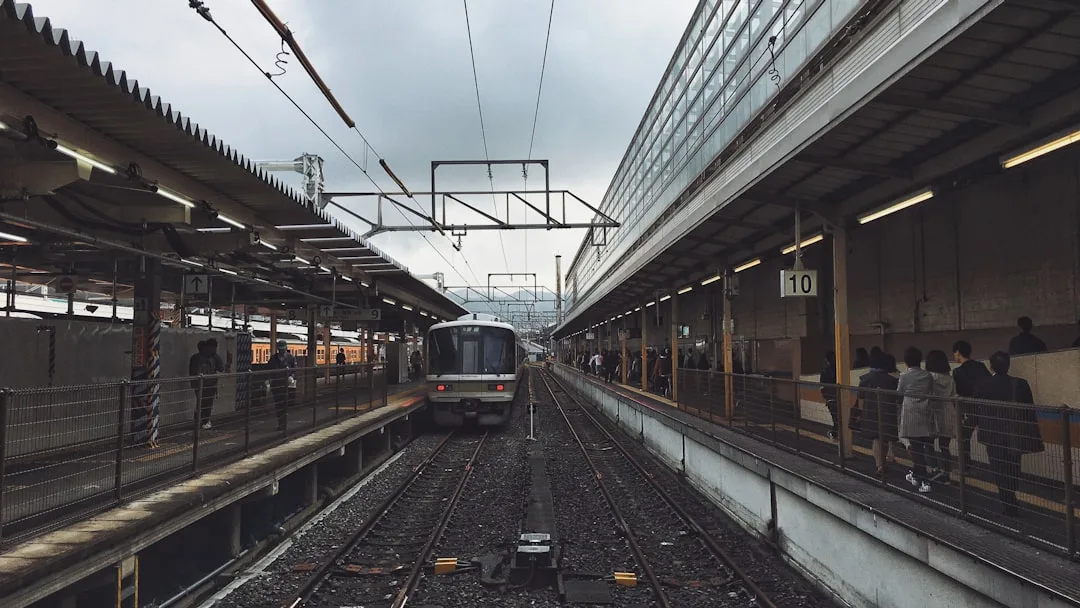
Day 1: Higashiyama, Gion, and a First Taste of Kyoto
My first day would be all about the eastern side of the city, because it gives me the strongest Kyoto feeling without wasting half the day on transit. I’d start at Kiyomizu-dera early, then walk downhill through Higashiyama into Gion, and end near Kawaramachi for dinner. That route makes sense. It also keeps the day from turning into a bus tour, which I never want.
I’d leave around 8:00 a.m. from wherever I’m staying. From Kyoto Station, the easiest move is the 206 bus or a taxi, but I’d probably take a taxi if I’m splitting it with someone. A taxi to the Kiyomizu area usually lands around $8-$12 and saves me the uphill slog when I’m still half asleep. If I’m solo and trying to spend carefully, the bus is cheaper, but I’ve stood in enough crowded buses in Kyoto to know that cheap isn’t always good value.
Kiyomizu-dera and the uphill start
I’d budget 1.5 to 2 hours for Kiyomizu-dera and the lanes around it. Admission is usually around $3-$4, and the real cost is the uphill walk plus the crowd. I went on a damp morning, and I had my scarf and light jacket zipped all the way up by the gate because it was only about 6-14°C that day and the rain made the stone steps slick. Not glamorous, but useful.
Worth it: yes, if this is your first Kyoto trip and you want one big temple stop that actually feels like Kyoto.
Skip if: you hate crowds or you’re already temple-saturated from other cities. The area is pretty, but it is not quiet.
After the temple, I’d walk downhill through Sannenzaka and Ninenzaka. I know these lanes get photographed to death, and the Instagram version is annoying, but early in the day they’re still decent. I wouldn’t linger too long. I’d maybe stop for a 300-yen bottled tea and keep moving.
Lunch in Higashiyama, not a random tourist café
For lunch, I’d stay in the same area instead of wandering off in search of some “authentic” place with a line out the door. I’d look for a small soba shop, a tofu set meal, or a simple udon place on the side streets off the main slope. I paid about $9 for a bowl of udon and a small side dish near this area on my last trip, and that’s the kind of price I’m happy with in Kyoto. Fancy-looking lunch sets are fine, but I don’t think they’re better value just because they come on nicer plates.
Best for: travelers who want a calm lunch after the temple walk.
Skip if: you’re expecting a big food moment from the tourist drag. That’s not where the good stuff is.
Gion in the late afternoon
After lunch, I’d take about 20-25 minutes to walk or ride a short bus down toward Gion. If I’m tired, I’d just hop in a taxi for around $6-$9
I’d walk Hanamikoji Street, then cut over toward Yasaka Shrine. The shrine is free, and that helps balance the day because Kyoto’s temple admissions add up faster than people think. I’d give this part 1 to 1.5 hours, max. If I’m lucky, I might catch a little less foot traffic before dinner. If not, fine. I’m not hanging around just to get annoyed by other tourists taking 40 photos of the same lane.
Worth it: yes, but only as part of a larger first day.
My pick: treat Gion as a walking zone, not a destination you sit in for hours.
Dinner near Kawaramachi or Pontocho
For dinner, I’d head to Kawaramachi because it’s easier and less performative than trying to force a meal in the center of a tourist alley. Pontocho can be fun, but it can also feel like a place that knows it’s expensive. I’m not paying extra just for a lantern-lit street if the food is average. That math never works out for me.
I’d spend around $12-$20 on dinner if I keep it simple: ramen, yakitori, curry, or a small izakaya meal. If I want one nicer meal, this is the night to do it, but I’d still check the menu first. Kyoto has plenty of polished restaurants that look better than they taste. I’d rather eat where locals are actually queuing for quick dinners.
Budget for Day 1: about $30-$50 depending on transport and whether I take a taxi.
Skip if short on time: the long linger in Gion. Keep Kiyomizu, walk downhill, eat, and move on.
Day 2: Arashiyama, Bamboo, and the West Side Before It Gets Packed
My second day would go west, and I’d start early. Arashiyama gets crowded fast, and if I arrive late, I’m basically volunteering for a slow shuffle behind 200 other people. I’d leave Kyoto Station around 7:30 a.m. by JR Sagano Line to Saga-Arashiyama Station. The ride is about 15 minutes and costs roughly $2-$3
This day is worth it if I care about a mix of scenery, walking, and a slightly different pace from central Kyoto. It’s not worth it if I’m expecting solitude. The bamboo grove is famous for a reason, but it’s also one of the most over-photographed places in the city. I still think it’s worth seeing once, just not at noon.
Arashiyama before the crowds
I’d get to the bamboo grove first, then keep moving to Tenryu-ji if I want one paid temple stop. Tenryu-ji admission is usually around $4-$5, and the garden is the part I’d pay for, not the building itself. I’d spend maybe 45 minutes there. The grove itself doesn’t need much time. Ten minutes is enough unless I’m there early and actually enjoying the quiet.
Worth it: yes, but only with an early start.
Skip if: you’re arriving after 10 a.m. and hate crowds. It gets messy fast.
If I’m being honest, I don’t love the bamboo grove as much as the internet wants me to. It’s fine, not magical. The better part of Arashiyama is the rhythm of the morning before the bus groups show up. I’d probably grab a coffee or a warm drink nearby, then keep walking instead of chasing the same photo everyone else is taking.
Lunch on the west side
I’d stay in Arashiyama for lunch because leaving and coming back would waste time for no good reason. There are plenty of casual noodle shops and tofu places near the station and main streets. I’d aim for something in the $8-$15 range. I once paid $11 for a set lunch here that came with tofu, rice, and soup, and that was enough. It wasn’t the best meal of my life. It didn’t need to be.
Best for: a slow lunch after the morning walk.
Skip if: you’re trying to save every yen and don’t care about sitting down. You can do a convenience store lunch and still have a good day.
Monkey Park or skip it
If I had extra energy, I’d consider Iwatayama Monkey Park, but only if I’m genuinely in the mood for a climb. It takes about 20-30 minutes uphill, and the payoff is a city view plus monkeys hanging around like they own the place. Admission is around $5. It’s cute, and also a little sweaty. I wouldn’t force it on a short trip.
Skip if short on time: Monkey Park. I’d cut it before cutting the early Arashiyama start.
Late afternoon back in central Kyoto
After Arashiyama, I’d head back by JR or Hankyu depending on where I’m staying. From Saga-Arashiyama to Kyoto Station, the JR ride is about 15 minutes and again around $2-$3. If I’m staying near Kawaramachi, I might switch at Katsura or take a bus, but honestly I’d keep it simple and head back to a known station. After a long walking day, simple wins.
I’d use the late afternoon for Nishiki Market only if I still have energy. It’s about 15-20 minutes by train/bus from central areas depending on where I start, and I’d go with one goal: snack, not dinner. The market is not where I’d do a full meal. It’s too crowded, and a lot of the stalls are priced for passing tourists. I’d buy one skewer, one sweet, maybe a pickled item, and leave before it turns into a snack crawl with no end.
Budget for Day 2: about $25-$45, depending on temple admissions, snacks, and whether I go to Monkey Park.
My pick: Arashiyama is worth it only if I’m there early and I don’t try to turn it into a half-day photo shoot.
Day 3: Fushimi Inari, Sake, and a Lower-Key Final Day
My last day would start with Fushimi Inari because timing matters there more than almost anywhere else in Kyoto. I’d go early, ideally by 7:00 or 7:30 a.m. From Kyoto Station, the JR Nara Line to Inari Station takes about 5 minutes and costs roughly $1-$2. That’s the kind of transit I love: cheap, fast, and not annoying.
This day is best for travelers who want one iconic shrine morning, a food stop, and a quieter finish. It’s not the day for overplanning. If I try to squeeze in too much, it loses shape.
Fushimi Inari before the heat and crowds
I’d spend 1.5 to 2.5 hours at Fushimi Inari, depending on how far I want to climb. The shrine is free, which I appreciate because Kyoto is full of places where the entrance fees pile up in a sneaky way. I wouldn’t hike the full mountain unless I’m in a very specific mood. Most people don’t need to. The lower and middle sections are enough to get the experience.
Worth it: yes, but only early. If I showed up late, I’d be annoyed immediately.
Skip if: you hate stairs or you’re already temple-fatigued. The torii gates are nice, but they’re not worth a miserable mood.
I remember one damp morning here when I had to keep my umbrella tucked under one arm while I climbed, and the whole place smelled like wet wood and cold stone. That’s the version of Kyoto I trust more than the glossy one. The city is better when it’s a little inconvenient.
Lunch around Fushimi or back in central Kyoto
After Fushimi Inari, I’d either eat nearby or head back toward central Kyoto depending on mood. If I’m hungry right away, there are small noodle shops and casual bento spots around the station area. I’d keep lunch around $8-$14
Best for: a quick, cheap lunch after the shrine climb.
Skip if: you’re hoping for the best meal of the trip right next to Fushimi Inari. I wouldn’t count on that.
Afternoon in Fushimi sake district or central Kyoto
If I still have energy, I’d head to the Fushimi sake district for a slower afternoon. It’s about 10-15 minutes from Fushimi Inari by train or local bus, depending on the exact stop, and the district is a better use of time than trying to chase another famous temple. This area is more about tasting than sightseeing. That’s a good thing. I’d rather spend my last afternoon somewhere with fewer lines and more actual decision-making.
I’d do one sake tasting or a small brewery visit if that’s my thing, then keep it modest. Tasting flights often run around $5-$15 depending on the stop. If I’m not drinking, I’d skip it and spend the afternoon in the station area shopping for snacks or gifts. No shame in that. It’s practical, and Kyoto is full of overpriced souvenir junk anyway.
Worth it: only if you like sake or want a more relaxed final afternoon.
Skip if short on time: the sake district. Keep Fushimi Inari and one good lunch, then rest.
Last dinner near Kyoto Station
For the final dinner, I’d stay near Kyoto Station because it makes departure day easier and avoids a last-night scramble. The station building has plenty of good-enough options, and I’d rather eat at a solid casual spot than drag my bag across town for one more “special” meal. I’d budget $10-$20 and keep it simple: ramen, curry, teishoku, or even a quick conveyor-belt sushi meal if I’m tired. That’s not exciting. It’s smart.
Budget for Day 3: about $20-$40, unless I do a more expensive tasting.
My pick: Fushimi Inari early, sake district only if it fits your pace, then an easy dinner near the station.
Cost Breakdown
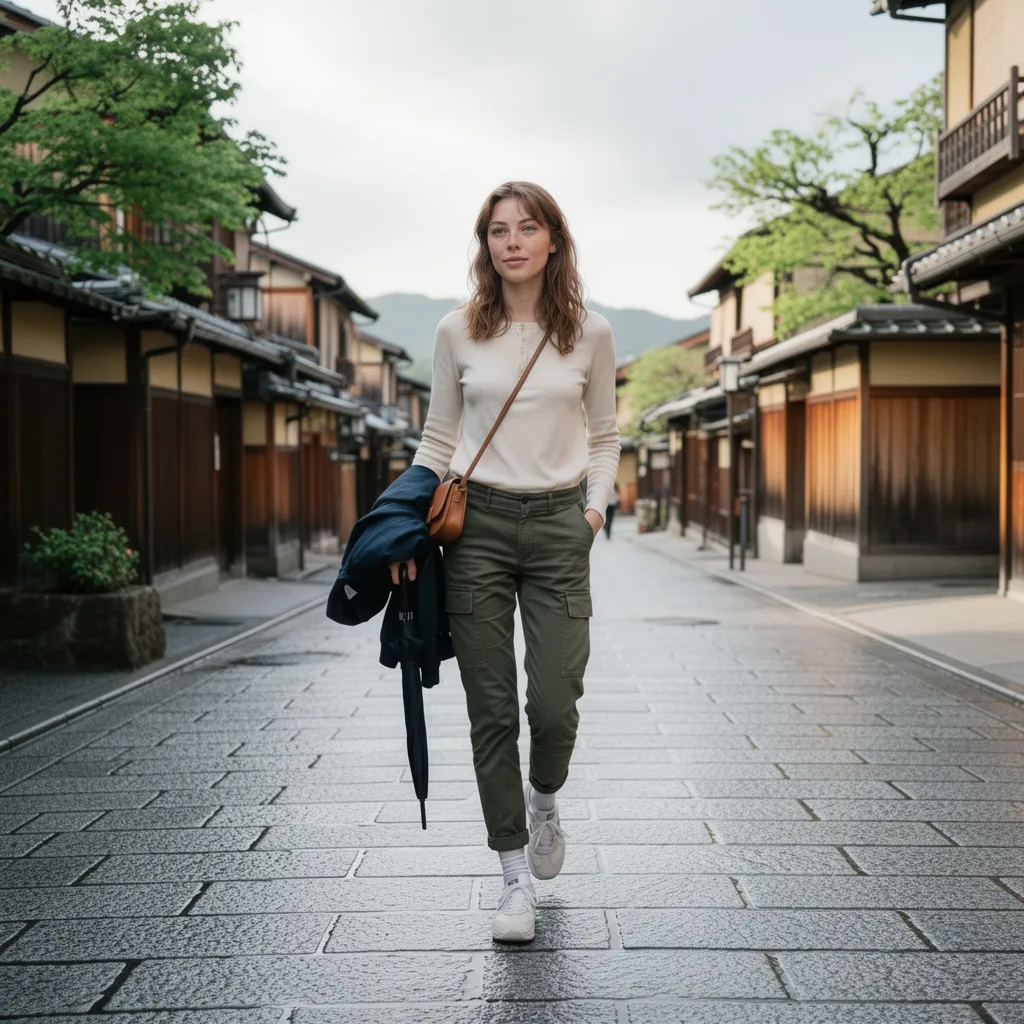
Rough daily estimates from my own trip. Prices shift by season. Accommodation was the part that moved the budget most. Kyoto is not a place where the hotel bill politely stays in the background. If I were cutting costs, I’d trim the nicer room first and keep the spending for food and trains, because those were the things that actually made the days easier.
Transport Tips
Kyoto is not hard to navigate, but it is easy to waste time in. I’d use a mix of JR trains, short taxi rides, and walking, with buses only when they clearly save money and don’t create a headache. That’s the honest answer. Buses in Kyoto can be useful, but they can also turn a 15-minute trip into a slow, packed, slightly annoying hour if you catch them at the wrong time.
Here’s what I’d actually do:
- JR trains: best for Kyoto Station to Arashiyama and Kyoto Station to Fushimi Inari. Usually around $1-$3 and quick.
- Taxis: worth it when I’m tired, carrying a bag, or crossing from station areas to uphill temple zones. Short rides usually run $6-$12
- Walking: best in Higashiyama, Gion, and central Kyoto. I’d use it to save money and avoid unnecessary transfers.
- Buses: only when they’re the cleanest route. I wouldn’t rely on them for the whole trip.
Best for: travelers who want to keep the trip smooth instead of cheap at all costs.
Skip if: you hate transferring or you’re staying far from the center. In that case, book closer in and save yourself the friction.
If you’re deciding where to stay, I’d pay a bit more for a walkable base near Kyoto Station, Kawaramachi, or Gion. I’d rather spend an extra $15 a night than burn that same amount on taxis and lose energy every day. If I’m comparing places for a Kyoto sightseeing itinerary 3 days trip, location matters more than a fancy room. See all Kyoto hotels on Agoda.
Where I’d Actually Stay in Kyoto
Ryokan Gion Fukuzumi Hotel
Kyoto
★★★★☆
Gion Ryokan Karaku
Kyoto
★★★★☆
The Hotel Kiyomizu Gion
Kyoto
★★★★☆
For Kyoto I used Agoda — they had the best rate for my dates.
I pre-booked on Klook the night before — skipped the entire ticket line.
FAQ
Is three days enough for Kyoto?
Yes, three days is enough for a first Kyoto trip if you focus on a few neighborhoods instead of trying to cover the whole map. The tradeoff is that you’ll miss some famous places, but I’d rather see fewer spots properly than spend the trip on buses and sore feet. If you like slow mornings and one or two good temple days, three days works well.
Where should I stay if I only have a short trip?
I’d stay near Kyoto Station, Kawaramachi, or Gion if I wanted the easiest transit and the least friction. The difference shows up in real life when you’re tired, hungry, or coming back after dark. A slightly better location usually saves more time than it costs.
Do I need to book anything in advance?
Most of this itinerary doesn’t need advance booking, which I like. I’d only book ahead if I wanted a specific nicer dinner, a guided activity, or a room in a small place that sells out early. For the actual sightseeing, showing up early matters more than booking every detail.
Can I do this itinerary without spending a lot?
Yes, and Kyoto is easier on the budget than people expect if you keep transport simple and skip the expensive-looking tourist meals. I’d spend more on location and less on random admissions or souvenir food stalls. The city rewards walking and early starts, not flashy spending.
What should I cut first if my trip gets shorter?
I’d cut the sake district first, then Monkey Park, then any extra lingering in Gion. Keep Kiyomizu-dera, Arashiyama early, and Fushimi Inari early if you can. Those three give the clearest read on Kyoto without turning the trip into a rush.
 Emma Hayes