
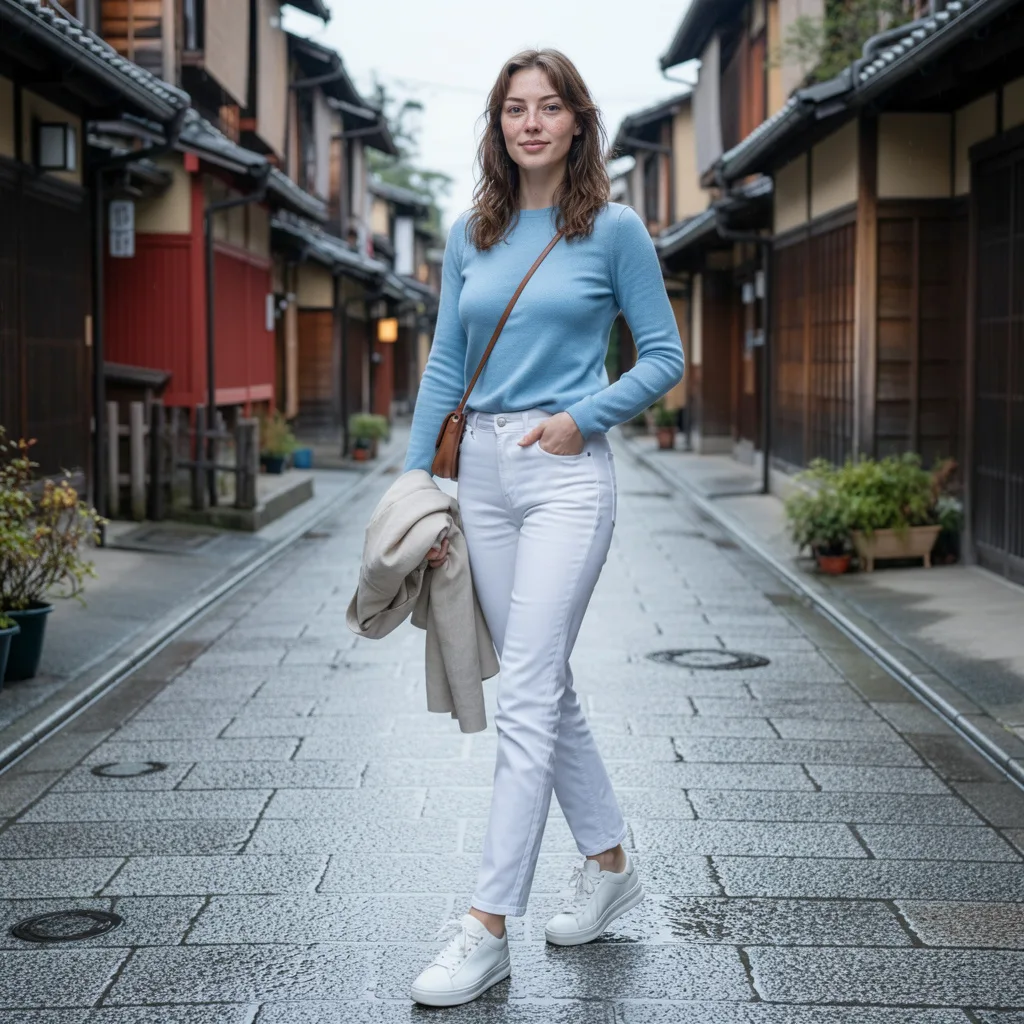
I almost tried to do too much in Kyoto on my first full day and ended up standing in the wrong train line with a wet umbrella and a cold coffee. I paid 220 yen for a drink I didn’t even want because I was rushing, which is exactly how Kyoto gets expensive if you’re careless. This 3-day Kyoto itinerary is the one I’d actually follow now: it fits first-timers, slow travelers, and anyone who wants temples, food, and neighborhoods without spending half the trip in transit. If you only care about tick-box sightseeing, this is probably too slow. If you want a sane route with real stops and not a fake “local experience,” this works.
Quick Answer: Three days is the right amount for Kyoto if you plan by area, not by random famous spots. Day 1 covers Higashiyama, Gion, and Nishiki Market; Day 2 focuses on Fushimi Inari and south Kyoto; Day 3 is best for Arashiyama and west Kyoto. I’d stay near Kyoto Station, Kawaramachi, or Gion-Shijo to keep transit easy.
My judgment: three days is the right amount for Kyoto if you plan by area, not by random famous spots.
Best for: first-time visitors who want temples, good food, and a few neighborhoods that still feel lived in.
Skip if: you want nightlife-heavy travel or you hate walking and train hops.
The main tradeoff: Kyoto rewards structure. If you wing it, you waste time. If you overpack it, you burn out.
Day by Day
- Day 1 is for Higashiyama and Gion. Start early, before the pavements fill up and the whole district starts feeling like it’s performing Kyoto for other people. The lanes are beautiful, but they’re also the easiest place to accidentally spend half a day moving at someone else’s pace.
- Day 2 is for Fushimi Inari, south Kyoto, and a slower food-focused afternoon. This was the day that saved the trip from temple fatigue for me, mostly because the shrine’s endless red gates feel more like a walk than a checklist if you go before the crowds. By lunch, I wanted something warm, salty, and unphotogenic, which is usually a good sign.
- Day 3 is for Arashiyama and west Kyoto, but I’d keep expectations realistic. I got there and it was already busy enough by 9am to remind me that “iconic” and “peaceful” are not the same thing. Still, if you go in with that in mind, the river and bamboo grove are worth seeing once, even if half the city seems to have had the same idea.
Day 1: Higashiyama, Gion, and the Kyoto People Actually Picture
I’d start with the east side because it’s the easiest way to get the “classic Kyoto” day out of the way before the crowds get annoying. It’s worth it, but only if you start early. I left my hotel around 8:00 a.m., and by 8:45 I was already glad I didn’t sleep in. The area is walkable in chunks, but not tiny, so don’t assume you can just drift around and magically see everything.
From Kyoto Station, I’d take the bus or a taxi depending on where I’m staying. From central Kyoto near Kawaramachi, the subway-plus-walk option is cleaner: Keihan or bus to Gion-Shijo, then walk 15 to 20 minutes uphill toward Kiyomizu-dera. Bus fares are usually 230 yen, and a short taxi ride from central Kyoto can run around 1,000 to 1,500 yen if traffic isn’t ugly. I walked most of it with a scarf and light jacket because the morning was around 6-14°C after rain, and that extra layer mattered more than I expected.
8:00 a.m. to 10:00 a.m. — Kiyomizu-dera and the uphill walk
Start at Kiyomizu-dera before the buses dump everyone there. I’d give myself 1.5 to 2 hours total, including the walk up Sannenzaka and Ninenzaka. The streets are photogenic, sure, but they’re also packed with souvenir shops selling the same stuff at different prices. I bought a 300 yen bottled tea and kept moving. That was the right call.
Worth it if: you want one temple-heavy morning and don’t mind a bit of crowd management.
Skip if: you’re already temple-saturated or you’re traveling with someone who hates stairs.
My pick: go early, then leave once the tour groups arrive. Staying longer doesn’t improve it much.
10:00 a.m. to 12:00 p.m. — Sannenzaka, Ninenzaka, and lunch nearby
After Kiyomizu-dera, I’d walk downhill through Sannenzaka and Ninenzaka instead of trying to “explore” in the abstract. That just means moving slowly through the lanes and letting yourself stop when something looks decent. I ate a simple set lunch near the area for about 1,200 yen, and it beat the overpriced matcha parfait shops by a mile. The tourist sweets are fine, but I wouldn’t make a meal out of them.
If you want a faster lunch, grab onigiri or a sandwich from a convenience store and sit somewhere quiet. I did that once near a side street because I was tired of waiting 20 minutes for a table, and honestly? Fine, not great, but it saved the day.
Best for: travelers who’d rather keep moving than sit through a polished lunch set.
Skip if: you came to Kyoto mostly for café culture.
12:30 p.m. to 3:00 p.m. — Yasaka Shrine, Maruyama Park, and Gion
From there, I’d walk toward Yasaka Shrine and Maruyama Park, then drift into Gion. This part is useful because it connects the east side without forcing extra transit. It’s also where Kyoto gets a little too romanticized online. I don’t love the “look, I saw a geisha” obsession. The area is still worth seeing, but not because of the fantasy version people sell on Instagram.
Gion is best when you treat it like a neighborhood, not a photo set. I spent maybe 40 minutes wandering the side streets, then took a break in a small café where a coffee cost 500 yen and the wifi actually worked. That mattered more than a staged tea ceremony ever would have. Worth it: if you want atmosphere with some real street life mixed in. Skip if: you’re chasing a big list of “iconic” spots and don’t care about the in-between streets.
3:00 p.m. to 6:00 p.m. — Nishiki Market or a slow break in downtown Kyoto
If your legs still work, head to Nishiki Market by bus or on foot from central Gion, depending on where you are. From Gion-Shijo, it’s about a 15-minute walk. I’d budget 1 to 1.5 hours there, not three. It’s a food market, not a full afternoon project, and the most expensive snacks are usually the ones people line up for because they saw them online. I paid 600 yen for skewers once and didn’t think they were special enough to repeat.
Skip if short on time: the long souvenir browsing here. Keep the market for snacks, not shopping.
My pick: get one or two things, then leave before it turns into a crowded lunch trap.
6:30 p.m. onward — Dinner in Pontocho or Kawaramachi
For dinner, I’d stay near Kawaramachi or Pontocho so I’m not fighting transit after dark. Pontocho can be good, but I’d be picky because some places are priced for tourists and not much else. I had a solid bowl of ramen for around 1,000 yen in the wider downtown area, and that felt more honest than paying double for a themed dinner alley meal. If you’re hungry and tired, simple wins.
Budget for Day 1: around $35 to $60 depending on temple entries, lunch, and dinner. It’s the day where little purchases add up fastest.
What I’d cut if you only had 2 days: Nishiki Market browsing and extra time in Gion. Keep Kiyomizu-dera, walk the east side, and move on.
Day 2: Fushimi Inari, South Kyoto, and a Slower Food Day
I’d make Day 2 the early-start day, because Fushimi Inari gets crowded fast and the whole place is better before people start stopping every five feet for photos. This is worth it, but only if you go early or late. I arrived around 7:30 a.m. once, and that was the only time it felt calm enough to enjoy the walk instead of just dodging people in the torii tunnel. If you show up midmorning, prepare to shuffle.
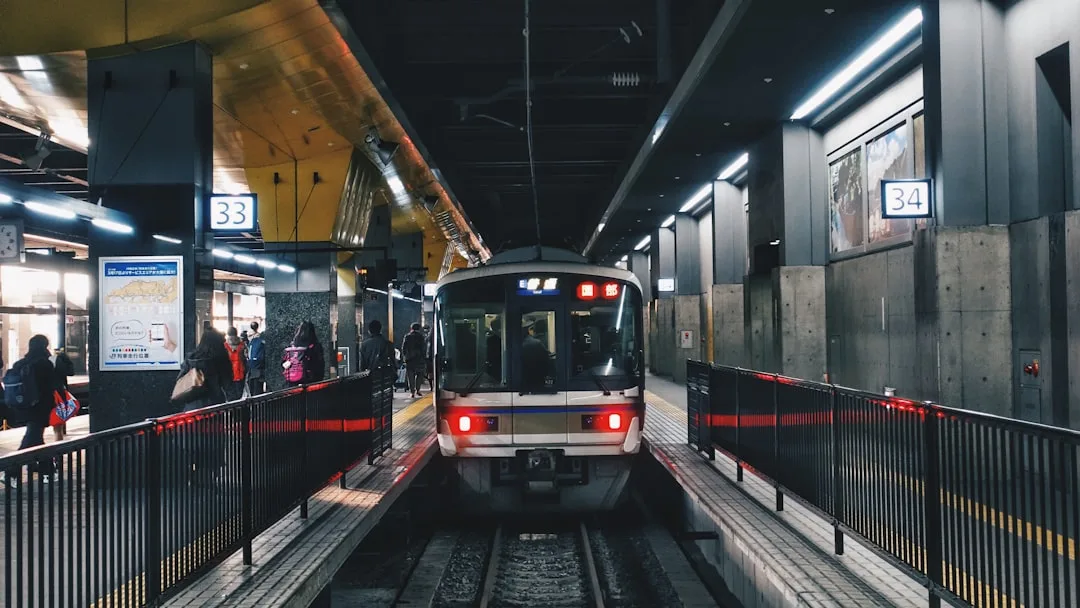
Getting there is easy: take the JR Nara Line from Kyoto Station to Inari Station. It’s about 5 minutes and roughly 150 to 170 yen one way. You can also take the Keihan line to Fushimi-Inari Station, depending on where you’re starting. I prefer JR from Kyoto Station because it’s simple and fast. No drama.
7:30 a.m. to 10:00 a.m. — Fushimi Inari Taisha
I’d spend 2 to 2.5 hours here, but not all of it on the full hike unless you want it. The lower section is the famous part, and honestly that’s enough for most people. The full climb is fine if you like hills and don’t mind extra time. I did part of it with a half-finished coffee and a damp jacket stuffed in my bag, and I was glad I hadn’t overcommitted. You can always turn around.
Worth it if: you want one Kyoto landmark that feels different from the temple circuit.
Skip if: you hate crowds and won’t go early. Midday here is a mess.
My pick: do the lower trail and a short climb, then leave before it turns into a bottleneck.
10:30 a.m. to 12:00 p.m. — Tofuku-ji or a nearby quieter temple stop
If you still want another temple, I’d go to Tofuku-ji because it’s on the same side of town and doesn’t require a long detour. From Fushimi Inari, it’s about 5 to 10 minutes by train or around 20 minutes on foot depending on your pace. I’d only do this if you genuinely like temple architecture, not because you feel like you should hit a quota. That’s how Kyoto gets exhausting.
Skip if short on time: this stop. Fushimi Inari is the main event, and I’d protect the afternoon for food or rest.
12:00 p.m. to 2:00 p.m. — Lunch around Kyoto Station or back in central Kyoto
This is the smartest time to eat because you’re near a transit hub and can choose from plenty of non-fancy options. I’d head back toward Kyoto Station and eat something simple in the station or nearby. I’ve paid around 900 to 1,300 yen for lunch in this part of town and left full, which is more than I can say for some prettier places. Station food courts are not sexy. They are useful. That’s the point.
If you want a better meal, this is also a good day for a casual noodle shop or a tempura set rather than a tourist café. I’d skip hotel breakfasts entirely if I’m staying out early anyway. They’re usually not worth the time or the markup.
2:30 p.m. to 5:00 p.m. — Kyoto Station area, Kyoto Tower, or a rest break
After an early temple start, I’d keep the afternoon lighter. Kyoto Station itself is a decent place to kill time if you need a break, and the architecture is more interesting than I expected. Kyoto Tower is optional and, to be blunt, not essential unless you want a quick city view. I paid for a short break in a café instead of doing another ticketed attraction, and that was the better use of money.
Best for: travelers who get temple fatigue and need a slower middle of the day.
Skip if: you’re trying to maximize “sight count.” This block is more about energy management.
My pick: rest. Kyoto is better when you don’t run it like a checklist.
6:00 p.m. onward — Dinner in Fushimi or central Kyoto
For dinner, I’d either stay near Kyoto Station or go back to downtown for something easy. If you’re in the mood for sake, Fushimi is the sake district, but I wouldn’t build a whole evening around bar-hopping unless that’s already your thing. I had dinner for about 1,200 yen and then called it. No need to turn every night into an event.
Budget for Day 2: around $25 to $50, depending on how much you spend on food and whether you add a quiet temple or a paid viewpoint.
What I’d cut if you only had 2 days: the extra temple after Fushimi Inari and the Kyoto Tower-style filler. Keep the shrine and a good lunch.
Day 3: Arashiyama Without the Instagram Hangover
I’d save Arashiyama for the third day because it’s easier to handle once you’ve already done the east side and Fushimi Inari. It’s popular for a reason, but the popular parts are exactly where you need to be strategic. If you arrive late, you’ll spend more time in lines than in the actual area. That’s not me being dramatic. I waited 25 minutes just to move a short distance near the bamboo grove once, and I was annoyed the whole time.
From central Kyoto, the easiest option is the JR Sagano Line from Kyoto Station to Saga-Arashiyama Station. It takes about 15 minutes and costs roughly 240 yen. Hankyu and bus options exist too, but I’d keep it simple. Arashiyama is one of those places where efficient transit matters more than clever transit.
8:00 a.m. to 10:00 a.m. — Bamboo Grove and Tenryu-ji
Go early, or don’t bother pretending you want the bamboo grove experience. The grove itself is short, and the point is more about timing than content. I’d pair it with Tenryu-ji because that makes the stop feel more complete. Tenryu-ji entry is usually a few hundred yen, and the garden is the part I’d actually pay for. The grove alone is overhyped. The temple grounds make it worth it.
Worth it if: you arrive before the crowd wave hits.
Skip if: you’re already tired of famous-photo spots and want something less managed.
My pick: do both together, then leave before noon.
10:00 a.m. to 12:00 p.m. — Togetsukyo Bridge and riverside walk
From Tenryu-ji, I’d walk to Togetsukyo Bridge and keep going a little along the river. This is the part of Arashiyama that feels easiest to enjoy without spending money. I bought a 350 yen snack here and sat for a bit because I needed a break from moving. The river area is nice, but not mind-blowing. It’s a calm break between more crowded stops, and that’s enough.
Best for: anyone who wants a slower hour after the bamboo grove.
Skip if: you only care about headline attractions and don’t want a pause.
My pick: use this as a reset, not an attraction you overthink.
12:00 p.m. to 2:00 p.m. — Lunch in Arashiyama
I’d eat in Arashiyama if you’ve already made it out there, because bouncing back and forth wastes time. There are plenty of small soba and tofu spots, and this is one area where a simple lunch makes sense. I spent around 1,300 yen on a set meal once and didn’t feel ripped off, which is rare enough to mention. If a place has a giant line, I skip it. I’m not waiting 30 minutes for a bowl of noodles in a tourist district.
Skip if short on time: the line-heavy cafés. Grab a quieter place or move on.
2:00 p.m. to 5:00 p.m. — Optional monkey park or just leave
The monkey park is the main optional add-on here, and I’d only do it if you’re okay with a steep uphill walk and don’t mind a slightly goofy payoff. It’s not essential. I did it once, paid around 600 yen, and thought it was fine, not life-changing. If you’re short on time or your legs are already done, skip it without guilt.
Worth it if: you want one extra active stop and don’t mind the climb.
Skip if: your knees are tired or your trip is already feeling too packed.
My pick: skip it first if you need to cut something. Arashiyama works even without it.
6:00 p.m. onward — Final dinner downtown
For the last night, I’d head back to downtown Kyoto and eat somewhere simple near Kawaramachi or Kyoto Station. I’d rather spend my final dinner on good noodles or grilled fish than on a “special Kyoto experience” with a fixed menu and a bill that feels inflated. I paid 1,100 yen for a dinner near the station once and left happy. That’s the kind of ending I trust.
Budget for Day 3: around $30 to $55, depending on temple entries, snacks, and whether you do the monkey park.
What I’d cut if you only had 2 days: the monkey park first, then the riverside wandering if you’re desperate for time. Keep the bamboo grove and Tenryu-ji.
What I’d Book Again, and What I’d Skip
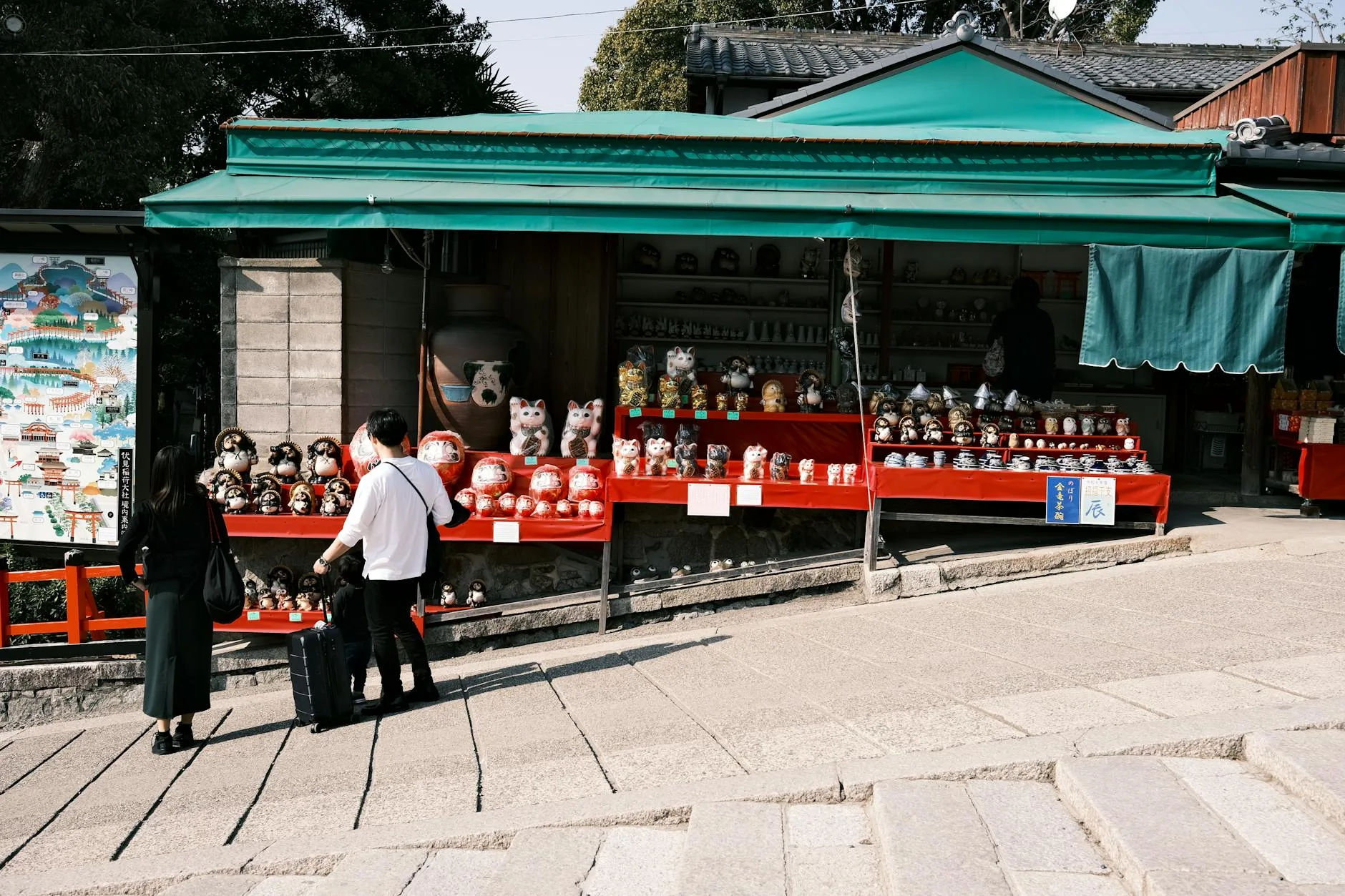
I’d book a simple central stay again, ideally near Kawaramachi, Kyoto Station, or Gion-Shijo, because the transport savings add up fast over three days. Kyoto is not the place to choose a cute-but-awkward location just because it looks nice in photos. I checked rates for places near the station and saw them jump faster than I expected on busy dates, so planning ahead helps. If you’re still deciding where to base yourself, I’d look at hotel prices near the center and keep the location simple. That’s the one booking decision that can save you the most hassle.
Best for: travelers who want to walk less and see more without paying luxury prices.
Skip if: you don’t mind 30 to 40 minutes of transit every time you change neighborhoods. Then you can stay cheaper outside the center.
My pick: central wins. It’s not the cheapest, but it keeps the itinerary smooth.
Cost Breakdown
Rough daily estimates from my own trip. Prices shift by season.
Transport Tips
I’d move around Kyoto by area instead of trying to stitch the whole city together in one day. That sounds obvious until you’re standing at the wrong bus stop, watching the number you needed glide past in the opposite direction. I did that once near Gion and spent the next ten minutes pretending I meant to take the scenic route.
The city is easy enough when you stay close to your plan, but it gets a little less charming if you cut things too fine. I nearly missed the last train back one night because I stayed for one more drink and then one more look at the station board. Kyoto is not especially forgiving about that kind of optimism. I learned to leave earlier than felt necessary, which is usually the right amount of caution here.
Where I’d Actually Stay in Kyoto
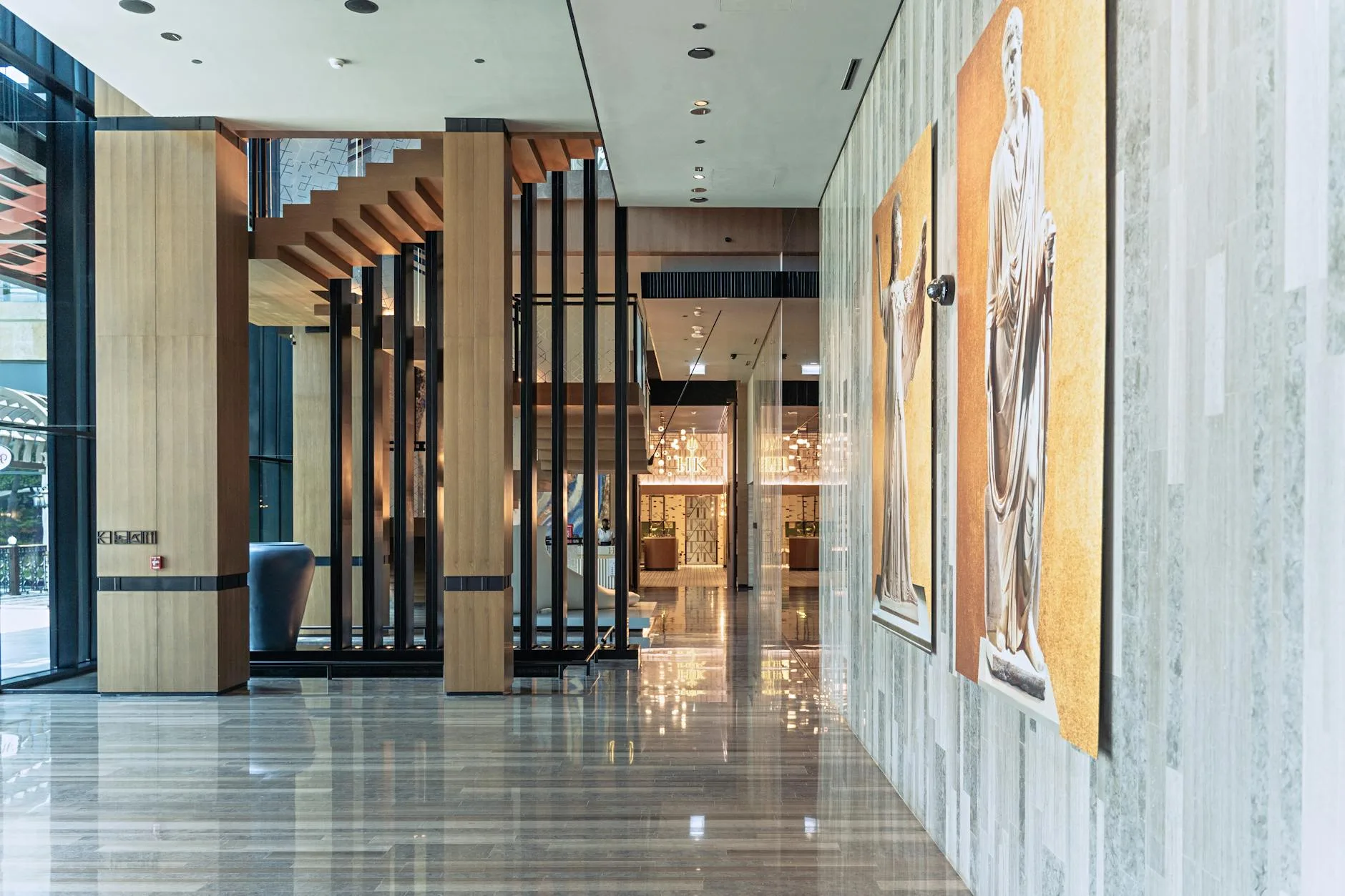
Ryokan Gion Fukuzumi Hotel
Kyoto
★★★★☆
Gion Ryokan Karaku
Kyoto
★★★★☆
The Hotel Kiyomizu Gion
Kyoto
★★★★☆
For Kyoto I used Agoda — they had the best rate for my dates.
I pre-booked on Klook the night before — skipped the entire ticket line.
FAQ
Is three days enough for Kyoto?
Yes, three days is enough for a solid first trip if you plan by neighborhood and don’t try to do every famous temple. The tradeoff is that you’ll still leave with a shortlist of things you didn’t see, and that’s normal. I’d rather do less well than race through the city.
Should I stay near Kyoto Station or in Gion?
I’d pick Kyoto Station if I want easier arrivals, departures, and day-trip connections, and I’d pick Gion if I care more about evening walks and central access to the east side. Gion can cost more for less space, so I only pay that premium if I know I’ll be out late. For most first trips, Kyoto Station or Kawaramachi is the smarter spend.
Do I need a guided tour for Fushimi Inari or Arashiyama?
No, I don’t think you need a guided tour for either place. Both are easy to do on your own, and the transit is simple enough that paying for a group just adds cost without much value. I’d only book a guide if you really want historical context and don’t want to read on the spot.
What should I cut first if my trip drops from 3 days to 2?
I’d cut the monkey park and any extra temple stop after Fushimi Inari first. If I had to cut harder, I’d compress Arashiyama and keep only the bamboo grove, Tenryu-ji, and a quick lunch. Kyoto works better when you protect the early starts and trim the filler.
Is Kyoto still good if I’m not that into temples?
Yes, but I’d change the balance and spend more time on neighborhoods, food, and transit-friendly wandering. You can still enjoy the city without turning it into a temple marathon, especially if you focus on Gion, Nishiki Market, Arashiyama, and good local meals. If temples bore you completely, I’d keep the itinerary lean and avoid stacking too many shrine visits in one day.
 Emma Hayes