
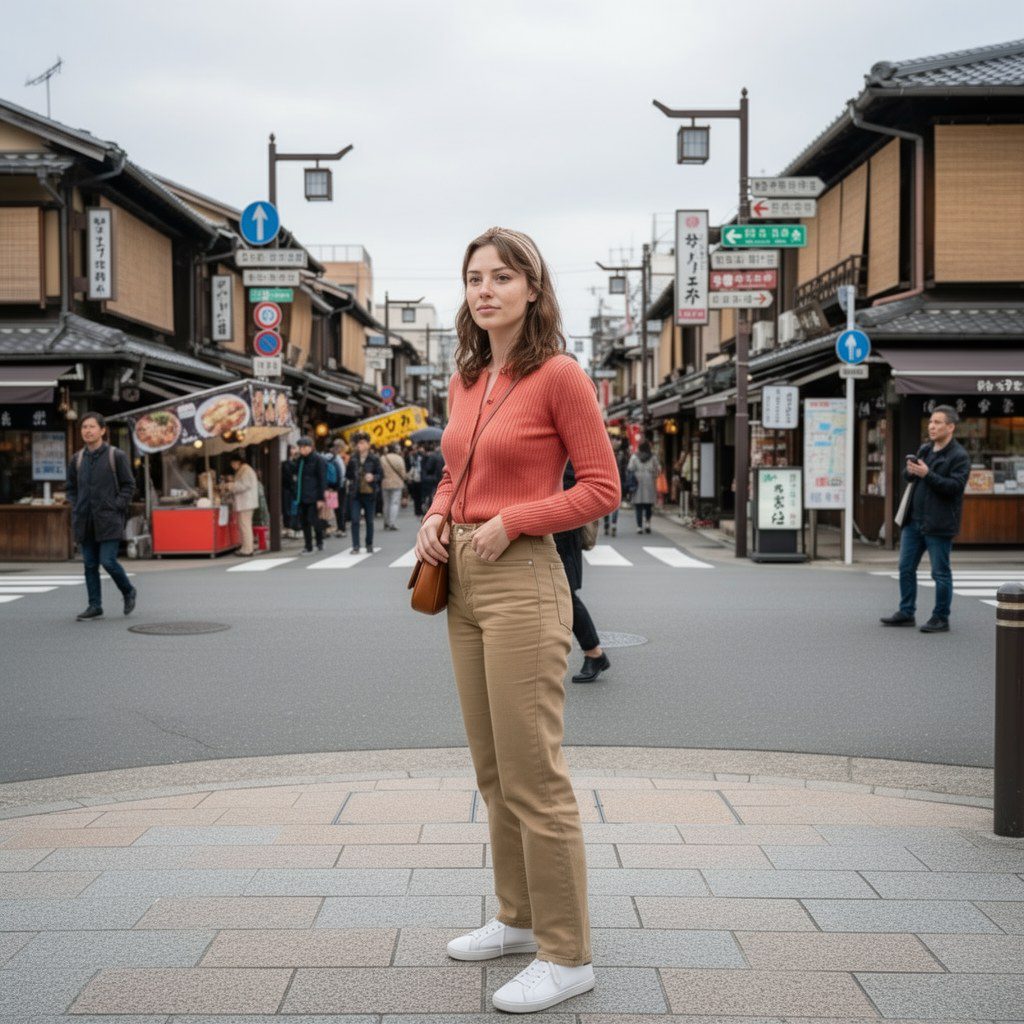
Common Kyoto tourist mistakes to avoid in 2026 start with one number: 3. And honestly, Kyoto is a little overrated — unless you sequence it right.
The three mistakes I see constantly: booking the wrong base, overstuffing the itinerary with temples, and assuming you can wing transport during peak hours. This is for first-timers, solo travelers, anyone who wants to actually see Kyoto instead of spending half the day in lines or figuring out why their bus card isn’t working. If you want to “just wander” with zero structure, this probably isn’t for you.
What actually matters here is sequencing — where you sleep, what time you show up at the crowded spots, and how you move between neighborhoods. Get those three things wrong and Kyoto feels slow and expensive. I’ve written about this city three times now, and that hasn’t changed.
For tours, I book through Klook — the popular slots go faster than you’d expect, especially in cherry blossom and fall foliage seasons.
Quick Answer
- Best base: Kyoto Station area or central Gion — pick efficiency over “cute” vibes, especially if it’s your first time.
- Biggest time-waster: trying to hit Fushimi Inari, Kiyomizu-dera, Arashiyama, and Nishiki Market in a single day. I did that once. It was a mess.
- Biggest money mistake: taking taxis for short trips that the subway or bus could handle in 10–15 minutes. I burned around $35 in one afternoon doing exactly that.
- Best timing fix: show up at the famous spots before 8:00 a.m. or after 4:00 p.m. Those are the only windows where you get actual breathing room.
Main Tips: Common Kyoto tourist mistakes to avoid 2026
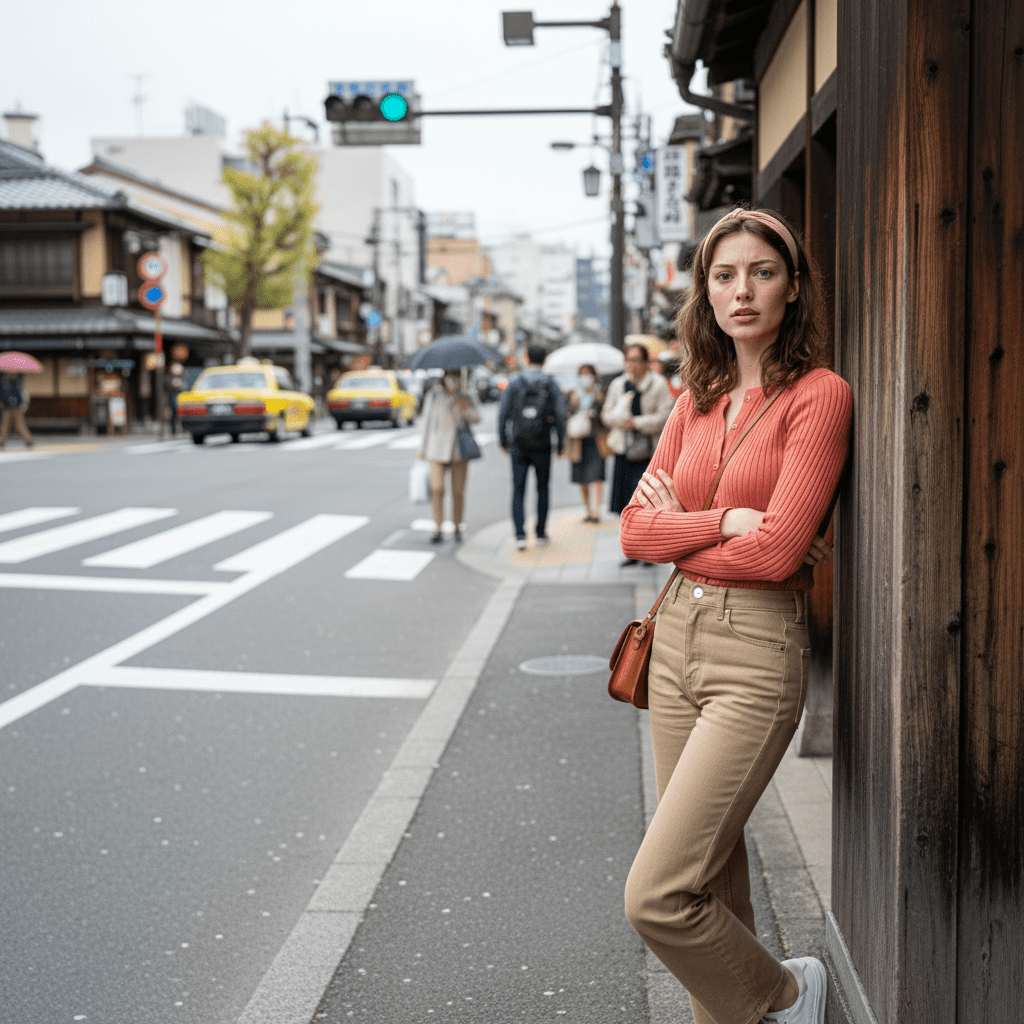
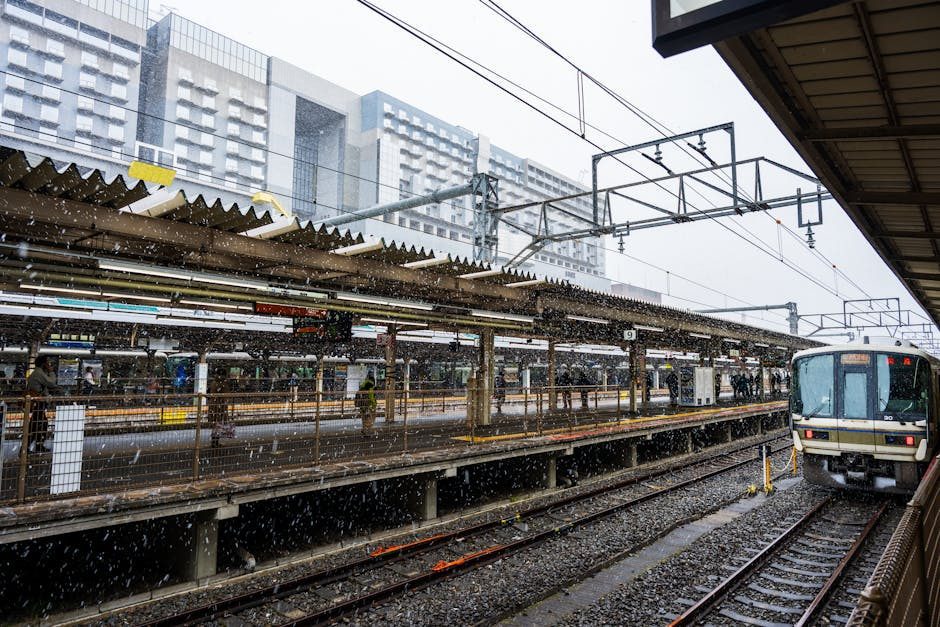
Booking Kyoto Like It’s Tokyo Was My First Mistake
I booked Kyoto the way I’d book Tokyo: by chasing a “nice” neighborhood instead of a practical one. That cost me real time every day. I stayed too far from Kyoto Station, which meant I kept paying for extra train/bus connections just to get back after dinner, and I was dragging my day bag through crowds when I should have been resting.
What it cost: about 40 minutes a day in extra transit, plus around $18 in avoidable fares over two days. More annoying than expensive, but it added up fast.
What to do instead: pick a base near Kyoto Station if you’re doing day trips, or central Gion if you want to walk more at night. Best for: short stays and first timers. Skip the “cute but remote” option if you plan to hit multiple neighborhoods in one day.
I wish I knew this before: Kyoto looks compact on a map, but the city eats time when you keep crossing it for meals, trains, and sights.
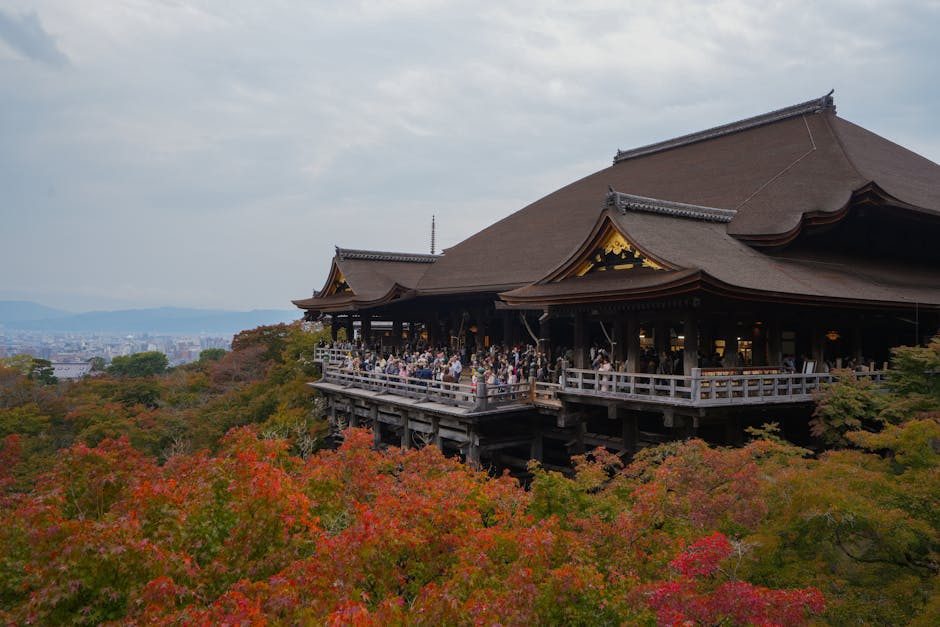
Trying To See Too Much in One Day Ruined My Schedule
My worst Kyoto mistake was cramming too many major spots into one day. I tried to do Fushimi Inari Taisha at sunrise, then Kiyomizu-dera, then lunch around Gion, then Arashiyama, then Nishiki Market, then dinner near Pontocho. It sounded efficient on paper. In real life, it turned into backtracking, heat, and standing in crowds longer than I spent actually looking at things.
What it cost: one full day of rushed sightseeing and at least 2 hours of unnecessary transit and waiting. I was tired enough by late afternoon that I stopped enjoying the city and started counting minutes.
What to do instead: split Kyoto into zones. Do east Kyoto in one day, Arashiyama on another, and Fushimi Inari early on its own morning. My pick: 2 to 3 major stops max per day. Better if: you want to actually remember the temples instead of photographing them from a line.
The mistake here was not the attractions. It was pretending Kyoto works like a checklist city.
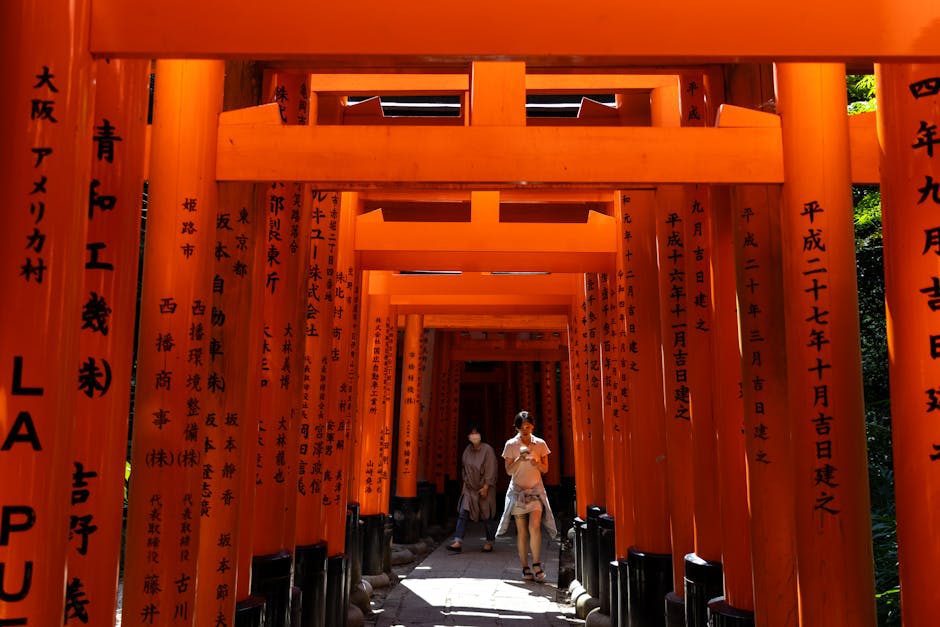
Going to Fushimi Inari at the Wrong Time Was a Waste of Energy
I went to Fushimi Inari Taisha too late in the morning once, around 9:30 a.m., and the lower torii path was already packed. The lower section near the main shrine was still manageable, but once I got a few turns up, it became a slow shuffle of people stopping every ten seconds for photos.
What it cost: about 1 hour of lost time and a pretty annoying start to the day. I also had to keep stepping aside for groups, which made the whole walk feel less calm than it should have.
What to do instead: go before 7:30 a.m. if you want the best chance at breathing room. If you can’t do that, go after 5:00 p.m. when the crowds thin out. Worth it if: you care about the walk more than the photo. Skip if: you only want the top social-media shot and hate hills.
I wish I knew this before: the mountain path is the real experience, not the first 10 minutes by the shrine gate.
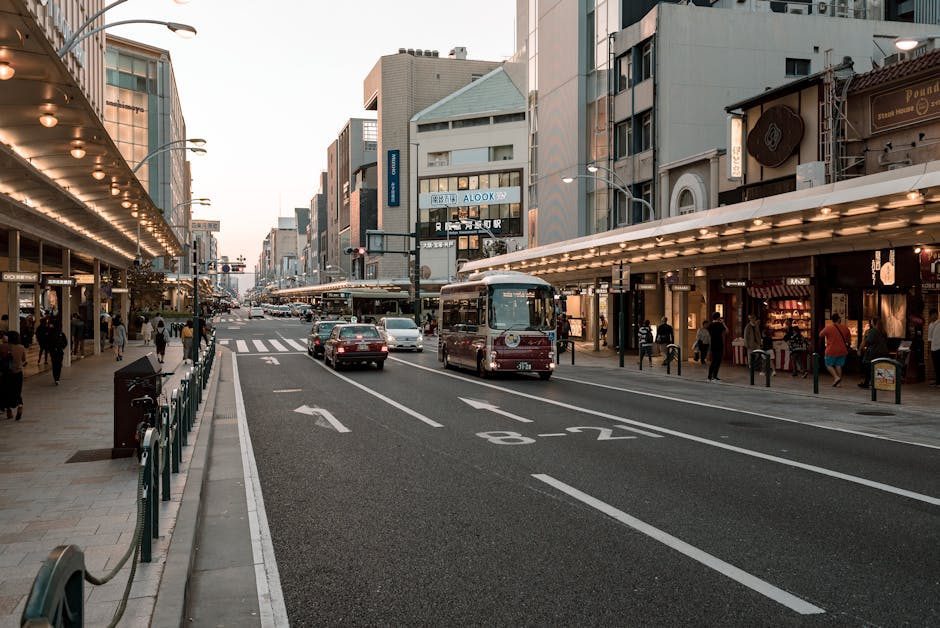
I Blew Money on Taxis Because Kyoto Buses Looked Easy
Kyoto buses can be useful, but I made the mistake of assuming they would be fast and simple for every hop. They were neither. I got impatient one afternoon around Higashiyama and took taxis for short distances because I didn’t want to deal with bus stops and transfers. That was lazy, and it got expensive fast.
What it cost: around $35 total in one day, for rides that probably should have cost under $10 if I had planned better with transit and walking. That’s not luxury money; that’s wasted money.
What to do instead: use the subway and walk when possible, and only take taxis for dead-end stretches or when you’re late. A Kyoto bus ride is often around $2, but the real cost is time if you board at the wrong stop or hit traffic. Best for: shorter stays with tight budgets. Skip taxis unless you’re splitting the fare or carrying heavy bags.
The practical fix is boring: use Google Maps, check the last train, and don’t treat taxis like the default.
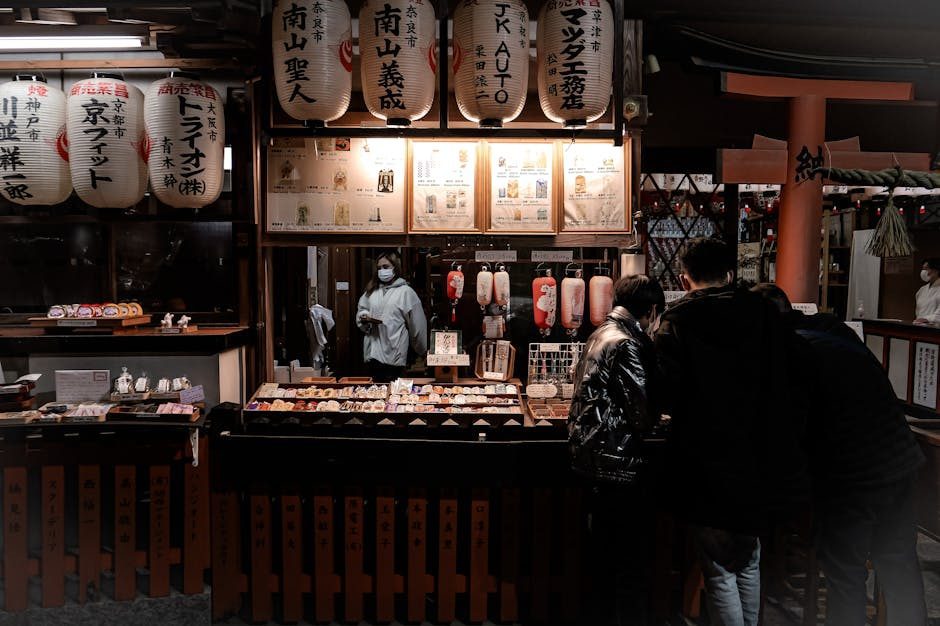
Assuming Nishiki Market Was a Dinner Spot Cost Me a Meal
I treated Nishiki Market like it would naturally work as a casual dinner stop. It doesn’t, at least not the way I expected. By late afternoon some stalls were already closing or sold out, and the whole market was more snack-focused than actual sit-down dinner territory. I ended up hungry and annoyed, then had to hunt around for a proper meal nearby.
What it cost: about 45 minutes of wandering plus one overpriced snack purchase I didn’t really want because I was starving. I spent roughly $12 on random bites and still needed dinner after.
What to do instead: go to Nishiki Market earlier in the day for grazing, then plan a real meal elsewhere. Best for: lunch, snacks, and food browsing. Skip if: you’re already tired and need a solid dinner. My pick: pair it with a walk through Teramachi or Shinkyogoku, not as your main evening plan.
I wish I knew this before: Kyoto food spots are not interchangeable, and market snacks do not replace a meal.
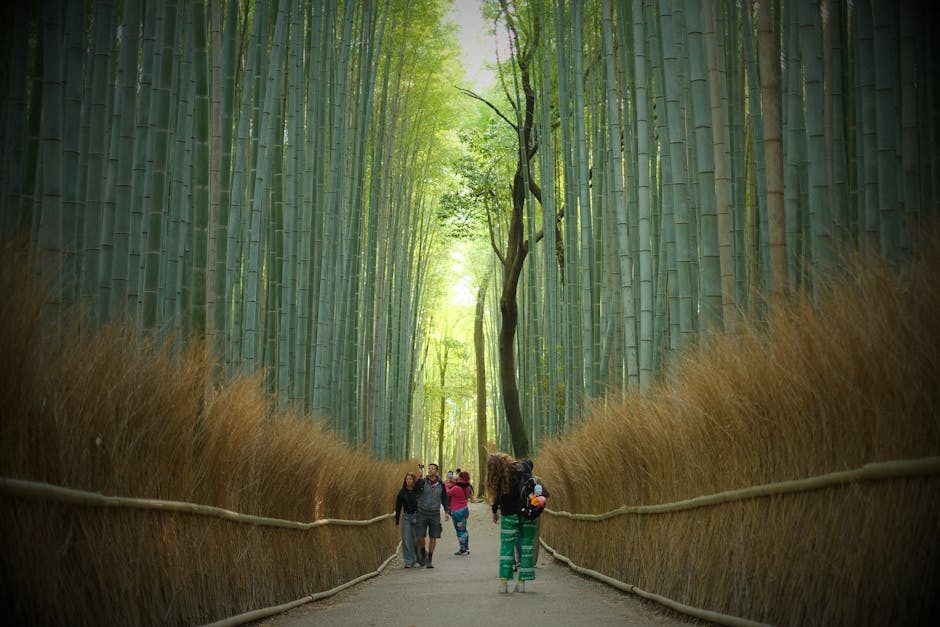
Not Reserving Train Time for the Arashiyama Day Was My Worst Time Mistake
I underestimated Arashiyama completely. I thought I could just hop over late morning, walk the bamboo grove, and move on. Instead I hit the busiest part of the day, and the bamboo path felt like a photo queue. The area around Togetsukyo Bridge and the main streets got crowded enough that I kept stopping and starting, which killed the rhythm of the day.
What it cost: roughly 2 hours of frustration and slower movement than planned. Not a ruined day, but close enough to be annoying.
What to do instead: take the JR Sanin Line or Hankyu to Arashiyama early, before 8:00 a.m., and leave by late morning if you hate crowds. Better if: you want photos and quiet. Skip if: you’re expecting a hidden, empty forest walk at noon.
Arashiyama is prettier when you arrive early and leave before the bus tour wave lands.
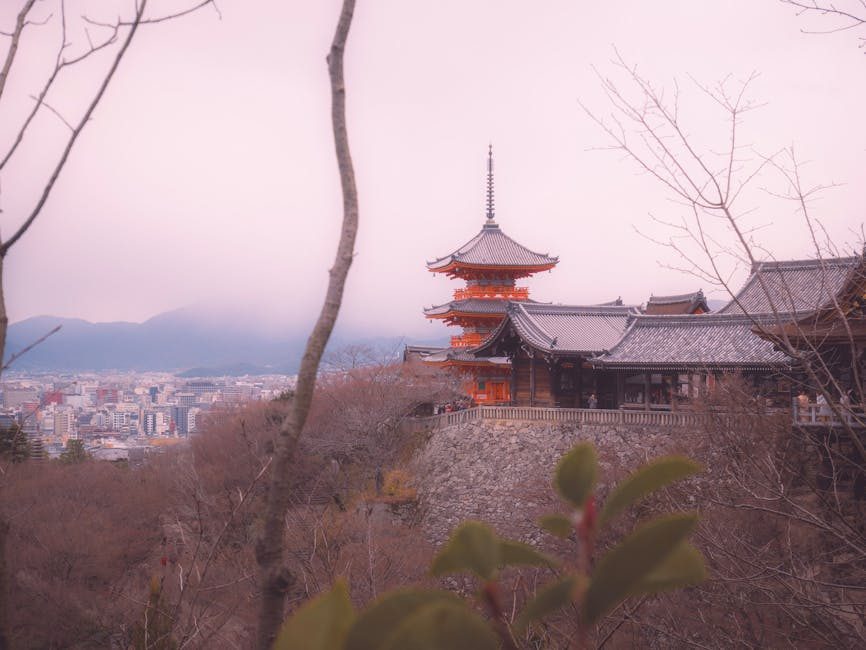
Skipping a Real Plan for Kiyomizu-dera Made the Hills Feel Worse
I walked into the Kiyomizu-dera area without planning the approach, and that was dumb. The streets around Sannenzaka and Ninenzaka are steep, crowded, and full of shops that make it easy to lose time. I stopped too often, then realized I was climbing in the middle of the day with a full stomach and no water. That sounds minor, but in Kyoto summer heat it turns miserable fast.
What it cost: about 1.5 hours of slower-than-necessary walking and a lot more sweat than I wanted. I also spent extra on drinks because I hadn’t packed enough water.
What to do instead: go early, walk uphill first, and save the shopping streets for after the temple. Best for: travelers who like old streets and don’t mind stairs. Skip if: you hate heat, slopes, or souvenir shopping traps.
I’d do it differently next time by pairing Kiyomizu-dera with a morning start and a simple route out, not a meandering one.
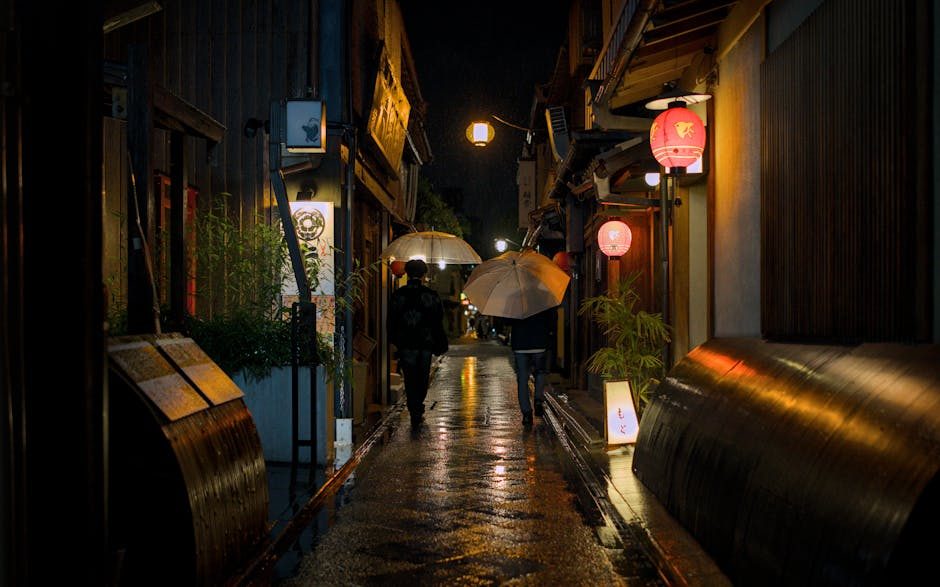
The Night I Nearly Got Stuck Crossing Kyoto
One night I left dinner in Pontocho later than I should have and assumed I could just grab any train back. I was wrong. I missed the easiest timing window, then had to piece together a slower route with a short walk, one train, and a bus connection. It wasn’t dangerous, just irritating, and I was annoyed at myself for turning a simple night into a logistics puzzle.
What it cost: about 50 minutes and one extra fare. More importantly, it killed the easy end to the day I wanted.
What to do instead: check the last convenient train or bus before dinner, not after. If you’re staying outside the center, leave a little earlier than you think you need. Best for: solo travelers who want a smooth night. Skip if: you like improvising and don’t mind late-night transit stress.
I pre-booked on Klook — skipped the entire ticket line.
I wrote more about choosing between Kyoto and Osaka if that helps with your planning.
I wrote more about best area to stay in Kyoto if that helps with your planning.
I wrote more about Gion district in Kyoto if that helps with your planning.
FAQ
What are the common Kyoto tourist mistakes to avoid in 2026?
The biggest ones: overpacking the itinerary, showing up at famous spots at peak hours, and badly underestimating how long it actually takes to get between places. I did all three on my first real Kyoto trip. Ended up spending extra on taxis, standing in crowds I didn’t need to be in, and finishing the day annoyed instead of tired-in-a-good-way.
Is Kyoto good for solo travelers if I avoid these mistakes?
Yeah, it works well solo — but it requires more planning than I expected going in. Keep the schedule simple and stay somewhere with decent transit access. The city can eat through your day fast if you’re not paying attention to how the neighborhoods are spaced out.
How much do Kyoto tourist mistakes usually cost?
On a short stay, my mistakes ran me somewhere in the range of $50–$70 in wasted fares and unnecessary taxis. But honestly, the bigger hit was time. A single bad routing decision can burn an hour without you really noticing until it’s 4pm and you’ve only seen two things.
What’s the biggest Kyoto tourist mistake with temples and shrines?
Stacking too many into one day without checking crowd patterns or opening windows. I did this. Spent way more time walking between sites than actually being at them. Two or three temples done properly beats six temples done badly, every time.
When should I book Kyoto tours and tickets to avoid lines?
I book Kyoto tours and timed-entry tickets as soon as my dates are set, especially for popular spots like Fushimi Inari sunrise tours, tea ceremonies, and temple special openings. If I wait until the last minute, I usually end up with sold-out time slots or long lines, so I only gamble on walk-ins for low-priority places or off-peak days.
Before the trip. Not the morning of. I’ve tried both. Anything with timed entry or limited slots fills up faster than it looks like it should. I use Klook to lock in entries ahead of time — it’s saved me from showing up somewhere and just turning around.
If you’re mapping out your trip around common Kyoto tourist mistakes to avoid in 2026, start with one neighborhood per day. And get to Fushimi Inari early — before 7am early, not “morning” early.
Emma Hayes
Honest hotel reviews and real budget travel advice from someone who’s actually there.