
I’ve walked Gion twice — once in the late afternoon, once at sunrise. My answer is the same both times: yes, it’s worth it, but only if you know when to show up. Arrive at the wrong hour and you’ll spend more time dodging photo clusters than actually seeing anything. Gion looked deceptively simple on a map. It isn’t.
Best for: first-time Kyoto visitors who want a walkable historic district and easy access to Yasaka Shrine and Kodaiji.
Skip if: you hate crowds, want nightlife, or have one short day and need something more efficient than a slow stroll.
My pick: I’d choose Gion over Arashiyama for a first Kyoto base — more central, more walkable, easier to chain with other sights.
Quick Answer: How Does Gion Compare With Other Kyoto Areas?
- Gion wins if you want old streets, machiya buildings, and a central location near major Kyoto sights.
- Arashiyama wins if your priority is bamboo groves, river scenery, and a nature-heavy half-day.
- Downtown Kyoto wins if you care more about food, shopping, and cheaper hotels than atmosphere.
- My bottom line: Gion is worth visiting, but I wouldn’t build an entire Kyoto trip around it.
Gion vs Arashiyama: Which One Gives You More for Your Time?
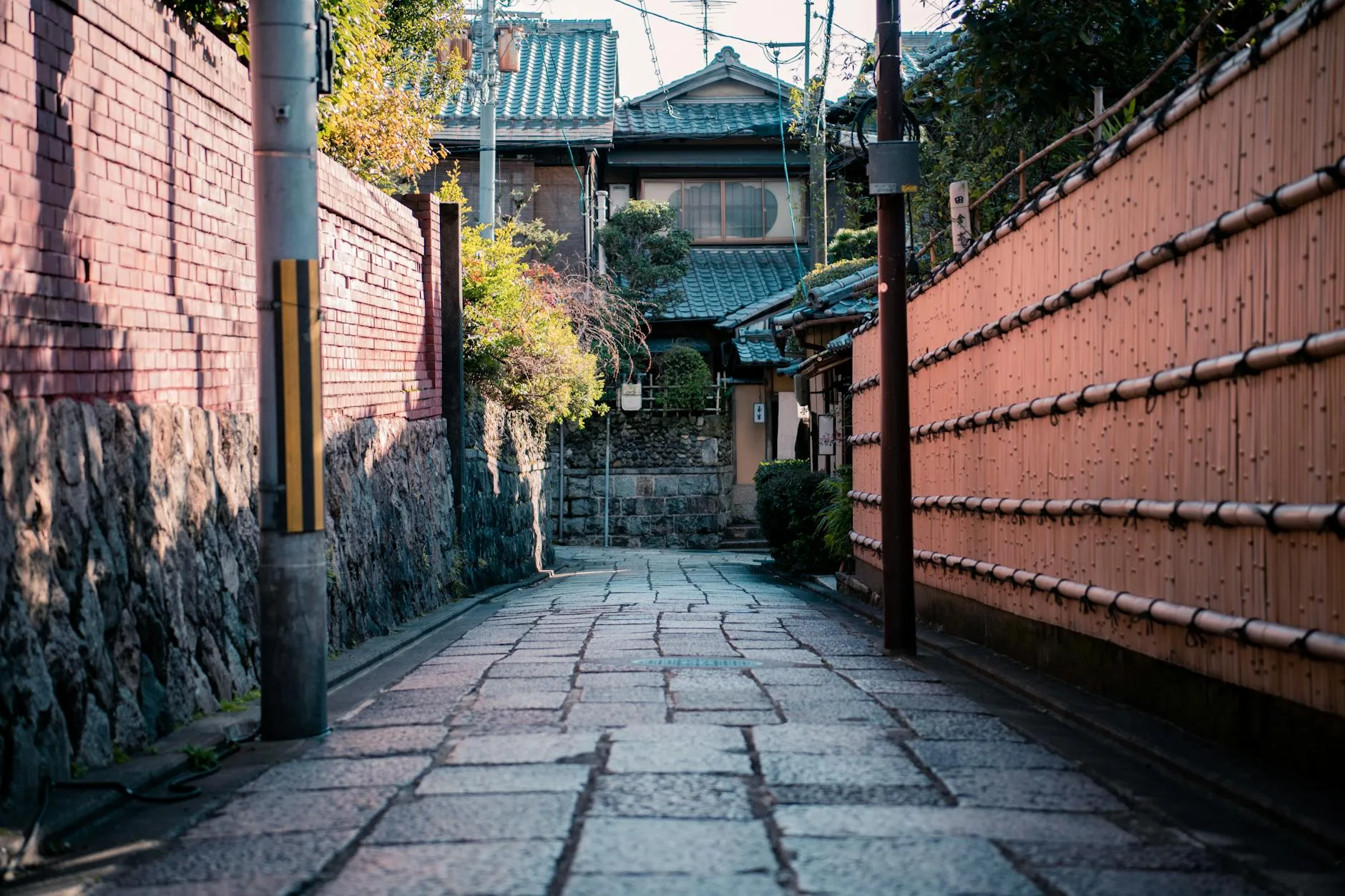
I’ve done both on separate trips, and they solve completely different problems. Gion is easier if you want to stay central and move on foot — Yasaka Shrine, Maruyama Park, Kennin-ji, the Higashiyama slopes are all walkable from there. Arashiyama takes more effort to reach, but the payoff is bigger scenically: river views, the bamboo grove, the whole thing.
Cost-wise: Gion is cheaper in transit because you can often walk there from central Kyoto or grab a short bus ride. From Kyoto Station, a taxi to Gion usually ran me around $10–$15 depending on traffic — the bus was closer to $2–$3 but slower and packed. Arashiyama is still doable from the station, but you’re spending more time on trains and transfers either way.
Time-wise: Gion fits neatly into a 2–3 hour window. I walked from Gion-Shijo Station to Yasaka Shrine in about 12 minutes, then kept going toward Kodaiji and Sannenzaka without backtracking. Arashiyama needs more runway — especially if you’re adding Tenryu-ji or want more than a quick bamboo photo.
Vibe-wise: Gion feels polished and tourist-managed. Arashiyama feels more like a proper day trip out of the city. Compact and historic? Gion. Big scenic payoff? Arashiyama.
My verdict: Gion is the smarter pick if you want Kyoto atmosphere without burning half your day in transit.
Gion vs Downtown Kyoto: Atmosphere or Convenience?
This comparison matters most if you’re deciding where to sleep. Gion has prettier streets. Downtown Kyoto — around Kawaramachi, Karasuma, Nishiki Market — is just easier. I’ve stayed near both, and Gion felt better at 7 a.m. Downtown felt better at 9 p.m. after dinner. Simple as that.
Money: Gion costs more for accommodation. When I checked rates, simple 3-star places near Gion or Higashiyama started around $110–$180 a night. Decent business hotels near Kyoto Station or downtown were closer to $70–$130. That gap adds up fast over a few nights.
Convenience: Downtown wins for food and transport. Nishiki Market, Pontocho, the subway — all easier to reach. I could grab coffee, do laundry, and find dinner without planning around tourist foot traffic. Gion gets sleepy after dark, and the streets stay crowded with day-trippers until evening, which is kind of the worst of both worlds.
My pick: For a short Kyoto trip, I’d stay downtown and walk into Gion for the morning. Better value, less friction.
My verdict: Stay near Gion only if the atmosphere matters more to you than price and convenience.
What Gion Actually Feels Like on the Ground
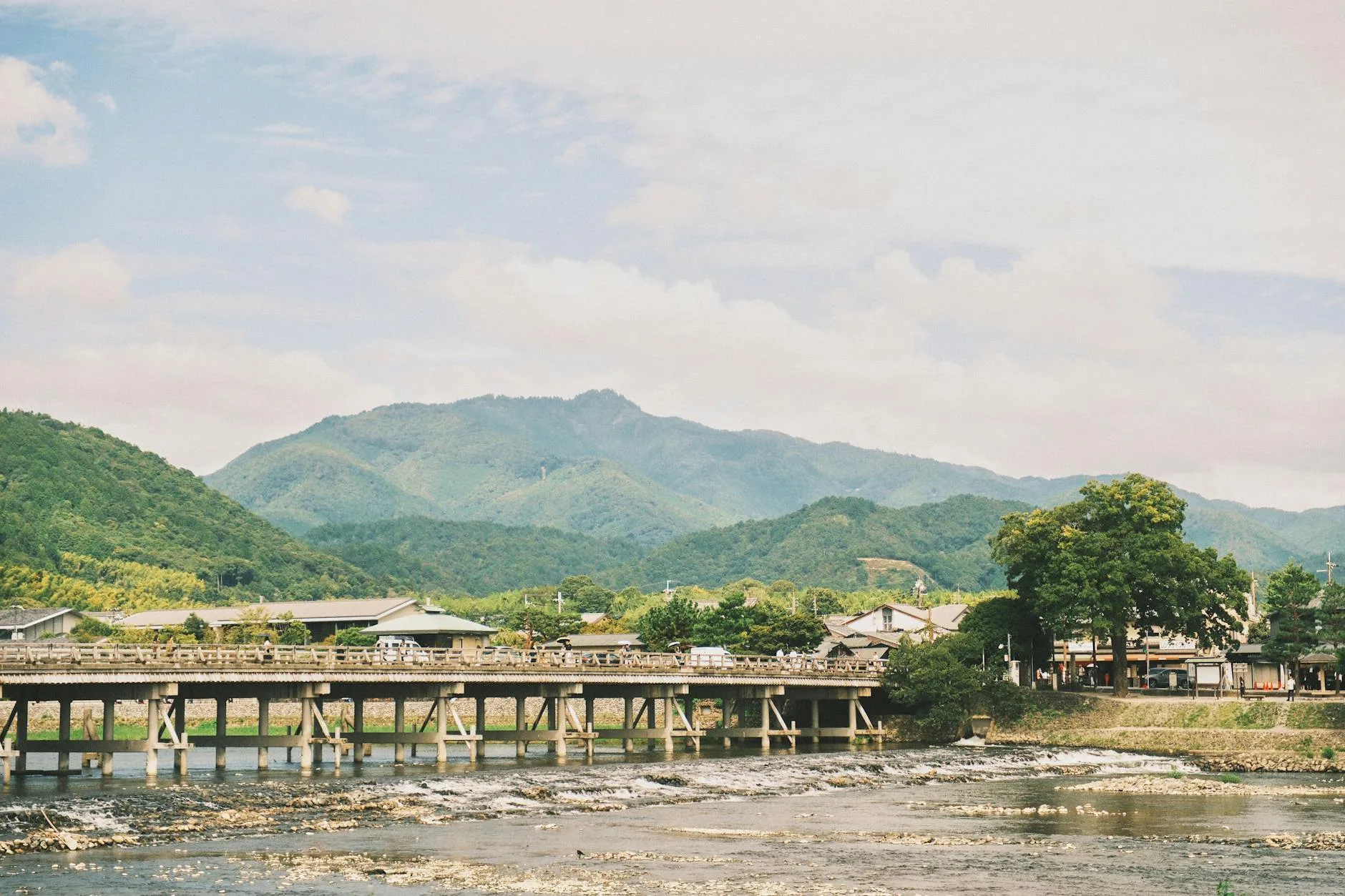
Gion isn’t one single scene. The southern side near Yasaka Shrine and Hanamikoji Street is where most people funnel in first — and where it gets overrun, especially between 3 p.m. and 6 p.m. The side streets are a different story. I had better luck around Kennin-ji, Shirakawa, and the lanes off Hanamikoji where the crowds thin out quickly.
At sunrise, the neighborhood changes completely. I walked along quiet streets where the wooden facades looked almost flat in the soft early light, and the only real noise was delivery trucks and bicycle bells. By noon, I was dodging clusters of visitors taking the same photo in the same spot. That gap between morning and afternoon is basically the whole Gion equation.
Best for: people who like walking, architecture, and early starts.
Skip if: you need constant activity or a long list of indoor attractions to tick off.
Cost Breakdown: What Gion Actually Costs Compared With Other Areas
Gion is not the cheap option. The location tax is real here. These are rough numbers from my own stays and spot checks — not guarantees, since prices shift by season.
Rough daily estimates from my own trip. Prices shift by season.
Budget-wise: Gion works better as a day visit than an overnight base if you’re watching costs. The neighborhood itself is free to walk. Sleeping there is where it gets expensive.
My verdict: Worth visiting on a budget. Not always worth staying in on a budget.
The Best Way to Do Gion Without Wasting Time
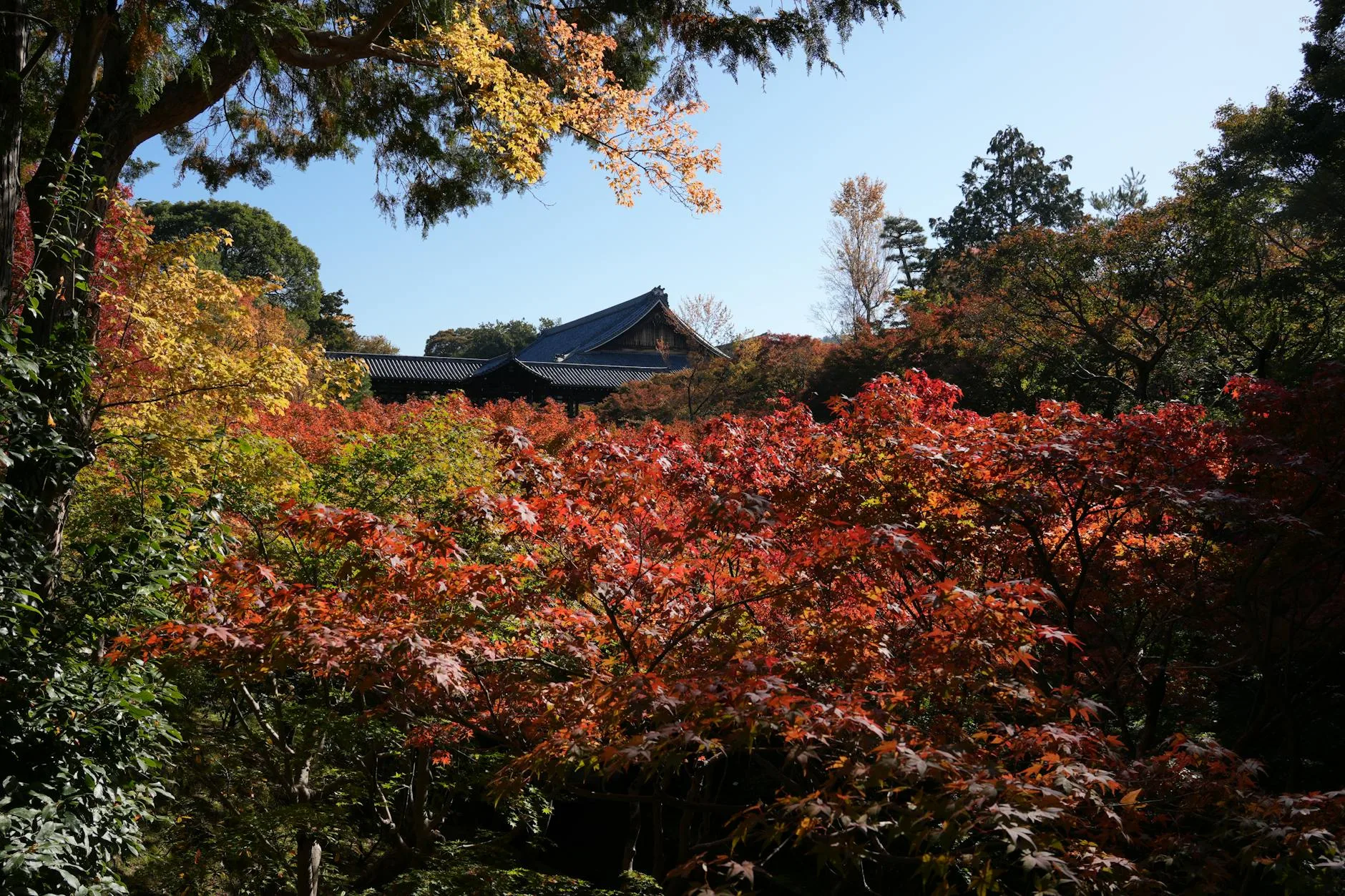
I’d do it in a tight window, not as an all-day wandering session. My version: 2 to 4 hours, starting at Yasaka Shrine, walking through Maruyama Park, cutting toward Kodaiji or Kennin-ji, finishing around Shirakawa and Hanamikoji before it gets crowded. That route covers the actual neighborhood without looping the same street five times.
Best timing: before 9 a.m. or after 7 p.m. Early morning is the clear winner — you get the streets before tour buses and before the photo crowds stack up.
Mistake I made: showing up at 4 p.m. expecting a peaceful walk. That was the worst crowding I saw in Gion, and honestly the least interesting version of it.
Worth it if: you can go early and don’t mind slow walking.
I book Kyoto experiences through Klook — popular time slots sell out faster than you’d expect, especially on weekends.
The Night I Showed Up at the Wrong Time
One trip, I reached Gion in the late afternoon after coming from Nishiki Market. I figured I had enough time for a relaxed walk. I didn’t. I hit the worst hour possible — Hanamikoji was clogged, taxis were barely moving, and every photo spot had a small crowd around it. I spent more time waiting for gaps in foot traffic than actually looking at anything.
The next morning I went back at 7:30 a.m. The difference was ridiculous. I could hear my own footsteps. A shopkeeper rolled up a shutter nearby. A cyclist passed me on an empty lane. Same neighborhood, completely different experience.
Lesson: Gion is one of those places where timing changes the value more than the destination itself.
What I’d Actually Spend Money On Here
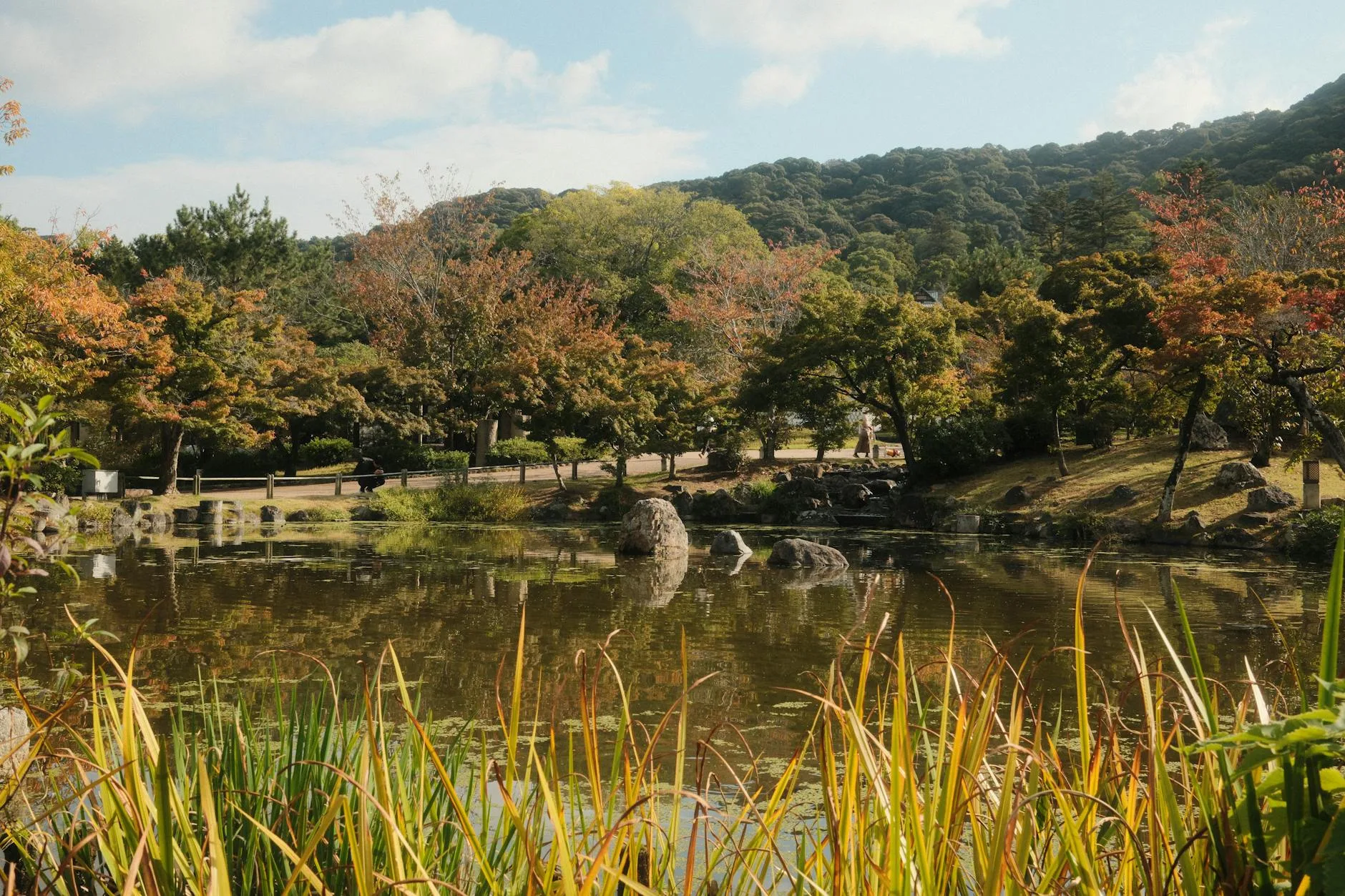
If you’re already in Gion, pair it with one paid experience instead of just wandering. A tea ceremony, a food walk, a short cultural tour — something that makes the area feel intentional. Without that, Gion can turn into a pretty but shallow stroll real fast.
For solo travelers, I think a short guided experience in the area beats a long taxi loop around the city. Kyoto traffic slows you down more than you’d think, and the good time slots disappear first on weekends and during peak season.
My verdict: Gion works best when you combine it with one structured activity. Treating it like a full standalone attraction by itself doesn’t really hold up.
See all Kyoto hotels on Agoda →
See current Kyoto hotel prices on Agoda →
Where I’d Actually Stay in Kyoto
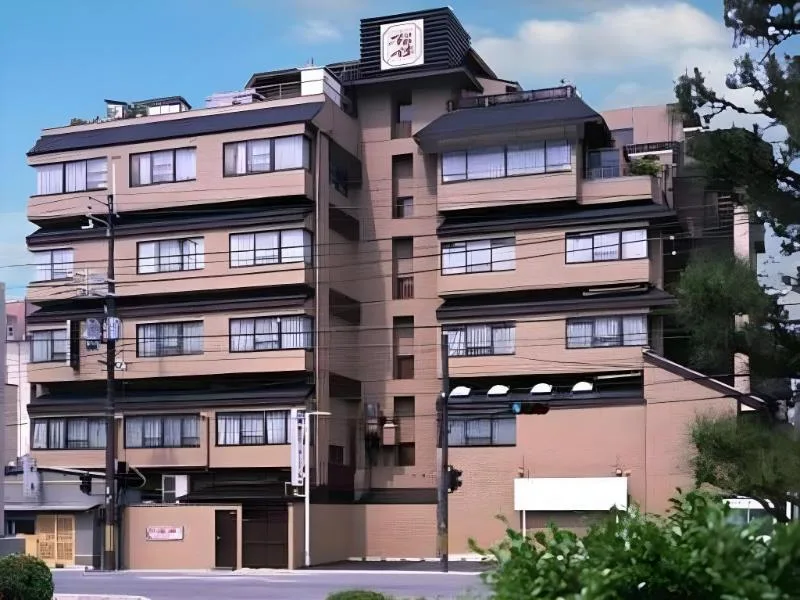
Ryokan Gion Fukuzumi Hotel
Kyoto
★★★★☆
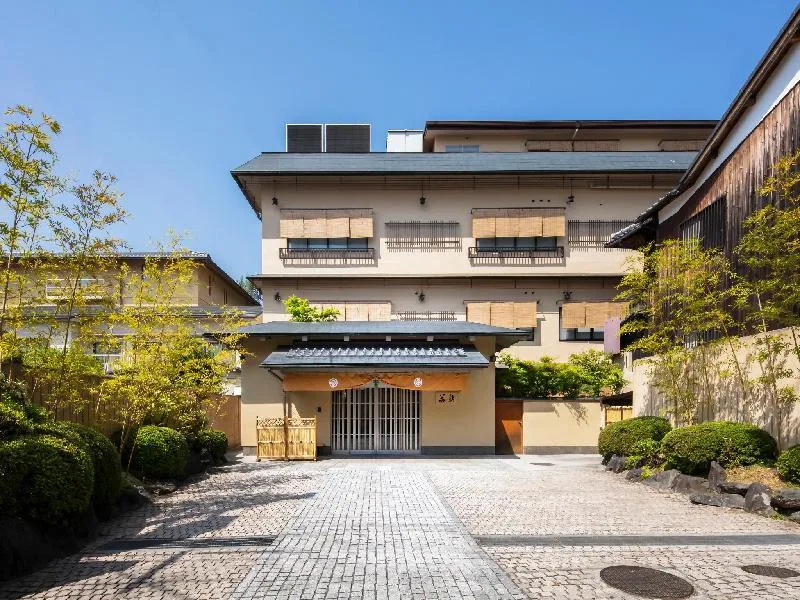
Gion Ryokan Karaku
Kyoto
★★★★☆
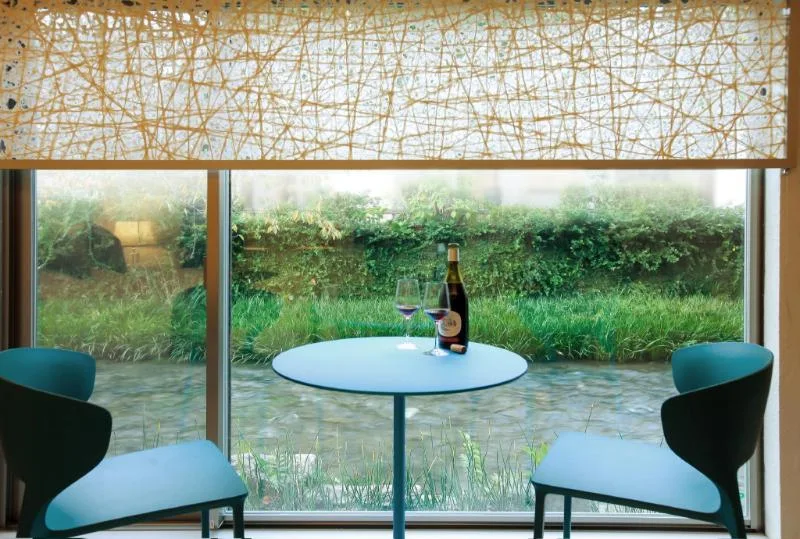
Luxury Condo Shikine An Gion Shirakawa
Kyoto
★★★★☆
FAQ
Is Gion Kyoto worth visiting for one day?
Yes, but go early and pair it with nearby sights like Yasaka Shrine or Kodaiji. If I arrive in the afternoon, the crowds eat too much of the experience to make it feel worthwhile.
How much time do I need in Gion Kyoto?
I’d give it 2 to 4 hours. That’s enough to walk the main streets, see the shrine area, and move on without feeling like I’m circling the same blocks repeatedly.
Is Gion Kyoto expensive to stay in?
Yes, compared with Kyoto Station or downtown. Simple rooms in Gion or Higashiyama started around $110 a night when I checked, while similar options near Kyoto Station were often closer to $70–$130. Rates shift by season, so check current prices before committing.
What’s better — Gion or Arashiyama?
Depends what you want. Gion for central access and historic streets. Arashiyama for a more scenic half-day with nature. For a first trip, Gion is easier to slot into a packed itinerary.
When is the best time to visit Gion Kyoto?
Early morning, ideally before 9 a.m. The streets are calmer, the light is better, and I can actually hear the neighborhood instead of the crowd noise. That alone makes it a different place.
So — is Gion Kyoto worth visiting? Yes, if you want a short, walkable dose of old Kyoto and you can get there early. Start at Yasaka Shrine, head into the side streets before the crowds build, and keep it to a few hours. That’s the version that actually delivers.
 Emma Hayes
Honest hotel reviews and real budget travel advice from someone who’s actually there.