
Kyoto was supposed to be all temples and quiet streets. It mostly was — but it also turned out to be a place where I had to make a very practical call: do I spend an hour at the Samurai and Ninja Museum, or save that time and money for a better meal, a better shrine, or a less staged afternoon? My answer: the Kyoto Samurai Museum is only worth visiting if you want a quick, easy, tourist-friendly intro to samurai culture — not if you want depth or the most honest use of your Kyoto time. Is Kyoto Samurai Museum worth visiting? I’d say yes, but only narrowly.
Quick Answer: I spent roughly ¥1,800–¥2,200 per adult ticket, or about $12–$15.
I planned about 45–60 minutes for the museum, or up to 90 minutes if you linger for photos.
It’s a low-friction stop in central Kyoto, but I’d choose Nijo Castle if you want more historical substance.
Best for: first-time visitors with kids, short stays, or anyone who wants a low-effort samurai stop near central Kyoto.
Skip if: you want museum-level historical detail, a quiet local experience, or you’re trying to keep your Kyoto budget tight.
What matters most: how much you value convenience and entertainment versus real historical substance.
Quick Answer: Is Kyoto Samurai Museum Worth Visiting?
Direct answer: I’d say yes, but only narrowly. I went in expecting a proper museum and got more of a polished, photo-friendly, English-friendly attraction. If that sounds like what you want, it works. If you’re hoping for something deep and atmospheric, I’d spend that time somewhere else entirely.
- Worth it for: a 45–60 minute stop, sword photo ops, and an easy indoor activity in central Kyoto.
- Not worth it for: travelers who care about historical context, original artifacts, or a strong “Kyoto-only” experience.
- Cost: I spent around ¥1,800–¥2,200 per adult, which is roughly $12–$15.
- My verdict: I’d only choose it as a filler activity, not as a main reason to come to Kyoto.
What the Kyoto Samurai Museum Actually Is
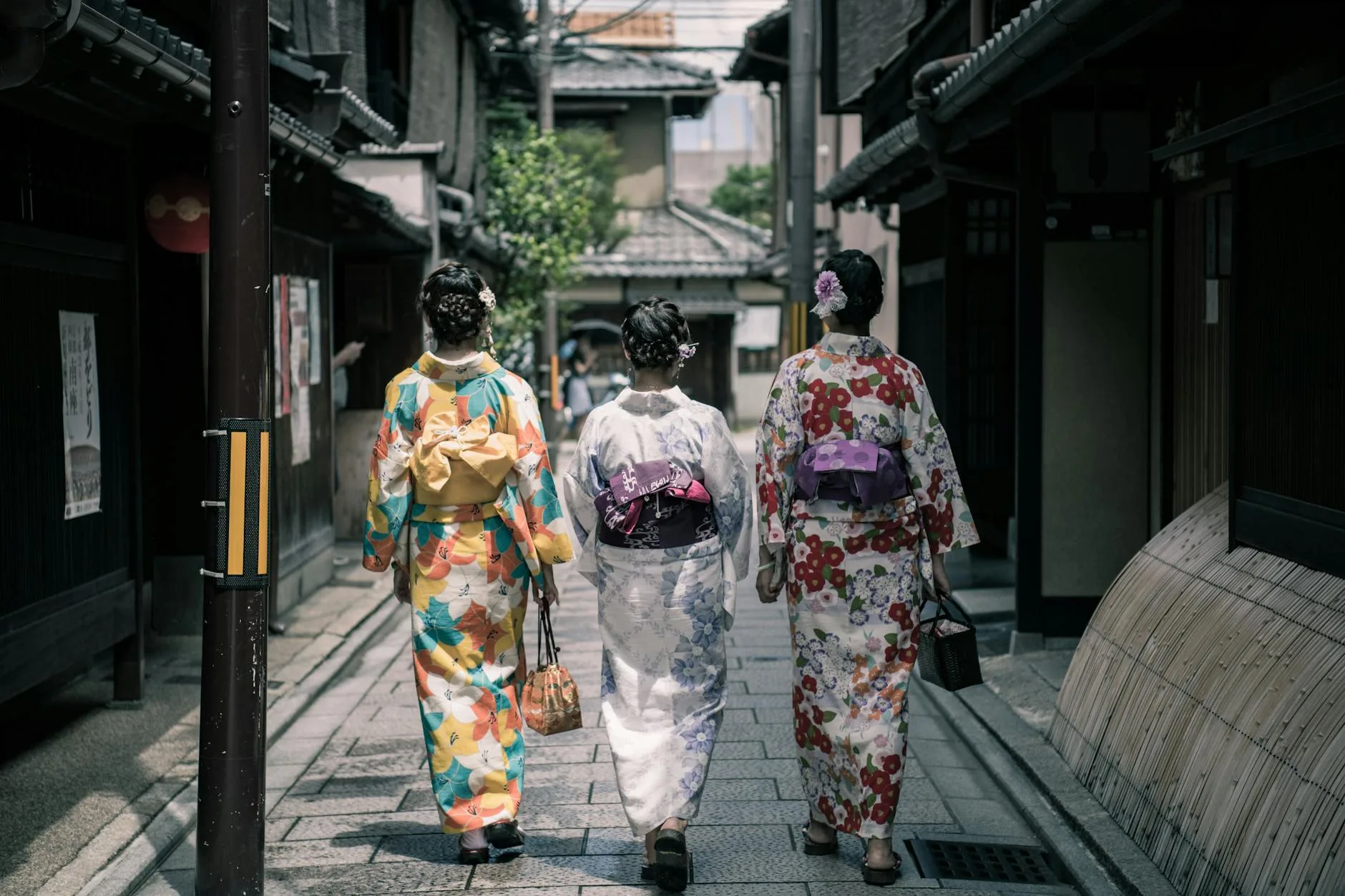
The first thing I noticed is that this is not a heavy museum with long labels and rare objects behind glass. It’s a compact, visitor-friendly attraction with displays on samurai armor, weapons, and clan history, plus staff-led explanations in English. The whole thing feels built for people who want the idea of samurai culture without needing to spend half a day decoding it.
Scanner verdict: if you want a quick samurai primer in central Kyoto, it does the job; if you want a real history museum, it does not.
I’ve been to enough museums across Japan to know the difference between “educational” and “tourist packaged.” This one sits firmly in the second category. That isn’t automatically bad — it just means I’d judge it on convenience, entertainment, and value, not on scholarly depth. Which is a different bar. A lower one, honestly.
Kyoto Samurai Museum vs. Spending That Same Time Somewhere Else
This is the real comparison that matters. Kyoto has a brutal number of things competing for your day: Nijo Castle, Kiyomizu-dera, Gion, Nishiki Market, Fushimi Inari, and a dozen little lanes where you can actually feel the city do its thing. So the question isn’t just “is it good?” It’s “is it better than whatever else I could do in that same two-hour window?”
My pick: I tried spending time at Nijo Castle instead if I want samurai-era context, or I’d prefer to wander around To-ji and its surrounding streets if I want a calmer, less curated Kyoto afternoon.
For money, the museum ticket at around ¥1,800–¥2,200 isn’t outrageous, but it adds up fast if you’re stacking paid stops. Nijo Castle runs roughly ¥800 for adults, and the experience feels much more rooted in actual Kyoto history. That’s a meaningful gap when you’re trying to keep a day from spiraling cost-wise.
Best for: travelers who want convenience and a light cultural stop.
Better if: you’re already in the area and want an indoor activity between meals or shrine visits.
Cost, Time, and Convenience: The Practical Comparison
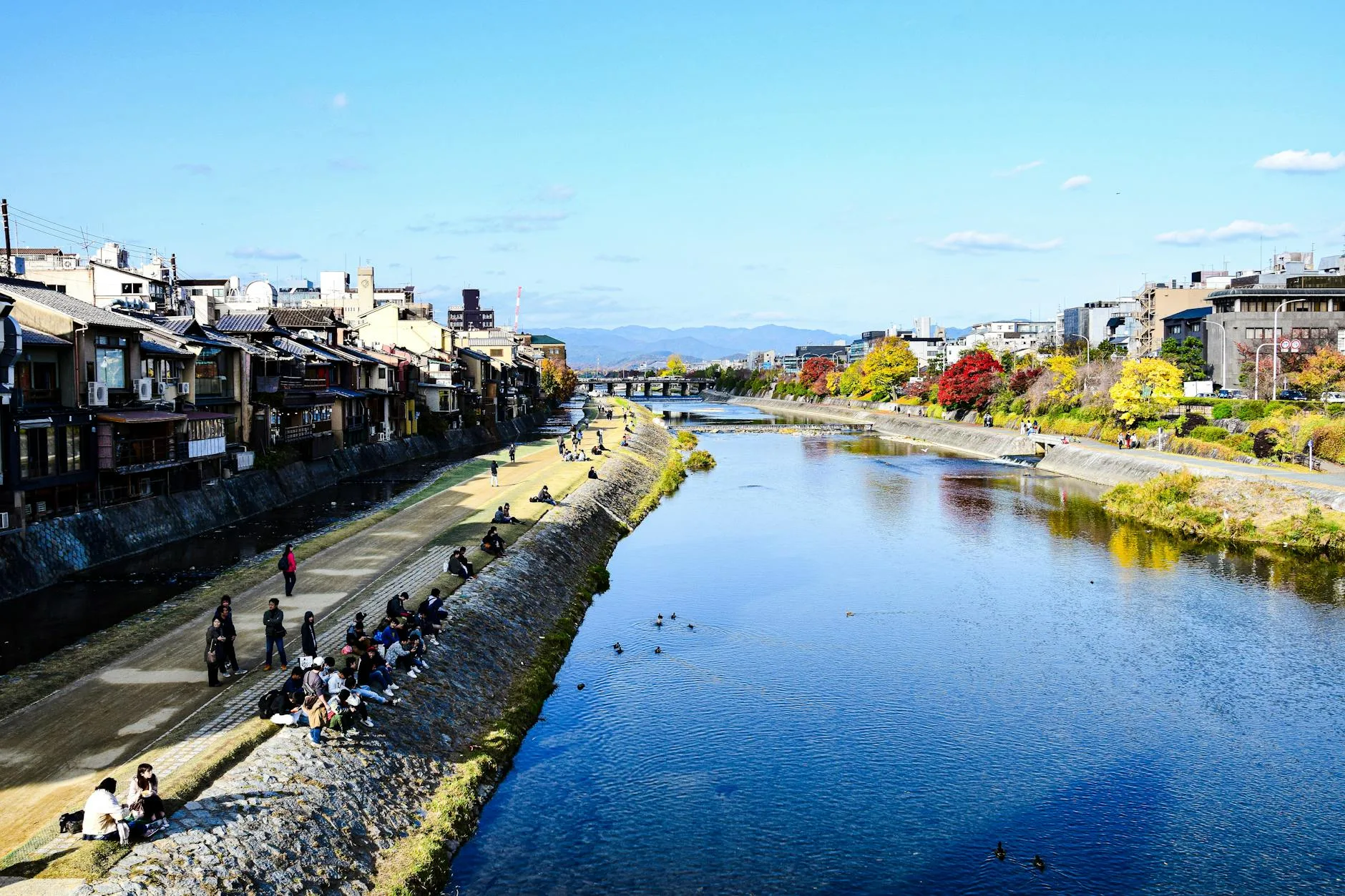
Here’s where the museum wins a few points. It’s easy. I didn’t have to work hard to find it, and I didn’t need a complicated transit plan. It’s in the central Kyoto area, so I could fold it into a day around downtown, shopping streets, or a Gion walk. That matters when your trip is short and you don’t want to burn half a day chasing one stop. The main honest issue I ran into: I realized partway through that I’d have genuinely preferred to be outside exploring actual neighborhoods instead of looking at displays in a climate-controlled room.
Scanner verdict: this is a low-friction stop, not a destination you build a whole day around.
Time: I’d budget 45–60 minutes for the museum itself, or up to 90 minutes if you do a tour or linger for photos.
Price: around ¥1,800–¥2,200 per adult, about $12–$15.
Transit: from Kyoto Station, I’d expect roughly 15–20 minutes by taxi or about 20–30 minutes by bus/train plus walking, depending on your exact route.
Compare that with Nijo Castle — lower entry, stronger historical payoff. Or a long temple morning, where your money goes toward atmosphere instead of a themed experience. That’s why I don’t think the Samurai Museum earns a top-tier spot in a Kyoto itinerary unless you genuinely want this exact kind of stop.
Who Should Go and Who Should Skip It
Worth it if: you’re traveling with someone who wants samurai swords, armor, and a clear English-language walkthrough without a lot of hiking or planning involved.
Skip if: you’re a history nerd, a solo traveler who gets annoyed by overly staged attractions, or you only have 2–3 days in Kyoto and need to prioritize the city’s stronger sites. Which, honestly, is a lot of people.
I’m not against tourist attractions. I just want them to earn their place on a Kyoto itinerary. This one earns it for convenience. Not for depth.
My pick: I’d only include it if I had a half-day gap in central Kyoto and wanted something easy before dinner.
The Part That Made Me Hesitate
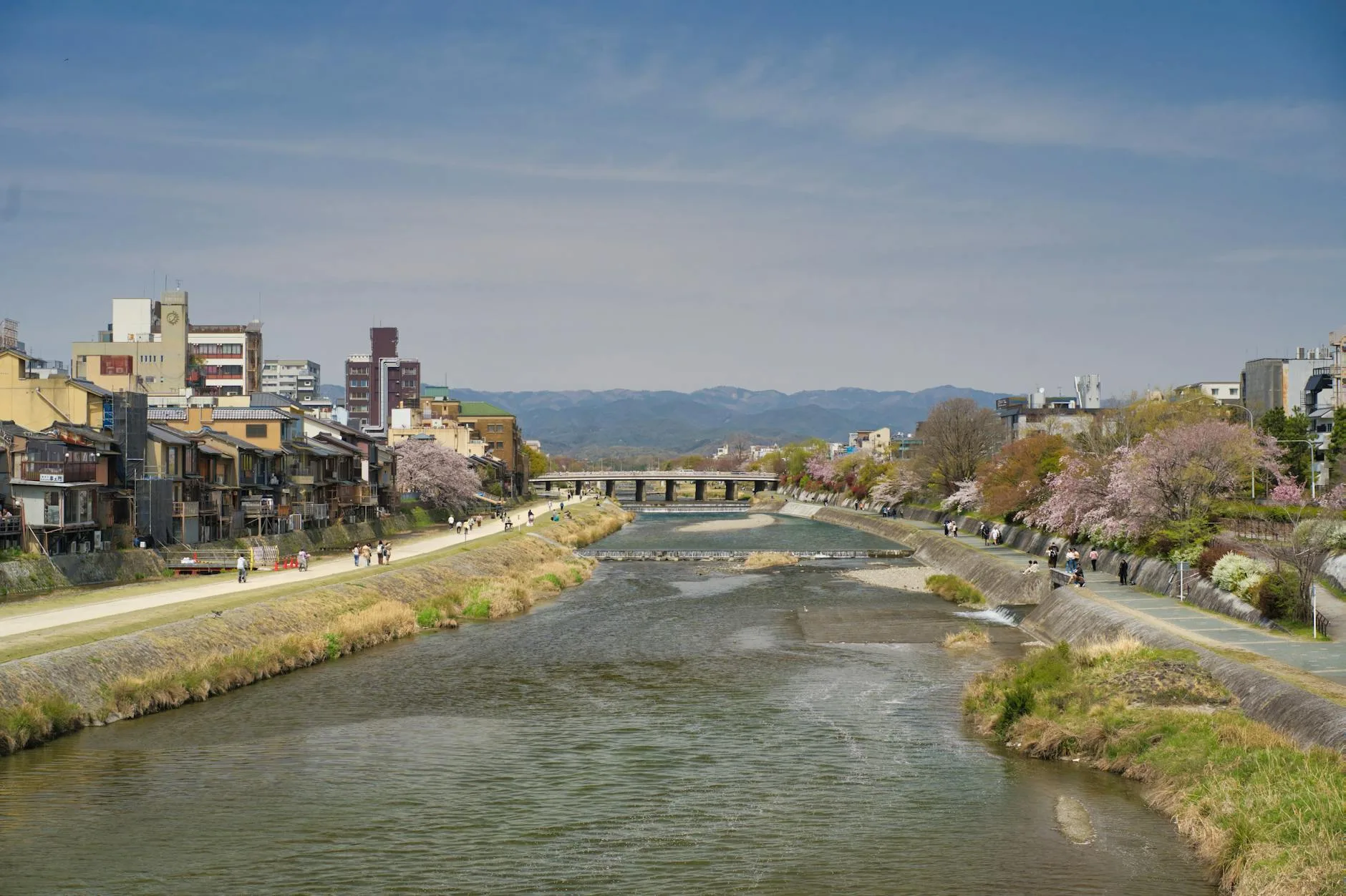
I went in curious — genuinely curious, actually. Samurai culture is interesting, and I wanted to see what the museum would do with it. I left a little underwhelmed. The displays were fine, but I kept thinking about how much more interesting the
See current Kyoto hotel prices on Agoda →
I usually book Kyoto tours on Klook — the best time slots go fast, especially in peak season.
Where I’d Actually Stay in Kyoto
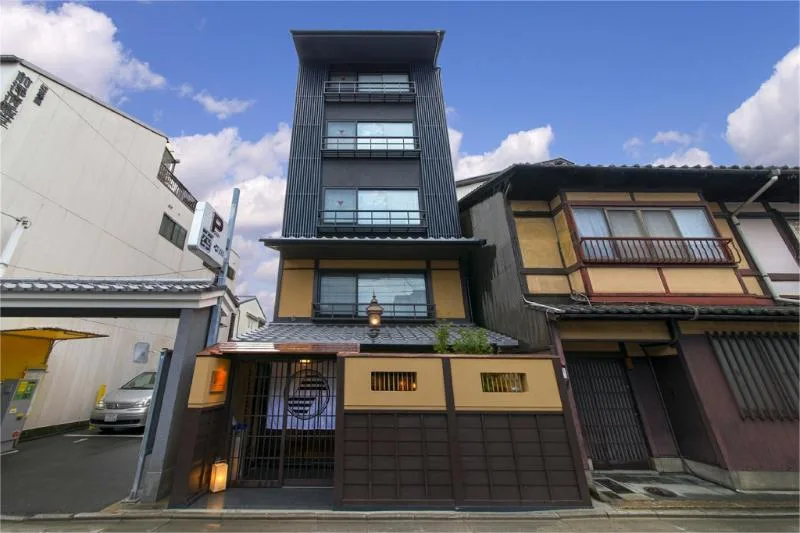
Gion Misen
Kyoto
★★★★☆
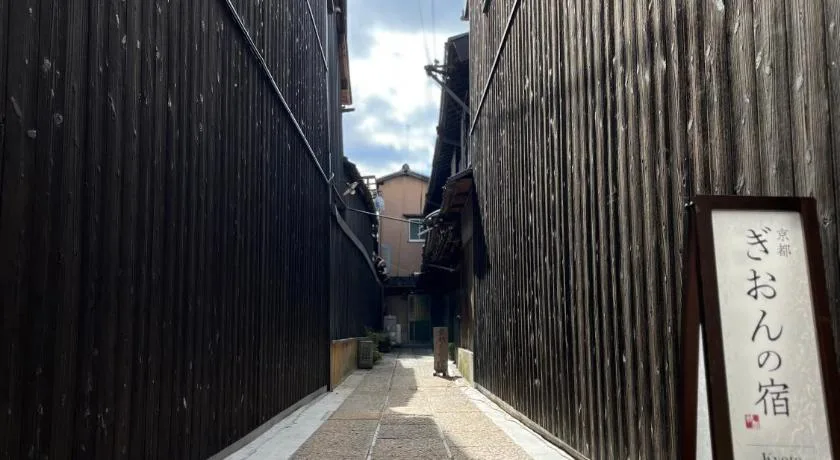
Kyoto Gion No Yado
Kyoto
★★★★☆

Ryokan Gion Fukuzumi Hotel
Kyoto
★★★★☆
Cost Breakdown: Is It Worth the Admission?
For me, the real question wasn’t just “Is Kyoto Samurai Museum worth visiting?” It was whether the ticket price matched the experience. I paid roughly ¥1,800 to ¥2,200 per adult, and that felt fair only if I treated it like a short, entertainment-first stop rather than a serious museum visit. If you’re traveling on a tighter Kyoto budget, that price can start to feel a little steep once you remember how many temples, shrines, and free walking areas you can do instead.
What you’re paying for is convenience: English-friendly explanations, easy access, and a compact experience that doesn’t eat your whole afternoon. I was in and out in about 50 minutes, which is exactly the kind of time block that can save a rainy day or fill a gap between lunch and dinner. But if your goal is historical depth, the value drops fast. I left feeling like I’d paid for a polished introduction, not a meaningful dive into samurai history.
If I’m being blunt, I’d call it worth the money for first-timers, families, or travelers who want a low-effort indoor activity. I would not call it a strong value if you’re choosing between this and a more substantial Kyoto sight.
Getting There Without Wasting Time
The museum is in central Kyoto, which sounds convenient until you realize Kyoto’s “close” can still mean a slow walk in the wrong direction. I went on foot from a nearby subway stop, and the last stretch was easy enough, but I still had to check my map twice because the streets don’t always line up the way you expect. If you’re already in the downtown area, it’s simple. If you’re coming from farther out, build in extra time so you don’t arrive rushed and annoyed.
The easiest approach is to pair it with other central Kyoto plans instead of making it a standalone mission. That way, even if the museum feels lighter than expected, you haven’t sacrificed half a day to get there. I’d avoid squeezing it in right before a timed reservation or a train departure, because the whole point is that it’s a flexible, low-pressure stop.
My own mistake was thinking I could “just pop in” between two bigger sights without checking the walking time properly. I made it, but only because I left earlier than I wanted to. In Kyoto, that kind of buffer matters more than people admit.
What I’d Do Differently Next Time
If I went back, I’d be much more selective about when I visit. I’d only go if I had a rainy afternoon, a gap in my schedule, or I was traveling with someone who really wanted sword photos and a quick samurai intro. I wouldn’t build my day around it, and I definitely wouldn’t treat it as one of the main cultural experiences in Kyoto.
I’d also compare it more directly with nearby alternatives before buying a ticket. On my first visit, I was tempted by the convenience and the easy English access, but afterward I kept thinking I would have gotten more out of a place with stronger historical weight. Even a simple wander through a quieter district would have felt more like Kyoto to me. The museum was fine; it just didn’t leave a lasting impression.
One small thing I’d do differently is go earlier in the day, when I had more energy and less of that “I should be somewhere better right now” feeling. That sounds minor, but it changes how you experience a place. If you’re already tired, a short attraction can feel like a shortcut. If you’re fresh, it can feel like a fun detour.
FAQ
Is Kyoto Samurai Museum worth visiting for adults?
Yes, but mostly if you want a short, easy stop with English-friendly explanations and photo opportunities. If you care more about historical depth than entertainment, I’d lean no.
How long do you need at Kyoto Samurai Museum?
Most people only need about 45 to 60 minutes. If you stop for photos or read everything, you might stretch it to 90 minutes.
Is it good for kids?
Yes, especially if they like costumes, swords, and interactive-style attractions. It’s much easier for families than a quieter, more text-heavy museum.
How much does it cost?
I paid around ¥1,800 to ¥2,200 per adult, which came out to roughly $12 to $15. That felt reasonable for a short indoor activity, but not cheap enough to ignore the value question.
Should I choose this or Nijo Castle?
If you want more historical substance, I’d choose Nijo Castle. If you want a compact, tourist-friendly samurai stop with less walking and no big planning, the museum is the easier pick.
Is Kyoto Samurai Museum worth visiting for a solo traveler on a budget?
Yes, I think Kyoto Samurai Museum is worth visiting if you want a quick, easy-to-fit-in cultural stop. It is better value if you enjoy interactive history displays, but it may feel pricey if you are comparing it to free temples and shrines. I’d go on a day when I already had nearby Kyoto sights planned so I could make the most of the entrance fee.
How long do I need at Kyoto Samurai Museum to make it worth the ticket?
I’d plan on about 45 minutes to 1.5 hours at Kyoto Samurai Museum. It can feel too short if you rush through, but that’s actually a plus when you’re trying to keep a Kyoto itinerary flexible. I’d pair it with another nearby stop so I’m not paying for a one-off visit that eats the whole afternoon.
Is Kyoto Samurai Museum good value compared with other Kyoto attractions?
Yes, but only if you like hands-on exhibits and samurai-themed history more than just sightseeing. If your Kyoto budget is tight, temples and walking neighborhoods will usually give you more hours per yen. I’d choose it as a paid indoor activity on a rainy day or when I need a break from walking.
Is Kyoto Samurai Museum worth it if I don’t know much about samurai history?
Yes, I still think Kyoto Samurai Museum is worth it because it is easy to follow even if you are not a history buff. The tradeoff is that you may not get as much out of it if you prefer deep, detailed museum content. I’d read a few basics about samurai first so the visit feels more interesting without costing anything extra.
Should I visit Kyoto Samurai Museum or skip it and spend my money elsewhere in Kyoto?
I would visit Kyoto Samurai Museum if I wanted one compact, tourist-friendly museum experience in Kyoto. The tradeoff is that if you only have a few days and a strict budget, your money may go further on food, transit, or free attractions. I’d skip it only if I was already overloaded with paid activities and wanted to keep my Kyoto trip lean.
 Emma Hayes
Honest hotel reviews and real budget travel advice from someone who’s actually there.