
Is Kyoto University Worth Visiting? I Spent About $18 to Find Out.
I went to Kyoto University because I was genuinely curious whether it could hold its own against the usual temple crawl. Not because I read about it somewhere — more because I kept walking past it on the map and wondering what was actually there. My answer: yes, but only if you care about campus architecture, student energy, and a version of Kyoto that hasn’t been arranged for you.
One honest sentence up front: I’d choose Kyoto University over a second or third temple stop because it gives me a better read on how the city actually runs. But I wouldn’t send someone there if they only want postcard Kyoto. The real question is whether you want a campus walk with local texture, or whether you’re just trying to tick off famous sights.
Kyoto University is free to wander, and I spent about $18 total on transit, coffee, and food.
I’d spend 45 to 90 minutes there, then pair it with the Philosopher’s Path or Ginkaku-ji.
Nearby temples often cost around $3 to $6 per person, while Kiyomizu-dera is around ¥400.
Best for: curious travelers, university people, solo walkers, and anyone who likes seeing how a city actually functions.
Not for: travelers on a tight schedule, shrine-only itineraries, or anyone who gets restless on quiet streets with no obvious landmark to aim at.
The thing I kept noticing is that the real draw isn’t the university itself — it’s the area wrapped around it. Free to wander, easy to combine with the Philosopher’s Path or Ginkaku-ji, and nothing like the tourist density you get closer to the center.
Quick Answer: Kyoto University vs. Kyoto Temples

Yes, it’s worth it — if you like low-key, local-feeling walks and don’t need a big “attraction” payoff the moment you arrive. No, it’s not worth a special cross-city detour if your time is short or temples are the whole reason you came. I’d spend 45 to 90 minutes here, not half a day, and fold it into a Higashiyama afternoon rather than treating it as the main event.
Kyoto University vs. the Temples Around It
The real comparison isn’t “university or no university.” It’s a campus walk plus actual neighborhood streets versus another famous religious site with entry fees, queues, and tour groups moving in formation. That’s the choice.
Kyoto University wins if you want something quieter and more lived-in. Temples win if you came to Kyoto for iconic sights and don’t want anything that feels understated or academic.
On my trip, I found the campus more useful than I expected — mostly because it broke up the rhythm of shrine-hopping. I’d already done the east Kyoto circuit. The university gave me something different: bicycles stacked outside lecture halls, students crossing paths with coffee cups, a city that didn’t feel like it was performing for visitors.
Budget-wise, Kyoto University wins easily. The campus is free. Nearby temples run roughly $3 to $6 per person, and those costs stack fast if you’re doing several in a day. Time-wise, I’d budget an hour here including the surrounding streets. A temple-heavy route can eat 3 to 5 hours once you factor in queues, photos, and transit between sites.
What Kyoto University Actually Feels Like

I walked in from the Yoshida side, near the main campus area, and the first thing I noticed was how open everything felt. Long straight roads, older academic buildings, constant bike traffic in both directions. It reads as a working campus, not a sightseeing spot — which is exactly why it worked for me.
Worth it if: you like seeing Japanese university life up close. Skip it if: you need a dramatic moment the second you arrive somewhere.
What I kept turning over in my head was the contrast between the old stone and brick-style buildings and all the ordinary daily movement happening around them. Students rushing somewhere. A vending machine tucked against an old wall. It reminded me that Kyoto isn’t only a historic city preserved under glass — people study here, commute, eat lunch, argue about deadlines. That’s easy to forget after three days of shrines.
No admission fee for the public parts, which matters more than it sounds. Kyoto has a way of bleeding money slowly — small entry fees, bus rides, overpriced coffee near famous spots. A stop that costs you nothing except transit is worth something in that context.
Kyoto University vs. Arashiyama: Which Is the Better Use of Your Time?
I wish I had thought through this comparison before I went. Arashiyama is prettier on arrival, more famous, and obviously photogenic. Kyoto University is quieter, more local, less performative. If I had one free afternoon and wanted the stronger Kyoto memory, I’d still pick Arashiyama on a first visit. If I’d already done the big scenic stuff — which I had — I’d pick Kyoto University instead.
My actual pick: Arashiyama for first-timers chasing the classic Kyoto look. Kyoto University for repeat visitors or anyone who hates being caught in a tourist stream.
Arashiyama costs more in both time and money. A train from central Kyoto is usually around 20 to 30 minutes one way depending on where I started, and I spent closer to $10 to $15 on transit and snacks because the whole area is designed to keep you spending. Kyoto University folds into a normal city day. One bus or subway ride, no entry fee, done.
Arashiyama also crowds fast. The bamboo grove is notorious for this — by late morning the whole area can feel like everyone got the same idea at the same time. Kyoto University never gave me that feeling, even on a weekday.
Kyoto University vs. Gion: Old Kyoto or Real Kyoto?
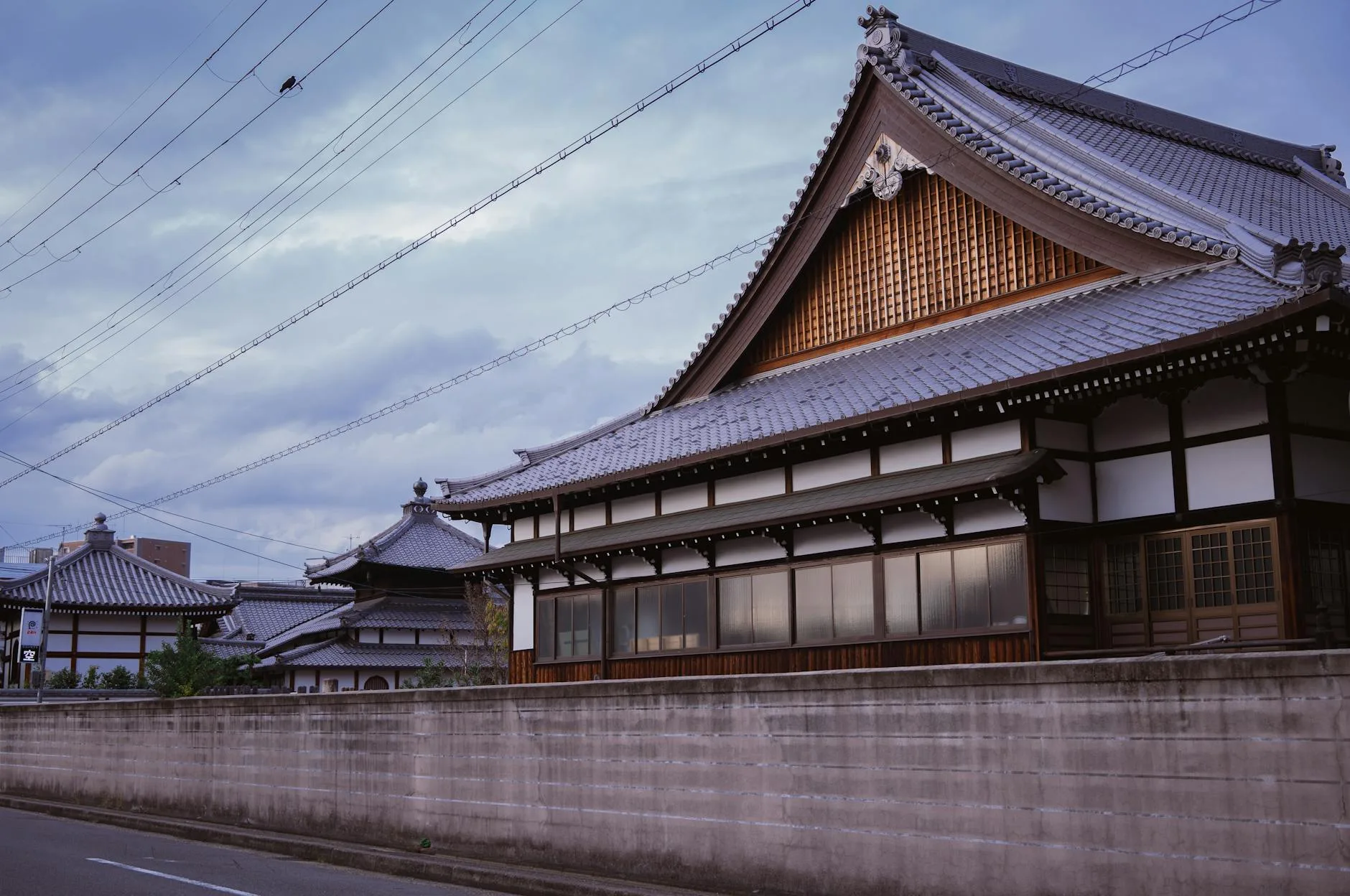
Gion is the obvious choice for old streets, wooden facades, and a reasonable chance of spotting geiko or maiko. I understand why people go. But Gion is also where I felt the most pressure to keep moving and had the least room to actually think.
Gion wins if you want atmosphere and can manage the crowd situation. Kyoto University wins if you want a place that feels like people actually use it every day without caring whether you’re watching.
Gion is free to enter, but the real cost is the energy it takes to navigate. I spent more effort dodging people and repositioning around photo opportunities there than I did the entire time at Kyoto University. A place can be free and still drain you. That’s Gion on a busy afternoon.
Kyoto University is easier on the brain. I could walk without constantly checking whether I was in someone’s frame or blocking a narrow lane. If you travel solo like I do, that kind of low-friction movement matters more than most travel content makes it sound.
How Much Time and Money I’d Actually Spend
Treat Kyoto University as a half-day add-on, not a standalone destination. I spent about 90 minutes in and around the campus, and that felt about right. If I had lingered much longer without combining it with another nearby stop, I think I would have started wandering for the sake of wandering rather than actually seeing anything.
Best for: a cheap, low-stress walking break between bigger Kyoto sights.
Here’s my rough spend from that day: around $6 for transit, about $8 for coffee and a snack near the campus, and roughly $4 for a simple lunch from a small local place nearby. Nothing paid to enter the campus itself. Compare that to a temple-hopping day that can easily hit $20 to $35 once you factor in multiple entries, buses, and food — Kyoto University was one of the cheaper things I did the whole trip.
Getting there is fine but not seamless. I used a mix of bus and walking. Kyoto buses are cheap — usually around ¥230 per ride — but they slow down in traffic and can get crowded. If I did it again, I’d use the subway where the route works and walk the last stretch.
The Afternoon I Nearly Skipped It — and Why I’m Glad I Didn’t
I almost skipped it because I was deep in that classic Kyoto headspace of “one more temple, one more shrine, one more famous street.” I was tired. A little temple-blind, honestly. Not expecting much from a university campus I hadn’t planned to visit.
Then I ended up walking through the Yoshida area anyway — just to cut through — and realized I liked how unforced everything felt. I found a coffee spot near the campus, sat down, watched students bike past in both directions, and noticed how much the neighborhood changes once you step off the main tourist loop. That was the turning point. Kyoto University wasn’t about the buildings alone. It was about stumbling into a version of the city that doesn’t adjust itself for visitors.
My verdict: I’d choose it again because it gave me a calmer, more honest read on Kyoto than another crowded sightseeing stop would have.
That said — someone with only one full day in Kyoto should prioritize other things first. The university is a good extra, not a priority.
I book tours through Klook — popular slots sell out faster than you’d think.
Where I’d Stay if I Wanted to Visit Kyoto University
If Kyoto University is on your list, I wouldn’t stay deep in the station area unless your train schedule forces it. I’d rather be in central Kyoto or on the east side so the campus is a short bus ride or walk, not a 45-minute transfer before I’ve had breakfast.
See current Kyoto hotel prices on Agoda →
Best neighborhoods: Kawaramachi, Sanjo, or Higashiyama — all give you easy access to Kyoto University and most of the rest of the city without burning time on long commutes.
When I checked rates, the spread was predictable: basic business hotels near Kyoto Station were roughly $70 to $110, mid-range places closer to the center ran more like $110 to $180, and smaller boutique stays pushed past that in high season. Spring and autumn move fast — I’ve seen decent rooms jump 30% or more as the dates get close. Book earlier than feels necessary.
See all Kyoto hotels on Agoda →
Cost Breakdown
Rough daily estimates from my own trip. Prices shift by season.
What I’d Do Differently Next Time
Go earlier. I arrived after already burning energy somewhere else, and that made the campus feel more like a pause than something I actually chose. Morning light would have made the walk better, and I would have caught more of the neighborhood before the day got noisy.
I’d also combine it with one nearby route rather than treating it as a solo stop. The best version is Kyoto University plus the Philosopher’s Path, or Kyoto University plus Ginkaku-ji, or even just Kyoto University plus a slow coffee hour in the Yoshida area with nowhere specific to be afterward.
And I’d stop trying to “see everything” around it. That mindset always makes Kyoto worse. I know this and I still do it every time.
I usually book Kyoto tours on Klook — the best time slots go fast, especially in peak season.
Where I’d Actually Stay in Kyoto

Modern cozy maisonette 40㎡ NIMON 1 KAI near Gion(N1-KAI 貝)
Kyoto
★★★★☆
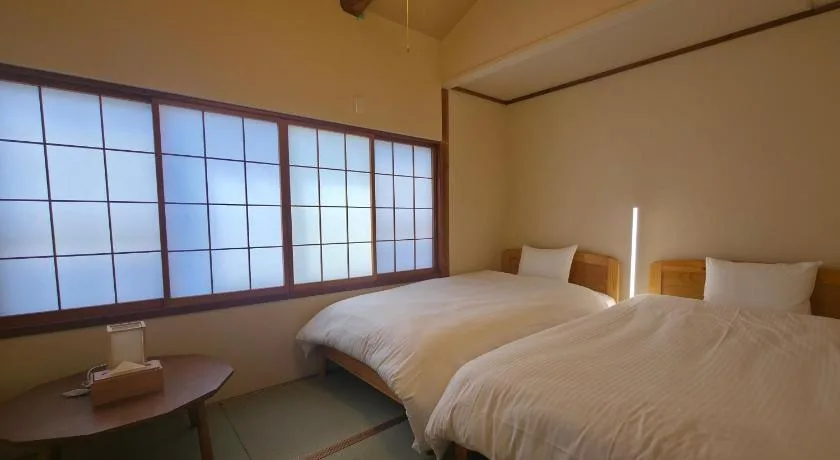
SHIMAZU-AN 祇園北 Gion-Kita
Kyoto
★★★★☆
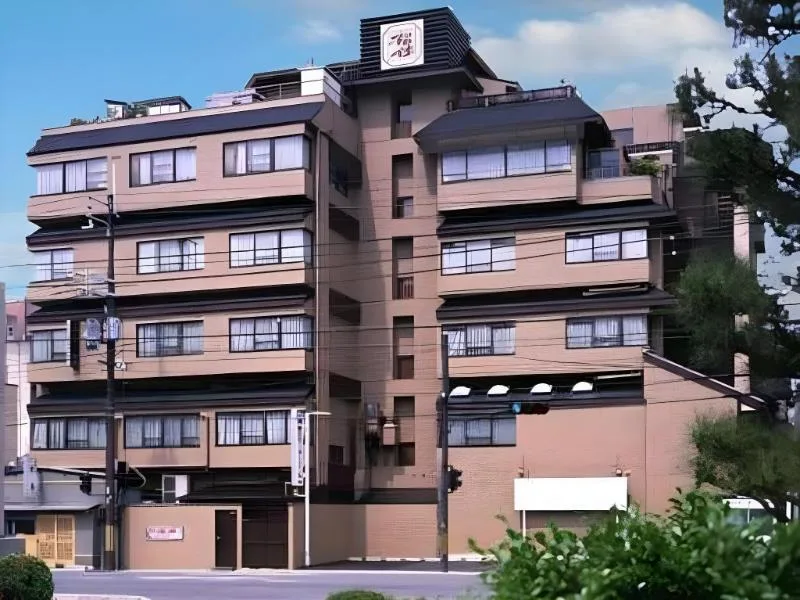
Ryokan Gion Fukuzumi Hotel
Kyoto
★★★★☆
FAQ
Is Kyoto University worth visiting for first-time travelers to Kyoto?
Yes, but I wouldn’t put it in the top two stops on a short first trip. It works best as a half-day add-on when I already have a temple or neighborhood walk planned nearby. If time in Kyoto is tight, I’d hit the bigger-name sights first and come here if I have room left in the day.
How much time do I need for Kyoto University and the nearby area?
I’d give it 45 to 90 minutes for the campus itself, then another 1 to 2 hours if I’m combining it with the Philosopher’s Path or nearby temples. I moved at a slow pace and still felt done by the 90-minute mark. It’s not a full-day stop unless you’re deliberately taking it slow and eating lunch nearby.
Is Kyoto University free to visit?
The public parts are free to walk through, yes — which is a big reason why it makes sense as an add-on. I only spent money on transit, coffee, and food. That makes it one of the cheaper things I did during my time in Kyoto.
What’s the best way to get to Kyoto University from Kyoto Station?
I think in terms of bus plus walking or subway plus walking depending on where I’m arriving near the campus. From Kyoto Station, door to door can take around 30 to 45 minutes because Kyoto buses slow down in traffic. When I want less hassle, I use the subway for part of the route and finish on foot — cleaner and usually faster.
Which part of the Kyoto University area is best for walking?
The Yoshida side. It felt the most walkable and had the strongest everyday campus feel — calmer streets, less foot traffic than central Kyoto, and enough space to actually notice the buildings without dodging a crowd. I’d start there if I wanted a relaxed walk rather than a rushed sightseeing loop.
 Emma Hayes
Honest hotel reviews and real budget travel advice from someone who’s actually there.
Kyoto University is the kind of place that only makes sense when I stop expecting it to behave like a tourist attraction. Once I dropped that expectation, it became one of my more useful Kyoto