

I thought Osaka would be the smarter first stop. It wasn’t. I liked it, but Kyoto gave me the cleaner first-trip experience: easier to understand, easier to walk, and less mentally noisy when I was still figuring out trains, cash, and how much I actually wanted to pack into a day. If you’re asking kyoto or osaka for first-time visitors which should you choose, my answer is Kyoto.
My pick: Kyoto if you want one base that feels like Japan fast. Choose Osaka only if you care more about food, night energy, and easier transit than temples and quiet streets. The thing that changes the decision most is how much you value atmosphere versus convenience.
Best for Kyoto: first-timers who want a slower, more legible trip with a stronger sense of place.
Best for Osaka: travelers who want cheap eats, a simpler train network, and a city that stays useful late.
Quick answer: I’d choose Kyoto first for a first Japan trip. Osaka is better if you want food, easier transit, and late-night energy. I paid about 230 JPY per subway ride in Osaka, and Kyoto gave me the cleaner first-trip feel.
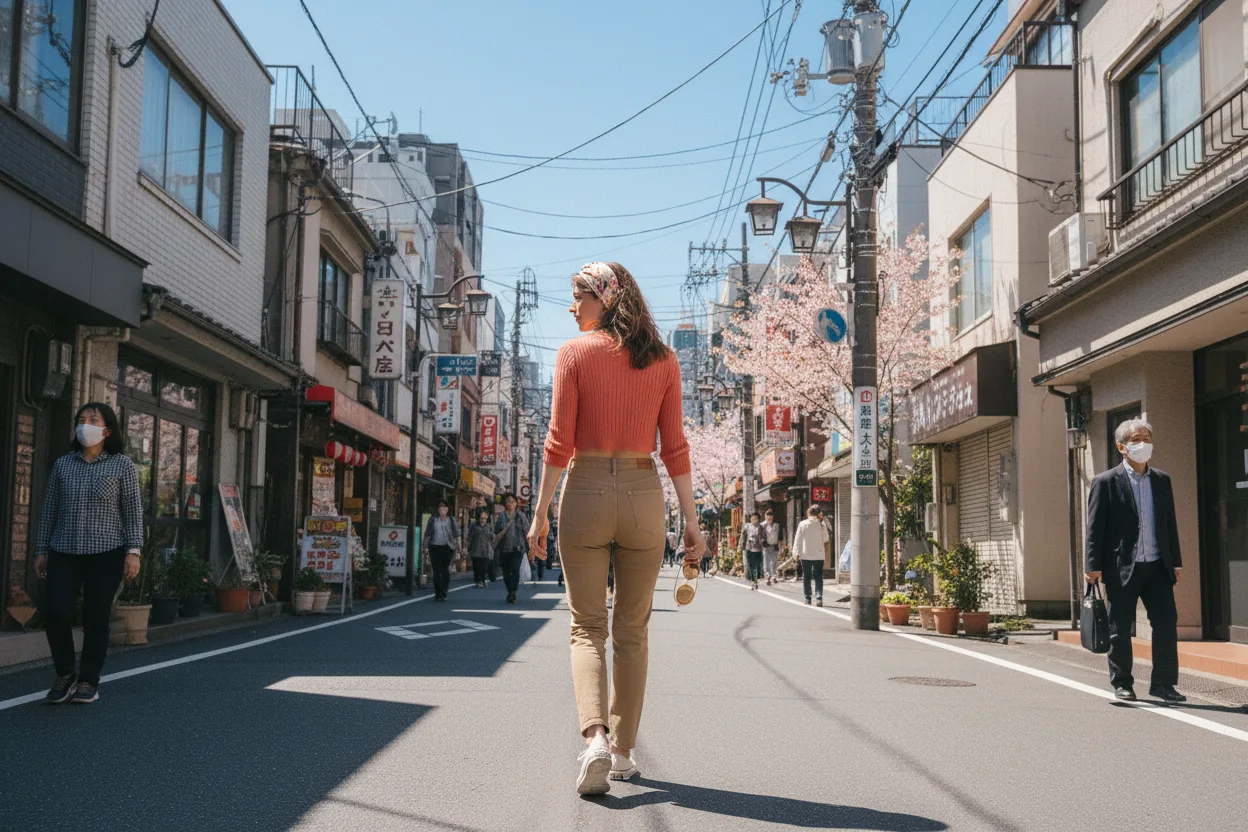
I spent a chilly, rainy morning in Kyoto in a light waterproof jacket, long sleeves, and closed-toe shoes, walking between stations and temple areas without feeling rushed. That day made the choice obvious for me. Kyoto is the better first pick for most first-time visitors. Osaka is the better pick if your trip is built around eating well and moving fast.
Why Kyoto is the better first base

Kyoto gives you a clearer version of Japan without making you work for it. I got off at Kyoto Station, grabbed a coffee and a 7-Eleven onigiri, and within 20 minutes I was already in a part of the city that felt calmer and more readable than Osaka’s busier districts. That matters more on a first trip than people admit.
The biggest reason I’d choose Kyoto is not that it’s prettier, because that word gets abused. It’s that Kyoto has a better day structure. You can do a temple morning, a lunch in a local noodle shop, a slow walk through Gion or Higashiyama, then stop early without feeling like you wasted the day. Osaka can do that too, but it usually pushes you toward a more scattered rhythm.
I also found Kyoto easier to “get” without a plan. In Osaka, I kept checking the map for the next train or station exit. In Kyoto, I walked more and made fewer decisions. That sounds small. It isn’t. On a first trip, fewer decisions usually means a better day.
Worth it for: people who want their first Japan base to feel distinct, calm, and easy to read.
Skip Kyoto first if: you hate walking and want your evenings to revolve around food streets and train convenience instead.
My pick: Kyoto for a first-timer’s main base, especially if the trip is only 5 to 7 days.
Food in Kyoto is fine, but I didn’t think it beat Osaka. I had a simple lunch near Nishiki Market that cost me about 1,000 JPY, and it was solid, not life-changing. That’s the pattern there: good enough, but not the city’s main advantage. Kyoto earns its keep through the shape of the day, not by being the most exciting place to eat.
What Osaka does better than Kyoto
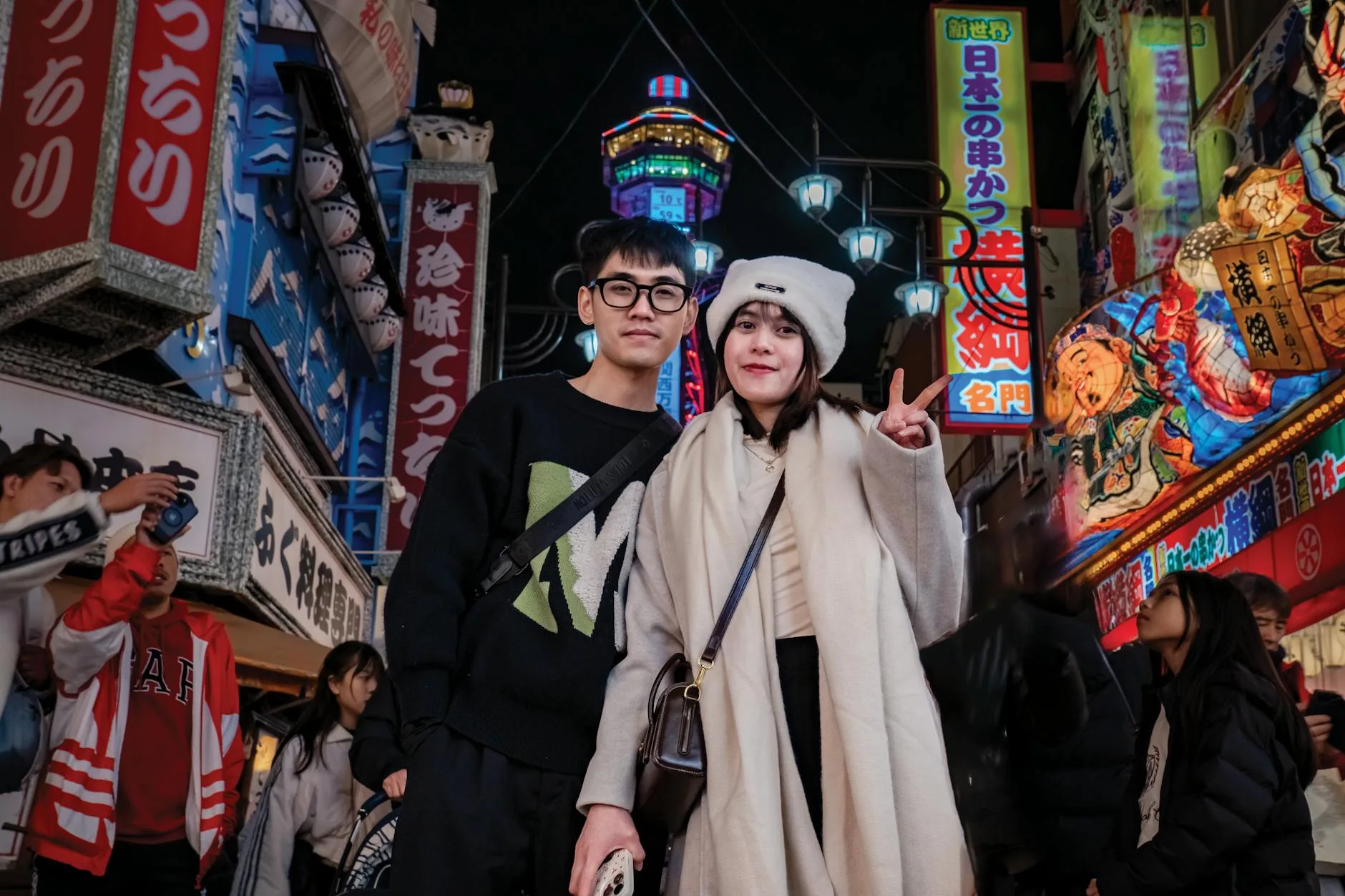
Osaka is better if you want your first trip to feel easier in a different way. It’s less precious, less formal, and more forgiving when you land tired or show up hungry. I liked that immediately. I also liked that I could get a decent meal without overthinking it. That alone saved me more than once.
Dotonbori is the obvious example, but I don’t think the giant signs are the reason to base yourself here. They’re fine for one evening. After that, the better part of Osaka is the everyday stuff: the train access, the cheap food, the neighborhoods that don’t ask you to be in a sightseeing mood all day. I paid around 700 to 1,200 JPY for meals I actually enjoyed, and that was easier to justify than some Kyoto lunches that looked nicer than they tasted.
Osaka also works better if you’re the type who wants to stay out later. Kyoto can feel like it starts winding down earlier than you expect, especially outside the busiest pockets. Osaka kept its energy longer without making me chase it. I’m not saying it’s more charming. It’s not. I’m saying it’s more useful.
Best for: travelers who care about cheap, good food and a city that keeps moving after sunset.
Skip Osaka first if: you want your first base to feel calmer and more culturally distinct.
My take: Osaka is the practical choice, but practical doesn’t always mean best for a first trip.
I also had fewer friction points in Osaka when I was tired. The subway was straightforward, and stations made more sense than some of Kyoto’s bus-heavy routing. But I still found myself spending more time in transit than I wanted, because Osaka spreads the payoff across neighborhoods. Fine for a longer stay. Less ideal when your time is tight.
Cost, time, and convenience: the tradeoff that actually matters
If you’re deciding between Kyoto and Osaka for first-time visitors, the real question is not which city is “better.” It’s which one wastes less of your trip. That comes down to money, transit time, and how often you want to reset your day after moving around.
Money cost: Osaka usually wins. I ate better for less there, especially around Kuromon Market and ordinary neighborhood spots, where lunch could land around 800 to 1,200 JPY if I kept it simple. Kyoto often pushed me a bit higher, especially near tourist-heavy areas, where a casual meal could hit 1,200 to 1,800 JPY without being anything special.
Time cost: Kyoto is better for a first trip if you want to walk between sights. Osaka’s subway rides are cheap and efficient, but once you add station exits, transfers, and the occasional wrong turn, those “short” hops start eating the day. I spent about 25 minutes once just getting from one platform cluster to the street because I picked the wrong exit. That kind of thing happens less when you’re walking Kyoto’s more compact sightseeing zones.
Energy cost: Osaka is easier when you’re carrying a bag, arriving late, or dealing with rain. Kyoto asks more from your legs, but less from your brain. I’d rather walk in Kyoto than decode another transfer in Osaka after dinner, but if I arrived at 9 p.m. with a suitcase, Osaka would be the obvious choice.
Opportunity cost: this is where Kyoto pulls ahead for a first-timer. If you spend your first full day in Osaka, you may enjoy the food and still leave feeling like you saw a city that functioned well but didn’t give you much emotional texture. Kyoto gives you more to remember per hour. Osaka gives you more to eat per hour. That’s the clean split.
Budget-wise, my rough daily spend: Kyoto ran a little higher for me if I stayed near the center; Osaka was easier on the food budget and a bit cheaper on casual movement. The difference wasn’t huge, but it was real.
Rough daily estimates from my own trip. Prices shift by season.
If I were booking again, I’d watch hotel rates in both cities instead of assuming Osaka is always cheaper. I’ve seen Kyoto rooms jump fast around busy weeks, and Osaka isn’t exactly immune. See current options on Agoda if you want to compare rates without guessing.
I compared the options in Osaka Day Trips Best Easy Trips From The City — useful if you haven’t booked yet.
I compared the options in Universal Studios Japan Guide For First-Time Visitors — useful if you haven’t booked yet.
If osaka photo spots best views matters to your trip, my Osaka Photo Spots Best Views For Instagram has the specifics.
The vibe difference: quiet lanes versus useful chaos

This is the part that doesn’t show up in hotel filters. Kyoto feels like a city where you notice your own pace. Osaka feels like a city that keeps asking what you want to eat next. Both are good. They just scratch different itches.
In Kyoto, I remember the sound of my shoes on wet pavement near a temple area more than I remember any one meal. I stopped for a hot drink, dried my hands, and kept walking. The city rewarded that kind of day. It also made me slow down naturally, which I didn’t always appreciate in the moment, but I liked the result.
Osaka is the opposite. I remember standing under an arcade entrance near Namba, checking the rain, then deciding to get dinner instead of trying to force another sight. That’s Osaka in one sentence: it makes quitting your sightseeing day feel reasonable. I paid around 900 JPY for takoyaki one night and didn’t regret it, which is not something I say often about famous street food areas.
Kyoto is better if you want your first Japan trip to feel more composed. Osaka is better if you want it to feel more casual. I wouldn’t call Kyoto more exciting, and I wouldn’t call Osaka more memorable in the right way. But Kyoto gives you the cleaner story to take home. Osaka gives you the easier day-to-day.
Worth it if: you care about the rhythm of the trip, not just the checklist.
Skip Kyoto if: you want your evenings to stay lively without much planning.
Skip Osaka if: you’re hoping for one city that instantly tells you “Japan” in a quiet, traditional way.
I didn’t do any guided bus tours in either city, and I wouldn’t start there. Both places are better when you move on your own terms. Osaka’s food streets and Kyoto’s walkable districts are easy enough to handle without paying someone to narrate them back to you.
The night I almost chose the wrong base
I nearly booked a longer stay in Osaka because it looked easier on paper. The hotel options were straightforward, the trains seemed simple, and the food reviews were better than Kyoto’s. Then I spent one rainy afternoon in Kyoto with my umbrella, scarf, and a jacket stuffed in my tote, and the city clicked in a way Osaka hadn’t yet.
I was walking back toward Kyoto Station with damp shoes and a cheap coffee I’d bought for about 350 JPY, and I realized I wasn’t bored. I was just moving through the city at a pace that made sense. That was the moment I stopped treating Osaka as the default answer. Osaka is easier. Kyoto is better for a first trip. Small difference, big consequence.
Best for: first-time visitors who want a base that gives them a clearer sense of place and a better day structure.
Skip if: you’re landing late, hate walking, or care more about food and nightlife than atmosphere.
Next time: I’d still use Osaka for one or two nights, but I’d keep Kyoto as the main base.
What I’d do differently next time
I’d spend fewer nights trying to “balance” both cities evenly. That always sounds neat in planning and then turns messy once you’re actually dragging a bag between stations. I’d also book my Kyoto stay earlier, because the better-located places can get priced out faster than I expected.
I’d eat one less “famous” meal in Osaka and one more ordinary neighborhood meal in Kyoto. The famous stuff was fine. The ordinary stuff told me more.
I’d also stop pretending I’d use every late-night hour in Osaka. I probably wouldn’t. I like a city that works hard, but I don’t need my whole trip to feel like a food challenge.
Final call: Kyoto first, Osaka as the bonus
For a first Japan trip, I’d choose Kyoto. It gives you more shape, more walkable days, and a stronger sense that you’ve actually arrived somewhere different. Osaka is the better add-on if food, transit ease, and late-night flexibility matter more to you than mood.
If you only have a short trip, Kyoto should get the main stay. If you have extra nights, Osaka is the city I’d tack on for eating and easy evenings. Three nights in Osaka alone is fine. Four to five in Kyoto is better for a first timer.
Best for: first-time visitors who want the clearest, most rewarding first base and don’t mind a little more walking.
Skip if: your trip is built around food, late nights, and the easiest possible transit.
Next time: I’d keep Kyoto as my home base and use Osaka for a night or two of eating my way through the city.
See current Osaka hotel prices on Agoda →
I usually book Osaka tours on Klook — the best time slots go fast, especially in peak season.
FAQ
Is Kyoto too quiet for a first trip?
No, I don’t think so. Kyoto can feel quieter than Osaka, but that’s part of why it works well for a first visit. If you want a day that feels organized instead of rushed, Kyoto makes that easier.
Can I stay in Osaka and day trip to Kyoto?
Yes, but I wouldn’t do that if Kyoto is the main thing you want to see. The train ride is manageable, but you lose time and energy going back and forth. I’d only base in Osaka if you care more about food and night energy than early starts.
Which city is better for eating cheaply?
Osaka wins for value, and I noticed it fast. I could eat well for around 700 to 1,200 JPY in a way that felt normal, not like I was hunting bargains. Kyoto has good food too, but I paid a little more for less excitement.
Do I need more days in one city than the other?
Yes. Kyoto benefits more from two to four full days because the pace is slower and the sights are spread in a way that rewards lingering. Osaka can work well in one to three days if food and neighborhoods are your main focus.
Which city is easier if I’m arriving tired with luggage?
Osaka is easier. The transit is straightforward, and the city feels more forgiving if you land late or don’t want to start with a long walk. Kyoto is still manageable, but I’d rather arrive there after a decent night’s sleep.
 Emma Hayes