
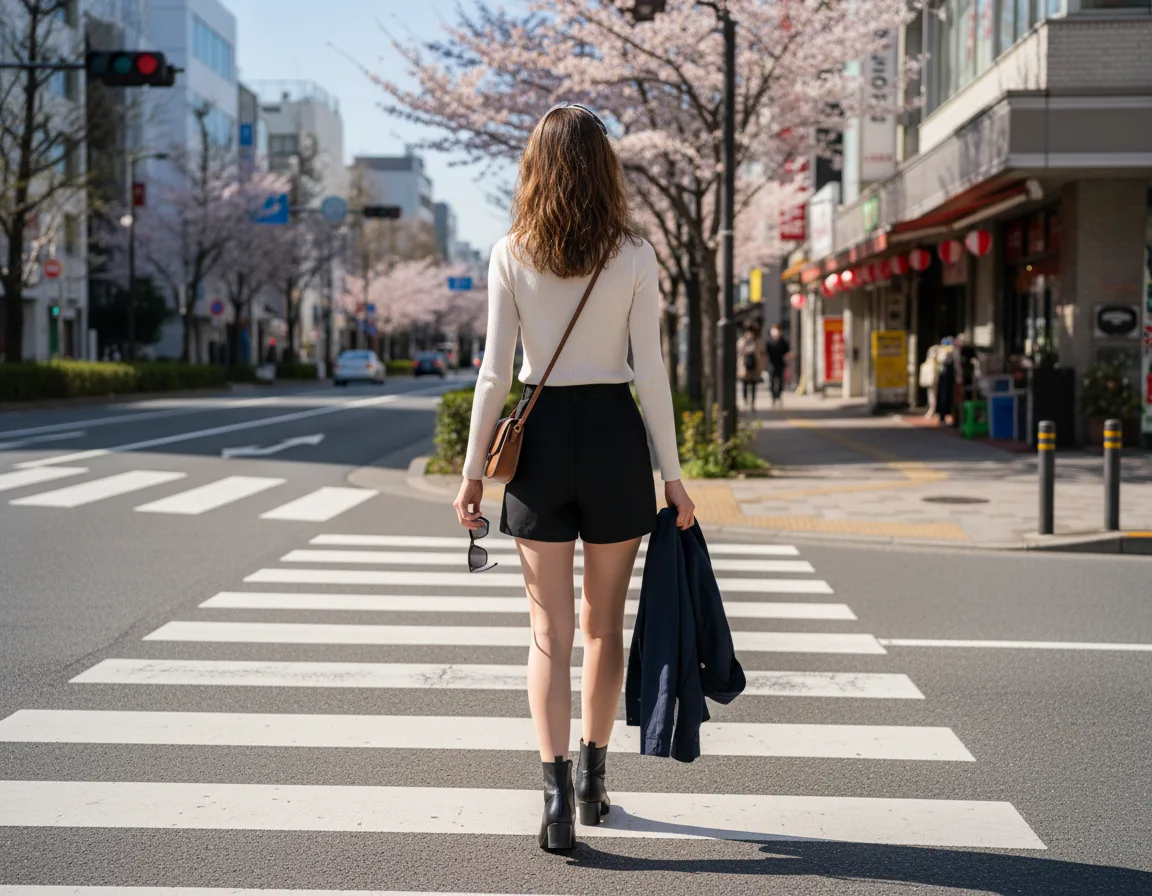
I did Osaka wrong the first time. I tried to cram in too many neighborhoods, ate in the wrong places near Dotonbori, and spent more time in line than I wanted to admit. The city is better when you keep it simple. For the best things to do in Osaka for first-timers, I’d do it as a food-and-neighborhood city with one castle stop, one market morning, one easy observation deck, and a night walk that doesn’t cost much.
This itinerary fits first-timers who want a real feel for Osaka without turning the trip into a checklist. It’s not for people chasing every famous photo spot or joining guided bus tours all day. The main thing that matters here is pacing: Osaka rewards short transit hops, cheap meals, and skipping anything with a ridiculous queue.
Quick Answer: For a first Osaka trip, I’d spend 2 to 3 days focused on Dotonbori and Namba, Osaka Castle, Kuromon Market, Shinsekai, and one Umeda view. Typical daily spend is about $55 to $110.
Day by Day

- My judgment: 2 to 3 days is enough for a first Osaka trip if you keep it focused.
- Best use of time: food markets, one castle stop, one view, and a night walk in Namba or Dotonbori.
- What I’d skip: long theme-park days, overpriced “food experiences,” and any stop that needs a 40-minute line.
- Typical daily spend: about $55 to $110 depending on where you sleep and how much you snack.
Day 1: Dotonbori, Namba, and the parts of Osaka that actually feel like Osaka
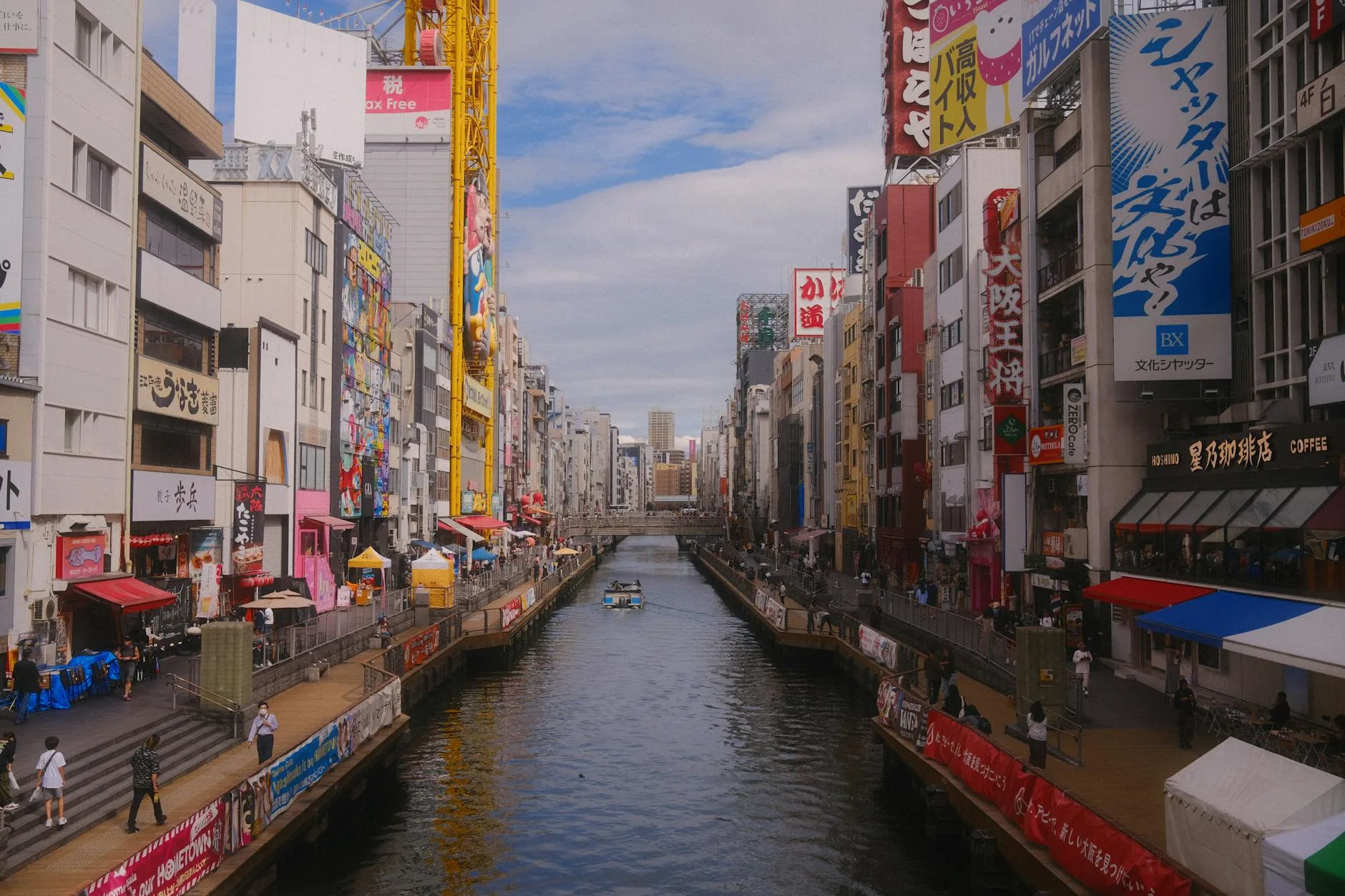
I’d start here because it’s the fastest way to understand the city’s rhythm. Not the neon itself. The movement. People eating while walking, trains arriving every few minutes, and side streets that calm down five minutes off the main drag. This day is worth it because it gives you the energy of Osaka without needing a packed schedule.
From most central hotels near Namba or Shinsaibashi, I’d walk first. If you’re staying near Namba Station, Dotonbori is about 10 to 15 minutes on foot. If you’re coming from Osaka Station, take the Osaka Metro Midosuji Line to Namba Station; it’s usually around 10 minutes on the train and costs roughly ¥240
Spend 45 minutes to 1 hour along the canal and the side streets. Don’t treat Dotonbori like a place to “explore” in the abstract. Treat it like a place to grab one thing, look around, and leave before the crowds get annoying. I paid about ¥800 for takoyaki at a small stand near the canal and another ¥1,000 for a quick drink and snack later. Fine, not great. The area is useful, but the famous strip is also a little overplayed.
After that, walk 15 minutes to Shinsaibashi-suji. This covered shopping street is better for first-timers than the photo-heavy canal area because it’s actually walkable and easy to reset in if the weather turns cool. I ducked into a drugstore there for water and snacks when the wind picked up, which sounds boring until you’ve been on your feet for three hours.
Best for: first-day orientation and casual food stops.
Skip if: you hate crowds and don’t care about the main Osaka postcard zone.
My pick: come here early afternoon, then come back at night for the lights if you want the classic scene without forcing it.
Meal stop: I’d eat around Namba, not on the brightest stretch of Dotonbori. I paid about ¥1,200 for okonomiyaki at a smaller place one block off the main canal, and it felt much less like a tourist tax. That’s the tradeoff here: the famous spots are easy to find, but the better value is usually one street away.
Day 1 running total: about $18 to $35 if you keep it simple, not counting your hotel.
Day 2: Osaka Castle, a cheap lunch, and one market that’s worth the detour
I’d do Osaka Castle early, but not because it’s the most exciting thing in the city. It isn’t. I’d go because the grounds give you a clean, easy morning and the castle is one of the few major sights here that doesn’t require a lot of mental energy. If you’re short on days, this is the one “historic” stop I’d keep.
From Namba, take the Osaka Metro Midosuji Line to Hommachi, then transfer to the Chuo Line to Tanimachi 4-chome. Total travel time is usually about 20 to 25 minutes and costs around ¥240. From there, it’s another 10 to 15 minutes on foot depending on which entrance you use. I arrived around 9:15 a.m. and the morning was cool enough that I kept my cardigan on until I got moving. That mattered more than I expected.
Walk the grounds first, then decide if you want to go inside the castle museum. I think the exterior and park are the stronger part. The museum entrance has a fee of around ¥600, and the inside feels more informational than atmospheric. Worth it only if you care about the history or want the observation deck views. If you’re here for a short trip and already have another tower or skyline stop planned, I’d skip the inside and keep walking.
After the castle, take the same line back toward the city center and head to Kuromon Market for lunch. From Osaka Castle area, budget about 20 minutes by train plus a 5-minute walk. Kuromon is useful because you can eat without sitting down for a full meal, which is exactly what I wanted after a morning of walking. I paid about ¥1,500 for grilled scallops and a sushi set from separate stalls, and that felt fair. The market is busy, yes, but it’s still a better use of time than a guided food tour with a fixed route and inflated prices.
Kuromon is not cheap-cheap, and I don’t pretend it is. But it’s still better value than the most obvious Dotonbori snack spots, especially if you want lunch to be your meal and not just a snack.
Best for: first-timers who want one historical stop and a reliable lunch.
Skip if: you’re already tired of castle museums or you prefer quiet parks over big-city sightseeing.
My pick: do the grounds, eat at Kuromon, and leave the museum for people who genuinely like castle interiors.
Day 2 running total: about $20 to $40 before dinner, depending on whether you go inside the castle and how hard you snack at the market.
Day 3: Shinsekai, Tsutenkaku, and the old-school side of the city
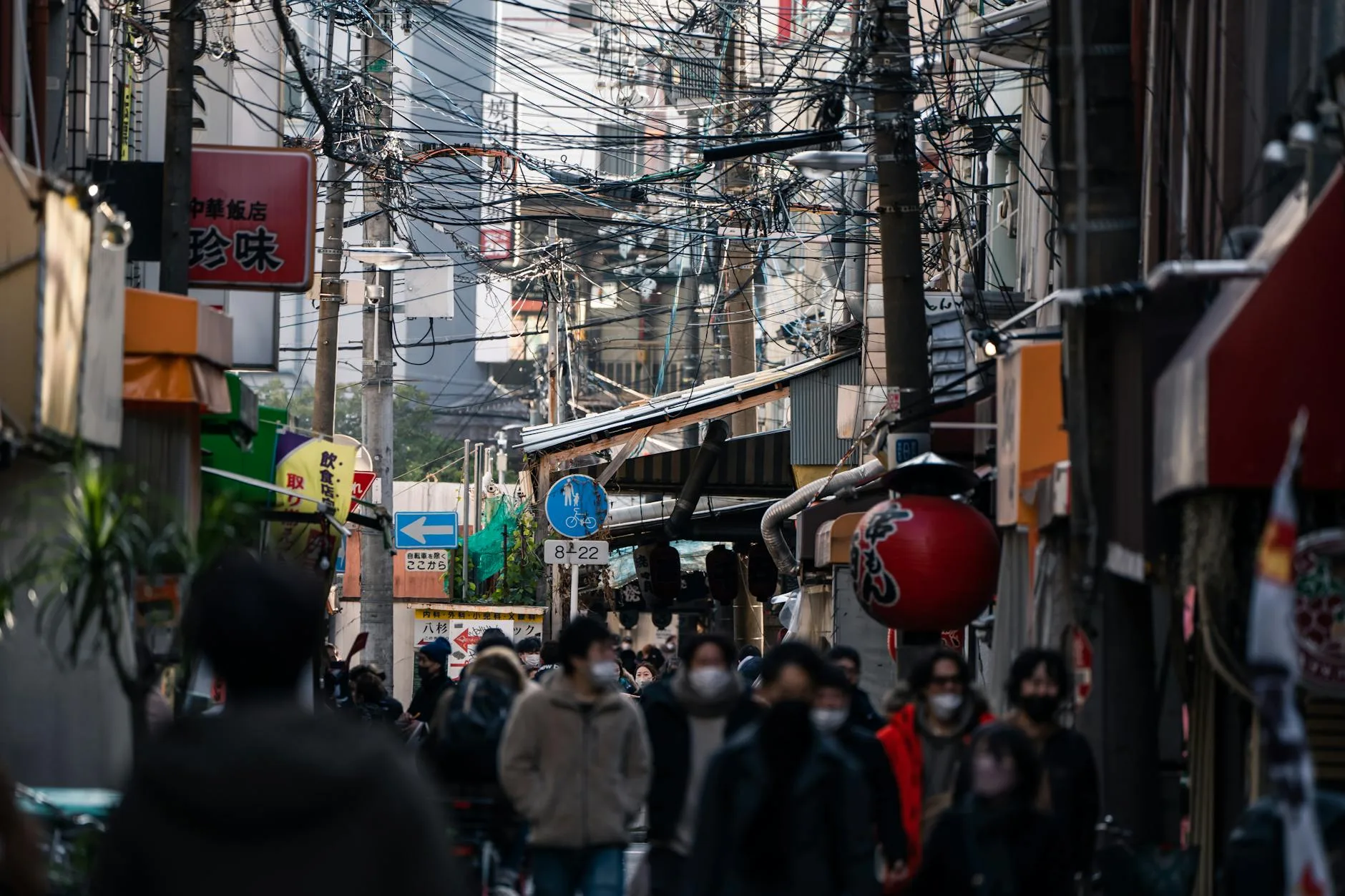
This is the day I’d add if you have three full days. Shinsekai is not polished, and that’s why I think it works. It has less of the shiny, overproduced feel that some first-timers expect from Osaka, and it gives you a different texture without needing much planning. If you only have two days, this is the first day I’d cut.
From Namba, take the Osaka Metro Midosuji Line to Dobutsuen-mae. It’s around 5 minutes and about ¥190
I’d start with a slow walk through the area, then decide if Tsutenkaku is worth your time. The tower entry is usually around ¥1,000 to ¥1,200 depending on what floor or add-on you choose, and I’m going to be blunt: the view is fine, not life-changing. If you’ve already done an observation deck elsewhere in Japan, you can skip it without guilt. The neighborhood itself is the point. The tower is the prop.
Lunch here is where the day pays off. I grabbed kushikatsu for about ¥1,300 at a small place that didn’t pretend to be trendy, and that was the right move. The rule here is simple: don’t overpay for a place with neon and a long English menu if there’s a quieter counter two doors down. The food in Shinsekai is the whole reason to come, not the tower ticket.
Meal stop: I’d eat kushikatsu here, not in Dotonbori. It’s cheaper, less theatrical, and the neighborhood makes more sense for it. Best for: travelers who want a slightly rougher, more local-feeling Osaka day. Skip if: you only want polished sightseeing and don’t like areas that feel a little rough around the edges. My pick: come here for lunch and an hour or two, then move on before the street-food novelty wears off.
Day 3 running total: about $15 to $30, depending on whether you go up Tsutenkaku and how many skewers you order.
Day 4: Umeda for the view, then back to the stations and food you’ll actually use
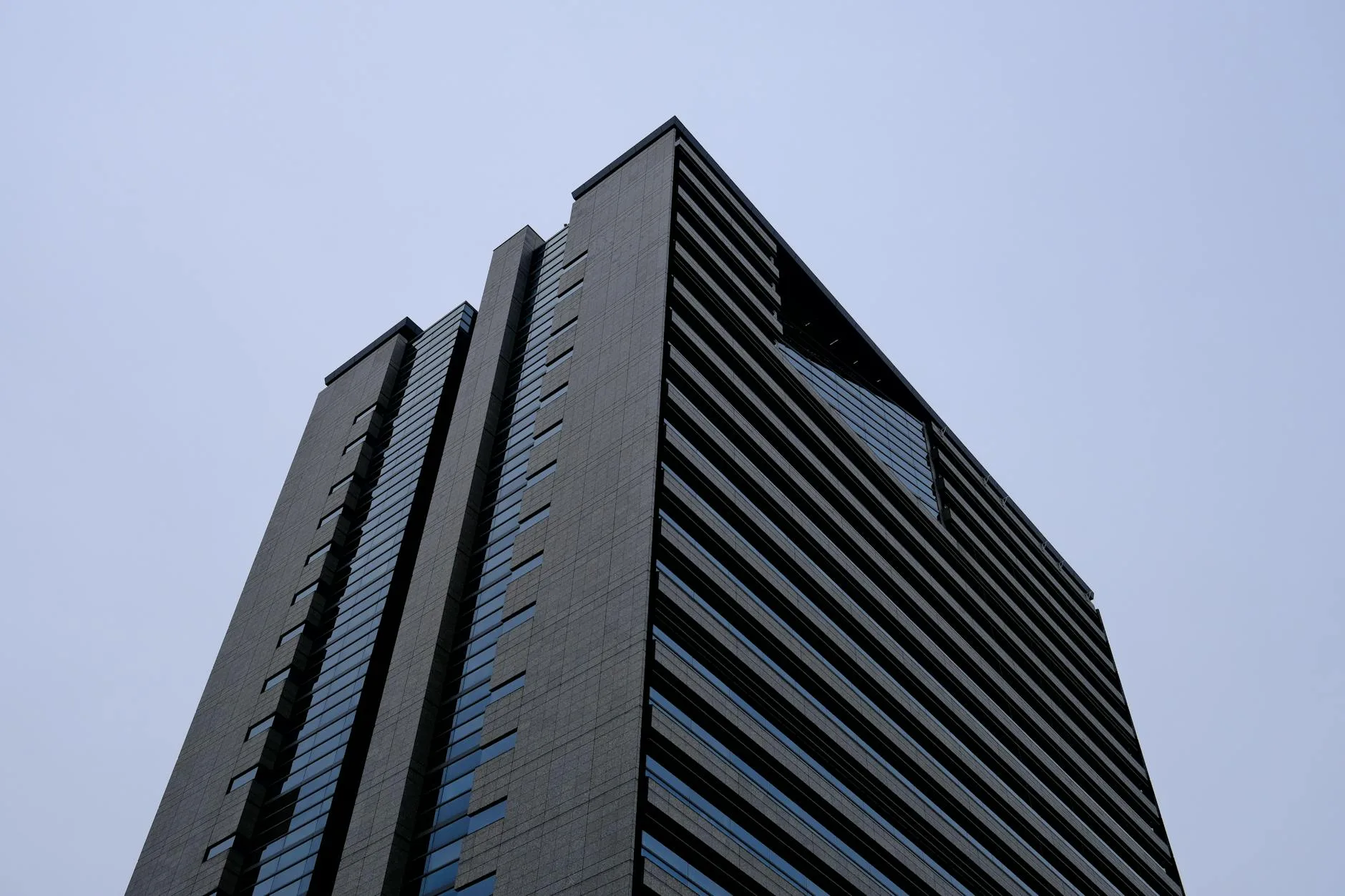
I’d use Umeda as a half-day, not a full-day project. It’s the practical side of Osaka: big station, shopping, easy connections, and one view if you want it. This is where I’d go when I need a cleaner ending to the trip, especially if I’m leaving by train later that day. The area is efficient but not charming. That’s the honest version.
From Namba, take the Osaka Metro Midosuji Line to Umeda. It takes about 10 minutes and costs around ¥240. If you’re staying near Osaka Station, this is even easier. I walked from the station area to Grand Front Osaka with my bag after check-out, and the whole thing felt like a city built for people who want to move without thinking too much.
The main sight here is the Umeda Sky Building if you want a skyline view. Entry is usually around ¥1,500, and I’d do it only if the weather is clear enough to justify the ticket. On a partly cloudy day, I think it’s still fine, but I wouldn’t go out of my way for it if you’re already on a budget. Better for people who like city views and don’t mind paying for them. Skip if you’re trying to keep this trip low-cost or if you already did a tower in another Japanese city recently.
After that, I’d eat in the station area instead of wandering for something “better.” Osaka Station and the surrounding malls have plenty of decent lunch options for about ¥900 to ¥1,500. I had a curry set in a basement food hall for about ¥1,100, and it solved the exact problem I had: I was tired, I was slightly over the sightseeing part of the trip, and I needed food fast. That’s where Umeda wins. It’s not memorable. It’s useful. There’s a difference.
Best for: travelers ending their trip by train or anyone who wants one easy skyline stop.
Skip if: you’d rather spend your money on food than observation decks.
My pick: use Umeda as a logistics day with one view, not as a sightseeing marathon.
Day 4 running total: about $18 to $35 if you skip the tower, or closer to $35 to $50 if you go up.
Cost Breakdown
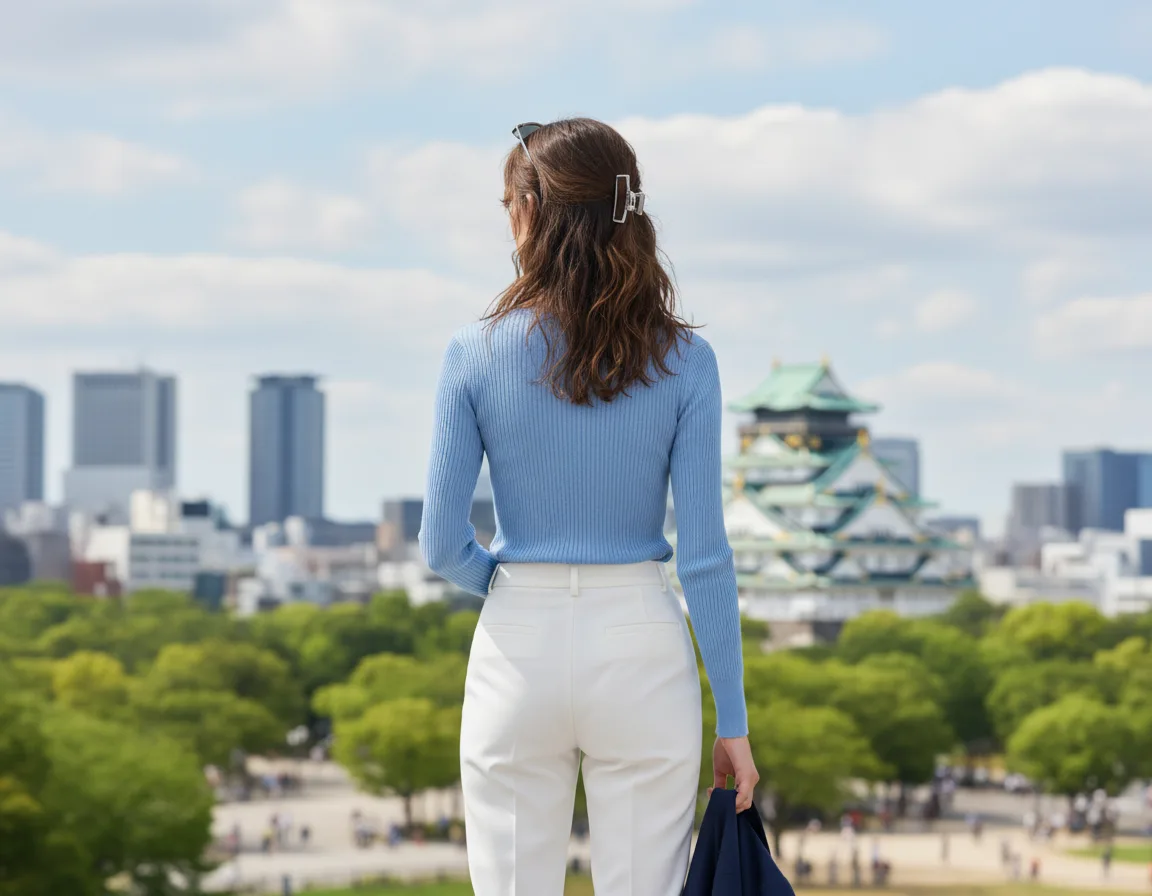
My first Osaka night was messy in a very ordinary way. I followed the obvious crowd into the brightest part of Dotonbori, paid too much for a snack I didn’t even finish, and stood in line for a place I saw on social media because I thought that was the point of being in the city. It wasn’t. The better night came later, when I left the main strip, walked toward Namba after 9 p.m., and found a tiny counter selling hot skewers and beer to local office workers who looked like they had zero interest in posing for anyone.
That was the turning point for me. Osaka made more sense when I stopped treating it like a photo hunt. I spent about ¥700 on a simple drink and snack, sat for 20 minutes, and watched the city move around me instead of trying to beat it. That’s the version I’d tell a first-timer to choose.
Best for: people who want a city trip that feels lived-in, not staged.
Skip if: you need every stop to feel iconic.
My pick: leave room for one unplanned night walk, because the city gets better when you stop chasing the obvious version of it.
Rough daily estimates from my own trip. Prices shift by season.
See all Osaka hotels on Agoda if you want to compare Namba, Shinsaibashi, and Umeda side by side before you book. The station area saves time, but Namba is better if you care more about nighttime food and walking than about a clean hotel commute.
For a deeper look at stay in osaka with kids, I covered this in my Where To Stay In Osaka With Kids.
I compared the options in How Many Days In Osaka Do You Really Need — useful if you haven’t booked yet.
For a deeper look at osaka mistakes to avoid, I covered this in my Osaka Mistakes To Avoid.
For a deeper look at osaka tourist scams to avoid 2026, I covered this in my Osaka Tourist Scams To Avoid 2026.
I compared the options in Osaka Travel Tips First Time — useful if you haven’t booked yet.
Transport Tips
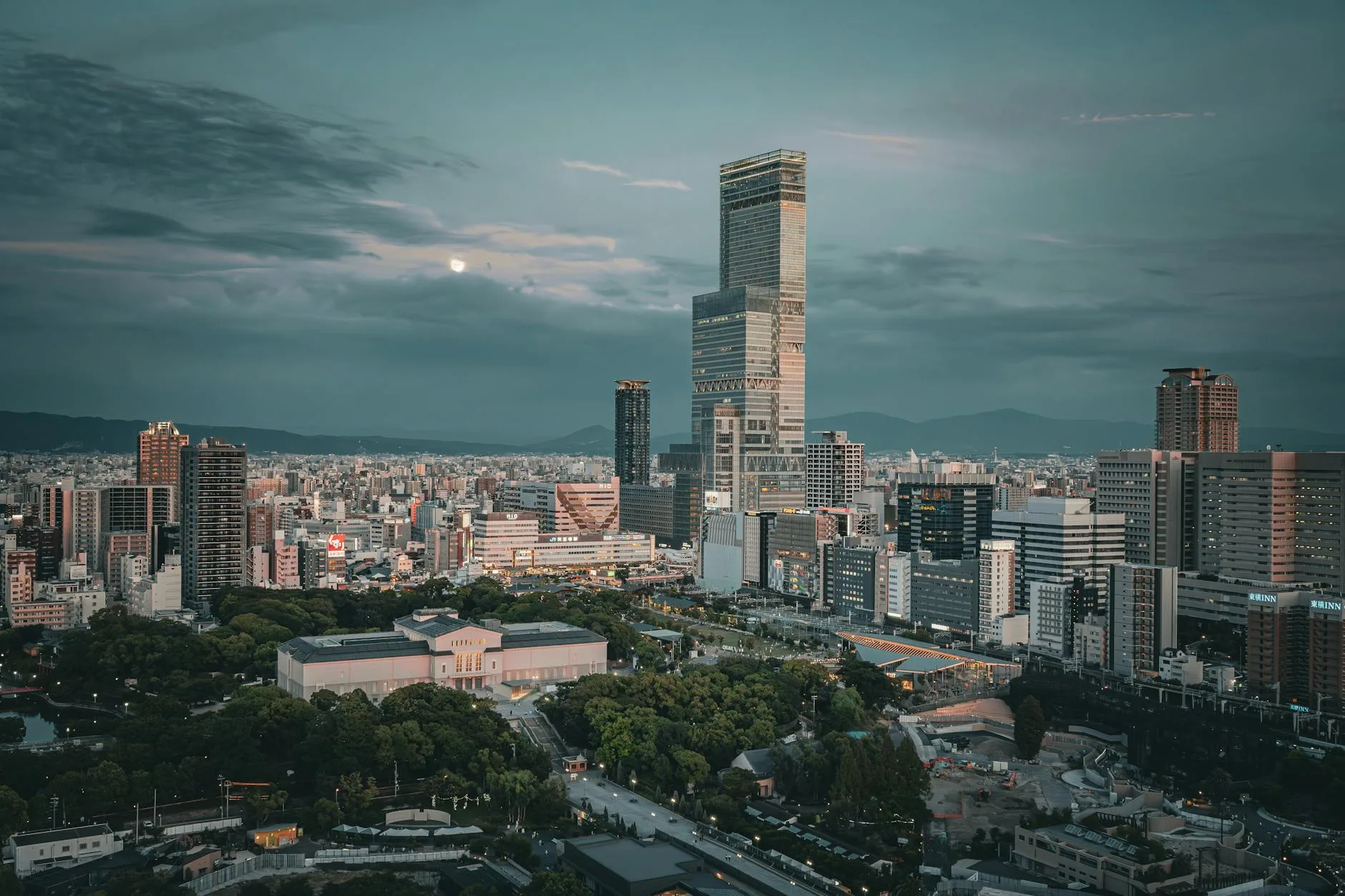
I’d book a hotel closer to Namba instead of trying to split the difference between Namba and Umeda. I saved a little, but I lost time crossing the city at night, and that math never really works out. I’d also skip one of the famous snack stops in Dotonbori and put that money toward a better sit-down meal off the main street.
I’d also keep one afternoon open. Osaka is better when it has a little slack in it. I know that sounds annoyingly simple, but it’s true. The city feels less like a list and more like a place once you stop filling every hour.
Where I’d Actually Stay in Osaka

POLA INN DOTONBORI EAST
Osaka
★★★★☆
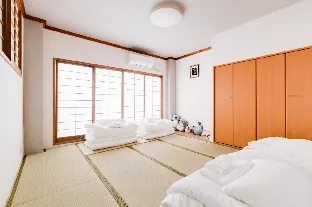
LW-DOTONBORI Shinsaibashi 300m, 3 mins Nippombashi
Osaka
★★★★☆
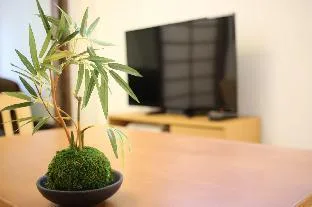
5 ms walk2 Shinsaibashi/Dotonbori/11 ppls
Osaka
★★★★☆
For Osaka I used Agoda — they had the best rate for my dates.
I pre-booked on Klook the night before — skipped the entire ticket line.
Yes, if you like cities that reward eating well, moving efficiently, and not overplanning every minute. I think Osaka works best when it’s part food trip, part neighborhood trip, with one or two major sights layered in. It’s not the place I’d choose for slow temple wandering or long museum days. It is the place I’d choose if I wanted to eat well, walk a lot, and not waste half my day in transit.
Best for: first-time visitors who want a compact Osaka itinerary built around food, easy trains, and a few strong neighborhoods. Skip if: you want quiet sightseeing, endless landmark-hopping, or anything that needs long queues to feel “worth it.” Next time: I’d stay one extra night and use it for a slower dinner crawl instead of squeezing Umeda into the same day as check-out.
FAQ
Can I do Osaka in one day?
Yes, but I’d keep it brutally simple: Dotonbori, one lunch stop, Osaka Castle grounds, then back to Namba for dinner. If you try to add too much, the day turns into train stations and regret. One day is enough to get a taste, not enough to feel settled.
Is Namba better than Umeda for a first stay?
I’d pick Namba if you want better food access and easier night walking. Umeda is cleaner and more practical for train connections, but it’s less fun after dark. If you’re only in Osaka for a short trip, Namba gives you more value for the same money.
Do I need to visit Osaka Castle from the inside?
No, not unless you really care about the museum or want the view from the top floor. I found the grounds more useful than the interior, and the ticket felt optional. If your time is tight, the outside is enough.
What should I skip if I only have two days?
I’d skip Tsutenkaku and the castle museum before I’d skip Dotonbori or Kuromon Market. The tower is fine, but it doesn’t change the trip. Two days should go to food, one major sight, and one neighborhood walk, not to extra tickets.
Is Osaka expensive for a short trip?
It doesn’t have to be. I spent a lot less on food and transit than I expected, and the city is easy to handle on a mid-range budget if you avoid the most obvious tourist restaurants. The main cost jump comes from hotel location, not from the daily sightseeing itself.
 Emma Hayes