
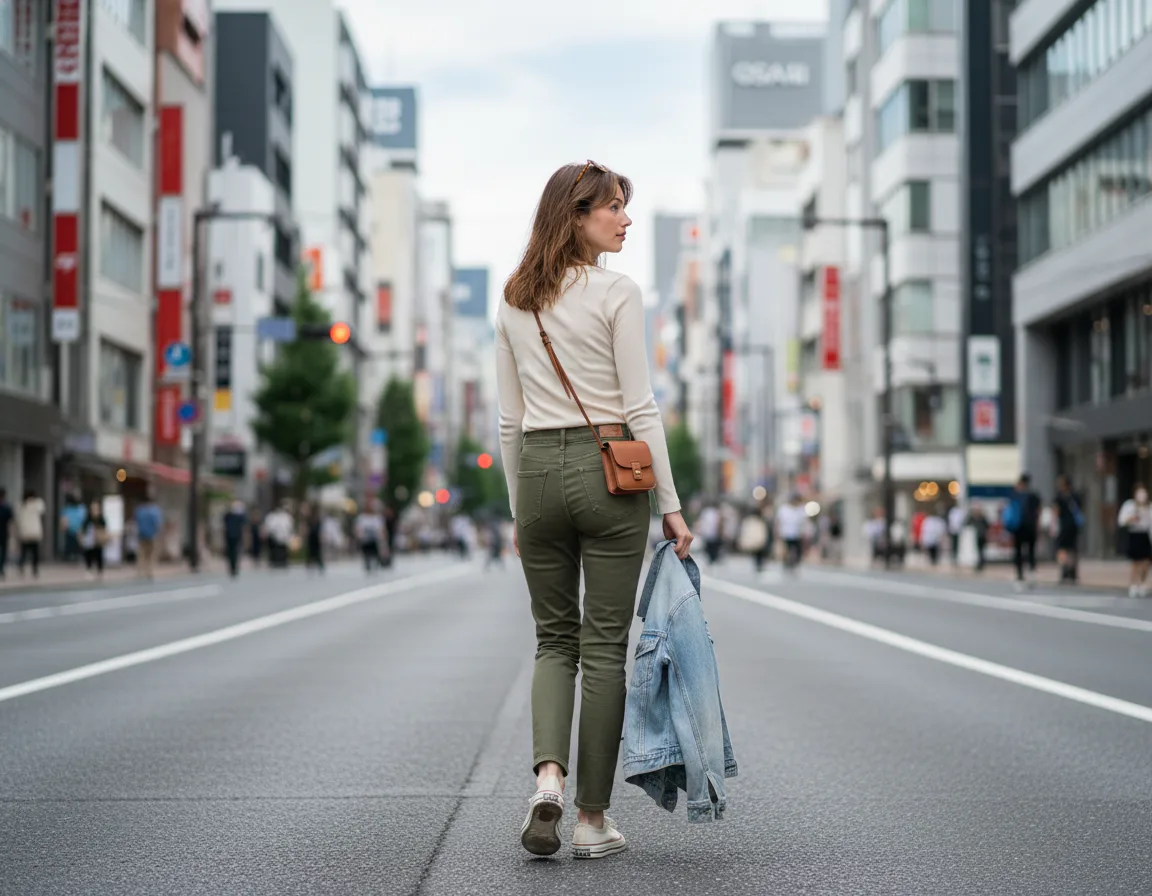
3 nights: that’s how long I stayed in Osaka before I knew which side of the city I’d book again. I split my time between Namba and Umeda, carried my jacket in hand because the weather sat around 10–20°C, and kept noticing the same thing: one area made my evenings easier, the other made my mornings cleaner. If you’re deciding on the best area to stay in osaka namba vs umeda, I’d stay in Namba first, unless my trip is built around train logistics and day trips. Then Umeda starts making more sense.
Namba is the better answer for most first-timers who want food, nightlife, and easy wandering after dark. Umeda is better if your Osaka stay is mostly a transit base and you care more about trains than atmosphere. The real question isn’t which district is “nicer.” It’s how much convenience you want to pay for, and what you’re willing to give up to get it.
Quick answer: Namba is my pick for most travelers because it’s better for food, nightlife, and walking around after dark. Umeda is the smarter choice if you’re doing lots of train travel or day trips. I paid $92/night in Namba and around $108/night in Umeda.
Namba: the better base for food, nights out, and first-timers
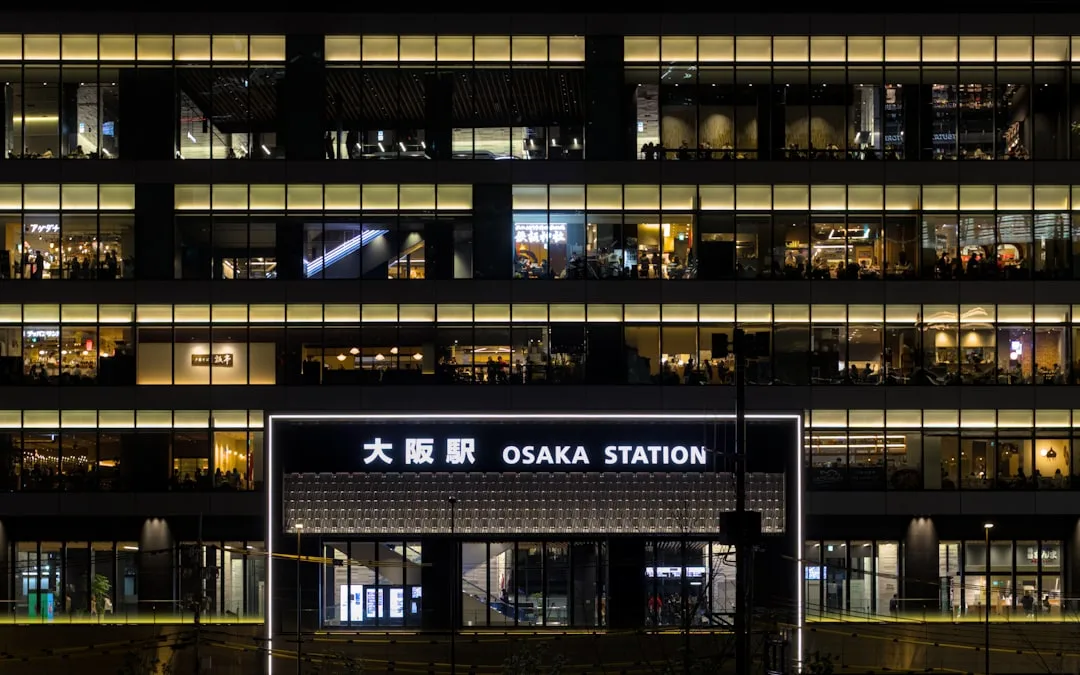
Verdict: Namba is my pick for most travelers.
I had Namba and Umeda in front of me, and I went with Namba because I knew I’d be out late eating and walking. The last train math mattered, but so did the simple stuff: I could leave my room, grab takoyaki, and be back without treating it like a mission. That matters more than people admit.
Best for: first-time visitors, solo travelers, people who want a lively base, and anyone who likes walking to dinner instead of planning every meal. Skip if: you want a quiet sleep, a sleek business-hotel feel, or you’re in Osaka mainly as a transit hub. Main tradeoff: Namba is busier and a little rougher around the edges, but it gives you more useful streets per dollar.
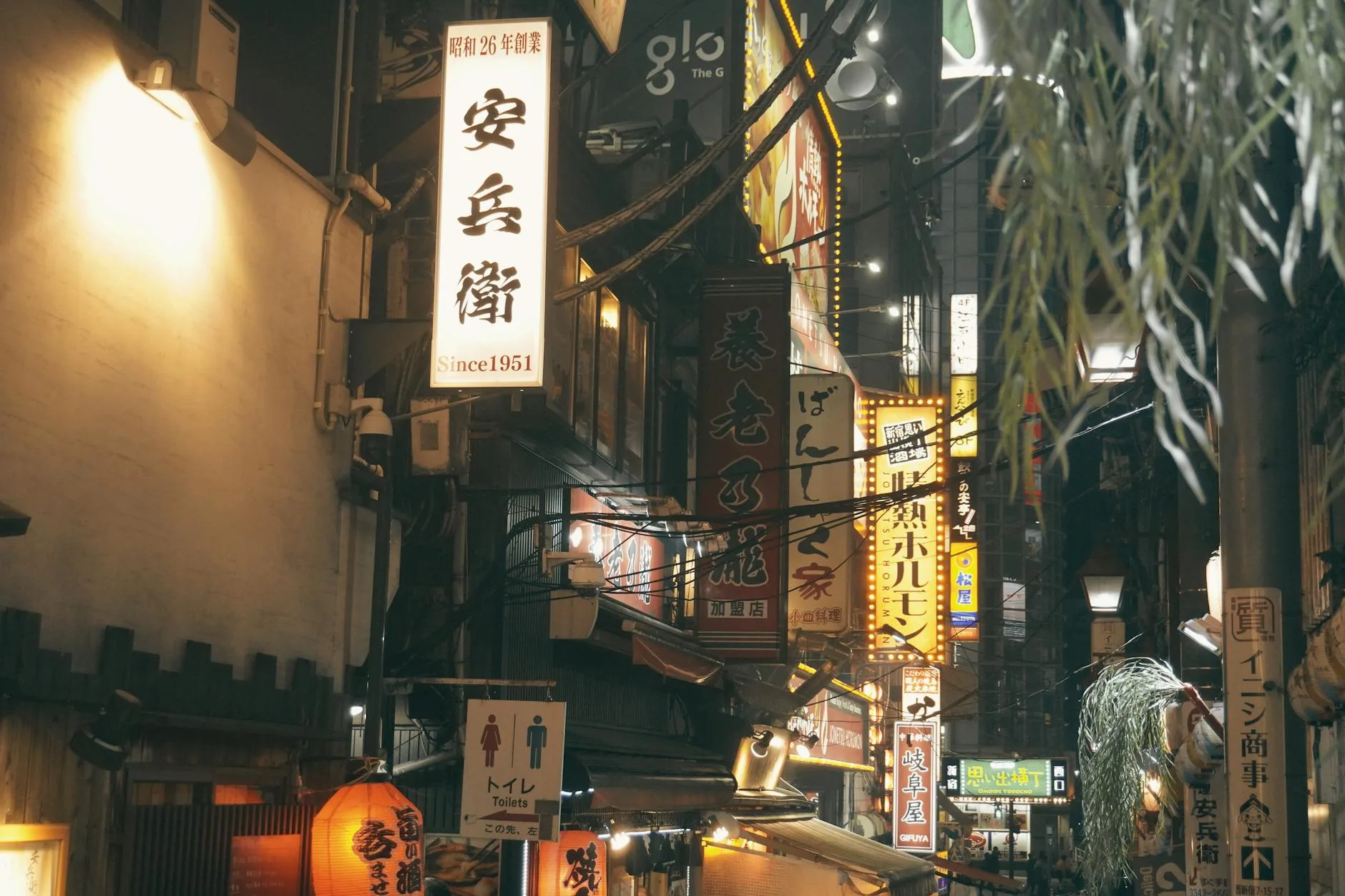
I paid $92/night for a clean midrange hotel near Namba Station, and that rate felt fair because I used the area constantly. My nights were easy. I ate a quick bowl of udon for about ¥700, bought a bottled tea at FamilyMart, and still had energy to wander past Dotonbori after dark. No, I did not love the crowds there, but I liked being able to cut away from the main strip in two minutes and find quieter side streets.
The other thing Namba does better is dinner flexibility. Osaka is a city where a “quick bite” often becomes three stops, and Namba handles that well. I could walk to Kuromon Market in the morning, grab a late ramen near Sennichimae, and still have cheap convenience store options if I got back too tired to think. That’s real value. Not fancy. Just useful.
I expected Dotonbori to feel fun in a harmless, touristy way. It was louder and more chaotic than I expected, and honestly kind of exhausting after 30 minutes. Still, I’d rather stay near it than commute into it at night, because the whole point is being able to dip in, eat, and leave before it turns into a photo line.
Location consequence: staying in Namba usually means a slightly less direct ride to Kyoto Station than Umeda, but it saves you time when you’re going out for dinner, drinks, or late-night convenience store runs. If your evenings matter more than your transfer diagram, Namba wins. If not, you’ll probably prefer the other side of the city.
Worth it if: you want Osaka to feel easy without needing a taxi.
See all Osaka hotels on Agoda and filter by Namba first if nightlife and food are your priorities.
Umeda: the smarter choice for trains and smoother logistics
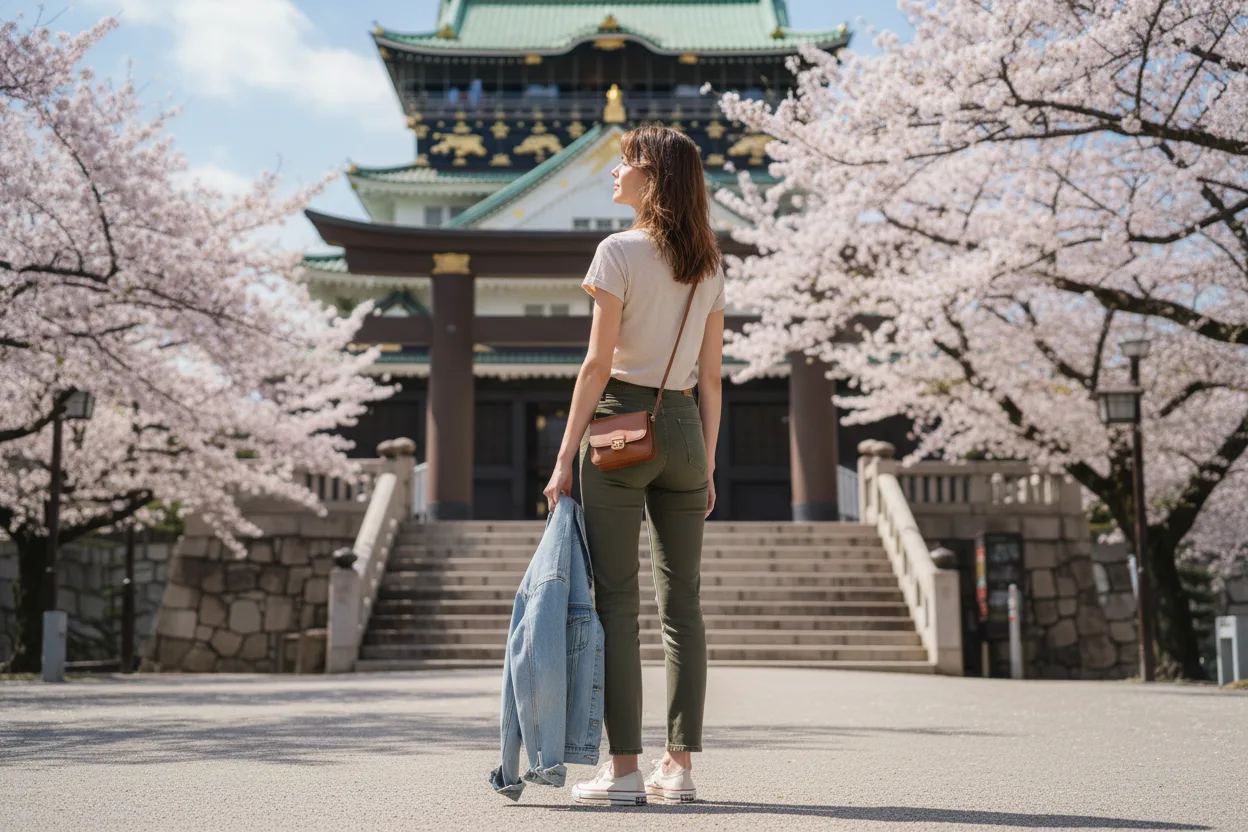
Verdict: Umeda is the better logistics base, not the more fun one.
Umeda won only when I looked at my actual schedule. I had a day trip lined up, and the station area made the whole morning feel cleaner. If I had been moving luggage early, catching multiple trains, or bouncing to Kyoto more than once, I’d have liked Umeda more. It’s the practical choice. Just not the one I’d pick for atmosphere.
Best for: travelers doing multiple day trips, people arriving late and leaving early, business-style stays, and anyone who wants the easiest rail connections. Skip if: you want your neighborhood to do some of the entertaining for you. Main tradeoff: Umeda is more orderly and more connected, but I found myself walking farther for the kind of casual dinner options that Namba hands you on a plate.
I paid around $108/night for a hotel near Umeda, and the room itself was fine — clean, quiet, no drama. I slept better there than I did in Namba, probably because the streets felt less hectic after midnight. But I also noticed I kept heading back toward Namba for food, which told me enough. If I’m crossing town for dinner, the base is doing less work than it should.
The station area is the whole point here. Umeda links into JR, subway, and private rail lines in a way that makes early departures less annoying. I left with a backpack, a light jacket, and sunglasses in hand on a partly cloudy morning, and getting to the platform felt straightforward instead of rushed. That matters when your trip includes Kyoto, Nara, or an airport run. It’s efficient in a way that saves energy, not just minutes.
But Umeda doesn’t give me the same payoff at street level. I found it cleaner and more businesslike, which is good if you like that. I don’t, at least not for a short Osaka stay. It’s useful but not memorable, and that’s exactly the problem if you only have a few nights.
Budget-wise: I’d expect Umeda to cost about $10–$25 more per night than a similar room in Namba if you want a hotel right by the station. That difference is worth it only if you’re genuinely using the train network hard.
Namba vs Umeda for getting around Osaka

Verdict: Namba is easier for wandering; Umeda is easier for moving.
This is where the decision gets clean. Namba gives you better walkability for eating and exploring on foot. Umeda gives you better transit efficiency. Those are not the same thing, and I think people mix them up because both areas feel central.
Best for: Namba if you want to walk to dinner, bars, and convenience stores without checking a map every ten minutes. Best for: Umeda if your trip is built around rail time, luggage, or early departures. Skip if: you’re expecting either area to behave like a quiet neighborhood. Both can feel busy, just in different ways.
I made one mistake here on my first Osaka day: I assumed being “near the station” would solve everything. It didn’t. I booked too close to a major interchange once in another city and spent 25 minutes every night dodging foot traffic and signage that all looked the same. In Osaka, that same mistake would’ve cost me sleep and patience. Now I’d pay a bit more to be near the station in Umeda only if I had two or more day trips planned, not just one.
Location consequence: if you stay in Umeda, expect about 20–30 minutes to get back into the thick of Namba for late food and nightlife. If you stay in Namba, expect a cleaner evening routine but slightly less effortless access to some train routes. That’s the actual swap.
The one night I was glad I didn’t stay in the wrong place
Verdict: this is why I’d still choose Namba for a short trip.
See current Osaka hotel prices on Agoda →
Where I’d Actually Stay in Osaka

Namba Oriental Hotel
Osaka
★★★★☆

Holiday Inn Osaka Namba by IHG
Osaka
★★★★☆

Dormy Inn Premium Namba Natural Hot Spring
Osaka
★★★★☆
 Emma Hayes