
This post contains affiliate links. If you purchase through these links, I earn a small commission at no extra cost to you. I only recommend products I actually use and have tested across multiple trips.
I used to pack three pairs of shoes for a two-week trip and still end up limping by day four. The mistake wasn’t bringing too many shoes — it was bringing the wrong ones and telling myself I’d rotate smartly. I didn’t rotate smartly. I rotated desperately, switching between pairs trying to find the one that hurt less. The Skechers GoWalk 6 gave me a hotspot by kilometer 8 in Lisbon. The Nike Air Zoom Pegasus 40 cost me $130 and I left them in an Airbnb in Seville because I couldn’t face carrying them home. A $28 canvas sneaker from a fast fashion brand lasted exactly one day in Rome before the insole went flat and I was counting benches. Before I found the right shoe: blisters on the right heel by day two, a trashed pair of sneakers after one trip, and a lot of mid-walk regret. After: one pair, 18 months, 10 countries, never reached for a backup. If you’re trying to survive a 20,000-step European day without your feet staging a protest, that’s the whole story.
The Short Answer
Fast version: the Allbirds Women’s Tree Runners were the only pair I tested that handled serious all-day walking and still looked clean enough for a nicer dinner. I wore them for 18 months across 10 countries — humid summer cities, shoulder season cobblestones, long-haul flights where my feet arrived puffy and unhappy — and they kept showing up. They are worth it if you want one pair to carry most of the trip.
They are not magic. They are skip it if you need waterproof shoes for heavy rain, because puddles get in fast and they don’t pretend otherwise. For dry-to-mild conditions, or cities where you’re on your feet from breakfast to late evening, they’re the pair I’d pack first. I paid around $98 to $120 when I bought mine. For that range, on a per-wear basis, they made more sense than anything else I tried — because I actually kept choosing them instead of leaving them in the bag.
My quick take: if your travel style is “walk all day, pack light, no drama,” the Tree Runners are worth it. If your version of Europe means winter slush, nonstop rain, or cobblestones in bad weather, I’d want a different shoe. They’re built for comfort and endurance, not weather protection.
What I Actually Wore Across Europe and Beyond
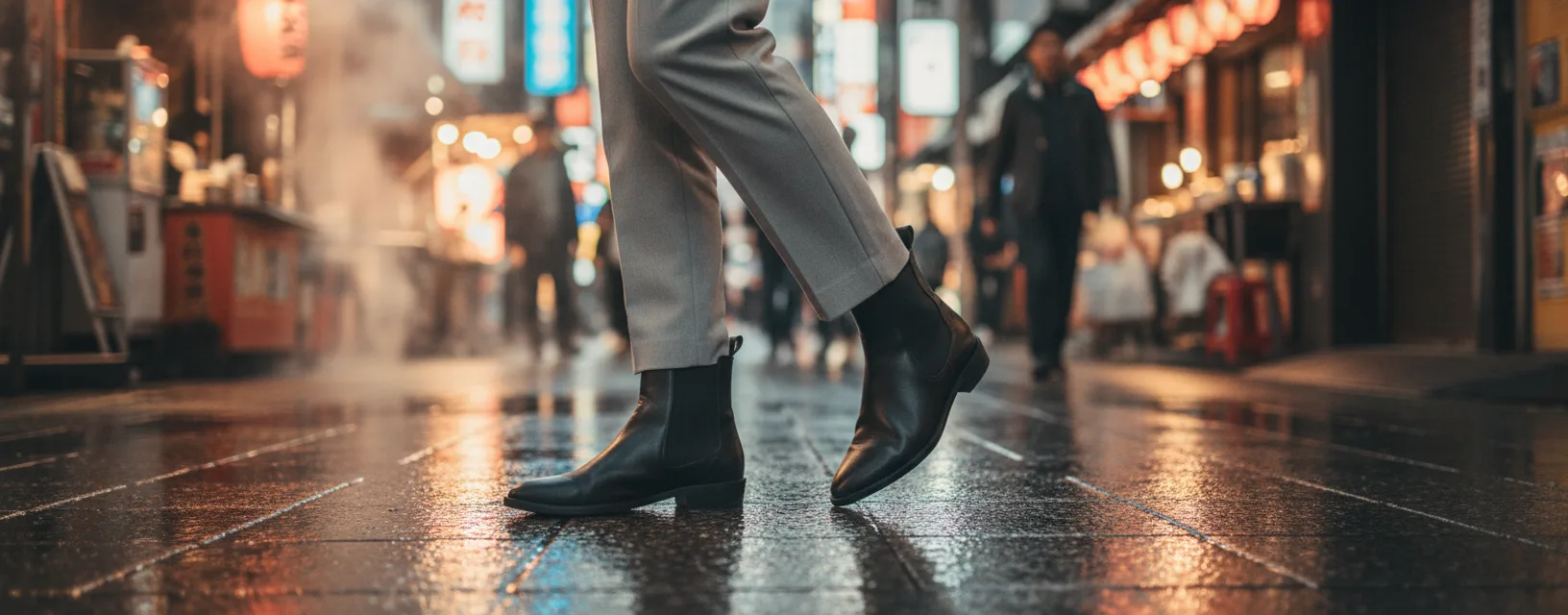
Allbirds Women’s Tree Runners were the pair I tested hardest, and the test that settled it was Kyoto on day two: 22,000 steps, mostly on pavement and packed gravel paths between temple complexes, wearing a brand-new pair straight out of the box — no break-in miles, no softening them up first. Zero hotspots at the end of that day. That’s the specific thing I needed to know, because day two is when bad shoes find you. Every pair I’d tried before had something to say by the 10,000-step mark: a friction point at the heel, a compressed insole, a seam that suddenly had opinions. The Tree Runners didn’t. I also wore them straight off a 12-hour flight from New York into central Tokyo — feet already swollen from the flight, not in the mood for shoes that needed warming up — and they were fine from the first block. No break-in period is the testable claim, and it held across the entire 18 months.
A few specifics worth knowing that I didn’t see in any review before I bought them: the toe box runs slightly roomy, which is a gift on a long walking day when your feet swell by afternoon but would feel sloppy if you’re between sizes and size down. The eucalyptus fiber upper picks up dust and light scuffs but releases them cleanly in the washing machine — I washed mine on a cold gentle cycle in a mesh laundry bag after a muddy afternoon in the Arashiyama bamboo grove and they came out looking reasonable again. After 40 days of consistent wear, the toe crease area showed a faint compression line but no structural breakdown and zero pilling on the upper. The laces loosen slightly over a full day of walking — by hour eight I was typically tightening them once — which is a minor thing but worth knowing if you’re the type who notices. On cobblestone streets specifically, the sole flexibility worked in my favor: the shoe moved with my foot rather than fighting the uneven surface, which I think is a big part of why I didn’t end the day with that specific calf fatigue that rigid soles cause on old European streets.
The other detail that mattered: they held up visually through a full week in Tokyo before needing a wash. Station stairs, sidewalks, a rainy afternoon that left light mud on the sides — machine wash, looked reasonable again. When a single pair has to cover walking all day and sitting down somewhere decent at night, it helps that they don’t look like gym shoes by Tuesday. I wore them to a mid-range restaurant in Shinjuku on day five without feeling underdressed. That kind of quiet versatility is the whole point of a carry-on-only shoe. At $98 to $120, the cost per wear over 18 months and 10 countries was the best math I’ve had on any travel shoe.
What it won’t do: keep your feet dry in heavy rain. This is the honest limit. Puddles get in, the mesh soaks through, and I learned that not in some graceful way but by stepping off a curb in Amsterdam during a surprise downpour and spending the next two hours in wet socks. If your itinerary involves northern Europe in November or a week of forecast rain, these are not your rain shoes. They’re your everything-else shoes.
In humid summer heat, they were easier to wear all day than anything with a heavier upper — my feet stayed comfortable through the kind of August city walking where most shoes start to feel like punishment by noon. In mild winters, they worked fine for transit-heavy days and indoor city time, but I wouldn’t push them as a cold-weather sole solution on wet streets. On long-haul flights, they slipped on and off easily and didn’t make my feet feel trapped after hour ten. That last part matters more than people think. Landing tired and walking 40 minutes to your accommodation is not when you want shoes starting a fight. Verdict: worth it for flight-to-city days.
What Didn’t Make the Cut
Three specific shoes I tried before landing on the Tree Runners, all of which cost me something beyond just money:
Skechers GoWalk 6. I bought these for around $65 thinking the cushioning would carry me through long days. It did not. By kilometer 8 on day two in Lisbon, I had a hotspot on the outer edge of my right foot that turned into a proper blister by evening. I spent the next two days rotating that foot to avoid pressure while walking, which is not a strategy, it’s just limping politely. The cushioning felt good in the store and fell apart on actual streets — the foam compressed noticeably by day three and never bounced back. I wore them on exactly one more trip before retiring them. Roughly $65 and two days of reduced mobility in one of the best walking cities in Europe. Skip it for all-day European walking.
Nike Air Zoom Pegasus 40. Good running shoe. Wrong shoe for city travel. I paid around $130 and brought them on a shoulder-season trip through Portugal and Spain thinking the cushioning would translate. The problem was bulk — they took up almost half my carry-on, they looked visibly athletic every time I tried to wear them somewhere that wasn’t a trail, and by day four my calves were tired in a way that I eventually traced back to the heel-to-toe drop being designed for forward running motion, not the stop-start shuffle of city sightseeing. I also got a friction point on the back of my left heel that showed up around the 14,000-step mark every single day without fail. I left them at an Airbnb in Seville because I didn’t want to carry them home. That’s $130 abandoned in Andalusia. Skip it as a city walking shoe.
A $28 canvas sneaker from a fast fashion brand that I won’t name because honestly it was my own fault for trying. I bought them as a backup pair for a summer trip to Rome thinking I’d rotate to save the Tree Runners. By the end of day one — roughly 16,000 steps across the centro storico — the insole had compressed to nearly flat and I had a friction mark on my right pinky toe that I can still identify in photos from that trip. The sole separated slightly at the toe by day three. I threw them in a bin outside the Pantheon. $28 wasted plus one genuinely miserable afternoon where I was counting steps to the next bench instead of looking at anything. Skip it.
How It All Fits Together
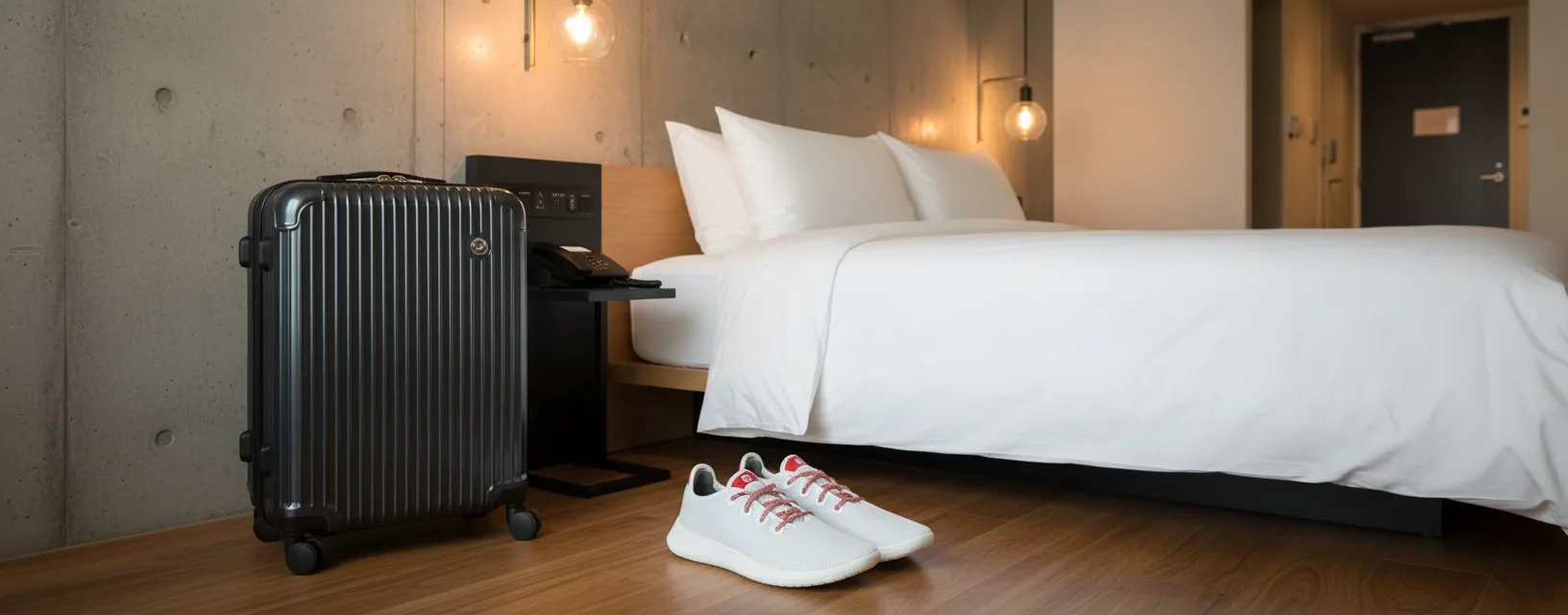
For a real carry-on setup, the math is simple: one walking shoe that can handle the bulk of the trip, and a backup only if the weather genuinely demands it. The Tree Runners are my main shoe for dry cities, airport days, and any trip where I’m on my feet from morning until late evening. They’re not bulky, they don’t dominate the bag, and they don’t need a transition period between the plane and the pavement. I’ve done carry-on-only trips where they were the only footwear I brought, and I didn’t regret it once. Verdict: worth it as the main shoe.
They fit best in humid summer cities, shoulder season travel, and trips with heavy transit walking. A full week in Tokyo wearing them daily is my clearest reference point — constant station transfers, long sidewalks, days that ended past midnight. They held up without looking exhausted, and I barely thought about them, which is the whole goal. I also liked them for long-haul flights specifically because they slip on without a fight and don’t make my feet feel compressed after hour ten in a middle seat.
They fail in heavy rain, slush, and cold wet streets. I’m not interested in pretending one shoe handles every climate, because it doesn’t. If I know I’m heading into northern Europe in winter or a week of forecast rain, I want something waterproof with a firmer sole. The Tree Runners are a strong all-day walking shoe, not a bad-weather solution. Verdict: only if your itinerary isn’t soaked the whole time.
The best travel shoe is the one you stop noticing after breakfast and only remember when you’re taking it off at night. The Tree Runners did that consistently. Every cheaper pair I tried before them kept reminding me they existed — usually around the 10,000-step mark, usually in the form of something rubbing somewhere it shouldn’t. That’s the difference, and it’s the only difference that matters when you’re looking at another 8,000 steps before dinner.
I expected the “best walking shoes for travel all day Europe” to be some special engineered category. What I found instead is that most shoes marketed to travelers are regular sneakers with inflated claims and a stock photo of cobblestones. After 22,000 steps in Kyoto in the Allbirds Tree Runners — brand new, day two of the trip, zero blisters — I stopped looking. Find one pair that survives 18 months and doesn’t make you think about your feet. That’s the whole review.
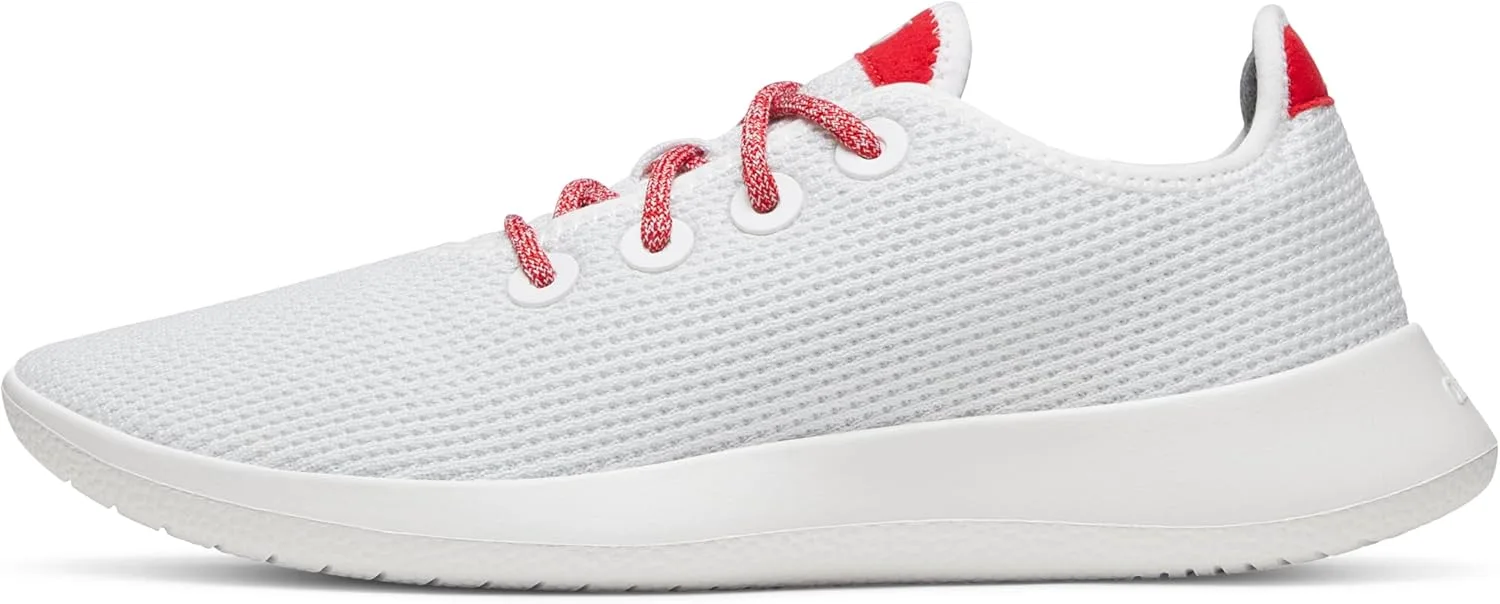
Allbirds Women’s Tree Runners
Allbirds · $98-120 when I bought it
22,000 steps in Kyoto on day 2, brand new out of the box, zero hotspots. Machine washable is the part nobody talks about enough — cold gentle cycle in a mesh bag and they looked fine again after a muddy temple afternoon.
- Worth knowing:
- Not waterproof in heavy rain — puddles get in
- Expensive upfront but they last
Check current price on Amazon (affiliate link)
FAQ
Are the Allbirds Tree Runners good for walking all day in Europe?
Yes, I’d use them again for long walking days. I wore them for 22,000 steps in Kyoto and a full week in Tokyo, and they stayed comfortable enough that I wasn’t counting down to the end of the day. If your Europe trip means city walking, museums, transit, and a lot of pavement, they’re a strong pick.
Can I wear them in rainy cities?
No, not as my only shoe. I got puddles in them in heavy rain, and that was enough for me to stop trusting them in wet weather. If rain is part of your trip, I’d bring a second pair or choose something more weatherproof.
Are they worth the price for a short trip?
Only if you know you’ll walk a lot and want one shoe that works from plane to dinner. I paid around $98 to $120 when I bought mine, and the value came from wearing them for 18 months, not from a one-week trip. For a short city break, they’re still nice, but the cost makes more sense if you’ll use them again and again.
Do they work in summer heat?
Yes, they were one of the easier shoes I’ve worn in humid summer travel. I liked them in warm weather because they felt light and didn’t turn into clunky foot prisons by midday. I’d pick them for summer city trips before I’d pick a heavier sneaker.
Would you pack them for winter in Europe?
No, not as my main winter shoe. They were fine for dry cold days and airport-to-hotel walking, but I would not rely on them in slush or steady rain. If winter is your main season, I’d want something with more protection and keep these for indoor-heavy days or milder weather.
What’s the actual walking distance and time I should expect exploring Osaka neighborhoods like Dotonbori or Shinsekai?
Dotonbori itself is about 2.5 kilometers if you hit the main street end-to-end, but realistically you’re doing 15,000–18,000 steps a day once you factor in side streets and getting lost. I walked from Umeda to Namba one afternoon—roughly 6 kilometers—and my feet were fine in the Tree Runners, though the thick crowds and constant stopping meant less continuous stress than Kyoto’s temple-hopping day. If you’re doing that kind of distance daily, you need shoes that don’t give you grief by evening.
Should I pack different shoes if I’m doing both Osaka’s street walking and visiting nearby cities like Kyoto or Kobe?
I’d stick with one pair if I were you, because switching shoes mid-trip is more hassle than it’s worth in a carry-on setup. The Tree Runners handled my mix of Osaka’s flat urban walking and Kyoto’s longer temple routes in the same trip, so they work for the region—just accept that they won’t be perfect for either. If you’re adding mountains or serious rain-heavy days, that’s when I’d reconsider and bring something with actual weather protection.
How much should I budget for replacement or repair if my shoes wear out mid-travel in Japan?
Shoe repairs in Osaka are straightforward and cheap—I found a cobbler in Shinsekai who reglued a sole for ¥2,500 (about $17) in two hours. Buying replacement shoes in Japan is pricey; a pair of decent walking shoes runs ¥12,000–18,000 ($80–120), and your options are limited if you have specific size or style needs. It’s worth packing shoes you trust for the full trip because fixing or replacing them mid-journey eats time and money you’d rather spend elsewhere.
Can I wear the same shoes every single day for two weeks in Osaka without them falling apart or smelling awful?
Yes, but it requires discipline—I wore the Tree Runners for eight consecutive days in Tokyo and they stayed presentable because I let them air out at night and wore moisture-wicking socks. Two weeks straight in the same pair is pushing it, especially in Osaka’s humidity; by day 10 or 11, they start holding odor even if the shoe itself is fine. If you’re doing that length of trip, either pack a second casual shoe for evening, or commit to finding a laundromat to wash your socks more frequently.
What specific shoe features should I prioritize for walking on Osaka’s mixed terrain—from smooth shopping streets to temple grounds and uneven backstreets?
I’d recommend looking for shoes with excellent arch support and a flexible sole, since you’ll transition between polished department store floors, cobblestone paths, and gravel temple grounds throughout the day. I personally invested in shoes with a cushioned midsole (around $120-150 range) that handled Osaka’s varied surfaces beautifully, especially when I was covering 15-20km daily between Osaka Castle, the Sumiyoshi Taisha shrine, and the bustling market areas. The key is having a shoe that adapts rather than one designed for just one terrain type.
 Emma Hayes
What I’d Rebuy Immediately
The Allbirds Women’s Tree Runners are the only shoe here I’d rebuy without overthinking it. I used them for 18 months across 10 countries, and they kept earning their spot in my carry-on. For dry-to-mild travel, long walking days, and flights where I want one shoe that can do a lot without looking sloppy, they’re worth it. I’d skip them for heavy rain, but for most of my trips, I’d pack them again before anything else.
If I had to rebuild my travel packing from scratch, this is the pair I’d replace first. Not because they’re flashy. Because they work.