
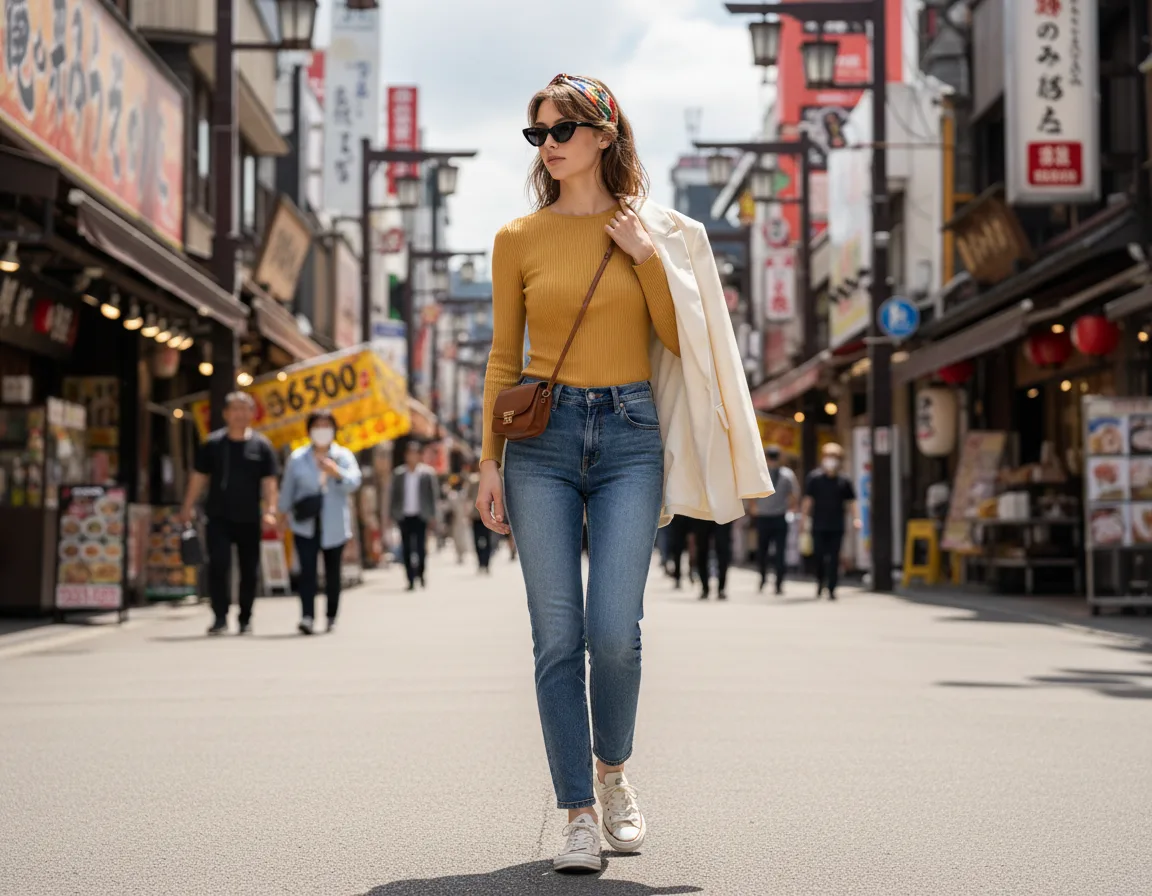
Nobody told me this before I went: Osaka’s food reputation is partly earned and partly overhyped by people who only ate near the big signs. I spent one rainy-cool morning at 11°C with a jacket in my hand, then a mild afternoon around 21°C with sunglasses on, and the districts that worked best were the ones that made eating feel easy, not theatrical. If you’re looking for the best Osaka food districts to explore, I’d keep it simple and start with the places that made sense for real meals.
My honest answer: if you only have time for a few food districts in Osaka, I’d start with Kuromon Market, Dotonbori for one very specific snack stop, and Shinsekai if you want cheap, old-school comfort food. Namba is the practical base for eating around all of them, but the district itself is more useful than romantic. The real question is not “where is the most famous food,” it’s “where do I get a good meal without wasting an hour in line or paying for a gimmick.”
Best for: travelers who want real food, easy transit, and districts they can walk through without overplanning.
Skip if: you want quiet streets and no crowds after 6pm.
My pick: Kuromon first, then Dotonbori only for a couple of targeted eats, and Shinsekai if you want the cheapest full meal.
Quick Answer: Kuromon Market is the first stop I’d make, Dotonbori is best for takoyaki at Kukuru, Shinsekai is the cheapest full meal, and Ura-Namba is better for a proper dinner away from the neon crowds.
Restaurants
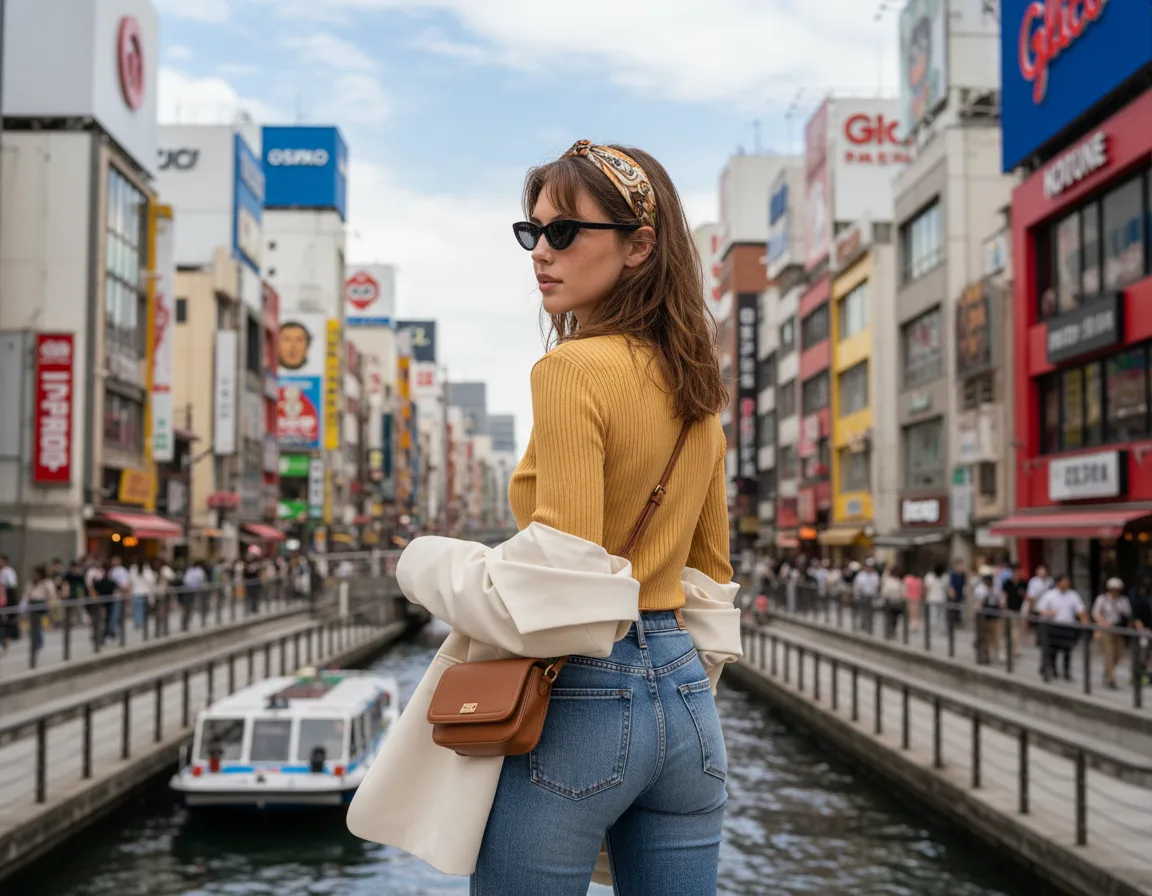
Kuromon Market: the one I’d go to first
Kuromon was the best food district for me because it solved the exact problem I usually have in big cities: I was hungry, I didn’t want a long sit-down meal yet, and I wanted food that felt local enough to justify the stop. I expected it to be mostly tourist theater. It wasn’t, at least not in the way I feared. Yes, there are plenty of visitors, but the stall rhythm is efficient and the food moves fast.
I paid about ¥600 for a grilled scallop, ¥900 for a tuna skewer, and ¥1,200 for a small sea urchin cup that I only bought because I was standing there already. The scallop was the one worth repeating. It came hot, a little smoky, and I ate it standing under the awning while people shuffled around me with paper cups and skewers. That’s the kind of food stop I actually like: no ceremony, just a decent bite and a clear price.
If you’re figuring out how to get there, Kuromon is easy from Nippombashi Station or Kintetsu-Nippombashi; I walked over from Namba in about 12 minutes. Go earlier if you can. I got there before lunch and the whole place still felt manageable. By the time I left, it had the usual market crowd squeeze, and I don’t love eating while someone’s backpack is in my elbow.
Worth it if: you want seafood, skewers, fruit, and snackable bites without committing to a long meal.
Skip if: you need a calm sit-down lunch or you hate markets where half the appeal is standing around with food in your hand.
My pick: grilled scallop first, then whatever looks freshest at the seafood stalls. I’d skip the overpriced fruit boxes unless you really want the photo.
What I’d order at Kuromon
I’d go straight for grilled scallops, tamagoyaki if I wanted something cheap and fast, and a small seafood skewer set if I was still hungry. I wouldn’t build a whole meal around one stall here. That’s the trick. Kuromon works best when you treat it like a tasting walk, not a destination lunch.
The one thing I’d avoid is buying too many “premium” items just because they’re displayed well. I almost paid ¥2,500 for a tiny crab leg set that looked better than it tasted. I walked away, bought the ¥900 tuna skewer instead, and didn’t regret it.
Dotonbori: worth it for a few dishes, not for a full food crawl
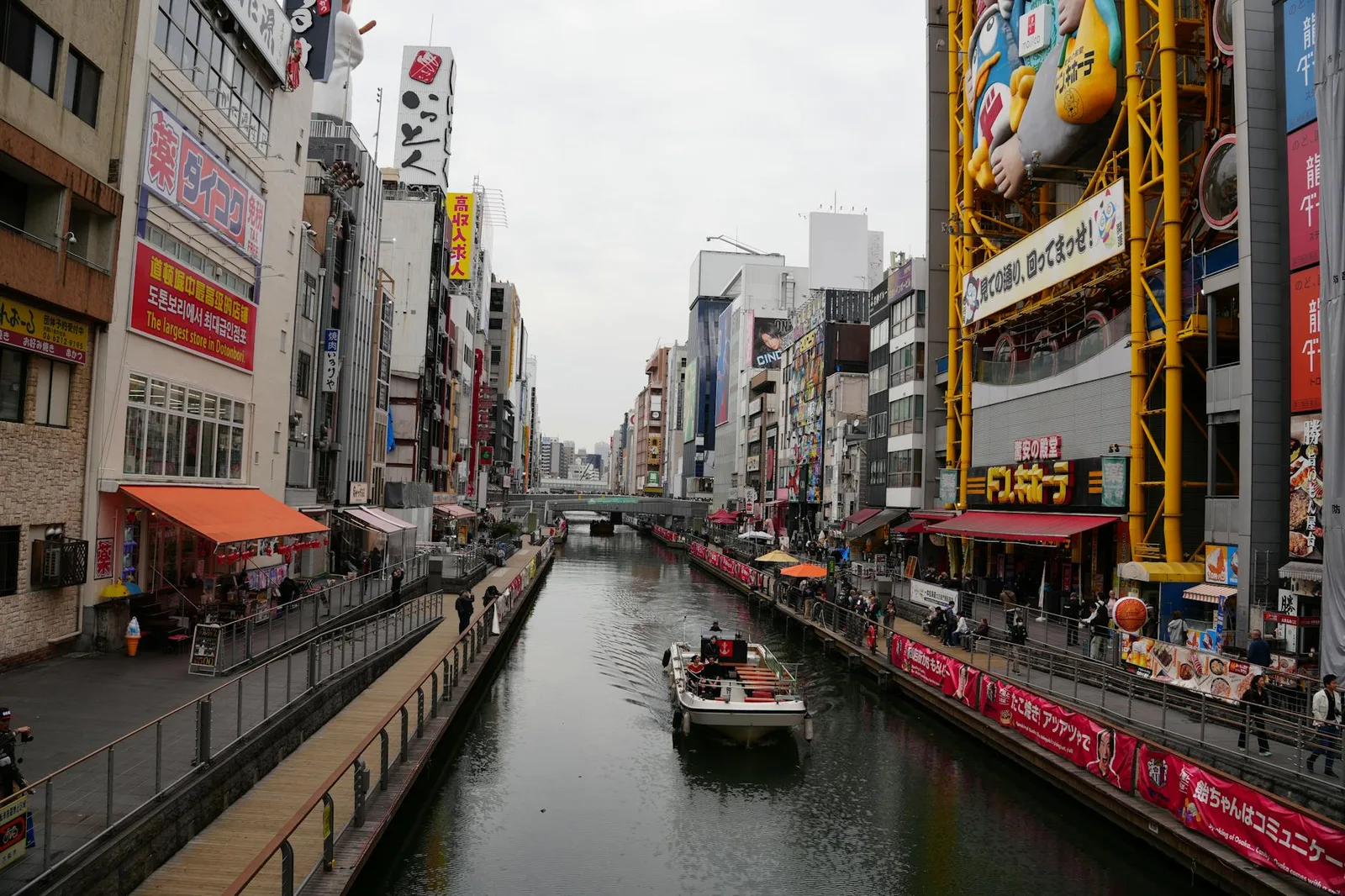
Dotonbori is the district everyone recommends, and I get why. It’s loud, bright, and full of food signs that make you think every meal should be a spectacle. But here’s my honest take: I wouldn’t go there to wander and “discover” dinner. I’d go with a short list and leave before the crowd gets tiring.
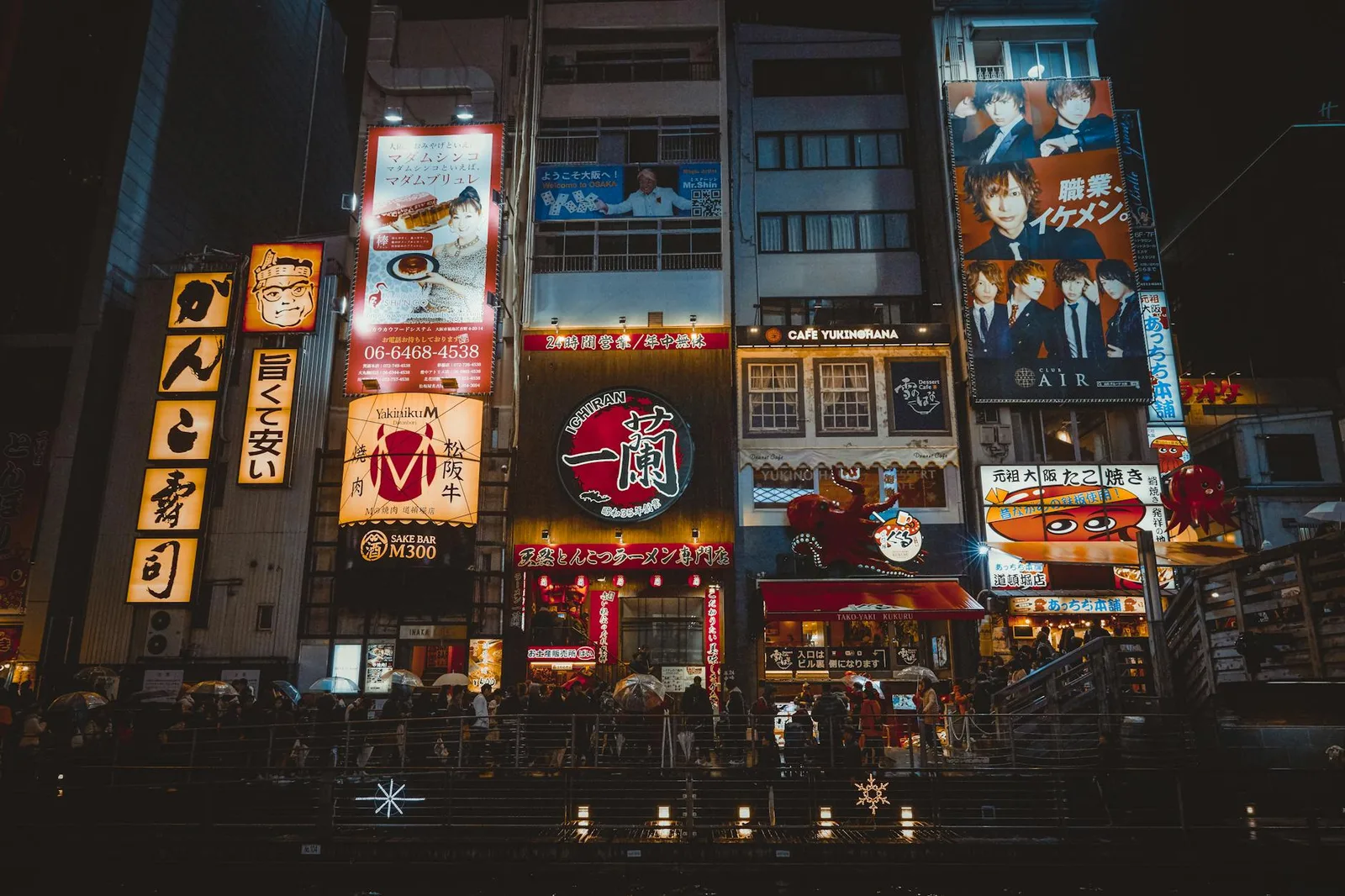
I had takoyaki at Kukuru for about ¥700 for six pieces, and that was worth it. The outside was crisp enough, the inside stayed soft, and I ate them on the street while trying not to drop sauce on my jacket. That little detail matters because Dotonbori food is often more about timing than the dish itself. Go early, eat fast, move on.
I also tried an okonomiyaki plate in the area for around ¥1,100. Fine. Not bad, not life-changing, and not worth waiting 40 minutes for just because the storefront had a famous name. I think that’s the real trap here: the district sells the idea of Osaka food better than it sells every single meal.
Worth it if: you want takoyaki, okonomiyaki, and one night of neon chaos.
Skip if: you hate crowds, photo lines, and restaurants that feel built for first-timers.
My pick: Kukuru for takoyaki, then leave. I’d only stay longer if I already had a reservation or I was meeting people.
How to eat Dotonbori without wasting time
I’d keep Dotonbori as a snack district, not a dinner district. That’s the move. The famous canal view is nice for about five minutes, then you’re mostly navigating people and menus with pictures. I’d rather eat one good thing there than get trapped trying to make the whole neighborhood “worth it.”
If you want a smarter version of the area, go on a weekday before 5pm. I walked through later once and it felt like the whole district had been set to maximum volume. Good for energy, bad for relaxed eating. I don’t stand in food lines longer than 20 minutes if I can help it, and Dotonbori tests that limit fast.
Shinsekai: the cheap comfort-food district I didn’t expect to like
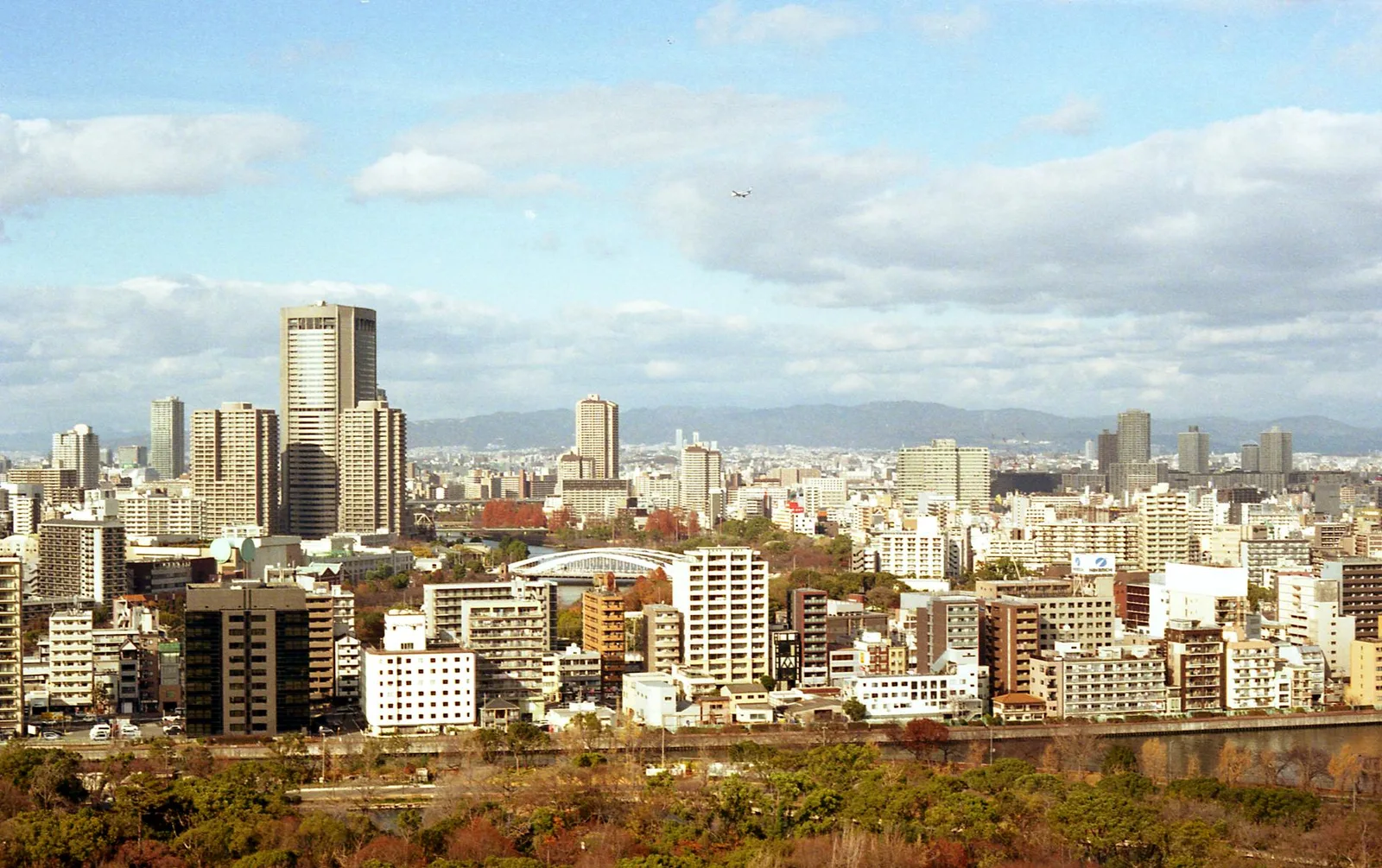
I figured Shinsekai would be all nostalgia and not much else. That was the expectation. Then I got there and it was quieter than I thought, a little rough around the edges, and better for low-pressure eating than for chasing the city’s famous dishes. That changed how I read the whole area. It’s not polished. That’s the point.
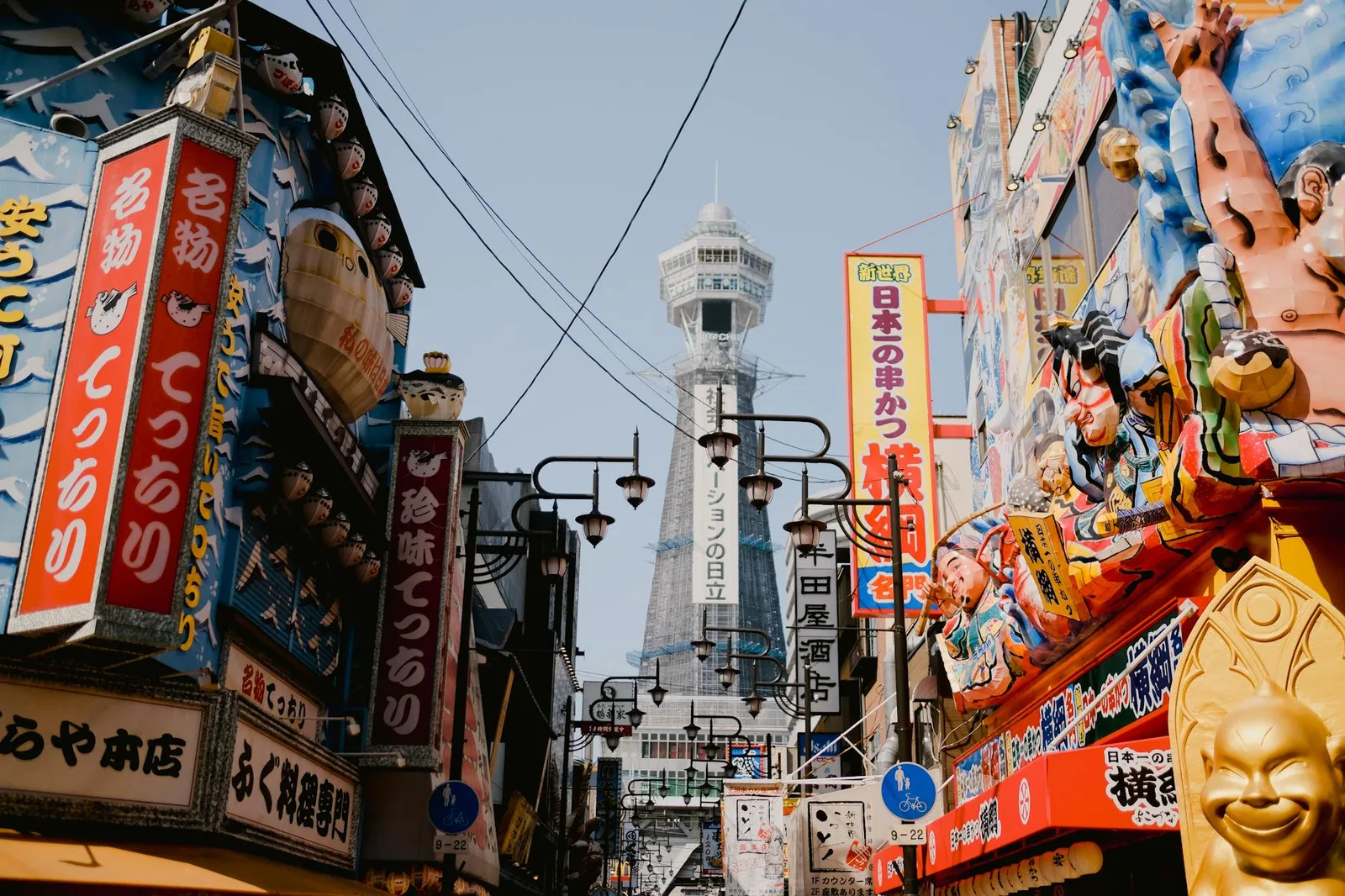
I ate kushikatsu at a small place near Tsutenkaku for about ¥1,300 for a mixed set, plus a beer that pushed the total closer to ¥2,000. Worth it. The breading was light enough, the skewers came out hot, and the whole meal felt like something locals could actually eat on a weeknight. The rule here is simple: don’t overorder. The sauce-dipping thing is fun once, then it’s just dinner.
Shinsekai is also where I’d go if I wanted a meal that didn’t ask much of me. It’s walkable, easy to navigate, and cheaper than the flashier districts. I had a bowl of ramen nearby for around ¥850 one evening when I was too lazy to think, and that was exactly the right price for the mood. Not memorable. Useful. There’s a difference.
Worth it if: you want lower prices and a more old-school Osaka feel.
Skip if: you want sleek interiors, polished service, or the city’s newest food trend.
My pick: kushikatsu for dinner and a quick walk past Tsutenkaku. I wouldn’t make a whole day of it, but I’d eat there again.
The mistake I made in Shinsekai
I went in expecting a bigger food adventure and stayed too long looking for “the best” place instead of just eating. The trigger was simple: I saw three kushikatsu spots in a row and assumed comparison shopping would save me money or improve the meal. It didn’t. I lost about 25 minutes, got hungrier, and ended up picking a place based on the shortest line, which was the right call anyway. Next time I’d just choose the first clean, busy spot with a menu I can read in two seconds.
Best for: travelers who want cheap dinner and don’t mind a district that feels a little worn in.
Skip if: you only want trendy food or you need the prettiest dining room in the city.
My pick: go in hungry, pick one skewers place, and stop browsing.
Namba: my practical base for eating, not my favorite food district
Namba is where I kept ending up because it makes the rest of Osaka easier. That doesn’t make it the most exciting food district, but it’s efficient, and efficiency matters when you’re trying to eat well without burning half the day in transit. I’d call it a support district more than a destination.
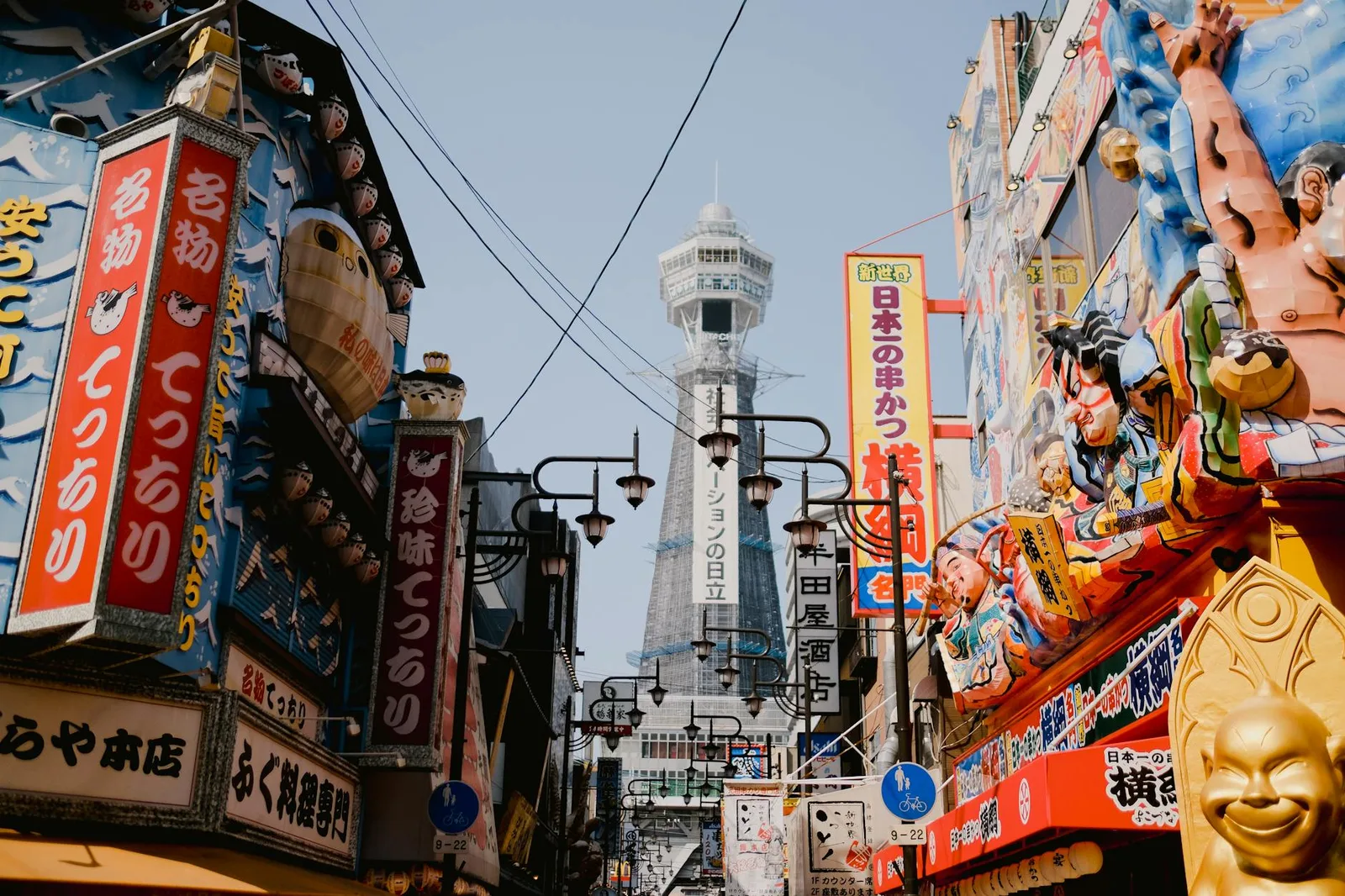
I grabbed a conveyor-belt sushi lunch in Namba for around ¥1,500 and was in and out in under 30 minutes. The fish was fine, the price was fair, and the point was speed. I expected it to be worse because chains in tourist-heavy areas often are. This one was better than I thought. Not special, but not cheap nonsense either. That’s enough sometimes.
If you want something a little more sit-down, Namba has plenty of ramen shops, curry counters, and casual izakaya places that don’t require a big plan. I’d use it when I was tired, not when I was trying to “discover” Osaka through food. There’s a lot here, but the district itself doesn’t have the same food identity as Kuromon or Shinsekai.
Worth it if: you want easy meals between trains, shopping, or late arrivals.
Skip if: you’re trying to make every meal feel like a local food mission.
My pick: Namba for convenience, not for bragging rights.
Ura-Namba: better than the obvious spots if you want an actual dinner
Ura-Namba is the area I’d choose when I wanted a real meal without the Dotonbori circus. It’s the backstreets around Namba, and the difference is immediate: smaller places, less noise, and menus that feel like they were built for people who live nearby. I had one izakaya dinner here that cost about ¥2,800 with a couple of small plates and a drink, and it felt like money spent on food rather than atmosphere.
That’s the tradeoff. You lose the big Osaka-neon energy, but you get a better chance of eating somewhere that isn’t built around foot traffic alone. I walked in around 7pm on a weekday and got a table in 10 minutes. In Dotonbori, I would’ve been standing around longer and probably paying more for the same quality.
Worth it if: you want dinner that feels local without being hard to find.
Skip if: you want the famous Osaka visuals right outside the door.
My pick: Ura-Namba for one proper evening meal after a day of snacking elsewhere.
Food Budget
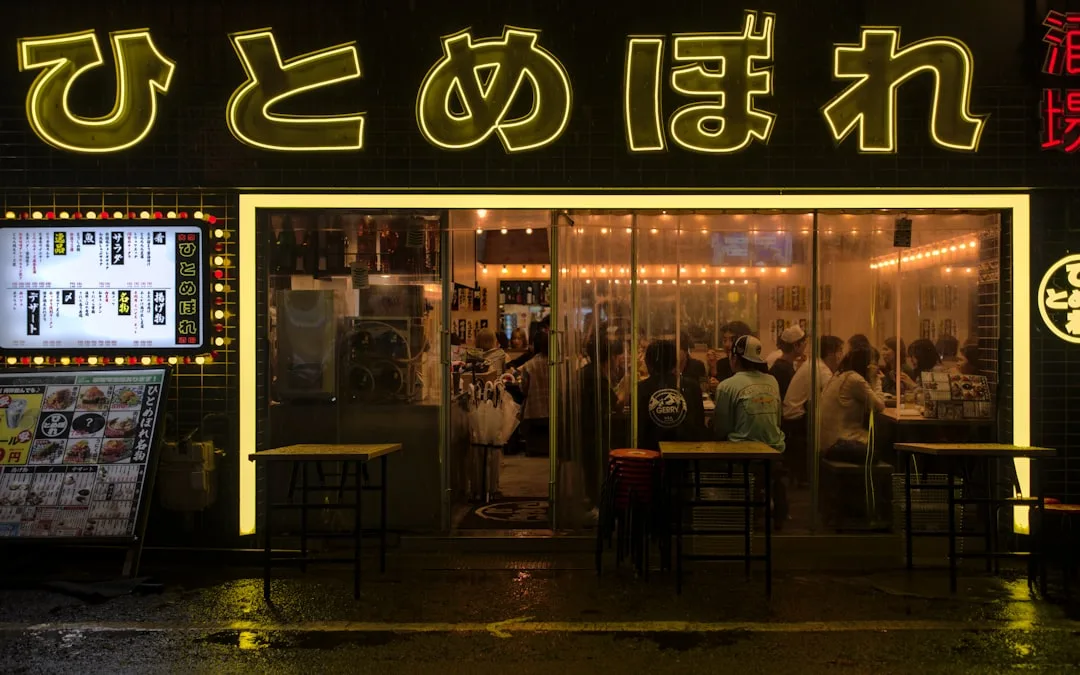
Rough per person per day estimates from my own meals.
What I’d skip: food traps dressed up as Osaka essentials
Everyone recommends the same touristy food stops in Osaka, but I wouldn’t spend much time on the ones that rely on novelty more than quality. The giant flashy signs are fun for about 15 minutes. After that, they start feeling like a tax on first-time visitors.
I’d skip anything with a huge line unless I already knew the payoff was worth it. I waited 25 minutes once for a famous-looking street snack near Dotonbori and it was just okay. I paid ¥850, ate it, and immediately understood why the line moved slowly: people were waiting because the place was famous, not because the food was that much better.
I’d also be careful with “local experience” food tours that promise hidden neighborhood eats but mostly hit the same tourist-friendly stops everyone else already knows. If I’m paying for guidance, I want better decisions, not a prettier version of a self-guided walk. That’s why I’d rather book a focused food tour through Klook only when the itinerary actually saves me time or gets me into a hard-to-navigate area with confidence.
Skip it if: the stop is famous mainly because it photographs well.
Worth it if: the line is short, the price is clear, and the dish is something Osaka actually does well.
My pick: spend your energy on Kuromon, Shinsekai, and a targeted stop in Dotonbori. The rest is optional.
I booked the food tour through Klook — way cheaper than booking at the counter.
FAQ
Which Osaka food district would you start with if you only had one day?
I’d start with Kuromon Market and use Dotonbori only for one snack stop. Kuromon gives you the fastest payoff for the least planning, and I spent about ¥2,000 there without feeling like I’d overbought. If you only have one day, don’t try to “cover” every famous district.
Is Dotonbori worth eating in, or just worth seeing?
I think Dotonbori is worth eating in only if you keep it narrow. I’d go for takoyaki or one other specific dish, spend under an hour, and leave before the crowd turns the meal into a chore. The canal area is fine; the real value is a targeted snack, not a long dinner.
Where did I get the best value for money in Osaka?
Shinsekai gave me the best value for money. I paid about ¥1,300 for a kushikatsu set that felt filling and straightforward, which is better than paying more in a crowded district just for the name. If budget matters, that area is the one I’d repeat first.
Can I eat well in Osaka without standing in long lines?
Yes, and I’d actually plan around that. Kuromon before lunch, Namba for fast casual meals, and Ura-Namba for dinner all worked better for me than waiting 30 minutes for a famous storefront. The trick is choosing neighborhoods with options instead of chasing the single most photographed stall.
Would you book a food tour in Osaka or just go on your own?
I’d only book a food tour if I wanted structure or I was short on time. Osaka is easy enough to eat through on your own, but a focused tour can save you from random bad choices if you don’t want to research every stop. I use Klook when I want that shortcut and don’t want to gamble on the first place with a line.
 Emma Hayes