
I did this wrong the first time. I tried to squeeze Osaka into a “see everything” day and ended up spending too much time on trains and not enough time eating or actually enjoying the city. The better move is simpler: pick one base area, build the day around it, and stop pretending you can do Kyoto-level temple hopping here.
I’d do Osaka in one day if I wanted food, easy transit, and a city that doesn’t punish lazy planning. I would not do this if I wanted quiet landmarks, long museum time, or a slow, polished sightseeing day. The real question is how much time you want to spend moving versus eating and walking, because Osaka rewards the second one way more than the first. This osaka one day itinerary keeps the day tight and realistic.
My pick for one day is a loop through Osaka Castle, Dotonbori, and Shinsekai, with one proper meal in between. Best for first-timers who want a city day that feels efficient and not too precious. around $35–$70 before shopping, depending on whether you do one paid attraction and a nicer dinner.
Day by Day
I’d start early, keep the morning moving, and save the loudest part of the city for late afternoon. That matters because Osaka gets more chaotic as the day goes on, and I’d rather deal with the crowds after I’ve already done the one or two things that need space. My version is practical, not cute.
Best for: travelers who want a realistic Osaka day without backtracking across the city.
Skip if: you want to linger in neighborhoods for hours and take a million detours.
My pick: build the day around Osaka Castle first, then move south for food and neon.
My actual route is simple: Osaka Castle in the morning, lunch around Namba, Dotonbori in the afternoon, and Shinsekai after dark. I’ve done versions of this on a jacket-in-hand kind of day, around 9–17°C and partly cloudy, and that was honestly ideal because I wasn’t sweating through long walks. I bought a coffee near Osaka-jo Park for about ¥450 and used that slow first hour to wake up before the city got loud.
The tradeoff is obvious. You won’t see every famous Osaka neighborhood, and that’s fine. One day is not enough for “everything,” and trying to force it usually means you spend the day in stations.
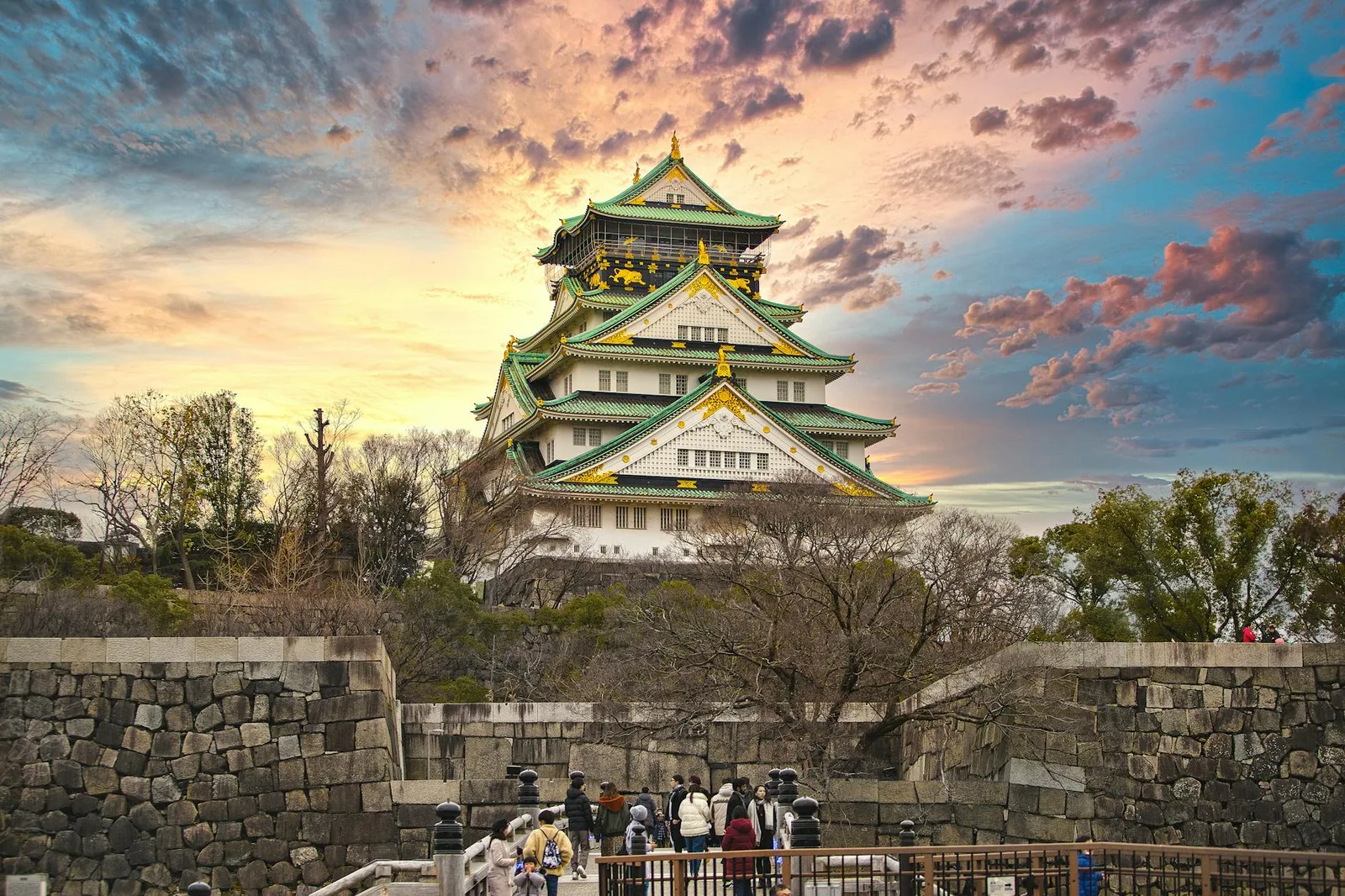
Osaka Castle and the park around it
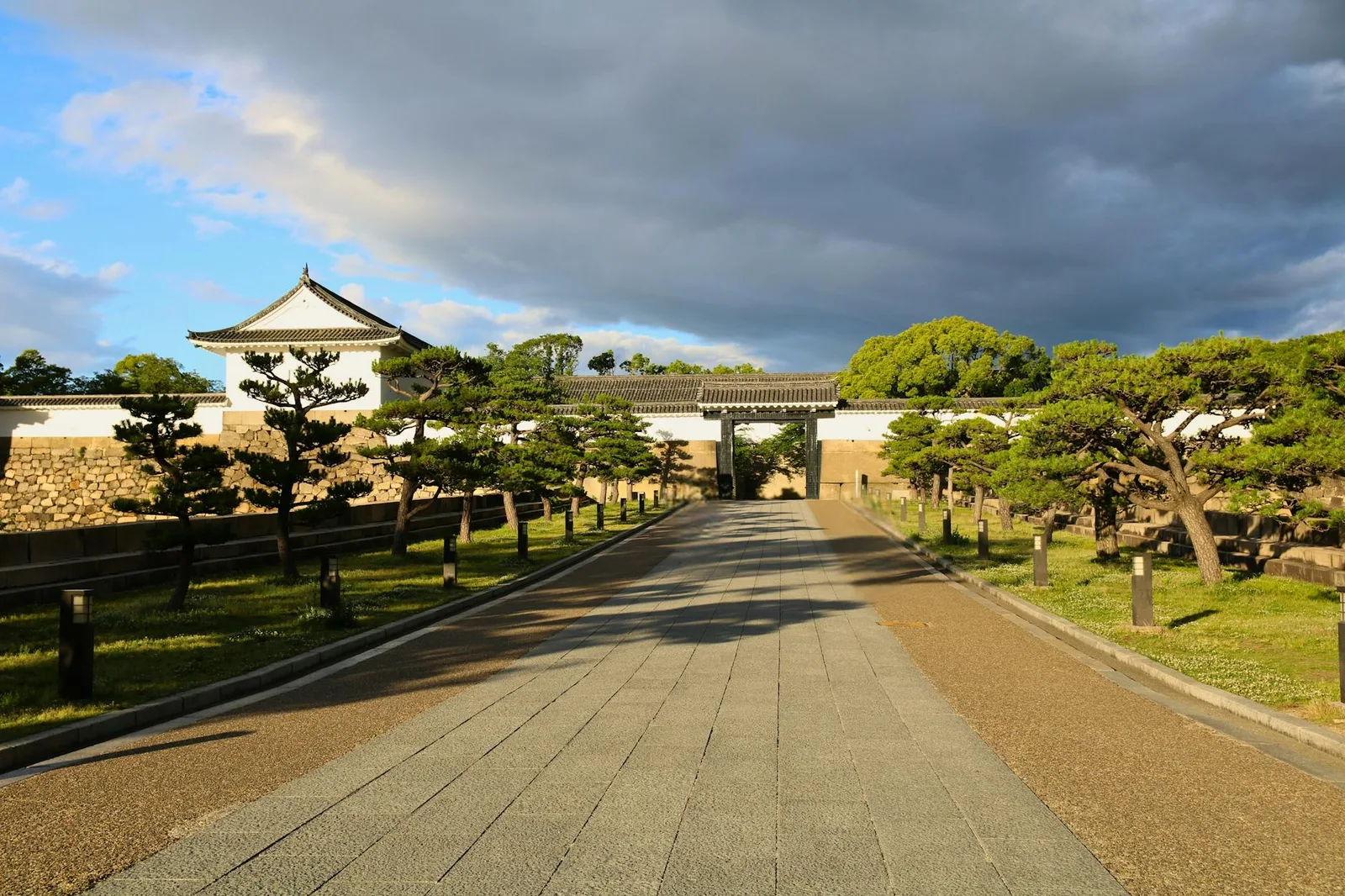
I’d get to Osaka Castle around 8:30 or 9:00 a.m. so I could walk the grounds before the tour groups and school groups pile in. From Osaka Station, I usually take the JR Loop Line to Osakajokoen Station. It’s about 10 minutes and costs around ¥200, then it’s another 10 to 15 minutes on foot through the park to the main keep.
Worth it if: you want one big landmark that actually feels like Osaka, not a random museum stop.
Skip if: you hate castle interiors or you’re short on time, because the outside and park are the better part anyway.
My pick: walk the grounds first, decide on the tower after.
I paid ¥600 for the main tower and I’m fine saying this: the interior was useful, not memorable. The exhibits are decent if you care about the history, but I spent more time looking out over the city than reading panels. The outside view from the moat and stone walls is free and, for me, the better use of your morning if you’re trying to keep the day moving.
Here’s the part I got wrong. I expected Osaka Castle to be one of those places that looks better from photos than in real life. It kind of is. But the park around it surprised me because it gave the day some breathing room, and that mattered more than I expected. If you only have one day, I’d still go, but I wouldn’t overbook the castle itself.
If you’re cutting time, skip the museum-style interior first. I’d rather spend that 30 to 45 minutes walking the grounds and getting to lunch without rushing. That choice saves money too. A light morning here costs almost nothing if you skip the tower, and that’s the version I’d repeat.
Lunch in Namba: where I’d eat before the neon starts
After the castle, I’d head to Namba for lunch because it’s efficient and the food options are better than they look at street level. From Osaka Castle to Namba, I’d take the Osaka Metro Tanimachi Line or JR plus a short transfer, depending on where I started. Figure 20 to 30 minutes total and around ¥230–¥300. It’s not a scenic transfer. It just works.
Best for: people who want easy lunch access without wasting the middle of the day.
Skip if: you’re trying to save money by wandering until you’re starving. That usually backfires here.
My pick: eat in Namba before Dotonbori, not after.
I’d go for something straightforward and local-adjacent, not a place with a giant English menu and a host trying to pull you in from the sidewalk. One day I ate okonomiyaki in a small spot near Namba and paid about ¥1,200, plus a drink from a nearby vending machine because I didn’t want to pay inflated cafe prices. That meal was the right kind of Osaka lunch: cheap enough to not think about, filling enough to carry me through the afternoon.
If you want takoyaki, this is the area to do it, but I’d treat it as a snack, not lunch. A tray usually runs around ¥600–¥900 depending on the stall. Good for a quick bite. Not a full meal, unless you enjoy being hungry again an hour later.
One thing I’d skip here is any “traditional Osaka food tour” that forces a bunch of tiny stops in a short window. I’ve done enough guided food stuff to know when it’s just a more expensive version of walking and ordering on my own. In Namba, I’d rather pick one place and leave full.
Dotonbori without falling into the tourist trap version of it
From Namba to Dotonbori, I’d just walk. It’s about 5 to 10 minutes depending on where you ate, and that’s one of the few times in Osaka where the obvious move is also the best move. I’d go after lunch, not before, because the area gets busy fast and I don’t enjoy watching people fight for the same photo spot under the giant crab sign.
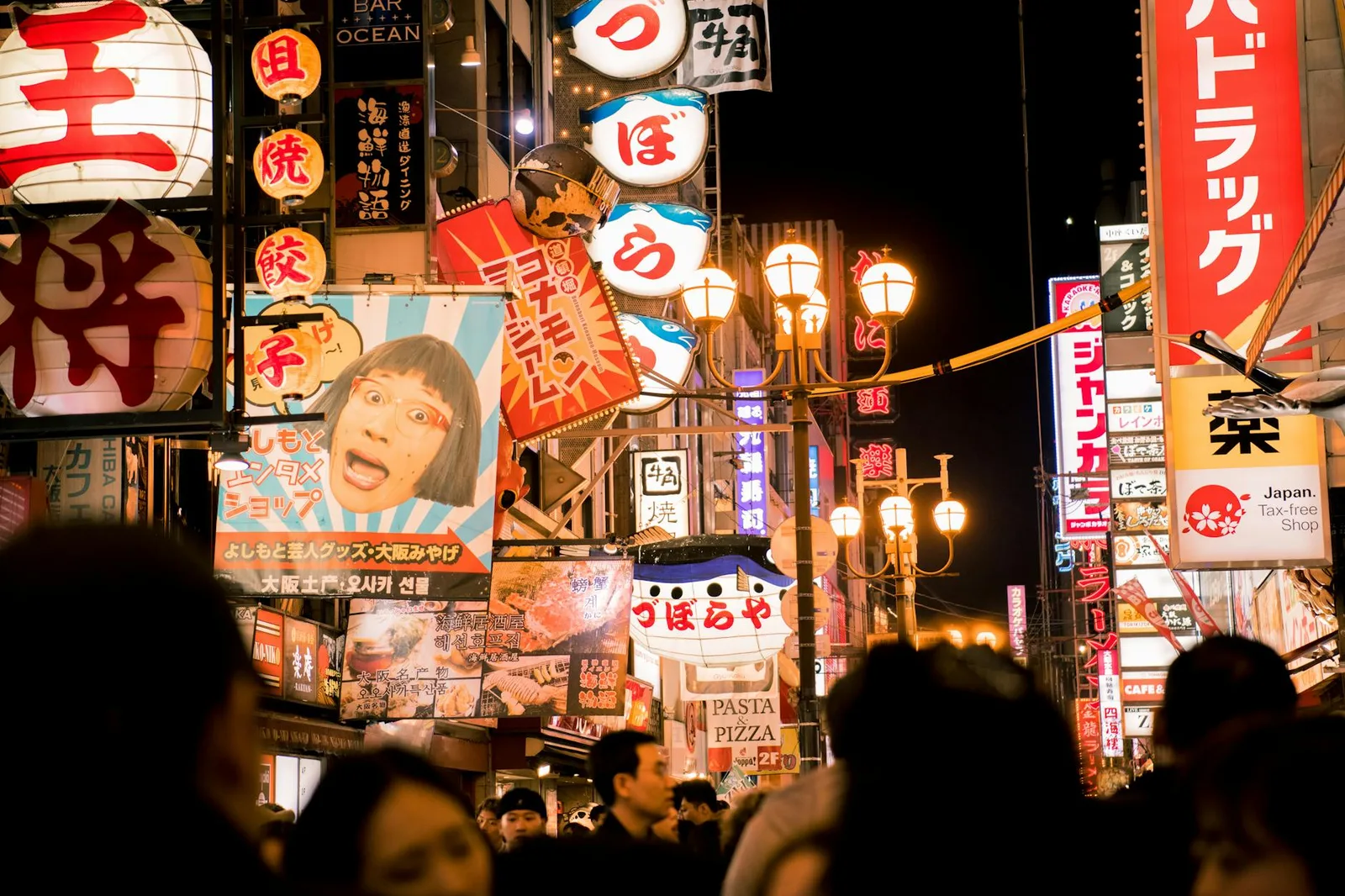
Worth it if: you’ve never seen Osaka’s neon center and you want the classic city contrast in one short stop.
Skip if: you hate crowds or you’ve already done a similar neon district in another city. The vibe is fun, but it’s not subtle.
My pick: walk through once, eat something small, and leave before it turns into a souvenir hunt.
I expected Dotonbori to be more interesting than it was. It’s good, and it’s worth seeing once, but it’s also exactly what everyone says it is: bright, loud, packed, and a little overdone. I spent maybe 40 minutes here the first time before I realized I was mostly paying attention to how many people were stopping in the middle of the walkway for photos. That’s my cue to move on.
Still, I’d keep it in the day because it gives you the Osaka people picture in one place. The canal, the signs, the food stalls, the noise — all of it is useful once. I bought a skewer snack for about ¥400 and a bottled tea for ¥160, then kept walking. That’s the whole trick here. Don’t make it a project.
Skip if short on time: any long sit-down cafe here. They’re usually overpriced for the location, and the best part of Dotonbori is the walking, not the chair.
If you want one paid activity in this area, I’d only do it if the line is short. I’m serious about that. Anything over 30 minutes in Dotonbori is usually not worth the wait unless you’ve got a very specific reason to be there.
Shinsaibashi or Amerikamura if you want a shopping break
After the neon chaos, I’d either walk north into Shinsaibashi or cut over toward Amerikamura if I wanted a more casual, slightly scruffier stretch. From Dotonbori, both are easy on foot. Shinsaibashi is about 10 minutes; Amerikamura is around 12 to 15 minutes depending on the route. No train needed, which is the whole point.
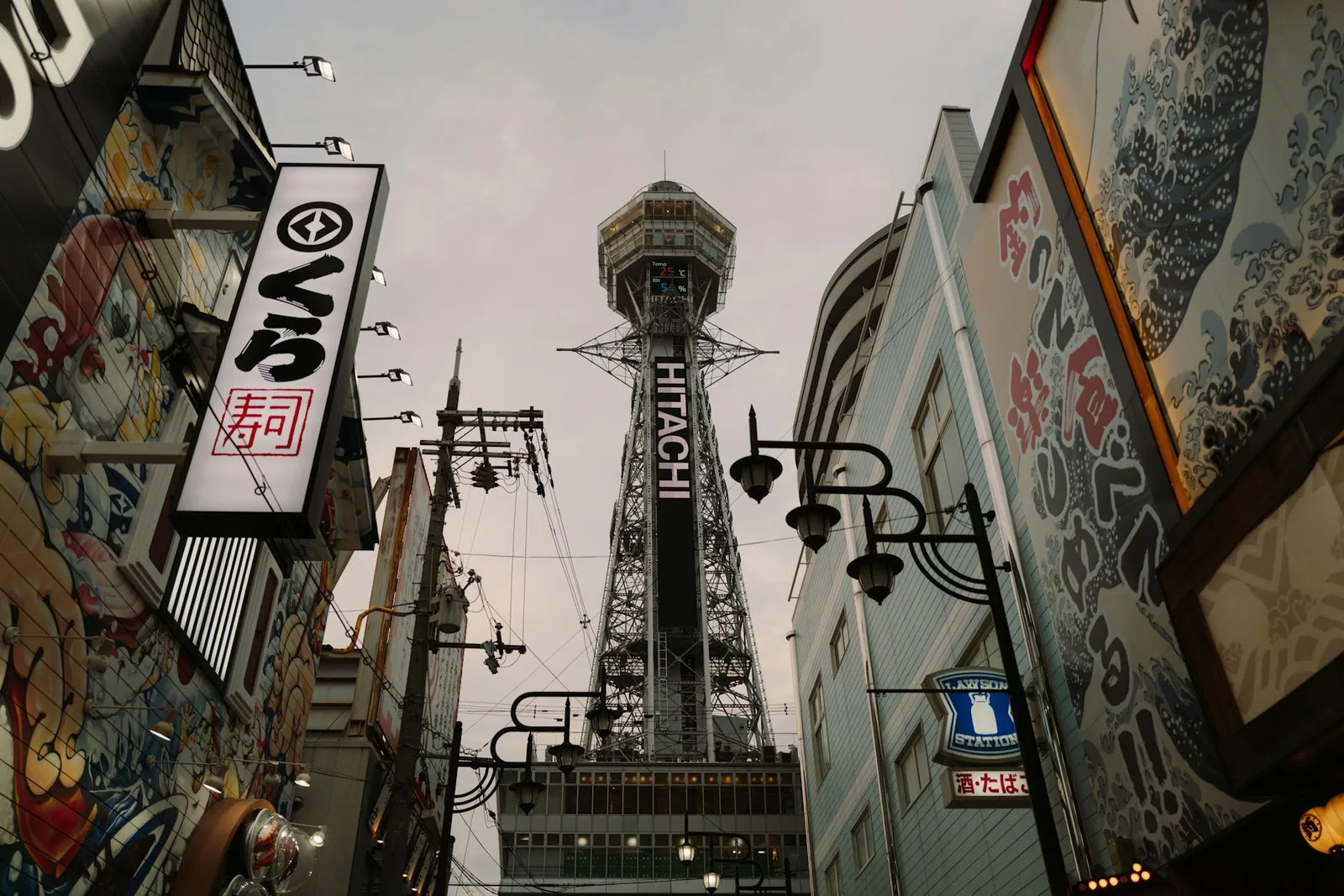
Best for: travelers who want a short reset between food and dinner.
Skip if: shopping makes you tired or you only have one day and don’t want retail filler.
My pick: Shinsaibashi if you want convenience, Amerikamura if you want less polished streets.
I’d be picky here. Shinsaibashi is efficient but a little generic if you stay too long. Amerikamura has more personality, but it can also feel like a younger, messier version of a shopping district. I bought a cheap iced coffee there once for about ¥500 because I needed a place to sit for 20 minutes, and that was enough. I wouldn’t plan a huge chunk of the day around either area.
This is the part of the itinerary I’d cut first if the day got shorter. If you only have N-1 days, skip the shopping stretch entirely and put that time into dinner or one extra neighborhood walk. I don’t think Osaka rewards marathon browsing unless you’re actively shopping for something specific.
What to cut first: extra shopping time in Shinsaibashi.
What to keep: the walk between Dotonbori and your dinner spot, because that transition actually feels like Osaka changing pace.
Shinsekai for dinner, not for hype
I’d finish in Shinsekai because it gives the day a different texture without requiring a complicated transfer. From Namba, I’d take the Osaka Metro Midosuji Line from Namba to Dobutsuen-mae. It’s about 5 minutes and around ¥190, then another 5 to 10 minutes on foot. That’s easy enough after a full day, which is what makes it worth it.
Worth it if: you want a cheaper dinner and a neighborhood that feels less polished than Dotonbori.
Skip if: you’re expecting a dramatic nightlife scene right away. It’s more faded than flashy.
My pick: go for dinner and one short walk, then leave before you start pretending the area is more exciting than it is.
I booked dinner around here on a night when I was already tired enough to make bad decisions, and Shinsekai saved me from paying Dotonbori prices again. I had kushikatsu for about ¥1,500 with a beer, and the bill felt fair for what it was. Not elegant. Not a scam either. That’s my standard for this area.
I figured Shinsekai would be gritty in a cool, old Osaka way. It turned out to be quieter and more worn-down than I expected, with a lot of signage and not much actual atmosphere once the dinner rush thinned out. I still think it’s worth one evening because it’s different from the rest of the day, but I wouldn’t call it a highlight. I’d go back for food, not for wandering.
Skip if short on time: lingering after dinner. Shinsekai is better as a stop than a long stay, especially if you’re already doing a full Osaka day.
If you want one last convenience move, I’d head back to my hotel from Dobutsuen-mae or Namba rather than trying to squeeze in another area. Osaka’s transport is good, but there’s no prize for ending the day exhausted and directionless.
Cost Breakdown
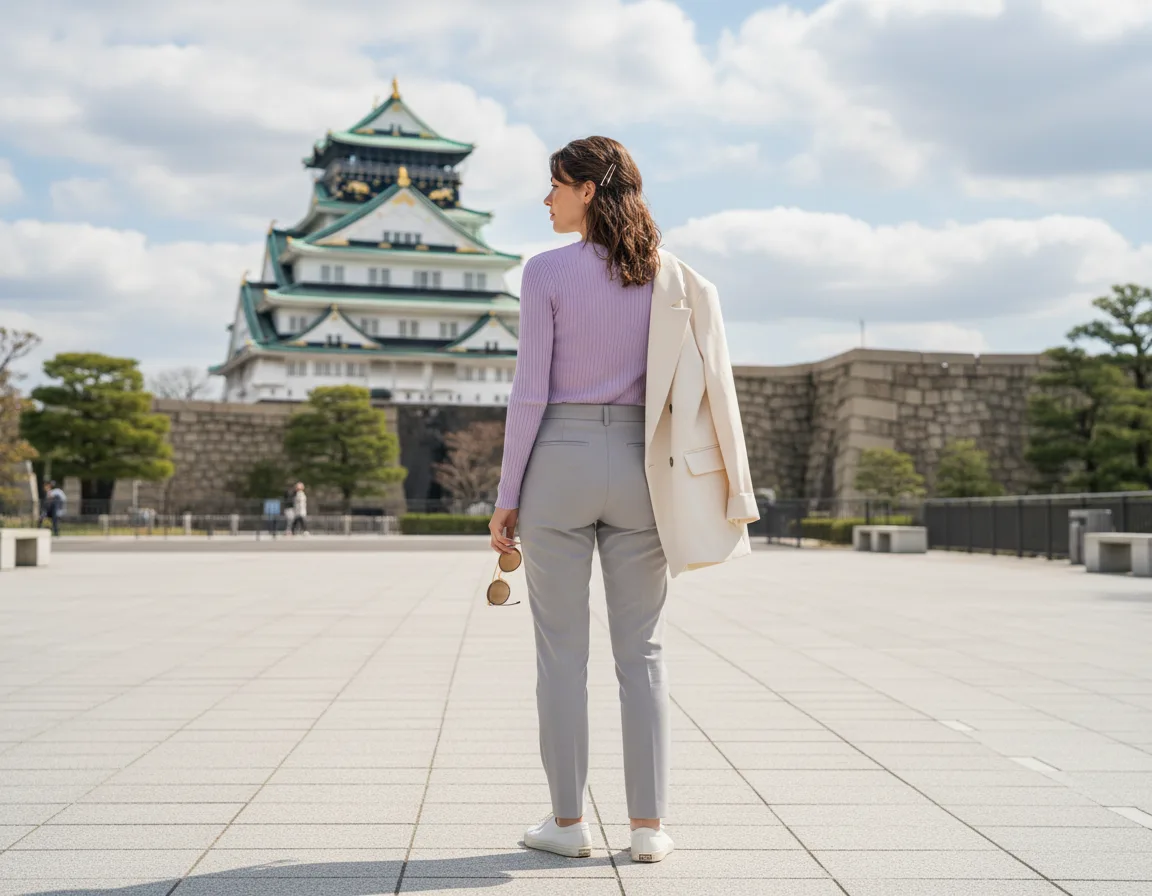
I like the city more when I stop pretending it’s cheap in every category. Osaka can be reasonable, but the “cheap” version still adds up if you buy snacks, a castle ticket, and a proper dinner. My rough day looked like this: coffee for ¥450, castle entry for ¥600, lunch for about ¥1,200, snacks around ¥700, and dinner for ¥1,500 to ¥2,000
Budget-wise: this itinerary works on a moderate budget without feeling stripped down.
My pick: spend on food, not on extra paid attractions.
Skip if: you’re trying to do Osaka for the absolute minimum. You can, but the day gets a little thin.
Rough daily estimates from my own trip. Prices shift by season.
See all Osaka hotels on Agoda if you want to compare prices near Namba or Umeda, because the walkable spots get more expensive fast once weekend demand kicks in.
I wrote a more detailed breakdown in Common Osaka Tourist Mistakes 2026 — worth reading if you’re still deciding.
Transport Tips
I’d book a hotel closer to Namba or Umeda instead of trying to save a little by staying farther out. I once paid less for a room and then added 35 minutes of transit every time I wanted to go back out, and that math never works out in a one-day city plan. I’d also skip the castle interior unless I had a real history interest, because the exterior and park already do most of the job.
I’d probably eat one smaller lunch and save more room for dinner. The first time, I overdid lunch and then treated dinner like an obligation instead of the point of the evening. Not a disaster. Just annoying.
I’d also leave Dotonbori earlier. Twenty or thirty minutes is enough unless you’re there for photos or snacks. After that, it starts to feel like a loop.
Where I’d Actually Stay in Osaka

POLA INN DOTONBORI EAST
Osaka
★★★★☆
LW-DOTONBORI Shinsaibashi 300m, 3 mins Nippombashi
Osaka
★★★★☆
Open sale Dotonbori Beautiful Guesthouse
Osaka
★★★★☆
For Osaka I used Agoda — they had the best rate for my dates.
I pre-booked on Klook the night before — skipped the entire ticket line.
FAQ
Is one day enough for Osaka?
Yes, one day is enough for Osaka if you keep the plan tight and don’t try to see everything. I’d use it for a castle, a food-heavy lunch, Dotonbori, and one evening neighborhood, which gives you a real feel for the city without turning the day into transit practice. If you want museums, shopping, and nightlife all at once, you need more time.
Should I stay near Namba or Umeda for a short Osaka trip?
I’d pick Namba for a one-day stay because it cuts down on walking between the food areas I actually wanted to hit. Umeda is useful for train connections, but Namba puts you closer to Dotonbori and Shinsekai, which saves time when you’re only in town briefly. If your trip is mostly day trips, Umeda can make sense, but I’d still choose Namba for convenience.
Is Osaka Castle worth paying for?
No, not for everyone. I paid ¥600 and thought the interior was fine, but the outside grounds and moat were the part I enjoyed most. If you care about history or want the view from the top, go in; otherwise, I’d save the money and spend the time walking the park.
What should I skip if I only have half a day in Osaka?
I’d skip Shinsaibashi and Amerikamura first, because those are the easiest places to cut without ruining the day. With only half a day, I’d do Osaka Castle or Dotonbori, not both plus shopping plus dinner. The city works better when you choose one food zone and one landmark, not four mini-stops.
Is Osaka easy to do without a guide or tour?
Yes, and I think it’s better that way. The city is straightforward on public transit, and most of the popular areas are walkable once you get there, so a guided bus-style day would just slow you down. I’d only book a tour if you want a specific food experience or a hands-on activity you can’t do alone.
 Emma Hayes