
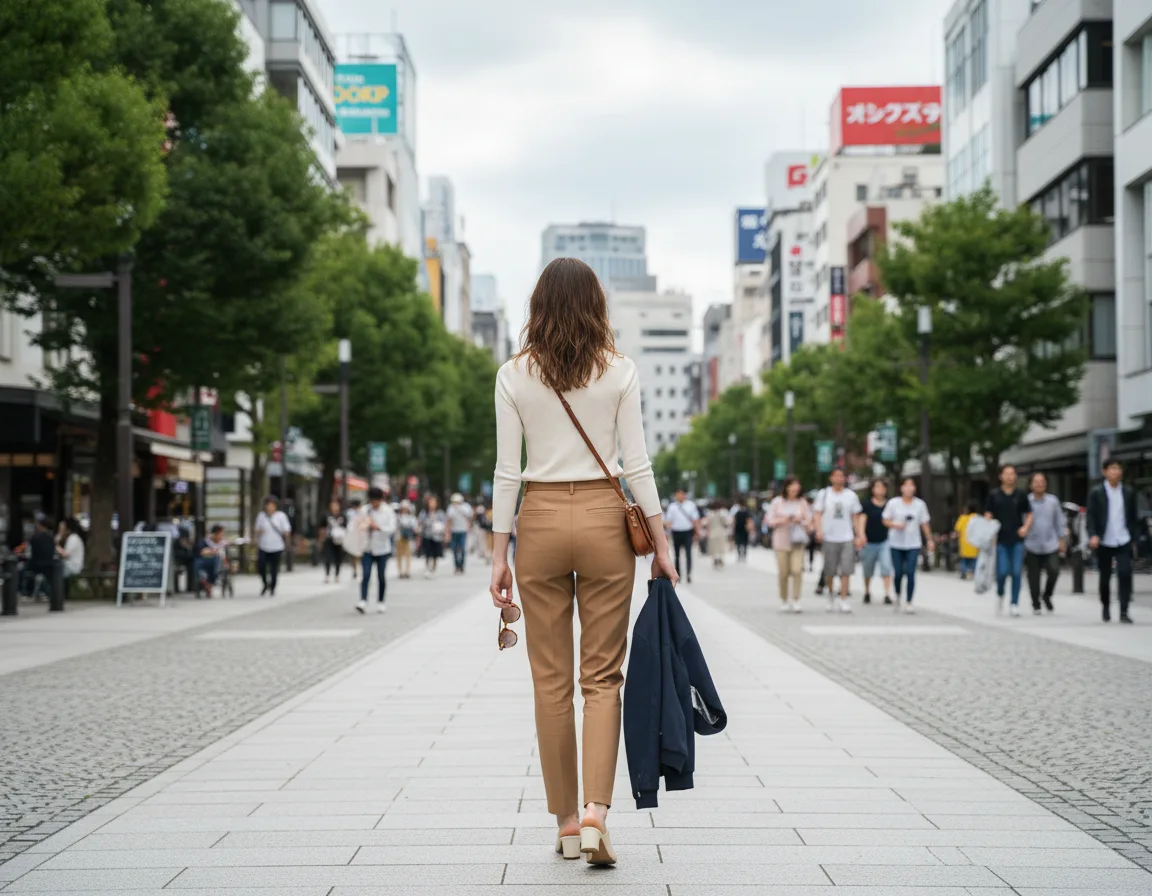
I did this wrong the first time. Osaka looked easy on paper, so I treated it like a city I could improvise. I couldn’t. My answer is simple: Osaka is worth it if you like good food, fast transit, and staying on the move, but it’s not the place to wing every day and expect to save money or time. These Osaka mistakes to avoid added up fast.
Quick answer: Osaka rewards people who plan around transit and meal timing. I didn’t, and I wasted hours.
Best for: travelers who want a city base with strong food, easy train access, and short, efficient days.
Skip if: you hate crowds, hate moving fast, or want a slow, pretty city where every block feels curated.
My take: the biggest mistakes in Osaka are usually small ones that add up fast. Mine cost me money, time, and one very average dinner I was weirdly annoyed about for the rest of the night.
Main Tips
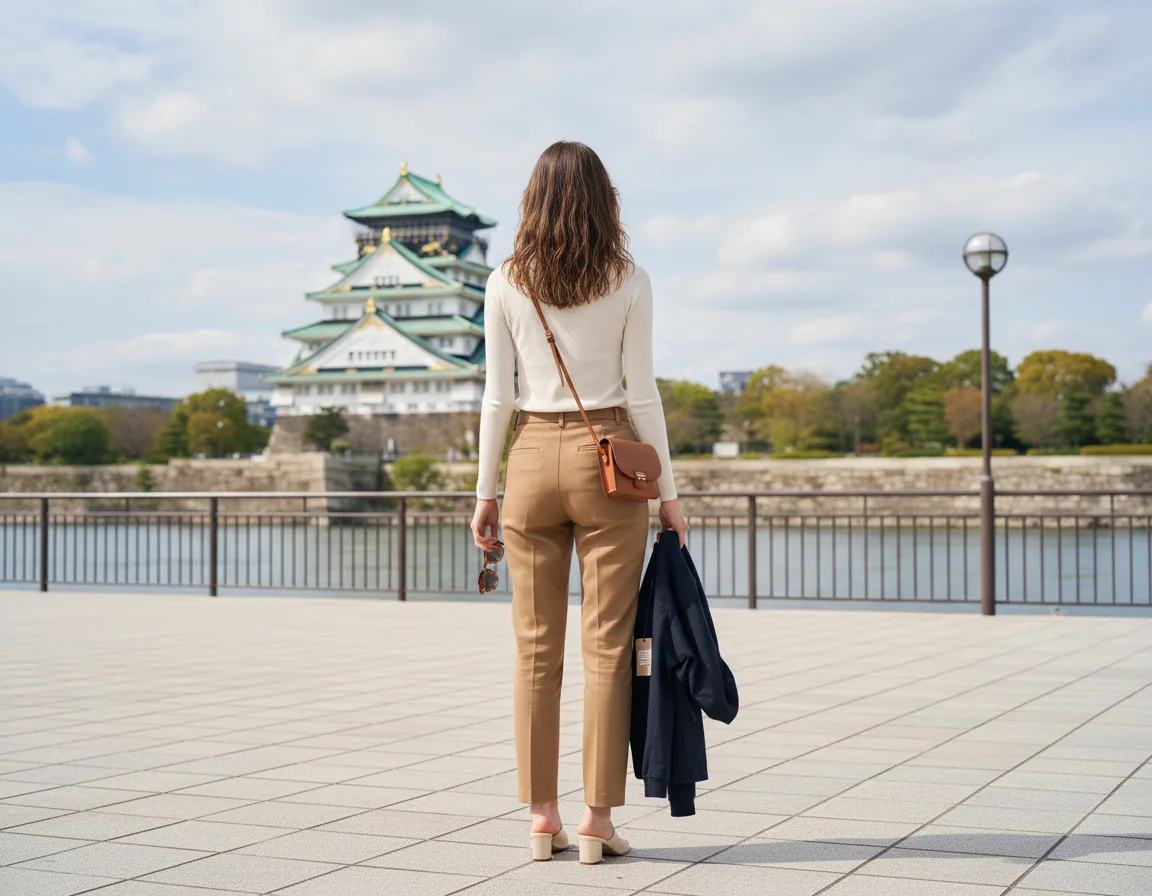
I treated Dotonbori like it was the whole city
Everyone online made Dotonbori sound like the center of the universe, so I figured I should start there. It seemed smart because it’s famous, easy to find, and full of food stalls. I thought I could knock out “Osaka” in one compact, neon-heavy evening.
The trigger was simple: I stayed around the canal way too long instead of leaving after dinner. I walked under the Glico sign, took the same photo everyone takes, then kept drifting because I assumed the area would get better after dark. It didn’t. It just got louder and more crowded.
The consequence was a wasted night. I spent about 2.5 hours there, paid ¥1,800 for takoyaki and a drink that were fine but not worth the wait, and ended up skipping another neighborhood I’d actually wanted to see. I also did the classic solo-traveler thing of standing around like I was waiting for the place to become meaningful. It didn’t.
Hindsight: I’d do Dotonbori as a 45-minute stop, not a whole evening. Go for one snack, take the photo, and leave before the crowd turns the street into a slow shuffle. If I wanted a more useful night, I’d pair dinner there with a walk in another area instead of letting Dotonbori eat the whole day.
Verdict: worth it for a first look, skip it as your main plan.
Best for: a quick night stop and one snack.
Skip if: you want atmosphere without shoulder-to-shoulder foot traffic.
My pick: one visit, one food order, then I’m gone.
I underestimated how much Osaka Station would chew up my time
I figured Osaka Station would be straightforward because it’s a major hub and the signs looked organized enough. That logic was half right, which is the annoying kind of wrong. I assumed I’d move through it quickly because I was already used to Tokyo and other big Japanese stations.
The trigger was me trying to transfer without checking which exit I actually needed. I came in from the wrong side, followed the underground corridors, then backtracked after realizing I was heading toward the wrong line. I also made the mistake of thinking “close on the map” meant “easy on the ground.” It didn’t.
The consequence was 40 minutes lost and a missed coffee stop I’d built into the morning. I also ended up paying ¥240 extra for an unnecessary loop on the train because I got off one stop too early and re-entered the system the dumb way. Not a disaster. Just irritating enough to throw off the day.
Hindsight: I’d check the exact station exit before leaving my hostel or hotel, especially if I had luggage. Osaka Station is useful, but it’s not casual. If I’m changing lines there now, I give myself a full 20-minute buffer and I keep the route open on my phone until I’m actually outside.
Verdict: efficient, but only if you respect the size of the place.
Best for: travelers who plan transfers in advance.
Skip if: you hate underground mazes and tight timing.
My pick: I’d rather walk 10 extra minutes than guess my way through that station again.
I bought the wrong kind of food at the wrong time in Kuromon Market
Kuromon Market seemed like the obvious Osaka food stop, and I wasn’t wrong about the food part. I was wrong about timing and value. I figured a late-morning visit would be smart because I’d be hungry, the market would still be lively, and I could graze for lunch.
The trigger was walking in around 11:30 a.m. and buying the first few things that looked photogenic instead of checking prices. I paid ¥1,200 for a small skewer plate and a fruit cup that looked better than they tasted. Then I kept going because that’s how markets get you. One snack becomes three.
The consequence was ¥2,900 spent in under an hour, and I still left hungry enough to buy a convenience store onigiri afterward. That’s the part that annoyed me. I’d paid market markup for food I could have eaten better, cheaper, and faster elsewhere. The place wasn’t bad. It was just a terrible value for the amount of actual lunch I got.
Hindsight: I’d go early for one specific thing, eat it, and leave. Or I’d skip Kuromon entirely and get a proper meal from a tiny local spot instead of paying for the market theater. If you want a quick snack stop, fine. If you want lunch, this is not the move.
Verdict: only if you keep it to one purchase.
Best for: snack-hunting, not full meals.
Skip if: you care about cost per bite.
My pick: I’d rather spend ¥1,000 on one good bowl somewhere quieter.
I thought Universal City would be a fun side trip, but the line math was ugly
I’m not anti-theme park. I just misread how much time they actually consume. I thought I could pop over to Universal City, look around, and still keep the day flexible. That seemed reasonable because I wasn’t even planning a full park day.
The trigger was seeing the crowd level and deciding to “just see what happens” instead of pre-booking anything. I wandered near the station, watched people funnel toward the park, and realized the whole area runs on the logic of advance planning. I also made the classic mistake of assuming a famous place would still be manageable on a weekday afternoon. Maybe if you’re lucky. I wasn’t.
The consequence was 2 hours gone, plus ¥1,050 for a round-trip train ride that bought me basically a long queue and a snack I didn’t need. I didn’t even go in, which is the part that stung. I could have spent that time in a neighborhood I actually wanted to walk through.
Hindsight: if I want Universal, I’d book the ticket and treat it like the day it is. If I don’t want a full park day, I’d skip the whole area instead of pretending I’m just “nearby.” That middle ground doesn’t really work there.
Verdict: worth it only with a real plan.
Best for: people who are actually going into the park.
Skip if: you’re hoping for a casual stroll and a quick look.
My pick: either commit or don’t go.
I pre-booked my tickets through Klook the next time I wanted anything timed in Osaka — the popular slots move faster than they should, and I wasn’t about to stand around buying tickets while everyone else was already inside.
I chased nightlife in Namba when my body was already done
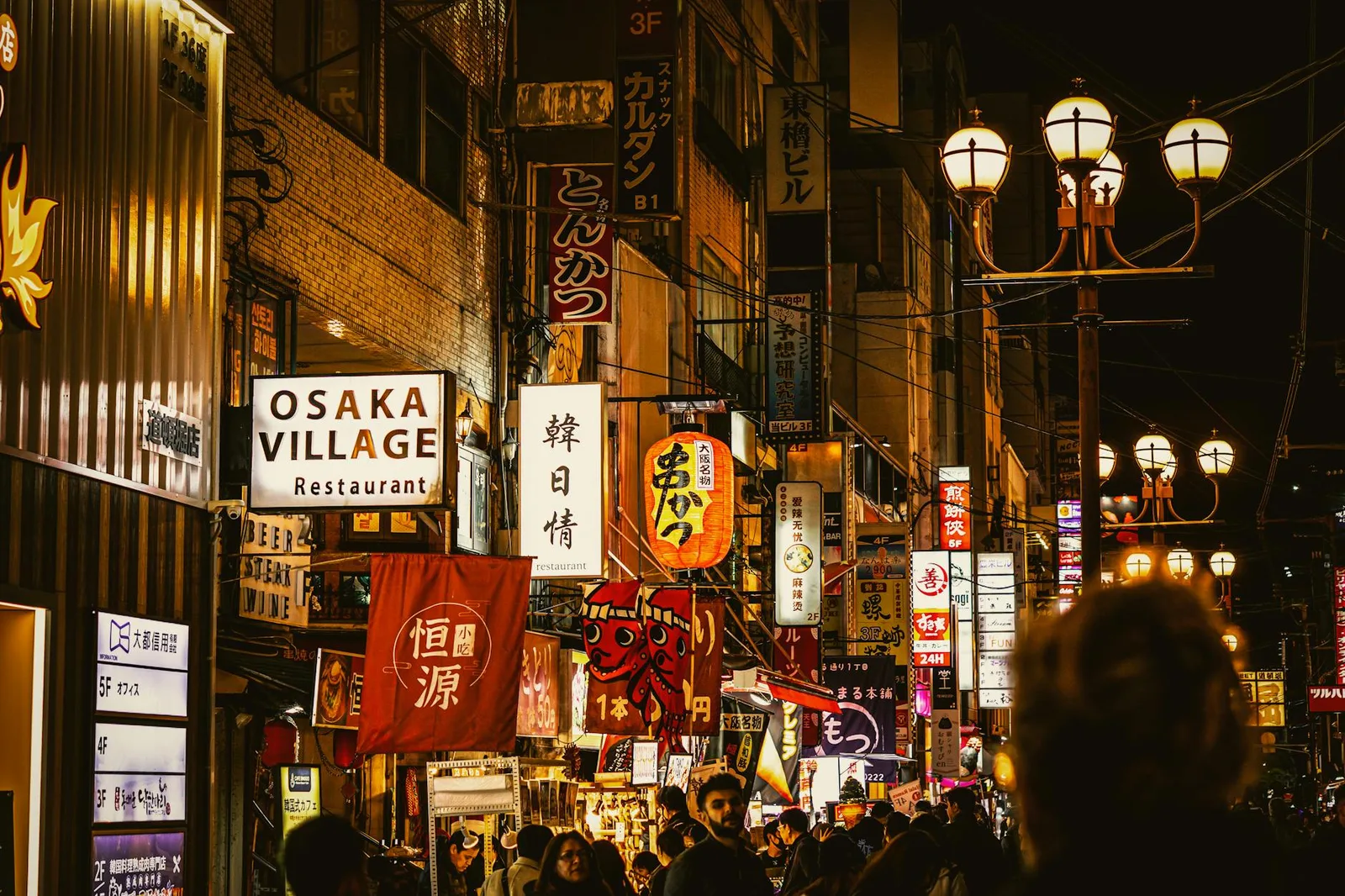
This one was on me. I kept hearing that Osaka nights are the point of the trip, so I pushed myself to stay out late even though I’d already walked a lot that day. It seemed like the right call because the city is supposed to come alive after dark, and I didn’t want to miss that.
The trigger was deciding to keep going after dinner instead of heading back once the weather cooled down. It was around 11°C that night, and I had my jacket in hand more than on my body. I stopped for a drink, then another, then wandered Namba and Shinsaibashi longer than I should have because I thought the energy would carry me. It didn’t. I was just tired in a brighter place.
The consequence was a ¥3,600 bar tab, a 1:20 a.m. train back, and a next morning that felt like punishment. I slept badly, skipped a breakfast I’d planned to try, and spent half the next day moving slowly. That’s not a dramatic failure. It’s just bad timing, which is sometimes worse because it feels avoidable.
Hindsight: I’d save Osaka nightlife for a day when I didn’t already have 15,000 steps in my legs. If I’m tired, I’d do one drink and leave. The city isn’t going anywhere, and I’m not 24 anymore, despite what my itinerary sometimes thinks.
Verdict: fun, but only when you still have energy left.
Best for: a night out after a lighter day.
Skip if: you’re already running on empty.
My pick: one drink, then the train home before I start making bad decisions.
I ignored the smaller neighborhoods because the famous ones looked easier
This was my most expensive mistake in a quiet way. I kept defaulting to the areas everyone names first because they felt safer to choose from. Shinsekai, Namba, Dotonbori — easy to recognize, easy to map, easy to explain to myself. I figured the famous zones would give me the best return for limited time.
The trigger was sticking to those obvious stops instead of giving myself one slower block in a neighborhood that wasn’t already drowning in attention. I walked past a few side streets near Tennoji and realized, a little too late, that the better part of Osaka for me was the part where I wasn’t being sold to every 20 steps. I bought a ¥500 canned coffee and sat for ten minutes just to reset. That pause mattered more than the neon.
The consequence wasn’t a single dramatic loss. It was a full day that felt more processed than lived. I probably wasted 3 hours across the trip bouncing between places I already knew from photos, and I missed the calmer version of the city that actually would have suited my pace. That’s a real loss, even if it doesn’t show up on a receipt.
Hindsight: I’d build one neighborhood walk into every Osaka day and leave room for getting pleasantly bored. Not every block needs to be famous. Some of the best parts are just ordinary streets, a convenience store lunch, and a bench where nobody is trying to sell you a memory.
Verdict: the famous areas are fine, but they’re not the whole story.
Best for: first-timers who want easy orientation.
Skip if: you only have one or two days and want something less packaged.
My pick: I’d cut one big-name stop before I’d cut a quieter walk.
I usually book Osaka tours on Klook — the best time slots go fast, especially in peak season.
FAQ
Is Osaka still worth visiting if I only have two days?
Yes, but I’d keep it tight and stop trying to cover everything. Two days is enough for one food-heavy evening, one neighborhood walk, and one timed activity if you book it properly. I’d skip any plan that depends on wandering around and hoping the city hands you a good day.
Do I need to stay near Osaka Station to make the trip easier?
No, and I wouldn’t pay extra just for that unless you’re doing a lot of train hopping. Osaka Station is useful, but the area itself is more functional than fun, and you can still get around well from other bases. I’d choose location based on the exact places you’ll visit most, not on the station name alone.
Is Dotonbori overhyped or worth one night?
It’s worth one short visit, then I’d move on. The canal and signboards do feel like Osaka, but the crowd can turn the whole thing into a slow shuffle by evening. I spent almost three hours there once and that was too long, so now I treat it like a quick stop, not a destination.
What’s the biggest food mistake people make in Osaka?
They snack too much in the touristy markets and call it a meal. I did that in Kuromon and spent ¥2,900 on food that looked better than it tasted. If you want better value, pick one thing you really want, eat it, and save the real meal for a proper local spot.
Should I bother with nightlife if I’m traveling solo?
Yes, but only if you still have energy left. Osaka nights are fun, but they’re not worth wrecking the next morning just because everyone says you have to stay out late. I’d go out after a lighter day, have one drink, and quit before I start dragging myself around Namba at 1 a.m.
 Emma Hayes