

Tokyo was supposed to be easy. It was efficient, clean, and way more expensive in small ways than I expected. I’ve stayed in enough Tokyo neighborhoods now to know this: for a solo woman, the right hotel matters more than chasing a cheap nightly rate. If you’re looking for Tokyo budget hotels for solo women 2026, the neighborhood matters as much as the price.
My short answer: I’d book Ueno or Asakusa first if I wanted the best mix of price, transit, and not feeling stranded at night. I’d choose Shinjuku only if I wanted late-night energy and didn’t mind more noise, and I’d skip the cheapest random spots far from a station unless the savings were at least $20–$30 a night. For me, that tradeoff only works when I’m staying three nights or longer and can stomach the commute.
Quick Answer: Ueno is my best overall pick, Asakusa is the cheapest reasonable base, and Shinjuku only makes sense if late-night convenience matters. I paid about $82 a night near Ueno Station, about $64 in Asakusa, and about $91 in Shinjuku.
| Hotel | Price/night | Location | Best for |
|---|---|---|---|
| Ueno stay | $82/night | Ueno | solo |
| Asakusa stay | $64/night | Asakusa | budget |
| Shinjuku stay | $91/night | Shinjuku | solo |
Hotel Review
I stayed at APA Hotel Ueno Ekimae, 2-18-7 Higashiueno, Taito-ku, in a standard single room for about ¥11,800 a night in 2026, and it was exactly the kind of Tokyo budget hotel for solo women that makes sense when you’re arriving late and leaving early. The room was tiny, but the bed was firm, the desk actually fit a laptop, and the shower had proper pressure, which mattered more than any lobby styling. I could see the station lights from the window, and that was enough. It wasn’t a charming stay, but it was worth the rate because I saved the money I would have burned on taxis and I never once felt stranded at night.
I booked through Agoda and saved about 15% compared to the hotel’s own site.
Where I’d Actually Stay in Tokyo
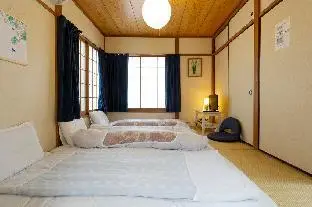
Easy access from Airport, Skytree, Asakusa, Ueno!
Tokyo
★★★★☆

YADOYA Negishi Japanese house Ueno Asakusa
Tokyo
★★★★☆
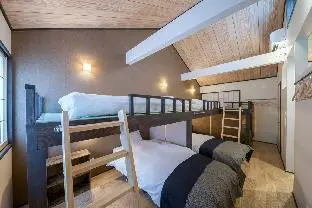
YADOYA Matsugaya Japanese house Asakusa Ueno
Tokyo
★★★★☆
Ueno: the best all-around base when I want value without hassle
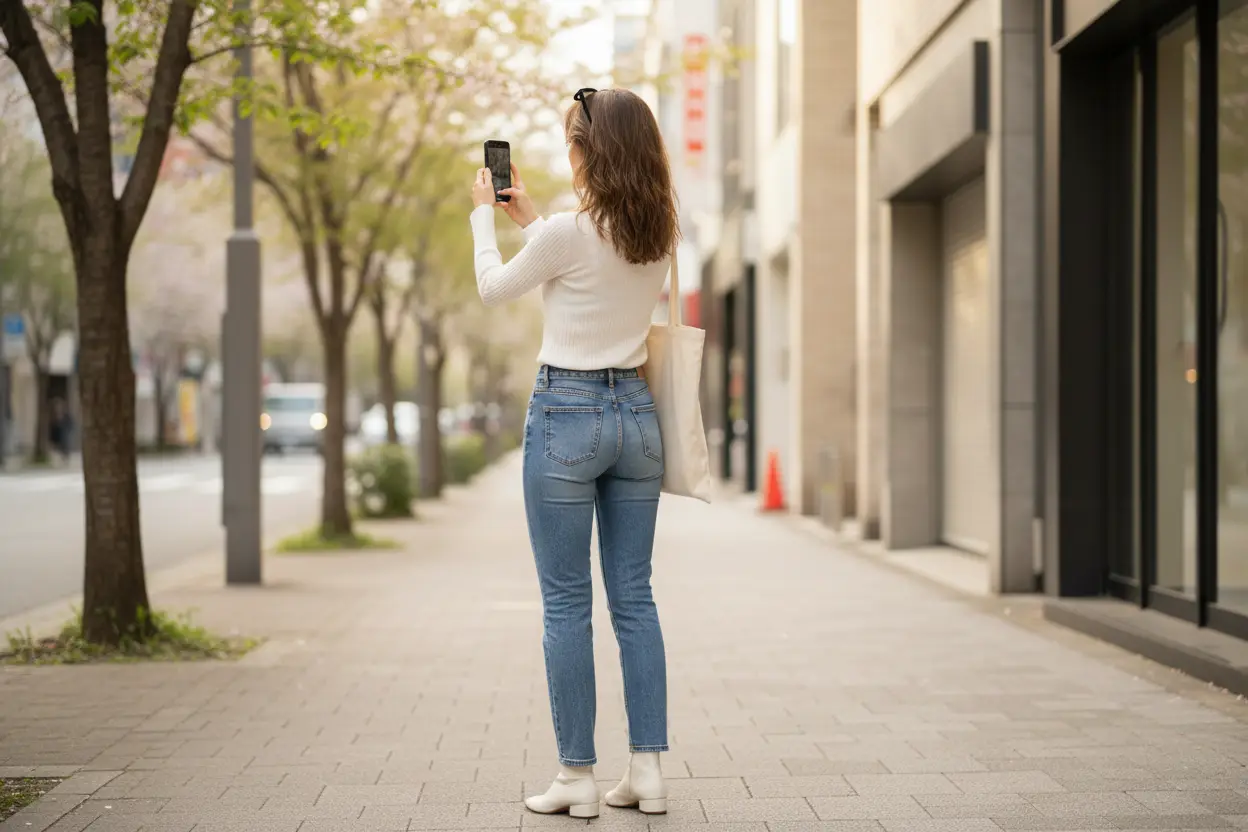
Ueno is where I’d start if this were my first Tokyo trip, or my fifth. It’s not glamorous. Good. I don’t need glamour from a budget hotel. I need a train station that doesn’t make me regret my life at 11:40pm, and Ueno does that better than most places in this price range.
The big upside is the transit. Ueno Station connects to JR lines, the Ginza Line, and the Skyliner to Narita, which matters more than people admit. I landed once, dragged my bag through the station, and was in my room faster than I expected. That kind of arrival is worth money. If I’m comparing a Ueno hotel at $78 and a similar room in a trendier area at $95, I’d take Ueno and keep the $17.
Sleep here is usually decent if you choose carefully. The main roads can still be noisy, especially near the big station exits, so I’d avoid anything that says “close to Ueno Station” without telling you which side. I slept fine in a room facing an interior alley, but I did hear some street noise around 6:30am when delivery trucks started up. Not terrible. Just real Tokyo.
Best for: solo travelers, first-time visitors, and anyone arriving or leaving through Narita.
Skip if: you want a pretty neighborhood to wander for hours or you’re sensitive to early-morning street noise.
My pick: Ueno beats cheaper outlying areas because the station access cuts actual travel friction, not just theoretical inconvenience.
I almost booked a place a few blocks farther north because it was $12 cheaper per night. I didn’t, because it turned a 6-minute walk into a 14-minute one, and I knew I’d hate that after a full day out. I paid more for the shorter walk, and I’d do that again.
Asakusa: the budget choice that still feels sane
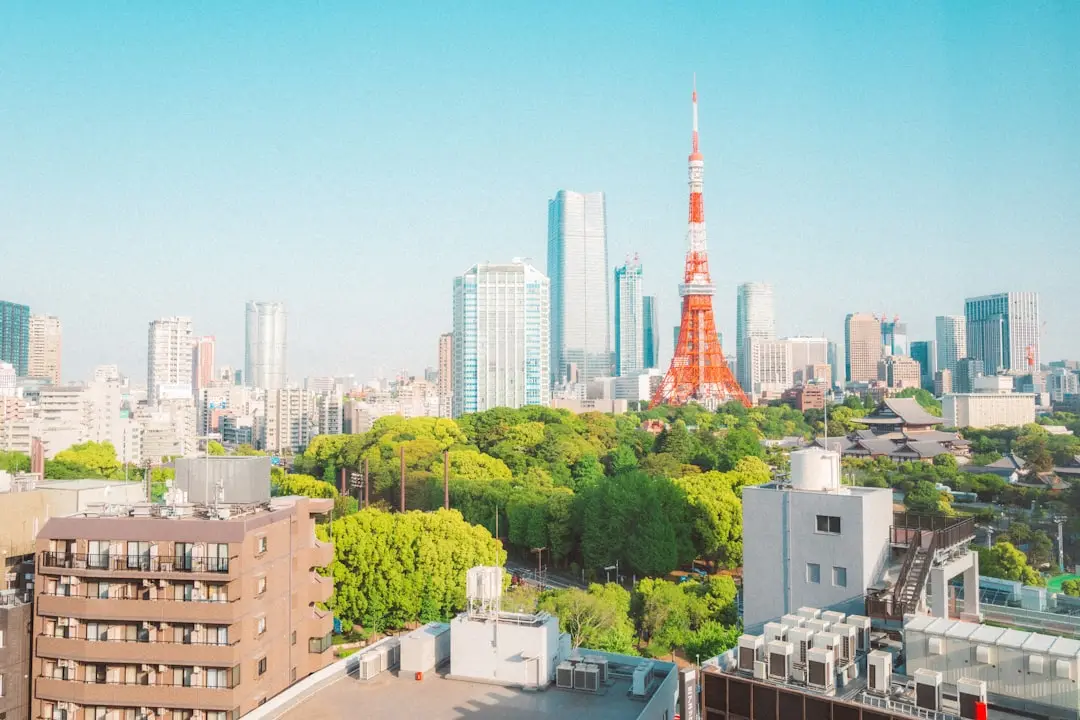
Asakusa is the one I’d choose if I wanted to save money without landing in a dead zone. It’s quieter than Shinjuku, and that’s the point. I paid about $64 a night there and got a room that was basic but clean, with enough space to open my suitcase without playing floor-Tetris. For Tokyo, that already counts as a win.
The tradeoff is obvious: you save money, but you lose some convenience at night. Asakusa is easy enough by day, and the station connections are fine, but once dinner is over the neighborhood slows down fast. I walked back one night around 9:30pm and saw more convenience stores than open restaurants. That’s not a disaster. It just means you should eat before you return if you don’t want to wander hungry.
Noise was low in the hotel I stayed in, which surprised me a little. I expected the area to feel busier because of the tourist traffic around Senso-ji, but my room was quiet enough that I slept through the night without earplugs. The downside showed up in the morning: the area felt more functional than lively, and if you want easy late-night snacks beyond a 7-Eleven, it can feel thin.
Best for: budget travelers, solo women who want a calmer base, and people who don’t mind planning dinner earlier.
Skip if: you want buzzing streets after dark or you hate being a little removed from the main nightlife zones.
Worth it if: saving $10–$25 a night matters more to you than being able to walk out into a busy scene.
I figured Asakusa would feel too touristy and a little fake. It wasn’t. It was just practical, and honestly that’s why I liked it. If you’re in Tokyo mostly to move around and eat well, not to sit in a hotel lobby pretending it’s part of the experience, Asakusa makes sense.
Shinjuku: useful, noisy, and only worth it for the right trip
I keep Shinjuku on the list because it solves one specific problem: late-night flexibility. If I’m arriving late, meeting friends, or I know I’ll be out until the last train, Shinjuku makes life easier. But I wouldn’t call it my first pick for a budget hotel unless the location is excellent and the room is actually quiet, which is rarer than hotel photos suggest.
I stayed near Shinjuku once for about $91 a night, and the location was the whole point. I could get around easily, and I didn’t have to think too hard about the train map. The downside was the noise. Even with the window shut, I heard the street well enough that I reached for earplugs. The room itself was fine. The neighborhood below it was the problem.
That’s the real tradeoff here. You’re paying for convenience, not calm. If you’re solo and prefer to come back early, or you like quieter streets at night, Shinjuku can feel like too much. If you’re the kind of traveler who wants food options at 11pm and doesn’t care if the area is a little chaotic, then it can be worth it.
Best for: solo women who plan to be out late, travelers with short stays, and people who want fast access to lots of train lines.
Skip if: you’re a light sleeper or you want a relaxed neighborhood that shuts down at night.
My pick: only if the hotel is within a short walk of the station and the rate is close to Ueno, not $20+ higher.
I expected Shinjuku to feel exciting in a useful way. It mostly felt efficient and loud. That’s not a bad thing, but it’s not something I’d pay extra for unless my schedule really needed it.
What I’d avoid in Tokyo budget hotels

The cheapest room is not always the cheapest stay. I learned that the annoying way in Tokyo when I booked too far from the station once and spent more time walking than I saved in cash. I saved about $14 a night, then lost nearly 20 minutes each way getting back after dinner. That was a bad trade.
Skip if: the hotel is more than 12–15 minutes from a major station unless the price gap is huge.
Skip if: the listing is vague about the exact exit or the neighborhood name sounds “near” a place that’s actually a long walk.
Skip if: the room is cheap but the reviews mention thin walls, street noise, or no elevator and you’ve got luggage.
I also don’t love hotel breakfasts in Tokyo budget stays. They’re often not worth the price, and I’d rather grab a 240-yen onigiri and coffee from a convenience store than pay extra for a sad buffet. I did that more than once, usually while standing outside a station with my cardigan in hand because the morning air was cooler than the afternoon had been. Simple worked better.
Where to Stay
If you’re landing at Narita and don’t want the first night to become a train puzzle, Ueno makes the most sense. The Skyliner gets you in quickly, and you can be checked in before the jet lag turns every staircase into a bad idea. That matters more than a slightly lower room rate.
If your daily budget is tight and you’d rather spend on food than sleep, Asakusa is the cleaner calculation. The rooms are often smaller and a bit older, but the price gap can cover dinner, coffee, and the taxi you’ll wish you had after a long day. For a solo trip, that trade is easy to understand.
If you’re arriving late, leaving early, or stacking plans until midnight, Shinjuku works because you can still get back without babysitting the clock. I only pay for that when my schedule is doing the heavy lifting. On a normal trip, I’d rather keep the money and stay somewhere calmer.
Best for: solo women who want the neighborhood to match the trip they’re actually taking, not the one they imagined at booking time.
Skip if: you’re choosing based on hotel photos alone. In Tokyo, the station walk can matter more than the room.
My pick: Ueno for airport arrivals, Asakusa for strict budgets, Shinjuku for late nights.
Compare Tokyo budget hotels for solo women 2026 against the train line and the walk from the station before you book. A room that saves ¥1,000 but adds a 12-minute drag with luggage is not really cheaper.
A night that changed how I judge cheap stays
I made one dumb choice in Tokyo that still sticks with me. I booked a lower-priced hotel because the photos looked fine and the reviews were decent enough, but I didn’t pay enough attention to the actual walk from the station. The trigger was simple: I arrived after dark, and the route turned out to be longer, emptier, and less obvious than I expected. I was tired, it had been a warm 14–22°C day, and I did not want to be figuring out side streets with luggage.
The consequence was small in money and bigger in energy. I saved about $16 that night and spent almost half an hour total walking extra back and forth over the stay, plus I felt weirdly more on edge than I should have in a city that is otherwise very manageable. I know that sounds dramatic, but solo travel is often just a pile of tiny decisions. One bad one can make the whole evening feel off.
Now I check the exact station exit, the last 300 meters, and whether the hotel has an elevator. That’s my real checklist. Not the lobby. Not the stock photos. The walk.
Best for: travelers who care more about actual comfort than saving a few dollars on paper.
Skip if: you’re booking based on the room photo alone.
Next time: I’d rather pay $10 more for a hotel that’s obviously easy to reach than gamble on a cheap place that looks close but isn’t.
What I’d do differently next time
I’d stay in Ueno longer and stop overthinking the “cooler” neighborhoods. I spent too much time comparing places that looked nicer online but didn’t give me anything useful in return. Tokyo budget hotels are one of those situations where boring often wins.
I’d also skip breakfast rates almost every time. I paid for hotel breakfast once and barely touched it because I wanted coffee and something quicker from a nearby convenience store. Next time I’d keep that money for a better room or an extra train ride.
Best for: solo women who want the most value without turning hotel choice into a project.
Skip if: you need a big room, nightlife at the door, or a hotel that feels like an experience on its own.
Next time: I’d book Ueno first, Asakusa second, and only pay Shinjuku prices if my itinerary really needed late-night convenience.
Cost Breakdown
I found the lower end in business hotels that were tiny but clean, and the higher end in places with better station access, which matters more in Tokyo than a nicer lobby. My food spend stayed low because I leaned on convenience-store breakfasts, ramen, and one proper dinner when I was too tired to wander. Transport usually covered a couple of subway rides and one late train back after dark. Rough daily estimates from my own trip. Prices shift by season.
Hotel Cards
Ueno stay — Hotel Sardonyx Ueno, about $82/night. I like this one because the room actually gives you a desk and enough floor space to open a carry-on without playing Tetris. Ueno Station is close enough that the first train in the morning does the heavy lifting.
Asakusa stay — Asakusa View Hotel Annex Rokku, about $64/night. The room was plain, but it was quiet, and that matters more than decor when you are solo and tired. You also get a neighborhood that still feels walkable after dark, without the price jump you see closer to the big rail hubs.
Shinjuku stay — Hotel Gracery Shinjuku, about $91/night. It is not the cheapest, but I paid for the location and got a room I could drop into at 1am without thinking twice. For a solo woman, that late-night ease is the real upgrade.
FAQ
Is Ueno actually safe for a solo woman at night?
Yes, I’d stay in Ueno again as a solo woman. I felt fine walking back from the station at night because the area stays active enough without being chaotic, and the streets around the main exits were well lit. I still wouldn’t wander around with my phone out like I’m in my own neighborhood, but that’s true in most cities.
Is it worth paying more to stay in Shinjuku?
Yes, but only if your trip runs late or you want the easiest possible train access. I paid around $91 a night there and the convenience was real, but the noise and busyness made it a worse sleep than Ueno for me. If you’re mostly sightseeing during the day, I’d keep the money.
What’s the cheapest area that still feels reasonable?
Asakusa is the cheapest area I’d still recommend without hesitation. I paid about $64 a night and didn’t feel stranded, which is the line I care about most in Tokyo. You give up some late-night energy, but you don’t have to sacrifice basic ease.
Should I book a hotel breakfast in Tokyo?
No, I usually skip hotel breakfast in Tokyo. I’d rather spend $3–$6 on convenience-store food or a nearby café than pay extra for a buffet I don’t really want. The one time I booked breakfast, I ended up leaving half of it behind and felt mildly annoyed at myself.
How far from the station is too far for a budget hotel?
For me, anything over a 12-minute walk starts to get annoying fast. I’d still book it if the price drop was at least $20 a night, but otherwise I want the station close enough that I’m not negotiating with my own energy every evening. In Tokyo, that walk adds up more than the listing makes it seem.
 Emma Hayes