
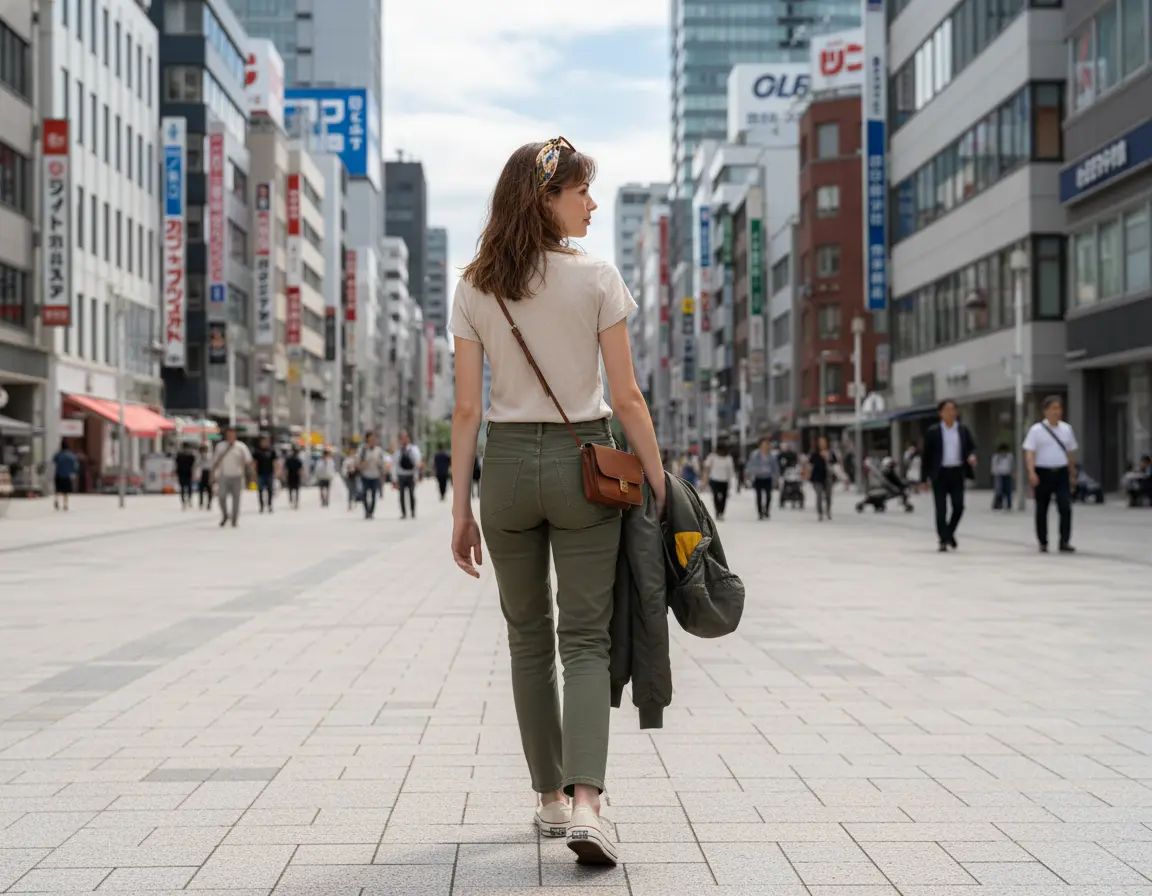
6°C in the morning changed my whole plan in Sapporo. I left my jacket in my bag once, got cold fast, and spent the next hour deciding if I wanted another bowl of soup or one more loop through the snow-dusted streets near Odori. My answer is pretty clear: I’d spend more time in Kyoto if I wanted slower, more memorable days, and more time in Osaka if I wanted food, easy transit, and a city that doesn’t ask much of me.
Quick answer: Kyoto gets more time if you want slower mornings, shrines, and walkable old neighborhoods. Osaka gets more time if you want food, easy train access, and less friction. My pick is Kyoto for the extra days.
Best for Kyoto: I’d pick Kyoto for a slower trip, temple-heavy days, and anyone who wants the city itself to feel like part of the experience.
Best for Osaka: I’d pick Osaka for short trips, better food-to-money value, and travelers who care more about moving around easily than sitting still in pretty neighborhoods.
My pick: Kyoto, if I’m choosing where to spend more time and I only get one main base.
Why I’d give Kyoto the extra days
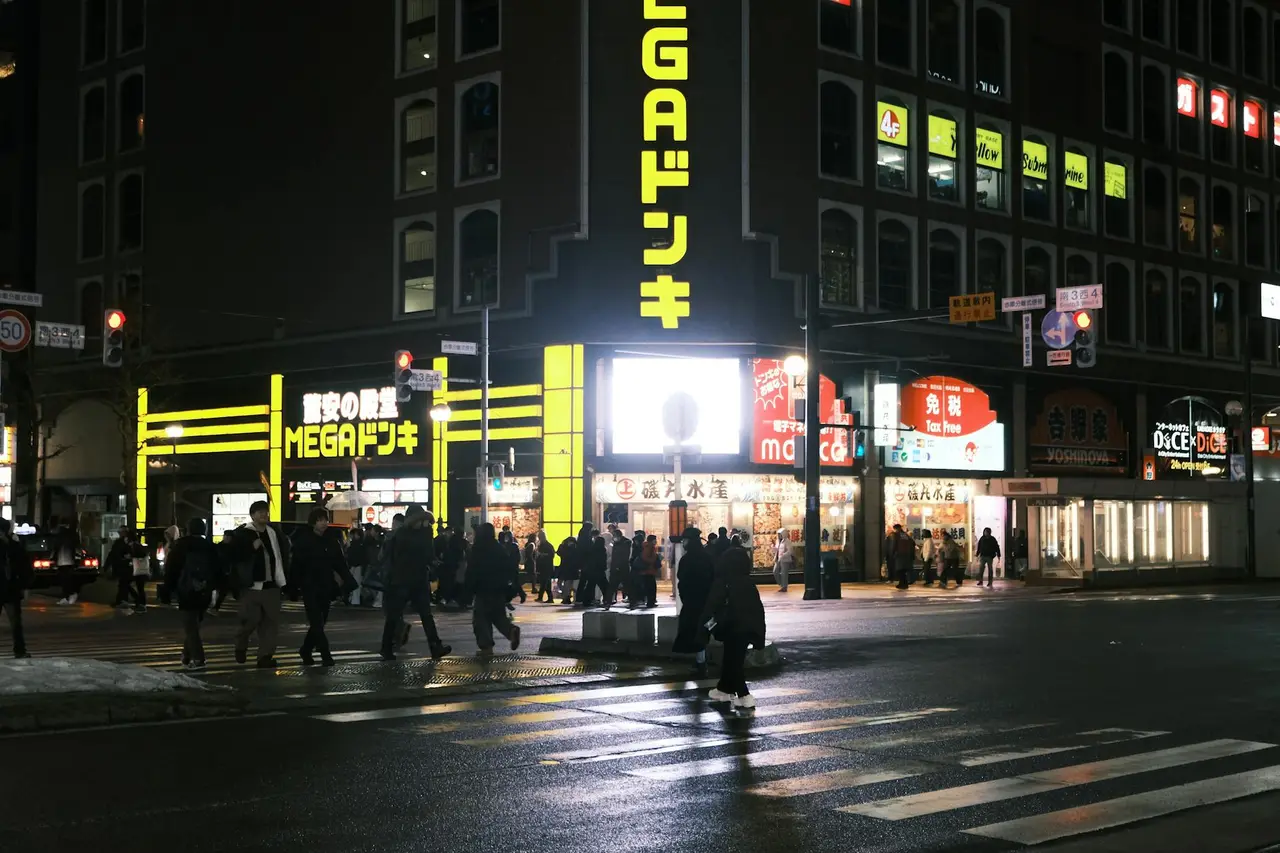
I’d choose Kyoto because the city changes how you spend a day. Osaka gives you things to do. Kyoto gives you a rhythm. I like that when I’m traveling, especially when I’m already juggling train times, hostel check-ins, and the usual “where did I put my charger?” nonsense.
I spent one cool, partly cloudy morning walking from Gion toward Yasaka Shrine, then on to the lanes around Kiyomizu-dera, and I kept stopping because the city kept offering small reasons to stop. Not dramatic reasons. Just enough. A tea shop with a 600-yen matcha set. A tiny tofu lunch that cost me about ¥1,100. A side street with almost no traffic. That kind of day is hard to fake in Osaka, and I think that matters more than people admit.
Kyoto is not cheap in the ways that matter. The popular areas near Gion, Higashiyama, and Kyoto Station can still run around $70–$140 a night for a decent private room in shoulder season, and nicer places jump quickly. But I’d pay the extra if the trip is under four days and I want the city to feel distinct. Kyoto is worth it when the point is the place itself, not just the logistics.
Best for: travelers who want slower mornings, walkable old neighborhoods, and a trip that doesn’t blur together.
Skip if: you hate walking uphill, dislike crowded temple routes, or want the cheapest possible food every day.
My pick: Kyoto wins the “more time” question for me because I’d rather spend my hours there than compress it into a rushed half-day.
I also expected Kyoto to feel overmanaged and a little too curated. It did in some spots, especially around the most famous lanes where everyone is aiming a camera at the same doorway, but the city still won me over once I got off the obvious routes. That’s the part people miss. The good stuff isn’t always the headline temple. Sometimes it’s the 20-minute walk between stops.
Why Osaka works better if you want less friction
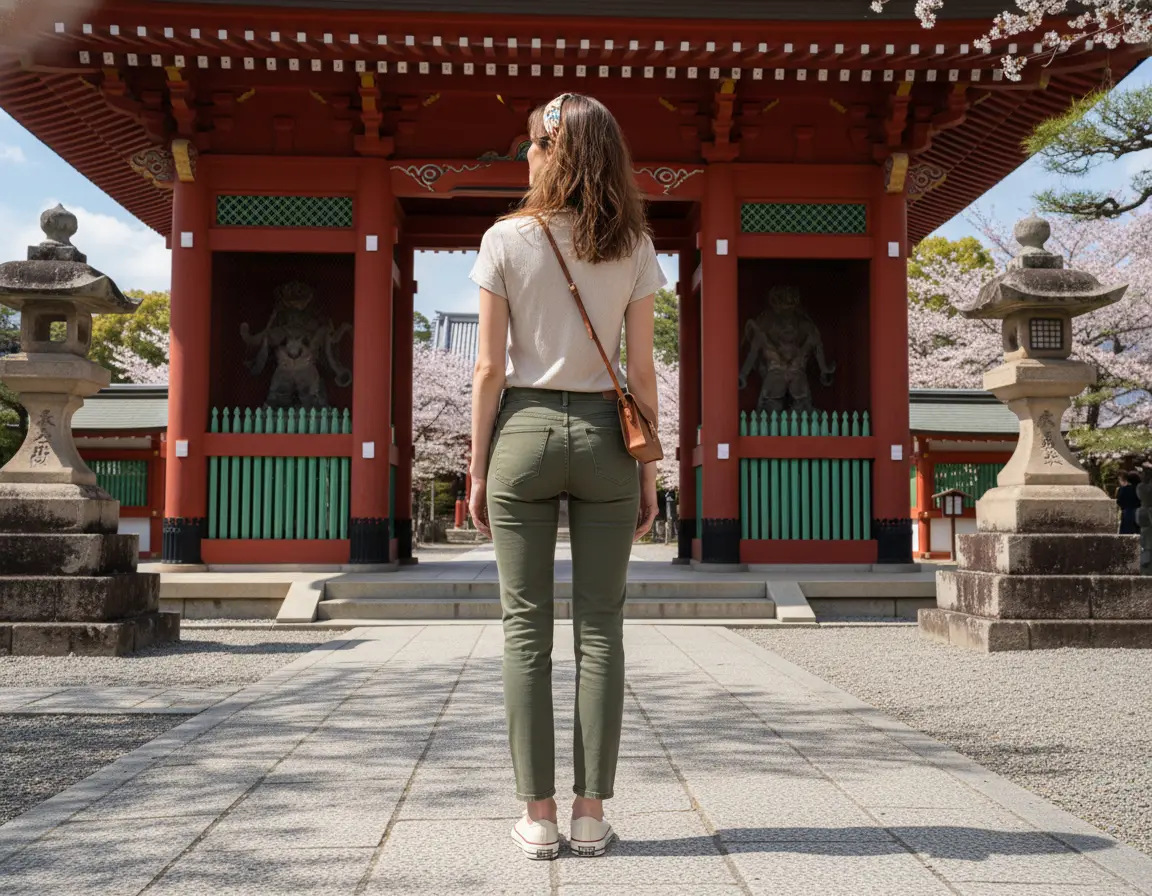
Osaka is the easier city to live in as a traveler. I don’t mean prettier. I mean easier. The subway is straightforward, the food is cheaper in a way you can feel by day three, and I didn’t waste much energy figuring out where I was going. That matters more than people want to admit when they’re tired, carrying a bag, or arriving late.
I ate a solid okonomiyaki dinner in Namba for about ¥1,300, grabbed a convenience-store drink for ¥180, and got back to my place without thinking twice about the route. That’s the whole argument for Osaka. It lowers the effort cost of being there. Kyoto asks more from you. Osaka doesn’t. Fine, not glamorous, but useful.
For a short trip, Osaka can be the better place to spend more time if you care about value and movement. A good private room near Namba or Umeda often lands around $55–$110 a night, and the city keeps your transport simple. If I’m using Osaka as a base, I can spend more of the day actually doing things instead of managing the day.
Best for: food-first travelers, first-timers who want easy train access, and anyone who gets annoyed by too many neighborhood transfers.
Skip if: you need your city base to feel special, or you’ll be disappointed if the main reward is efficiency.
Choose Osaka only if: the trip is short and you want the least annoying version of city travel.
I thought Osaka would feel too plain after Kyoto. It didn’t, at least not in the ways that matter on a busy travel day. The street food, the convenience, and the easy movement kept it from feeling like a compromise. I still wouldn’t give it the crown if I had extra days. But for fewer days, it stops being a consolation prize and starts being the smarter base.
Cost, time, and convenience: the numbers that actually change the decision
This is where Kyoto or Osaka more time stops being a vague preference and turns into a real trip choice. Kyoto usually asks more of me in transit, in taxis I didn’t plan to take, and in the extra time between stops. Osaka is cheaper on my nerves and usually a little easier on food and movement. If I’m trying to do more in fewer days, that matters.
Here’s the rough math from my own travel style:
~$65-$165/night
~$20-$40/day
~$6-$14/day
~$10-$28/day
~$101-$247/day
~$55-$140/night
~$18-$35/day
~$4-$10/day
~$8-$25/day
~$85-$210/day
Rough daily estimates from my own trip. Kyoto usually runs a little higher once you factor in slower movement. Osaka keeps the day tighter. Prices shift by season.
For transit, Kyoto’s buses can be annoying when the city is busy. I’ve waited 15–20 minutes for a bus that should have been simple, then watched the aisle fill up and thought, “I should have just walked.” Osaka’s subway and JR connections are cleaner for moving around fast. A basic subway ride is usually a few hundred yen, and it feels worth it because I’m not burning time above ground in random traffic.
The real time cost is not just the ride. It’s the transition. In Kyoto, I lost close to an hour one afternoon just getting from one temple area to another, then another 25 minutes waiting around for food because the place I wanted had a line. In Osaka, that same hour would have bought me dinner, a convenience-store stop, and probably a second place after it. That’s why Osaka works better when your trip is packed.
Budget-wise: Osaka usually wins by a small but real margin, especially on food and transit.
Time-wise: Osaka wins harder because it wastes less of your day.
Convenience-wise: Kyoto is fine if you stay in the right area, but Osaka is easier almost everywhere.
See all Kyoto hotels on Agoda if you want to compare the nicer, slower stay against a simpler Osaka base.
The vibe difference is the whole point
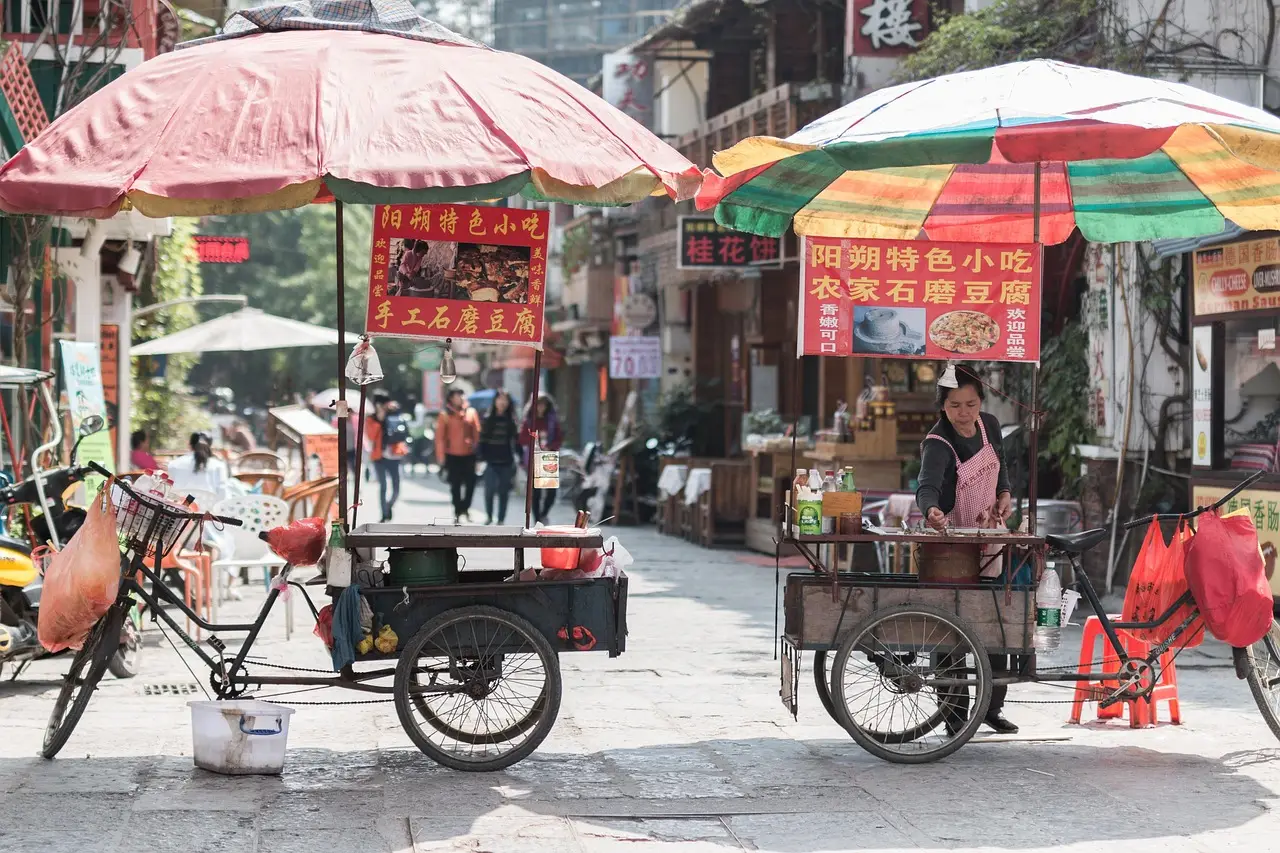
Kyoto feels like a city you schedule around. Osaka feels like a city you move through. That sounds abstract until you’re actually there. In Kyoto, I planned my morning around where I wanted to walk before lunch. In Osaka, I planned lunch first and built the rest of the day around it. Same country, different mood, and the difference is not subtle.
Kyoto gives me quiet blocks of time that feel expensive in a good way. I can sit near a temple garden, buy a 450-yen coffee, and not feel rushed for an hour. Osaka gives me motion. I can hop from one neighborhood to another and still feel like I’m getting a lot out of the day. If I’m honest, I like both. But I like Kyoto more when I have room in the itinerary. Osaka is better when I don’t.
The crowd pattern matters too. Kyoto’s famous spots can get clogged fast, and once that happens the city loses some of its charm. I hit one major area late in the morning and immediately understood why people talk about early starts. Osaka has crowds too, obviously, but they feel more like city crowds than “everyone is standing in the same photo spot” crowds. That difference is worth something.
Kyoto feels better if: you want your trip to slow down and look a little different from home.
Osaka feels better if: you want the city to work for you instead of asking you to admire it.
The tradeoff: Kyoto gives you atmosphere, Osaka gives you momentum.
I expected Kyoto’s main sights to carry the whole trip. They didn’t. The best parts were the in-between moments: the walk back to the station, the lunch I found by accident, the quieter street after the crowds thinned. That’s why I’d give Kyoto more time, not less. It gets better when you stop treating it like a checklist.
The mistake I made when I tried to do too much Kyoto in too little time
I once tried to squeeze Kyoto into a day that was already too full. That was the obvious move on paper. I thought I could handle one early start, two temple areas, and dinner in Osaka afterward. The trigger was simple: I arrived later than planned and kept trying to “save” the day by moving faster. Bad idea.
By mid-afternoon I was tired, hungry, and still not where I wanted to be. I spent about ¥900 on extra transit and lost nearly two hours to getting between spots, waiting, and walking uphill with a bag that got heavier every block. I also skipped a café stop I’d been looking forward to because I was chasing one more landmark. That’s the cost people don’t count.
What I’d do now is this: if Kyoto is in the plan, give it an actual day, not a leftover day. If I only have scraps of time, I’d keep Osaka and cut the Kyoto add-on. That’s not me being dramatic. It’s just better math.
Worth it: Kyoto when you can give it space.
Skip it: Kyoto as an overstuffed side quest from Osaka.
My pick: I’d rather do fewer things well than drag myself through both cities badly.
If you want to lock in a Kyoto or Osaka base before prices climb, I’d check rooms early. Kyoto especially gets stingy with good-value stays near the best walking areas, and the nicer Osaka rooms near Namba go fast on weekends. I’ve watched a room jump by about 30% in a few days, which is annoying but not rare.
What I’d do differently next time
I’d give Kyoto one full extra night and stop trying to “cover” it from Osaka. That combo sounds efficient and usually isn’t. I’d also stay closer to the station in Osaka if I planned to use it as a base, because the convenience really does save energy after a long day.
I’d skip one of the famous Kyoto morning routes and spend that time in a less obvious neighborhood instead. The overrun spots are fine, but they’re not where I’d spend my best hour. And I’d eat earlier in Osaka, because late-night food lines there can turn into a small headache if you wait too long.
Best for: travelers who want one city to feel meaningful and don’t mind paying a little more in time and money for that.
Skip if: you’re planning a fast, food-heavy trip and want the easiest possible base.
Next time: I’d give Kyoto the extra night and use Osaka as the efficient connector, not the other way around.
Final call: Kyoto or Osaka for more time?
I’d spend more time in Kyoto. It gives me more back if I have the days to spare, and I’m willing to trade some convenience for that. Osaka is the smarter base when the trip is short, the budget is tighter, or I care more about moving and eating than lingering.
Choose Kyoto for a slower trip, better long-day payoff, and a city that feels like the point. Choose Osaka if you want easy transit, better value, and less planning friction. If I had only one extra day, I’d give it to Kyoto and eat very well in Osaka on the way out.
Best for: travelers with three or more days who want their base to shape the trip, not just support it.
Skip if: you need the easiest, cheapest, fastest-moving city stay.
Next time: I’d make Kyoto the main base and use Osaka as the practical backup, because that split worked better than I expected.
I expected Sapporo to be the obvious choice for an extra few days, but the cold—sitting at 6°C most mornings—flipped that fast; I realized I’d rather spend those extra days somewhere warmer like Kyoto, where I could actually linger outside without my hands going numb after 20 minutes. The honest takeaway is that the best city for you isn’t always the one with the best reputation—it’s the one where the weather lets you actually experience it.
I thought choosing between Kyoto and Osaka meant picking culture versus convenience, but after walking Gion for a morning and then taking a 35-minute train to Osaka’s food markets, I realized Kyoto wins if you want the trip to *feel* like something, while Osaka wins if you just want to get through a checklist. If I’m only choosing one place to spend real time, Kyoto takes the extra days because slow mornings and tea shops at ¥600 matter more to me than efficiency.
See current Sapporo hotel prices on Agoda →
I usually book Sapporo tours on Klook — the best time slots go fast, especially in peak season.
FAQ
Is Kyoto worth extra time if I’m already sleeping in Osaka?
Yes, Kyoto is worth the extra time, but only if you give it a full day instead of a rushed half-day. I made the mistake of trying to bolt it onto a packed Osaka plan, and I lost almost two hours to transit and walking between spots. If you go, start early and keep the day focused.
Can I see enough of Osaka in one day?
Yes, one day in Osaka can work if your main goal is food and a quick city hit. I can eat well, walk around Namba, and get a real feel for the place without staying long. If you only have one day, Osaka is the easier city to sample without wasting time.
Which city is better if I hate crowds?
Kyoto is better, but only if you avoid the obvious temple rush hours. I’ve seen Osaka crowds spread out more naturally, while Kyoto can bottleneck hard around the famous spots. Go early, or you’ll spend more time behind other people’s phones than in front of the thing you came to see.
Which one is cheaper for a solo traveler?
Osaka is usually cheaper for me by a small but noticeable amount. I can eat well there for about ¥1,300 to ¥2,000 a meal and keep transit simple, while Kyoto nudges me toward pricier stays in the neighborhoods I actually want. The savings aren’t huge, but they add up over a few days.
If I only care about atmosphere, should I choose Kyoto?
Yes, Kyoto is the better pick if atmosphere is the main reason you’re going. The city gives you slower streets, older neighborhoods, and longer stretches where I actually want to walk instead of just move between stops. Osaka is fun, but it doesn’t give me that same feeling.
 Emma Hayes