
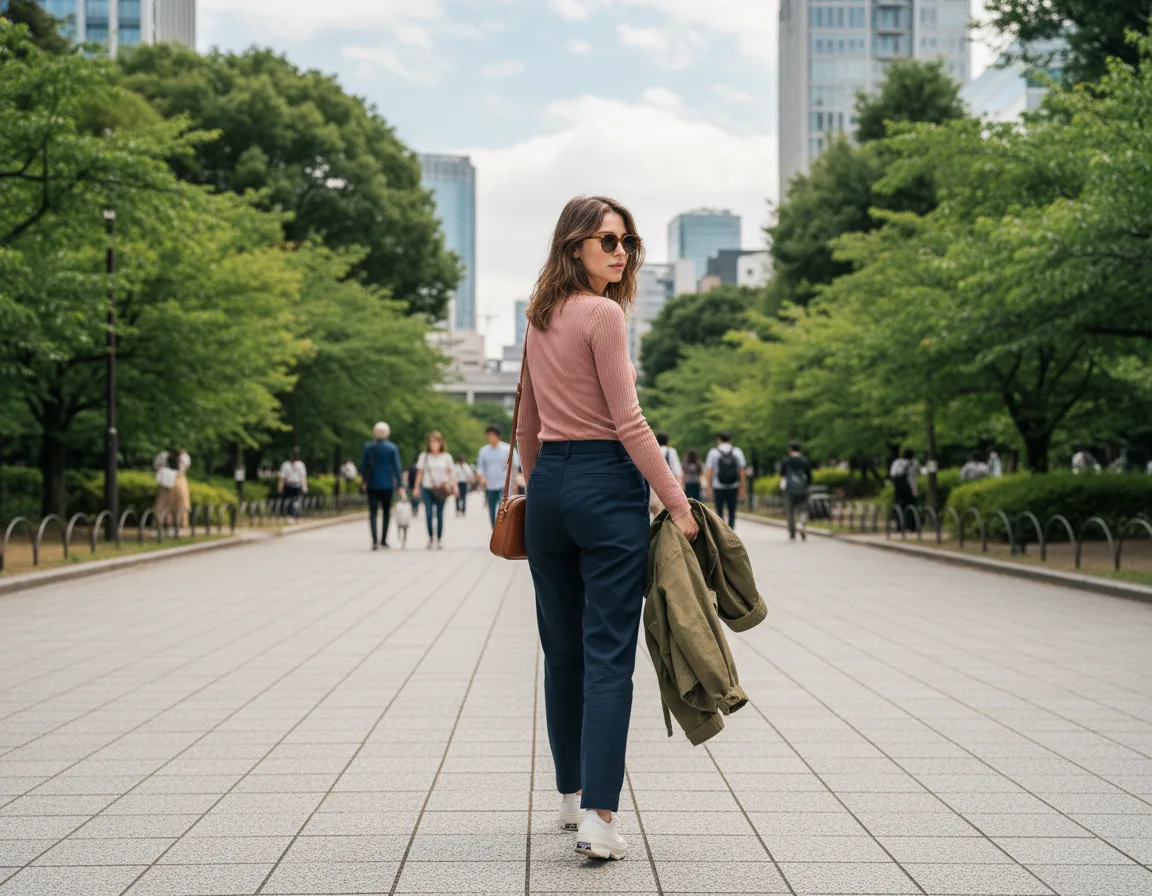
I did this wrong the first time. I treated Tokyo like one giant neighborhood and tried to “see a lot” without respecting train time, meal stops, or how fast the city eats up your energy. I also stayed too far from a station and spent one morning dragging my bag for 18 minutes in the drizzle with sunglasses on my head and a jacket in my hand, which was dumb.
My answer: three days in Tokyo is enough for a first trip if I keep the plan tight and choose neighborhoods that connect well by train. This 3 days in tokyo itinerary for first-timers fits people who want temples, food, and a little modern Tokyo without spending half the trip underground. If I only had one or two days, I’d cut the deeper neighborhood wandering and focus on Asakusa, Shibuya, and one food-heavy stop. The big decision is not what to cram in — it’s how much transit I’m willing to tolerate.
Best for: First-time visitors who want a realistic, walkable plan with low-friction transit.
Skip if: You want a slow museum trip or you hate moving hotels and stations.
My pick: Stay near a major JR or subway station and keep each day in one rough zone.
Quick answer: Day 1: Asakusa, Ueno, and a calm first night in Shibuya or nearby. Day 2: Meiji Shrine, Harajuku, Shibuya, then a sunset view if I still had energy. Day 3: Tsukiji Outer Market, Ginza, and either teamLab Planets or a slower afternoon in Tokyo Station / Marunouchi. I’d expect about $95–$170/day before shopping.
Day by Day
Day 1: Asakusa, Ueno, and a low-stress start
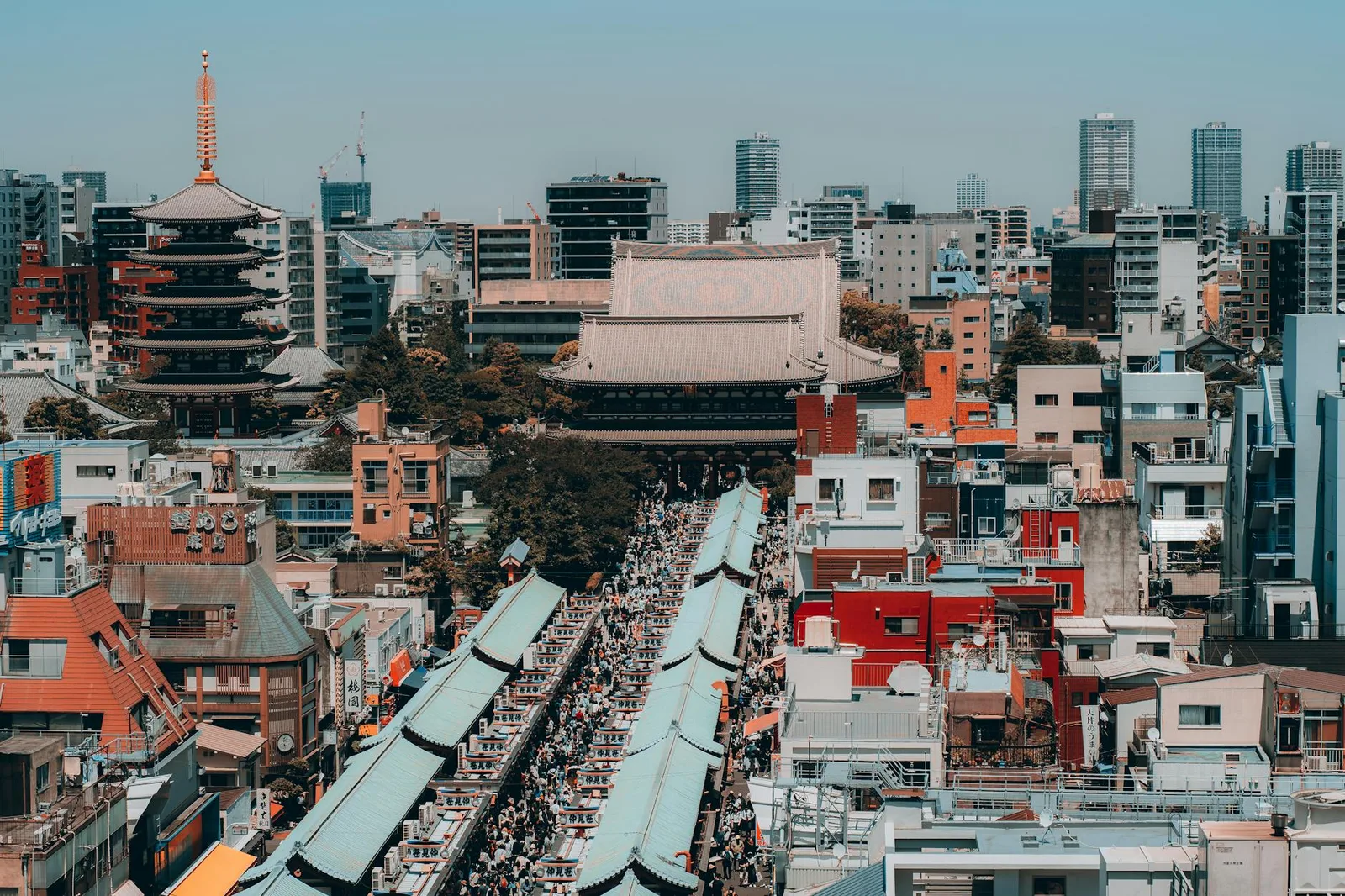
I’d start in Asakusa because it gives me a clean landing spot. Tokyo can feel like a machine on day one, and Asakusa is one of the few places where I can slow down without feeling like I’m wasting time. I got there around 9:15 a.m., and that timing mattered — the crowds were still manageable, but it was already busy enough that I knew I didn’t want to show up later.
8:30 a.m. — Breakfast near my hotel or station
I’d skip hotel breakfast and grab something simple near the station. In Tokyo, that usually means a convenience store breakfast or a small bakery. I paid about ¥430 for a coffee and egg sandwich at a station bakery once, and that was better value than most hotel buffets I’ve seen. Worth it: yes, if it gets me out the door faster.
9:15 a.m. — Senso-ji and Nakamise-dori
From Asakusa Station, it’s about a 5–10 minute walk to Senso-ji depending on which exit I use. Entry is free, which is part of why I don’t mind the crowds as much as I expected to. I figured this would feel like a tourist trap, and parts of Nakamise-dori do, honestly — the snack stalls are aimed squarely at visitors — but Senso-ji itself still works as a first stop because it’s easy, cheap, and fast. I spent about 45 minutes here, and that was enough.
Skip if short on time: the souvenir browsing on Nakamise if the crowd starts feeling silly. The temple area itself is the part worth seeing.
10:15 a.m. — Walk to Kappabashi
I’d walk 15 minutes to Kappabashi, the kitchenware street, because it gives me a break from the temple crowds. It’s not flashy. That’s why I like it. I once bought a ¥900 rice bowl here because I wanted something I’d actually use, not another magnet. If I’m traveling with carry-on only, I have to behave, but this is still a good stop for browsing knives, chopsticks, and plate shops.
Verdict: worth it if I like practical shopping. Skip it if I’m already tired of walking and just want lunch.
11:30 a.m. — Lunch in Asakusa
I’d eat in Asakusa before heading north. The area has plenty of tourist-friendly restaurants, but I’d go for something simple and local-looking rather than a themed place with a line. I paid ¥1,100 for tempura soba near the temple once, and it was fine — not life-changing, just solid. That’s enough for lunch.
1:00 p.m. — Ueno Park and Ameyoko
From Asakusa, I’d take the Tokyo Metro Ginza Line to Ueno. It’s about 5 minutes and costs around ¥180
I expected Ameyoko to be more local than it felt. It wasn’t fake, exactly, but it was louder and more snack-heavy than I wanted. Still, I’d keep it in the day because it gives me a different side of the city without costing much. Only if: I want the contrast between calm park space and a noisy market street.
3:00 p.m. — Check in and rest
By mid-afternoon, I’d go back to my hotel. Tokyo days get expensive when I pretend I’m not tired. I paid the price for that mistake once: I stayed out too long, bought two random drinks and a convenience store dinner because I was too wiped to make a real decision, and spent almost ¥3,000 more than I needed to. Next time, I’d reset for an hour.
6:00 p.m. — Dinner in Shibuya or back in Asakusa
If I’m staying in Shibuya, I’d eat there and keep the evening easy. If I’m staying elsewhere, I’d choose a local noodle shop near the hotel. I don’t love dragging myself across the city for dinner on day one. That math never works out. Worth it: only if the restaurant is actually on the way.
Day 1 transport total: about ¥360–¥500 plus whatever I spend on lunch and dinner.
Best for: travelers who want a soft landing and one strong temple stop.
Skip if: you only care about modern Tokyo and want to start with neon and shopping.
Day 2: Meiji Shrine, Harajuku, and Shibuya without the chaos
This is the day I’d keep tight. Harajuku and Shibuya are close enough that I don’t need to overplan them, but they’re also easy places to waste money on nonsense. I’d rather move slowly and leave before the crowd turns the whole thing into a queue.
8:30 a.m. — Meiji Shrine before the sidewalks fill up
I’d take the JR Yamanote Line to Harajuku Station from wherever I’m staying. The ride is often 10–20 minutes depending on base, and it usually costs around ¥170–¥220
Verdict: worth it early. Skip it in the middle of the day if I’m already behind schedule.
9:45 a.m. — Harajuku stroll, but only the part I care about
From Meiji Shrine, it’s about a 10-minute walk to Takeshita Street. I’d go for a look, but I wouldn’t build my day around it. It’s crowded, sugary, and very teenager-coded. Fine, not great. I’d spend 30–40 minutes there, mostly because I want to see the contrast, not because I think the shopping is especially good.
Skip if short on time: the side streets off Takeshita. I’d keep the main street, grab a snack, and move on.
11:00 a.m. — Lunch around Omotesando or back toward Shibuya
I’d eat before Shibuya because hungry me makes bad choices there. A basic lunch in this area runs around ¥1,200–¥1,800
1:00 p.m. — Shibuya Crossing and the surrounding block
I’d take the JR Yamanote Line from Harajuku to Shibuya. It’s about 2 minutes and costs around ¥170, but I still think it’s worth taking instead of walking if I’m already trying to save energy. Shibuya Crossing is one of those places I expected to hate because it’s so famous. I didn’t hate it. I also didn’t need more than 20 minutes there. I watched it from street level, took a few photos, and moved on before it started feeling like a performance.
Verdict: worth seeing once. Skip the paid observation deck unless I specifically want a skyline shot.
2:00 p.m. — Optional: Shibuya Sky or a café break
If I want a view, I’d book Shibuya Sky ahead of time. Walk-up tickets are not the move on a busy day, and I hate standing in a line just to pay for a view I could probably get elsewhere. If I’m tired or the weather looks flat, I’d skip it and sit in a café instead. I did this on a partly cloudy day when the temperature sat somewhere around 10–19°C, and I was glad I had a light jacket because the wind made the rooftop stuff less fun than it looks online.
Only if: I want one skyline moment and I’ve already accepted the price.
4:00 p.m. — Explore the non-famous side of Shibuya
I’d use the late afternoon for Don Quijote, a department store, or just wandering a few blocks away from the crossing. This is where Tokyo starts making more sense to me. Not because it gets quieter — it doesn’t — but because I can stop chasing the obvious spot and just watch the city work. I paid ¥1,800 for a small skincare refill and a snack haul here once, and that felt more useful than another souvenir.
6:30 p.m. — Dinner in Shibuya
This is the place for ramen, izakaya, or a casual curry shop. I’d budget ¥1,000–¥2,000 and keep it moving. The area has lots of polished restaurants, but I’d still look for the places with short lines and normal prices. I skip anything with a line over 30 minutes. I’m not doing that in Tokyo when there are five other decent options within 10 minutes.
Day 2 transport total: about ¥340–¥560
Best for: first-timers who want the famous modern Tokyo neighborhoods without spending the whole day shopping.
Skip if: you hate crowds and don’t care about the city’s trendier side.
Day 3: Tsukiji, Ginza, and one last flexible pick
This day is the easiest to overbook, so I wouldn’t. Tsukiji Outer Market can swallow a morning if I let it, and then the rest of the day turns into a rushed blur. I’d keep the schedule simple and choose one paid activity at most.
8:00 a.m. — Tsukiji Outer Market for breakfast
I’d take the Tokyo Metro Hibiya Line to Tsukiji Station. From Shibuya, that’s usually around 20–25 minutes and about ¥200. Go early. Not “cute early.” Actually early. I got there around 8:15 once and already saw people queueing for tamagoyaki and seafood bowls. By 10:00, it felt much more crowded and less worth lingering. I’d eat tamagoyaki, maybe a small seafood bowl if the line is reasonable, and call it breakfast and lunch combined. I paid about ¥1,600 for a breakfast set once and thought that was fair, though not cheap.
Verdict: worth it early. Skip it if I hate queues or if I’m not into seafood breakfasts.
10:00 a.m. — Walk to Ginza
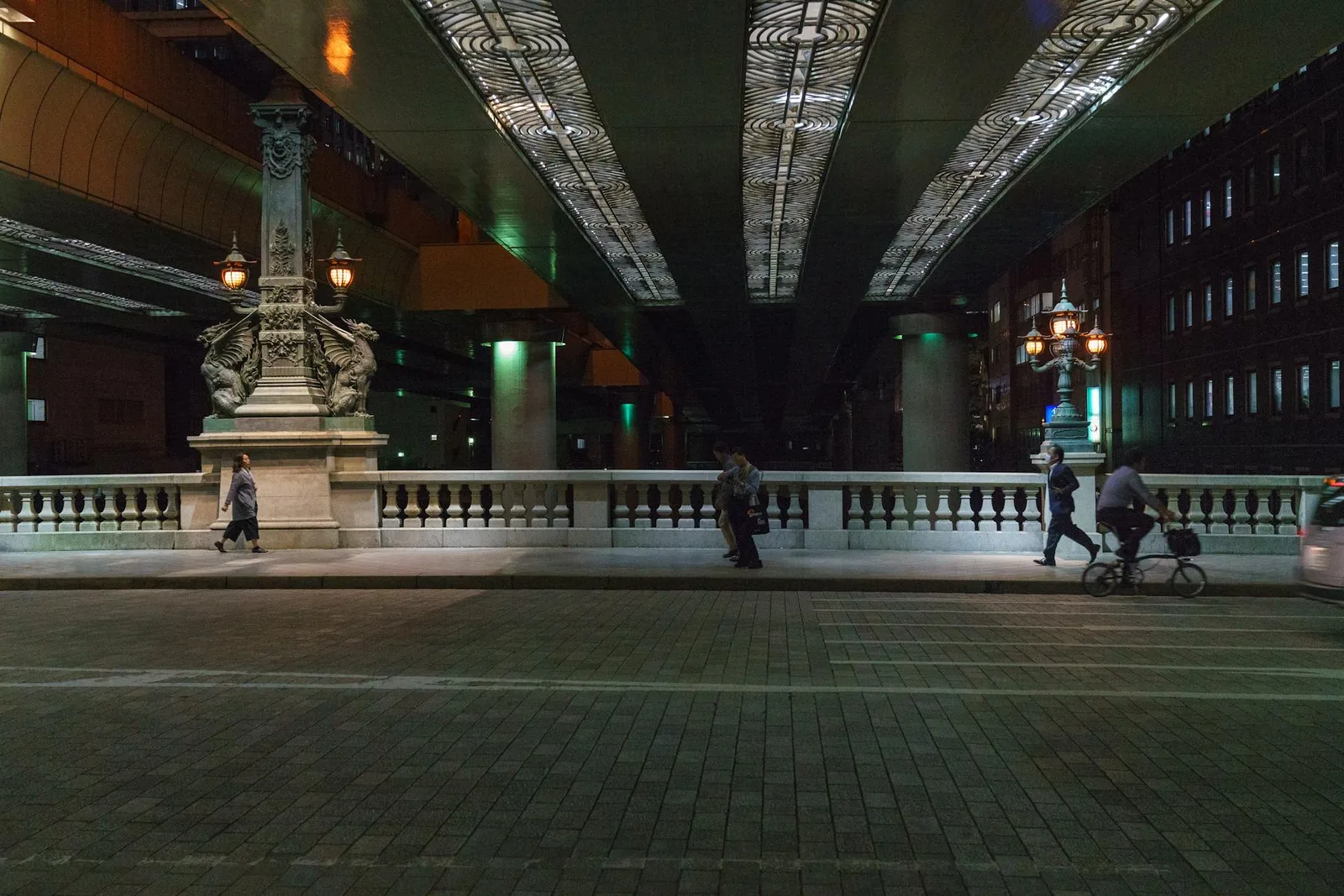
From Tsukiji, I’d walk 15–20 minutes to Ginza. It’s a good transition because I don’t need another train, and the shift from market mess to polished shopping streets is obvious. Ginza itself is not where I’d come to “discover” anything. I’d come because it’s easy, clean, and useful for a slower late morning. That’s the whole point.
11:00 a.m. — Ginza lunch or a department store food floor
I’d use Ginza for a department store basement meal or a simple set lunch. This is one of the few places where I actually like the food halls, because the selection is practical and the prices don’t always go completely off the rails. I spent ¥1,400 on a lunch set here and left full without feeling like I got trapped in a luxury tax. Worth it: yes, if I’m already in the area. Skip if: I’m trying to save every yen and don’t care about polished surroundings.
1:00 p.m. — Choose one: teamLab Planets, Tokyo Station, or a slow café afternoon
I’d pick teamLab Planets only if I booked ahead and actually wanted the art-installation experience. It’s popular for a reason, but it’s still a timed-ticket thing, which means I have to plan around it instead of drifting into it. If I went, I’d allow about 90 minutes total, plus transit. If I didn’t book it, I’d go to Tokyo Station / Marunouchi instead and use the afternoon for walking, snacks, and a calm end to the trip.
I had teamLab Planets and Tokyo Station in front of me on one trip. I went with Tokyo Station because the timing was easier and I didn’t want to pay for a ticket when I was already a little museumed-out. teamLab would’ve worked if I’d booked earlier and wanted a more visual, contained stop, but I was more interested in a low-effort last afternoon. That choice saved me money and a reservation headache.
Only if: I’m still excited enough to book a timed entry.
4:30 p.m. — Final walk and dinner near my base
I’d keep the final dinner near my hotel or near Tokyo Station if I’m leaving the next morning. On a last day, the best meal is the one that doesn’t ask me to cross the city again. I once made the mistake of pushing one last “quick” stop in Odaiba before dinner. It turned into 90 minutes of transit, a tired snack, and me arriving back too late to enjoy the meal I’d wanted. I’d skip that detour next time.
Day 3 transport total: about ¥200–¥450, plus any paid activity.
Best for: travelers who want food, one market morning, and a flexible final afternoon.
Skip if: you want this day to be packed with big-ticket attractions. It’s not that kind of schedule.
Where to Stay
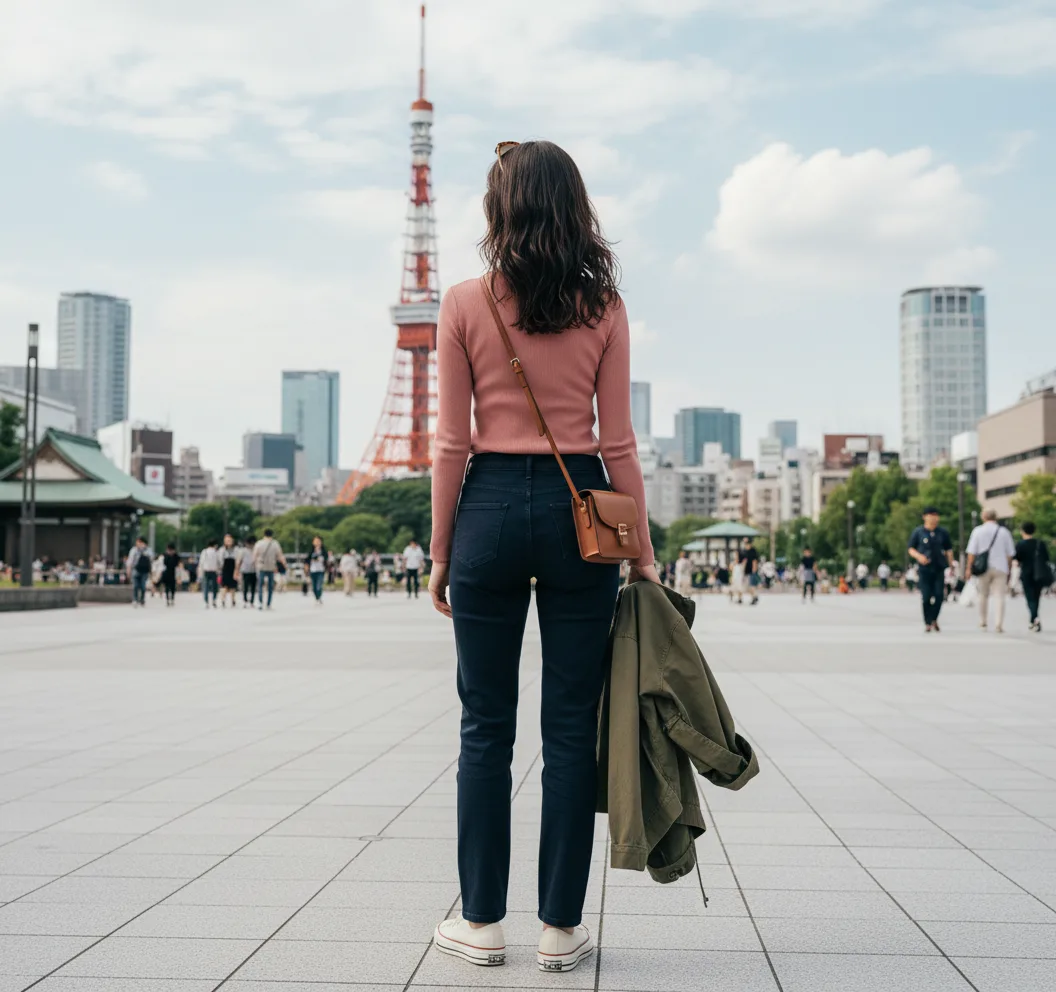
I’d stay near a station on the JR Yamanote Line if I can afford it, and I’d pay a little more for that. The cheaper hotel 25 minutes from the action always looks smart online until I’m the one hauling a bag through two transfers and a stairwell. I checked one place that was about ¥2,000 cheaper per night than my first choice, but the commute would’ve added 35 minutes each way to my day. I paid more and didn’t regret it.
For Tokyo I used Agoda — they had the best rate for my dates.
Where I’d Actually Stay in Tokyo
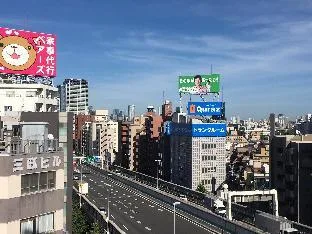
PENTHOUSE 3min direct to Shibuya Station&Crossing
Tokyo
★★★★☆
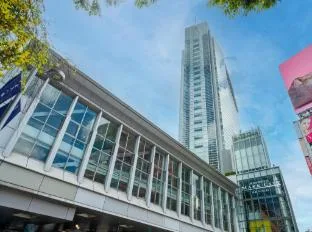
Shibuya Excel Hotel Tokyu
Tokyo
★★★★☆
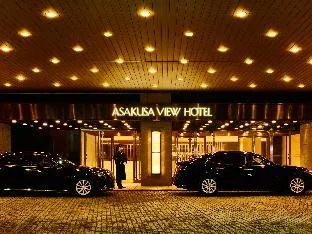
Asakusa View Hotel
Tokyo
★★★★☆
Best bases: Shibuya, Shinjuku, Ueno, or Tokyo Station area if the pricing isn’t absurd.
Skip if: the place sounds “cute” but needs a long subway ride to everything I want.
I’d especially like Ueno if I were trying to keep costs down. It’s not as polished as Shibuya, but it’s functional and well connected. Shibuya is more fun at night. Tokyo Station is the least charming and maybe the most efficient. I’d pick based on the trip, not the Instagram photo.
I compared the options in Best Area To Stay In Tokyo Shinjuku Vs Shibuya Vs Asakusa — useful if you haven’t booked yet.
For a deeper look at day trips from tokyo, I covered this in my Best Day Trips From Tokyo.
If get from narita airport to tokyo matters to your trip, my How To Get From Narita Airport To Tokyo has the specifics.
If tokyo budget guide how much you need per day matters to your trip, my Tokyo Budget Guide How Much You Need Per Day has the specifics.
I compared the options in Best Capsule Hotels In Tokyo For Solo Travel — useful if you haven’t booked yet.
Cost Breakdown
Rough daily estimates from my own trip. Prices shift by season.
Transport Tips
See current Tokyo hotel rates on Agoda if you’re traveling in cherry blossom or autumn season, because the decent station hotels go fast.
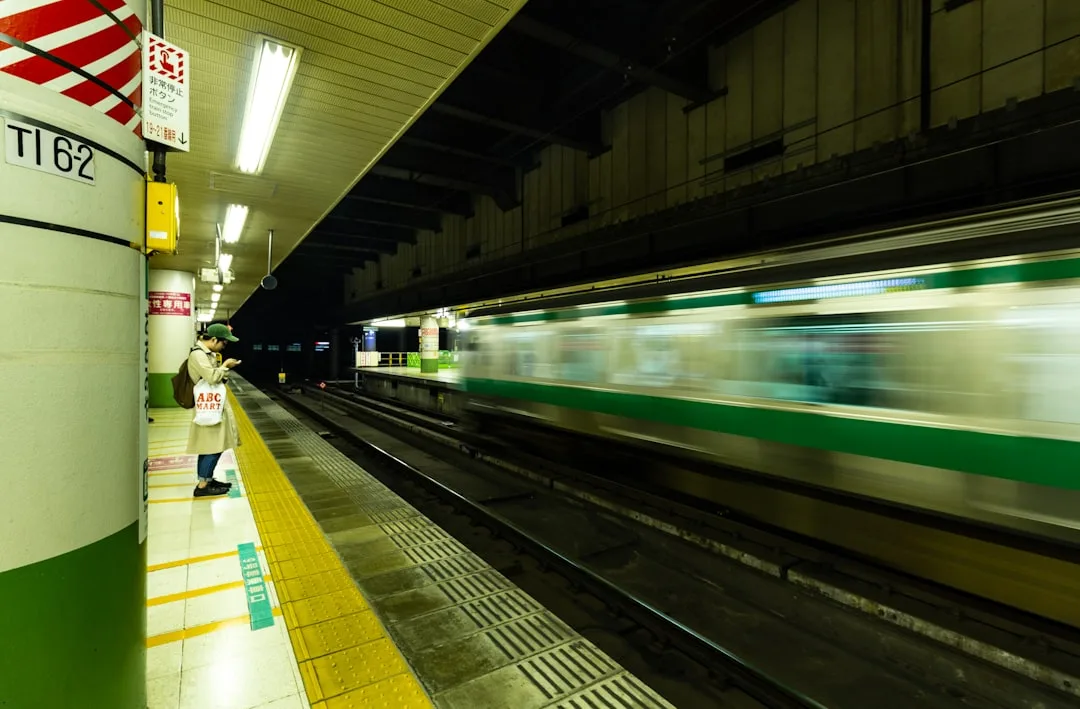
I’d stay near a major JR or subway station and keep each day in one rough zone. That’s the whole transport strategy for this 3 days in tokyo itinerary for first-timers. I’d use the JR Yamanote Line for easy hops between Harajuku, Shibuya, and other central stops, and I’d avoid backtracking just because a place looks close on a map. Tokyo rewards order. It punishes wandering without a reason.
I’d also keep one evening completely open, just in case I find a neighborhood I want to return to instead of forcing a checklist. And I’d bring a lighter layer than I think I need. Tokyo in mild weather fooled me once; I left my jacket in the hotel and got cold walking between stations. A cardigan or light jacket over a t-shirt is the right call for this kind of trip.
I pre-booked on Klook the night before — skipped the entire ticket line.
FAQ
Is three days enough for a first trip to Tokyo?
Yes, three days is enough for a first trip if I keep the plan focused. I’d use it to see one old Tokyo neighborhood, one modern shopping area, and one food-heavy morning instead of trying to “cover” the whole city. If I wanted to do Disney, museums, and day trips too, I’d add more days.
Should I stay in Shibuya or Shinjuku for this plan?
I’d pick Shibuya if the price difference isn’t huge, because it makes the evenings easier and keeps me near the energy I’d probably want on a first trip. Shinjuku works better if I want more hotel choice and don’t mind a busier, slightly messier base. I’d pay up to about $20 more per night for the better station access.
Do I need to book Tokyo attractions in advance?
Yes for anything timed or popular, especially skyline decks and teamLab-style experiences. I’d book those before I leave home if they matter to me, because same-day slots can disappear fast. For temples, parks, and most neighborhoods, I’d just show up early.
What should I cut if I only have two days?
I’d cut Ginza or Harajuku before I cut Asakusa or Shibuya. Those two neighborhoods give me the fastest read on Tokyo without making the day feel thin. If I only had two days, I’d keep one market morning and one shrine-plus-city day, then stop there.
Is Tokyo expensive for a short visit?
Yes, Tokyo can get expensive fast if I keep saying yes to views, taxis, and trendy meals. I can still keep it reasonable by using the train, eating at stations or markets, and choosing one paid attraction instead of three. My own three-day spend stayed manageable once I stopped chasing convenience-store chaos at 9 p.m.
 Emma Hayes