
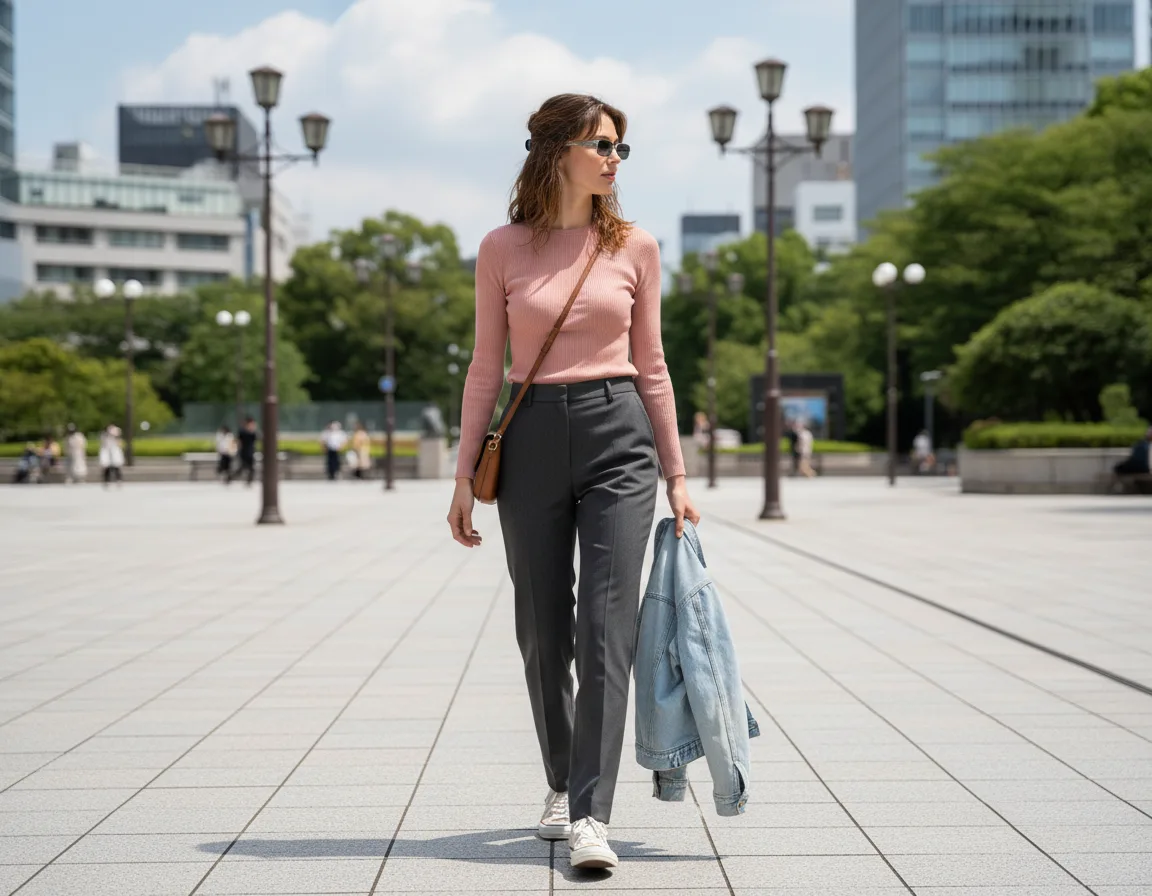
3 neighborhoods: I stayed in all three on different Tokyo trips, and one of them made my days easier without killing the trip budget. If you’re deciding on the best area to stay in Tokyo, Shinjuku vs Shibuya vs Asakusa, I’d choose Shinjuku first, Shibuya second, and Asakusa only if I wanted a calmer, cheaper stay and didn’t mind longer rides at night.
If you’re trying to decide where to stay in Tokyo for a first trip, the real question is this: do you want the easiest transit, the most nightlife, or the cheapest room with a slower pace? I care about cost per value, and Shinjuku wins that math for me. Shibuya is fun but pricier. Asakusa is the budget play, but it comes with a transit tradeoff I felt every night.
I’m not picking based on vibes alone. I’m picking based on how many times I had to drag myself back after dinner, how much I paid, and whether I could get home without making my night feel stupidly long.
Quick answer: Shinjuku is the best all-around base for most first-time visitors. Shibuya is better for nightlife, and Asakusa is the cheapest option if you’re okay with longer rides at night.
Shinjuku is the best all-around base
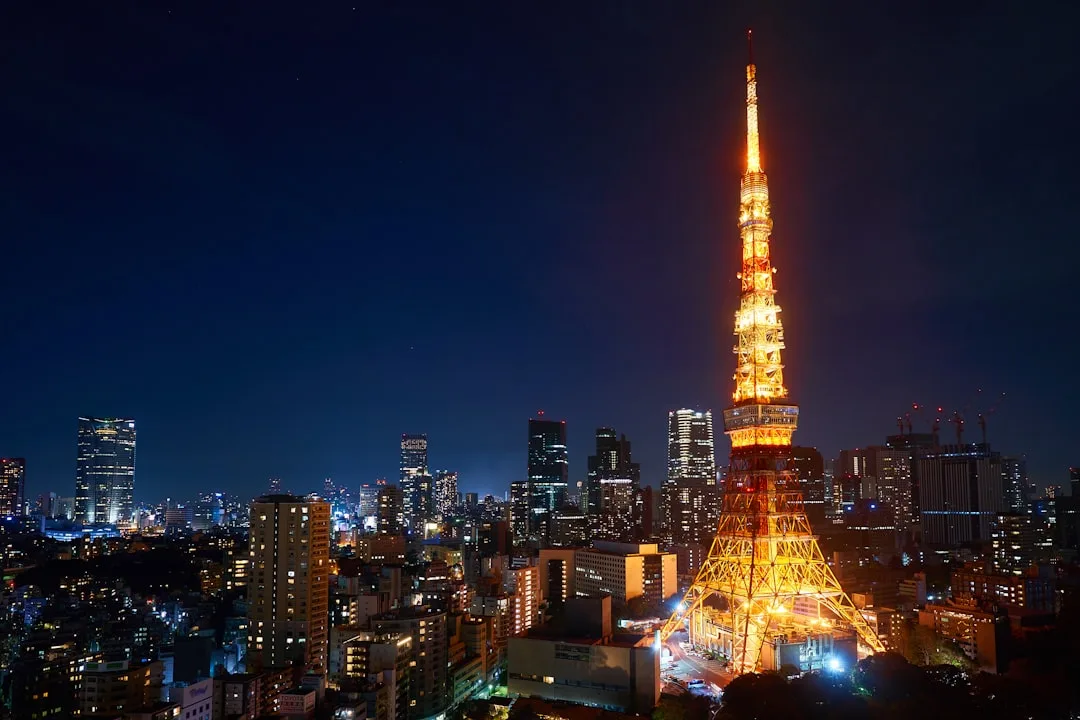
I kept coming back to Shinjuku because it simply made the rest of Tokyo easier. The station is huge and a bit relentless, but that’s also the point: I could get across the city fast, grab food late, and still have a decent range of hotels without paying luxury rates.
Shibuya is more fun if your evenings revolve around bars and energy, and Asakusa is calmer and cheaper, but I didn’t want to spend extra time riding trains just to save a little on the room. For a first Tokyo trip, Shinjuku felt like the most practical choice, even if the streets outside the station are busier than I’d usually pick.
If tokyo with kids best things to do and where to stay matters to your trip, my Tokyo With Kids Best Things To Do And Where To Stay has the specifics.
I compared the options in Best Neighborhoods In Tokyo For Food Lovers — useful if you haven’t booked yet.
I wrote a more detailed breakdown in Best Ryokans In Tokyo For First Timers — worth reading if you’re still deciding.
I wrote a more detailed breakdown in Best Area To Stay In Tokyo For Foodies — worth reading if you’re still deciding.
I wrote a more detailed breakdown in Tokyo Travel Mistakes To Avoid First Timer — worth reading if you’re still deciding.
If tokyo travel mistakes to avoid solo matters to your trip, my Tokyo Travel Mistakes To Avoid Solo has the specifics.
Shinjuku: the one I’d book again
Best for: First-time Tokyo trips, train-heavy itineraries, and anyone who wants late-night options without overpaying for a trendy address.
Skip if: You need a quiet, pretty street and hate station sprawl.
Main tradeoff: It’s busy and slightly chaotic, but that chaos is useful.
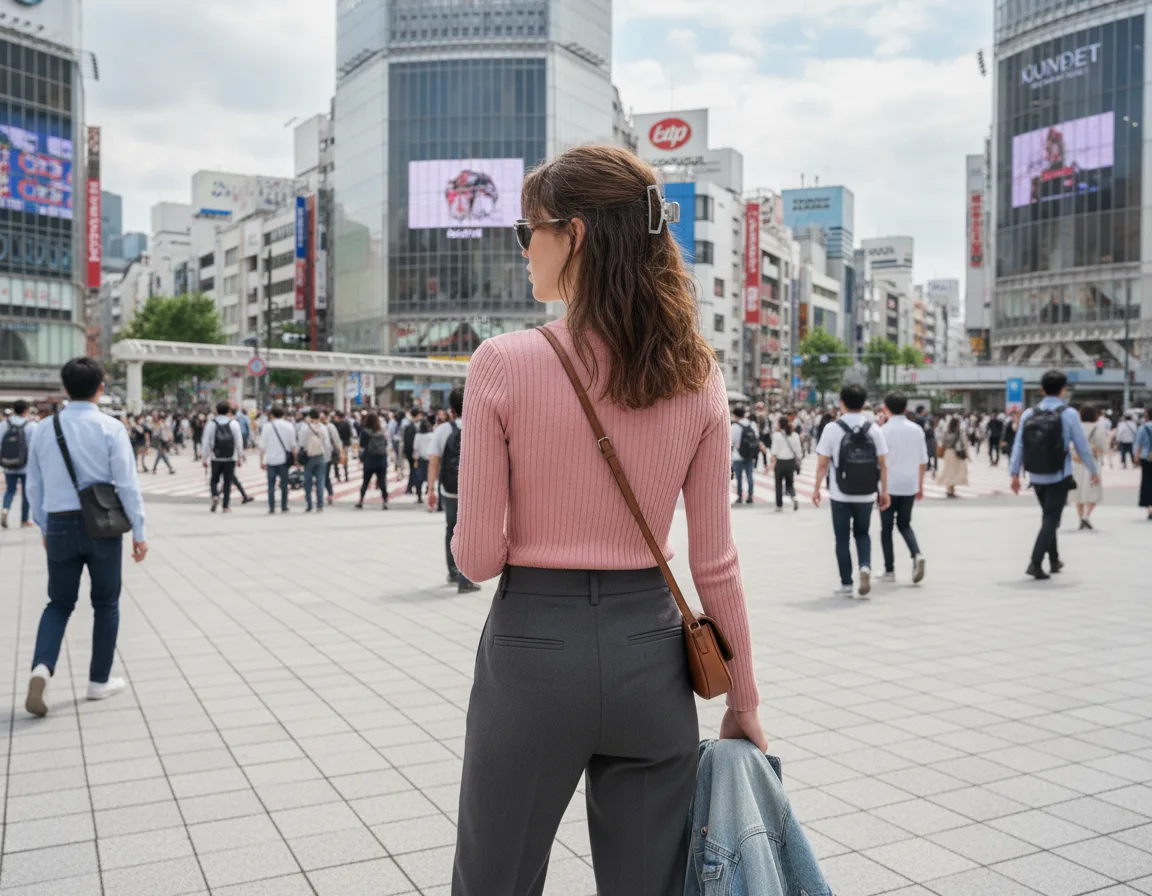
I stayed near Shinjuku Station once after landing on a mild 12–18°C afternoon, jacket in hand, sunglasses on, and I remember thinking the area looked more functional than charming. That was exactly why it worked. I could walk to the station in under 10 minutes, grab dinner at a conveyor-belt sushi place, and still get back without thinking too hard.
Shinjuku is the best area to stay in Tokyo if you want the city to be easy. JR lines, subway lines, airport trains, and late-night food all stack up here. I paid about $92 a night for a small but clean business hotel, and that rate would’ve felt worse somewhere less connected. In Shinjuku, it felt fair.
The biggest win is logistics. From Shinjuku, I could get to Harajuku in about 5 minutes, Shibuya in about 7 minutes, and Tokyo Station in around 15–20 minutes depending on the line and transfer. That matters more than people admit. Saving even 20 minutes each way adds up fast when you’re doing three or four outings a day.
I also liked that Shinjuku gave me real food options after 9pm. I bought a $7 bowl of ramen one night and a $2.50 convenience-store onigiri another night when I got back too late to care. That’s the kind of stay I like: not fancy, but not annoying.
Worth it if: you want the most balanced base and don’t want to keep checking train maps before every outing.
Not worth it if: your idea of a good hotel area is quiet lanes and a slower pace after dark.
I had Shinjuku and Asakusa in front of me on one booking search. I went with Shinjuku because the Asakusa place was about $28 cheaper per night, but it added roughly 25 minutes each way to my evening plans once I got back from the west side of the city. That math never works out for me on a short trip. I’d rather pay a bit more and avoid feeling stranded at 11pm.
Shibuya: fun, walkable, and more expensive than it needs to be
Best for: Travelers who want nightlife, shopping, and a walkable center of gravity.
Skip if: You’re trying to keep hotel costs down or you dislike crowd-heavy intersections.
Main tradeoff: Better atmosphere than Shinjuku, worse value for the money.
Shibuya is the area I expected to love most, and I didn’t quite. I figured the energy would make up for the higher rates. It did, sort of, but only if I was spending a lot of time out late. For a normal Tokyo day, I didn’t feel like the premium was buying me enough.
I paid about $118 a night for a room in Shibuya, and it was smaller than the Shinjuku room despite the higher price. That annoyed me more than I expected. I walked out one morning, grabbed a coffee near the station, and realized I was paying extra to be near places I could still reach easily from Shinjuku anyway.
Shibuya is great if your trip is built around bars, casual dinners, and wandering back after midnight. It’s also very walkable, which I value. But the station area can be a mess at peak times, and the crowds around the scramble and the big shopping streets are not subtle. I don’t love having to thread through that every time I need groceries or a train platform.
Worth it if: you want to stay in the middle of Tokyo’s social side and you don’t mind paying more for it.
Skip if: you’re using your hotel mostly as a base and want the best cost-to-convenience ratio.
Shibuya beats Shinjuku for atmosphere. Shinjuku beats Shibuya for actual staying. That’s the split. If I were 23 and planning late nights every day, I’d think harder about Shibuya. For a normal first Tokyo trip, I’d still book Shinjuku and just ride over when I wanted the scene.
Asakusa: cheaper, calmer, and a little less convenient

Best for: Budget travelers, slower trips, and people who care more about room price than late-night convenience.
Skip if: You want to bounce across Tokyo all day without adding transit time.
Main tradeoff: You save money, but the city feels farther away at night.
Asakusa surprised me. I expected it to feel sleepy in a bad way, but it was quieter in a useful way. I stayed there on a trip when I wanted to cut hotel costs, and I paid around $63 a night for a simple room. That was the cheapest of the three by a decent margin.
The area is fine for mornings. Sensō-ji gets crowded, yes, but if you walk early enough, the streets are manageable and the neighborhood feels more relaxed than central Shinjuku or Shibuya. I grabbed an 800-yen breakfast set from a small café and liked how easy the area was on foot. But once I started planning evening dinners in other parts of Tokyo, the location got less attractive.
That’s the tradeoff: Asakusa is not bad, it’s just farther from the parts of Tokyo most first-timers end up visiting. I spent about 30 minutes getting back from a dinner in Shibuya one night, and it felt longer because I was tired. If you’re doing a lot of cross-city movement, that commute starts to matter. If you’re staying mostly on the east side and want to keep spending down, Asakusa is worth it.
Worth it if: your budget is tight and you’re okay with a calmer base that’s less central.
Skip if: you hate ending the night on a long train ride or taxi bill.
I had Shinjuku and Asakusa on the same booking screen once. Asakusa was cheaper, but I knew I’d be out late and moving around the city a lot. I chose the more expensive option because saving $25–30 a night didn’t matter as much as arriving home without a second commute in my head.
The part people underestimate: Tokyo nights are where location matters most
Best for: Anyone who plans to eat late, drink, or keep moving after 8pm.
Skip if: You think all Tokyo neighborhoods feel equally connected after dark.
Main tradeoff: A cheap room can become expensive in time and energy.
This is where I’ve made my worst Tokyo hotel mistake. I booked a cheaper place outside the main station zones because it looked fine on the map. The trigger was simple: the nightly rate was about $34 lower than the Shinjuku option, and I thought I’d save money without losing much. I was wrong. After one long day, I spent nearly 40 minutes getting back, then another 10 minutes hunting for the right exit because the station layout was a small disaster.
The consequence wasn’t just annoyance. I skipped a second round of food and got back so late that I settled for a 7-Eleven dinner and called it a night. That saved money on paper and cost me the part of Tokyo I actually wanted. Now I’d rather pay for a base that trims friction than chase the cheapest room in reach.
Verdict: for a first Tokyo trip, stay where the trains make your life easier, not where the room looks cheapest.
I also noticed something small but useful: a hotel that looks “close” on a map can still be a pain if it’s a 12-minute walk through station tunnels or a busy crossing. In Tokyo, that detail matters more than the room photos. I care less about the lobby and more about whether I can get in, drop my bag, and leave again without a puzzle.
See all Tokyo hotels on Agoda.
What I’d choose again
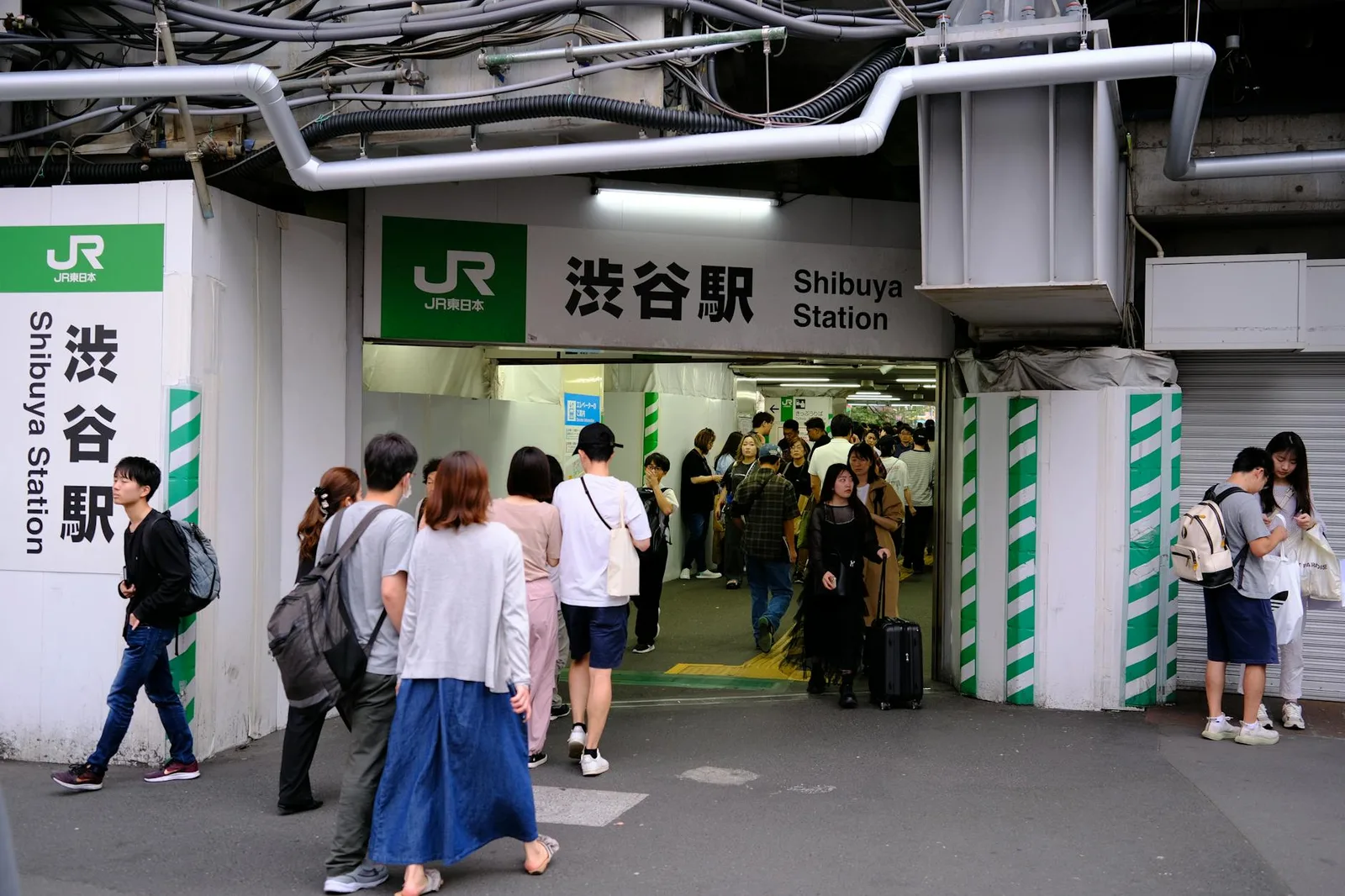
My pick: Shinjuku, because it gave me the best mix of transport, food, and hotel value.
Best for: Most first-time visitors who want to see a lot of Tokyo without overthinking the base.
Skip if: You know you want a quieter neighborhood and you’re fine trading convenience for calm.
I’d book Shinjuku again without much hesitation. Not because it’s pretty. It isn’t, really. But I liked how little it asked of me. I could land, check in, eat, move around, and come back late without feeling like I’d chosen the wrong side of the city.
Shibuya would be my second choice if the trip were more social and I cared more about being out than getting around efficiently. Asakusa would win only if I were trying to keep my daily spend low and I planned to spend more time in the eastern half of Tokyo. For a short trip, though, I think Shinjuku is the cleanest answer.
Cost breakdown
Shinjuku was the easiest place to find decent mid-range rooms, while Shibuya ran about $26 more per night for a smaller space. Asakusa was usually the cheapest of the three.
Food stayed fairly steady across all three areas, but Shinjuku and Shibuya made it easier to spend more on late-night meals and convenience-store runs. Asakusa was a little calmer, so I ate cheaper there.
Shibuya and Shinjuku cut down on train time if you were out late. Asakusa pushed transport costs slightly higher because the routes were longer, so I spent more getting back each night.
Shinjuku and Shibuya made it easier to add extra paid stops after dinner, while Asakusa kept things cheaper with temple visits and slower wandering.
Rough daily estimates from my own trip. Prices shift by season, and the area you stay in changes the total more than you’d expect.
What I’d do differently next time
I’d book Shinjuku earlier instead of waiting for the price to settle. The decent rooms moved faster than I expected, and the better-value ones were the first to go.
I’d only choose Asakusa if I had a slower itinerary with fewer late dinners. I liked it more than I expected, but not enough to trade away easy night transport on a short trip.
I’d skip Shibuya unless the trip was built around nightlife or I found a room that didn’t feel overpriced for the size. Paying more for a smaller room still annoys me.
Where I’d Actually Stay in Tokyo
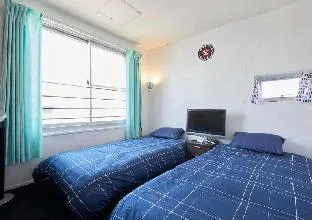
Shibuya 2BR 5beds Shinjuku Harajuku 10min.wifi
Tokyo
★★★★☆
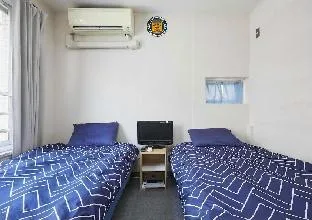
Shibuya 2BR 4beds Shinjuku Harajuku 10min.wifi
Tokyo
★★★★☆
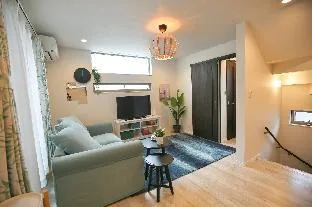
Through to Ikebukuro Shinjuku Shibuya & Ginza
Tokyo
★★★★☆
See current Tokyo hotel prices on Agoda →
I usually book Tokyo tours on Klook — the best time slots go fast, especially in peak season.
FAQ
Is Shinjuku too hectic to stay in?
No, I don’t think it’s too hectic if you stay a few blocks away from the busiest exits. The station itself is a lot, but that’s the point: it makes the rest of the city easy to reach. I’d call it busy, not unlivable.
Is Shibuya worth the extra money for a first Tokyo trip?
No, not for most first-timers. I paid about $20–$40 more per night there than I did in similarly decent Shinjuku options, and I didn’t feel the difference enough to justify it. I’d only pay extra if I planned to spend most evenings in Shibuya itself.
Is Asakusa a bad place to base yourself?
No, but it’s a better fit for budget travelers than for people who want maximum convenience. I liked the calmer streets and lower rates, but I also spent more time getting back after dinners on the west side. If you’re okay with that, it’s a solid choice.
Which area is easiest for getting around Tokyo without a car?
Shinjuku is the easiest of the three. I found it simpler for JR lines, subway connections, and late returns, which mattered more than a prettier street outside the hotel. If your days are packed, that time savings is real.
Where would you stay if you only had three nights?
I’d stay in Shinjuku. Three nights is short enough that I’d pay for the base that cuts the most friction, not the one with the lowest rate. Asakusa becomes more appealing only when I’m staying longer and watching every dollar.
 Emma Hayes