
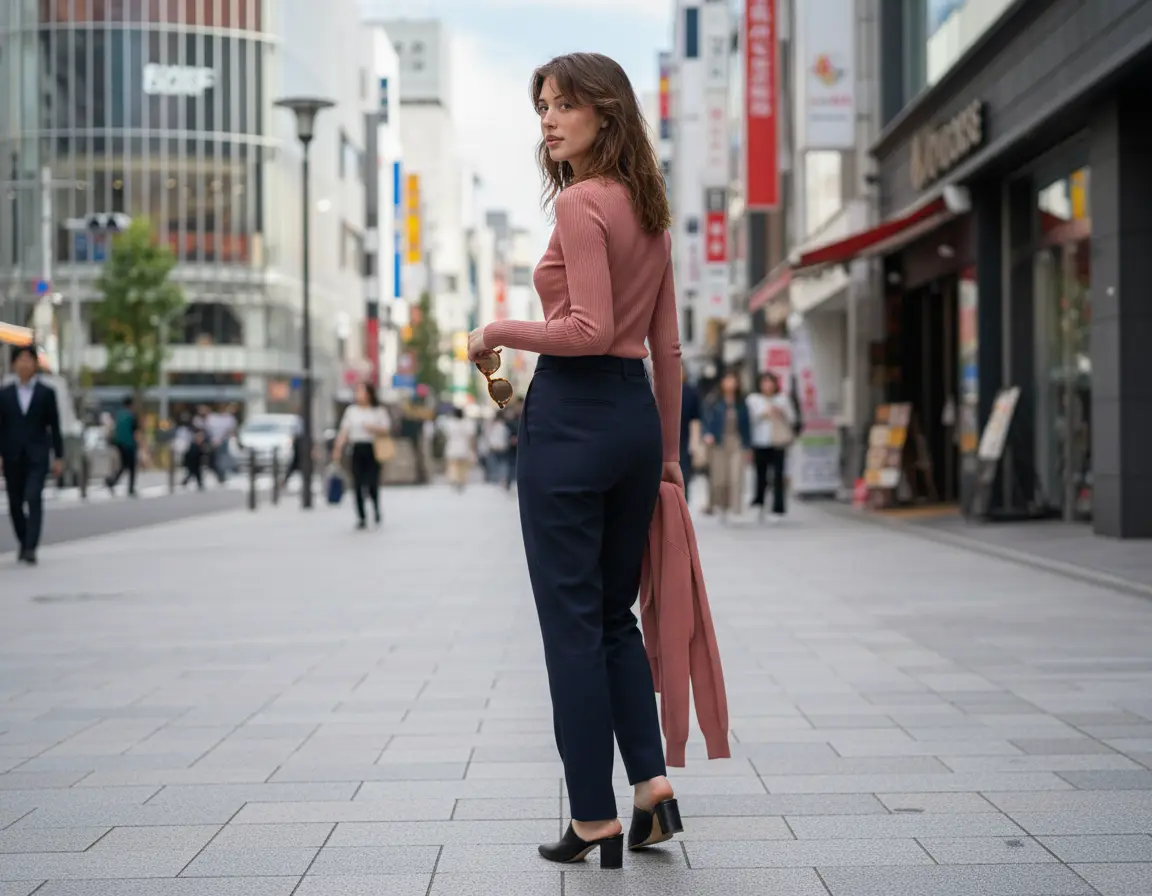
21°C: I spent one afternoon in Tokyo with sunglasses on, then needed my cardigan by dinner. That kind of swing is normal here, and it matters because I’d rather stay somewhere that makes food runs easy than burn time crossing the city twice a day. For the best area to stay in Tokyo for foodies, I’d choose Shinjuku for most food-first trips. It’s not the prettiest base, and I don’t think it is. But for late meals, cheap eats, and fast train access, it wins on value.
If you want the short version: Shinjuku is my pick, Ueno is the cheaper backup, and Ginza is only worth it if you care more about polished dinners than everyday eating. I had Shinjuku and Ueno on my shortlist, and Shinjuku won because I could eat at midnight without making the whole night feel complicated. Ueno would’ve saved me a little money, but not enough to justify the weaker late-night food scene.
Quick answer: Stay in Shinjuku if food is the point. It has the widest restaurant choice, late-night options, and easy train access after dinner. Ueno is the cheaper backup, while Ginza works better for polished dinners than casual eating.
Shinjuku: my pick for a food trip that actually moves
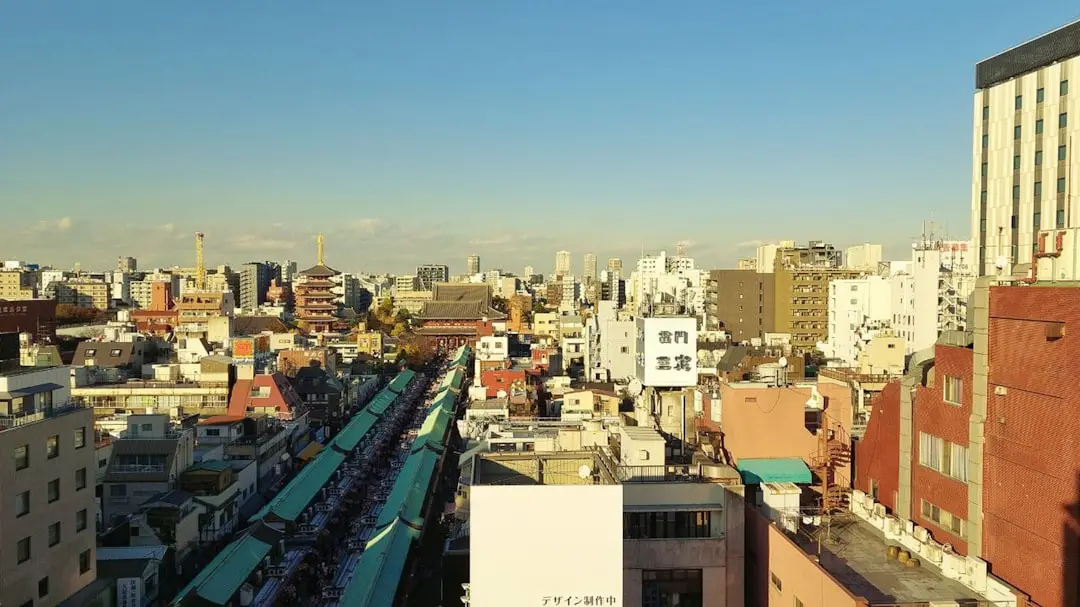
Best for: first-time visitors who want the widest spread of food, from budget bowls to solid izakaya streets.
Skip if: you need quiet sidewalks and a calm hotel zone after dark.
Main tradeoff: it’s loud and a little chaotic, but that chaos works in your favor when you’re hungry at odd hours.
I stayed near Shinjuku Station once and paid about $96 a night for a small room that was fine, not cute. The upside was ridiculous: I could walk to Omoide Yokocho, Kabukicho, and a bunch of no-fuss noodle places without planning anything. I ate a $7 bowl of ramen one night, then followed it with a 7-Eleven pudding because Tokyo does that to you. That whole evening would’ve taken more effort from almost anywhere else.
Why I’d pick it again: Shinjuku gives you the best mix of late-night food, transit, and sheer choice. If one spot is packed, I just walked three minutes and found another place. That saved me from the annoying “great area, bad timing” problem that kills a lot of dinner plans.
It’s also the easiest place to base yourself if you’re doing day trips or moving around different food neighborhoods. I took the JR lines without thinking too hard, and that matters more than people admit. Staying here means maybe 20-30 minutes to places like Asakusa or Ikebukuro, but it saves you the headache of zigzagging back across the city after dinner. Worth it.
The downside is obvious. Shinjuku is not where I’d book if I wanted a romantic trip or a quiet sleep. I heard sirens, foot traffic, and the occasional drunk karaoke energy late at night. Fine for me. Not fine for everyone.
If 5 days in tokyo itinerary worth doing matters to your trip, my 5 Days In Tokyo Itinerary Worth Doing has the specifics.
I wrote a more detailed breakdown in Tokyo Travel Mistakes To Avoid First Timer — worth reading if you’re still deciding.
If tokyo tourist mistakes to avoid 2026 matters to your trip, my Tokyo Tourist Mistakes To Avoid 2026 has the specifics.
For a deeper look at free things to do in tokyo 2026, I covered this in my Best Free Things To Do In Tokyo 2026.
Ueno: the cheaper choice if you want good food without paying Shinjuku prices
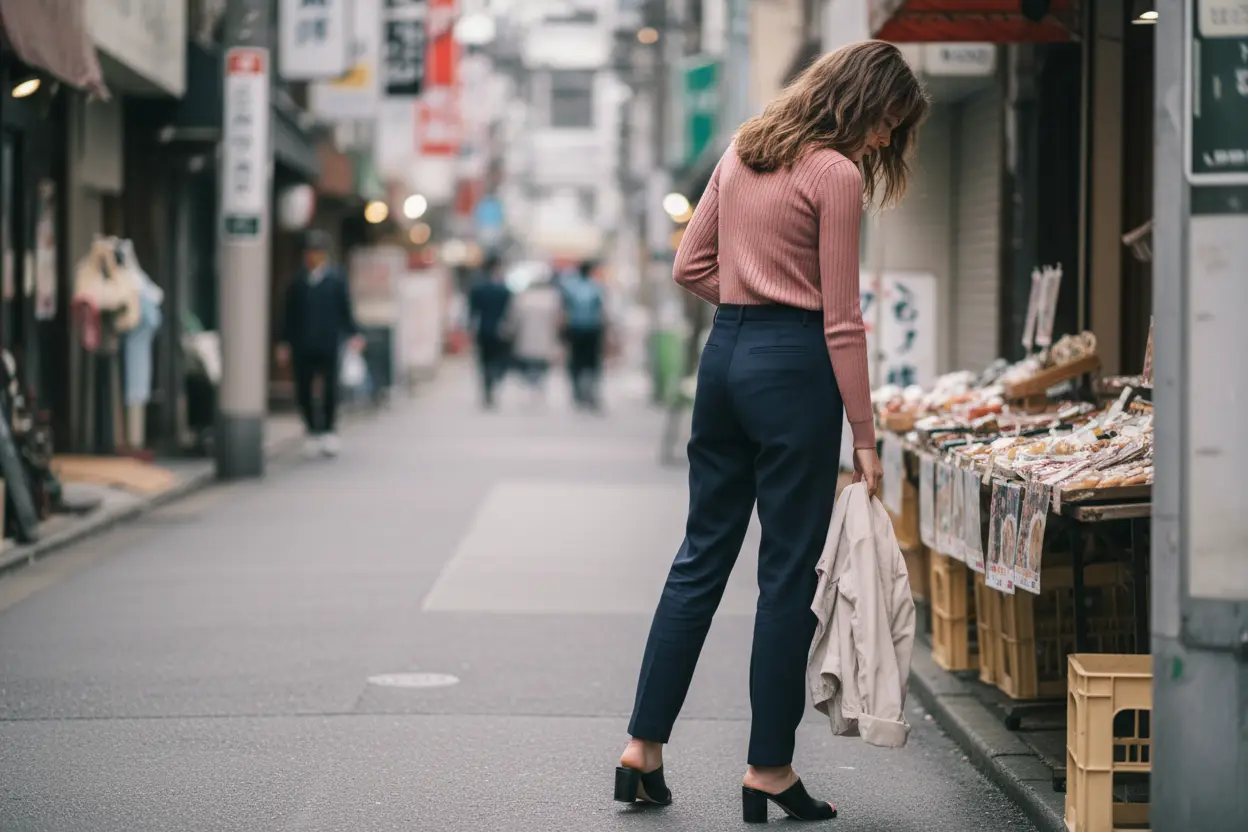
Best for: budget travelers who still want access to solid restaurants and easy train connections.
Skip if: you want nightlife after dinner or you’re picky about having a big range of late options right outside the hotel.
Main tradeoff: it’s calmer and cheaper, but I found it a little less exciting once dinner was done.
Ueno is the area I’d choose if my budget was tighter and I still wanted a practical base. Expect roughly $60-90 a night here versus $80-130 in central Shinjuku for a similar level of hotel. I checked a few places while planning a trip and kept seeing that gap. That math never works out in favor of paying extra unless you really want the Shinjuku convenience.
I ate around Ameyoko one afternoon and paid about $5 for a quick snack-and-drink stop, which is exactly the sort of cheap fuel I like in Tokyo. The area has enough food to keep you busy, especially if you want casual meals, curry, tonkatsu, or a quick bowl before heading elsewhere. But I wouldn’t call it my favorite food base for a trip built around restaurant hopping. It’s useful, not memorable.
Worth it if: you’re staying four nights or more and want to keep hotel costs down without ending up in a dead zone.
Ueno is also easier on the nervous system. The streets feel less intense than Shinjuku, and that matters after a long travel day. But if your plan is to eat late and wander until you get distracted by the next thing, Shinjuku gives you more to work with.
Ginza: only if your food trip leans expensive
Best for: travelers who care more about sushi counters, nicer dinners, and a polished base than cheap eats.
Skip if: you want street food, budget ramen, or a neighborhood that feels alive after midnight.
Main tradeoff: Ginza is clean and easy, but I don’t think it’s the smartest base for a foodie trip unless your budget is already high.
I had one dinner in Ginza where I paid about $28 for a set meal that was good but not life-changing. The restaurant was tidy, the service was smooth, and the bill felt about right for the area. But I kept thinking I could eat just as well, or better, somewhere less polished and spend the savings on two more meals. That’s the real issue with Ginza. The area is fine. The opportunity cost is what bugs me.
Best for: couples or solo travelers who want clean streets, easy subway access, and a more upscale food focus.
My pick: I’d only stay here if I already knew I was doing a lot of nicer dining and didn’t care about late-night wandering.
It also doesn’t give you much value if you like casual eating. You’ll find cafes, department store food halls, and proper restaurants, but I didn’t see the kind of low-stakes, high-reward food drift I like on a Tokyo trip. Ginza is efficient. It just isn’t the most fun place to wake up hungry.
Asakusa: better for atmosphere than for the full food hunt
Best for: travelers who want a slower base and don’t mind building food plans around transit.
Skip if: you want the easiest access to the widest range of food late at night.
Main tradeoff: Asakusa feels more relaxed, but I had to work harder to get to the meals I wanted.
I expected Asakusa to be the obvious food lover’s choice because so many people talk about the old-Tokyo feel. It wasn’t. The area is pleasant, especially around Senso-ji, but the food base itself felt more limited than Shinjuku or even Ueno. I had a good tempura lunch there and paid around $12, but dinner options thinned out faster than I wanted. That surprised me a bit.
Better if: you’re the kind of traveler who values morning walks, river views, and quieter nights more than late eating.
I’d stay here only if my trip was slower and I planned to take trains out for meals in other districts. Otherwise, I’d rather stay in Shinjuku and just visit Asakusa for the day. Staying here means longer rides to the parts of Tokyo where I’d actually want to eat multiple times a day. Not a disaster. Just less efficient.
My actual mistake: I chose a prettier area once and paid for it in taxi money
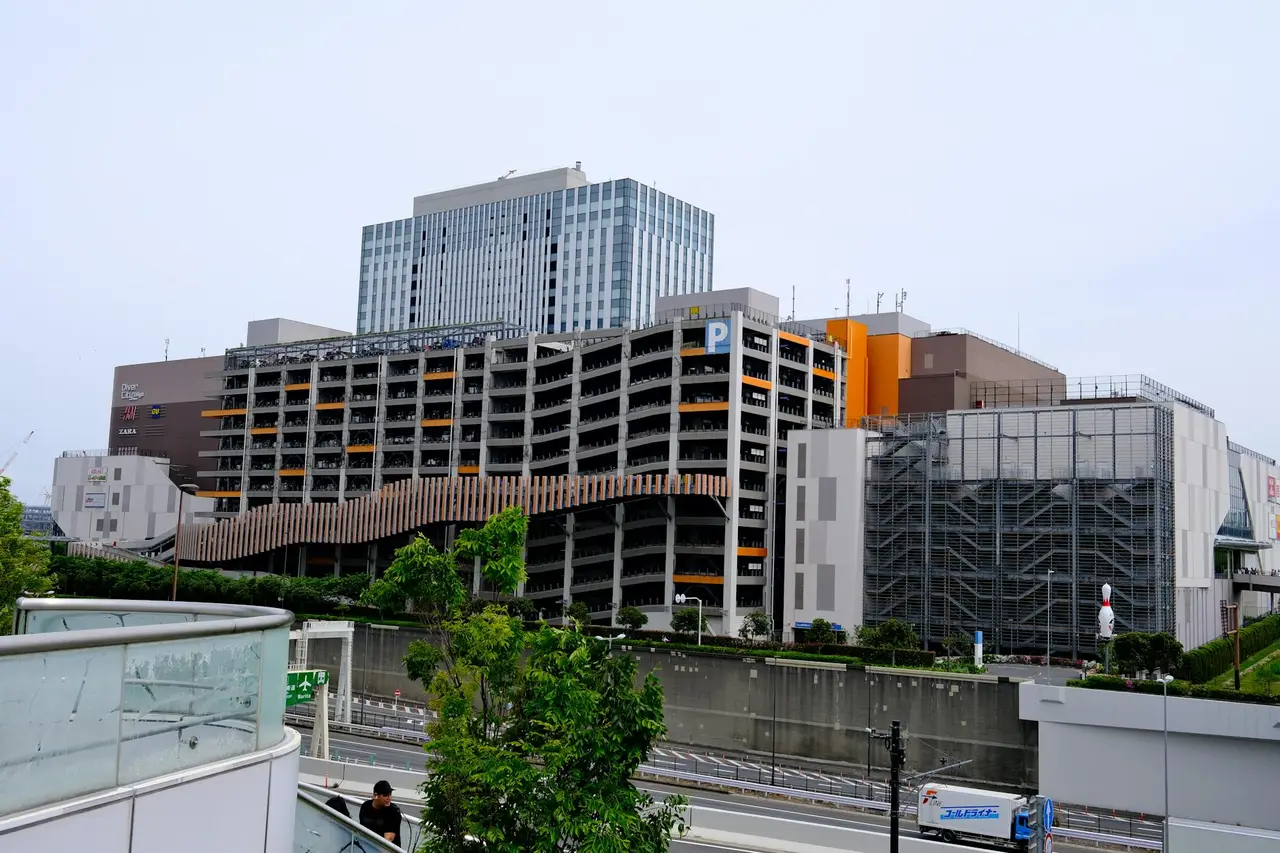
I once booked a place that looked calmer on the map because I thought I’d appreciate the quiet after long dinners. I was wrong. The first night, I got back late from a bar in Shinjuku, missed the train window I wanted, and ended up paying about $18 for a taxi that I absolutely didn’t need to take. Then I did the same thing two nights later because the last train math kept annoying me. That was the trigger: I kept choosing convenience too late, after I’d already wandered too far.
The consequence wasn’t huge in one shot, but it added up. I wasted around $36 on taxis and lost nearly an hour total waiting around and rerouting myself. If I’d stayed in Shinjuku, I would’ve just walked home, grabbed a drink, and gone to sleep. Next time I’d pay a little more for the base and stop pretending a cute neighborhood makes up for extra transit after dinner.
What I’d do again: I’d choose the area that lets me eat late without thinking about the last train. That’s the real test here.
What I’d choose again for a Tokyo food trip
Best for: most food-focused travelers, especially first-timers and solo travelers.
Skip if: you’re sensitive to noise or you only plan one or two serious meals a day.
Main tradeoff: Shinjuku is messier than other bases, but it gives back more than it takes.
If I were doing Tokyo again and food was the main goal, I’d stay in Shinjuku without overthinking it. I’d probably book something within a 10-minute walk of the station and keep the room simple. I don’t need luxury here. I need a place that makes it easy to go out hungry, come back late, and not spend half the trip in transit.
That said, I’d choose Ueno if I wanted to cut hotel costs by about $20-30 a night and didn’t care much about nightlife. I’d choose Ginza only for a more expensive food trip with nicer dinners. Asakusa would be my pick for atmosphere, but not for the strongest food base. The food decision is really that simple once you strip away the Instagram noise.
Rough daily estimates from my own trip. Prices shift by season.
See all Tokyo hotels on Agoda →
What I’d do differently next time
I’d book closer to the station and stop trying to save $10 a night if it means a longer walk after dinner. I’d also pick a hotel with solid luggage storage, because Tokyo food days get better when I’m not dragging a bag around before check-in. And I’d skip any place that looks cheap but sits awkwardly between two train lines. I’ve done that once. Enough.
I expected Shinjuku to be a quieter, more polished neighborhood where I’d stay, but it turned out to be loud, chaotic, and absolutely perfect for eating at midnight without any logistics stress. The real win was that I paid $96 a night for a basic room and could walk to three different food streets within 5 minutes, which meant I ate whenever I was actually hungry instead of planning meals around train schedules. If you’re a solo traveler prioritizing food over Instagram moments, the noise and crowds are actually your advantage.
Where I’d Actually Stay in Tokyo
Hotel Sunroute Plaza Shinjuku
Tokyo
★★★★☆
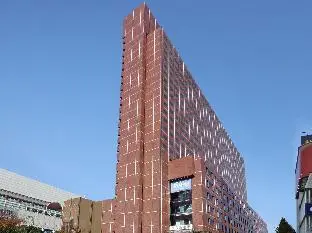
Shinjuku Prince Hotel
Tokyo
★★★★☆
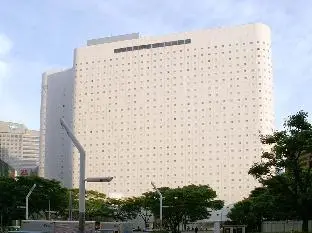
Shinjuku Washington Hotel – Main Building
Tokyo
★★★★☆
See current Tokyo hotel prices on Agoda →
I usually book Tokyo tours on Klook — the best time slots go fast, especially in peak season.
FAQ
Is Shinjuku too chaotic to stay in for a food trip?
No, I think Shinjuku is the best base if food is your main reason for visiting Tokyo. The area is busy, but that also means you can eat late, move fast, and avoid wasting money on taxis. I’d only skip it if you know noise gets in the way of your sleep.
Is Ueno cheaper enough to be worth it?
Yes, Ueno is usually worth it if you want to save about $20-30 a night. I found it easier to justify on longer trips because the food is still good and the train links are strong. I’d pick it over Shinjuku only when hotel budget matters more than late-night dining.
Should I stay in Ginza if I care about sushi?
No, not unless you’re planning several higher-end meals and want a polished base. I’d still rather stay in Shinjuku or Ueno and take the subway to Ginza for one serious dinner. That gives you better value and keeps your hotel budget from ballooning.
Is Asakusa a good base for first-time visitors who like eating out?
Only if you want a slower, quieter area and don’t mind taking trains for dinner more often. I found the daytime food options fine, but the late-night scene was thinner than I wanted. For a first trip built around food, I’d rank it behind Shinjuku and Ueno.
How much extra time does a cheaper area actually cost you?
Usually 20-30 minutes each way, and that adds up fast if you’re eating out twice a day. I’d rather pay a bit more for a base that cuts one long transit leg than spend my evening planning around the last train. Tokyo is huge enough already.
 Emma Hayes